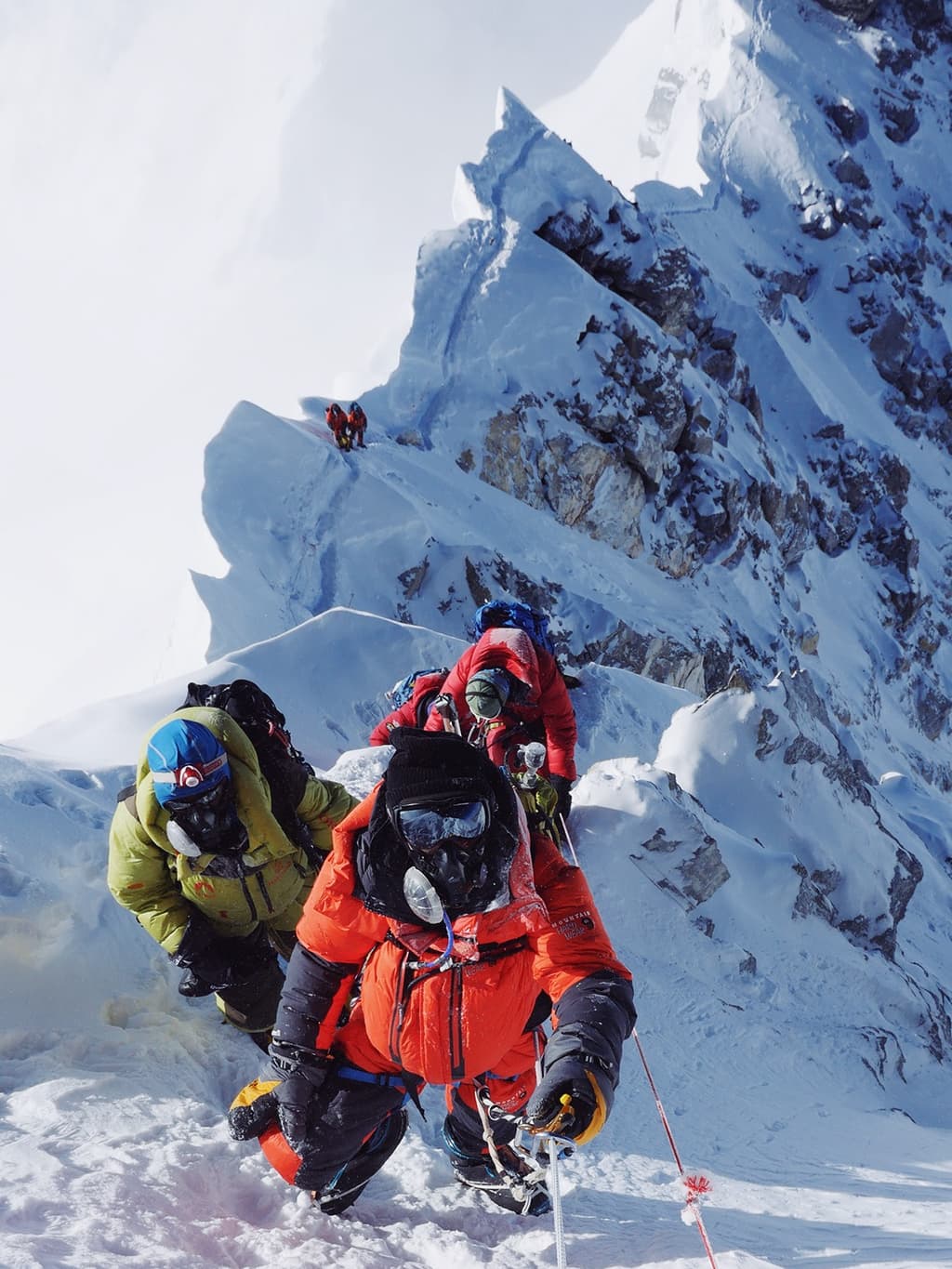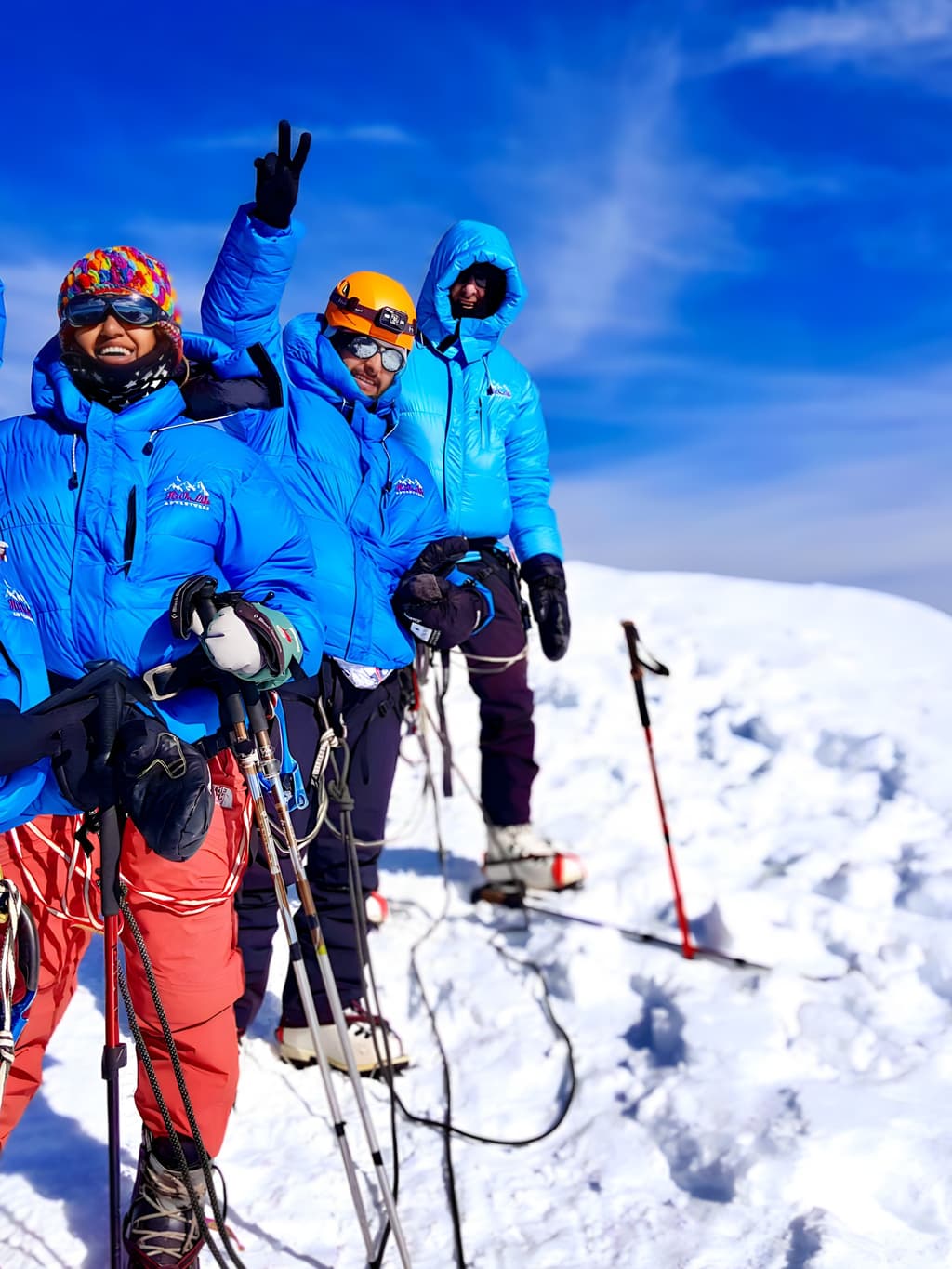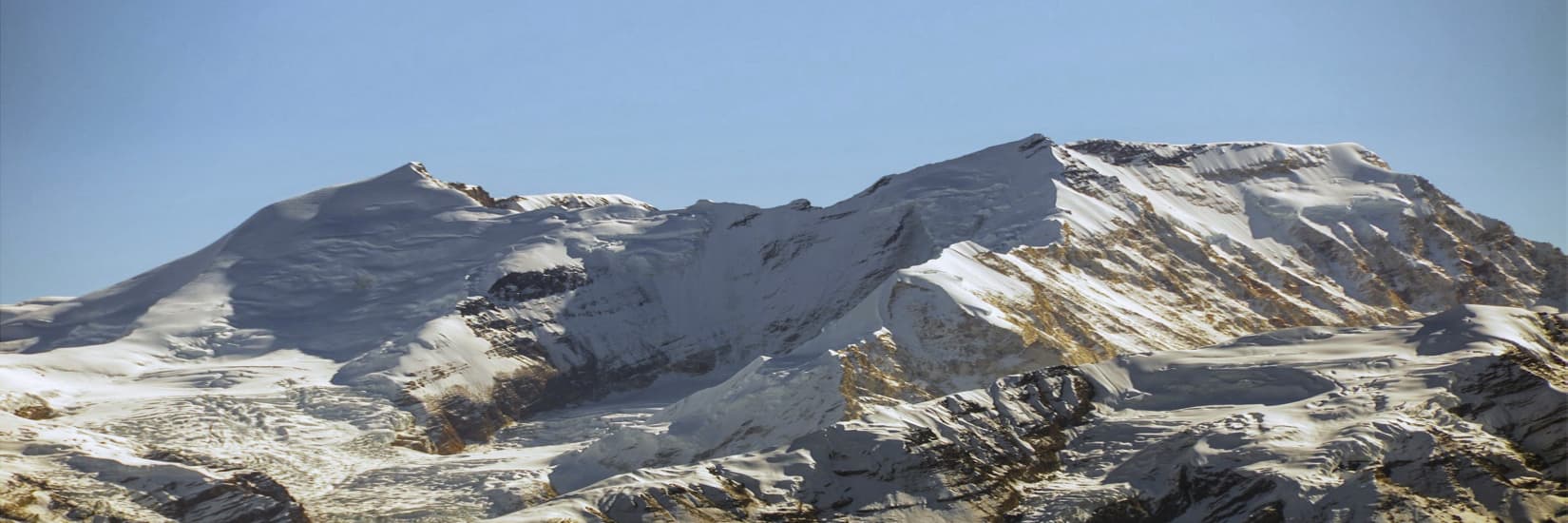
Ever stood at 7,000 meters, where the air is so thin your lungs scream and the world stretches beneath you like a living map? While Everest hogs the spotlight, Nepal's eight 7000m peaks offer adventure without the circus of commercial routes.
These mountains aren't just Everest's forgotten siblings. They're testing grounds where true alpinists prove themselves, tackling technical challenges on peaks like Pumori and Annapurna South.
The "baby 8000ers" demand respect, combining extreme altitude with routes that would make veteran climbers sweat. Many require the same technical skills as their taller counterparts, but with half the Instagram fame.
Wonder why these magnificent peaks remain relatively untouched despite their breathtaking beauty? The answer might surprise even seasoned mountaineers.
Understanding Nepal's 7000m Peaks

The Significance of Nepal's 7000m Mountains
The 7000-meter peaks of Nepal hold a special place in our hearts. While the 8000ers get all the glory and headlines, these slightly shorter giants offer some of the most rewarding climbing experiences on the planet. We've guided countless expeditions to these mountains and can tell you firsthand – they're no less majestic or challenging.
These peaks serve as perfect stepping stones for climbers looking to eventually tackle the 8000m monsters. They demand serious technical skills, acclimatization strategies, and mental fortitude, but with slightly less extreme conditions than their taller siblings.
What makes these mountains truly special is their accessibility. Many 7000m expeditions can be completed in 4-5 weeks rather than the 2+ months required for most 8000m climbs. This opens up high-altitude mountaineering to adventurers with limited vacation time.
Nepal's Position in the Himalayan Range
Nepal sits at the heart of the Himalayan range, home to the highest concentration of towering peaks on Earth. Our country houses over 1,300 peaks above 6000m, including 8 of the world's 14 eight-thousanders.
The Himalayas formed when the Indian tectonic plate collided with the Eurasian plate about 50 million years ago, creating this magnificent mountain range that continues to rise a few millimeters each year.
We're incredibly proud that these mountains have shaped our culture, traditions, and way of life. The relationship between Nepali people and the mountains is profound – they're not just geographical features but sacred entities in our traditions.
Difference Between 7000m and 8000m Expeditions
|
Aspect |
7000m Expeditions |
8000m Expeditions |
|
Duration |
3-5 weeks |
6-8 weeks or longer |
|
Cost |
$5,000-$15,000 |
$20,000-$70,000+ |
|
Death zone |
Brief or no time above 7000m |
Extended time above 8000m |
|
Summit success rates |
Generally higher |
Often lower |
|
Technical difficulty |
Varies widely by route |
Varies widely by route |
|
Supplemental oxygen |
Often optional |
Nearly always required |
The biggest difference we've noticed guiding both types of expeditions is the psychological component. On 8000m peaks, climbers face the death zone for extended periods, where the body literally begins to die. On 7000m peaks, this extreme pressure is reduced, though the physical challenge remains immense.
7000m peaks give climbers more room for error and recovery, making them perfect training grounds for those with 8000m aspirations. We've seen many climbers build crucial experience on peaks like Pumori and Baruntse before successfully summiting Everest.
Top 7000m Peaks in Nepal
Dhaulagiri II (7,751m) - Features and Routes
Dhaulagiri II stands as the second-highest peak in the Dhaulagiri massif, often overshadowed by its taller sibling. We've noticed that many climbers miss this hidden gem, which offers incredible routes without the crowds of more famous peaks.
The Northeast Ridge presents our favorite approach, with mixed terrain that challenges even seasoned mountaineers. The ridge demands solid ice climbing skills and navigation through several technical sections. We typically set up three camps along this route, with Camp 2 positioned at about 6,800m on a relatively flat snow plateau.
The West Face route is significantly more demanding. We've guided several expeditions there, and trust us—it's not for the faint-hearted. Steep ice walls and exposed traverses make this a serious undertaking.
Weather on Dhaulagiri II can change in a heartbeat. We've witnessed perfect blue skies transform into whiteout conditions within an hour. Spring (April-May) offers the most stable conditions, though we've had successful autumn climbs too.
Annapurna III (7,555m) - Technical Challenges
Annapurna III isn't just another 7000er—it's a mountaineering puzzle that's stumped some of the world's best climbers. The infamous Southeast Ridge has earned a reputation as one of the most formidable unclimbed lines in the Himalayas.
We've watched numerous elite teams retreat from this mountain, humbled by its complexity. The ridge combines vertical rock sections, overhanging ice, and knife-edge traverses that demand perfect execution.
The technical difficulties start around 6,000m, where oxygen deprivation compounds the challenging moves required. Our reconnaissance trips have identified at least six major crux sections, each requiring different climbing techniques.
What makes Annapurna III particularly tricky is the sustained nature of its difficulties. Unlike many Himalayan giants where technical sections are interspersed with easier ground, this peak keeps throwing problems at you all the way to the summit.
The South Face offers slightly easier climbing but greater objective dangers from avalanches and serac fall. We've witnessed massive ice collapses that have reshaped entire sections of this route.
Gangapurna (7,455m) - Scenic Beauty and Climbing History
Gangapurna might not top the height charts, but it certainly ranks among the most visually stunning peaks we've encountered. Sitting proudly in the Annapurna range, its dramatic north face drops directly into the turquoise waters of Gangapurna Lake, creating a photographer's dream.
We first guided a team here in 2007, and the mountain has held a special place in our hearts ever since. The standard North Ridge route involves navigating a labyrinth of crevasses before tackling the steeper upper sections. We typically establish three camps, with our highest at 6,900m below the final summit pyramid.
The mountain's history fascinates us. First climbed in 1965 by a German expedition, the team spent nearly two months establishing their route—a stark contrast to today's faster alpine-style attempts. We often share these stories around Camp 2, where the views of Annapurna I and III provide the perfect backdrop.
Spring climbing here rewards you with rhododendron forests blazing with color on the approach trek. By mid-May, we're treated to spectacular cloud formations that roll through the valley below while we climb in clear skies above.
Himlung Himal (7,126m) - The Popular Choice for First-Time 7000m Climbers
We've seen Himlung Himal transform from an obscure peak to a climber's favorite over the past decade. Located in the remote Manaslu region, it offers the perfect stepping stone between 6000m peaks and the 8000ers.
What makes Himlung ideal for first-time 7000m climbers? The Northwest Ridge route presents moderate technical difficulties without the extreme challenges found on other peaks in this range. We've guided clients with strong trekking backgrounds but limited technical climbing experience to the summit with great success.
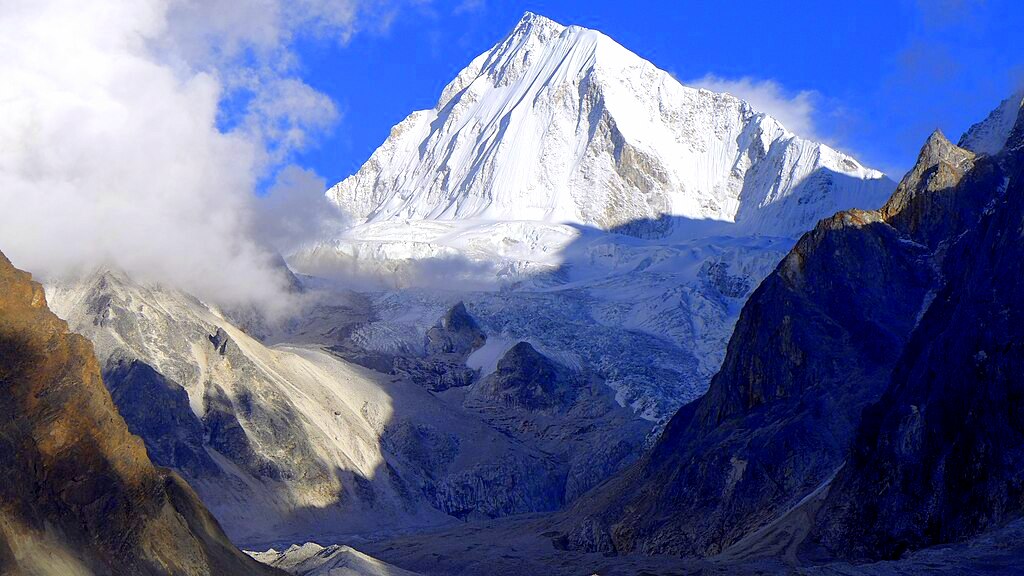
The approach trek through Naar and Phu villages adds cultural richness to the expedition. We always encourage our climbers to spend time with the local communities, whose Buddhist traditions remain largely unchanged for centuries.
Our typical itinerary includes a thorough acclimatization schedule with three camps above base camp. Camp 1 sits at about 5,450m on a relatively flat glacier shelf, while Camp 3 at 6,350m positions us for a manageable summit day.
The summit success rate here hovers around 70%—significantly higher than many other 7000m peaks. We've found this makes for a more positive first experience at this altitude, building confidence for future challenges.
Climbing Season and Weather Conditions
Best Times to Climb 7000m Peaks
Finding the perfect window to climb Nepal's 7000m peaks can make or break your expedition. We've guided countless climbs and can tell you that timing is everything. For most 7000m peaks in Nepal, two distinct climbing seasons stand out:
Spring (April-May): Our favorite time, with stable weather, warmer temperatures, and those gorgeous rhododendron forests blooming at lower elevations. The snow conditions are typically excellent.
Autumn (September-October): Crisp, clear days with stunning visibility make this another prime time. The monsoon has cleared the air, giving us those picture-perfect mountain views you've dreamed about.
Understanding Pre-Monsoon vs Post-Monsoon Seasons
Pre-monsoon (spring) climbing comes with its own personality. We love the gradually warming days, but know to watch for increasing storm activity as May progresses. The snowpack is typically more stable after winter accumulation.
Post-monsoon (autumn) offers the clearest skies of the year – perfect for those summit photos! However, we've found that early snow can arrive by late October, especially in recent years. Wind speeds are generally lower than spring, which is a nice bonus.
|
Season |
Advantages |
Challenges |
|
Pre-monsoon |
Stable snowpack, warming trend |
Increasing storms late season |
|
Post-monsoon |
Clearest visibility, less wind |
Early snow possible, colder |
Weather Challenges at High Altitude
The weather at 7000m plays by its own rules. We've seen temperatures plummet to -20°C even during "good" weather windows. Wind is your biggest enemy up high – we've weathered storms with 60+ mph gusts that pin you in your tent for days.
One thing many climbers don't realize: weather changes dramatically with elevation. It might be perfectly sunny at base camp while the summit's getting hammered by snow. We always teach our clients to read cloud formations – those innocent-looking lenticular clouds are major warning signs.
Climate Change Impact on Nepal's Mountains
We've been climbing these peaks for decades, and the changes are impossible to ignore. Glaciers we once walked across are retreating at alarming rates, creating new hazards like unstable moraines and unpredictable ice falls.
Weather patterns have become less predictable too. Our traditional climbing seasons sometimes feature unusual storm systems or premature monsoon activity. We've had to adapt by building more flexibility into expedition schedules and closely monitoring satellite forecasts.
The snow line has climbed higher, meaning longer approaches on loose rock instead of snow. This isn't just an environmental concern – it fundamentally changes the climbing experience and technical requirements on many routes.
Preparation for 7000m Expeditions
Physical Training Requirements
Climbing a 7000m peak isn't something you decide on Friday and start on Monday. We typically recommend a 6-month training program focusing on cardiovascular endurance, strength, and stamina. Our clients who've had the most success start with 3-4 days of cardio (running, cycling, swimming) and 2-3 days of strength training weekly.
For cardio, nothing beats hiking with a loaded pack. Start with 30-pound packs and gradually increase to 50-60 pounds, tackling 6-8 hour hikes on consecutive days. This mirrors what you'll experience on the mountain.
Stair climbing is another game-changer. Find a tall building or stadium and climb repeatedly with your loaded pack. Trust us, your legs will thank you when you're on hour 10 of summit day.
Essential Technical Skills
You don't need to be a technical climbing wizard, but we've found these skills non-negotiable:
- Crampon technique - Both flat-footing and front-pointing
- Ice axe use - Self-arrest, anchoring, and climbing techniques
- Rope management - Tying essential knots and basic climbing commands
- Fixed line techniques - Ascending and descending using jumars and figure-8 descenders
We always suggest taking a basic mountaineering course if you're new to these skills. Even experienced climbers benefit from refreshers before tackling 7000ers.
Acclimatization Strategies
The difference between a successful expedition and a painful retreat often comes down to acclimatization. We follow the classic "climb high, sleep low" approach, with careful monitoring of each team member.
Our typical acclimatization schedule:
-
Base Camp (4,800-5,200m): 2-3 days
-
Camp 1 (5,500-5,800m): 2 nights with a rest day
-
Return to Base Camp: 2 days
-
Camp 1 again, then Camp 2 (6,100-6,400m): 1 night
-
Return to Base Camp: 2-3 days
-
Final push through all camps to summit
Hydration is crucial - we aim for 4-5 liters daily. We also monitor oxygen saturation levels throughout, adjusting our schedule for each climber's physiology.
Mental Preparation Tips
The mental game separates those who summit from those who don't. We've guided hundreds of climbers, and mental resilience matters more than physical strength.
Break the climb into manageable chunks. Don't think about the summit when you're at Base Camp - focus on reaching Camp 1, then Camp 2, and so on.
Visualization works wonders. Spend time daily imagining yourself moving efficiently on the mountain, handling challenges, and reaching the summit. This mental rehearsal pays dividends when things get tough.
Develop a personal mantra. The simple phrases often work best when oxygen is scarce and thinking becomes difficult.
Remember your "why." When exhaustion hits, connecting with your deepest motivation provides that crucial push forward.
Required Equipment and Gear
Our comprehensive packing list includes:
Technical Gear:
-
High-altitude double boots (La Sportiva G2 SM or Scarpa Phantom 6000)
-
Crampons (Black Diamond Sabretooth or Petzl Vasak)
-
Ice axe (Petzl Summit or Black Diamond Raven Pro)
-
Harness, helmet, ascender, descender
-
3 locking carabiners, 3 non-locking carabiners
Clothing System:
-
Base layers (2 sets)
-
Mid-layers (fleece and light down)
-
Shell layers (waterproof/breathable)
-
Down suit or heavy down jacket and pants
-
Expedition mittens and gloves (2 pairs each)
-
Heavyweight socks (4-5 pairs)
Sleeping:
-
-40°C rated sleeping bag
-
2 sleeping pads (inflatable and closed-cell foam)
Personal Items:
-
Headlamp with extra batteries
-
UV-protective sunglasses and goggles
-
Sunscreen (SPF 50+) and lip balm
-
Water bottles and insulated covers
-
Personal medications and first aid
Each item serves a specific purpose. We've refined this list through decades of experience, balancing weight considerations with safety needs.
Permits and Logistics
Expedition Permit Process
Climbing 7000m peaks in Nepal isn't just about physical preparation – there's paperwork too. We've helped hundreds of climbers navigate this process, and trust us, starting early saves headaches.
First, you'll need to secure permits through the Nepal Ministry of Tourism. For all 7000m peaks, applications must be submitted at least 45 days before your expedition. The process includes:
-
Completed application form
-
Climbing resume
-
Medical certificate
-
Copy of passport
-
Insurance documentation
-
Garbage deposit (refundable)
We typically handle all this paperwork for our clients. One thing to remember: permit fees vary by season, with spring (March-May) being most expensive and winter (December-February) offering discounts of up to 75%.
Costs and Budgeting
The price tag for 7000m expeditions can surprise first-timers. We break down costs transparently:
|
Expense Category |
Approximate Cost (USD) |
|
Permit Fee |
$600-1,800 |
|
Liaison Officer |
$2,000-3,000 |
|
Base Camp Services |
$3,000-5,000 |
|
High Camp Support |
$2,500-4,000 |
|
Equipment Rental |
$1,000-2,500 |
|
Transportation |
$800-1,500 |
Beyond these core expenses, we recommend budgeting an additional 15-20% for contingencies. Weather delays, extra oxygen needs, or unexpected helicopter evacuations can all impact your final bill.
Insurance Requirements
This isn't where you cut corners. We've seen too many climbers underprepared in this department.
Your insurance policy must cover:
-
High-altitude mountaineering (specifically above 6000m)
-
Search and rescue operations including helicopter evacuation
-
Medical expenses up to $100,000
-
Trip cancellation/interruption
-
Coverage for Nepal specifically
Many standard travel policies exclude mountaineering activities above certain altitudes. We partner with several specialized providers who understand the unique needs of high-altitude expeditions.
Local Support Team Structure
Our expeditions succeed because of our incredible local teams. A typical support structure for a 7000m peak includes:
-
Expedition leader (Western or Nepali)
-
1-2 high-altitude guides per 4 climbers
-
Base camp manager
-
Cook team (head cook + 1-2 assistants)
-
Kitchen helpers
-
Porters for approach (10-15 depending on group size)
-
High-altitude porters/Sherpas (1 per client minimum)
This team doesn't just carry loads – they're your lifeline on the mountain. Our Sherpa team members average 15+ summits each on various Himalayan peaks, bringing unmatched experience to your expedition.
Everest Sherpa Expeditions' 7000m Peak Services
Our Specialized Climbing Packages
We've crafted specialized climbing packages for each of Nepal's magnificent 7000m peaks, tailored to both seasoned mountaineers and ambitious newcomers. Our expeditions to Dhaulagiri, Annapurna, and Pumori blend technical challenge with breathtaking beauty. Unlike cookie-cutter tours, we customize every detail – from acclimatization schedules to equipment needs.
Need more time to adjust to altitude? No problem. Prefer extra days at specific camps? We've got you covered. We also offer combination packages for climbers aiming to summit multiple 7000m peaks in a single journey, maximizing your time in Nepal while achieving multiple summit goals.
Safety Protocols and Success Rates
Safety isn't just a buzzword for us – it's woven into everything we do. Our success rates consistently exceed industry averages because we never compromise on safety. We maintain low guide-to-climber ratios (typically 1:2 on technical sections) and implement rigorous pre-climb assessments.
Our team conducts daily health checks using pulse oximeters to monitor acclimatization, and we've established strategic contingency plans for each route section. Weather monitoring happens twice daily with satellite communications at all camps. The numbers speak for themselves – over 85% summit success across our 7000m expeditions with zero major incidents in the past five years.
Experienced Sherpa Guide Team
Our guides aren't just employees – they're family. Many have summited Everest multiple times, but what sets them apart is their expertise on Nepal's 7000m peaks specifically. Each guide undergoes annual technical training and wilderness first responder certification.
Pasang, our lead guide, has completed all fourteen 8000m peaks worldwide. Mingma specializes in technical ice climbing and has guided Dhaulagiri twelve times. Dawa, our logistics master, ensures base camps run seamlessly. Beyond technical skills, our team brings generations of cultural knowledge and a deep spiritual connection to these sacred mountains. They're not just taking you up a mountain – they're sharing their heritage.
Customized Itineraries for Different Skill Levels
We don't believe in one-size-fits-all mountaineering. Our beginner-friendly itineraries for peaks like Tilicho feature extended acclimatization and skills training. For intermediate climbers, we offer progressively challenging routes on mountains like Pumori. Advanced alpinists can tackle technical routes on Dhaulagiri or attempt ambitious multi-peak expeditions.
Every itinerary includes pre-climb training days where our guides assess and enhance your skills. Beginners learn proper crampon techniques and ice axe self-arrest, while advanced climbers refine their fixed-line protocols and crevasse rescue. We adjust the pace based on your progress, never rushing what needs time to develop safely.
Sustainable Climbing Practices
The mountains have given us everything, so we treat them with profound respect. Our "Leave No Trace Plus" approach means we remove not just our waste but legacy waste left by previous expeditions. We've eliminated single-use plastics from our operations and use solar power at base camps whenever possible.
We partner with local communities near each mountain, ensuring economic benefits flow directly to the regions we climb in. Our porters receive fair wages, proper equipment, and comprehensive insurance – exceeding industry standards. We limit group sizes to minimize environmental impact and invest in trail maintenance projects annually. These aren't just eco-friendly talking points – they're commitments we've followed for two decades in the mountains we call home.
Client Success Stories
Notable Expeditions Led by Our Team
We've been fortunate to guide some remarkable expeditions across Nepal's 7000m peaks. In 2019, we led a team of six international climbers to the summit of Dhaulagiri, navigating through unusually harsh weather conditions that had turned back three other expeditions. Our Sherpa team found a safe route through the notorious ice falls, getting 100% of our clients to the top.
In 2021, our expedition to Manaslu became something of a legend in climbing circles. When sudden storms trapped several teams at Camp 3, our guides coordinated a multi-team rescue operation that ensured everyone made it down safely. Two months later, we returned with a determined group and achieved one of the only successful summits that season.
Just last year, we guided the first all-female team to complete both Pumori and Baruntse in a single season - a 45-day journey that showcased the extraordinary determination of these women and our team's ability to manage complex logistics across multiple peaks.
Testimonials from Previous Climbers
"The difference with Everest Sherpa Expeditions isn't just their technical expertise - it's how they make you feel like family. When I struggled above 6500m on Himlung, their patience and encouragement literally got me to the top." - Sarah Connor, UK
"I've climbed with three different outfitters in Nepal. Nobody manages the details like these guys. From permits to porter welfare to camp logistics - everything runs smoothly, which means we can focus on climbing." - Michael Zhang, Canada
"What stands out is their honesty. When conditions on Tilicho Peak turned dangerous, they didn't hesitate to recommend turning back, despite knowing how disappointed we'd be. That decision likely saved lives." - David Sharma, India
Photo Gallery of Successful Summits
Our photo collection tells stories that words simply can't capture. The sunrise from Dhaulagiri's summit ridge, casting golden light across the Annapurna range. The tears in our client Maria's eyes as she placed her late brother's photo at Baruntse's summit. The impromptu celebration at Camp 4 on Makalu, where climbers from seven countries shared one pot of garlic soup before their summit push.
Each image in our gallery represents not just a successful climb but a journey shared. The fist-bumps at difficult sections. The silent moments of awe at nature's grandeur. The exhausted but triumphant smiles that come only after pushing beyond what seemed possible.
We've captured these memories not just for marketing materials, but as testaments to human spirit and the deep bonds formed high in the Himalayas.
Nepal's 7000m peaks offer an incredible adventure for climbers looking to challenge themselves beyond the standard trekking routes. From the technical challenge of Pumori to the lesser-known beauty of Annapurna III, these mountains provide world-class climbing experiences with fewer crowds than their 8000m counterparts. With proper preparation, training, and timing your expedition during optimal climbing seasons, these magnificent peaks become attainable goals for dedicated mountaineers.
At Everest Sherpa Expeditions, we take pride in our comprehensive services that have helped numerous climbers achieve their 7000m summit dreams. Our experienced Sherpa guides, personalized training programs, and meticulous attention to logistics and permits ensure your safety and maximize your chances of success. Whether you're stepping up from 6000m peaks or preparing for future 8000m challenges, let us guide you through Nepal's magnificent 7000m mountains for an unforgettable alpine experience.
If you need any further information, please contact us by email: [email protected], Phone: +977- 980 195 6248 (WhatsApp).