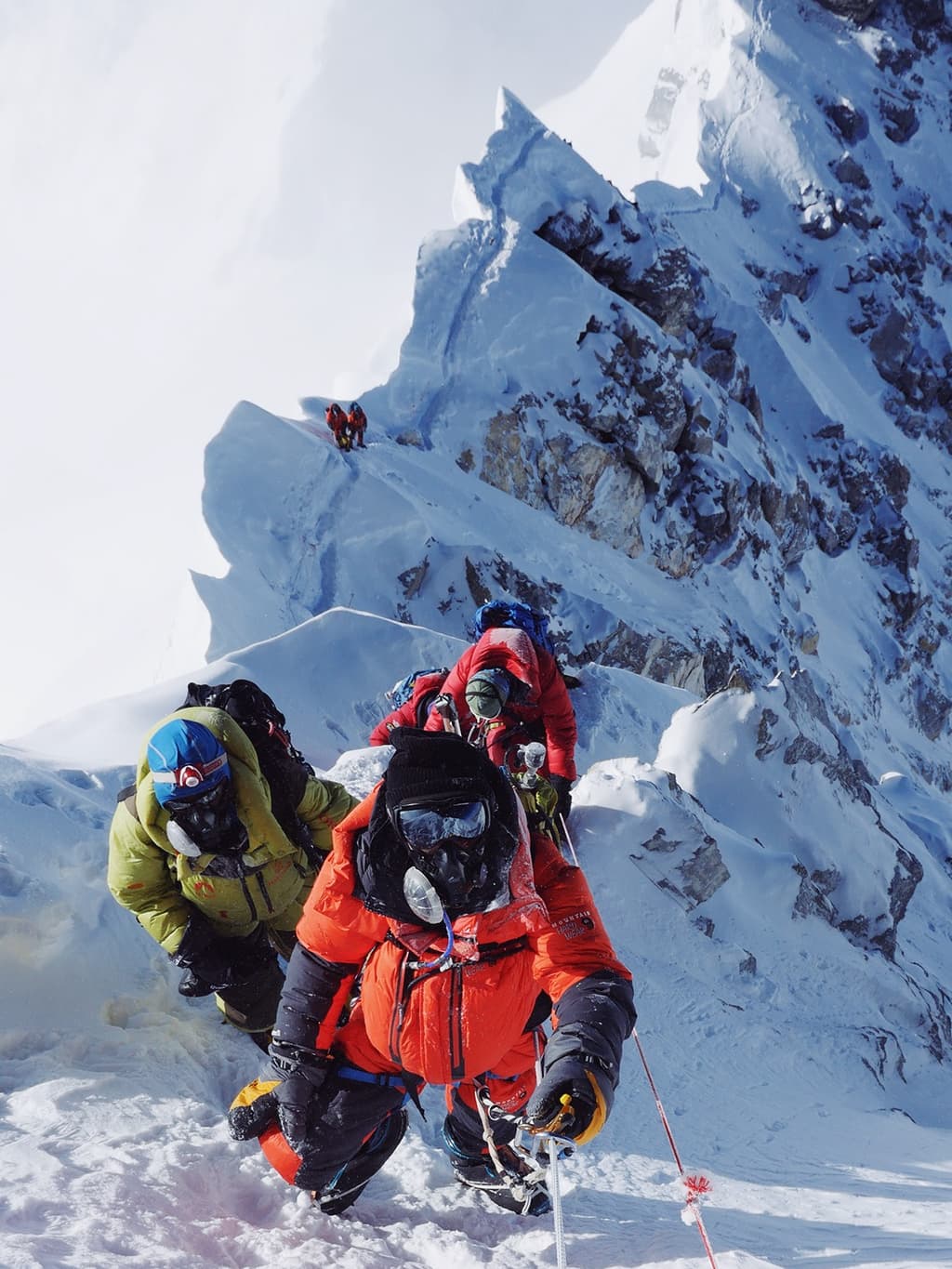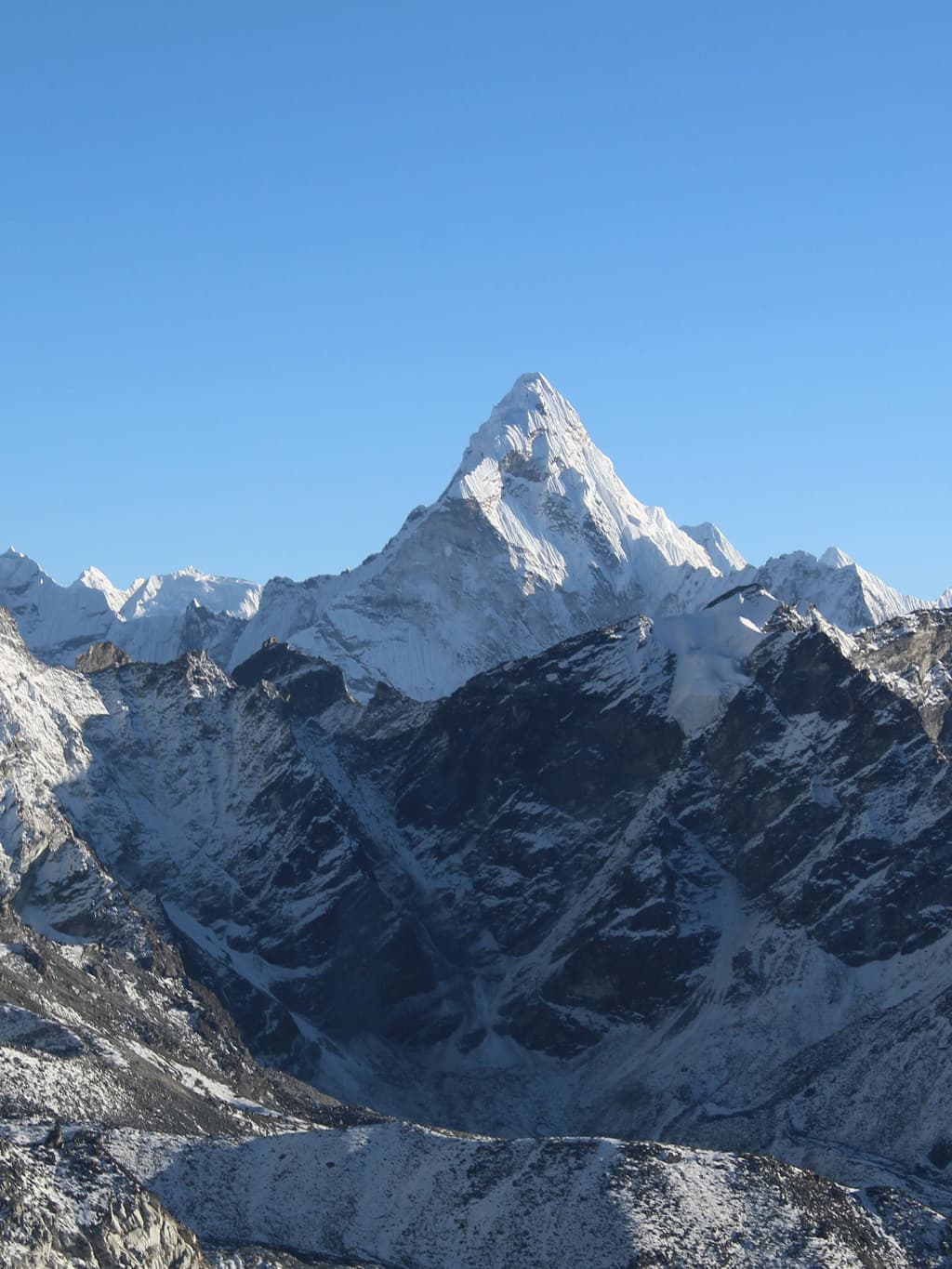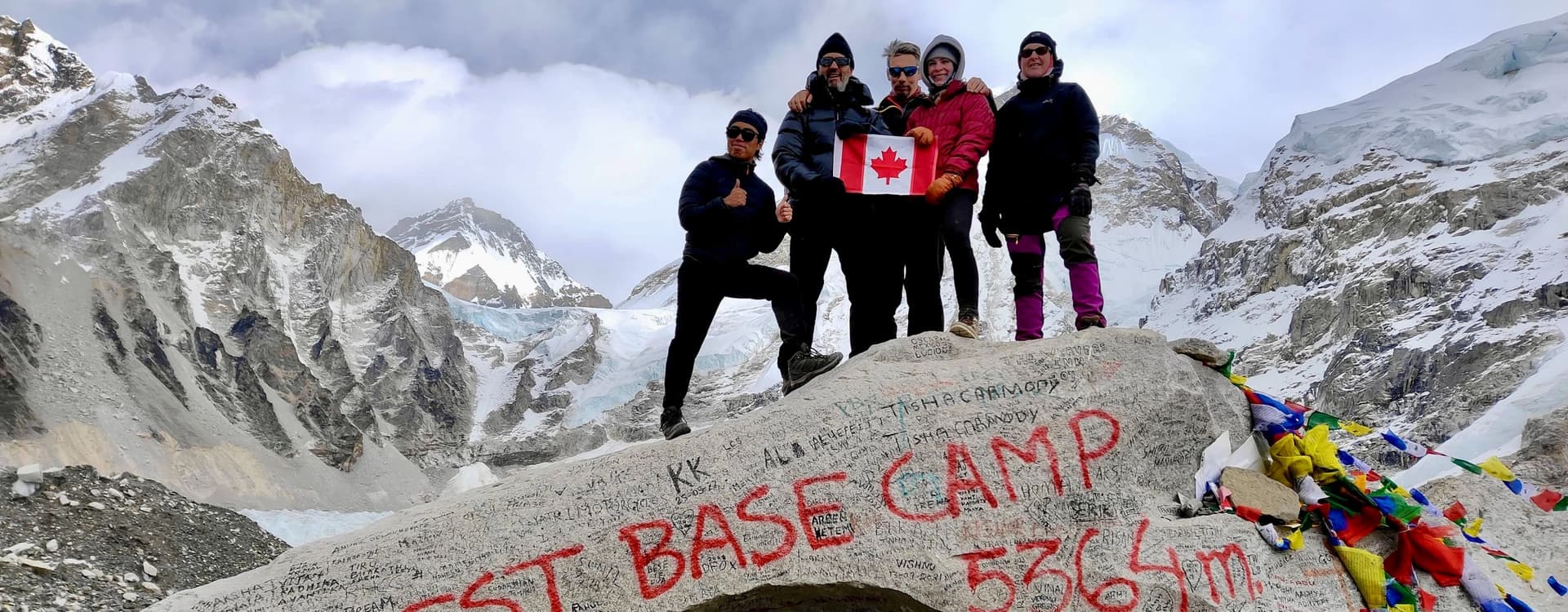
Ever dreamed of trekking to the doorstep of the world's highest mountain, but wondered if your lungs (or legs) could handle it? You're not alone. The Everest Base Camp trek challenges over 30,000 hikers annually with its 80-mile round-trip journey and oxygen levels that drop to 63% of what they are accustomed to breathing.
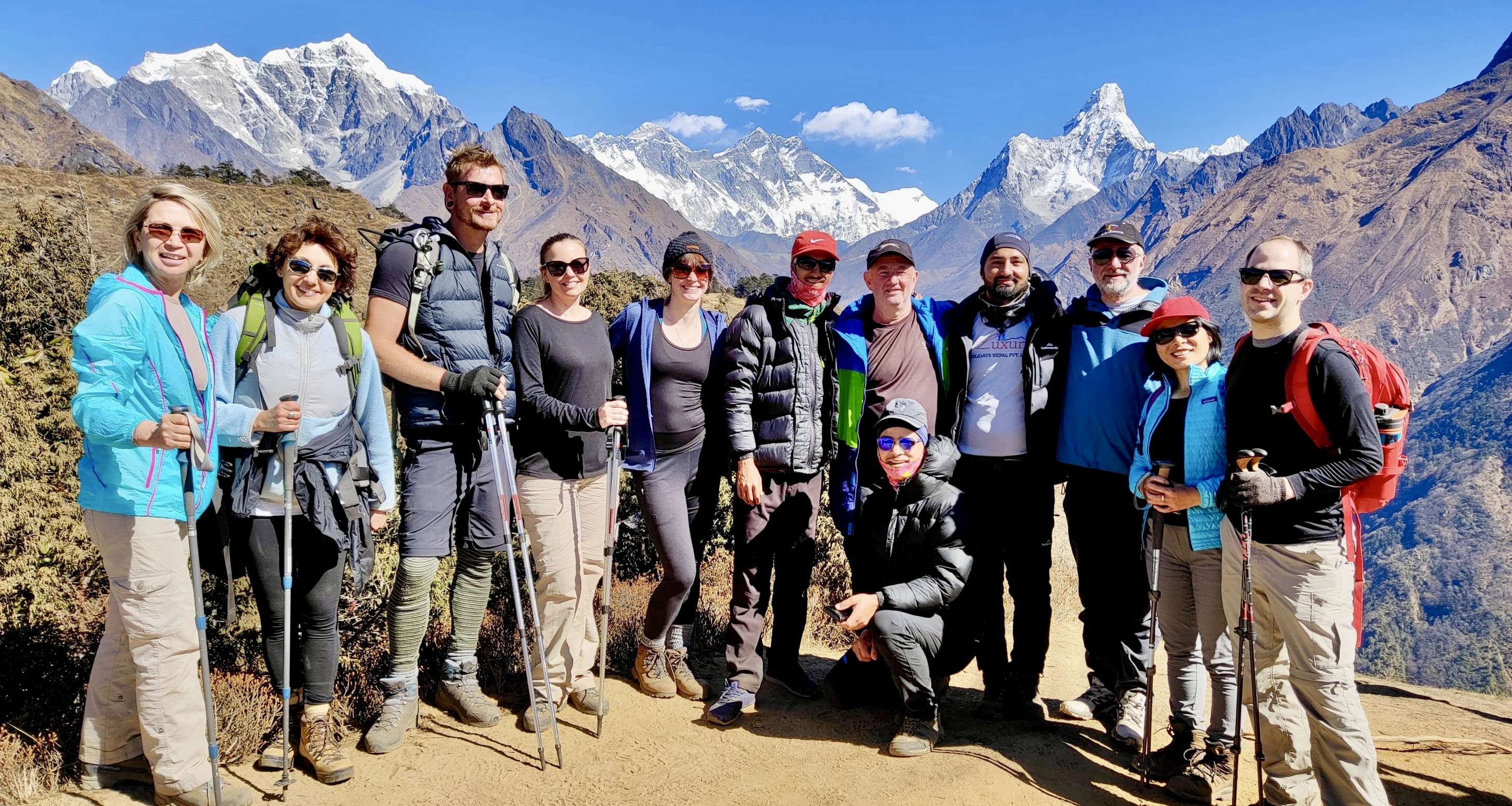
This guide will walk you through exactly what makes the EBC trek challenging—and why it's still doable for most reasonably fit adventurers.
The Everest Base Camp trek isn't about conquering impossible terrain. It's about pacing yourself through moderate hiking days while your body adjusts to thinner air. Many trekkers obsess over fitness when they should be focusing on something else entirely.
Understanding the Difficulty of the Everest Base Camp Trek
Physical demands of the 130km trek at high altitude
The Everest Base Camp trek presents significant physical challenges, with an overall difficulty level categorized as strenuous. We're looking at a challenging 130-kilometer (80 miles) round-trip journey that takes trekkers through varying terrains and altitudes. The trek culminates at Kalapatthar at an impressive altitude of 5,555 meters (18,206 feet), which puts considerable strain on even the most experienced hikers.
At these elevations, the air contains significantly less oxygen, making physical exertion much more demanding than at lower altitudes. We've observed that even seasoned trekkers often find themselves needing to pace more carefully due to the combination of distance and altitude.
Daily walking requirements (5-6 hours per day)
Most days on the Everest Base Camp trek involve 5-6 hours of walking, which requires both physical endurance and mental determination. We typically recommend building up your stamina before attempting this trek, as consecutive days of walking at high altitude can be quite taxing on the body.
The daily distance covered varies, but most trekkers need to maintain a steady pace throughout the day with regular breaks. We've found that setting realistic expectations about daily hiking times helps trekkers prepare mentally for the journey ahead.
Unpaved roads and breathing challenges
The trail to Everest Base Camp consists primarily of unpaved paths that can be rough, rocky, and sometimes steep. These conditions add another layer of difficulty to the trek, requiring careful footing and proper hiking boots.
One of the most significant challenges we encounter on the trek is breathing difficulties caused by the decreasing oxygen levels as altitude increases. Many trekkers experience shortness of breath even during mild exertion, particularly above 3,500 meters. We've seen that the simple act of walking uphill can leave trekkers feeling winded and needing frequent rest stops.
Common obstacles for beginners
First-time trekkers to the Everest region face several common challenges:
- Altitude sickness: This is perhaps the most serious concern for beginners. Symptoms can include headaches, nausea, dizziness, and in severe cases, more serious conditions like HAPE (High Altitude Pulmonary Edema) or HACE (High Altitude Cerebral Edema).
- Acclimatization issues: We've observed that beginners sometimes try to ascend too quickly, not allowing their bodies sufficient time to adjust to the changing altitude.
- Weather conditions: The Everest region experiences unpredictable weather patterns that can change rapidly, from sunny skies to snow or rain in a matter of hours.
- Physical fitness challenges: Many beginners underestimate the physical demands of continuous trekking at high altitude and may struggle with fatigue or muscle soreness.
- Mental obstacles: The trek can be mentally challenging, requiring perseverance through difficult sections, cold temperatures, and basic accommodation facilities.
We recommend that beginners prepare adequately through physical training, proper gear selection, and setting realistic expectations about the trek's difficulty. With proper preparation and a good guide, the challenges of the Everest Base Camp trek are surmountable, making it an achievable goal for determined trekkers.
Altitude Considerations and Acclimatization
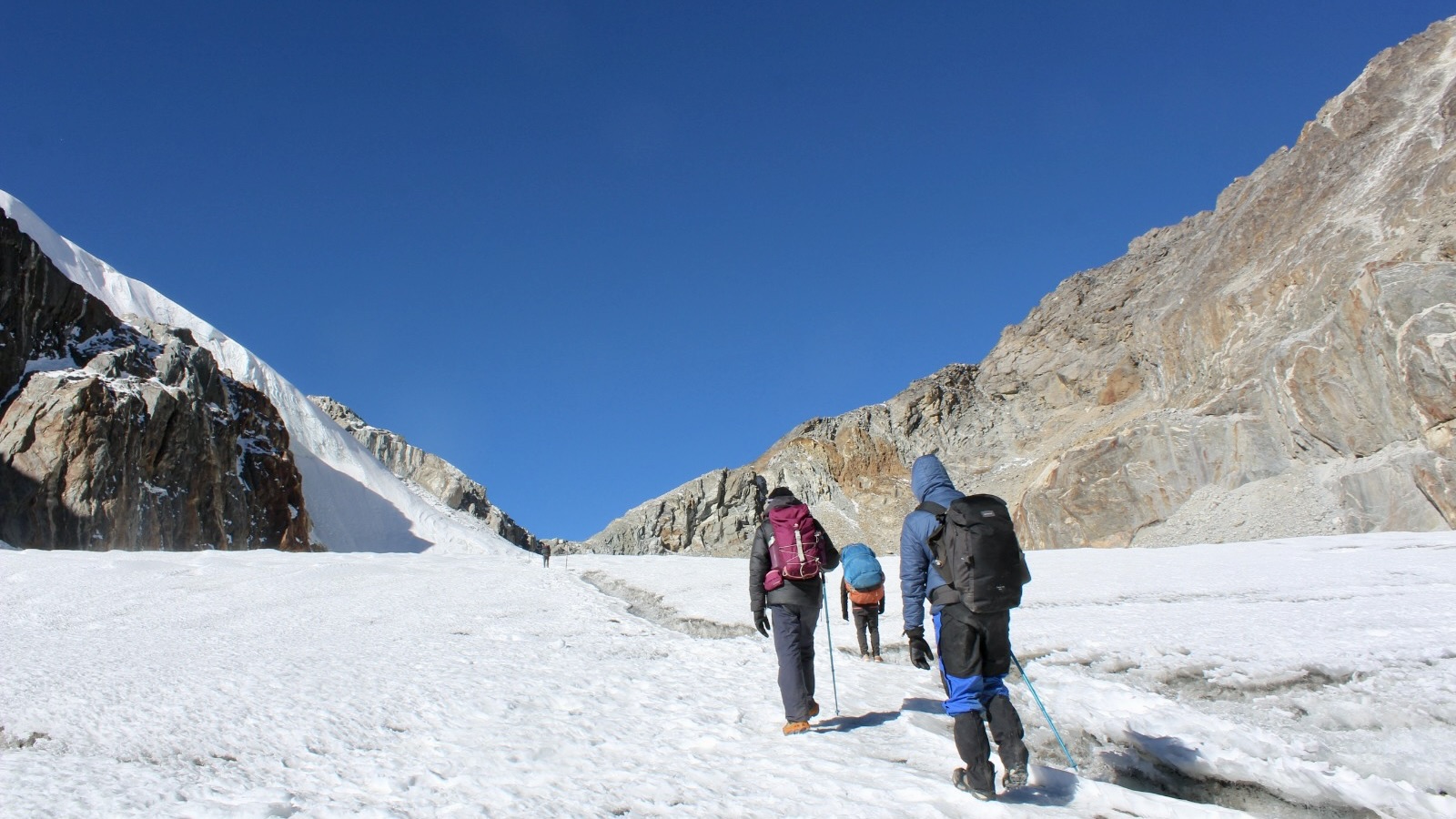
Maximum elevation of 5500m and altitude sickness risks
The Everest Base Camp Trek takes trekkers through two distinct altitude zones: 'high altitude' (2,500m-3,500m) and 'very high altitude' (3,500m-5,500m). While these elevations are challenging, they remain below the dangerous "death zone" encountered further up Mount Everest.
Most trekkers begin experiencing altitude-related symptoms above 2,400m. Since the EBC trek starts at 2,600m in Lukla, acclimatization becomes essential from day one. Altitude sickness affects everyone differently - factors like age, fitness level, and genetics all play a role in how your body responds to the thinning air.
Importance of a proper acclimatization schedule
Acclimatization is the process by which our bodies adapt to decreased oxygen levels and lower air pressure at higher elevations. As we ascend, the air molecules (including oxygen) become more dispersed, creating what mountaineers call "thin air."
Our bodies respond to this challenge through several physiological changes:
- Breathing becomes deeper and more rapid
- Production of red blood cells increases
- Lungs become more efficient at absorbing oxygen
- Enzymes are secreted to improve oxygen transfer to tissues
Unlike the Sherpas who have lived in the Himalayas their entire lives, most of us need time for these adaptations to occur. This is why a gradual ascent is critical, as frustrating as it may be for eager trekkers.
We incorporate strategic acclimatization days in our itineraries, allowing trekkers to "trek high, sleep low" - a proven technique where you climb to higher elevations during the day but return to lower altitudes for sleeping.
Recognizing symptoms of altitude sickness
The basic rule for trekkers: if you start feeling sick at altitude, assume it's altitude sickness. Early identification of symptoms can prevent serious complications.
Common symptoms include:
- Headaches (often persistent)
- Loss of appetite
- Nausea or vomiting
- Dizziness or lightheadedness
- Fatigue beyond normal tiredness
- Difficulty sleeping
- Shortness of breath during exertion
More severe symptoms that require immediate attention:
- Shortness of breath even at rest
- Inability to walk in a straight line
- Severe headache unrelieved by medication
- Confusion or altered mental status
- Persistent coughing or pink, frothy sputum
Safety measures and emergency protocols
We enforce several crucial safety rules during the EBC trek:
- If you experience altitude sickness symptoms, you must not ascend further
- Get across high passes quickly, then descend
- If symptoms persist after resting at the same altitude, you must descend
- Never feel pressured to keep up with the group if experiencing symptoms
Additional preventative measures we recommend:
- Drink plenty of fluids (3-4 liters daily) as dehydration increases altitude sickness risk
- Avoid alcohol and smoking during the trek
- Consider preventative medication like Diamox (after consulting your doctor)
- Move slowly and deliberately, especially above 3,000m
- Listen to your guides, who are trained to recognize early signs of trouble
In emergencies, our protocols include rapid descent (the most effective treatment), supplemental oxygen when available, and evacuation procedures to lower elevations or Kathmandu if necessary. Our guides carry satellite phones and are trained in wilderness first aid specific to high-altitude emergencies.
Remember that no trek is worth risking your health. With proper acclimatization and awareness, most trekkers can safely enjoy the incredible journey to Everest Base Camp.
Best Seasons for EBC Trek
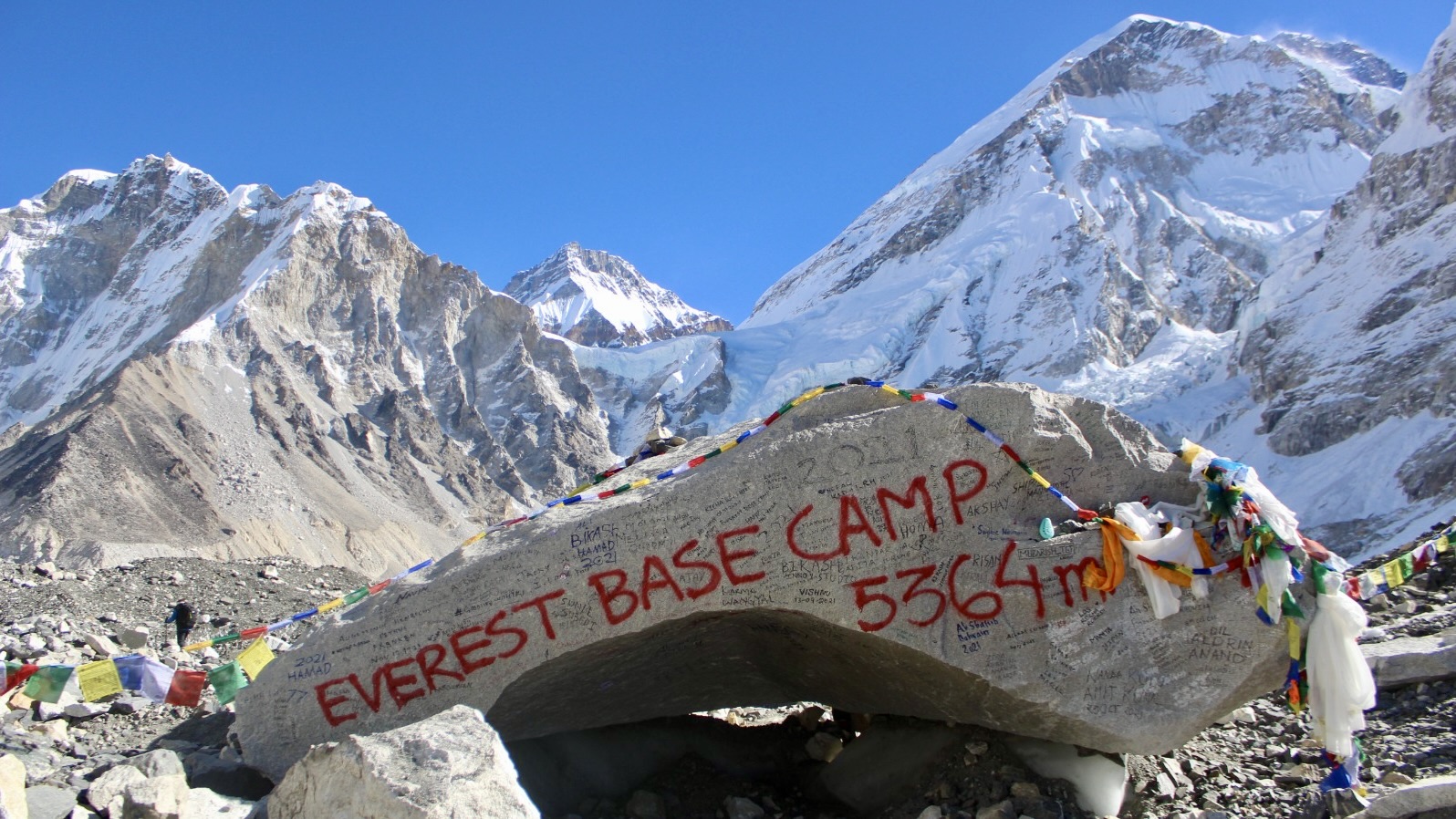
Spring Season (March-May): Benefits and Weather Conditions
We recommend spring as one of the prime times to embark on the Everest Base Camp trek. From March to May, the Everest region offers an abundance of sunny days with excellent visibility, allowing you to see the magnificent peaks rather than just clouds hiding them.
During this season, you'll be treated to spectacular natural displays as vibrant red and pink rhododendrons bloom along the lower parts of the trail, creating a colorful landscape that has become synonymous with springtime EBC treks.
One of the most compelling reasons to visit during April and May is that Everest Base Camp comes alive with activity. If you wish to witness the excitement of a fully operational base camp with tents set up and climbers preparing for summit attempts, this is the perfect time. You'll get to experience the genuine buzz of mountaineering expeditions as they acclimatize before tackling higher camps.
The only minor drawback we've noticed is that late April and May can sometimes experience a bit of heat haze, and the fringe weeks of the season (particularly late May) may occasionally see more cloudy days as weather patterns begin to shift.
Autumn Season (September-November): Clear Views and Festivals
Late September to November represents another excellent window for the EBC trek. This period is characterized by pleasant daytime temperatures, with late October and November being particularly favored for their stable weather conditions and exceptional visibility.
While autumn temperatures can be colder than spring, we find many trekkers consider this an acceptable trade-off for the remarkably clear skies and unobstructed mountain views. The landscape appears especially lush and verdant during this time, having been freshly washed by the monsoon rains.
An added cultural bonus of trekking in autumn is the possibility of experiencing Nepal's most important festival, Dashain. This 15-day celebration, typically held in late September or October, honors Durga, the Goddess of Victory, and features thousands of traditional animal sacrifices throughout the country.
Winter and Monsoon Considerations
We advise careful consideration before planning a winter trek. December through February can be extremely cold, with nighttime temperatures plummeting to -20°C or colder at higher elevations. However, winter doesn't necessarily mean heavy snow, and trekking remains possible with proper preparation. The major advantage of winter trekking is the significantly reduced number of fellow trekkers, providing a more solitary and authentic mountain experience.
The monsoon season (June through early September) brings daily rainfall, resulting in muddy trails, leeches, and frequent cloud cover obscuring mountain views. Landslides are also common during this period, potentially disrupting travel plans. We generally recommend avoiding this season unless you have specific reasons for trekking during these months.
Seasonal Temperature Variations and What to Expect
We've observed that temperature variations across seasons can be quite dramatic at Everest Base Camp:
- During spring, daytime temperatures at Base Camp are moderately cold but manageable with proper layering.
- Autumn brings colder conditions than spring, with daytime temperatures at Base Camp hovering around -10°C, dropping significantly at night.
- Winter is the most challenging season temperature-wise, with nights well below -20°C at higher elevations, requiring serious cold-weather gear and preparation.
Throughout the year, we recommend a layering approach to clothing that allows flexibility as temperatures fluctuate between day and night. Regardless of when you choose to trek, proper preparation for the expected conditions will ensure a more comfortable and enjoyable experience on your journey to Everest Base Camp.
Physical and Mental Preparation
Recommended Fitness Training (2-3 Months Before Trek)
We recommend starting your training at least 8-12 weeks before your Everest Base Camp trek. This gives your body ample time to build the necessary endurance and strength. During this preparation period, focus on establishing a consistent training routine with at least 2-3 cardio sessions per week and 2 strength training sessions. Your goal should be to progressively increase the duration and intensity of your workouts as your departure date approaches.
For optimal results, we suggest including back-to-back training days in your schedule, particularly on weekends. This means hiking with your target pack weight (approximately 20 lbs) on one day for at least 2,000-3,000 ft elevation gain, followed by a somewhat lighter pack for greater mileage the next day. This approach simulates consecutive trekking days and helps prepare you both physically and mentally for the challenge ahead.
Cardio and Strength Exercises for Optimal Conditioning
Cardiovascular Training
We've found that cardio workouts are essential for training your body to work with less oxygen—a critical skill for high-altitude trekking. Our recommended cardio exercises include:
- Running or jogging
- Walking on an inclined treadmill
- Stair stepping or stepmill training
- Trail running
- Elliptical machine workouts
- Hill walking
Aim for 3-4 sessions of 30 minutes of sustained activity initially, then build up to 4-6 aerobic sessions of 45-60 minutes each. Choose an exertion level that allows you to speak a few words together in a phrase but leaves you comfortably tired at the end.
Strength Conditioning
We emphasize training with free weights as they provide functional, trekking-specific strength that will benefit you most in the mountains. Focus on these key areas:
- Core (lower back and abdominals)
- Upper back and shoulders (for carrying your pack and using trekking poles)
- Legs (calves, hips, quads, hamstrings, and glutes)
Complete two full-body strength workouts weekly for 30-45 minutes each, focusing on compound exercises such as:
- Squats and lunges
- Step-ups
- Pull-ups and rows
- Deadlifts
- Push-ups and overhead presses
Begin with lighter weights (8-10 repetitions), then progress to building strength (5-8 reps with heavier weight), and finally focus on strength endurance (10-15 reps with light weight) 4-6 weeks before your trek.
Mental Preparation Strategies and Meditation
Mental preparation is equally important as physical training for the Everest Base Camp trek. We suggest the following approaches:
- Practice on long hikes: Get used to pushing through the first wave of discomfort during extended hikes. This teaches your mind to overcome challenges and builds mental resilience.
- Visualization techniques: Spend time visualizing yourself completing challenging sections of the trek. This positive mental imagery helps build confidence.
- Stretching routines: Develop a habit of stretching for 5-10 minutes before and after your training sessions. This practice not only prevents injury but also creates a meditative routine that helps center your mind.
- Proper pacing: During training, practice maintaining a slow, steady pace rather than pushing for speed. This mindset will be crucial during the actual trek, where "slow and steady" is the key to success.
Altitude Training Techniques
While it's impossible to fully simulate the high-altitude conditions of Everest Base Camp, we can help prepare your body to function with less oxygen through:
- Progressive elevation gain: During training hikes, seek out routes with significant elevation gain. Aim to reach higher elevations gradually, which helps your body learn to adapt to changing oxygen levels.
- Interval training: Incorporate interval training into your cardio workouts by alternating between periods of high intensity and recovery. This helps improve your body's oxygen utilization.
- Endurance building: Focus on building your aerobic endurance through longer, sustained cardiovascular workouts, which teach your body to use oxygen more efficiently.
- Hydration practice: During training, get in the habit of drinking plenty of water, as proper hydration is crucial for altitude acclimation.
Remember that physical fitness doesn't guarantee immunity from altitude sickness, but being in excellent shape will make the trek more enjoyable and give you a better chance of reaching Base Camp successfully.
Essential Gear and Equipment
Clothing Requirements for Varying Temperatures
When preparing for the Everest Base Camp trek, layering is key to handling the significant temperature variations. At lower altitudes, daytime temperatures can reach around 17°C in spring and autumn, while dropping to between -5°C and -10°C at night at higher elevations. During winter, expect daytime temperatures just above freezing to 10°C, with nighttime lows reaching -10°C.
We recommend packing these essential clothing items:
- Base layers: Invest in Merino wool thermal tops and bottoms - they regulate temperature and remain odor-free even after multiple days of wear
- Mid-layers: Pack a fleece jacket or pullover and a lightweight down jacket for insulation
- Outer shell: A waterproof and windproof jacket is essential, regardless of season
- Trekking clothes: 2-3 moisture-wicking t-shirts/shirts and lightweight trekking trousers
- Warm accessories: Wool hat, buff, waterproof gloves, and glove liners
- Extra winter layers: For treks between November and March, pack additional thermal sets (one for trekking, one for sleeping)
Footwear and Trekking Accessories
Your feet will carry you through this challenging journey, so proper footwear is crucial:
- Hiking boots: Well-worn, waterproof hiking boots are non-negotiable - never bring new boots on this trek
- Teahouse shoes: Lightweight slip-on shoes or sandals for evenings at teahouses
- Socks: Multiple pairs of Merino wool hiking socks (5-6 pairs recommended) and sock liners for colder elevations
- Trekking poles: These provide stability on uneven terrain and reduce strain on your knees during steep descents
- Gaiters: Particularly important for winter treks to keep snow out of your boots
- Crampons or boot spikes: Essential for winter departures between November and March
Personal Items and Medications
Maintaining your health is paramount at high altitudes:
- Medications: Consult your doctor about altitude medication (Diamox) before your trip
- First aid essentials: Pack painkillers, anti-inflammatories, anti-diarrhea tablets, throat lozenges, rehydration sachets, and blister plasters
- Personal hygiene: Biodegradable wet wipes, hand sanitizer, toilet paper in small biodegradable bags
- Water purification: Tablets, SteriPEN, or filter systems like Lifestraw
- Toiletries: Sunscreen (high SPF), lip balm with sun protection, travel-sized toiletries
- Additional helpers: Tiger balm can provide relief for insect bites at lower elevations and help mask unpleasant odors at higher altitudes
Weather Protection Essentials
The Himalayan weather can be unpredictable, requiring proper protection:
- Sleeping gear: A four-season sleeping bag with a comfortable liner is essential; some trekkers also bring a pillowcase for hygiene
- Sun protection: Quality polarized sunglasses, sun hat, and high SPF sunscreen are crucial as UV exposure increases with altitude
- Rain protection: Waterproof jacket and trousers, plus a rain cover for your daypack
- Cold protection: Insulated water bottle that can double as a hot water bottle at night (metal SIGG bottles work well)
- Headlamp: Essential for navigating teahouses at night when electricity may be limited
- Pack smart: A 30+ liter daypack for daily essentials and a 65-liter duffel bag for the porters to carry your overnight gear (respecting the 10-15kg weight limit)
Remember that many items like down jackets and sleeping bags can be rented in Kathmandu for $1-2 per day if you're looking to save space or money, though we always recommend bringing your own properly fitted boots.
The Lukla Flight Experience
The flight to Lukla is often on the minds of most trekkers heading to the Everest region. For many, it's the best mountain flight they'll ever experience! When the weather is clear, the scenery is truly world-class. On lucky days, you can even catch a glimpse of Mount Everest as you make your final approach into Lukla Airport.
Peak Season Flight Operations and Potential Diversions
During peak trekking seasons, multiple rounds of flights operate between Kathmandu and Lukla daily. We always book the first flights out of Kathmandu for our groups, which offers the best weather conditions and allows our teams to begin trekking early in the day.
In recent years, Kathmandu Airport has struggled with overwhelming air traffic, sometimes causing flights to be diverted to Ramechhap Airstrip in the Manthali district. This creates a significant challenge as it requires a 4-5 hour drive in the middle of the night to reach Ramechhap by 6 am for the 15-minute flight to Lukla. The return journey can take 6-7 hours in daytime traffic.
Since 2022, we've increasingly offered helicopter options for our Everest region trips. Helicopters depart directly from Kathmandu, allowing for a good night's sleep before flying into the mountains, and can often fly when weather conditions aren't ideal for fixed-wing aircraft.
Weather-related Delays and Cancellations
Weather plays the most significant role in flight operations to and from Lukla. If visibility is poor, planes simply will not fly. This sometimes means being stuck in Kathmandu or Lukla for a day or more. The flights operate by line of sight, so they only run when conditions are clear.
If your flight is cancelled due to weather, you'll be bumped to the back of the line for the next day. This can create stressful situations, especially if you're in the mountains and at risk of missing your international flight home.
Most flights experience minimal turbulence, though it can occur, particularly when passing over higher mountain passes just before arriving in Lukla. Every flight is different, so trekkers should be prepared for varying levels of turbulence.
Flight Options During Non-Peak Seasons
During non-peak seasons, flight schedules may be reduced, but operations continue as weather permits. The advantage of trekking during these periods is potentially fewer delays due to decreased air traffic, though weather challenges can still occur.
Helicopter services have become increasingly available year-round and are sometimes the more reliable option, especially during uncertain weather conditions that might ground fixed-wing aircraft.
Planning for Flight Uncertainties
We recommend several strategies for handling flight uncertainties:
- Book early morning flights: We always secure the earliest flights possible as the weather in the region is most stable in the mornings.
- Build buffer days into your itinerary: Adding extra days to your schedule allows for potential flight delays without disrupting your entire trek.
- Consider helicopter options: When flights are cancelled, chartering a helicopter might be possible, though this requires a unanimous group decision and involves additional costs.
- Maintain flexibility: Thousands of people fly in and out of Lukla each year safely. Approaching this part of your journey with a relaxed and adventurous mindset will greatly enhance your overall experience.
Remember that flight decisions are made with your safety as the priority. While delays can be frustrating, they're implemented to ensure your well-being during this remarkable adventure.
Accommodation Options Along the Trail
Teahouses: Amenities and authentic experiences
Along the Everest Base Camp trek, teahouses offer the most authentic accommodation experience. We've found that most teahouses provide basic but comfortable amenities. For example, at the Ama Dablam Lodge & Restaurant in Khyangjuma, rooms come with attached bathrooms featuring western toilets, sinks, and showers - quite luxurious for the trail! This particular lodge was rebuilt in 2017 after the original structure burned down, and the owner made significant improvements during reconstruction.
Many teahouses feature large terraces where trekkers can relax and enjoy mountain views when the weather permits. These communal spaces provide excellent opportunities to meet fellow trekkers and share experiences after a long day of hiking.
Lodges and comfort levels
The comfort level of accommodations varies significantly along the trail. In Khyangjuma, we've found that the cost for a room with an attached bathroom, including shower and charging facilities, was approximately NPR 1,000 - half the rate charged by establishments in Namche Bazaar.
As you ascend to higher altitudes, expect more basic facilities. Some common challenges include:
- Weaker water pressure on upper floors
- Limited hot water availability
- Varying room temperatures (especially at night)
- Shared bathroom facilities in more remote areas
Booking recommendations during peak seasons
During peak trekking seasons (spring and autumn), accommodations fill up quickly, especially in popular stops like Namche Bazaar and Gorak Shep. We strongly recommend:
- Book in advance through your trekking agency if possible
- Arrive early at your destination to secure rooms (ideally before 2-3 PM)
- Be flexible with your accommodation preferences
- Consider alternative villages if main stops are fully booked
- Travel with a guide who can help arrange accommodations ahead of time
Many teahouses don't accept bookings directly from trekkers, but guides and agencies often have established relationships with lodge owners and can secure rooms.
Facilities in remote areas
In the more remote sections of the trail, particularly above Namche Bazaar, facilities become increasingly basic. We've observed that:
- Electricity may be limited or available only during certain hours
- Wi-Fi becomes less reliable and more expensive
- Charging electronic devices often incurs an additional fee
- Bathroom facilities may be shared rather than en-suite
- Hot showers, when available, typically cost extra (NPR 400-600)
Despite these limitations, most teahouses maintain clean rooms with adequate bedding. Many lodge owners have made significant improvements to their properties in recent years, adding features such as western-style toilets and more reliable hot water systems to accommodate the growing number of international trekkers.
Sherpa Culture and Local Experiences
Villages and Cultural Highlights Along the Route
As we trek through the Everest region, we're privileged to experience the rich cultural heritage of the Sherpa people. The Solu-Khumbu district serves as the original homeland of these remarkable people, whose name means "eastern people" ("shar" meaning east and "pa" meaning people).
Villages in the Khumbu region sit between 3,000 and 4,000 meters above sea level, nestled along the Dudh Koshi, Bhote Koshi, and Imja River valleys. Each settlement offers unique insights into the Sherpa way of life, with stone houses featuring wooden roofs that have sheltered families for generations. Namche Bazaar stands as one of the most significant villages, historically serving as a crucial trading hub on the route from Nepal to Tibet through the Nangpa Pass.
Traditional Cuisine and Local Specialties
We find that Sherpa cuisine reflects their adaptation to high-altitude living and agricultural practices. During festivals such as Losar (New Year) and Dumze, the Sherpa people prepare abundant feasts that showcase their culinary traditions.
At local teahouses and homestays along the trekking route, we can sample authentic Sherpa food. Traditional meals often feature ingredients that were historically traded with Tibet, including salt and yak products. The trading relationships that shaped Sherpa cuisine are still evident, as they historically exchanged salt from Tibet for food grains from Nepal's middle regions.
Monasteries and Religious Significance
The Sherpa people practice a form of Buddhism similar to the Nyingma sect of Tibetan Buddhism, blended with elements of the Bon religion. This spiritual practice deeply influences every aspect of Sherpa life in the Everest region.
Mount Everest itself holds profound religious significance, with Sherpas calling it "Chomolungma" and revering it as the "Mother of the World." The entire Sagarmatha National Park is considered a sacred landscape. Before climbing expeditions, Sherpas perform spiritual rituals to ask permission from the mountain deities.
Throughout the trekking route, we encounter numerous monasteries (gombas) that serve as centers for religious practice and community gathering. Tengboche Monastery stands as one of the most famous, offering breathtaking views of Everest while serving as an important spiritual center.
Festivals and Cultural Events
We're fortunate if our trek coincides with one of the vibrant Sherpa festivals celebrated throughout the year. The most spectacular is Mani Rimdu, considered one of the most important festivals in Solu-Khumbu. This colorful celebration takes place twice yearly at different monasteries—at Thami in May and at Tengboche in November, as well as at Chiwong and Thaksindu monasteries.
During Mani Rimdu, monks perform religious dances wearing elaborate costumes and masks representing different deities. The festival lasts about a week, with outdoor performances spanning two or three days. It's a joyous occasion that brings together Sherpa communities and visitors alike.
Losar (New Year), typically falling around the end of February, marks another significant celebration. Sherpa families gather for feasting, singing, and dancing, with many who spent winter in warmer locations returning specifically for this festival.
The Dumze festival, held for seven days in July in village gombas, features lamas reciting prayers to deities including Guru Rimpoche and Phawa Cheresi. Villagers gather in the evenings to share goods and drinks, believing the festival brings health, wealth, and happiness to their communities.
These cultural celebrations offer us a precious opportunity to witness authentic Sherpa traditions that have been preserved for centuries in the shadow of the world's highest peaks.
Support Services and Guided Assistance
Role of experienced guides and porters
At Everest Sherpa Expeditions, we believe that experienced guides and porters are essential for a successful Everest Base Camp trek. Our registered local guides cost around $25-35 USD per day, while porters charge $20-25 USD per day. These rates include their meals, accommodation, equipment, insurance, and salary.
Our guides are knowledgeable about the culture, history, and local people of the Khumbu region. They provide valuable interpretations of what you're seeing along the trek, enhancing your overall experience. A porter can carry gear for two trekkers, with a maximum weight of 12 kg, allowing you to trek more comfortably.
We also offer porter-cum-guide services at $23 per day for those seeking a combined role. All our team members are well-trained locals familiar with the Everest region, ensuring you receive authentic insights during your journey.
Health monitoring during the trek
We take your health seriously during the Everest Base Camp trek. Our guides are trained to monitor your physical condition throughout the journey, particularly regarding altitude-related issues. They will regularly check your acclimatization progress and advise on appropriate rest days.
Since the EBC trek reaches an elevation of 5,450 meters, our team ensures proper acclimatization stops at key locations like Namche Bazaar. Our guides are experienced in recognizing early signs of altitude sickness and will recommend necessary measures to ensure your safety.
Emergency response procedures
In case of emergencies, our team follows strict protocols to ensure your safety. All our guides and porters come with full insurance coverage, providing peace of mind during your trek. Our local Sherpa guides are familiar with emergency evacuation routes and procedures in the Khumbu region.
We maintain communication with our Kathmandu office throughout your trek, allowing for quick coordination in emergencies. Should medical attention be required, our guides know the locations of medical facilities along the route and can arrange for evacuations when necessary.
Communication options on the trail
While trekking to Everest Base Camp, we ensure you have access to various communication options. Most teahouses along the trail offer WiFi services for an additional fee, though connectivity becomes more limited as you ascend higher.
Our guides carry communication devices to maintain contact with our office in Kathmandu and can assist you with any urgent communication needs. For direct inquiries about our services, you can contact us via WhatsApp at our office number or visit our physical location in Kathmandu.
We recommend purchasing local SIM cards before leaving Kathmandu, as mobile coverage is available in many parts of the trek, particularly in larger settlements like Namche Bazaar.
Conquering the Challenge: What to Expect on Your Everest Base Camp Trek
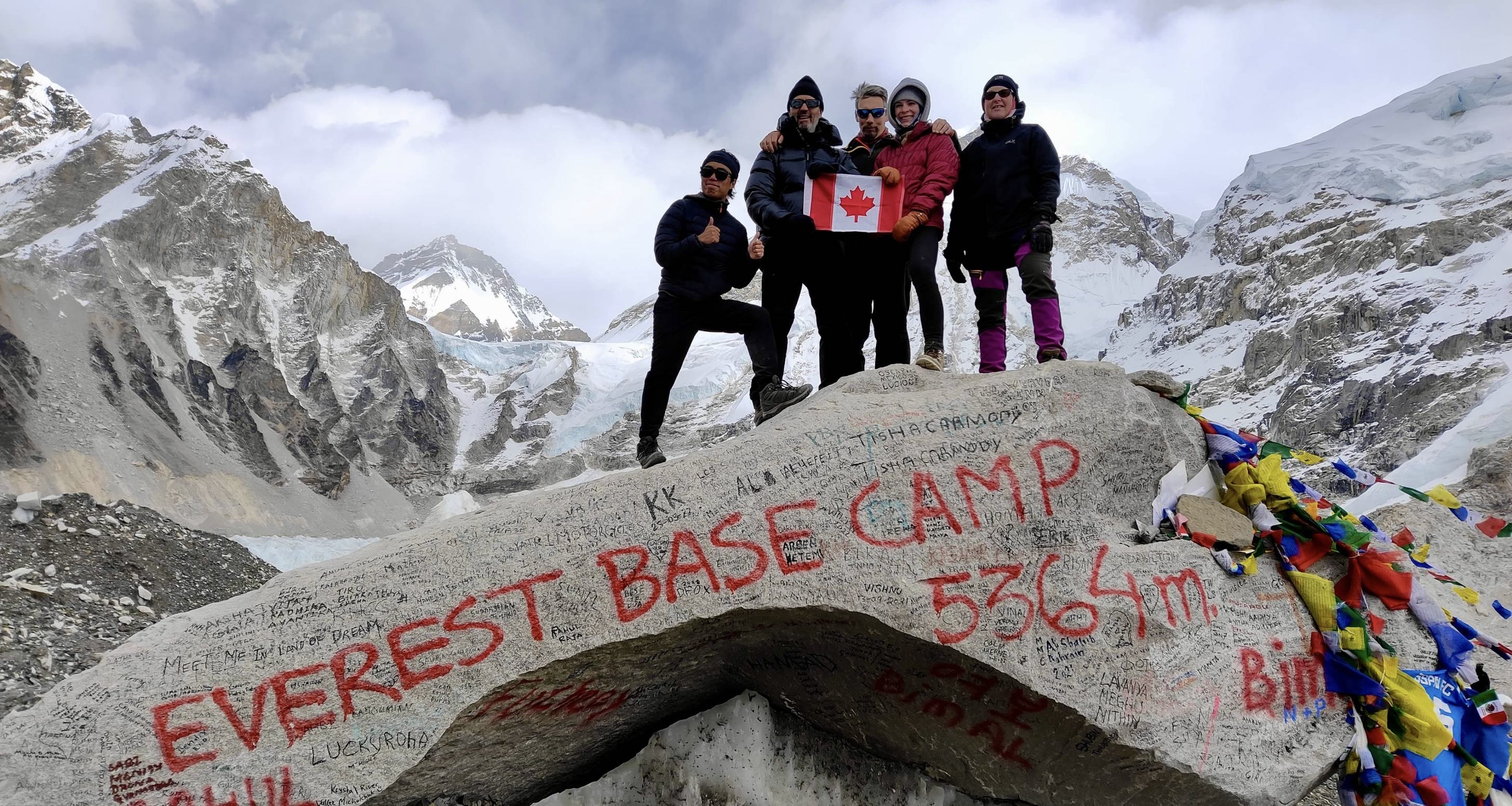
The Everest Base Camp trek presents a moderate to challenging adventure that requires proper preparation and understanding. While the trek demands physical endurance to handle the altitude (reaching 5,364m at EBC), long daily hiking distances, and varying terrain, most reasonably fit individuals can complete it with proper acclimatization and preparation. The journey is made more manageable by the availability of teahouse accommodations, guided support from experienced Sherpas, and strategic planning during optimal seasons (pre-monsoon spring or post-monsoon autumn). Mental resilience plays an equally important role as physical conditioning in ensuring a successful and enjoyable experience.
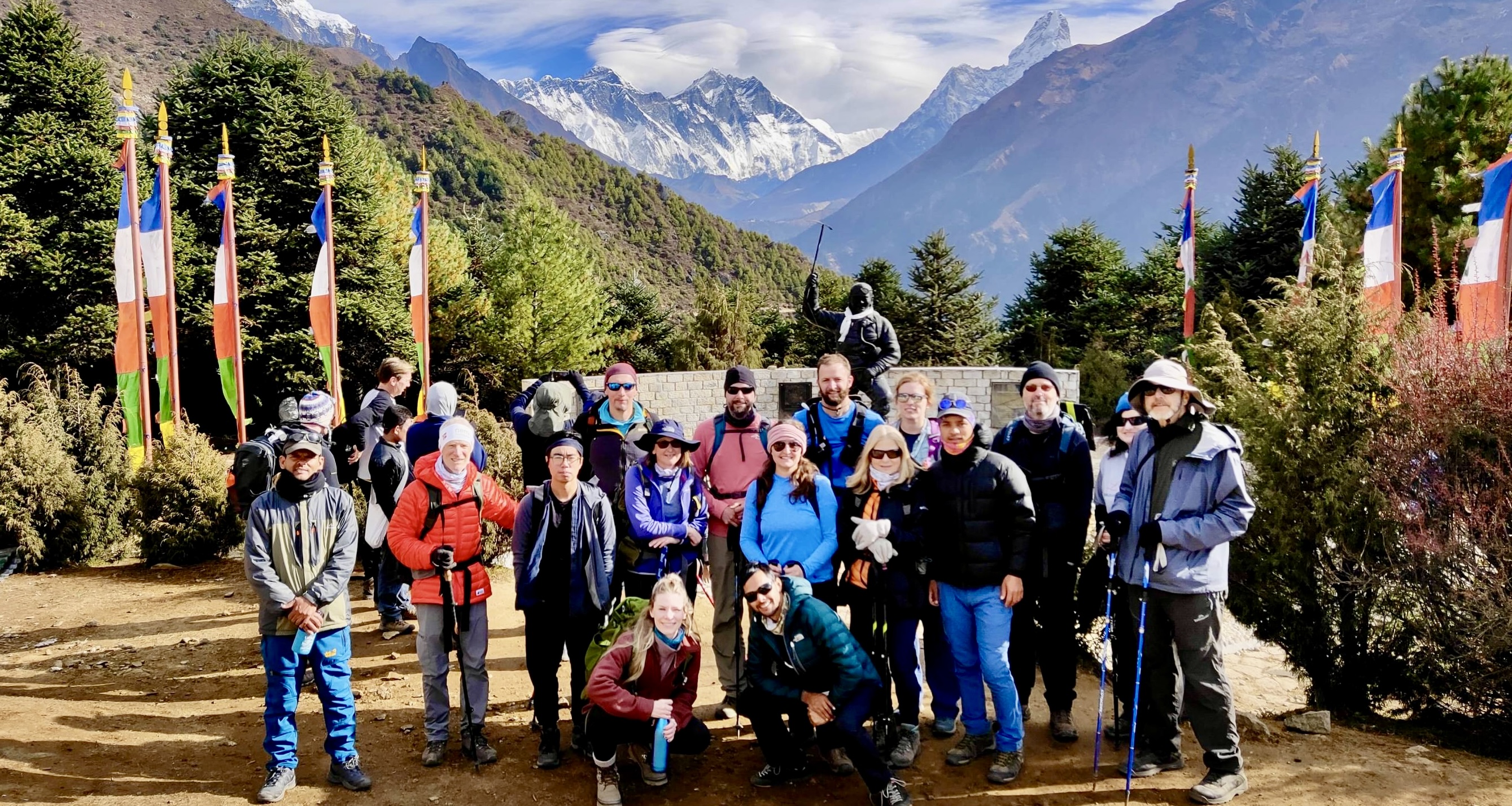
As you plan your EBC adventure with Everest Sherpa Expeditions, remember that this journey offers more than just a physical challenge—it's an opportunity to immerse yourself in the rich Sherpa culture, witness breathtaking Himalayan landscapes, and accomplish something truly extraordinary. With proper preparation, respect for altitude acclimatization protocols, and the right support team, the Everest Base Camp trek can be one of the most rewarding experiences of your lifetime. Start your training early, gather quality equipment, and approach the journey with a positive mindset—the magnificence of standing at the foot of the world's highest mountain awaits you.
If you need any further information, please contact us by email: [email protected], Phone: +977- 980 195 6248 (WhatsApp).