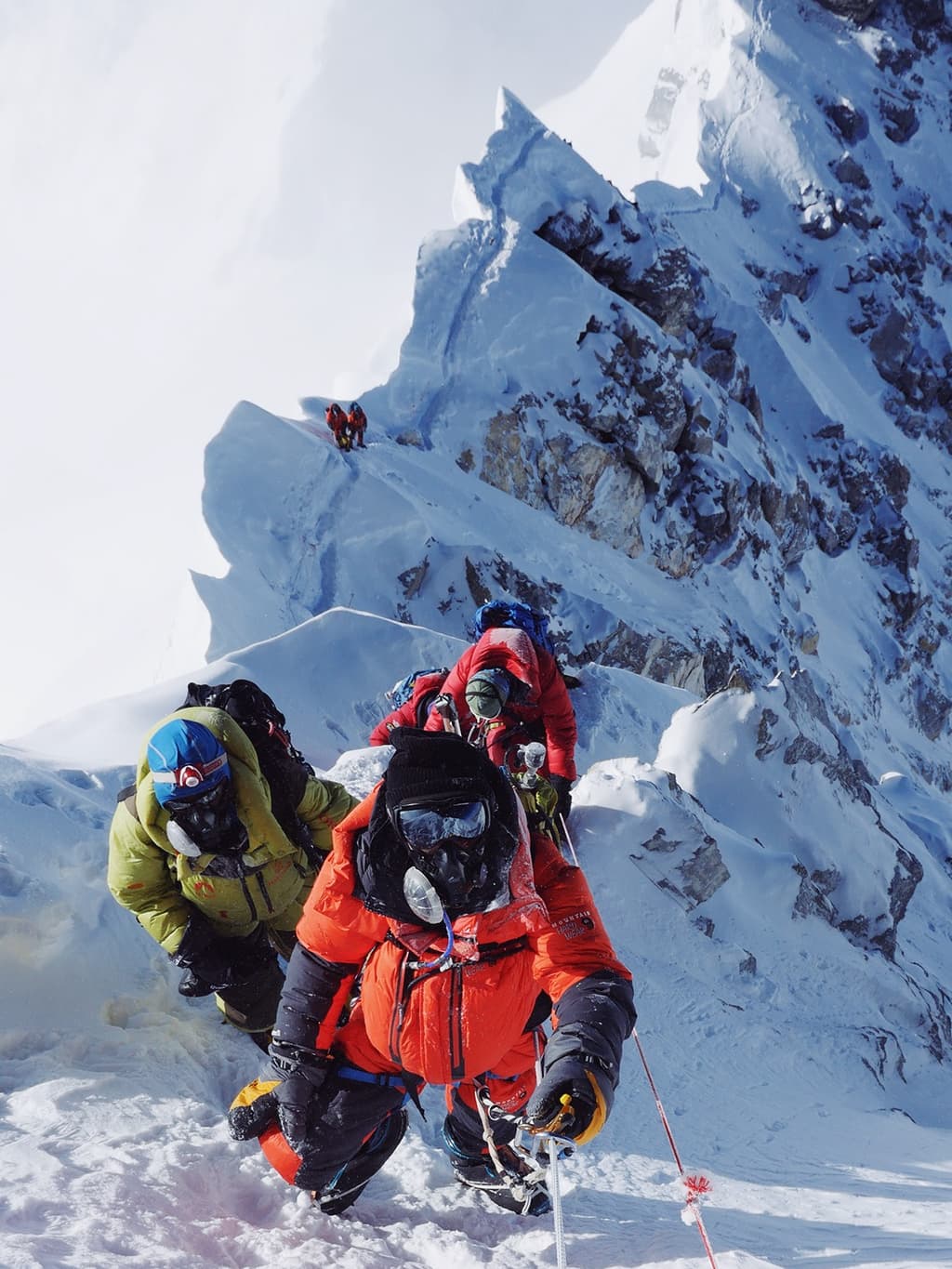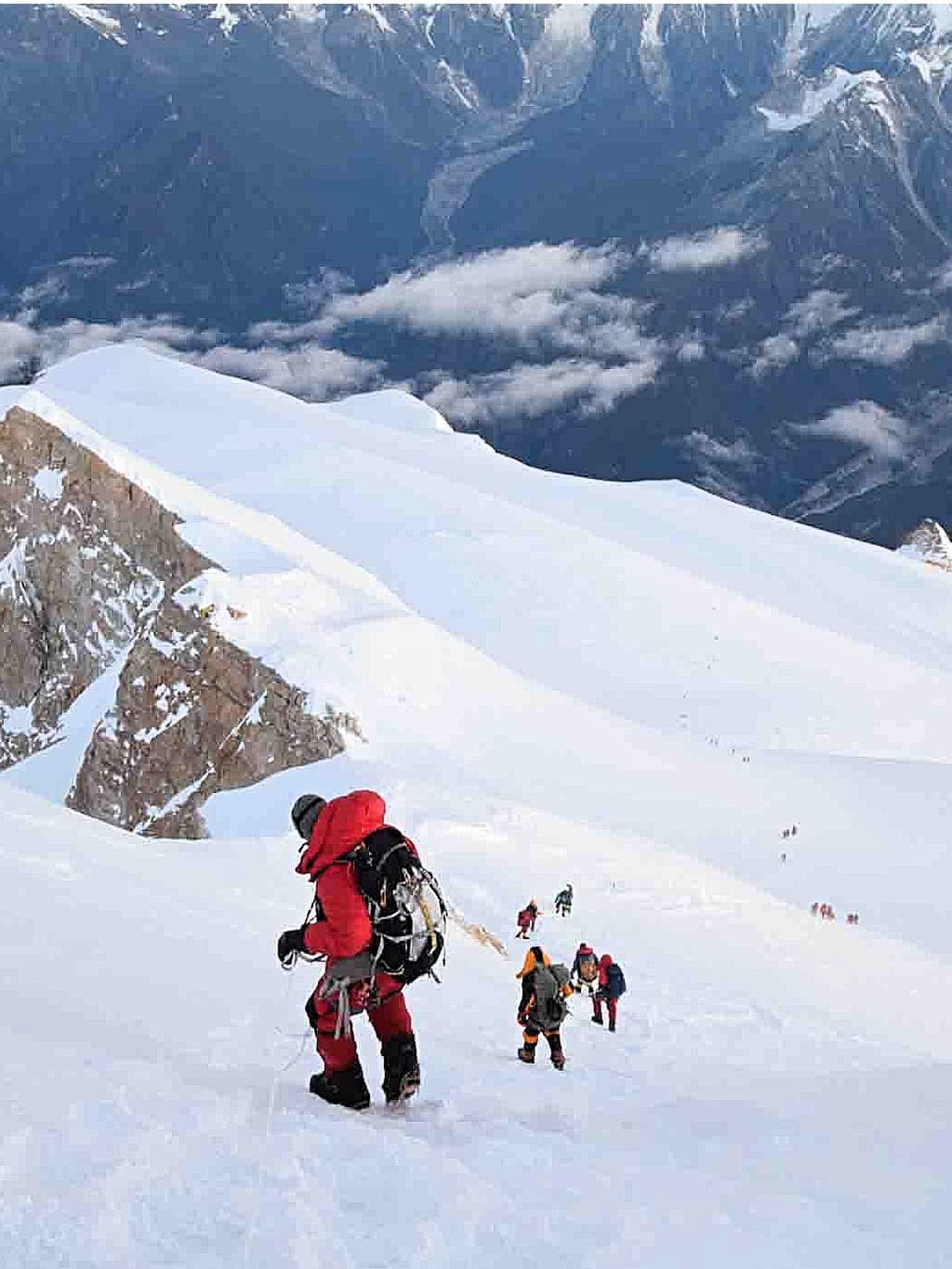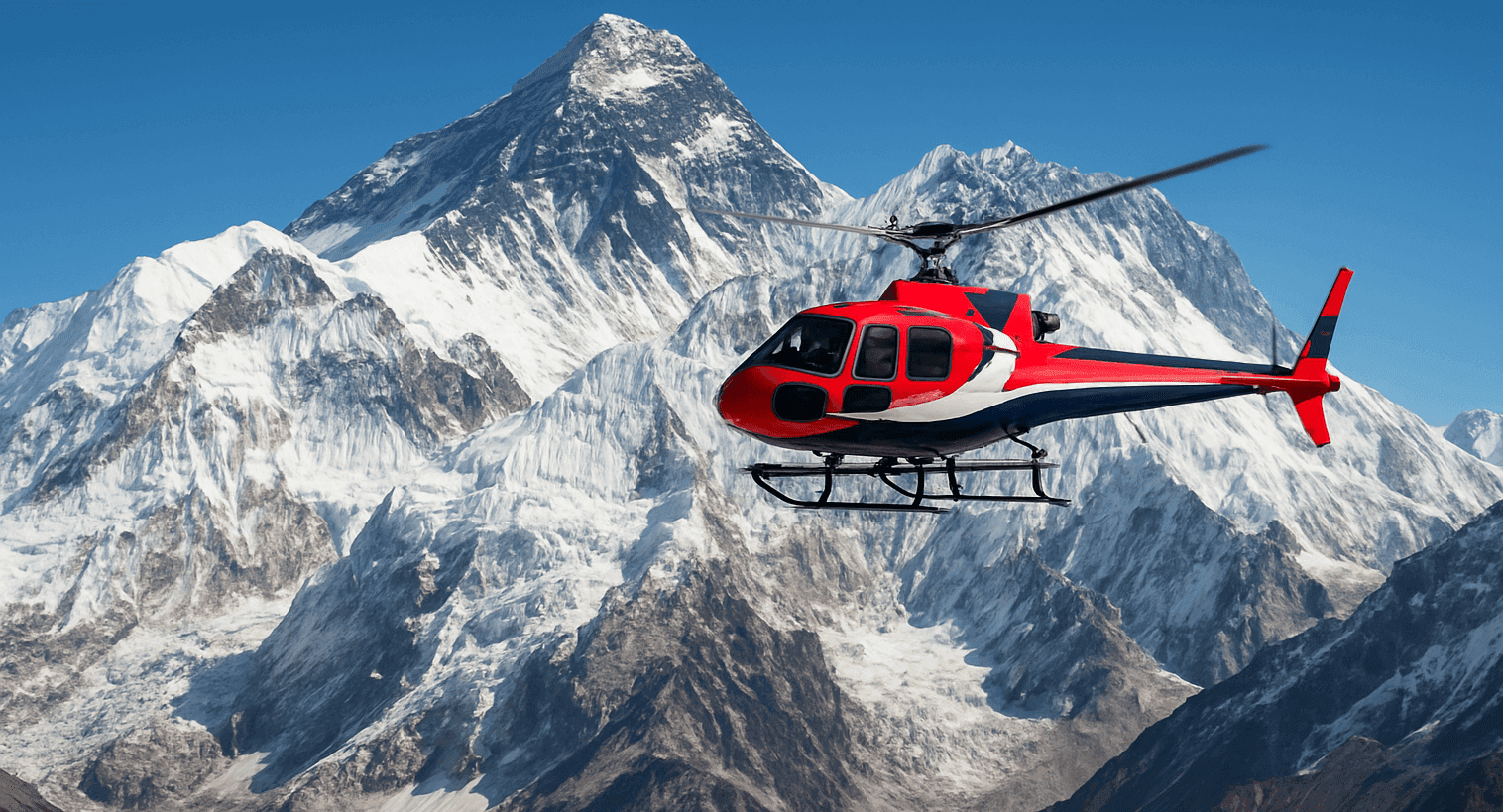
Experience the best of both worlds with our Everest Base Camp Trek with Helicopter Return, designed for adventurers who want to walk in the footsteps of legendary mountaineers while enjoying a breathtaking aerial return journey. Perfect for trekkers with limited time, photography enthusiasts, and anyone seeking an unforgettable Himalayan experience without the lengthy return trek.
Trek through stunning Sherpa villages, ancient monasteries, and breathtaking mountain landscapes as you make your way to the iconic Everest Base Camp (5,364m). After reaching your goal, enjoy the luxury of a helicopter flight from Gorak Shep back to Kathmandu, offering spectacular aerial views of the Himalayas that few travelers get to witness.
What Makes This Trek Special
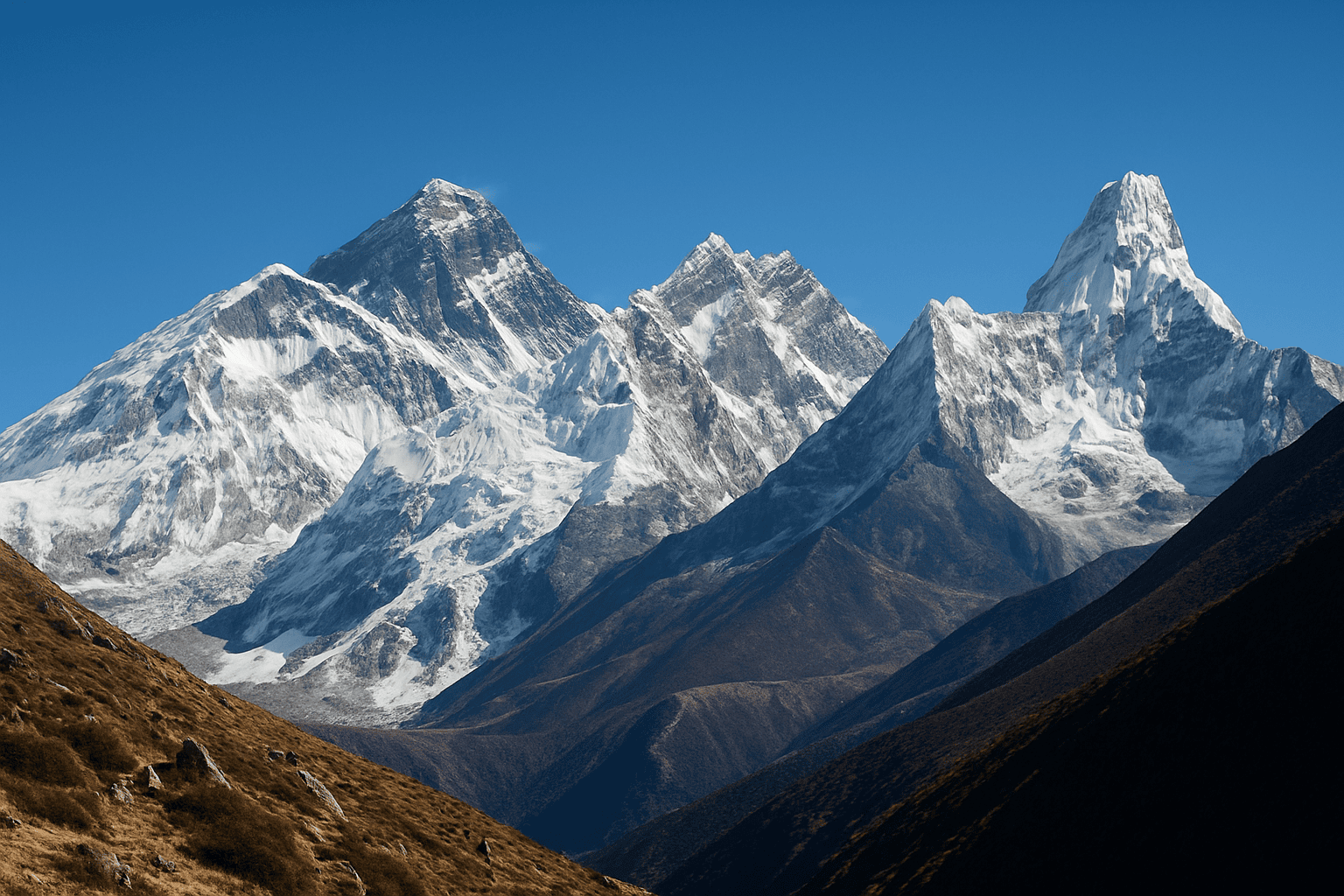
Our carefully designed itinerary strikes a balance between challenging hiking and proper acclimatization, ensuring you safely experience the majesty of the world's highest mountains. You'll explore cultural highlights such as Namche Bazaar and Tengboche Monastery, while witnessing unparalleled views of Mt. Everest, Lhotse, Ama Dablam, and other Himalayan giants.
Practical Information
The trek includes comfortable teahouse accommodation, three daily meals featuring local specialties, experienced English-speaking guides, and porters to carry your gear. We provide essential equipment like sleeping bags and down jackets, comprehensive first aid, and oxygen monitoring to ensure your safety at high altitudes.
With 24/7 support from our experienced team at Everest Sherpa Expeditions, you'll have everything you need for this life-changing journey, combining the authentic trekking experience with the spectacular finale of a helicopter return.
Everest Base Camp Trek with Helicopter Return Overview
Duration: 7-9 days trek with helicopter return to Kathmandu
We offer our signature Everest Base Camp trek with helicopter return over 7-9 days, providing an optimal blend of trekking adventure and aerial sightseeing. Our packages can be customized, ranging from 6 to 14 days depending on your preferences and travel constraints. The helicopter's return not only saves valuable time but also offers a unique perspective of the majestic Himalayas that few get to experience.
Trek difficulty level and required fitness
We classify this trek as moderately challenging, requiring participants to walk for approximately 5-7 hours daily. While we don't mandate prior hiking experience, we do recommend a reasonable level of fitness and stamina to fully enjoy the journey. The ability to walk 5-6 hours per day, including uphill sections at higher altitudes, is essential for completing this trek comfortably. We've had trekkers of various fitness levels complete the journey successfully with proper preparation and a positive mindset.
Key highlights and attractions of the trek
We take pride in the remarkable experiences our trek offers, including:
- Breathtaking aerial views of the Himalayan range during the helicopter return
- Walking in the footsteps of legendary Everest summiteers along historic routes
- Immersion in the rich Sherpa culture while visiting traditional villages
- Exploring ancient Buddhist monasteries, with Tengboche Monastery being a particular highlight
- Experiencing the unique terrain of the Khumbu Glacier
- Reaching Everest Base Camp at an impressive altitude of 5,364m
- Hiking to Kala Patthar for unparalleled panoramic sunrise views of Mount Everest and surrounding peaks
Best seasons for the trek
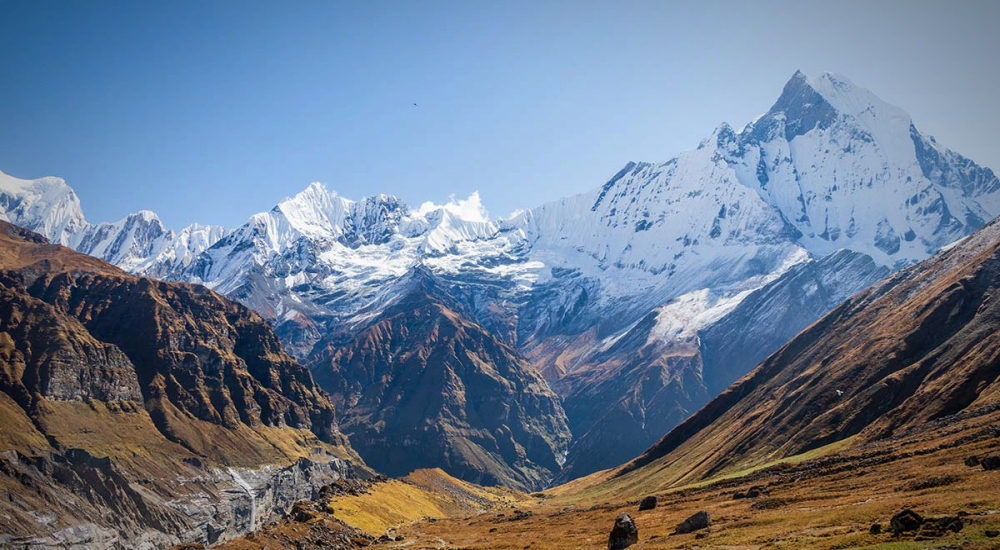
We recommend two optimal seasons for undertaking this adventure:
- Spring (March to May): Offering pleasant temperatures, clear skies, and blooming rhododendron forests
- Autumn (September to December): Featuring stable weather conditions, excellent visibility, and crisp mountain air
These seasons provide the most favorable conditions for trekking, with clear views of the mountains and comfortable temperatures for walking. We carefully schedule our treks during these periods to ensure our clients have the best possible experience in the Everest region.
Detailed Itinerary
Day 1: Kathmandu to Lukla flight and trek to Phakding
We begin our adventure with an exhilarating 35-minute flight from Kathmandu to Lukla. This short yet scenic flight offers breathtaking aerial views as we approach the famous Tenzing-Hillary Airport. Upon landing, we'll meet our trekking team and start our journey. The first day's trek is relatively easy, taking us through beautiful landscapes for about 4-5 hours until we reach Phakding (2,652m/8,699ft). We'll spend our first night in the mountains at a comfortable lodge, giving us time to acclimatize and prepare for the days ahead.
Day 2: Trek to Namche Bazaar
After breakfast, we embark on a 5-6 hour trek to Namche Bazaar (3,440m/11,283ft). Our trail crosses several suspension bridges over the Dudh Kosi River, offering stunning views of the surrounding landscapes. We'll pass through the entrance of Sagarmatha National Park, where we register our permits. The final climb to Namche is challenging but rewarding. Upon arrival, we'll settle into this bustling mountain town that serves as the commercial hub of the Khumbu region, offering various amenities including restaurants, shops, and internet cafes.
Day 3: Acclimatization day or trek to Tengboche
We dedicate this day to acclimatization, crucial for adjusting to the increasing altitude. We have two options for today: either stay in Namche and take a day hike to the Everest View Hotel (3,980m) for panoramic mountain views, or continue our journey to Tengboche (3,860m/12,660ft). The trek to Tengboche takes approximately 5-6 hours and rewards us with the opportunity to visit its famous monastery and observe traditional prayer ceremonies. Both options provide magnificent views of the Himalayan peaks.
Day 4: Trek to Dingboche
Today, we trek for 4-5 hours from Tengboche to Dingboche (4,410m/14,464ft). This segment involves a challenging uphill section at high altitude, testing our endurance but offering increasingly spectacular mountain vistas. As we gain elevation, the landscape transforms, becoming more rugged and alpine. We'll pace ourselves carefully, taking in the majestic surroundings while adjusting to the thinning air.
Day 5: Trek to Lobuche
Our journey continues with a 5-6 hour trek to Lobuche (4,910m/16,105ft). Along the way, we pass numerous Tibetan shrines and memorials dedicated to climbers who lost their lives in the Everest region. The trail provides excellent views of towering peaks, including Mt. Pumori and Mt. Nuptse. The terrain becomes increasingly rocky as we approach Lobuche, a small settlement nestled in this high-altitude wilderness.
Day 6: Trek to Everest Base Camp and back to Gorak Shep
This is the highlight of our trek – an 8-hour round trip to Everest Base Camp (5,364m/17,594ft). We first trek to Gorak Shep, have a quick rest, then continue to Base Camp through challenging rocky terrain. At Base Camp, we're rewarded with up-close views of the Khumbu Icefall and surrounded by some of the world's highest peaks. After spending time at this iconic location, we return to Gorak Shep (5,181m/16,994ft) for the night, tired but exhilarated by our achievement.
Day 7-9: Kala Patthar hike and helicopter return to Kathmandu
We rise early for a pre-dawn hike to Kala Patthar (5,545m/18,188ft), reaching the viewpoint in time for an unforgettable sunrise over Mt. Everest and the surrounding Himalayan giants. After soaking in these breathtaking views, we return to Gorak Shep for breakfast. Instead of retracing our steps, we enjoy the luxury of a scenic helicopter flight back to Kathmandu (or to Lukla for a connecting flight to Kathmandu). This thrilling conclusion to our trek offers spectacular aerial views of the route we've conquered on foot.
What Makes This Trek Special
Time-saving helicopter return option
We're proud to offer the helicopter return option from Gorak Shep (or from Lukla) back to Kathmandu. This unique feature saves our trekkers considerable time that would otherwise be spent retracing steps down the mountain. Beyond just convenience, this helicopter journey provides an extraordinary aerial perspective of the Himalayan range. As we soar above the mountains you've just trekked through, you'll gain a completely different appreciation for the scale and majesty of the landscape.
Breathtaking Himalayan views and photography opportunities
Throughout our journey, we'll encounter unparalleled panoramic vistas that photographers and nature enthusiasts dream about. We make sure to visit the famous Everest View Hotel, offering spectacular views of the world's highest peak. The trek to Kala Patthar rewards us with some of the most magnificent views in the Himalayas, with an incredible panorama including Mount Everest, Lhotse, Ama Dablam, and Nuptse. We've carefully planned our itinerary to maximize these viewing opportunities, giving you ample time to capture these majestic mountains in their full glory.
Cultural experiences with Sherpa villages and Buddhist monasteries
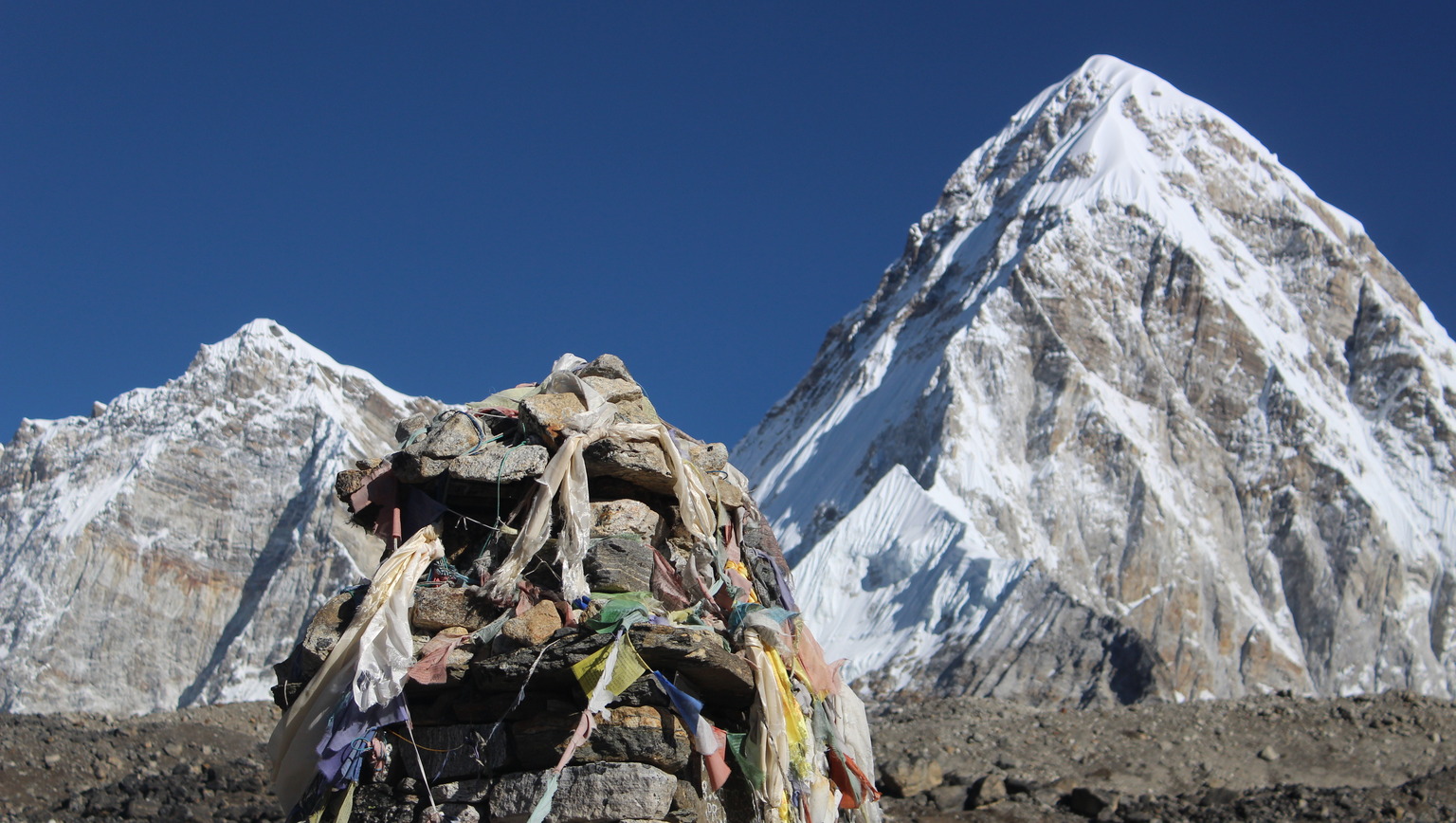
As we trek through the Khumbu region, we'll immerse ourselves in the rich Sherpa culture that has thrived in these mountains for centuries. We'll explore traditional Sherpa villages, where we can witness authentic Buddhist customs and daily mountain life. Our journey includes a visit to the ancient Tengboche Monastery, one of the region's most significant spiritual centers. Here, we can observe monks in prayer and experience the peaceful atmosphere that has made this monastery famous among trekkers. These cultural encounters provide a deeper understanding of the people who call the Himalayas home.
Achievement of reaching Everest Base Camp at 5,364m
With us, you'll accomplish the remarkable personal milestone of reaching Everest Base Camp at an altitude of 5,364 meters. This iconic location serves as the first campsite for mountaineers attempting to summit Mount Everest. Standing at Base Camp, we'll experience the same starting point as countless legendary climbers who have challenged the world's highest peak. This achievement represents not just a physical accomplishment but a journey of personal discovery and determination that few travelers ever experience.
Practical Information and Services
Included Services
We pride ourselves on offering comprehensive services for your Everest Base Camp Trek with Helicopter Return. Our package includes domestic airport transfers via private car/jeep, ensuring your comfort from the moment you arrive. During the trek, we provide three nutritious meals daily with fresh fruit to keep you energized. You'll stay in comfortable teahouse accommodations throughout your journey.
All necessary permits are covered, including the Sagarmatha National Park Entry Permit and Khumbu Pasang Lhamu Rural Municipality fees. Your Kathmandu-Lukla flights with airport transfers and taxes are also included, as is the spectacular helicopter return from Gorak Shep.
Our highly experienced English-speaking guides will accompany you, along with strong Sherpa porters (one porter for every two trekkers, carrying up to 20kg of luggage). We also provide comprehensive first-aid kits and arrange emergency helicopter service (paid by your insurance if needed).
To enhance your comfort, we offer the use of quality sleeping bags, down jackets, duffel bags, and walking poles (to be returned after the trip). For your safety, we include an oxygen meter for regular health monitoring. All government taxes related to these services are covered in your package.
Excluded Services and Additional Costs
We want to be transparent about what's not included in our package. You'll need to arrange your own meals and hotel accommodation in Kathmandu. Nepal entry visa fees ($30-USD 125 depending on duration) and personal travel and medical insurance are not covered.
International airfare and personal expenses are your responsibility. Additionally, alcoholic and non-alcoholic drinks, soups, tea, coffee, hot chocolate, cocoa, mineral water, extra food, and desserts during the trek are not included. You'll also need to pay separately for hot showers and battery charging facilities at teahouses.
We recommend budgeting for tips for your guide and porters, as this is customary and expected. Please note that excess baggage charges for Lukla flights (over 10kg) will be at your own expense.
Domestic Flights and Transportation Details
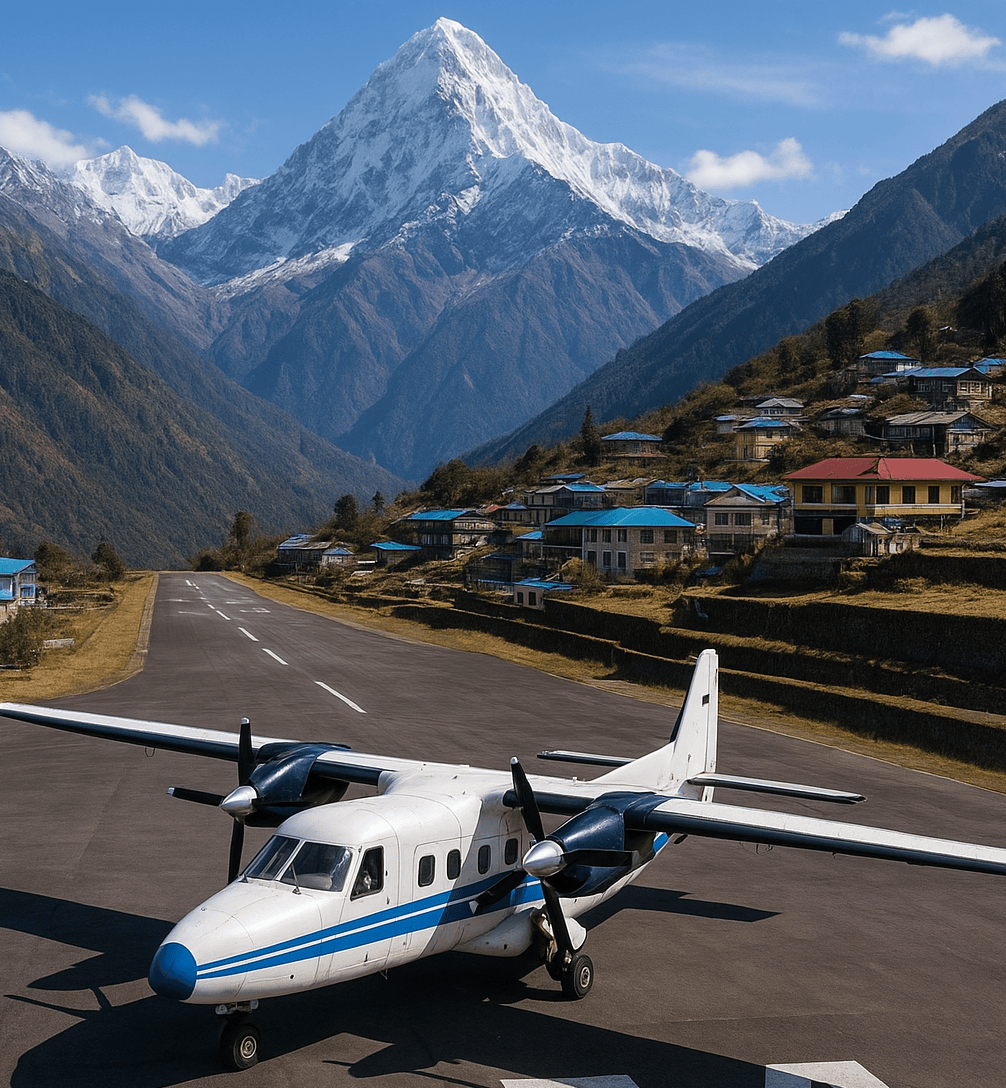
We arrange private car transfers within Kathmandu and flights between Kathmandu and Lukla. Your return journey from Gorak Shep will be via shared helicopter to either Kathmandu or Lukla. If you return to Lukla, we'll arrange a connecting flight to Kathmandu.
It's important to note that flights to and from Lukla can sometimes be delayed or canceled due to weather conditions. In such cases, we can arrange helicopter charters for an additional charge if you prefer not to wait.
Guide and Porter Arrangements
Our government-licensed guides are experienced professionals with excellent English-speaking skills. We cover their salaries, food, accommodation, transport, and insurance. Your porters are strong, helpful individuals who are provided with all necessary safety equipment, and their expenses are fully covered by us.
For groups of 8 or more trekkers, we provide an assistant guide to ensure personalized attention. As mentioned earlier, tipping your guides and porters is customary in Nepal and reflects appreciation for their hard work in making your trek successful and memorable.
Health and Safety
Altitude Sickness Prevention and Monitoring
We take altitude sickness prevention very seriously on our Everest Base Camp Trek. Our itinerary is specially designed with gradual acclimatization to help your body adjust to the increasing elevations. To minimize your risk of Acute Mountain Sickness (AMS), we recommend:
- Drinking at least 4 liters of water daily to stay hydrated
- Trekking at a slow, steady pace ("pole pole" as locals say)
- Avoiding caffeinated beverages, alcohol, and smoking
- Never skipping the scheduled acclimatization days
- Consider Diamox if symptoms begin to appear
- Consuming garlic soup, which locals believe helps with acclimatization
Our experienced guides will monitor your health twice daily using an oxygen meter to check your pulse, oxygen saturation, and heart rate. This regular monitoring allows us to detect any potential issues early and take appropriate action.
Medical Facilities and Emergency Evacuation Procedures
We ensure comprehensive medical support throughout your journey:
- Our guides carry extensive first aid kits and medical supplies
- The Pheriche Aid Post is staffed during peak trekking seasons
- Emergency helicopter service can be arranged when necessary
If a trekker falls ill, our trek leaders will assess the situation and determine whether it's safe to continue. For serious situations, we can arrange emergency evacuation via helicopter from higher elevations. The cost of evacuation is covered by your travel insurance, which is why proper coverage is essential.
Travel Insurance Requirements
We require all trekkers to have medical and evacuation insurance before joining our Everest Base Camp Trek. This is non-negotiable for your safety. We recommend:
- Arranging insurance in your home country before departure
- Ensuring your policy specifically covers adventure travel in high-altitude regions
- Verifying helicopter evacuation coverage for Nepal
- Checking that your policy covers the maximum altitude of your trek
Physical Preparation Recommendations
While the Everest Base Camp Trek doesn't require technical climbing skills, we advise proper physical preparation:
- Focus on building stamina and improving oxygen intake before your trip
- Maintain reasonable fitness through regular cardiovascular exercise
- Consult with your doctor for necessary permissions and advice
- Take special precautions if you have pre-existing medical conditions
- Consider training that simulates the uphill walking you'll experience on the trek
With proper preparation and by following our safety protocols, we can help ensure you have a safe and enjoyable trekking experience in the Everest region.
Packing and Equipment
Essential Clothing and Personal Gear
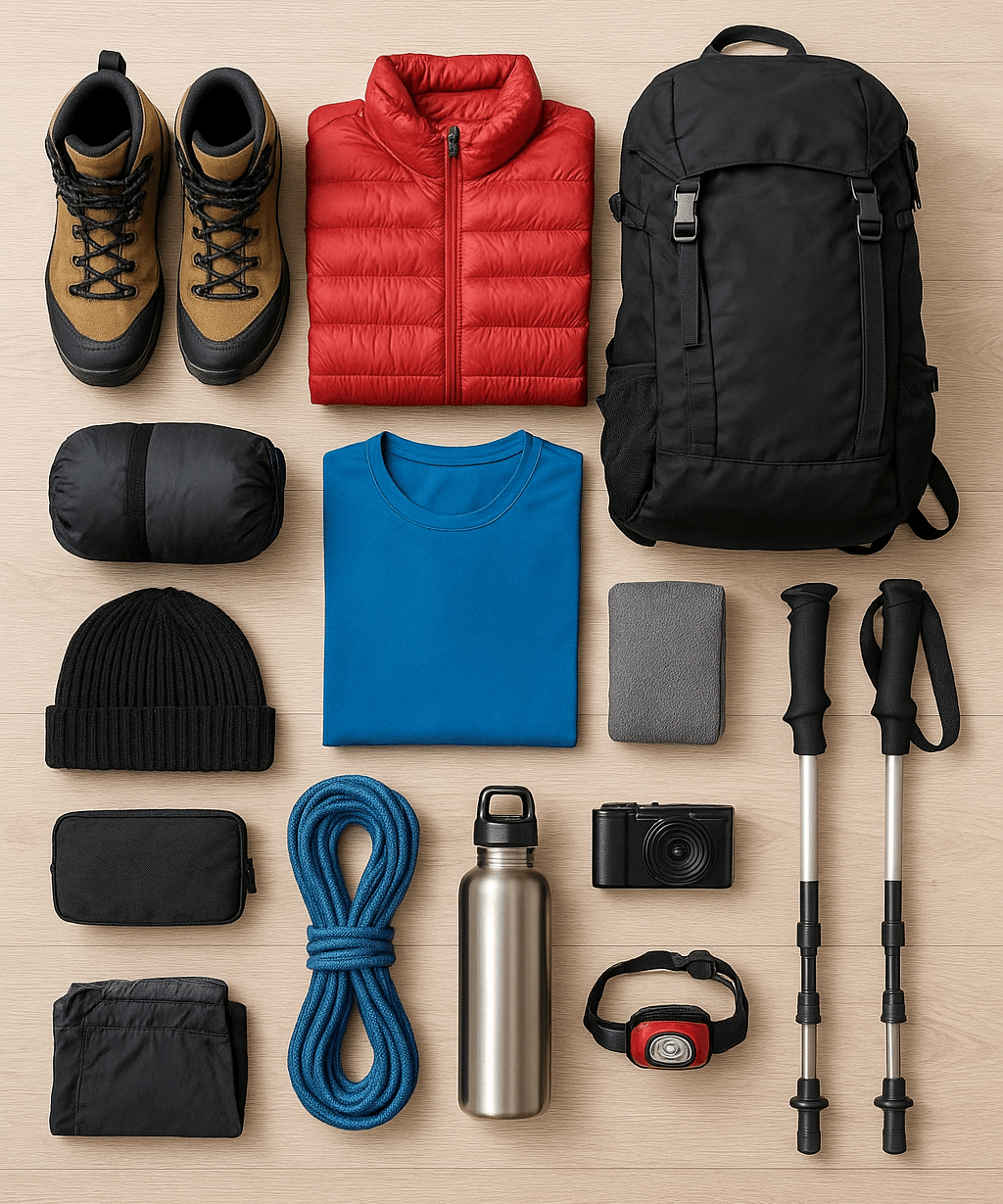
We recommend preparing thoroughly for your Everest Base Camp trek with helicopter return by packing these essential items. For outerwear, bring a windproof and waterproof jacket and waterproof trousers to protect against unpredictable mountain weather. Layer with long-sleeve t-shirts, thermal tops, and a wool jacket or pullover for insulation.
For your extremities, pack half gloves, warmer shell gloves with liners, a warm ear-covering hat, and a neck warmer to prevent heat loss. Don't forget 4-5 pairs of woolen socks and sock liners to keep your feet comfortable and blister-free.
Proper footwear is crucial – we advise high-quality waterproof trekking boots, light shoes or sneakers for evenings, and sandals for shower facilities. Women should include sports bras for adequate support during physically demanding days.
Other personal items we suggest include sunglasses, high SPF sunscreen (35-60), a headlamp with extra batteries, a bathroom kit (toilet paper, plastic bags, hand wipes, towel, soap), a water bottle with a filter, passport photos, and flight details. Your first-aid supplies should contain bandages, blister cream, anti-itch ointment, pain relief medication, and water purifying pills.
To enhance your trekking experience, we recommend bringing quality energy-dry foods, a power bank, music players, and a camera with extra batteries.
Equipment Provided by the Trekking Company
We provide several essential equipment items for your trek. These include all-season sleeping bags, down jackets, duffel bags, and walking poles if you don't have your own. Please note that the duffel bags must be returned after completing the trek.
Day Pack vs. Porter-Carried Luggage
We utilize a two-bag system for this trek. You'll need a duffle bag, which our porters will carry (maximum weight 10kg per trekker), and a smaller day pack that you'll carry yourself. Your day pack should contain essential items you'll need during daily trekking, such as lunch, water, extra clothing, a camera, and chargers.
We remind you that the luggage limit for Lukla flights is strictly 10kg. There are extra charges for excess baggage, though our company may cover up to 5kg of additional weight.
Specialized Gear for High Altitude Conditions
The high-altitude environment at Everest Base Camp requires specialized equipment. We emphasize the importance of wind and waterproof jackets for protection against harsh mountain elements. The all-season sleeping bags and down jackets we provide are specifically designed for high-altitude conditions.
High SPF sunscreen is essential due to the increased UV exposure at higher elevations. Multiple thermal layers, including tops, underwear, and trousers, will help maintain your body temperature in the cold mountain air.
Waterproof trekking boots provide necessary ankle support and protection on rugged terrain. For altitude-related concerns, we may recommend Diamox, and our company provides an oxygen meter to monitor oxygen levels during the trek.
Accommodation and Meals
Teahouse lodging facilities along the route
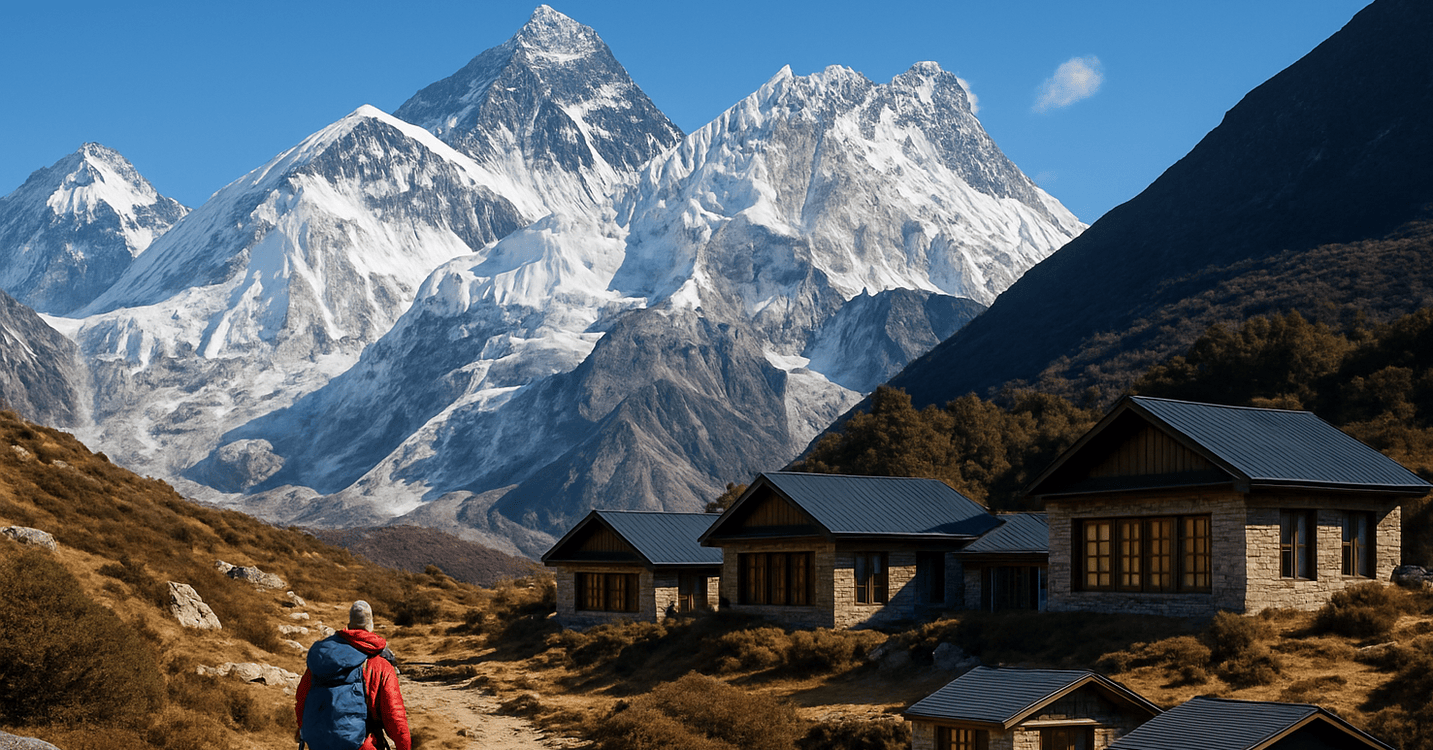
We offer comfortable accommodation throughout your Everest Base Camp trek with a helicopter return. During your journey, you'll stay in teahouses that vary in quality depending on the elevation. In the lower regions up to Namche Bazaar, you can expect better teahouses with attached bathrooms. As we ascend to higher elevations, the accommodations become more basic, providing just the necessities. While on the trek, you'll experience authentic mountain lodging, and during your time in Kathmandu, we arrange stays in quality 3-star hotels.
Food options and dietary considerations
We provide all meals (breakfast, lunch, and dinner) during the trekking portion of your journey, while in Kathmandu, only breakfast is included at your hotel. The traditional Khumbu region diet features high-carbohydrate foods like potatoes, which are excellent for energy during trekking. You'll enjoy local specialties such as Sherpa stew, Tibetan bread, buckwheat dishes, and oats.
At higher altitudes, food options become more limited, with potato-based meals being predominant. Typical meals include rice, noodles, pasta, or potato dishes accompanied by vegetables, eggs, or meat. For breakfast, we typically serve Tibetan bread, pancakes, porridge, or toast to fuel your day's trek.
We recommend avoiding non-vegetarian items, dairy products, and cheesy dishes due to hygiene concerns at higher elevations. Our packages accommodate vegetarian and vegan diets perfectly, ensuring you'll receive nutritious, satisfying meals regardless of your dietary preferences.
Availability of amenities (hot showers, Wi-Fi, charging)
Most teahouses along our route offer amenities for additional fees. Hot showers (usually bucket-style) are available at costs ranging from $4-$15 USD. Wi-Fi access is available for approximately $5 per day, and battery charging facilities cost between $1-$3 per hour.
Regarding toilet facilities, most teahouses have traditional squat toilets, though some newer establishments offer Western-style or flush toilets for added comfort. We want you to be prepared for the varying levels of comfort you'll experience as we ascend.
Drinking water and hydration recommendations
We strongly emphasize proper hydration during your trek. We recommend consuming 2-4 liters of water daily to prevent altitude-related issues. In addition to water, we suggest drinking green tea, lemon tea, and hot lemon ginger tea, which are all beneficial at high altitudes. Garlic soup is especially recommended for its properties that help with acclimatization.
We advise against consuming alcoholic beverages, caffeinated drinks, and hot chocolate at high elevations as these can contribute to dehydration. For your trek, we recommend bringing water bottles and filters, along with water purifying pills to ensure safe drinking water throughout the journey. Proper hydration is crucial for an enjoyable and successful trekking experience, and we'll remind you throughout the trek to maintain adequate fluid intake.
Conclusion
The Everest Base Camp Trek with Helicopter Return combines the best of both worlds—an immersive trekking experience through the breathtaking Khumbu region and a spectacular aerial return that saves time while offering unparalleled views of the Himalayas. This trek allows you to witness the rich Sherpa culture, visit ancient monasteries, and stand at the foot of the world's highest peak, all while enjoying comfortable teahouse accommodations and delicious local cuisine along the way.
As you prepare for this adventure of a lifetime, remember that proper planning is essential. Pack appropriate gear, stay informed about altitude sickness prevention, and consider traveling during the optimal seasons of spring (March-May) or autumn (September-November) for the best weather conditions. Whether you're an experienced trekker or embarking on your first Himalayan adventure, the Everest Base Camp Trek with Helicopter Return offers an unforgettable journey that combines physical challenge with spiritual and cultural enrichment—truly the ultimate way to experience the majesty of the Everest region.
If you need any further information, please contact us by email: [email protected], Phone: +977- 980 195 6248 (WhatsApp).