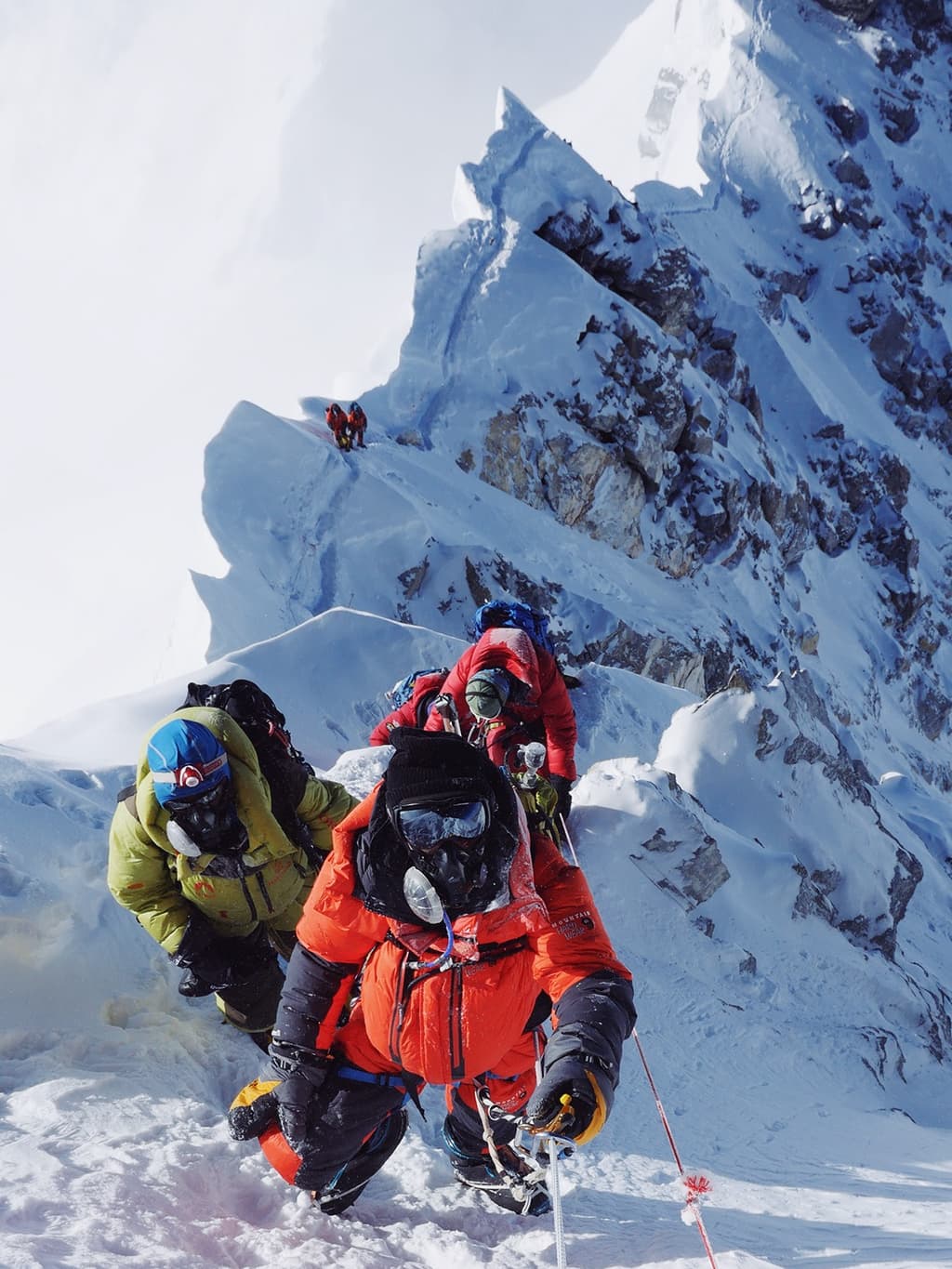
Choosing between spring and winter for your Nepal trek can make or break your Himalayan adventure. This guide helps trekkers decide which season delivers the better experience based on their priorities and hiking goals.
Spring brings warmer weather and blooming rhododendrons, while winter offers crystal-clear mountain views and fewer crowds on popular trails. Each season presents unique advantages that appeal to different types of adventurers.
We'll compare weather patterns and trail conditions so you know what to expect on the ground. You'll also discover how crowd levels affect your cultural experiences and which season gives you the best shot at those Instagram-worthy mountain photos. Finally, we'll break down the real costs and safety considerations that could influence your decision.
Weather Patterns and Trail Conditions in Each Season
Spring's Clear Skies and Stable Weather Windows
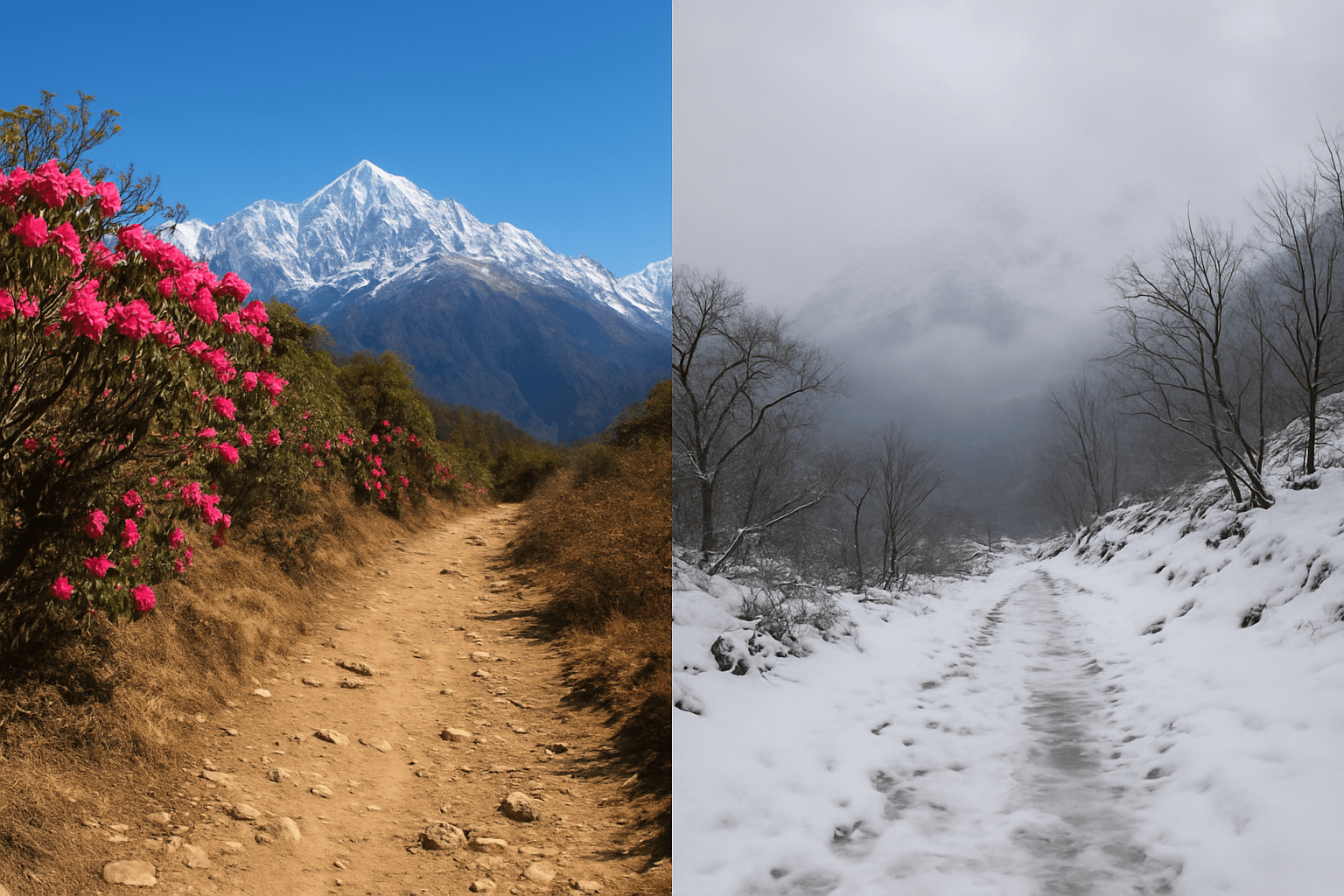
Spring brings Nepal's most predictable weather patterns, making it the golden window for trekkers seeking reliable conditions. From March through May, high-pressure systems dominate the region, creating extended periods of clear skies and stable atmospheric conditions. Morning starts are typically crisp and cloudless, with temperatures gradually warming as the sun climbs higher.
The monsoon season hasn't arrived yet, which means rainfall remains minimal across most trekking routes. This dry period allows trails to maintain their best condition, with firm footing and excellent visibility. Weather windows during spring often stretch for 7-10 consecutive days, giving trekkers confidence in their itineraries and reducing the likelihood of weather-related delays or cancellations.
Temperature swings remain moderate during spring months, avoiding the extreme cold snaps that characterize winter conditions. Daytime temperatures at lower elevations hover around comfortable ranges, while nights cool down just enough to provide refreshing sleep without requiring extreme cold-weather gear.
Winter's Unpredictable Snow and Storm Patterns
Winter transforms Nepal's mountains into a dramatically different environment, where weather systems arrive with little warning and can persist for days. December through February brings frequent snowfall to higher elevations, often accompanied by powerful wind systems that create whiteout conditions and make navigation challenging.
Storm patterns during winter months follow irregular cycles, with calm periods suddenly interrupted by intense weather fronts moving in from the Tibetan plateau. These systems can dump several feet of snow within 24-48 hours, completely altering trail conditions and accessibility. Temperature drops can be severe and sudden, with nighttime lows plummeting well below freezing even at moderate altitudes.
Winter weather also brings shorter daylight hours, compressing the available trekking time each day. Cloud cover tends to persist longer during this season, reducing visibility and making it harder to gauge incoming weather changes. The combination of unpredictable storms and limited daylight creates a challenging environment that demands flexible itineraries and extensive backup planning.
Trail Accessibility and Safety Considerations
Spring conditions keep most major trekking routes fully accessible, with well-maintained paths and clear trail markers. Popular routes like the Everest Base Camp and Annapurna Circuit remain open throughout the spring season, with teahouses operating normally and emergency evacuation routes staying viable. River crossings pose minimal risk during this period, as snowmelt hasn't reached peak levels and water levels remain manageable.
Winter accessibility becomes significantly more restrictive, particularly above 4,000 meters where snow accumulation can block trails for weeks at a time. Many high-altitude passes become impassable, forcing trekkers to use alternative routes or abandon certain objectives entirely. Some teahouses and lodges close during winter months, reducing accommodation options and increasing the distance between safe stopping points.
Avalanche risk increases substantially during winter months, especially on slopes facing north and east where snow accumulates in unstable layers. Trail conditions can change rapidly, with packed snow turning icy during temperature fluctuations, creating treacherous footing even on familiar paths.
Temperature Variations at Different Altitudes
Altitude creates dramatic temperature differences between spring and winter conditions across Nepal's trekking regions. Spring temperatures follow predictable patterns, with comfortable conditions at lower elevations and manageable cold at higher altitudes.
| Altitude Range | Spring (Day/Night) | Winter (Day/Night) |
| 1,000-2,000m | 20-25°C / 5-10°C | 10-15°C / -5-0°C |
| 2,000-3,000m | 15-20°C / 0-5°C | 5-10°C / -10--5°C |
| 3,000-4,000m | 10-15°C / -5-0°C | 0-5°C / -15--10°C |
| Above 4,000m | 5-10°C / -10--5°C | -5-0°C / -25--15°C |
Winter brings extreme temperature swings that can catch unprepared trekkers off guard. At higher elevations, temperatures can drop 20-30 degrees below spring averages, requiring significantly more insulation and specialized cold-weather equipment. The combination of altitude and winter conditions creates a harsh environment where hypothermia and frostbite become serious concerns, even for experienced mountaineers.
Nighttime temperatures during winter can reach life-threatening levels above 4,000 meters, making proper shelter and sleeping systems absolutely critical for survival. Wind chill factors can push effective temperatures even lower, creating dangerous conditions that persist throughout the day at exposed locations.
Crowd Levels and Authentic Cultural Experiences
Spring's Peak Season Rush and Booking Challenges
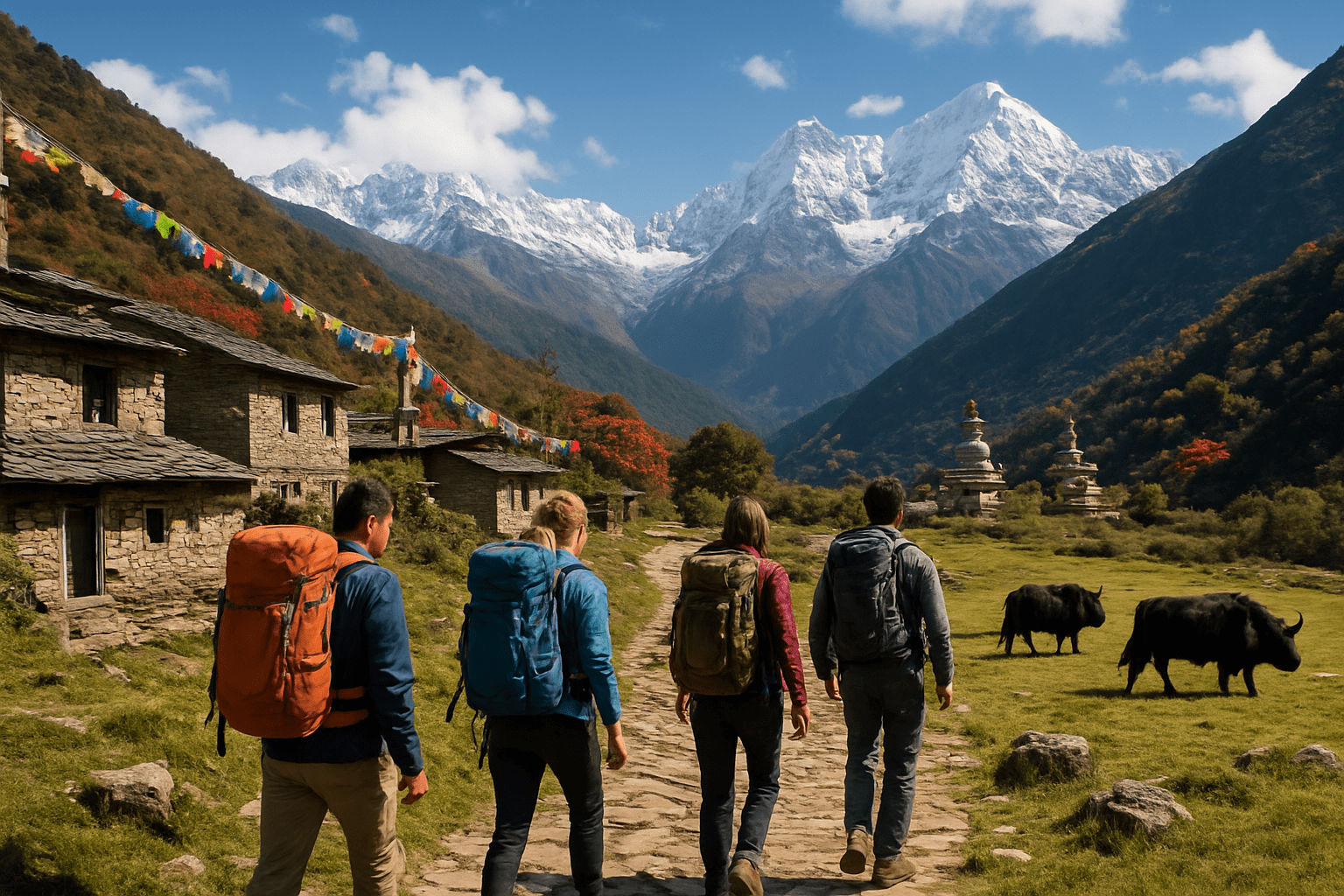
Spring brings hordes of trekkers to Nepal's mountain trails, transforming popular routes like Everest Base Camp and Annapurna Circuit into bustling highways. The months of March through May see the highest concentration of international visitors, creating a competitive atmosphere for securing accommodations and permits.
Booking complications during spring include:
- Teahouses filling up weeks in advance
- Porter availability becoming scarce
- Flight delays to mountain airports due to overcrowding
- Higher prices for last-minute arrangements
- Long queues at permit checkpoints
The social dynamics change dramatically during peak season. Instead of intimate conversations with local families, you'll find yourself sharing common areas with dozens of other trekkers. Popular viewpoints become crowded photo sessions, and the peaceful mountain atmosphere gets replaced by the constant chatter of guided groups moving through the trails.
Winter's Peaceful Trails and Intimate Mountain Encounters
Winter trekking offers a completely different experience - one of solitude and genuine cultural immersion. From December through February, you'll often have entire trail sections to yourself, creating opportunities for meaningful interactions with local communities who have more time to engage with the occasional visitor.
Winter advantages for cultural experiences:
- Extended conversations with teahouse owners and their families
- Participation in local daily routines and festivals
- Authentic glimpses into traditional mountain life
- Personal attention from guides and porters
- Uninterrupted meditation and reflection time
The reduced tourist presence means locals aren't rushing between serving multiple groups. They're more likely to share stories about their lives, invite you to join family meals, or teach you basic Nepali phrases. Children in remote villages show genuine curiosity rather than the rehearsed interactions common during busy seasons.
Teahouse Availability and Local Interaction Opportunities
Teahouse operations vary significantly between seasons, affecting both comfort levels and cultural exchange opportunities. Spring's high demand keeps most facilities fully operational, but the constant turnover limits personal connections. Winter sees selective closures, particularly at higher altitudes, but remaining establishments offer warmer hospitality.
| Season | Teahouse Status | Local Interaction Quality | Cultural Authenticity |
| Spring | 95% open, crowded | Limited, rushed | Tourist-focused |
| Winter | 60% open, spacious | Extended, personal | Daily life glimpses |
Winter closures typically affect establishments above 4,000 meters, requiring careful route planning. However, open teahouses provide heated common areas where you'll spend evenings sharing stories with families rather than competing for space with other trekkers. The slower pace allows for cooking lessons, traditional craft demonstrations, and participation in religious ceremonies.
Local festivals also take on different meanings in winter. Rather than performing for tourist cameras, communities celebrate authentically, often welcoming solo travelers to join their festivities. The Sherpa New Year in February offers particularly rich cultural experiences for winter trekkers willing to brave the cold.
Mountain Views and Photography Opportunities
Spring's Crystal Clear Himalayan Panoramas
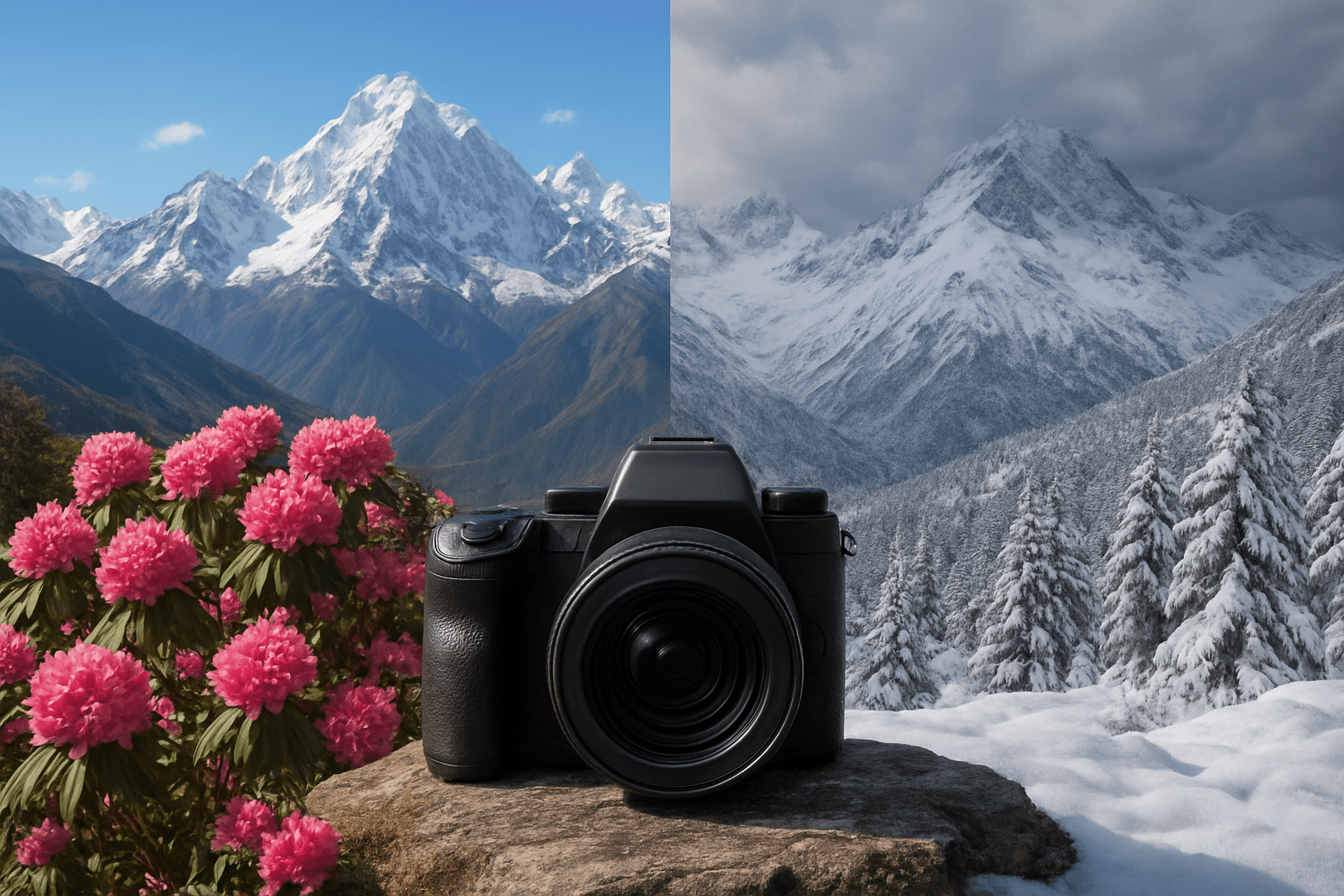
Spring brings some of the most spectacular mountain visibility you'll find anywhere in Nepal. The post-monsoon atmosphere settles into crisp, clean air that makes distant peaks appear almost close enough to touch. During March and April, the stable weather patterns create perfect conditions for those jaw-dropping shots of Everest, Annapurna, and Dhaulagiri ranges.
The morning light during spring hits the mountains with incredible intensity, creating golden hour photography that lasts longer than you'd expect. Photographers often capture the alpenglow effect just after sunrise, when the peaks glow with warm orange and pink hues against the deep blue sky. The air clarity allows you to shoot with wider apertures and still maintain sharp focus on distant mountain faces.
What makes spring particularly special is the consistency of clear days. You're looking at roughly 70-80% chance of clear mountain views, compared to the unpredictable conditions of other seasons. The stable high-pressure systems mean fewer surprise cloud formations that can suddenly obscure your perfect shot.
Winter's Dramatic Snow-Covered Landscapes
Winter transforms the Himalayan landscape into something that looks straight out of a fantasy movie. The heavy snowfall from December through February creates dramatic contrasts between the dark rock faces and brilliant white snow coverage that extends much lower than usual.
The photography opportunities in winter focus more on dramatic compositions and stark beauty. You'll capture images with incredible depth and texture - the way snow clings to vertical rock faces and creates natural patterns is absolutely stunning. The bare deciduous trees create interesting foreground elements that frame the snow-covered peaks beautifully.
Winter light has a different quality entirely. The sun sits lower in the sky, creating longer shadows and more dramatic lighting throughout the day. The reflected light from snow fields illuminates the landscape in ways that summer trekkers never experience. However, weather windows are shorter and less predictable, so you need to be ready to shoot quickly when conditions align.
Rhododendron Blooms vs Snow-Covered Forests
Spring's rhododendron season transforms entire hillsides into explosive displays of red, pink, and white flowers. The blooms typically peak between March and May, depending on elevation, creating foreground elements that add incredible color contrast to your mountain shots. The combination of flowering trees with snow-capped peaks in the background creates compositions that are uniquely Nepalese.
The rhododendron forests provide natural framing for mountain photography, and the variety of colors allows for creative composition work. You can shoot wide landscapes showing vast hillsides covered in blooms, or focus on intimate details of individual flowers with mountains softly blurred in the background.
Winter forests tell a completely different story. The bare branches create intricate patterns against snowy backgrounds, and frost-covered trees add delicate details that work beautifully in black and white photography. The snow-laden pine and fir trees create classic alpine scenes that feel timeless and serene.
Visibility Conditions for Peak Photography
Weather patterns directly impact your chances of capturing those money shots. Spring offers the most reliable visibility windows, with morning hours typically providing the clearest conditions before afternoon clouds build up. The pre-monsoon period sees fewer weather disturbances, giving you multiple opportunities to photograph the same peaks under different lighting conditions.
Winter visibility can be exceptional on clear days, but storms move through more frequently and can last for several days. When winter weather clears, though, the atmosphere often becomes incredibly transparent, offering some of the sharpest long-distance mountain photography possible.
| Season | Clear Days (%) | Best Photography Hours | Unique Advantages |
| Spring | 70-80% | 6-10 AM, 4-6 PM | Consistent conditions, rhododendrons |
| Winter | 50-60% | 8-11 AM, 3-5 PM | Dramatic snow, crisp air quality |
The key difference lies in planning flexibility. Spring allows you to plan specific shots and locations with reasonable confidence, while winter requires adaptability and patience to wait for the right weather windows.
Physical Challenges and Fitness Requirements
Spring's Moderate Temperature Trekking Comfort
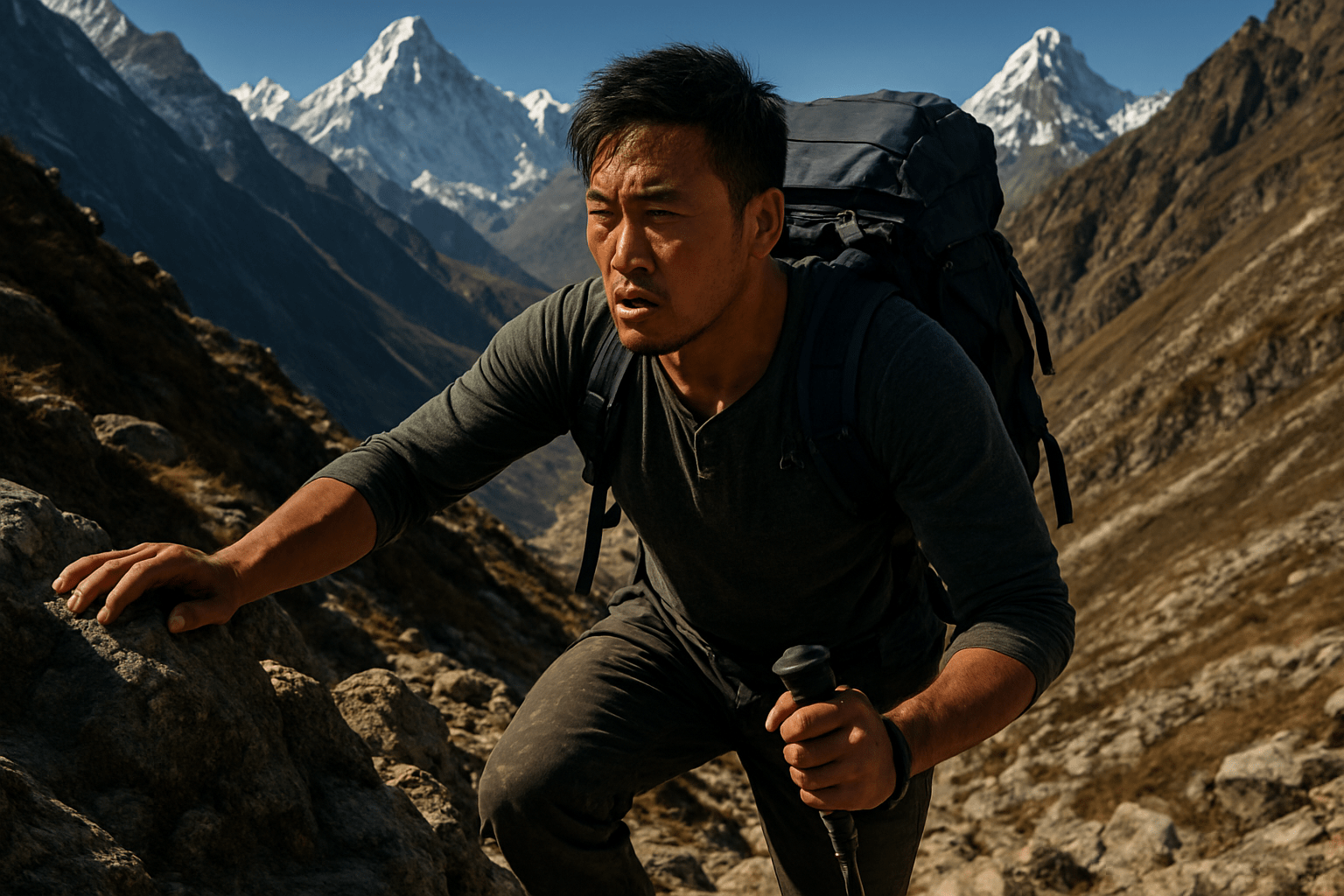
Spring trekking in Nepal offers the sweet spot for physical endurance and comfort. Daytime temperatures at lower elevations typically range from 15-25°C (59-77°F), creating ideal conditions for sustained hiking without the energy drain of extreme weather. Your body maintains better hydration levels since you're not fighting dehydration from intense cold or heat stress.
The moderate temperatures mean you'll carry less gear weight, reducing pack burden on your shoulders and joints. Layers become easier to manage – you can strip down during climbs and add clothing during rest stops without the bulky winter gear that restricts movement. Sleep quality improves dramatically compared to winter camping, allowing better muscle recovery between trekking days.
Trail surfaces in spring are generally stable and dry, reducing the physical strain of navigating icy or muddy terrain. Your energy goes into forward progress rather than careful foot placement on treacherous surfaces. The warmer weather also means better blood circulation to extremities, reducing numbness and improving grip strength for using trekking poles effectively.
Winter's Extreme Cold and Technical Difficulties
Winter trekking transforms Nepal's mountains into a physical crucible that tests every aspect of your fitness. Sub-zero temperatures at altitude can drop to -20°C (-4°F) or lower, forcing your body to burn significantly more calories just to maintain core temperature. This metabolic demand compounds the already high energy requirements of mountain trekking.
Cold weather creates unique physical challenges that summer trekkers never face. Your muscles take longer to warm up each morning, increasing injury risk during the first hours of hiking. Fingers and toes lose dexterity, making simple tasks like adjusting pack straps or eating snacks more difficult and time-consuming. The extra weight of winter gear – heavy sleeping bags, insulated clothing, crampons – adds 15-20 pounds to your pack, significantly increasing the load on your back, knees, and ankles.
Snow and ice create technical terrain requirements that demand different muscle groups and movement patterns. You'll engage your core more intensely for balance on unstable surfaces, while your calves work overtime when wearing crampons. The constant vigilance needed for safe foot placement is mentally exhausting, adding psychological fatigue to physical demands.
| Challenge Type | Spring | Winter |
| Pack Weight | 12-15 kg | 18-22 kg |
| Daily Calorie Burn | 3,500-4,500 | 4,500-6,000 |
| Sleep Quality | Good | Poor to Moderate |
| Injury Risk | Low-Moderate | Moderate-High |
Altitude Acclimatization Differences by Season
Seasonal variations significantly impact how your body adapts to high altitude. Spring's stable weather patterns allow for more predictable acclimatization schedules. You can plan rest days and gradual ascent rates without worrying about sudden weather changes forcing premature moves to higher camps.
Winter's extreme cold complicates altitude adaptation in several ways. Your body diverts energy from acclimatization processes to maintain core temperature, potentially slowing the production of red blood cells needed for oxygen transport. Dehydration becomes more challenging to manage in cold weather, and proper hydration is essential for altitude adaptation.
The reduced daylight hours in winter compress your active trekking time, sometimes forcing faster ascent rates than ideal for acclimatization. Spring offers 12-14 hours of daylight, allowing for leisurely climbs with plenty of rest breaks to monitor altitude symptoms.
Sleep quality directly affects altitude adaptation, and winter's harsh conditions often disrupt sleep patterns. Poor sleep at altitude can mask early symptoms of altitude sickness, making it harder to recognize when you need to descend. Spring's more comfortable sleeping conditions help maintain the quality rest needed for proper acclimatization.
Cold-induced vasoconstriction in winter can also affect circulation to extremities, potentially complicating the recognition of altitude-related symptoms like peripheral edema. The combination of cold exposure and altitude stress creates a more complex physiological challenge than either factor alone.
Cost Analysis and Budget Considerations

Spring's Premium Pricing for Peak Season Services
Spring treks come with a significant price bump that catches many trekkers off guard. During March through May, Nepal's tourism industry operates at full throttle, driving prices up across the board. Tea houses that charge $5-8 per night in winter often double their rates to $10-15 during spring months. Popular routes like Everest Base Camp and Annapurna Circuit see lodge prices spike even higher, with some charging $20-25 per night in prime locations.
Guide and porter fees also climb substantially. While winter guides might work for $25-30 daily, spring rates jump to $35-45 per day. Porters see similar increases, with rates climbing from $15-20 to $25-30 daily. Group treks face premium surcharges, and last-minute bookings become extremely expensive as availability shrinks.
Domestic flights to popular starting points like Lukla face notorious delays and cancellations during spring, but the few available seats command premium prices. Helicopter rescue insurance becomes more expensive due to increased demand and weather-related complications.
Winter's Discounted Rates and Special Offers
Winter transforms Nepal into a budget trekker's paradise. Tea houses slash their rates by 40-60% to attract the handful of hardy adventurers willing to brave the cold. Many lodges offer package deals including meals and accommodation for incredibly low prices – sometimes as little as $8-12 total per day.
Local guides and porters eagerly accept reduced rates during the off-season, making their services 30-40% cheaper than peak periods. Some trekking agencies roll out aggressive winter promotions, offering group discounts of up to 50% off standard packages. Equipment rental shops clear their inventory with substantial markdowns on sleeping bags, down jackets, and other gear.
Transportation costs drop significantly too. Domestic flights operate more reliably with fewer weather delays, and airlines occasionally offer promotional fares to fill empty seats. Road transport becomes more predictable, though some high-altitude passes may close due to snow.
Equipment and Gear Investment Requirements
Spring trekking requires a comprehensive but manageable gear list. Quality rain gear becomes absolutely essential, as afternoon storms hit regularly. A good waterproof jacket and pants can cost $200-400, while reliable rain covers for backpacks add another $30-50. Layering systems work well in spring's variable temperatures, making mid-weight fleece jackets and lightweight down layers ideal choices.
Winter gear demands serious investment in high-performance equipment. Sleeping bags rated to -15°F or lower become mandatory, with quality options starting around $300-500. Expedition-grade down jackets cost $400-600, while insulated boots suitable for snow and ice range from $200-400. Microspikes or crampons add another $60-100 to the budget.
Both seasons benefit from quality base layers, but winter requires merino wool or synthetic options that continue insulating when wet. Glove systems become crucial in winter – liner gloves, insulated gloves, and waterproof shells can easily total $100-150.
Transportation and Accommodation Cost Variations
Transportation costs fluctuate dramatically between seasons. Spring flights to Lukla often cost $200-250 per person due to high demand and weather delays that create scheduling chaos. Winter flights drop to $150-180 and run more reliably, though some routes may suspend service entirely.
Road transportation shows similar patterns. Bus tickets to trek starting points cost 20-30% more during spring's rush, while private vehicle hire becomes extremely expensive due to demand. Winter road travel offers better prices but requires flexibility around weather closures.
Accommodation presents the starkest contrast between seasons. Spring's lodge premium extends beyond basic rates – popular stopping points along major routes can charge $30-50 per night for rooms that cost $8-12 in winter. Food prices follow similar patterns, with dal bhat climbing from $3-4 in winter to $6-8 during peak spring demand.
City accommodations in Kathmandu and Pokhara also reflect seasonal pricing, with spring rates often 50-70% higher than winter levels.
Safety Factors and Risk Assessment
Spring's Lower Avalanche and Weather Risks
Spring trekking in Nepal brings significantly reduced avalanche dangers compared to winter months. The warmer temperatures and stabilized snowpack create safer conditions for high-altitude adventures. Most trekking routes experience fewer sudden weather changes, with more predictable patterns that allow for better planning and reduced emergency situations.
The melting snow during spring actually helps consolidate the snowpack, making it more stable than the fresh, loose snow common in winter. Popular routes like Everest Base Camp and Annapurna Circuit see dramatically lower incidents of weather-related emergencies during March through May. Temperature fluctuations become less extreme, reducing the risk of altitude-related complications that often spike during harsh winter conditions.
Trail visibility improves substantially as cloud cover decreases and storms become less frequent. This enhanced visibility directly translates to safer navigation and reduced chances of getting lost or making dangerous route decisions. The longer daylight hours also provide trekkers with extended safe travel windows, minimizing the risks associated with navigating in darkness.
Winter's Increased Emergency Evacuation Challenges
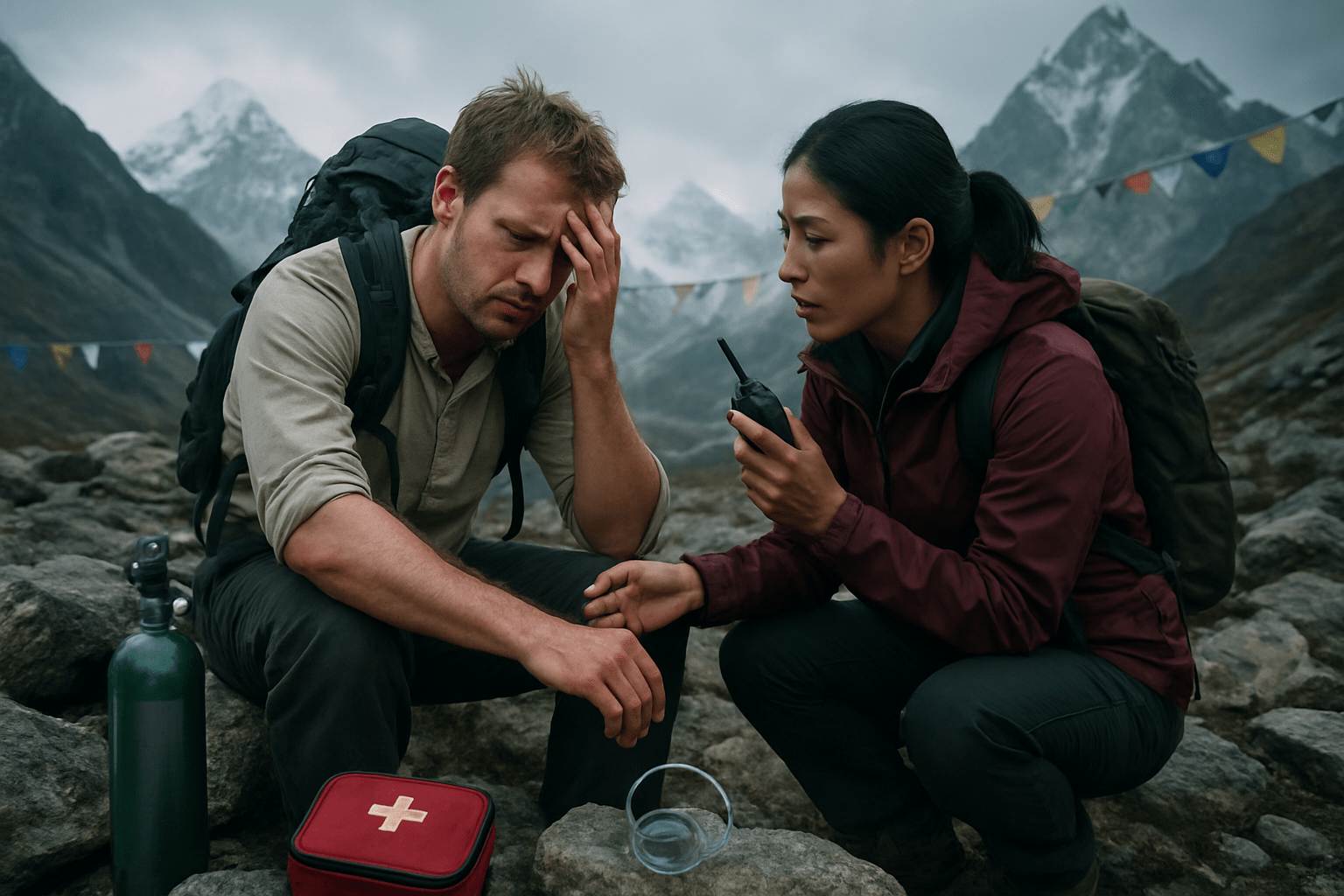
Winter trekking presents serious evacuation obstacles that every trekker must consider before departure. Helicopter rescues become extremely difficult or impossible due to severe weather conditions, limited visibility, and dangerous flying conditions at high altitudes. Many rescue operations get delayed for days or even weeks during winter storms.
Remote teahouses and lodges often close during peak winter months, creating gaps in the safety net that trekkers typically rely on. This means longer distances between safe shelter points and reduced access to emergency communication systems. Weather windows for helicopter evacuations shrink dramatically, sometimes leaving injured or sick trekkers stranded for extended periods.
Ground evacuation becomes the primary option, but winter conditions make carrying stretchers or assisting injured trekkers incredibly challenging. Snow-covered trails, icy conditions, and reduced porter availability all compound evacuation difficulties. Medical emergencies that might be routine rescues in spring can become life-threatening situations during winter months.
The cost of winter evacuations also skyrockets due to increased risks for rescue personnel and the specialized equipment required for winter operations.
Guide Availability and Local Support Systems
Spring season offers the best access to experienced guides and comprehensive support networks. The peak trekking season means more guide agencies operate at full capacity, providing better options for finding qualified, English-speaking guides with proper certifications and insurance coverage.
Local communities remain fully active during spring months, ensuring that support services like medical posts, communication centers, and emergency supplies stay readily available. Porter networks function at optimal levels, making it easier to find reliable assistance and backup support when needed.
Winter dramatically reduces guide availability as many experienced guides move to lower altitudes or take seasonal breaks. The guides who do work during winter often charge premium rates due to increased risks and harsh working conditions. Many smaller guide agencies simply shut down operations, limiting options for travelers.
Local support infrastructure becomes sparse during winter months. Many villages experience reduced populations as residents migrate to warmer areas, and communication systems may become unreliable due to weather damage or limited maintenance. This creates a significantly reduced safety net for trekkers who encounter problems on winter routes.
Conclusion
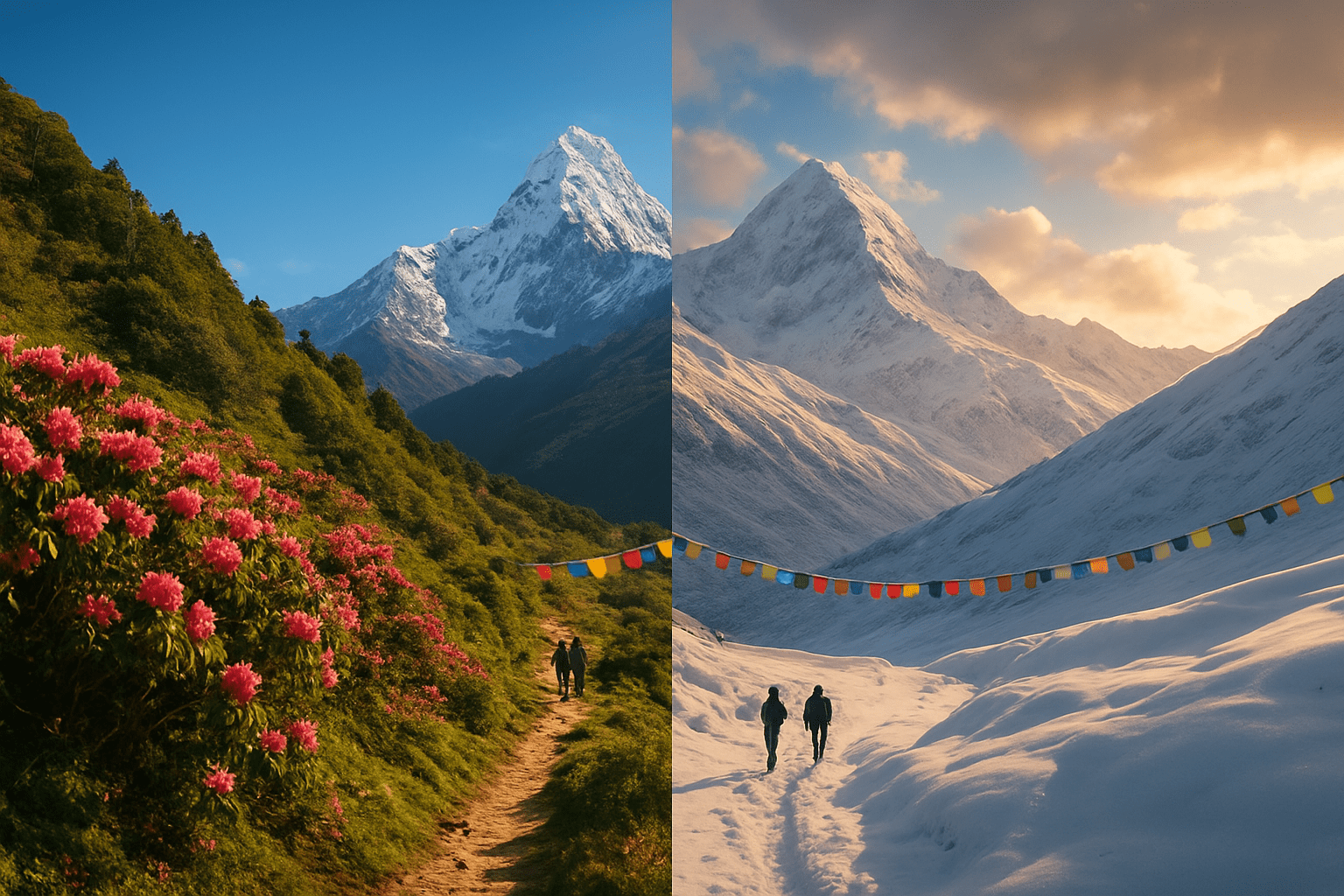
Both spring and winter trekking in Nepal offer incredible experiences, but your choice really comes down to what matters most to you. Spring delivers those postcard-perfect mountain views with clear skies and blooming rhododendrons, making it ideal for photographers and first-time trekkers who want reliable weather. Winter treks reward adventurous souls with empty trails, authentic cultural connections, and budget-friendly prices, though you'll need solid cold-weather gear and higher fitness levels to handle the challenging conditions.
Your decision should match your experience level, budget, and what you're hoping to get from your trek. If you want guaranteed stunning views and don't mind sharing the trails with other trekkers, spring is your sweet spot. But if you're after a raw, authentic Himalayan experience and can handle unpredictable weather, winter will give you stories that last a lifetime. Either way, Nepal's mountains will leave you planning your next visit before you even make it home.
If you require any additional information, please contact us via email at [email protected] or phone at +977- 980 195 6248 (WhatsApp).