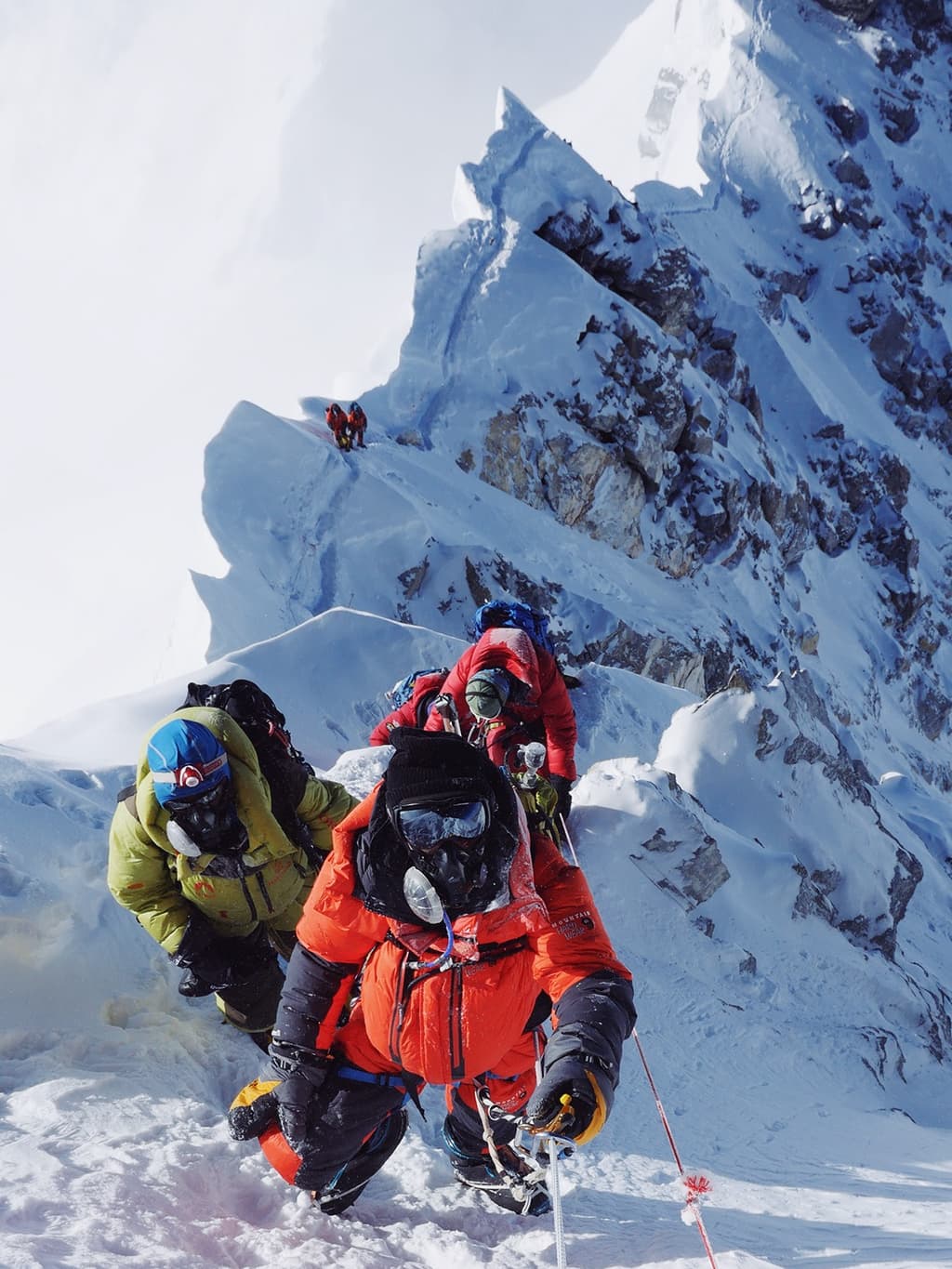
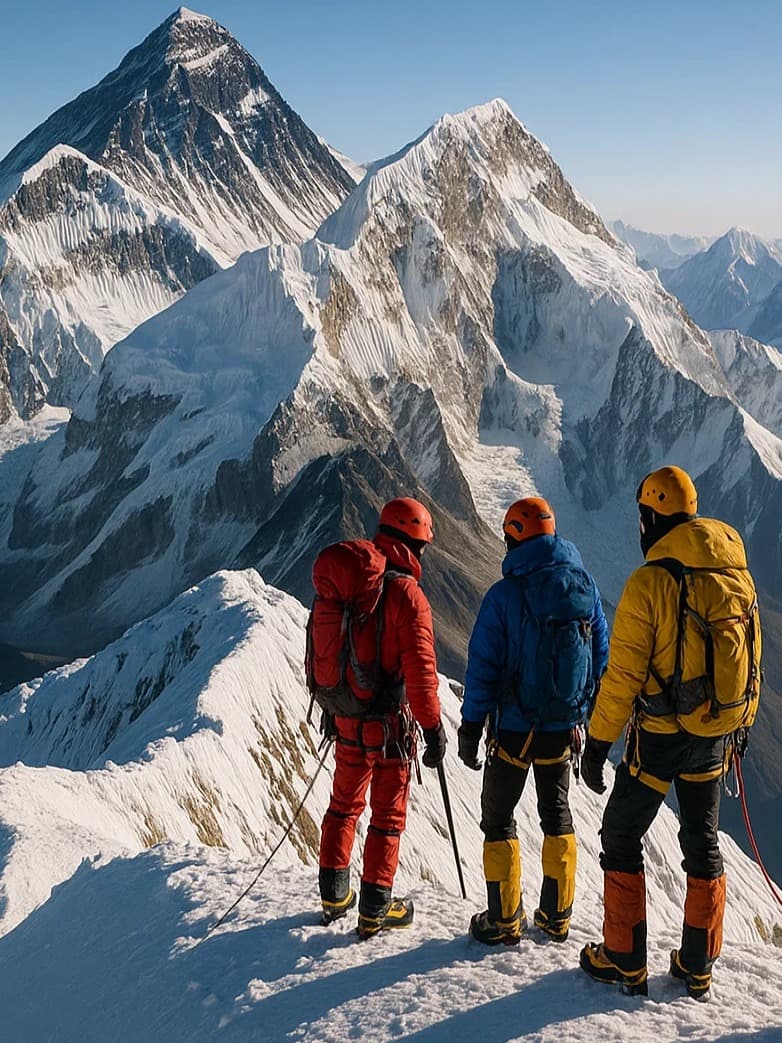
Nepal's mountain trails offer incredible adventures for families ready to explore the Himalayas together. This guide helps parents plan successful trekking experiences with children of all ages, from toddlers to teenagers, who want to discover Nepal's stunning landscapes and rich culture.
Who This Guide Is For:
- Parents planning their first family trek in Nepal
- Families with kids ages 4-16 looking for mountain adventures
- Adventure-loving parents who want to share their passion for trekking with their children
What You'll Learn:
Family-Friendly Trek Selection: We'll cover the best routes for different age groups, including shorter trails perfect for young legs and longer adventures for experienced kid hikers.
Practical Preparation Tips: You'll get specific advice on physical training for children, essential gear that actually works for small hands, and health precautions that keep everyone happy on the trail.
Trail Management Strategies: Learn proven techniques to keep kids motivated during challenging sections, safety protocols designed for family groups, and how to handle common issues like altitude and weather changes.
Ready to turn your family into mountain explorers? Let's dive into everything you need to know for an amazing Nepal trekking adventure with your young adventurers.
Essential Pre-Trek Planning for Family Adventures
Selecting Age-Appropriate Trekking Routes and Durations
Picking the right trek for your family depends heavily on your children's ages, fitness levels, and hiking experience. For kids under 8, stick to day hikes or short 2-3 day treks near Kathmandu like Nagarkot or Chisapani. These routes offer stunning mountain views without demanding multi-day endurance.
Children aged 8-12 can handle moderate treks lasting 5-7 days, such as the Ghorepani Poon Hill circuit or shorter sections of the Annapurna Base Camp trek. These routes feature well-established trails, comfortable tea houses, and manageable daily distances of 4-6 hours.
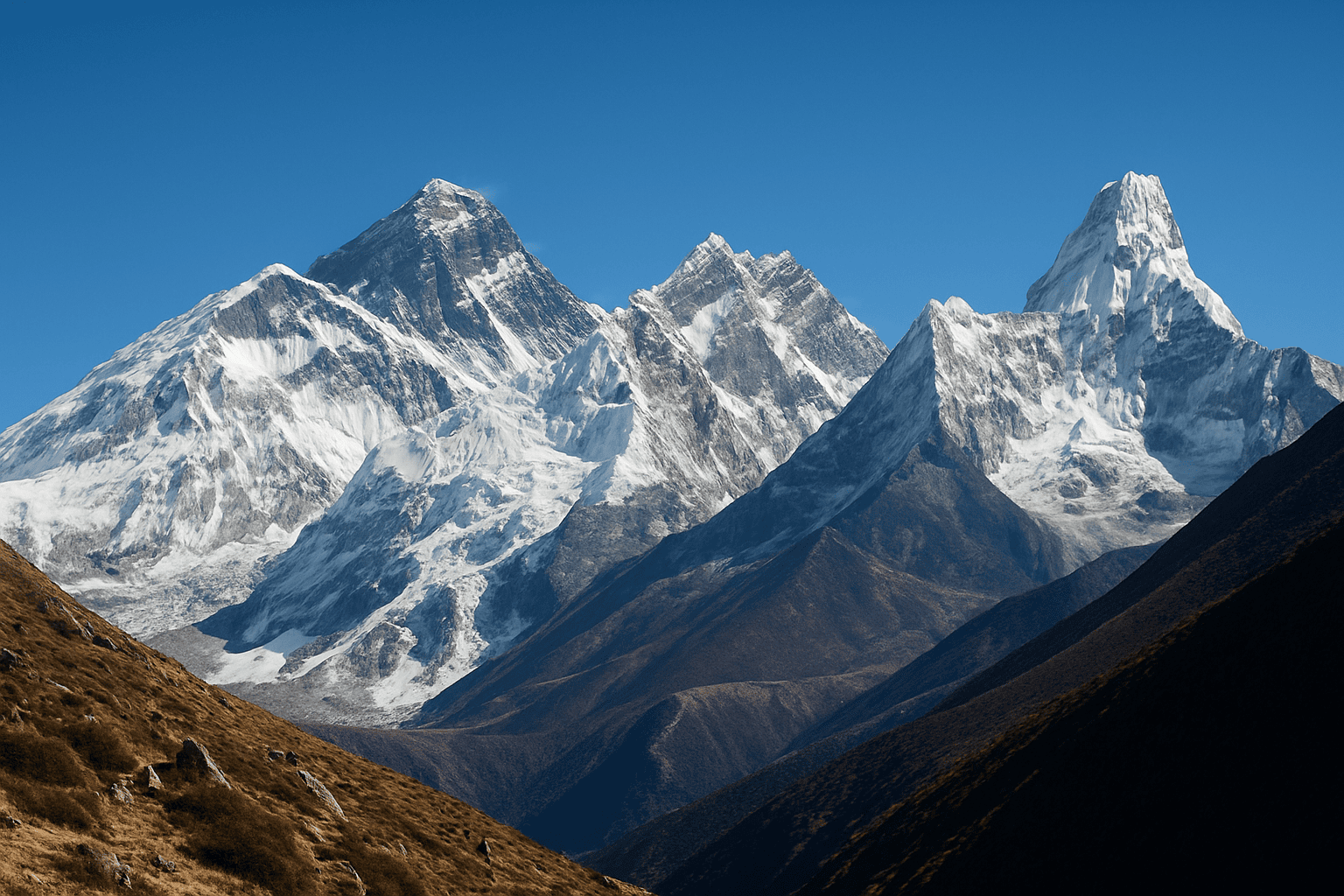
Teenagers 13 and older with good fitness can tackle classic routes like Everest Base Camp or Annapurna Circuit, though consider shortened versions. The standard EBC trek takes 12-14 days, but you can opt for the Everest View Trek (7-10 days) that reaches Tengboche Monastery with incredible Everest views.
Daily trekking distances matter more than total trek length. Keep hiking time to 3-4 hours for younger kids and 5-6 hours maximum for teens. Plan rest days every 3-4 trekking days, especially at higher altitudes. Choose routes with evacuation options - helicopter rescue accessibility becomes crucial when traveling with children.
Best Seasons for Trekking with Children in Nepal
Timing your family trek correctly makes the difference between an amazing adventure and a challenging ordeal. Spring (March-May) and autumn (September-November) offer the most family-friendly conditions, with clear skies, stable weather, and comfortable temperatures.
Spring brings blooming rhododendrons and excellent mountain visibility, though trails can be busier. Temperatures range from 15-20°C during the day at lower elevations, perfect for active kids. However, afternoon thunderstorms become more frequent in late May.
Autumn provides the clearest mountain views and most stable weather patterns. Post-monsoon air clarity creates spectacular photo opportunities, and temperatures stay comfortable throughout the day. October specifically offers ideal conditions with minimal rainfall and excellent visibility.
Avoid the monsoon season (June-August) when traveling with children. Heavy rains create muddy, slippery trails, increase landslide risks, and obscure mountain views. Winter treks (December-February) work for lower altitude routes but require careful planning for cold weather gear and shorter daylight hours.
Consider your children's school schedule when planning. Many families prefer autumn treks during October school holidays or spring breaks in March-April.
Required Permits and Documentation for Young Trekkers
Nepal requires specific permits for trekking, and children need the same documentation as adults. For popular routes like the Annapurna and Everest regions, you'll need both TIMS (Trekkers' Information Management System) cards and area-specific permits.
TIMS cards cost $10 per person for independent trekkers or $20 through agencies. Children of all ages require individual TIMS cards - no family discounts exist. The Annapurna Conservation Area Permit (ACAP) costs $30 per person, while Sagarmatha National Park permits cost $35.
Restricted areas like Upper Mustang or Manaslu require special permits costing $50-500 per person, depending on the region and season. These areas often have minimum group requirements that can complicate family planning.
Passport copies work for permit applications, but bring originals as backup. Children must have their own valid passports - family passports don't work for individual permit requirements. Processing permits in Kathmandu typically takes 30 minutes, but allow extra time during peak seasons.
Some trekking agencies handle permit arrangements, which can simplify the process for families juggling multiple documents. Keep permit copies separate from originals during the trek, and ensure all family members carry their individual permits and identification.
Budgeting for Family Trekking Expeditions
Family trekking costs vary significantly based on route choice, accommodation preferences, and group size. Budget $50-100 per person per day for tea house trekking, including accommodation, meals, permits, and guide fees.
Accommodation in tea houses costs $5-15 per room, but expect to pay for heating ($3-5) and charging electronics ($2-3 per device). Food expenses run $15-25 per person daily - children often eat smaller portions, but don't expect significant discounts.
Guide costs range from $25-35 daily, while porters charge $20-25 per day. One porter can carry 20-25kg, roughly covering two family members' gear. Many families hire one guide who also carries light loads rather than separate guides and porters.
Transportation to trailheads varies by destination. Flights to Lukla cost $150-200 per person, while bus rides to Annapurna region trailheads cost $10-20. Budget extra for potential flight delays or alternative transport arrangements.
Emergency expenses deserve special consideration with children. Helicopter evacuation costs $3000-5000 per person, making comprehensive travel insurance essential. Medical consultations in mountain areas cost $50-100, and medication purchases can be expensive.
Consider bringing extra cash - mountain ATMs are unreliable, and credit cards aren't widely accepted. Budget 20% extra for unexpected expenses like weather delays or gear replacement.
Physical Preparation and Health Considerations
Building Fitness Levels for Different Age Groups
Getting your family physically ready for trekking in Nepal requires different approaches based on age. Young children (5-8 years) benefit most from playful activities that naturally build endurance. Hide-and-seek, playground adventures, and nature walks around your neighborhood work wonders. Start with 30-minute walks and gradually extend them to 2-3 hours over several weeks.
Pre-teens (9-12 years) can handle more structured fitness routines. Weekend hikes on local trails, bike rides, and swimming sessions help develop cardiovascular strength. Focus on building their stamina through activities they actually enjoy rather than forcing boring exercise routines.
Teenagers (13+ years) can participate in more intensive training alongside adults. Include hill walking, stair climbing, and backpack training with gradually increasing weight. Start with a light daypack and add books or water bottles each week.
Family Fitness Schedule:
|
Age Group |
Activity Duration |
Frequency |
Key Focus |
|
5-8 years |
30-90 minutes |
3-4x/week |
Fun, game-based movement |
|
9-12 years |
1-3 hours |
4-5x/week |
Endurance building |
|
13+ years |
2-4 hours |
5-6x/week |
Strength and stamina |
Altitude Acclimatization Strategies for Children
Children adapt to altitude differently than adults, often showing symptoms more quickly but also recovering faster. Plan your trek with extra acclimatization days built into the itinerary. Young bodies need more time to adjust to reduced oxygen levels above 2,500 meters.
Watch for early signs of altitude sickness in kids: unusual tiredness, loss of appetite, headaches, or changes in behavior. Children might not communicate symptoms clearly, so parents need to be extra observant. If your child becomes unusually quiet, cranky, or refuses to play, consider it a warning sign.
Create a gradual ascent plan that includes rest days every 2-3 days once you reach higher elevations. Use these days for fun activities around base camp - games, storytelling, or exploring nearby areas. This keeps kids happy while their bodies adjust.
Consider spending 2-3 nights in Kathmandu or Pokhara before starting your trek to help with initial altitude adjustment. Many families find that arriving a few days early reduces jet lag and gives everyone time to adapt gradually.
Essential Medical Preparations and Vaccinations
Visit your family doctor 6-8 weeks before departure to discuss necessary vaccinations. Standard requirements include hepatitis A and B, typhoid, and Japanese encephalitis. Check if your children's routine vaccinations are current, including measles, mumps, rubella, and tetanus boosters.
Pack a comprehensive first aid kit tailored for children. Include pediatric medications for pain relief, stomach issues, and allergic reactions. Bring oral rehydration salts, antiseptic wipes, band-aids with fun designs (kids love cartoon characters), and any prescription medications your children take regularly.
Anti-altitude sickness medication requires careful consideration for children. Consult with a travel medicine specialist about appropriate dosages and alternatives. Some doctors recommend acetazolamide for older children, while others prefer natural acclimatization methods.
Essential Medical Kit for Kids:
- Children's pain relief (appropriate dosages)
- Anti-diarrheal medication designed for kids
- Thermometer
- Sunscreen (SPF 50+)
- Lip balm with UV protection
- Insect repellent safe for children
- Motion sickness medication
Creating Training Schedules That Keep Kids Engaged
Transform fitness preparation into adventure games that mirror your upcoming trek. Create "missions" where kids need to reach certain hiking distances or carry specific weights in their backpacks. Use reward systems like sticker charts or small prizes to celebrate milestones.
Design family challenges that everyone can participate in together. Weekend "expeditions" to local parks or nature reserves help kids understand what trekking involves while building fitness. Make these outings special with packed lunches, nature scavenger hunts, and storytelling breaks.
Incorporate technology wisely - fitness tracking apps or GPS watches can motivate older children to reach daily step goals. Share exciting facts about Nepal, show photos of mountain landscapes, and read adventure stories during rest periods to build excitement.
Schedule training around school commitments by using daily activities creatively. Walking or biking to school, taking stairs instead of elevators, and playing active games during weekends all contribute to fitness building. The key is consistency rather than intensity - small, regular activities work better than occasional intense sessions.
Make training social by inviting friends on practice hikes or organizing family fitness challenges with other trekking families. Kids stay motivated when they're having fun with peers while preparing for their mountain adventure.
Smart Packing for Young Mountain Explorers
Child-Specific Gear and Equipment Essentials
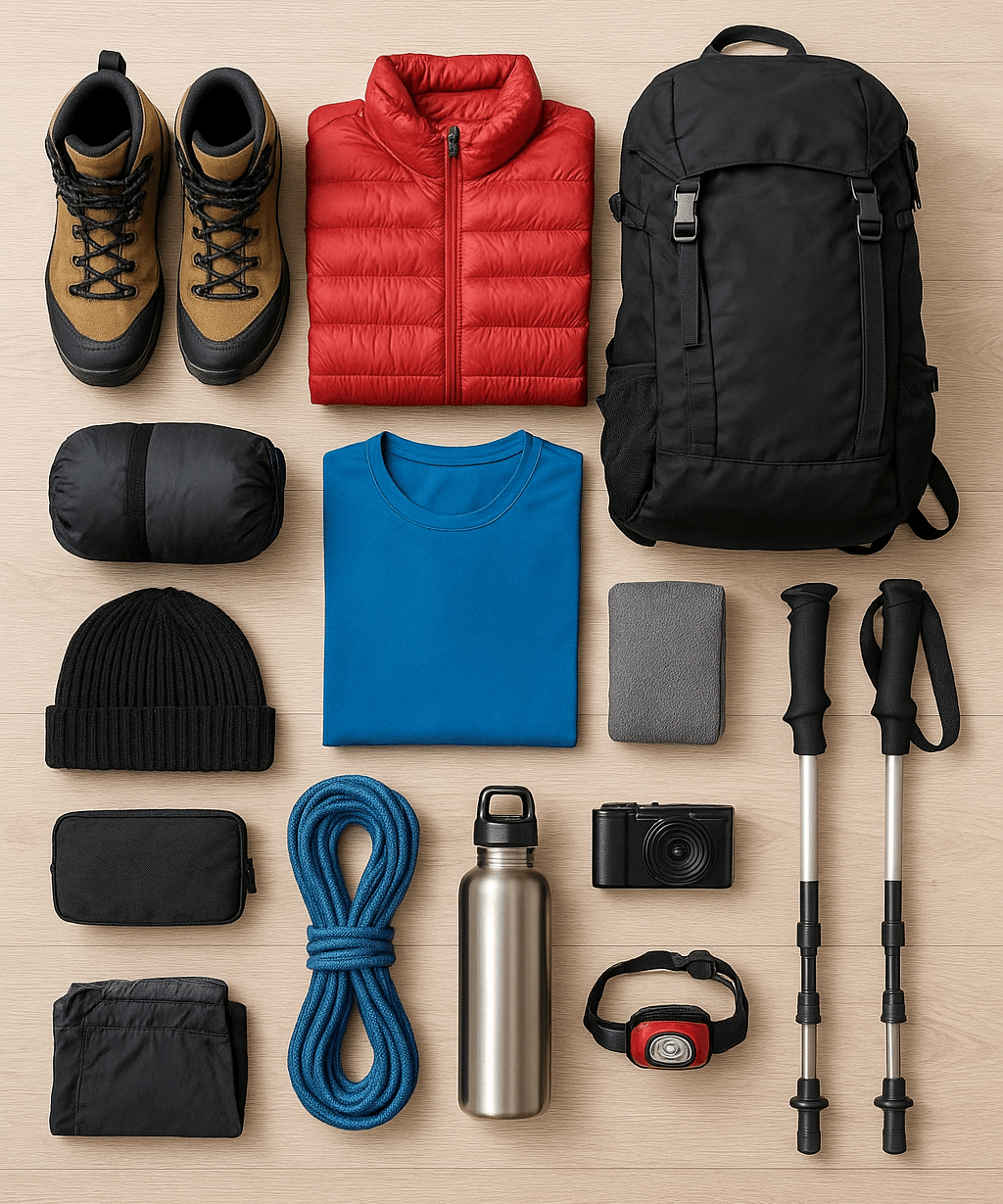
Getting the right gear for kids makes all the difference between a memorable adventure and a challenging ordeal. Start with properly fitted hiking boots that offer ankle support – children's feet are more prone to injury on uneven terrain. Bring an extra pair of comfortable walking shoes for camp use and stream crossings.
A quality child-sized backpack is essential, even if they only carry light items. Look for packs with padded shoulder straps and chest belts. Kids feel more involved when they carry their own water bottle, snacks, and small personal items. Choose bright colors to make them easily visible on the trail.
Invest in high-quality rain gear designed for children. Adult-sized ponchos often drag on the ground and create tripping hazards. Child-specific rain jackets with adjustable cuffs and hoods provide better protection and mobility. Don't forget waterproof pants – kids spend more time sitting on rocks and wet surfaces than adults.
Trekking poles sized for children help with stability and reduce fatigue. Many models are adjustable, making them a worthwhile long-term investment. UV-protection sunglasses with secure straps prevent loss and protect young eyes from harsh mountain sun reflected off snow and rocks.
Pack extra batteries for headlamps since children often forget to turn them off. Choose models with red-light options to preserve night vision around camp. A whistle attached to their clothing provides an emergency signaling method if they wander off the trail.
Layering Systems for Unpredictable Mountain Weather
Mountain weather changes rapidly, and children's bodies regulate temperature differently than adults. Build a layering system that's easy for kids to adjust independently. Base layers should be moisture-wicking synthetic materials or merino wool – never cotton, which stays wet and loses insulation properties.
The middle insulation layer is where you can add or remove warmth quickly. Fleece jackets with full zippers allow kids to vent easily when they warm up from activity. Pack at least two mid-layer options: a lightweight fleece for active hiking and a warmer synthetic or down jacket for cold mornings and evenings.
Outer shells need to be both waterproof and breathable. Children generate heat quickly while hiking but cool down fast when they stop. Look for jackets with large zippers and simple adjustment systems that small hands can manage. Avoid complicated features that kids might struggle with.
Don't overlook extremities – kids lose heat quickly through their heads, hands, and feet. Pack warm hats that cover ears, waterproof gloves with liner gloves underneath, and extra socks made from wool or synthetic materials. Gaiters keep snow and debris out of boots, which is especially important for shorter legs that brush against vegetation.
Create a simple system where each child has their layers organized in packing cubes or stuff sacks. Label everything clearly so they can find what they need without dumping their entire pack contents on the trail.
Entertainment and Comfort Items for Long Trek Days
Long hiking days can test any child's patience, so pack strategic entertainment that doesn't add excessive weight. A small notebook and pencils let kids document their adventure through drawings and simple journaling. Encourage them to sketch plants, animals, or mountain views they encounter.
Card games designed for travel work well during rest stops and at tea houses. Choose games with simple rules that the whole family can enjoy. A small harmonica or recorder provides musical entertainment around camp and weighs almost nothing.
Comfort items are just as important as entertainment. A favorite small stuffed animal or blanket can provide emotional security in unfamiliar surroundings. These items don't need to be large – even a small piece of familiar fabric can offer comfort during difficult moments.
Audio entertainment works well for kids who get bored with scenery. Download audiobooks, music, or educational podcasts onto a lightweight device with good battery life. Bring extra charging options like power banks or solar chargers for longer treks.
Small prizes or treats hidden in your pack can motivate tired hikers. Wrap special snacks or small toys to reveal at specific milestones. This creates anticipation and gives kids something to look forward to during challenging sections.
Pack crayons and small coloring books for rainy days stuck in tea houses. These activities keep kids occupied and allow parents time to rest and plan the next day's route.
Weight Distribution and Porter Considerations
Smart weight distribution keeps everyone happy and safe on the trail. Children should only carry 10-15% of their body weight, and much of this should be their own comfort items, water, and snacks. Their psychological ownership of gear matters more than the actual weight contribution.
When hiring porters, communicate clearly about family needs. Many porters are experienced with adult trekkers but might not understand the extra requirements for children. Discuss carrying capacity for child-specific gear like extra clothing, comfort items, and emergency supplies.
Organize family gear into logical groups. One adult pack might contain all the family's rain gear, while another carries extra food and first aid supplies. Keep frequently needed items like snacks, sunscreen, and extra layers easily accessible in the top compartments of adult packs.
Consider hiring an extra porter for families with multiple children or younger kids who tire easily. The additional cost often pays for itself in reduced stress and increased enjoyment. Some porters are excellent with children and can provide entertainment and motivation along the trail.
Create a backup plan for days when children can't or won't carry their packs. Tired, cranky kids shouldn't be burdened with heavy loads. Adult pack weights should allow for taking on additional gear when necessary without exceeding safe carrying limits.
Emergency Kit Components for Family Safety
Family emergency kits need to address both adult and child-specific medical needs. Include pediatric medications like children's pain relievers and any prescription medications your kids take regularly. Pack extra quantities since resupply options are limited in remote areas.
Altitude sickness affects children differently than adults, and symptoms can be harder to recognize. Include a pulse oximeter to monitor oxygen saturation levels objectively. Pack descent medications if your doctor recommends them, though immediate descent is the primary treatment for serious altitude illness.
Communication devices become more critical when traveling with children. A satellite communicator allows you to call for help even in areas without cell coverage. GPS devices help navigate if weather forces route changes or emergency evacuations become necessary.
Child-specific first aid items include extra bandages in fun colors or patterns, which kids are more likely to accept. Pack oral rehydration salts for stomach issues and diarrhea, which can dehydrate children quickly at altitude. Include a thermometer suitable for field use.
Emergency shelter and warmth items should accommodate the entire family. A lightweight emergency bivy or space blanket large enough for multiple people could be life-saving if weather forces an unexpected overnight stay. Chemical hand warmers provide quick heat for cold children.
Keep emergency contact information, medical information, and insurance details in waterproof storage. Include photos of your children and contact information for your home country's embassy. Store copies separately from originals in case packs are lost or damaged.
Choosing the Right Trek Routes for Families

Beginner-Friendly Trails with Stunning Payoffs
The Ghorepani-Poon Hill trek stands out as the perfect introduction to Nepal's high-altitude adventures for families. This five-day journey through rhododendron forests offers breathtaking sunrise views over the Annapurna and Dhaulagiri mountain ranges without requiring extreme physical demands. Children as young as eight can manage the moderate daily walking distances of 4-6 hours, while the well-established teahouse network provides comfortable overnight stays.
The Everest View Trek presents another excellent option for families seeking mountain vistas without the commitment of longer expeditions. This shortened version of the classic Everest Base Camp route takes you to Namche Bazaar and offers spectacular views of Mount Everest, Lhotse, and Ama Dablam. The helicopter return option eliminates the need for young legs to retrace their steps downhill.
For families preferring lower altitudes, the Dhampus-Sarangkot trek near Pokhara delivers stunning Himalayan panoramas with minimal altitude gain. This gentle two-day trek passes through traditional Gurung villages and offers spectacular sunrise views over the Annapurna range. The proximity to Pokhara means easy access to medical facilities and comfortable accommodations before and after the trek.
Cultural Village Treks That Captivate Young Minds
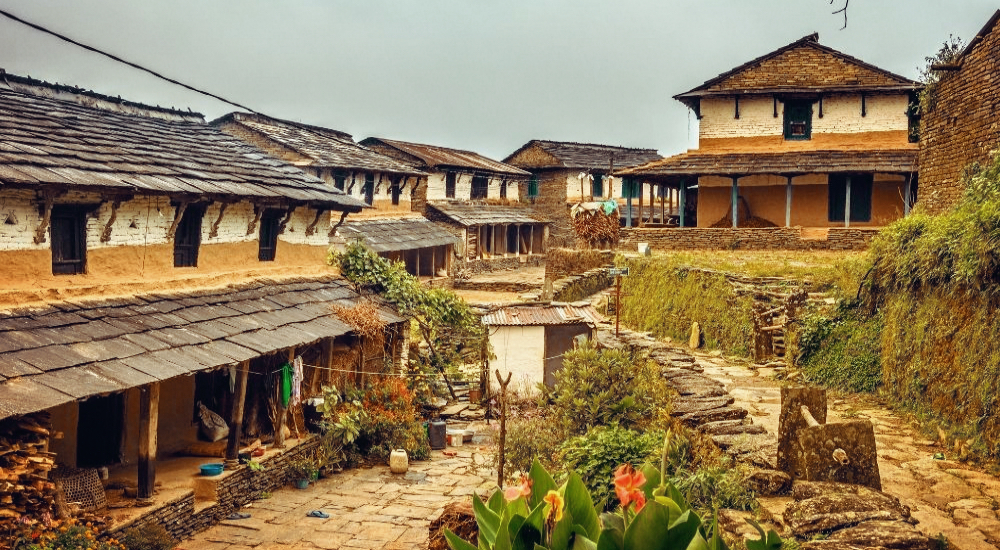
The Sirubari Village Trek provides an authentic glimpse into rural Nepalese life that fascinates children and adults alike. This community-based trek allows families to stay with local Gurung families, participate in traditional farming activities, and learn about sustainable mountain agriculture. Kids love helping with daily chores like milking buffalo, grinding corn, and collecting eggs from free-range chickens.
The Bandipur-Gorkha trek combines cultural immersion with manageable distances perfect for young trekkers. This route passes through preserved Newari towns where children can observe traditional architecture, watch local craftspeople at work, and sample authentic dal bhat prepared by village families. The trek includes visits to ancient temples and palaces that bring Nepal's rich history to life through storytelling and interactive experiences.
Langtang Valley offers families the chance to experience Tibetan-influenced culture while trekking through stunning alpine landscapes. The Tamang villages along this route welcome families with warm hospitality, traditional music performances, and opportunities to learn about yak herding and high-altitude farming practices. Children often form quick friendships with local kids, creating memorable cultural exchanges despite language barriers.
Wildlife and Nature Focused Routes for Animal Lovers
The Chitwan National Park trek combines jungle adventures with moderate hill walking that captivates young naturalists. Families can spot one-horned rhinoceros, Bengal tigers, and over 500 bird species while learning about conservation efforts from local guides. The canoe rides along the Rapti River and elephant breeding center visits add educational elements that keep children engaged throughout the journey.
The Shivapuri National Park trek, just outside Kathmandu, offers families an accessible introduction to Nepal's diverse ecosystems. This day trek provides opportunities to observe over 300 bird species, including colorful pheasants and endangered species like the spiny babbler. The well-maintained trails pass through oak and pine forests where children can learn to identify different tree species and animal tracks.
The Rara Lake trek in western Nepal presents a unique opportunity for families to explore Nepal's largest lake while discovering rare wildlife. The route passes through pristine forests home to red pandas, musk deer, and Himalayan black bears. The crystal-clear lake surrounded by snow-capped peaks creates a magical setting where children can learn about high-altitude ecosystems and the importance of watershed conservation.
Keeping Children Motivated and Safe on the Trail
Gamification Techniques for Long Hiking Days
Transform long trekking days into exciting adventures by turning the trail into a playground. Create a points-based system where kids earn rewards for spotting wildlife, identifying plants, or reaching certain milestones. Pack a small notebook where children can collect "trail stamps" - drawings or stickers representing different achievements like crossing bridges, seeing prayer flags, or meeting local children.
Nature scavenger hunts work wonders for maintaining engagement. Prepare lists featuring items they might encounter: colorful rhododendron flowers, yak herds, traditional stone walls, or specific mountain peaks. Photo challenges add another layer of fun - challenge them to capture the most creative selfie with a mountain backdrop or document interesting cloud formations.
Story-telling games help pass the time during challenging sections. Take turns creating collaborative adventure tales featuring the landscapes you're walking through. Geography games like "I spy with my mountain eye" or counting prayer wheels keep minds occupied while bodies work hard.
Consider bringing lightweight rewards like stickers, small toys, or special snacks that only appear after completing certain trail segments. Create personalized "adventure passports" where kids can document their journey with drawings, pressed flowers, or notes about daily highlights.
Managing Altitude Sickness in Young Trekkers
Children often adapt to altitude differently than adults, sometimes showing fewer symptoms but requiring careful monitoring. Watch for subtle signs like decreased appetite, unusual fatigue, or changes in sleep patterns. Kids might not articulate symptoms clearly, so parents need to stay vigilant for behavioral changes.
Implement gradual ascent strategies religiously. Plan rest days every 2,000-3,000 feet of elevation gain, allowing young bodies time to acclimatize properly. Encourage frequent hydration - kids often forget to drink water when excited about exploring. Make water breaks part of regular trail games or challenges.
Pack pediatric medications after consulting with your family doctor about altitude-appropriate dosages. Acetazolamide (Diamox) might be recommended for children over certain ages, but always follow medical guidance. Bring oral rehydration salts and familiar remedies for headaches or nausea.
Create simple hand signals or code words kids can use to communicate discomfort without embarrassment. Some children worry about disappointing parents and might hide symptoms. Establish that speaking up about feeling unwell makes them brave trail partners, not complainers.
If symptoms appear, descend immediately. Don't gamble with altitude sickness in children - their smaller bodies can deteriorate quickly. Plan evacuation routes and know helicopter rescue procedures for your chosen trek areas.
Trail Safety Protocols and Emergency Procedures
Establish clear walking formations before starting each day. Keep one adult in front, one behind, with children sandwiched between. Bright clothing helps everyone stay visible, especially during weather changes or crowded trail sections. Equip each child with a whistle and teach simple emergency signals.
Set boundaries for trail exploration. Kids can investigate interesting rocks or flowers, but always within sight of the group. Teach children to stop immediately when adults call "freeze" - this command means potential danger requiring immediate attention. Practice these responses before reaching challenging terrain.
Develop buddy systems where each child partners with an adult or responsible older sibling. Buddies check on each other regularly, ensuring no one falls behind or wanders off. Create simple check-in procedures every 30 minutes or at major trail markers.
Prepare emergency action plans for common scenarios: sudden weather changes, injuries, or getting separated. Teach children their parents' names, emergency contacts, and basic location information. Laminated cards with essential information can stay in their pockets.
Pack comprehensive first aid supplies, including pediatric medications, bandages, antiseptic wipes, and emergency blankets. Know locations of medical facilities along your route and carry evacuation insurance information. Satellite communicators or emergency beacons provide crucial backup communication in remote areas.
Creating Memorable Learning Experiences Along the Way
Turn the trek into a living classroom where every step offers educational opportunities. Bring field guides for local birds, plants, and geology. Help children identify different types of rocks, understand how glaciers carved valleys, or recognize medicinal plants used by local communities.
Cultural exchanges create lasting memories. Encourage respectful interactions with local families, teaching children basic Nepali greetings and customs. Many communities welcome friendly visitors, especially families with children. These encounters offer authentic glimpses into mountain life that guidebooks can't provide.
Document the journey through multiple perspectives. Give kids disposable cameras or waterproof devices to capture their unique viewpoints. Evening journal time allows families to process daily experiences together. Drawing activities help children remember landscapes and feelings associated with different locations.
Incorporate science lessons naturally throughout the trek. Discuss weather patterns while watching clouds form around peaks. Explain ecosystem changes as vegetation shifts with altitude. Stargazing in clear mountain air provides perfect astronomy lessons away from city light pollution.
Connect current experiences with geography and history learned at home. Point out locations on maps, discuss how ancient trade routes crossed these same paths, or explain how mountain communities developed unique cultures in isolation. These connections help children understand their place in the broader world while developing a deeper appreciation for the landscapes they're exploring.
Accommodation and Dining Solutions for Families
Family-Friendly Teahouse Selection Criteria
Finding the right teahouse can make or break your family trekking experience in Nepal. Look for teahouses with clean, separate rooms that can accommodate your entire family. Many places offer twin rooms or larger spaces that work perfectly for families with children. The best family-friendly teahouses have proper heating systems - usually wood-burning stoves in common areas where kids can warm up after long trekking days.
Check for basic hygiene standards before settling in. Clean toilets, fresh bedding, and well-maintained dining areas are non-negotiables when traveling with children. Some teahouses even provide hot water bottles or electric blankets during colder months, which kids absolutely love.
Wifi availability might seem less important, but having connectivity helps kids stay in touch with friends back home and can boost morale during challenging trek days. Popular teahouse chains like Himalayan Lodge and Hotel Everest View maintain consistent standards across different locations.
Ask fellow trekkers and guides for recommendations. The trekking community is beneficial, and other families often share valuable insights about which places truly cater to children's needs.
Nutritional Meal Planning for Active Children
Kids burn massive amounts of energy while trekking, often double their normal caloric needs. Start each day with hearty breakfast options like porridge, eggs, and toast to fuel morning hikes. Most teahouses offer these staples, and they provide sustained energy for growing bodies.
Pack high-energy snacks that kids actually enjoy eating. Trail mix, energy bars, dried fruits, and crackers work well at altitude and don't spoil easily. Chocolate bars are always a hit and provide quick energy boosts during tough climbs.
Encourage frequent eating throughout the day rather than waiting for main meals. Small, regular snacks prevent energy crashes and keep kids happy on the trail. Nuts and dried fruits are excellent choices because they're lightweight and packed with nutrients.
Consider bringing electrolyte supplements or tablets, especially for longer treks. Kids lose significant amounts of salt through sweat, and replacing these minerals helps prevent fatigue and headaches.
Dealing with Dietary Restrictions at High Altitudes
Vegetarian and vegan families will find plenty of options in Nepal, as many locals follow plant-based diets. Dal bhat (lentil curry with rice) is available everywhere and provides complete protein for growing children. Most teahouses can prepare simple vegetable dishes without meat.
For kids with food allergies, communication becomes crucial. Learn basic Nepali phrases for common allergens or carry translated cards explaining your child's restrictions. Many teahouse owners speak basic English, but having written information prevents misunderstandings.
Gluten-free options are more limited but not impossible. Rice-based meals, potatoes, and certain local breads can work. Bring backup snacks that meet dietary requirements, especially for longer treks where food variety decreases.
Pack essential supplements if your child has specific nutritional needs that might not be met through available food options. At higher altitudes, appetites often decrease, so having familiar, safe food choices becomes even more important for maintaining proper nutrition during the trek.
Conclusion
Nepal's mountains offer incredible opportunities for families to create lasting memories together. Getting your kids ready physically, packing the right gear, and picking family-friendly routes like the Ghorepani Poon Hill trek can make all the difference between a magical adventure and a stressful ordeal. The key is keeping everyone engaged with games, stories, and realistic daily goals while staying flexible with your plans.
Don't let concerns about trekking with children hold you back from this amazing experience. Start with shorter, easier trails to build confidence, and remember that tea houses along popular routes welcome families with open arms. Your kids will surprise you with their resilience and enthusiasm for the mountains. Plan your Nepal family trek today, and give your children the gift of adventure that will inspire them for years to come.
If you need any further information, please contact us by email: [email protected], Phone: +977- 980 195 6248 (WhatsApp).