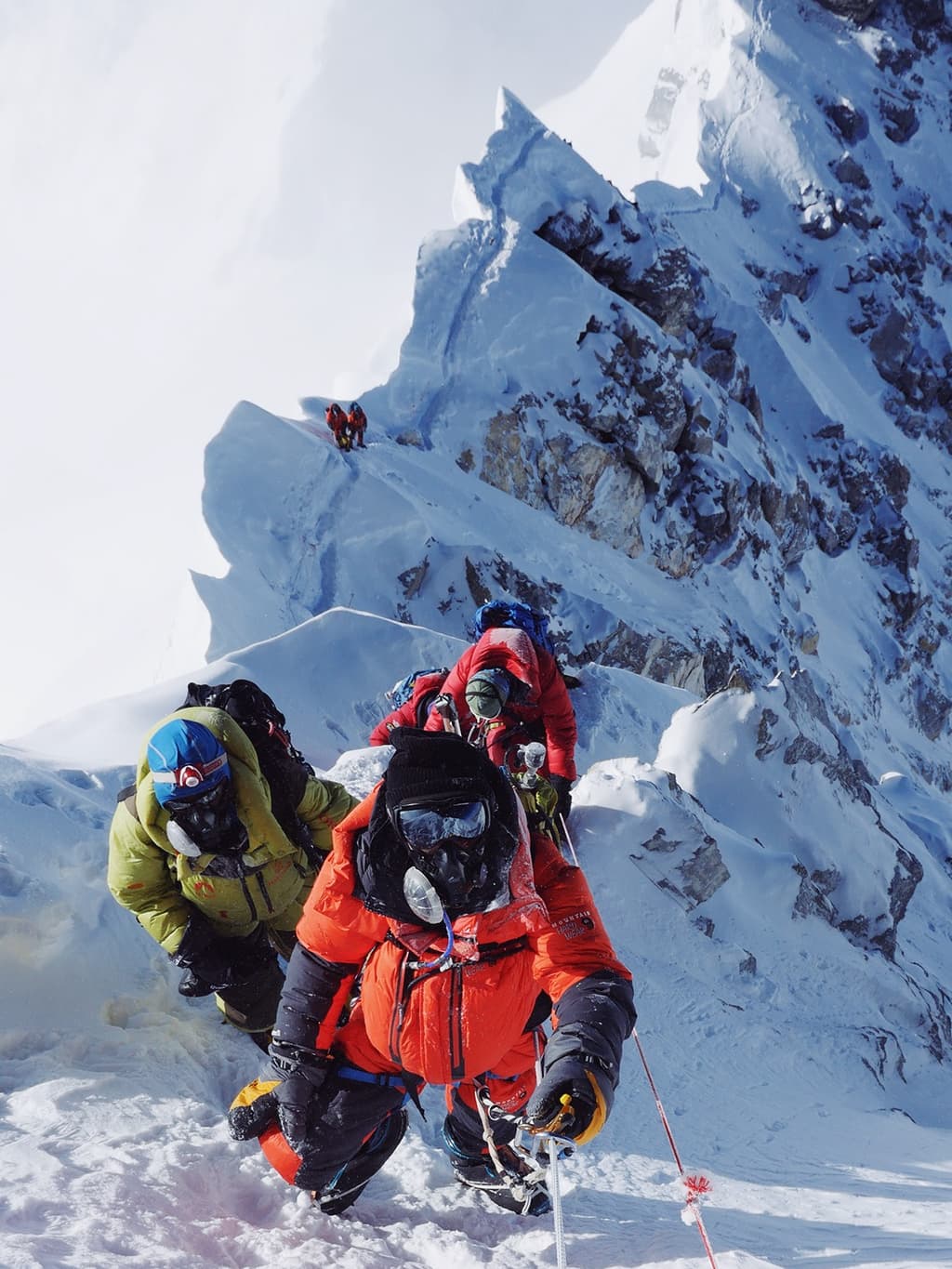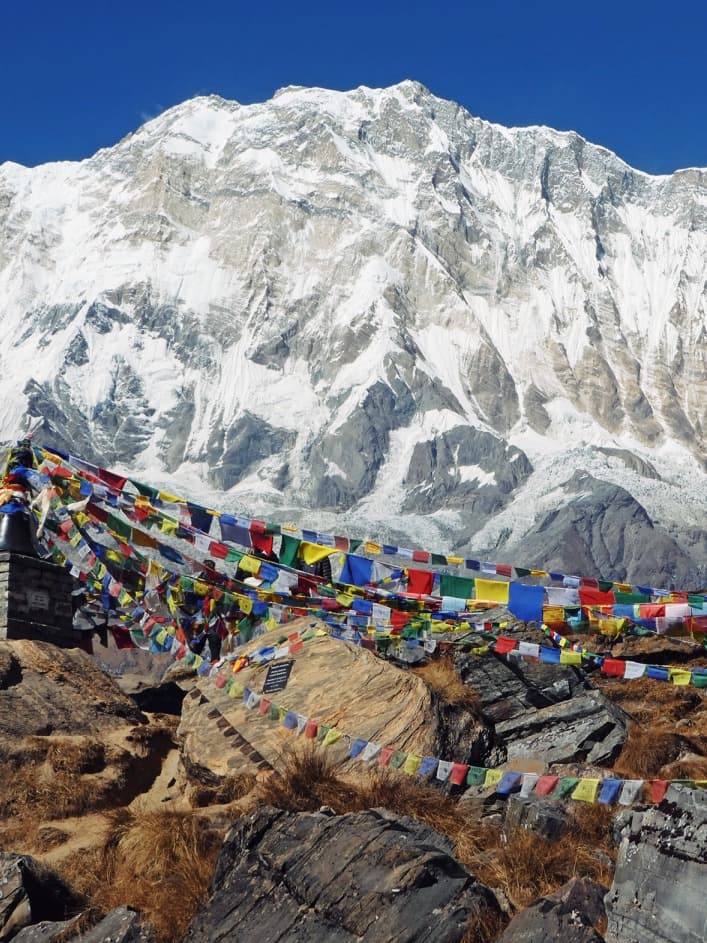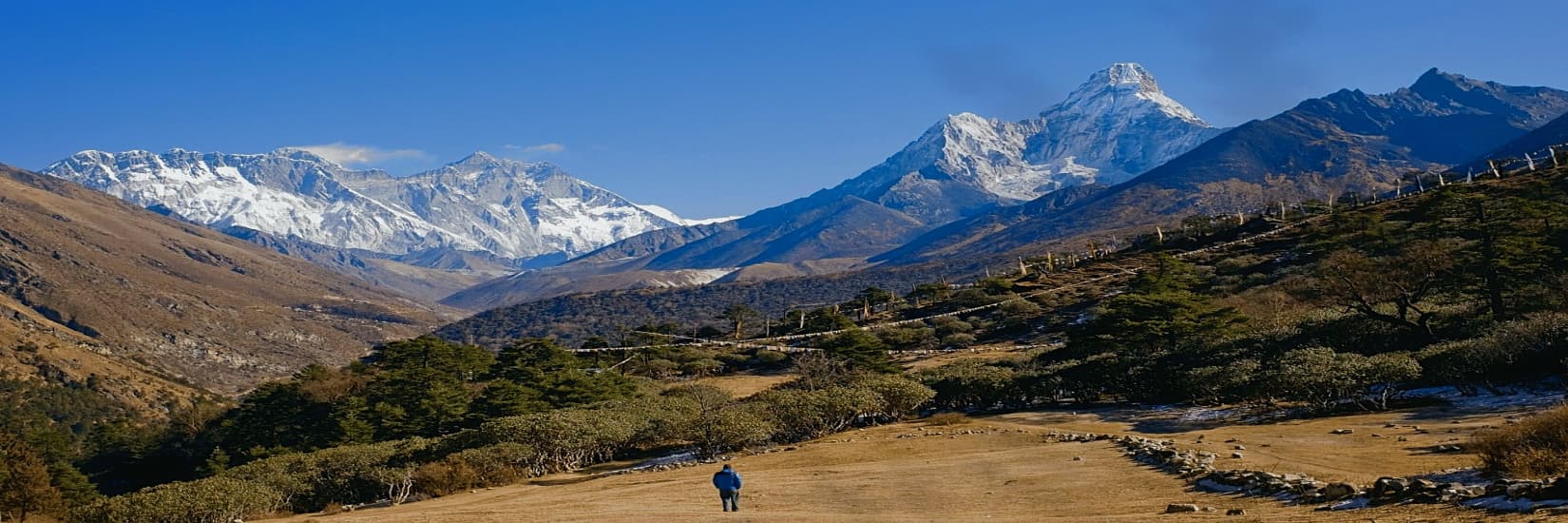
Autumn in Nepal is nothing short of spectacular. As the monsoon clouds lift and the mountains emerge in full clarity, the entire Himalayan region transforms into a trekker’s paradise. With stable weather, crystal-clear skies, comfortable temperatures, and vibrant cultural festivals, autumn (September to November) is universally regarded as the best season for trekking in Nepal. Whether you are a seasoned mountaineer or a first-time hiker seeking a life-changing journey, the trails during this period promise unmatched beauty and rewarding experiences.
This comprehensive guide explores everything you need to know about autumn trekking in Nepal—from weather insights and the best trekking routes to costs, preparation, packing lists, and cultural highlights.
Why Trek in Nepal During Autumn?
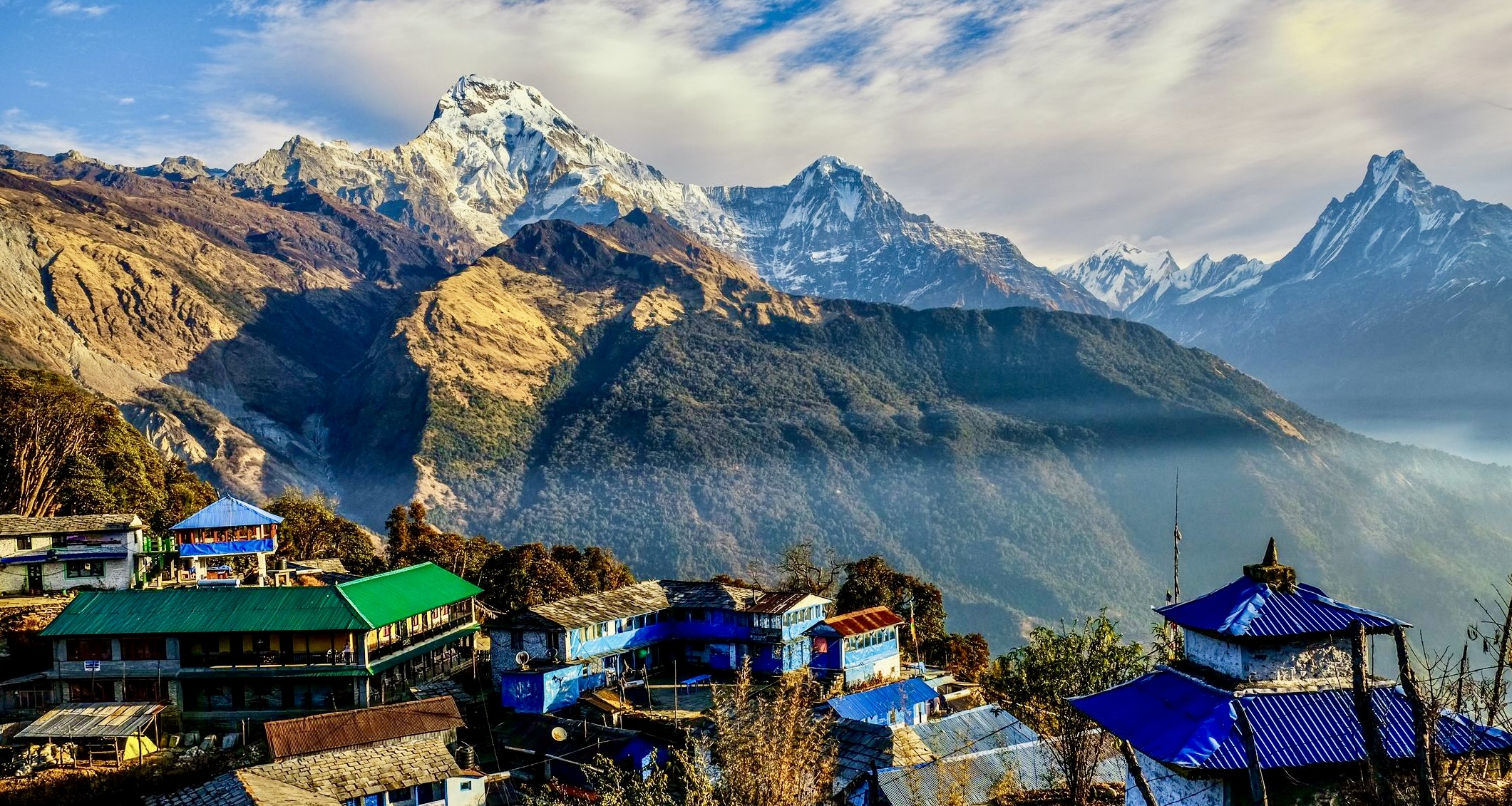
Autumn in Nepal is a magical time when the monsoon rains have subsided, leaving behind crisp air and unparalleled visibility. The weather is stable, with daytime temperatures ranging from 15-25°C (59-77°F) in the lower altitudes and cooler nights in the higher regions. This clarity allows for jaw-dropping views of peaks like Everest, Annapurna, and Manaslu, often shrouded in mist during other seasons.
Beyond the scenery, autumn coincides with cultural festivals like Dashain and Tihar, where you'll witness vibrant celebrations, traditional dances, and feasts in mountain villages. The trails are less crowded than in spring, making it easier to connect with locals and immerse yourself in Nepali culture. However, be prepared for occasional early snow in higher altitudes, adding an extra layer of adventure.
Top Autumn Treks in Nepal
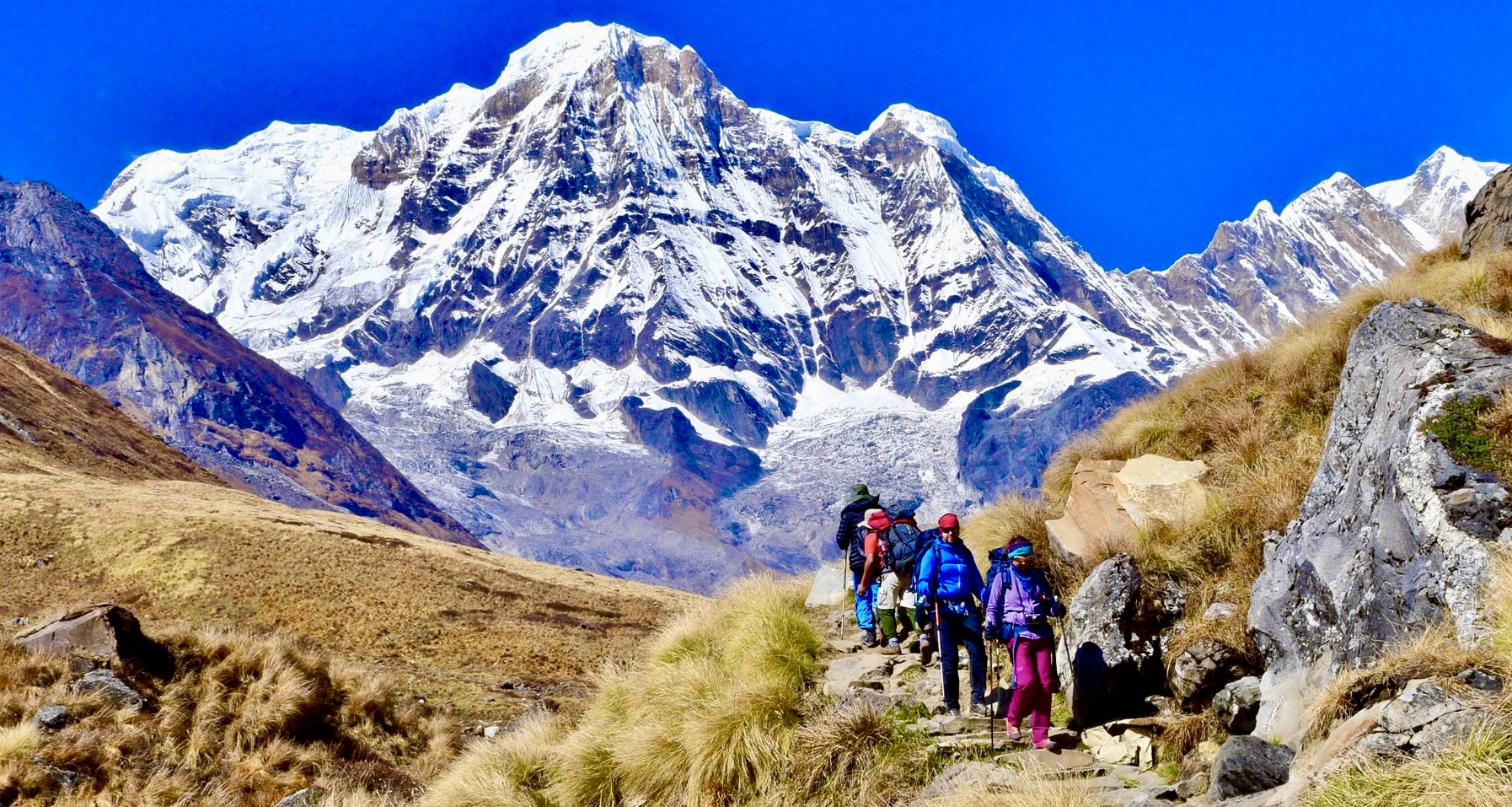
Nepal boasts over 100 trekking routes, but autumn favorites focus on iconic circuits and base camps. Here's a curated list of must-do treks, each with key details:
Annapurna Circuit
- Duration: 15-20 days
- Difficulty: Moderate to challenging
- Highlights: This classic trek circles the Annapurna massif, offering diverse landscapes from subtropical forests to arid deserts. Cross the Thorong La Pass (5,416m) for panoramic views. Autumn brings fewer crowds and clearer skies, perfect for spotting wildlife like blue sheep and snow leopards.
- Best for: Adventurers seeking variety and cultural immersion in Gurung and Thakali villages.
Everest Base Camp (EBC) Trek
- Duration: 12-14 days
- Difficulty: Moderate
- Highlights: Journey to the base of the world's highest peak (8,848m), passing through Sherpa villages like Namche Bazaar. In autumn, the Khumbu region glows with golden larches and rhododendrons, and you might catch the first snow on Everest.
- Best for: Those dreaming of Everest views without extreme technical skills.
Langtang Valley Trek
- Duration: 7-10 days
- Difficulty: Easy to moderate
- Highlights: A shorter, scenic trek through terraced fields, alpine meadows, and the Langtang Glacier. It's less touristy, with opportunities for day hikes to viewpoints like Kyanjin Ri (4,773m). Autumn foliage adds a colorful backdrop.
- Best for: Beginners or those wanting a mix of culture and nature near Kathmandu.
Manaslu Circuit
- Duration: 14-18 days
- Difficulty: Challenging
- Highlights: Traverse around Manaslu (8,163m), Nepal's eighth-highest peak, with remote trails through Buddhist monasteries and hot springs. Autumn's dry weather makes it ideal for this less-traveled route, offering solitude and stunning vistas.
- Best for: Experienced trekkers seeking off-the-beaten-path experiences.
These treks can be customized with extensions or combined for multi-week adventures. Always check for permits and guided tours, especially for restricted areas like Manaslu.
Weather Conditions During Autumn
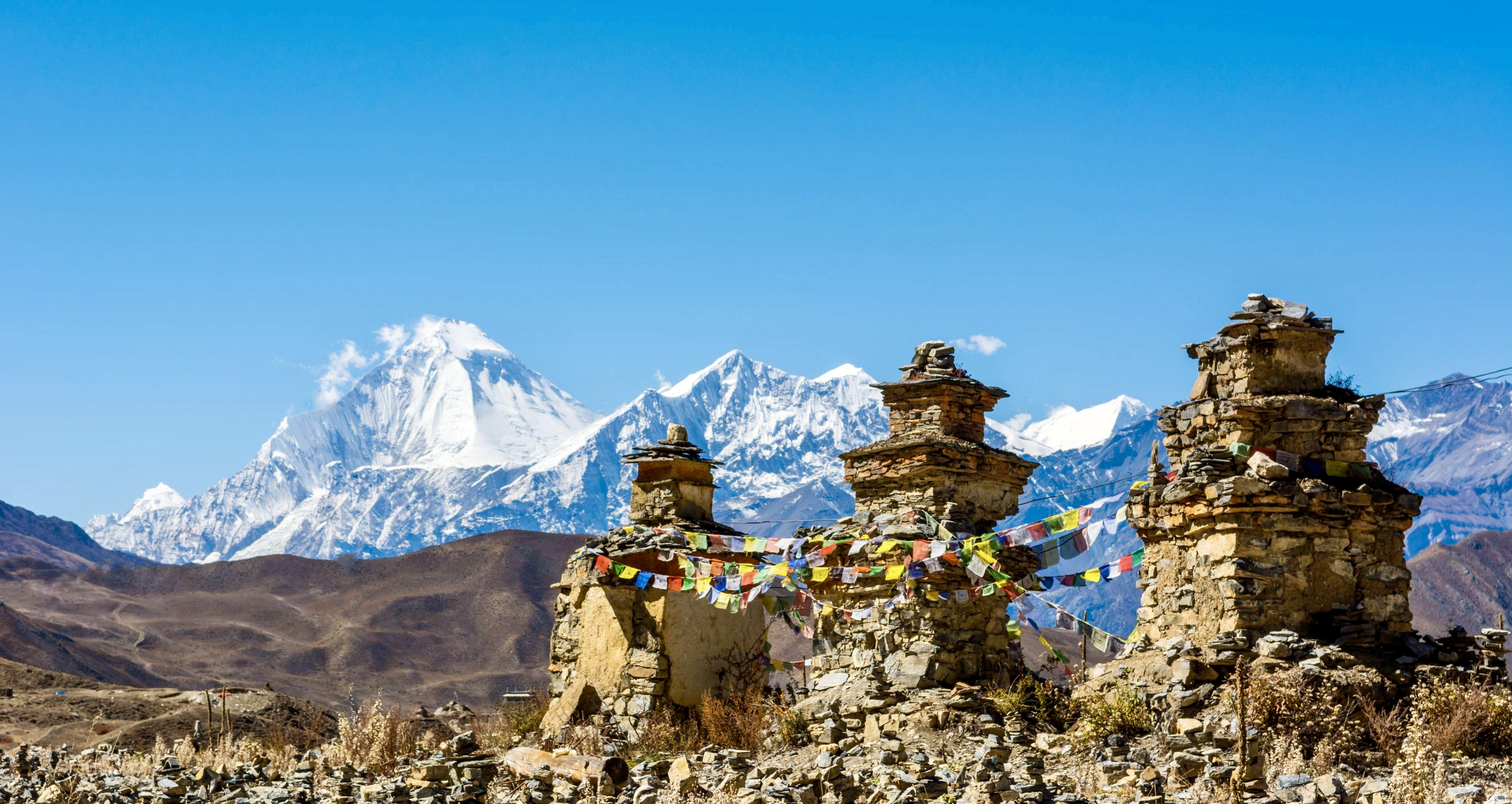
| Month | Temperature (Lower Regions) | Temperature (High Altitude) | Weather Characteristics |
|---|---|---|---|
| September | 15–25°C | 5–10°C | Fresh post-monsoon landscapes; occasional early rain |
| October | 12–20°C | 0–7°C | Crystal-clear views; peak season; best stability |
| November | 8–18°C | -5–5°C | Cold nights but dry and stable; excellent visibility |
Cost of Trekking in Nepal During Autumn
Costs vary depending on trek duration, region, and service level, but below is a realistic estimate:
Approximate Costs (Per Person)
- Guided Trek (All-inclusive): USD 40–150 per day
- Everest Region Treks: USD 1,200–2,000 for 12–14 days
- Annapurna Region Treks: USD 700–1,500 for 7–12 days
- Manaslu Circuit: USD 1,200–1,800
- Budget Independent Trek: USD 25–50 per day (excluding guide/porter)
Major Cost Components
- Trekking permits (TIMS, National Park/Conservation Area, restricted area permits)
- Guide and porter fees
- Food and accommodation
- Flights (such as Kathmandu–Lukla)
- Gear rentals or purchases
- Insurance (mandatory for high-altitude treks)
Preparing for Your Autumn Trek
Proper preparation ensures a safe and enjoyable trip. Start planning 3-6 months in advance.
Fitness and Health
- Build Endurance: Treks involve 5-8 hours of walking daily with elevation gains. Train with hikes, stair climbing, and cardio. Consult a doctor if you have health concerns.
- Vaccinations and Insurance: Get routine shots (hepatitis, typhoid) and travel insurance covering high-altitude sickness, evacuation, and trip cancellations.
Permits and Logistics
- Permits: Most treks require a TIMS (Trekkers' Information Management System) card (30). For Everest or Manaslu, add restricted area permits ($90-100).
- Guides and Porters: Hire a licensed guide (15-20/day) through agencies like Nepal Tourism Board-approved operators. They provide safety, navigation, and cultural insights.
- Flights and Transport: Fly into Kathmandu, then take buses or domestic flights to trailheads like Pokhara or Lukla.
Packing Essentials
- Clothing: Layering is key—thermal base layers, fleece jackets, waterproof pants, and sturdy hiking boots. Include gloves, hats, and sunglasses for UV protection.
- Gear: Backpack (40-60L), sleeping bag (rated for -10°C), trekking poles, headlamp, and a reusable water bottle. Don't forget a first-aid kit with altitude sickness meds like Diamox.
- Tech and Misc: Portable charger, camera, toiletries, and biodegradable soap. Pack light to avoid porter overload.
Tips for a Successful Autumn Trek
- Acclimatization: Spend extra days at higher altitudes to prevent AMS (Acute Mountain Sickness). Drink plenty of water and avoid rushing ascents.
- Safety First: Stick to marked trails, respect wildlife, and be cautious of landslides in early autumn. Carry a satellite phone or personal locator beacon for emergencies.
- Cultural Respect: Learn basic Nepali phrases, dress modestly in villages, and support local economies by buying handmade goods.
- Sustainability: Follow "Leave No Trace" principles—pack out trash, use eco-friendly lodges, and minimize plastic use.
- Weather Watch: Monitor forecasts; autumn can bring sudden fog or rain. Trekking agencies often provide updates.
- Budgeting: Expect $50-100/day for food, lodging, and guides. Factor in flights and gear.
Final Thoughts
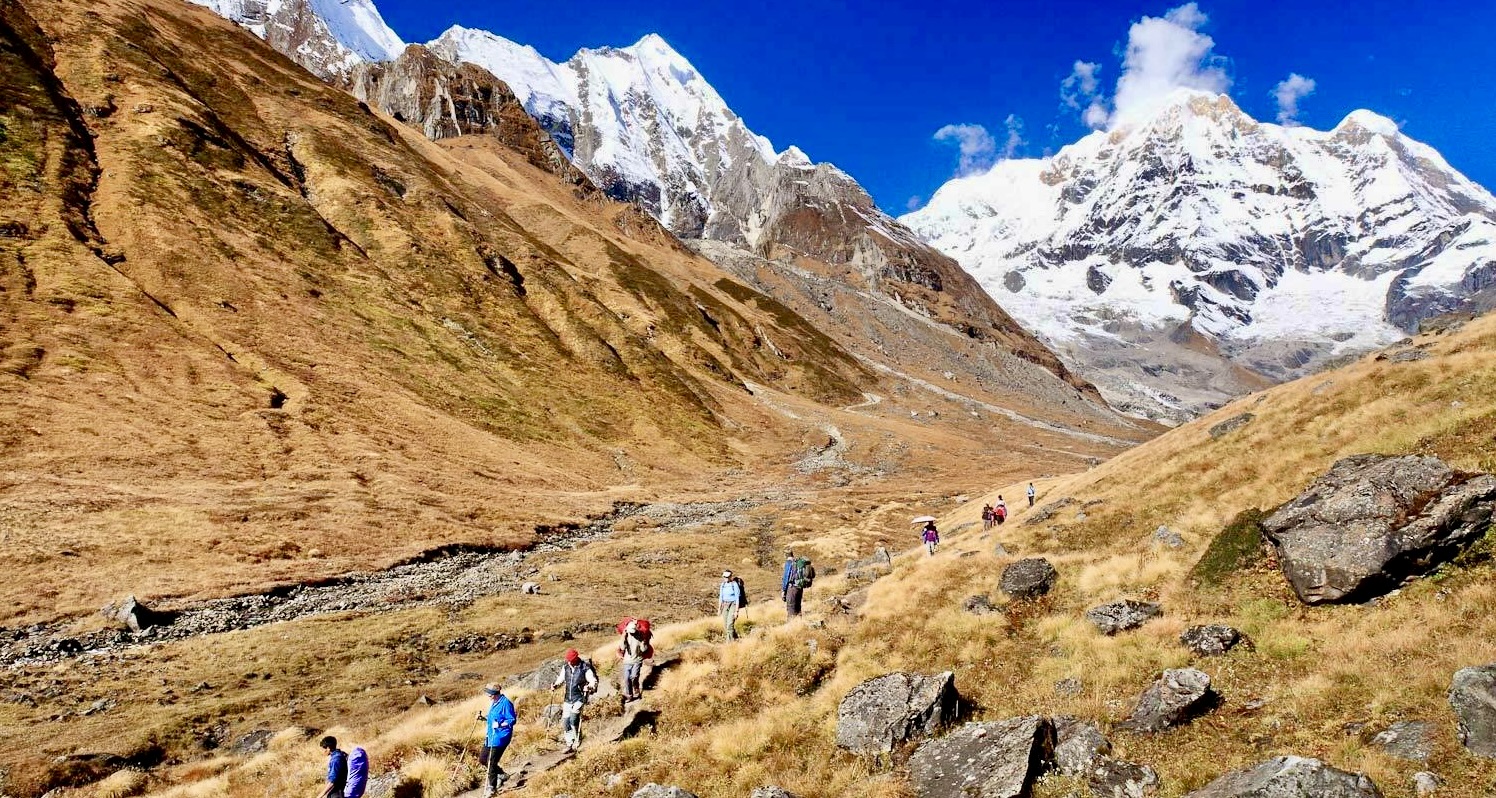
Autumn trekking in Nepal is more than a hike—it's a journey into the heart of the Himalayas, blending natural beauty with rich traditions. Whether you conquer the Annapurna Circuit or bask in the serenity of Langtang, this season offers the perfect blend of adventure and tranquility.
Ready to lace up your boots? Book with a Everest Sherpa Expeditions, embrace the unknown, and let the mountains inspire you. If you have questions or need itinerary recommendations, drop a comment below. Safe travels!
If you need any further information, please contact us by email: [email protected], Phone: +977- 980 195 6248 (WhatsApp).