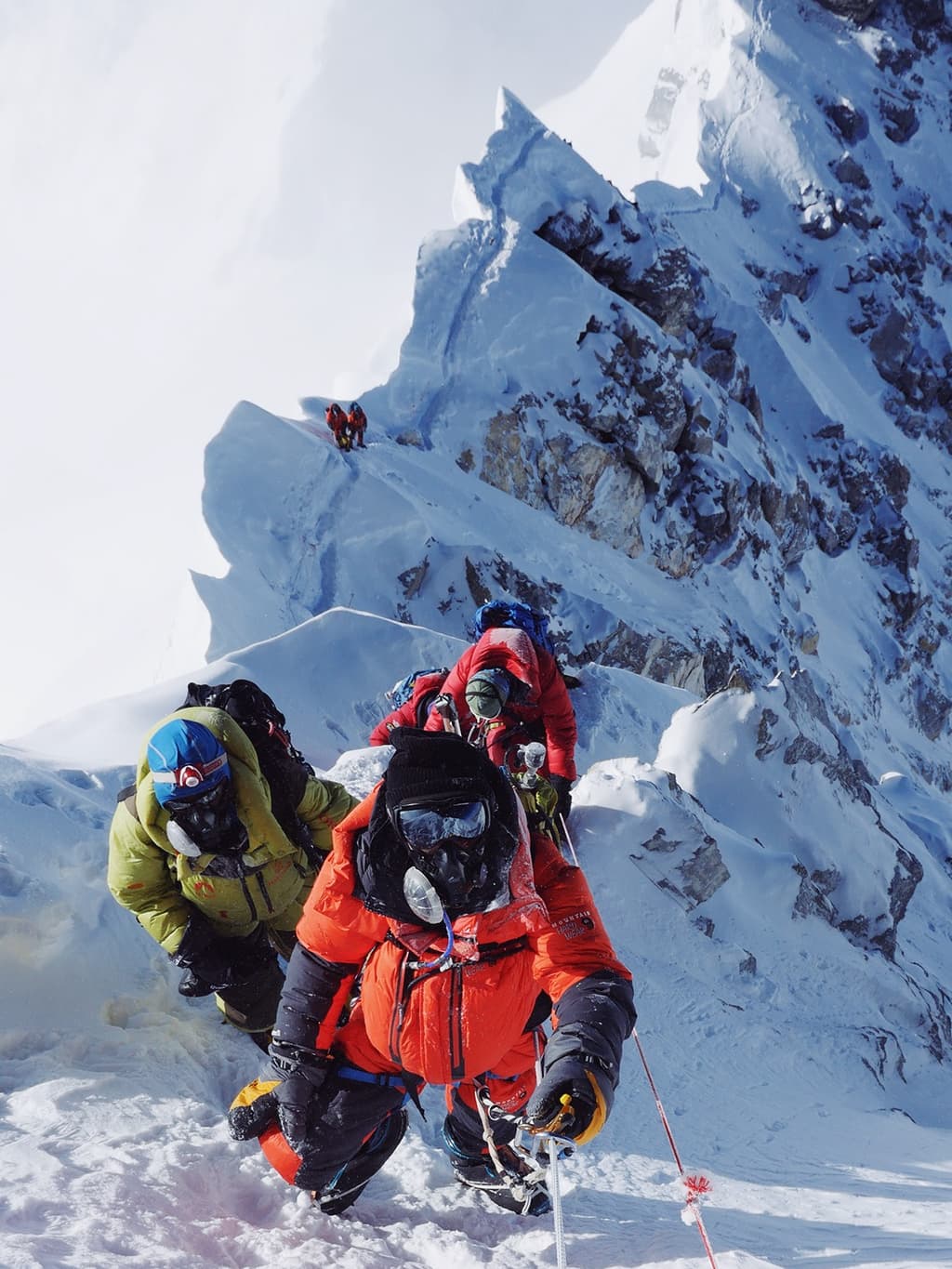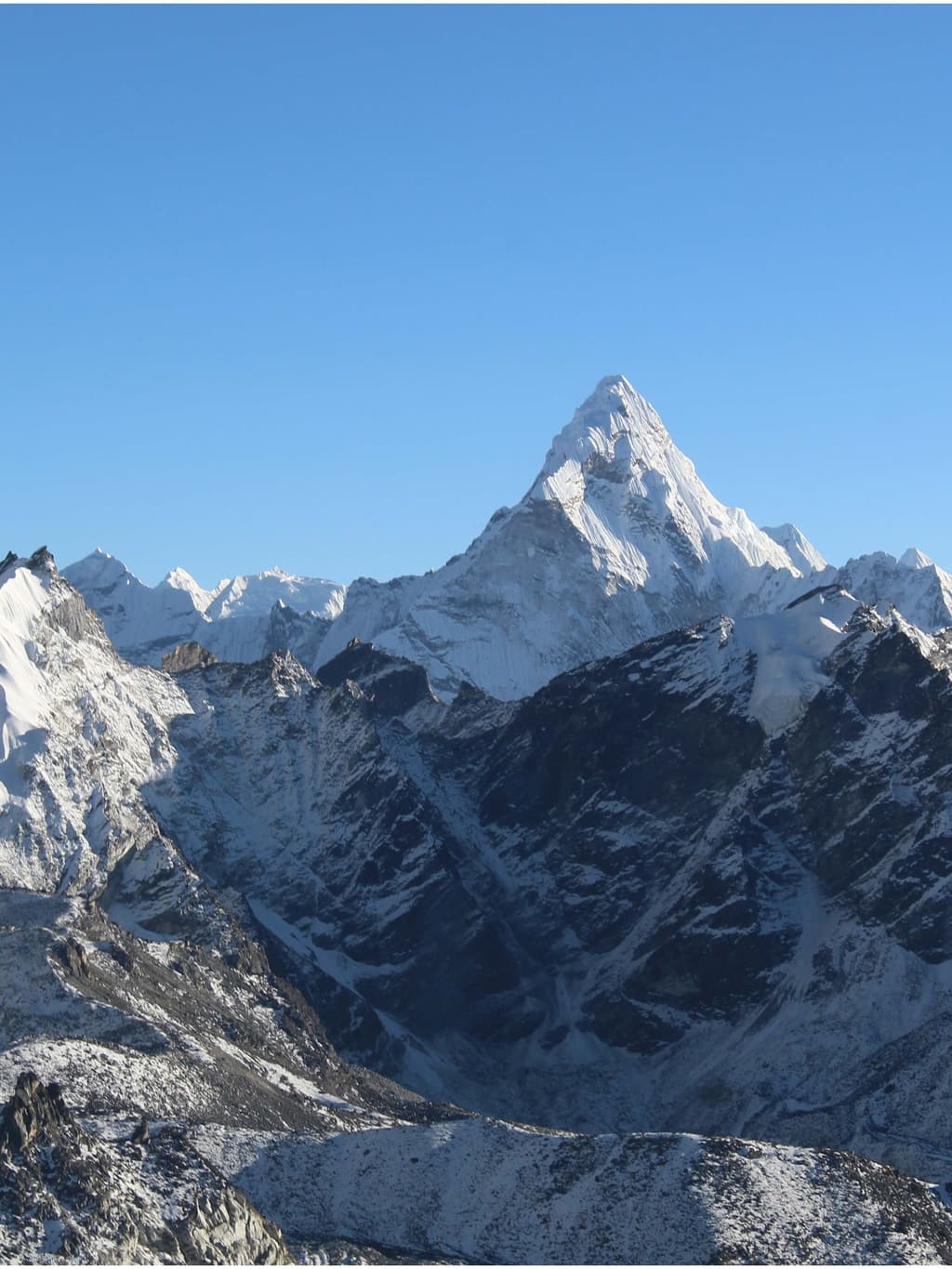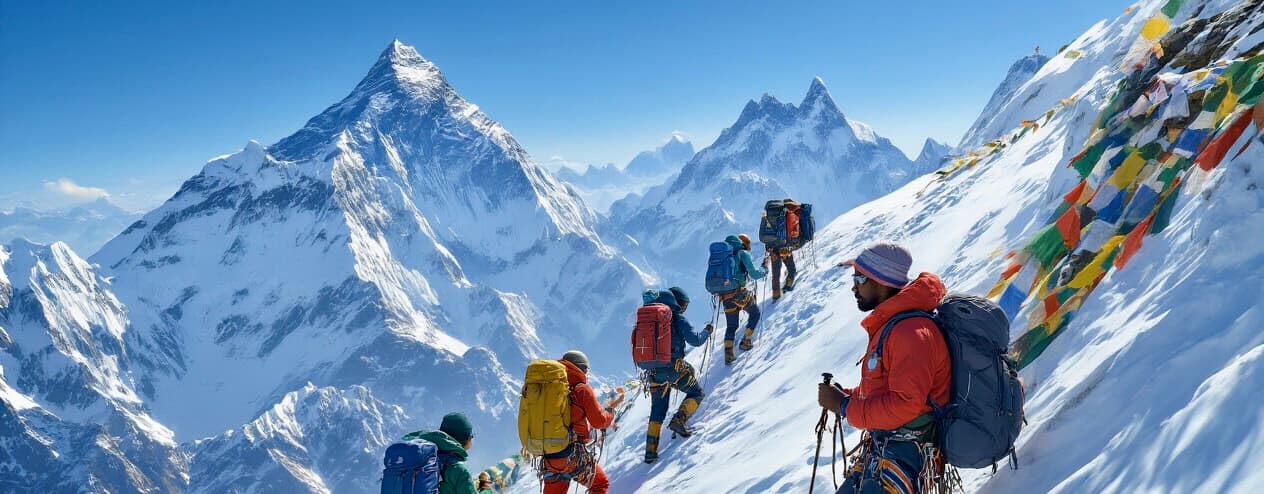
Good news for mountain enthusiasts and adventure seekers! Nepal has opened 97 Himalayan peaks for climbing without permit fees. This game-changing initiative makes the breathtaking Himalayan adventures more accessible while supporting local mountain communities.
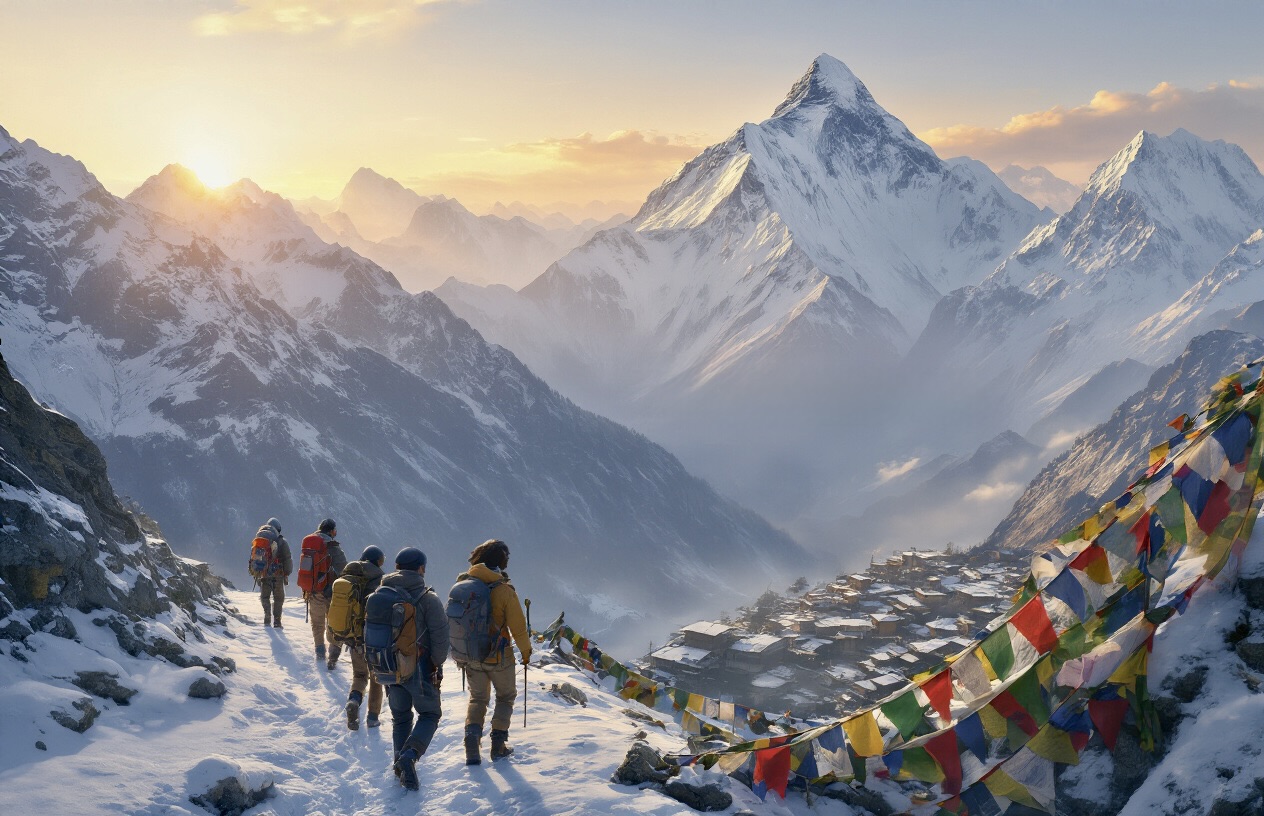
For budget-conscious climbers and adventure travelers looking to explore beyond the famous peaks, these fee-free mountains offer incredible opportunities to experience Nepal's natural beauty. We'll cover the exciting economic benefits this brings to remote villages, explain the diverse climbing options now available across different difficulty levels, and share what this means for sustainable adventure tourism in Nepal.
Nepal's Revolutionary Free Climbing Initiative for 97 Himalayan Peaks
We are thrilled to announce that Nepal has launched an unprecedented initiative that will allow mountaineers to scale 97 Himalayan peaks completely free of charge. This revolutionary program aims to diversify tourism across Nepal's magnificent mountain ranges while promoting lesser-known regions of our beautiful country.
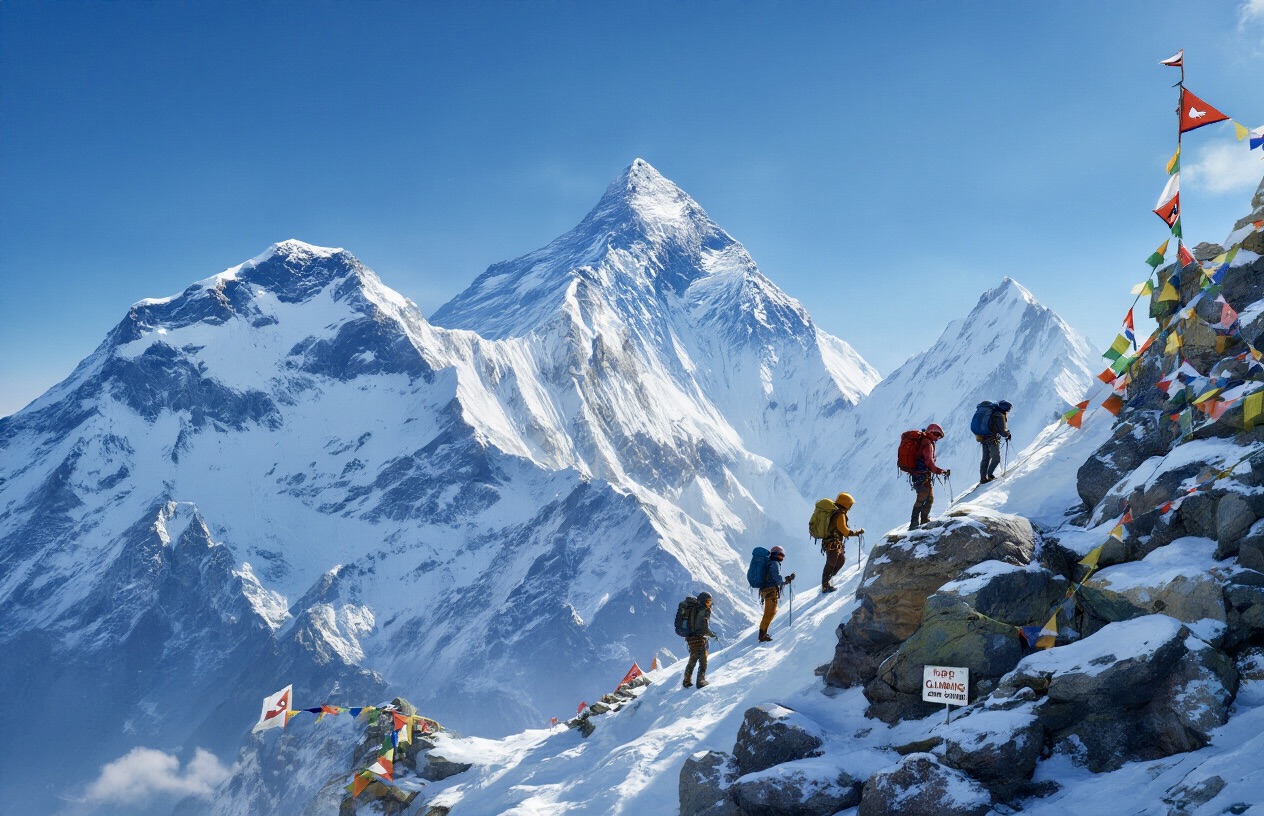
Two-year fee waiver program for peaks ranging from 5,870 to 7,132 meters
Our tourism department has implemented a two-year fee waiver for climbers interested in conquering peaks that stand between 5,870 meters (19,258 feet) and 7,132 meters (23,398 feet). This comes at a time when permit fees for more popular mountains are increasing, with Everest permits rising from $11,000 to $15,000 and smaller mountain permits increasing from $250 to $350, effective September 1st. We've designed this initiative to offer adventurous climbers an economical alternative to experience Nepal's magnificent Himalayan beauty.
Focus on western Karnali and Sudurpashchim provinces
We've specifically targeted this program to benefit the remote western regions of Nepal, particularly the Karnali and Sudurpashchim provinces. These areas, despite their breathtaking natural beauty, remain among Nepal's poorest and least developed regions. As Himal Gautam, director at our Department of Tourism, explains: "Despite their breathtaking beauty, the number of tourists and mountaineers here is very low as access is so difficult. We hope the new provision will help." The statistics highlight the need for this initiative, as fewer than 70 climbers have visited these peaks in the past two years.
Strategic shift from the overcrowded Everest region to unexplored areas
We recognize that most of the thousands of alpinists who visit Nepal each year concentrate in the Everest region in northeast and central Nepal. This initiative represents our strategic effort to redistribute tourism across more of Nepal's magnificent landscape. Notably, the fee waiver includes impressive peaks such as
Mount Saipal, Api, and Api West in Sudurpashchim. This timing is particularly advantageous as we've recently introduced requirements that Everest climbers must first summit another 7,000m peak in Nepal. Now, climbers can fulfill this requirement without incurring additional permit charges by choosing one of these free-to-climb peaks.
Economic Benefits for Remote Mountain Communities
Creating new income opportunities for local guides and services
The removal of permit fees for 97 Himalayan peaks is a game-changer for mountain communities. We've seen firsthand how this policy creates ripple effects throughout local economies. Village porters, who previously had limited work opportunities, now find steady employment as more trekkers venture into previously overlooked regions.
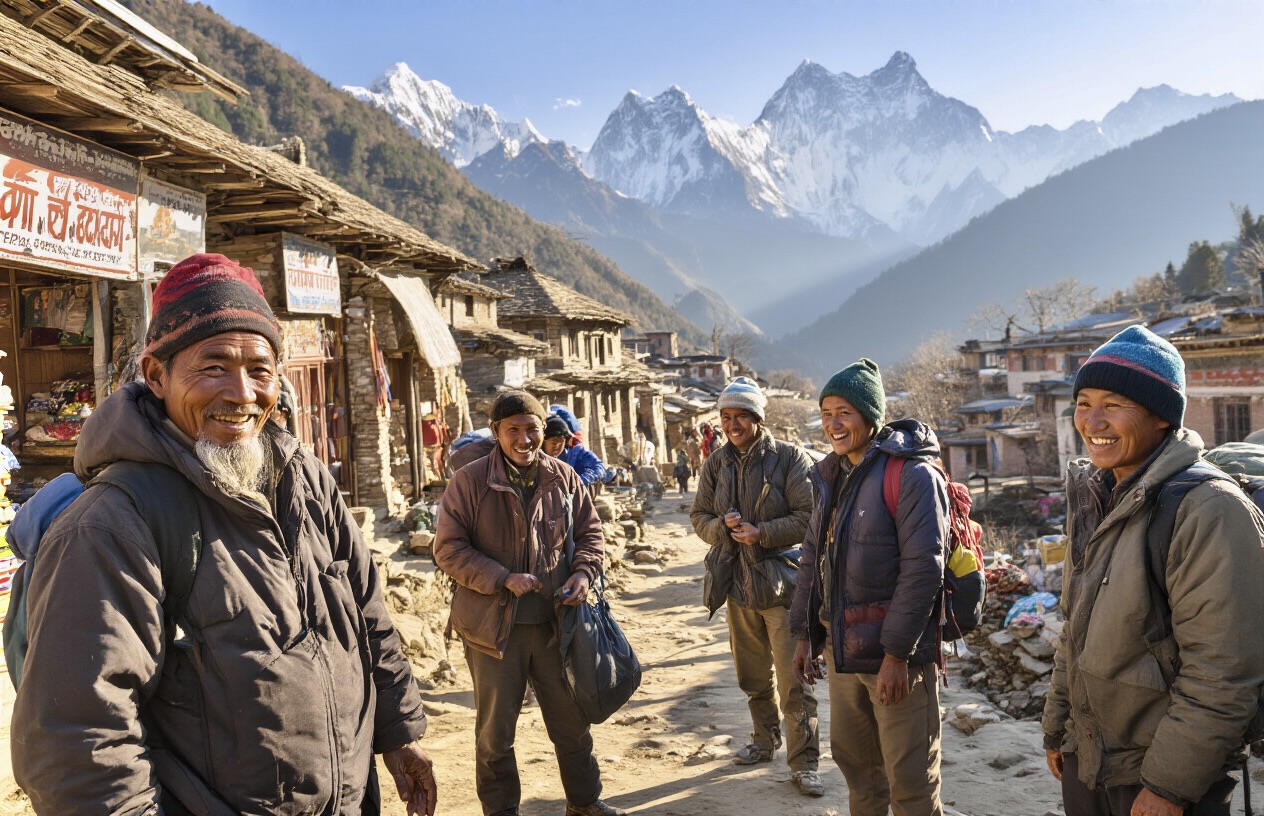
Many local residents are training to become certified mountain guides, a profession that commands respect and decent wages. We're especially excited about the women in these communities who are breaking traditional barriers, starting small trekking businesses and teahouses along new routes.
For these remote villages, even a modest increase in visitors translates to significant economic impact. A family hosting trekkers for a single night can earn what might otherwise take weeks of traditional farming work.
Boosting demand for accommodation, food, and transport
The influx of adventurers has sparked a mini-boom in hospitality services. We're witnessing small guesthouses popping up in villages that previously had zero tourist infrastructure. Local transportation providers—from jeep drivers to mule owners—are doubling their business as trekkers need reliable ways to reach these remote trailheads.
Food suppliers benefit tremendously, too. Local farmers now have ready markets for their produce, and many are diversifying their crops to meet trekkers' preferences. Small restaurants serving authentic Nepali cuisine are thriving, with some owners reporting income increases of over 60% since the fee removal.
Distributing tourism benefits more equitably across Nepal
For too long, Nepal's tourism dollars have concentrated in a handful of popular destinations. We're finally seeing a more balanced distribution of visitor spending. Villages that never saw foreigners now welcome regular groups of trekkers, spreading economic benefits to previously overlooked regions.
This policy has become a powerful tool for rural development. Rather than relying solely on government aid, communities are building sustainable tourism economies. Young people who once left for jobs in Kathmandu or abroad are returning home, finding opportunities to start businesses serving adventure seekers.
The permit-free policy has effectively democratized mountain tourism, creating pathways for remote communities to participate in Nepal's tourism economy on their own terms.
Enhanced Safety Requirements for Everest Climbers
Mandatory 7,000+ meter peak experience before Everest attempts
We've implemented stricter prerequisites for those wishing to summit Mount Everest. Now, all climbers must have successfully summited at least one peak over 7,000 meters before attempting Everest. This requirement ensures that climbers have experienced the challenging conditions of high-altitude mountaineering, including thin air, extreme temperatures, and the physical demands that come with climbing at such elevations. By mandating this experience, we can better ensure that those who attempt Everest have already demonstrated their ability to handle similar conditions, albeit at a slightly lower altitude.
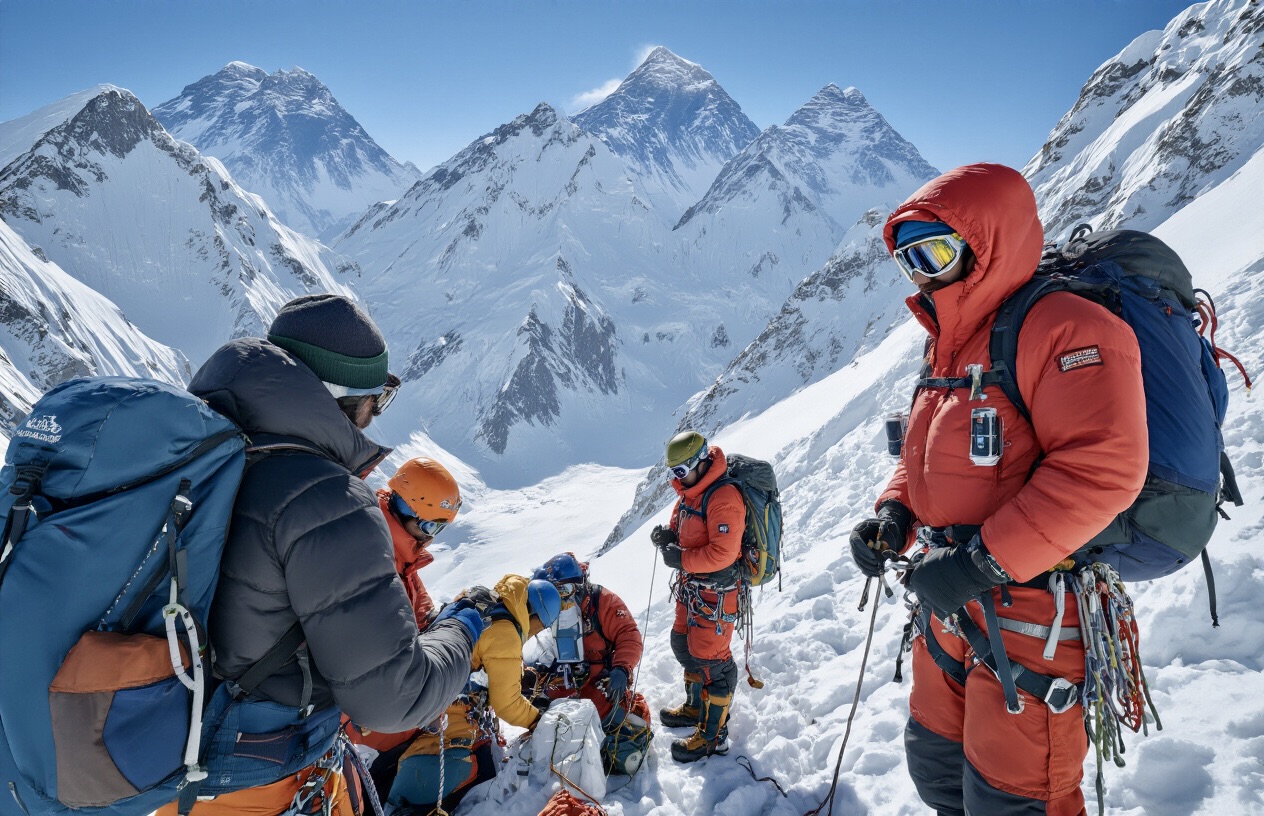
The implementation of this requirement comes after observing numerous incidents where inexperienced climbers faced life-threatening situations on Everest. Many of these incidents could have been prevented had the climbers possessed prior high-altitude mountaineering experience. We believe that requiring previous successful ascents of 7,000+ meter peaks will significantly enhance safety on Everest.
Reducing fatalities through improved high-altitude preparedness
We're taking comprehensive measures to reduce the alarming number of fatalities on Everest by focusing on improved high-altitude preparedness. Our new safety protocols include mandatory high-altitude acclimatization training, advanced medical screenings, and equipment inspections before permits are granted.
Climbers must now undergo thorough medical examinations specifically designed to identify potential health issues that could be exacerbated at extreme altitudes. Additionally, we've implemented stricter training requirements for both climbers and support teams, ensuring everyone on the mountain has the necessary skills to respond to emergencies.
We've also enhanced the communication systems on the mountain, allowing for quicker response times during emergencies. Weather monitoring has been improved to provide more accurate forecasts, helping expedition leaders make better decisions about summit attempts and reducing the risks associated with unexpected weather changes.
Better screening of inexperienced climbers
We have established a more rigorous screening process to identify and appropriately prepare inexperienced climbers. This process includes detailed reviews of climbing resumes, verification of claimed mountaineering experiences, and comprehensive skills assessments.
Our new screening protocols evaluate not just technical climbing abilities but also mental preparedness, decision-making capabilities under stress, and understanding of high-altitude risks. We now require climbers to demonstrate proficiency in essential mountaineering skills such as ice climbing, crevasse rescue, and self-arrest techniques before they're permitted to attempt Everest.
Additionally, we've implemented a tiered permit system that requires climbers to progressively tackle increasingly challenging peaks before attempting Everest. This system ensures that climbers gain valuable experience on less dangerous mountains before facing the ultimate challenge of Everest.
These enhanced screening measures work in conjunction with our other safety requirements to create a more comprehensive approach to Everest climbing safety. By identifying inexperienced climbers early in the process, we can either redirect them to more appropriate mountains or ensure they receive the necessary training before attempting Everest. This not only improves their safety but also enhances the safety of all climbers on the mountain by reducing the likelihood of dangerous situations caused by inexperience.
Updated Everest Permit Fees and Sustainability Measures
Fee increase from $11,000 to $15,000 per person starting September 2025
As part of Nepal's comprehensive mountain tourism reform, we're implementing a significant change to Mount Everest climbing permits. The current fee of $11,000 per climber will increase to $15,000 starting September 2025. This decision wasn't made lightly, but comes after careful consideration of the growing challenges facing the world's highest peak.
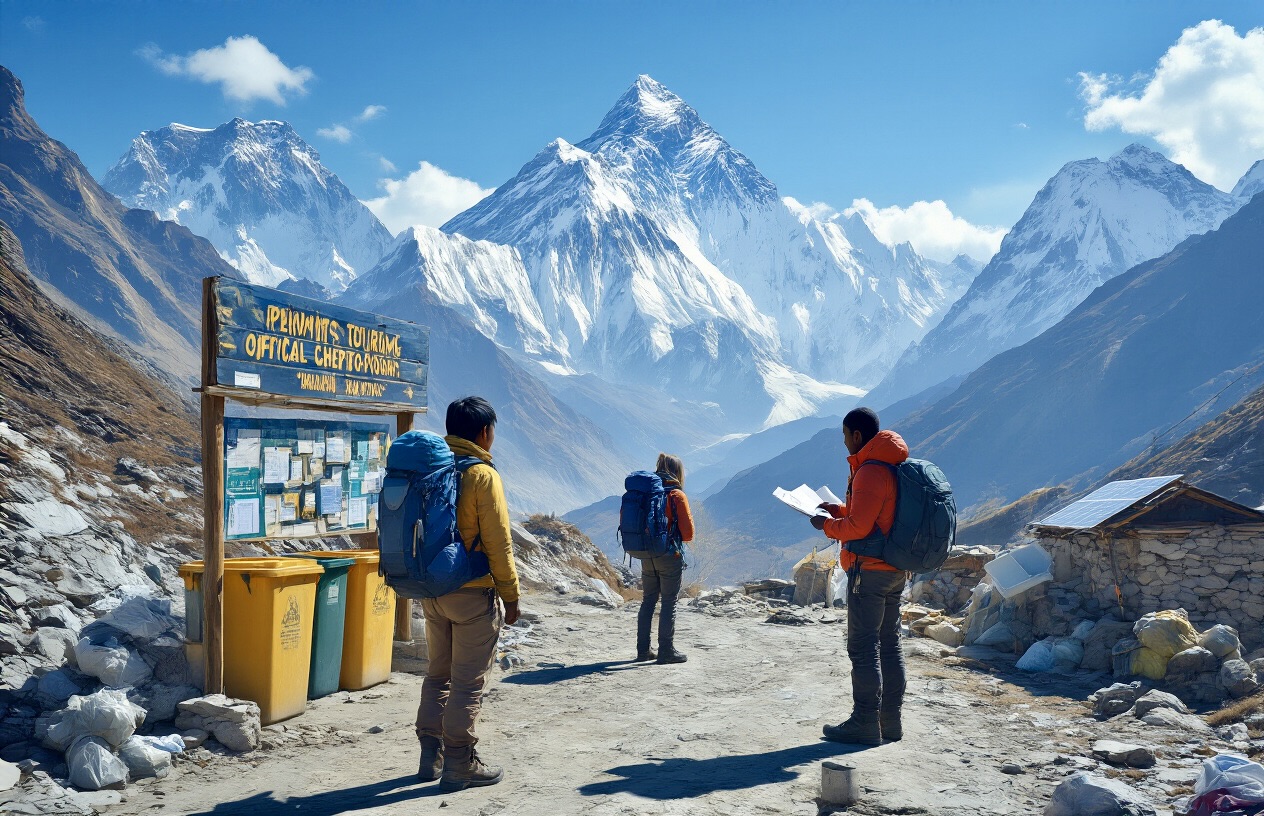
The fee adjustment represents our commitment to balancing accessibility with sustainability. While we understand this increase may affect expedition budgets, we believe it's a necessary step to address the increasing demands on Everest's fragile ecosystem and infrastructure. This strategic pricing will help filter the climbing pool to ensure only well-prepared adventurers attempt the ascent, potentially reducing overcrowding while maintaining high standards for expedition quality.
Revenue allocation for environmental protection and conservation
We're dedicating a substantial portion of the increased permit fees to critical environmental initiatives. The additional revenue will fund comprehensive waste management and cleanup programs that are essential for preserving Everest's natural state. Over decades of climbing activity, the mountain's ecosystem has suffered significant damage, and these funds will support both immediate cleanup efforts and long-term sustainability projects.
Our environmental conservation strategy includes:
- Regular cleanup expeditions to remove accumulated waste
- Implementation of improved waste disposal systems
- Protection measures for the fragile natural habitat around Everest
- Support for the Sagarmatha Pollution Control Committee's ongoing conservation efforts
These initiatives reflect our commitment to transforming mountaineering into a more responsible and sustainable practice, with a focus on preserving Everest for future generations.
Infrastructure improvements in the Everest region
We're investing significantly in upgrading the infrastructure throughout the Everest region to enhance both safety and sustainability. The permit fee increase will help fund:
- Advanced on-mountain medical facilities with improved equipment and staffing
- Enhanced rescue infrastructure with faster response capabilities
- Upgraded trails and base camp facilities are designed to minimize environmental impact
- Better communication systems to support climber safety and emergency response
These improvements aim to address the increased demands on Everest's facilities due to growing climber numbers over the years. By developing more robust infrastructure, we can better protect both the mountain environment and those who venture to climb it.
Our goal is to ensure that every expedition not only has a safer experience but also contributes positively to the mountain's long-term preservation. Through these measures, we're working to create a culture of responsible climbing that prioritizes quality experiences, environmental stewardship, and the sustainability of this iconic mountain destination.
Diverse Climbing Opportunities for International Adventurers
At Everest Sherpa Expeditions, we believe that the new initiative to waive permit fees for 97 Himalayan peaks opens up a world of possibilities for mountaineers seeking fresh challenges. This revolutionary approach is transforming Nepal's adventure tourism landscape, creating exciting opportunities for climbers from around the globe.
Fresh challenges beyond traditional popular peaks
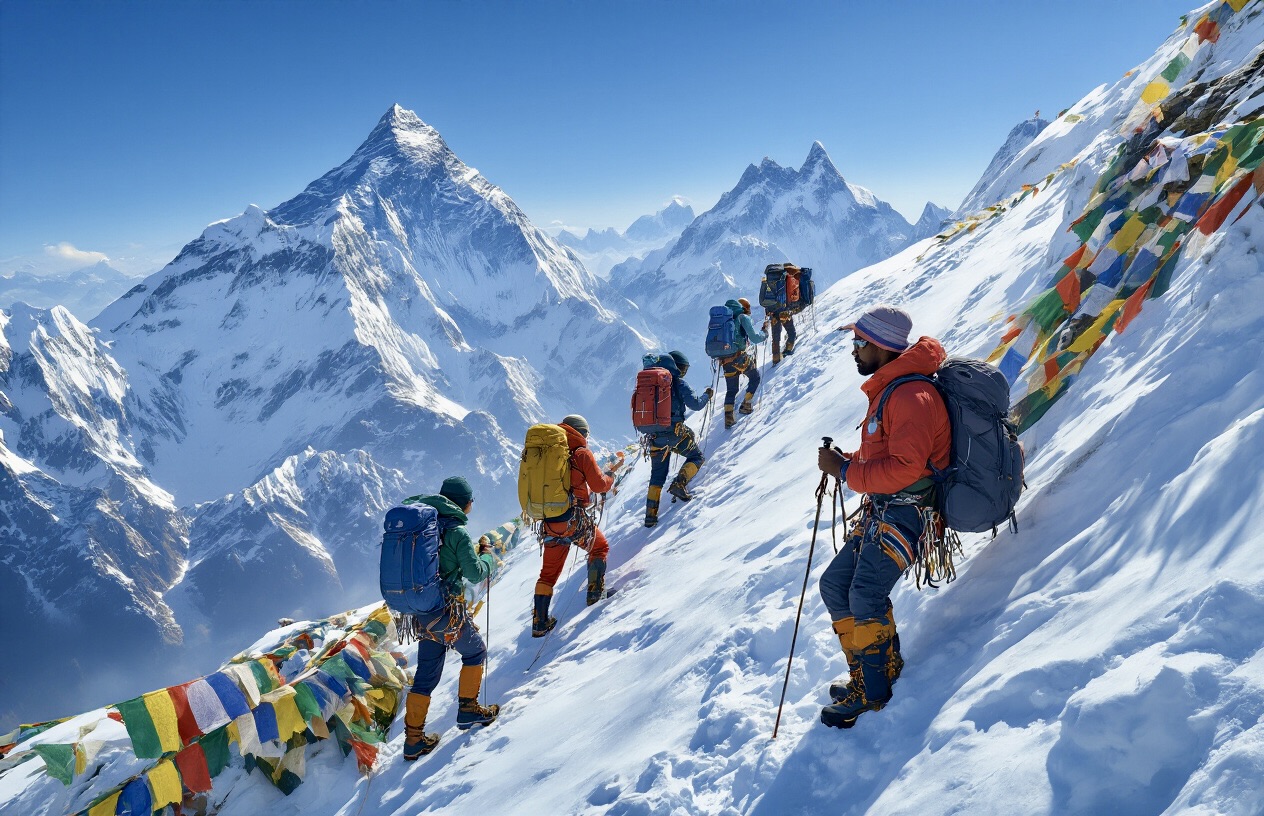
While Nepal has opened 491 peaks for climbing, adventurers have typically focused on just 25 mountains in the northeastern and central regions, with Mount Everest drawing the lion's share of attention. We're now excited to showcase the untapped potential of the remote northwestern Himalayas, particularly in the Karnali and Far Western provinces.
These 97 fee-waived peaks range from 5,870 meters (19,258 feet) to 7,132 meters (23,398 feet), offering spectacular climbing experiences away from the more crowded routes. The initiative aims to encourage mountaineers to explore these scenic yet lesser-known areas, providing authentic adventures in pristine environments with unique cultural experiences.
Positioning Nepal as a premier global mountaineering destination
With this strategic move, we're strengthening Nepal's position as the world's ultimate mountaineering destination. By diversifying climbing options beyond Everest and other popular peaks, we're creating a more sustainable and balanced approach to adventure tourism across the country.
The two-year fee waiver for these northwestern peaks coincides with updated permit structures for other mountains, including the increased Everest permit fee from $11,000 to $15,000. This balanced approach allows us to both protect our most famous peaks while encouraging exploration of alternative routes, creating a more distributed economic impact.
Expanding mountain tourism portfolio with unique experiences
We're committed to developing a comprehensive mountain tourism portfolio that highlights the incredible diversity of Nepal's climbing opportunities. This initiative particularly benefits the least developed areas of Nepal, bringing tourism revenue and employment to remote communities that have previously seen limited economic benefits from the country's mountaineering fame.
By promoting these alternative peaks, we're creating opportunities for adventure seekers to experience not just the physical challenge of climbing, but also the rich cultural heritage and natural beauty of regions less frequented by international visitors. This approach allows for more authentic cultural exchanges and a deeper connection with Nepal's diverse communities.
The fee waiver serves as a powerful invitation to the global climbing community to discover Nepal beyond the famous names, supporting our vision of sustainable adventure tourism that benefits both visitors and local communities throughout the country.
Long-term Vision for Sustainable Adventure Tourism
Smart leadership in responsible tourism development
At Everest Sherpa Expeditions, we believe that smart leadership is essential for the sustainable development of adventure tourism in Nepal. The government's recent decision to eliminate permit fees for 97 Himalayan peaks demonstrates forward-thinking policy that balances growth with conservation. We recognize that Nepal's commitment to ecotourism is evident through pioneering initiatives like the Annapurna Conservation Area Project (ACAP) and Kanchenjunga Conservation Area Project (KCAP), which focus on preserving natural environments while promoting sustainable tourism practices.
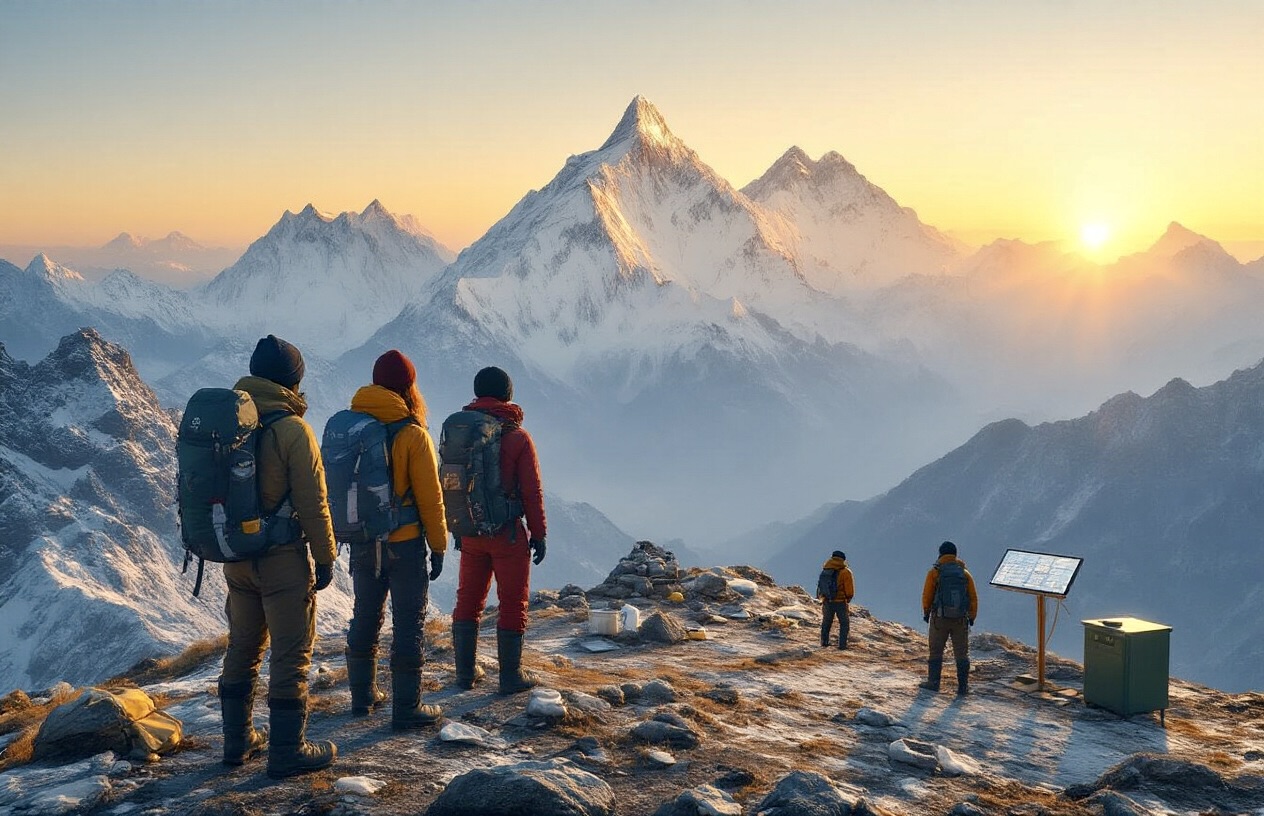
Our approach involves working closely with local communities, ensuring they directly benefit from tourism activities. This community involvement is crucial for the long-term success of conservation efforts. By supporting programs like the Tourism for Rural Poverty Alleviation Programme (TRPAP), we help create economic opportunities in rural areas while minimizing environmental impact.
Balancing visitor growth with environmental preservation
We understand that maintaining Nepal's pristine natural beauty requires careful management of increased visitor numbers. The new policies reflect a balanced approach, opening access to lesser-known peaks while implementing stricter safety and sustainability measures for popular destinations like Everest.
Environmental education plays a key role in our strategy. Organizations such as the Kathmandu Environmental Education Project (KEEP) and the Sagarmatha Pollution Control Committee (SPCC) are vital partners in raising awareness about responsible tourism practices. We actively promote these initiatives to ensure our clients understand their role in preserving Nepal's natural wonders.
Our commitment extends to supporting sustainable infrastructure development through projects like the ADB Ecotourism Technical Assistance Project. These initiatives help develop eco-friendly facilities that can accommodate growing visitor numbers without compromising the environment.
Future-proofing Nepal's tourism industry through strategic diversification
We're passionate about diversifying Nepal's adventure tourism offerings beyond the most famous peaks. By opening access to 97 peaks without permit fees, Nepal creates opportunities for explorers to discover new regions, spreading economic benefits to remote communities previously untouched by tourism.
This strategic diversification helps reduce pressure on overvisited areas while creating resilience in the tourism sector. We're excited about the potential for new trekking routes and climbing experiences that showcase Nepal's incredible diversity of landscapes, cultures, and ecosystems.
Community-based tourism forms a cornerstone of this strategy. By empowering local communities to develop and manage tourism activities, we ensure authentic cultural experiences for visitors while creating sustainable livelihoods for residents. This approach aligns perfectly with Nepal's vision for tourism that benefits both the environment and local people.
Through these combined efforts, we're confident that Nepal is well-positioned to become a global leader in sustainable adventure tourism, preserving its natural and cultural treasures for generations to come.
Nepal's groundbreaking initiative to waive permit fees for 97 Himalayan peaks represents a transformative approach to adventure tourism. By balancing economic opportunities for remote communities with stronger safety measures for iconic routes like Everest, Nepal demonstrates its commitment to sustainable mountain tourism. The updated permit structure and environmental regulations ensure these majestic peaks will remain pristine for generations to come.
Whether you're an experienced mountaineer seeking new challenges or an adventure enthusiast drawn to the legendary Himalayas, Nepal's diverse climbing opportunities now offer unprecedented access to some of the world's most breathtaking landscapes. As you plan your next mountain adventure, consider exploring these permit-free peaks, where unforgettable experiences await while supporting local communities and Nepal's vision for responsible adventure tourism.
If you need any further information, please contact us by email: [email protected], Phone: +977- 980 195 6248 (WhatsApp).