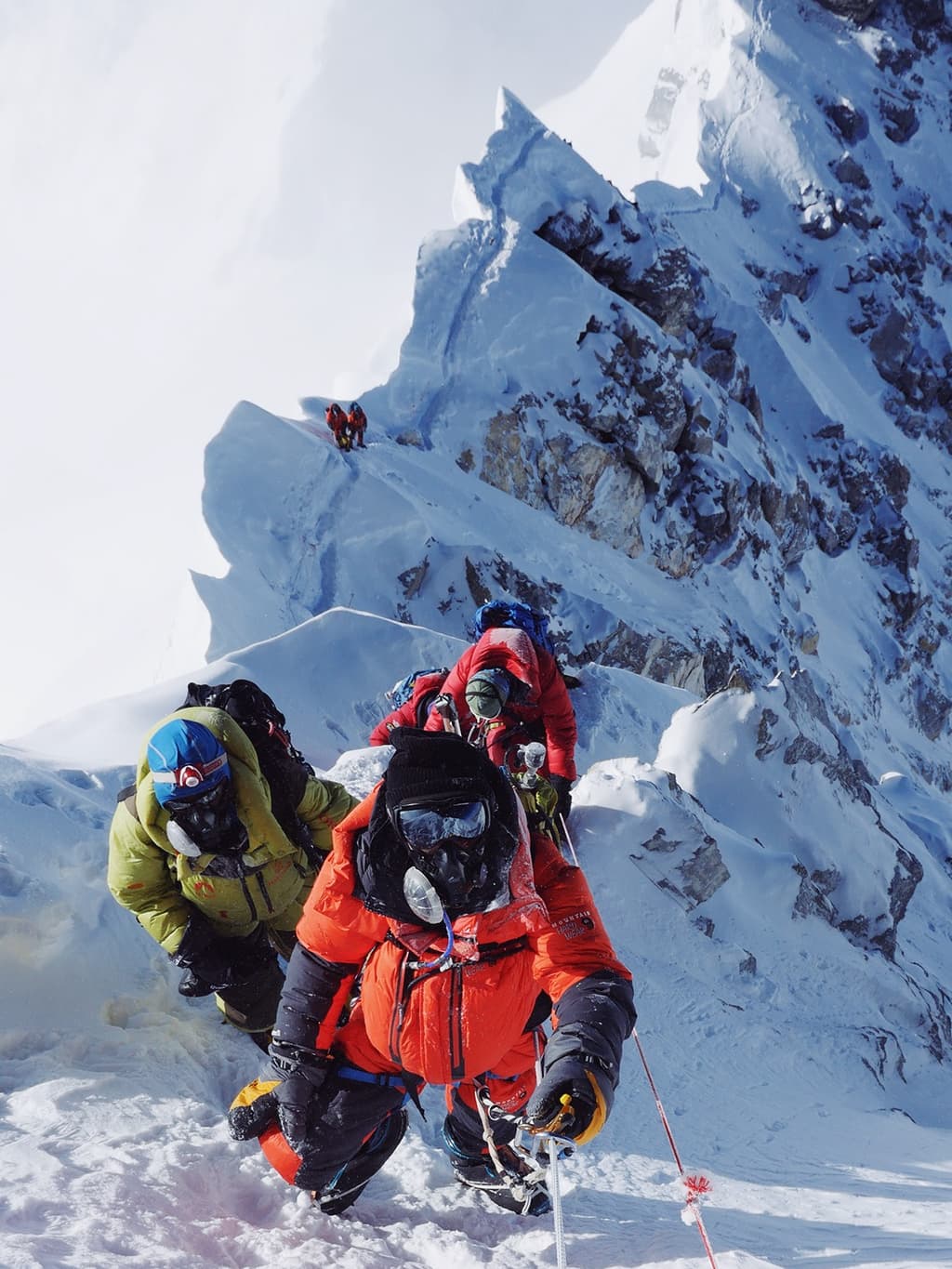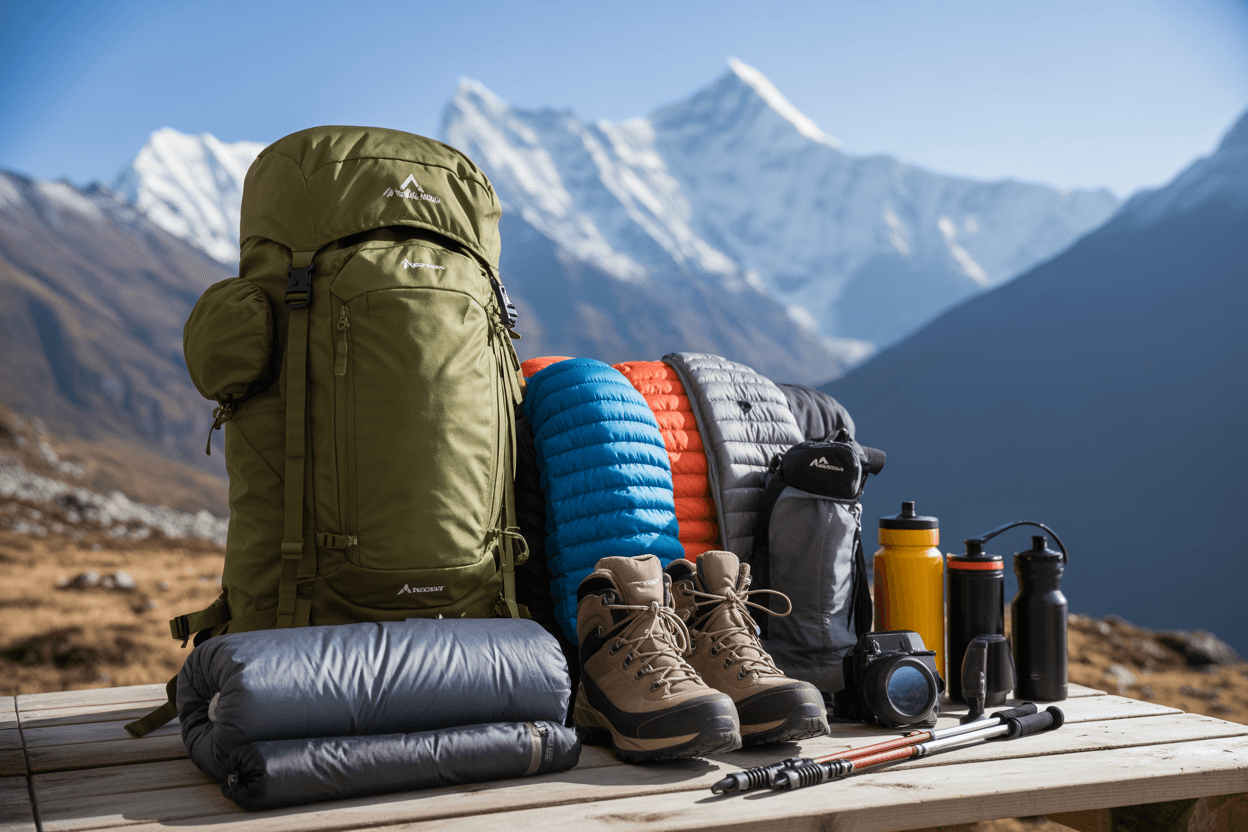
Trekking Nepal's towering peaks demands more than just determination—you need the right gear to handle extreme weather, thin air, and unpredictable mountain conditions. This comprehensive packing guide for Nepal's high-altitude treks is designed for adventurers planning expeditions to Everest Base Camp, the Annapurna Circuit, or other Himalayan routes above 3,500 meters.
Getting your gear wrong at altitude can turn your dream trek into a dangerous nightmare. We'll break down the essential clothing systems that keep you warm and dry when temperatures plummet, as well as the critical footwear and foot care equipment that prevent painful blisters and frostbite on long mountain days. You'll also discover smart packing strategies for weight optimization that help you carry everything you need without overloading your pack for the challenging climbs ahead.
Understanding Nepal's High-Altitude Trekking Conditions
Climate variations across different elevation zones
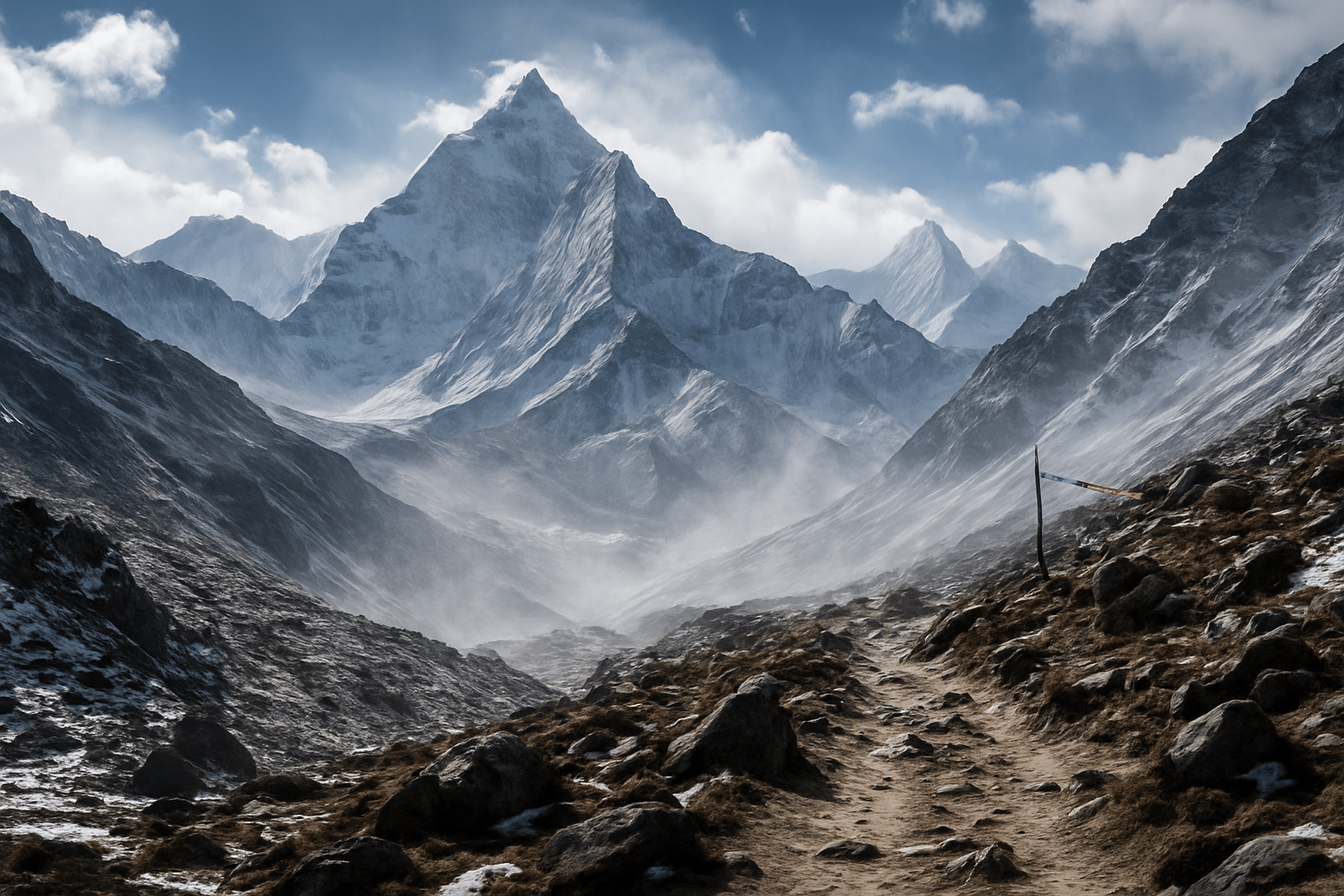
Nepal's diverse elevation zones create dramatically different climate conditions that directly impact your gear needs. The subtropical lowlands below 1,000 meters feature hot, humid conditions year-round with temperatures often exceeding 30°C (86°F). As you ascend through the temperate zone between 1,000-3,000 meters, temperatures become more moderate, ranging from 10-25°C (50-77°F) depending on the season.
The subalpine zone from 3,000-4,000 meters brings cooler conditions with temperatures dropping to 5-15°C (41-59°F) during the day and frequently hitting freezing at night. Above 4,000 meters in the alpine zone, daytime temperatures rarely exceed 10°C (50°F), while nighttime temperatures plummet well below freezing, sometimes reaching -20°C (-4°F) or lower.
Each zone requires specific clothing adjustments. The lower elevations demand moisture-wicking fabrics and sun protection, while higher altitudes need insulated layers and windproof shells. The transition between zones happens quickly during trekking, so your gear must adapt to these rapid changes.
Temperature fluctuations between day and night
High-altitude environments in Nepal experience extreme temperature swings that catch many trekkers off guard. During clear days at 4,000+ meters, solar radiation can make it feel surprisingly warm, with temperatures reaching 15°C (59°F) or higher. However, once the sun disappears behind the mountains, temperatures can drop 20-30 degrees within hours.
At popular trekking destinations like Everest Base Camp or Annapurna Circuit, nighttime temperatures regularly drop to -15°C (5°F) or lower, even during peak trekking seasons. This dramatic shift requires a layering system that allows quick adjustments throughout the day.
Your gear selection must account for these swings. A lightweight base layer that works during warm afternoon hiking becomes inadequate for evening camp conditions. Pack clothing that transitions easily from hot, sunny conditions to bitterly cold nights. Down jackets, insulated sleeping bags, and warm headwear become essential, not optional.
Monsoon season impact on gear requirements
The monsoon season from June through September transforms Nepal's trekking landscape and gear requirements completely. Heavy rainfall dominates lower elevations, while higher altitudes experience persistent cloud cover, reduced visibility, and frequent precipitation.
During monsoon months, waterproof gear becomes your lifeline. Standard water-resistant fabrics fail under prolonged exposure to monsoon rains. You need fully waterproof jackets with sealed seams, waterproof pants, and pack covers that actually keep moisture out. Footwear must handle constantly wet trails and potential river crossings.
The constant humidity prevents clothing from drying properly, making moisture management critical. Quick-dry synthetic materials outperform cotton and wool during these conditions. Pack extra socks and underwear since nothing stays dry for long.
Cloud cover during the monsoon season also means reduced visibility and cooler temperatures at elevation, requiring additional warm layers even during what should be warmer months. Many popular high-altitude routes become dangerous or impassable during peak monsoon, influencing both timing and gear choices.
Oxygen levels and their effect on physical performance
Oxygen levels decrease dramatically as elevation increases, dropping to roughly 50% of sea level concentration at 5,500 meters (18,045 feet). This reduction significantly impacts your physical performance and gear requirements in ways many trekkers don't anticipate.
Reduced oxygen means your body works harder for every activity, generating more heat during exertion but struggling to maintain warmth during rest periods. This creates unique challenges for clothing systems. You might find yourself overheating quickly during climbs, then getting dangerously cold during breaks.
Your cardiovascular system also struggles more at altitude, affecting your ability to carry heavy loads. Every gram in your pack becomes more significant above 3,000 meters. Weight optimization isn't just about comfort; it's about safety and successful completion of your trek.
Sleep quality deteriorates at altitude due to oxygen reduction, making a high-quality sleeping system even more important. Your body needs better insulation and comfort to achieve restorative rest when oxygen levels are low. Altitude also increases your risk of dehydration and affects digestion, influencing hydration system choices and food storage needs.
Essential Clothing Systems for Multi-Layered Protection
Base Layer Materials for Moisture Management
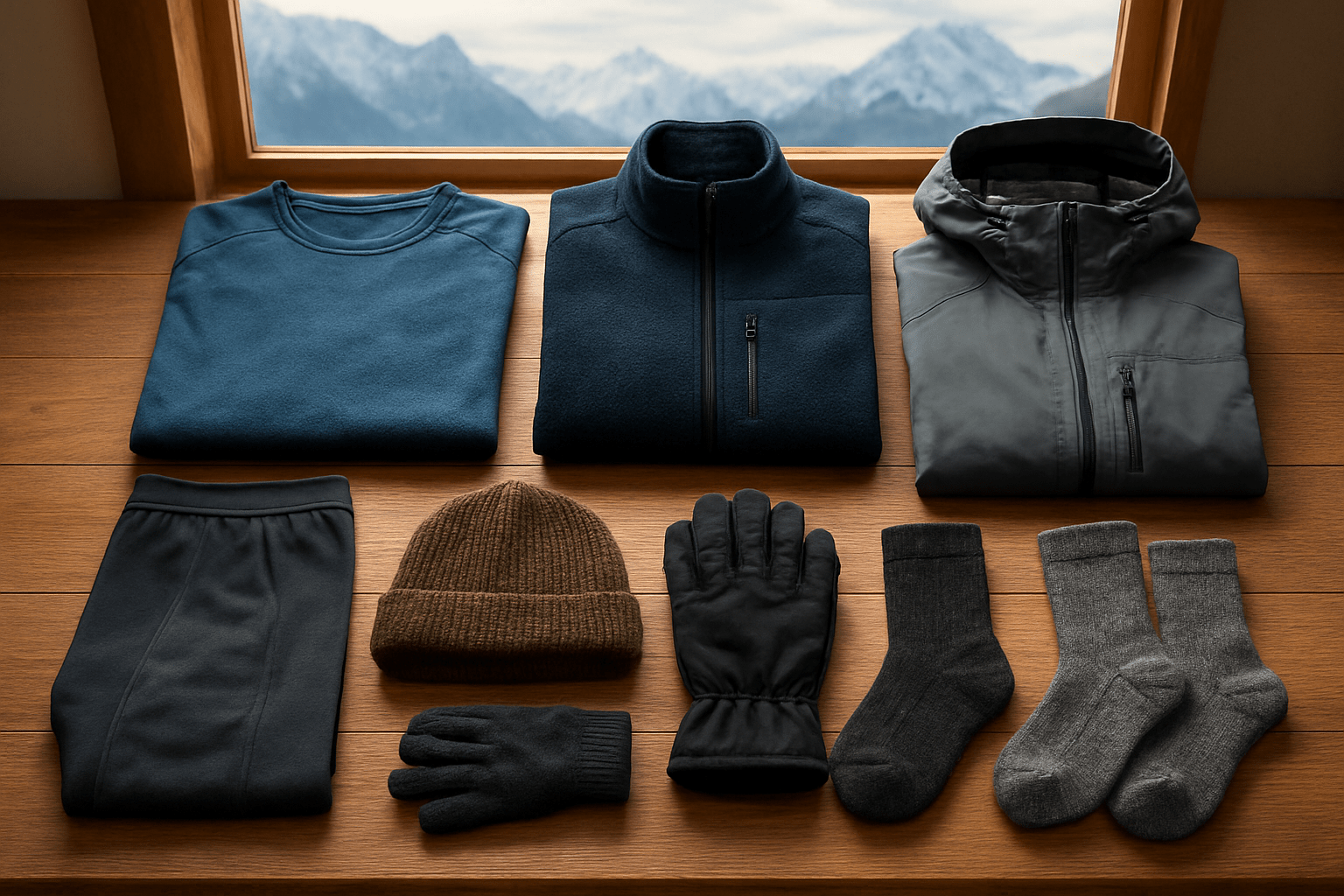
Your base layer serves as the foundation of your entire clothing system, and choosing the right materials can make or break your trek. Merino wool stands out as the gold standard for high-altitude adventures. Unlike synthetic alternatives, merino wool naturally regulates temperature, wicks moisture away from your skin, and resists odor buildup even after multiple days of wear. The natural fibers create tiny air pockets that provide insulation when dry and continue working when damp.
Synthetic base layers, particularly those made from polyester blends, offer excellent moisture-wicking properties and dry faster than wool. They're also more durable and typically cost less. However, they tend to retain odors and don't provide the same temperature regulation as merino wool.
Cotton should never touch your skin during high-altitude treks. When wet, cotton loses all insulating properties and takes forever to dry, creating a recipe for hypothermia. Pack at least two sets of base layers - one to wear and one as backup. Long-sleeve tops and full-length bottoms provide the best coverage and protection against UV rays, which intensify significantly at altitude.
Weight matters when selecting base layers. Lightweight options work well for active trekking, while midweight versions provide better warmth during rest stops and cold mornings. Heavyweight base layers are typically overkill unless you're tackling technical climbs or extreme cold conditions.
Insulating Layers for Warmth Retention
Your insulating layer traps warm air and maintains core body temperature when external conditions turn harsh. Down insulation offers the best warmth-to-weight ratio available, making it perfect for high-altitude conditions where every ounce counts. Quality down jackets compress small, expand fully when unpacked, and provide exceptional warmth in dry conditions.
However, down loses its insulating properties when wet and takes considerable time to dry. Synthetic insulation fills this gap perfectly. Materials like PrimaLoft and Thinsulate maintain their warming ability even when damp and dry much faster than down. While heavier and bulkier than down, synthetic insulation proves invaluable in wet conditions common during monsoon season or unexpected weather changes.
Fleece jackets serve as excellent mid-layers, offering breathability during active periods and warmth during breaks. Lightweight fleeces work well for moderate conditions, while heavyweight versions provide serious warmth for cold camps and early morning starts. Fleece also doubles as a comfortable layer around lodges and camps.
Bring multiple insulating options rather than relying on one heavy jacket. A lightweight down vest, mid-weight fleece, and packable synthetic jacket provide versatility for changing conditions. This system allows you to add or remove layers as needed without overheating during climbs or getting cold during descents.
Outer Shell Protection Against Wind and Precipitation
Your outer shell acts as the final barrier between you and the mountain's worst weather. A quality hardshell jacket and pants using Gore-Tex or similar waterproof-breathable membranes provide essential protection against wind, rain, and snow while allowing moisture vapor to escape from inside.
Look for shells with fully taped seams, sturdy YKK zippers, and reinforced high-wear areas. The jacket should fit over all your layers without restricting movement, with enough room in the arms and shoulders for reaching and climbing motions. Longer jackets provide better coverage, while shorter cuts offer more freedom of movement.
Ventilation features make a huge difference during active periods. Pit zips allow quick temperature regulation without removing the entire jacket. Storm flaps over zippers prevent water infiltration, while adjustable cuffs and hems seal out wind and precipitation.
Packable softshell jackets work well for lighter conditions and active periods. They offer wind resistance and water repellency while providing better breathability than hardshells. Softshells also feel more comfortable against bare skin and make less noise when moving through vegetation.
Don't overlook shell pants. Even if the weather looks perfect at the start, conditions change rapidly at altitude. Full-zip legs make getting pants on and off over boots much easier. Side vents provide temperature regulation during active climbs.
Specialized High-Altitude Clothing Requirements
High-altitude environments demand specific clothing features that regular hiking gear often lacks. UV protection becomes critical above 3,000 meters where thin air provides less filtering of harmful rays. Long sleeves, pants, and wide-brimmed hats prevent painful sunburns that can ruin your trek.
Altitude-specific accessories include warm hats that cover your ears completely, liner gloves for dexterity, and insulated gloves or mittens for warmth. Pack backup gloves since losing hand protection at altitude creates a dangerous situation quickly. Neck gaiters protect exposed skin and can be pulled up over your face during wind or snow.
Extra socks become crucial at altitude, where feet stay wet longer and dry more slowly. Bring wool or synthetic hiking socks, avoiding cotton completely. Gaiters keep snow and debris out of your boots while providing additional warmth and protection for your lower legs.
Consider altitude-rated sleeping clothes separate from your hiking layers. Dedicated sleep systems, including warm base layers and socks reserved only for sleeping, help maintain hygiene and warmth in your sleeping bag. Clean, dry clothes significantly improve sleep quality at altitude, where rest becomes more challenging.
Emergency items like space blankets, chemical hand warmers, and emergency bivvy sacks take up minimal space but provide life-saving backup in unexpected situations. High-altitude weather changes without warning, and having emergency warmth options provides crucial safety margins.
Critical Footwear and Foot Care Equipment
Trekking Boot Selection for Varied Terrain
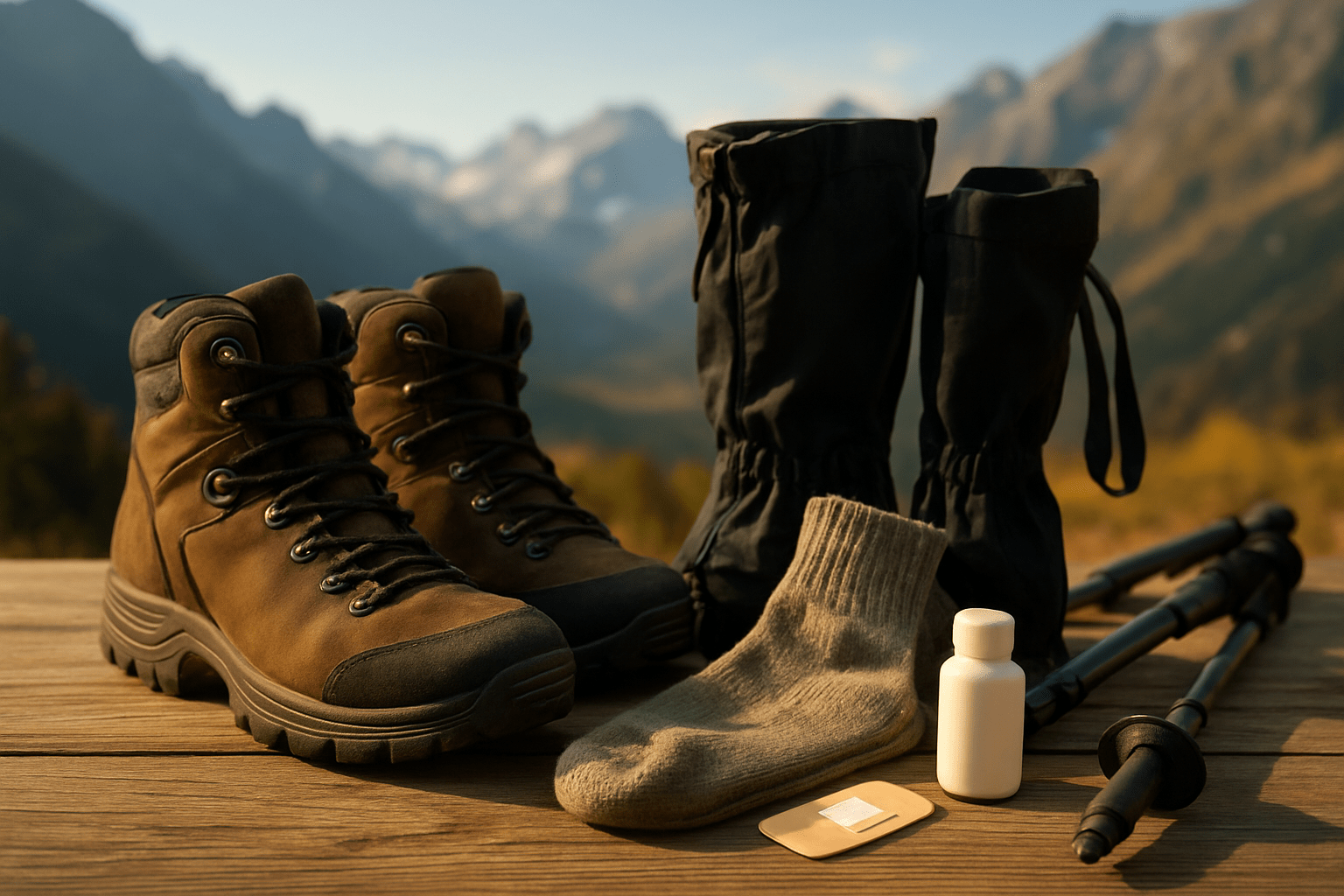
Your boots will literally carry you through thousands of steps on rocky trails, across glacial moraines, and over snow-covered passes. The wrong choice can turn your dream trek into a nightmare of blisters and discomfort.
Choose boots with a stiff sole rated for crampon compatibility, even if you don't plan to use crampons. This stiffness provides essential support on rocky terrain and prevents foot fatigue during long descents. Full leather or leather-synthetic hybrid boots offer the best durability for Nepal's rugged trails, while maintaining some breathability.
Ankle support becomes critical when carrying a heavy pack over uneven terrain. High-cut boots protect against ankle rolls and provide stability on loose scree. Look for boots with a generous toe box – your feet will swell at altitude and during long trekking days.
Waterproofing matters, but complete waterproof membranes can become problematic in Nepal's varying conditions. Consider boots with water-resistant treatment rather than fully sealed membranes, as breathability helps prevent moisture buildup from sweat.
Break in new boots with at least 50 miles of hiking before your trek. Wear them on training hikes with a loaded pack to identify pressure points. Replace worn-out boots – the support and cushioning degrade over time, increasing injury risk in demanding mountain terrain.
Sock Systems to Prevent Blisters and Maintain Warmth
The two-sock system revolutionizes foot comfort on multi-day treks. Wear thin liner socks made from synthetic materials or merino wool directly against your skin, then add thicker hiking socks over them. This combination eliminates friction between your foot and boot while managing moisture effectively.
Liner socks move with your foot, while the outer sock moves with your boot, preventing the rubbing that causes hot spots and blisters. Choose liners with flat seams to avoid pressure points, and replace them immediately if holes develop.
For outer socks, merino wool blends provide excellent temperature regulation and odor resistance. Pack at least four pairs of hiking socks and six pairs of liners for treks longer than ten days. Wool maintains insulating properties even when damp, crucial for stream crossings and unexpected weather.
Cushioning placement matters more than overall thickness. Look for targeted padding in the heel and forefoot areas where impact occurs, but avoid excessive bulk that creates tight spots in your boots. Medium-density cushioning works best for most trekkers.
Carry backup socks in waterproof bags. Wet socks in mountain conditions can lead to trench foot or frostbite. Change socks daily when possible, and air-dry used pairs on your pack during sunny weather.
Gaiters for Debris and Snow Protection
Gaiters create a protective barrier between your boots and lower legs, preventing rocks, snow, and debris from entering your footwear. This simple piece of equipment dramatically improves comfort and safety on Nepal's challenging terrain.
Choose knee-high gaiters for maximum protection against deep snow and scree. The front closure should face away from the direction you typically walk to prevent snagging on vegetation. Heavy-duty models with reinforced instep straps withstand the abrasion from constant contact with rocky trails.
Waterproof-breathable fabrics work best, offering protection from snow and stream crossings while allowing moisture to escape. Look for models with full-length side zippers for easy on-off access, especially important when wearing cramped tent conditions.
The instep strap takes significant abuse, so inspect it regularly for wear. Carry a replacement strap or repair kit, as a broken gaiter becomes useless quickly. Some trekkers prefer gaiter-integrated pants, but separate gaiters offer more versatility and easier replacement if damaged.
In monsoon conditions, gaiters become essential for keeping leeches out of your boots and socks. They also provide an extra layer of warmth around your lower legs during cold morning starts and high-altitude sections where temperatures drop suddenly.
Shelter and Sleeping Gear for Mountain Conditions
Sleeping bag ratings for sub-zero temperatures
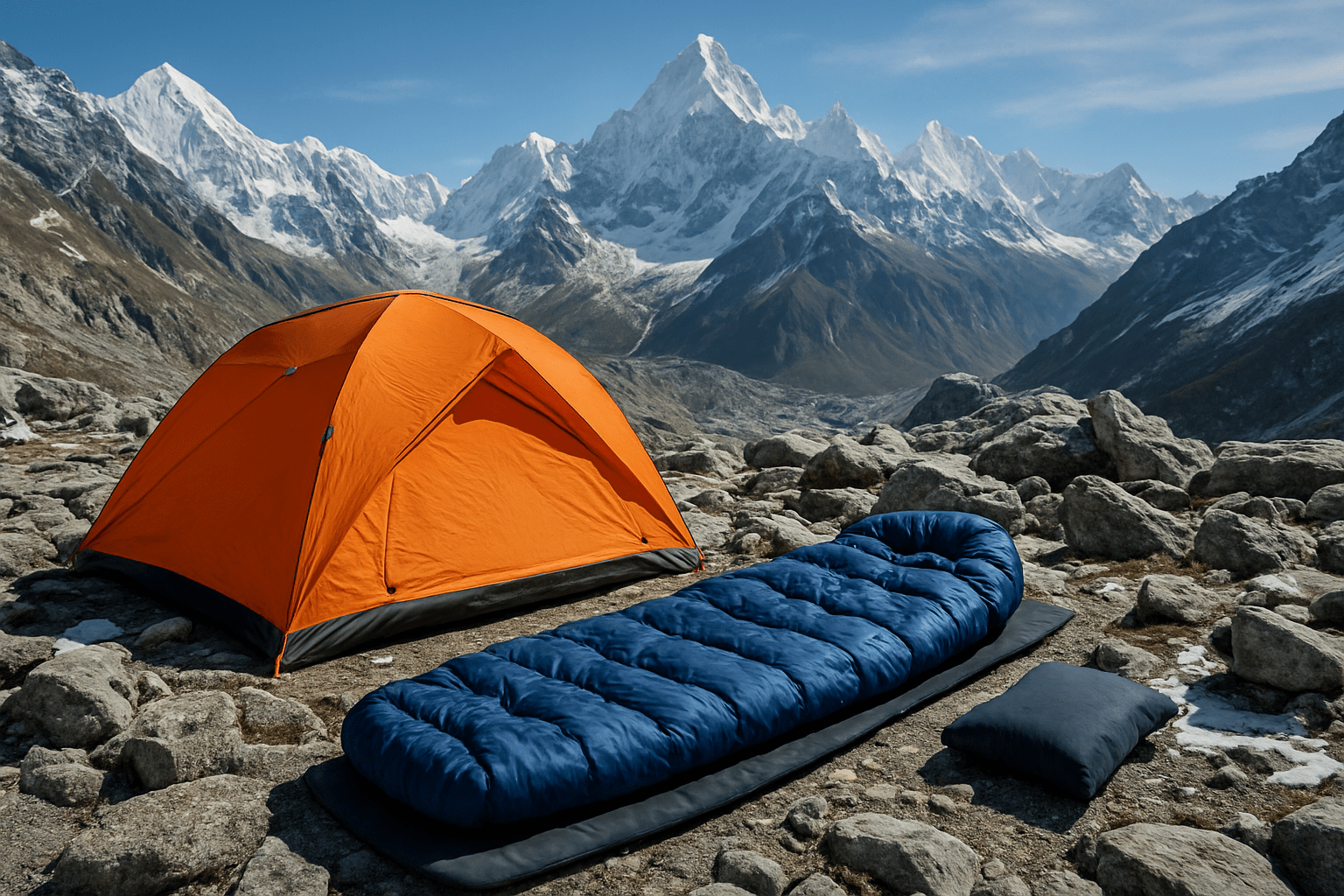
Temperature ratings on sleeping bags can be confusing, but understanding them could mean the difference between a good night's sleep and a miserable, cold ordeal at altitude. The EN/ISO rating system provides three key temperatures: comfort (where an average woman sleeps comfortably), lower limit (where an average man sleeps comfortably), and extreme (survival temperature only).
For Nepal's high-altitude treks, target a sleeping bag rated to at least -10°C (14°F) for the comfort rating if you're trekking during peak seasons like March-May or September-November. Winter expeditions demand bags rated to -20°C (-4°F) or lower. Down fill typically offers the best warmth-to-weight ratio, with 800+ fill power being ideal for serious altitude work. However, synthetic insulation performs better in wet conditions and costs less upfront.
Pay attention to bag construction details. Baffle design prevents the down from shifting and creating cold spots. Draft collars around the neck and shoulders trap warm air, while full-length zippers with draft tubes prevent heat loss. Mummy-style bags maximize warmth retention, though some trekkers prefer semi-rectangular cuts for more room to move.
Consider that your metabolism drops at altitude, making you feel colder than usual. Many experienced climbers recommend choosing a bag rated 5-10 degrees warmer than expected conditions. Also factor in that bags lose efficiency over time as insulation compresses.
Sleeping pad insulation and comfort features
Your sleeping pad serves two critical functions: insulation from the cold ground and cushioning for comfort. The R-value measures thermal resistance – higher numbers mean better insulation. For Nepal's high-altitude conditions, aim for an R-value of at least 4.0, with 5.0+ being preferable for extreme conditions or cold sleepers.
Closed-cell foam pads offer bulletproof reliability and decent insulation (R-values around 2.0-2.6) but sacrifice comfort. They work great as backup insulation under inflatable pads or as primary pads for ultralight missions. Inflatable pads provide superior comfort and higher R-values, but they're vulnerable to punctures from sharp rocks or crampon damage.
The latest pad technologies include reflective barriers that bounce body heat back up and synthetic or down insulation within the air chambers. Some pads feature variable thickness zones – thicker under your torso for comfort, thinner under legs for weight savings. Width matters too: regular (20 inches) saves weight, while wide (25 inches) prevents rolling off during restless nights.
Pad length affects both weight and warmth. Three-quarter-length pads save significant weight by using your backpack under your legs, but full-length pads provide complete ground insulation. Self-inflating pads offer convenience but tend to be heavier than manual inflation models.
Pillow alternatives for weight savings
Traditional pillows eat up valuable pack space and weight, but good sleep quality depends on proper head and neck support. Smart trekkers use creative alternatives that pull double duty or weigh almost nothing.
Inflatable pillows designed for backpacking weigh 2-4 ounces and pack down to tennis ball size. Look for models with soft-touch fabric rather than slippery nylon, and consider shapes that cradle your neck. Some integrate with sleeping pad systems for stability.
Pillow cases that stuff with spare clothes work brilliantly – pack a lightweight silk or synthetic pillowcase and fill it with your puffy jacket, extra fleece, or clean clothes. This approach adds zero weight since you're carrying those items anyway. Make sure the fabric feels comfortable against your face after long, sweaty days.
Many trekkers simply use their stuff sack filled with soft items like fleece or down jackets. This method requires no extra gear but can be less comfortable than purpose-built options. Some sleeping pads have built-in pillow bumps or attachments for add-on pillows.
Your backpack can work as a pillow base – lay it flat and put soft clothes on top. This keeps your pack clean and creates a stable platform. Just remember to remove any hard items from pockets first, and consider using your pack's internal hydration sleeve as a pillow case.
Navigation and Safety Equipment Essentials
GPS Devices and Backup Navigation Tools
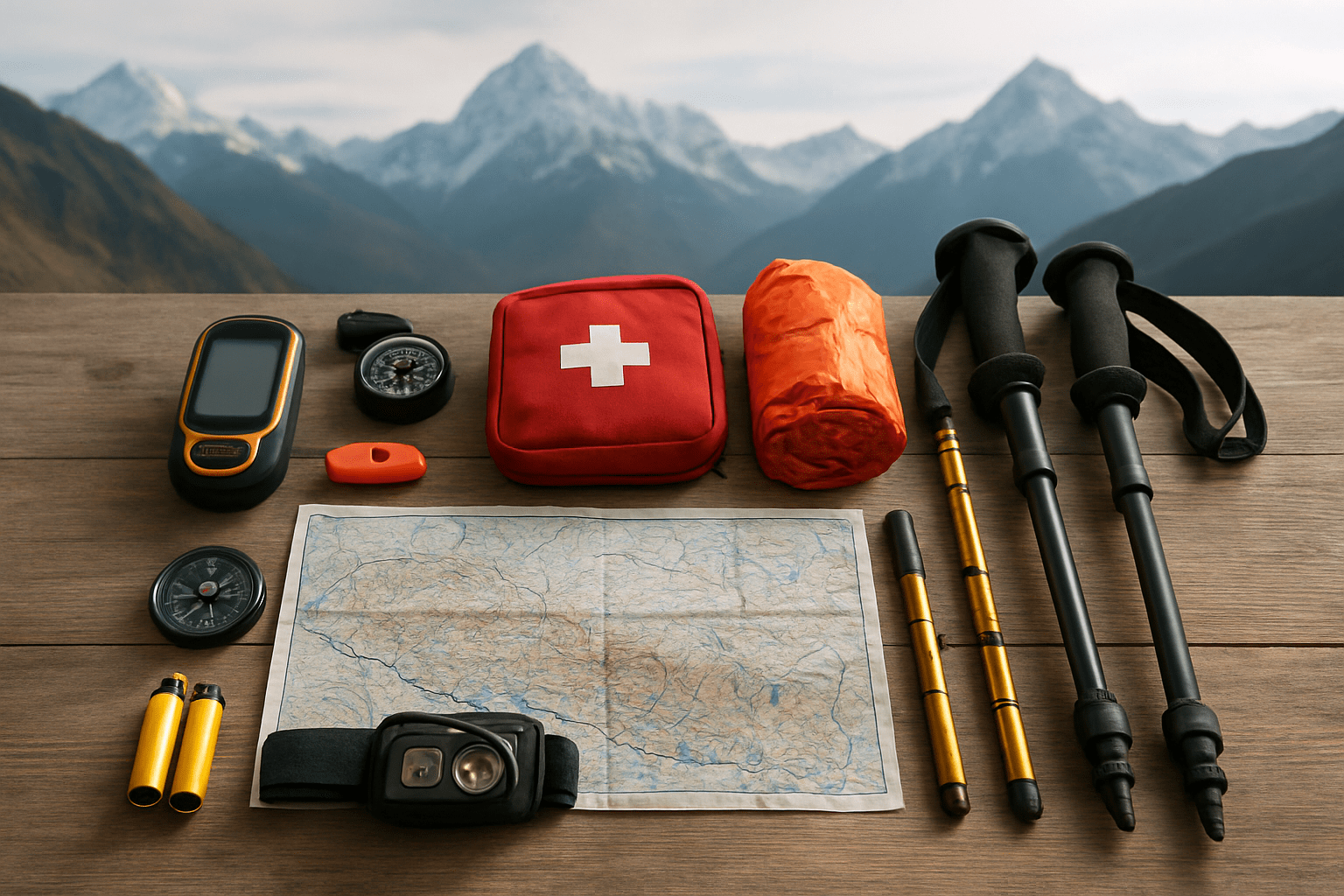
Modern GPS devices are game-changers for high-altitude trekking in Nepal, but they shouldn't be your only navigation method. The Garmin inReach series or similar satellite communicators provide reliable positioning even when cell towers are nowhere to be found. Download offline maps for your entire route before departure, including alternate paths and emergency exit routes.
Paper maps and a quality compass remain essential backups. The Nepal Survey Department produces detailed topographical maps that show crucial details like water sources and seasonal trail variations. Practice using your compass before the trek - knowing how to triangulate your position could save your life when visibility drops to zero in a whiteout.
Altimeter watches help track elevation gain and weather pattern changes. Sudden pressure drops often signal incoming storms, giving you time to seek shelter. The Suunto Core or similar models combine altimeter, barometer, and compass functions in one reliable package.
Emergency Communication Devices
Satellite communicators like the Garmin inReach Mini 2 or SPOT Gen4 can literally be lifesavers above 3,000 meters, where cell service becomes spotty or nonexistent. These devices send GPS coordinates to rescue services and allow two-way messaging with your emergency contacts.
Personal locator beacons (PLBs) offer another layer of protection. Unlike satellite messengers, PLBs connect directly to international search and rescue satellites and don't require subscription services. The ACR ResQLink series provides reliable emergency signaling for up to 5 years without battery replacement.
Whistle signals carry much farther in thin mountain air than shouting. The Storm Whistle produces 120+ decibel sounds that cut through wind and weather. Attach it to your jacket zipper for easy access.
First Aid Supplies for Altitude-Related Issues
Altitude sickness affects most trekkers above 2,500 meters, making specific medications essential. Acetazolamide (Diamox) helps prevent and treat acute mountain sickness, while dexamethasone provides emergency treatment for severe altitude cerebral edema.
Pack pulse oximeters to monitor oxygen saturation levels. Readings below 85% at altitude warrant immediate descent considerations. Digital thermometers help identify hypothermia before symptoms become obvious.
Include altitude-specific supplies: instant cold compresses for headaches, electrolyte powder for dehydration, and throat lozenges for the dry air. Pressure bandages treat potential high-altitude pulmonary edema symptoms, while elastic bandages support joints stressed by uneven terrain.
Headlamp and Backup Lighting Systems
Reliable lighting becomes critical during Nepal's 12-hour mountain nights and early morning starts. LED headlamps with both flood and spot beam options provide versatility for camp tasks and trail navigation. The Petzl Actik Core or Black Diamond Spot series offer excellent battery life and weather resistance.
Pack three light sources minimum: primary headlamp, backup headlamp, and emergency flashlight. Lithium batteries perform better in cold conditions than alkalines, maintaining power output down to -40°F. Rechargeable options work well with solar panels or power banks at lower elevations.
Red light settings preserve night vision while checking maps or organizing gear after dark. Some models include emergency strobe functions that help search teams locate you from distances up to several kilometers.
Sun Protection Gear for High-Altitude UV Exposure
UV radiation increases approximately 4% for every 1,000 feet of elevation gain, making sun protection crucial above 10,000 feet. Glacier glasses with side shields block reflected UV from snow and ice. Category 4 lenses (transmitting less than 8% of visible light) prevent snow blindness on bright days.
Broad-spectrum sunscreen with SPF 50+ requires reapplication every two hours, even through clouds. UV rays penetrate cloud cover easily at altitude. Zinc oxide or titanium dioxide formulas resist sweating and provide immediate protection without absorption time.
Buff or similar neck gaiters protect often-forgotten areas like your neck and can pull up to cover your face during windy conditions. Wide-brimmed hats shade your entire head, but secure them with chin straps to prevent loss in mountain winds.
Lip balm with SPF 30+ prevents painful cracking and sunburn on exposed lip tissue. The combination of cold air, wind, and intense UV creates perfect conditions for severe lip damage that can affect eating and drinking.
Personal Hygiene and Health Management Items
Altitude Sickness Prevention and Treatment Supplies
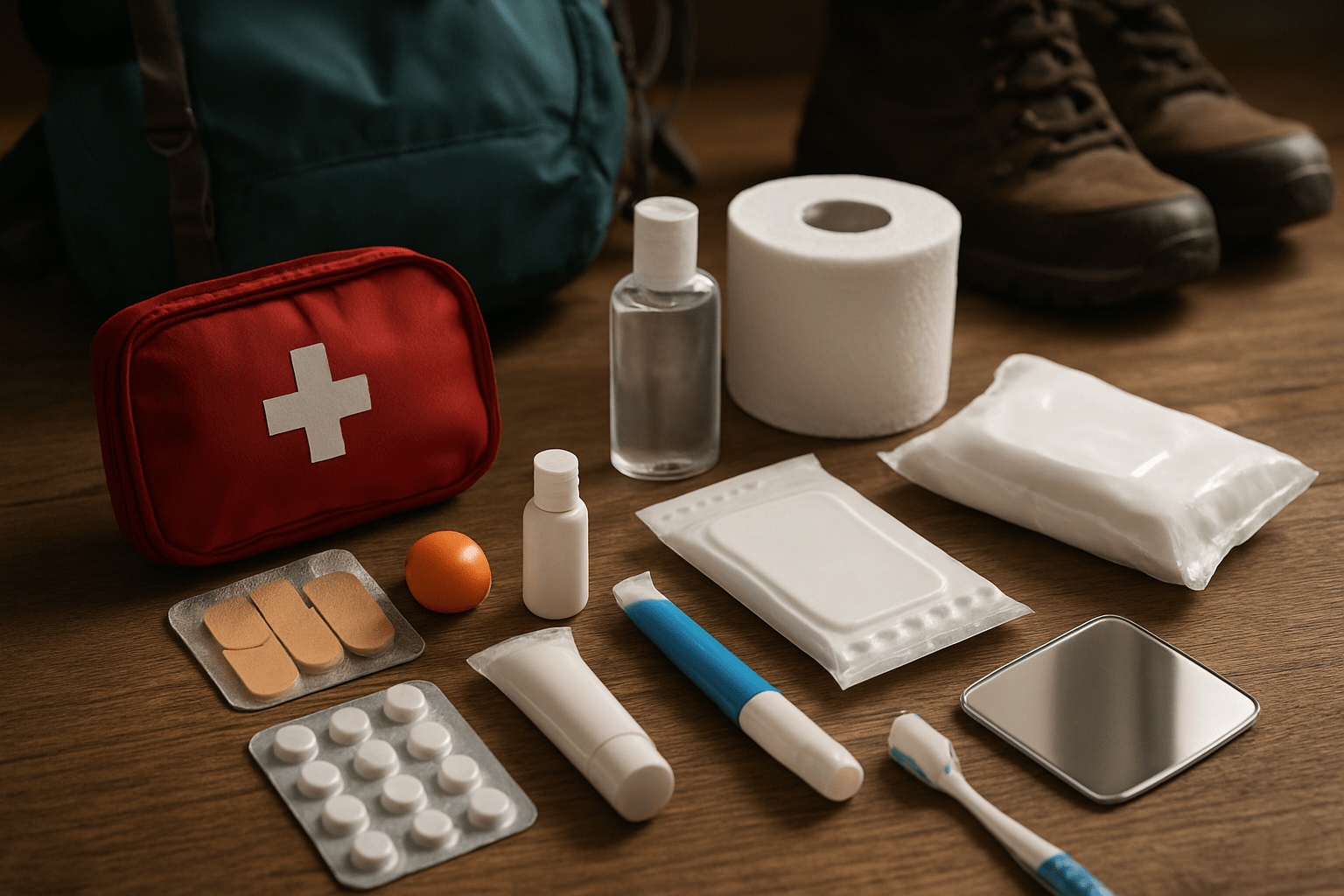
High-altitude environments above 2,500 meters present serious health risks that require proactive preparation. Acetazolamide (Diamox) stands as your first line of defense against altitude sickness, though you'll need a prescription from your doctor before departure. Pack at least 250mg tablets and follow the recommended dosing schedule starting one day before ascending.
Dexamethasone serves as a critical emergency medication for severe altitude sickness cases. This prescription steroid can be life-saving when cerebral or pulmonary edema develops. Keep 4mg tablets in your emergency medical kit alongside clear instructions for proper administration.
Your medical kit should include ibuprofen for headache relief and general pain management, as headaches are often the first warning sign of altitude issues. Anti-nausea medications like ondansetron help combat the stomach upset that frequently accompanies altitude adjustment.
Pack a reliable pulse oximeter to monitor your blood oxygen saturation levels. Digital models weigh less than 100 grams and provide objective data about your body's adaptation to thin air. Readings below 85% at rest warrant immediate attention and possible descent.
Include electrolyte replacement packets to maintain proper hydration balance. High-altitude environments accelerate fluid loss through increased respiration and dry air exposure. Oral rehydration salts help replace essential minerals lost through sweat and breathing.
Water Purification Methods and Backup Options
Clean water access becomes increasingly challenging as you gain elevation and move away from established settlements. Your primary purification method should combine mechanical filtration with chemical or UV treatment for comprehensive protection against bacteria, viruses, and parasites.
Portable water filters like the Katadyn Hiker Pro or MSR MiniWorks EX remove sediment and bacteria while maintaining decent flow rates. These pump-style filters work reliably in freezing temperatures, though you'll need to protect the filter element from ice damage overnight.
UV sterilization pens offer lightweight, chemical-free purification that eliminates viruses and bacteria within 90 seconds. The SteriPEN series works well for individual water bottles, but remember to carry backup batteries and protect the device from impact damage.
Water purification tablets provide essential backup when mechanical systems fail. Aquatabs or Potable Aqua tablets weigh virtually nothing and remain effective for years when stored properly. Chlorine dioxide tablets neutralize Cryptosporidium and Giardia more effectively than standard iodine tablets.
Boiling remains your most reliable backup method, especially above treeline where fuel efficiency matters. Bring water to a rolling boil for one minute at elevations below 6,500 feet, or three minutes above that altitude. Factor in additional fuel requirements for water purification when calculating cooking fuel needs.
Personal Hygiene Essentials for Extended Treks
Multi-week treks demand strategic hygiene planning to prevent infections and maintain morale when bathing opportunities become rare. Biodegradable soap serves multiple purposes for body, hair, and clothing washing while minimizing environmental impact near water sources.
Wet wipes designed for camping provide quick cleaning solutions when water is scarce or freezing temperatures make washing impractical. Pack alcohol-based sanitizing wipes separately for hands and equipment disinfection. Choose unscented varieties to avoid attracting wildlife.
Dental care maintains critical importance at altitude where dehydration and mouth breathing increase cavity and gum disease risks. Bring a lightweight toothbrush, fluoride toothpaste, and dental floss. Antiseptic mouthwash helps combat bacteria when thorough brushing isn't possible.
Quick-dry towels made from synthetic microfiber materials pack small and dry rapidly in mountain conditions. A medium-sized towel weighs around 200 grams while providing full-body coverage. Avoid cotton towels that retain moisture and freeze solid overnight.
Feminine hygiene supplies require special consideration for extended high-altitude exposure. Menstrual cups offer sustainable, lightweight alternatives to disposable products while reducing waste concerns in pristine environments. Pack backup supplies regardless of your primary choice, as stress and altitude can affect normal cycles.
Anti-chafing products become essential when carrying heavy packs over rough terrain for weeks. Body Glide or similar balms prevent painful rubbing between thighs, under arms, and where pack straps contact your body. Reapply daily to maintain protection.
Smart Packing Strategies for Weight Optimization
Gear Weight Distribution Techniques
Balance is everything when carrying a heavy pack through Nepal's challenging terrain. Pack heavy items close to your back in the middle section of your pack - this keeps the weight centered over your hips where your body can handle it best. Place dense gear like water bottles, cooking equipment, and electronics in this sweet spot.
Lighter bulky items like your sleeping bag and extra clothing should go at the bottom and top of your pack. Keep frequently used items like snacks, headlamp, and rain jacket in external pockets or the top compartment for easy access without unpacking everything.
Your pack's center of gravity should sit between your shoulder blades when properly loaded. If the weight pulls backward, you'll lean forward and strain your back. Too much weight up high makes the pack unstable on technical terrain.
Multi-Purpose Item Selection Principles
Smart trekkers choose gear that serves double or triple duty. A lightweight trekking pole that converts to a camera monopod saves weight and space. Duct tape wrapped around your trekking poles eliminates carrying a separate roll while providing emergency repair material.
Your smartphone replaces multiple devices - camera, GPS, altimeter, compass, flashlight, and entertainment system. Download offline maps and keep it in airplane mode to conserve battery. A buff or neck gaiter works as a hat, face mask, headband, or pillow cover.
Choose clothing that layers effectively rather than single-purpose items. A down vest worn under your rain jacket provides more versatility than a heavy winter coat. Merino wool base layers work for sleeping, hiking, and casual wear around tea houses.
Compression Methods for Maximum Space Efficiency
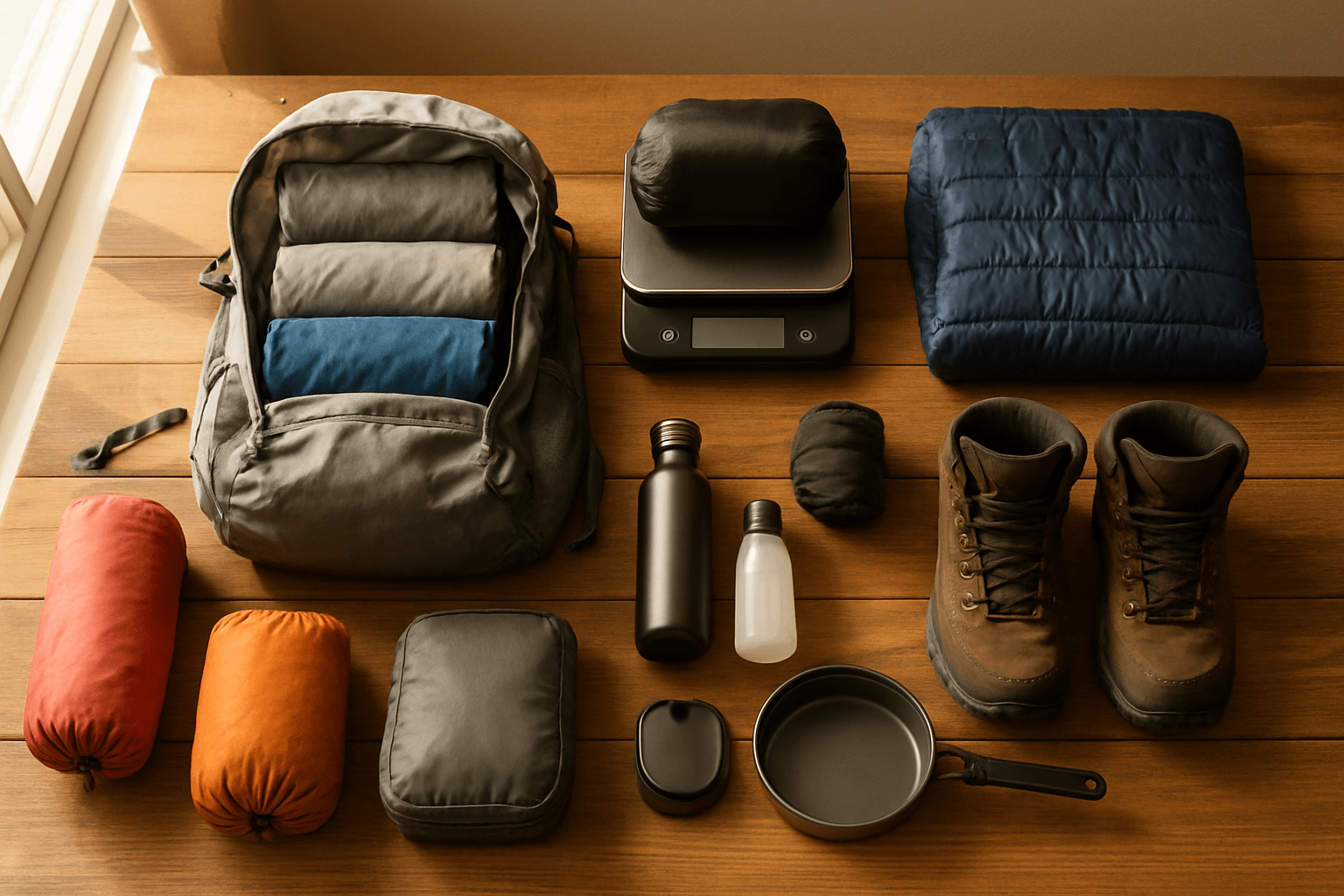
Compression sacks transform bulky items into manageable packages. Your sleeping bag should compress to roughly the size of a football - if it doesn't, consider upgrading to a higher-quality down option. Roll clothes tightly and stuff them into compression sacks rather than folding, which creates air pockets.
Pack cubes keep your gear organized while maximizing space. Roll your clothing using the ranger roll method - lay the item flat, fold the bottom edge up two inches, then roll tightly from the opposite end. The folded edge creates a pocket that holds the roll together without rubber bands.
Use every available space in your pack. Stuff socks and underwear inside your cooking pot. Pack your first aid kit in a hard case that doubles as a plate. Fill gaps with small items like batteries, medications, or energy bars.
Leave-Behind Items That Add Unnecessary Weight
Cotton clothing has no place in high-altitude trekking - it retains moisture, takes forever to dry, and provides zero insulation when wet. Leave cotton t-shirts, jeans, and underwear at home in favor of synthetic or merino wool alternatives.
Multiple pairs of hiking boots or shoes waste precious weight allowance. Bring one sturdy pair of trekking boots and lightweight camp shoes like sandals or slip-ons. Your feet need recovery time, but heavy backup boots aren't the answer.
Excessive electronics drain your pack's weight budget without adding value. One camera is enough - resist bringing both a DSLR and an action camera unless photography is your primary goal. Skip the portable speaker, tablet, and e-reader in favor of your smartphone's capabilities.
Books, guidebooks, and paper maps add up quickly. Download digital versions and keep essential route information on waterproof paper or your phone. That 400-page Nepal guidebook might seem essential, but you'll only reference a few pages during your trek.
Heavy camp chairs, large towels, and multiple backup items for gear that rarely fail represent wasted weight. Tea houses provide seating, quick-dry towels work better than cotton ones, and quality gear doesn't need extensive backup systems.
Conclusion
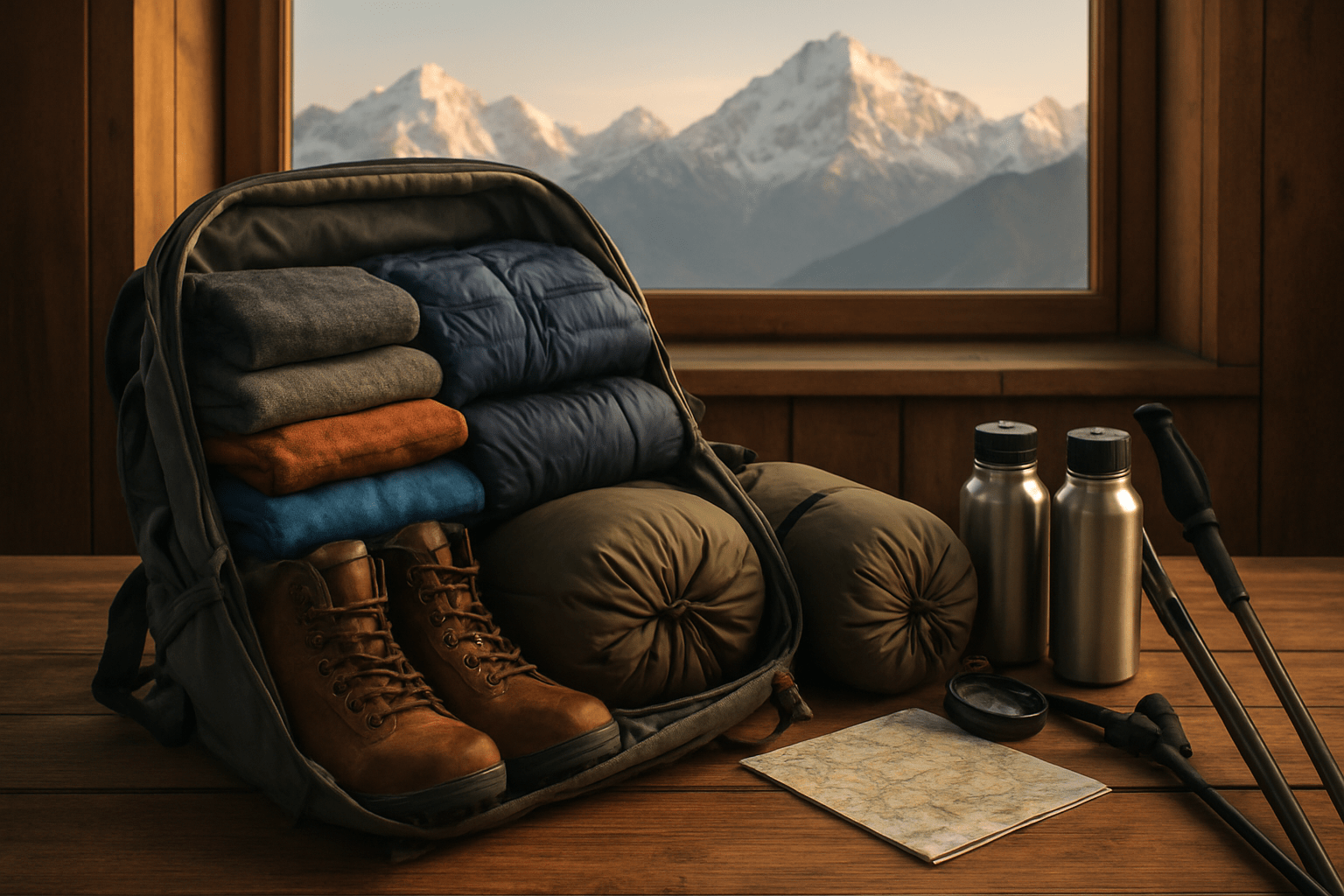
Getting your packing right for Nepal's high-altitude treks can make the difference between an amazing adventure and a miserable struggle. From mastering the art of layering your clothing to choosing the right boots that won't fail you on rocky terrain, every item in your pack serves a purpose. The mountains don't forgive poor preparation, so investing time in selecting proper shelter, navigation tools, and health supplies is just as important as those Instagram-worthy summit photos.
Smart packing means thinking beyond just stuffing everything into your backpack. Weight matters when you're climbing thousands of feet, and knowing what to prioritize can save your shoulders and your sanity. Take the time to test your gear before you go, pack with weather changes in mind, and remember that the best trek is the one where you stay comfortable, safe, and healthy. Your future self will thank you when you're warm in your sleeping bag instead of shivering through the night, or when your well-broken-in boots carry you confidently across that suspension bridge.
If you need any further information, please contact us by email: [email protected], Phone: +977- 980 195 6248 (WhatsApp).