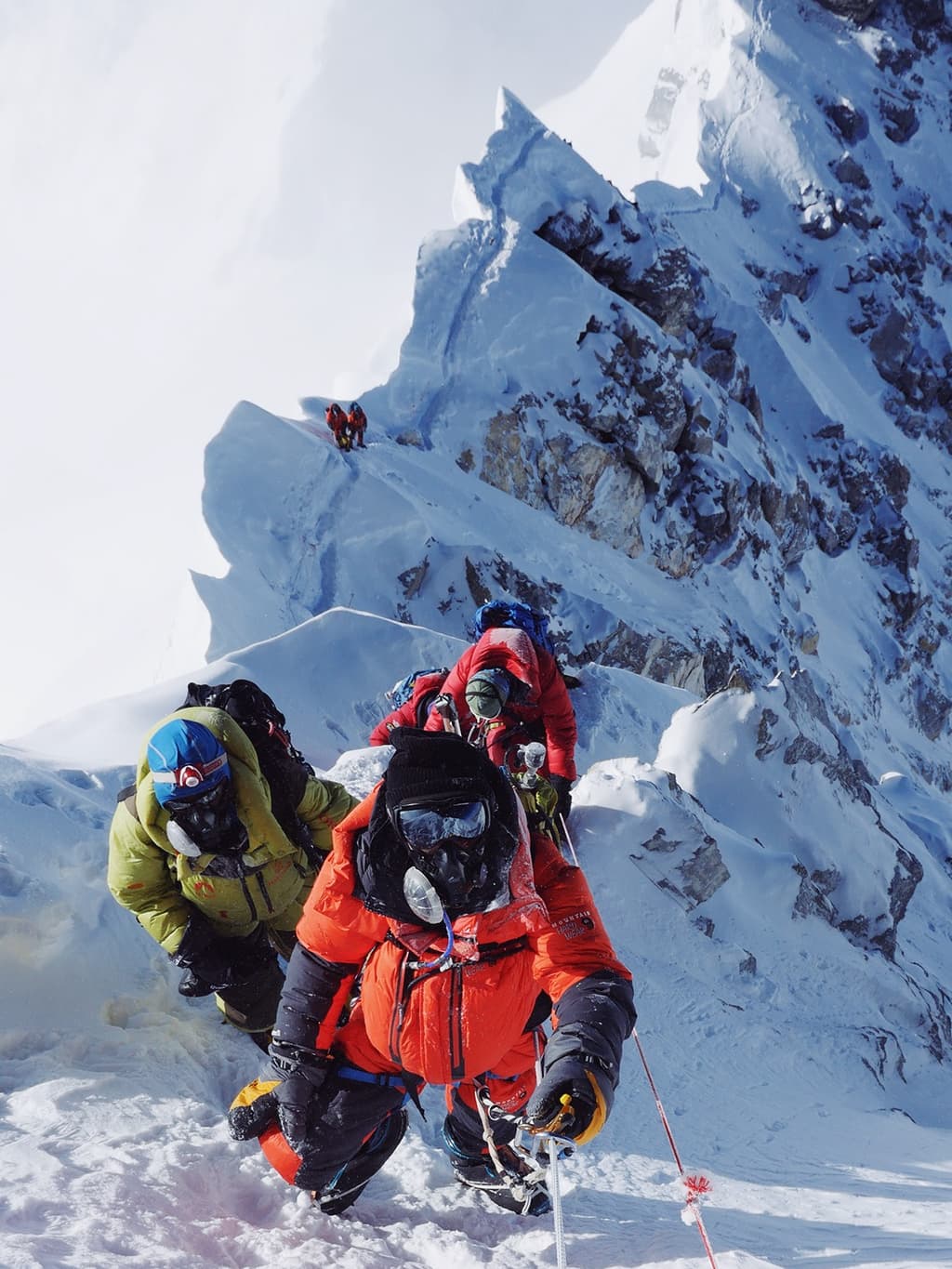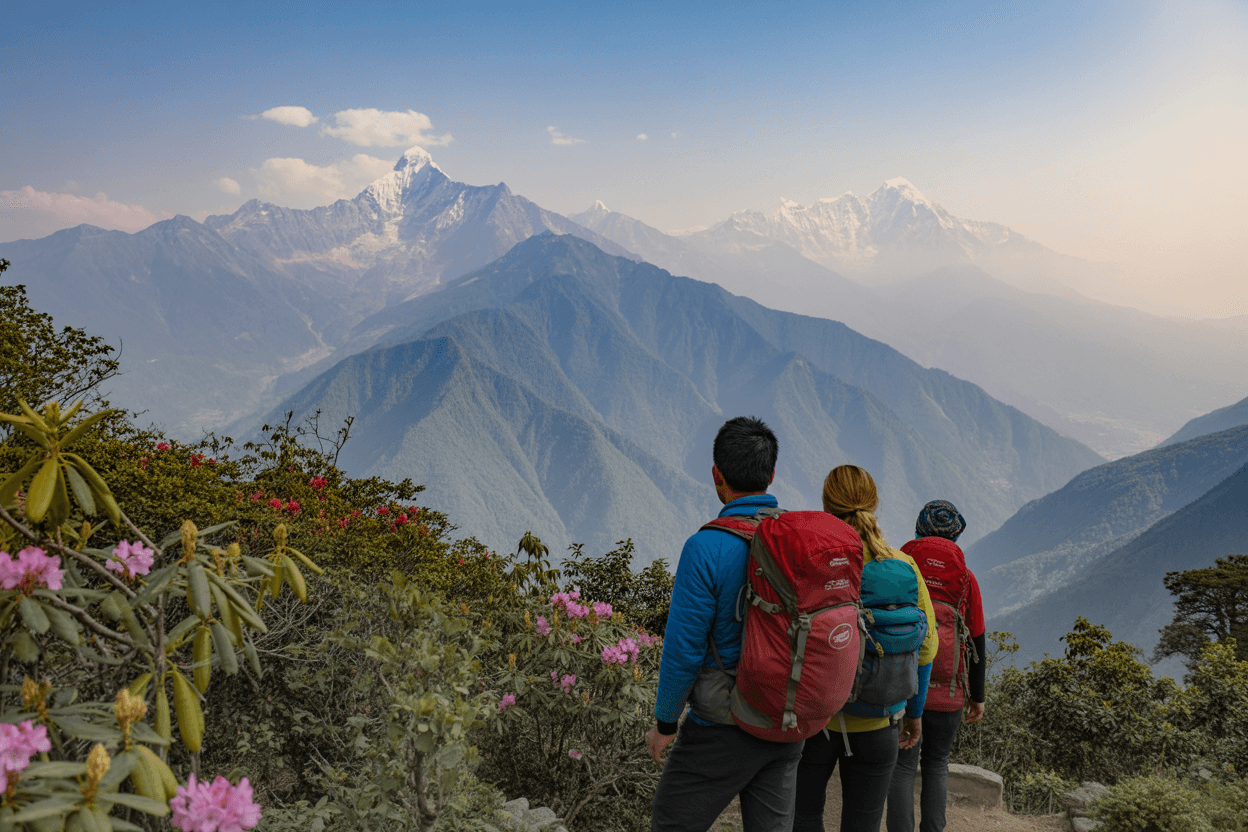
Spring brings Nepal's most exciting adventure season, but unpredictable weather can make or break your trip. This guide helps trekkers, climbers, and outdoor enthusiasts plan successful spring adventures in the Himalayas.
You'll discover how Nepal's spring weather patterns shift from valley to peak, affecting everything from your gear choices to safety decisions. We'll cover the essential clothing and equipment you need for temperature swings and sudden storms. Plus, you'll learn which regions offer the best conditions for your specific adventure goals, from Everest Base Camp treks to Annapurna Circuit climbs.
Master Nepal's spring weather, and you'll unlock some of the world's most incredible mountain experiences.
Spring Weather Patterns and Climate Overview in Nepal
Temperature ranges across different elevations
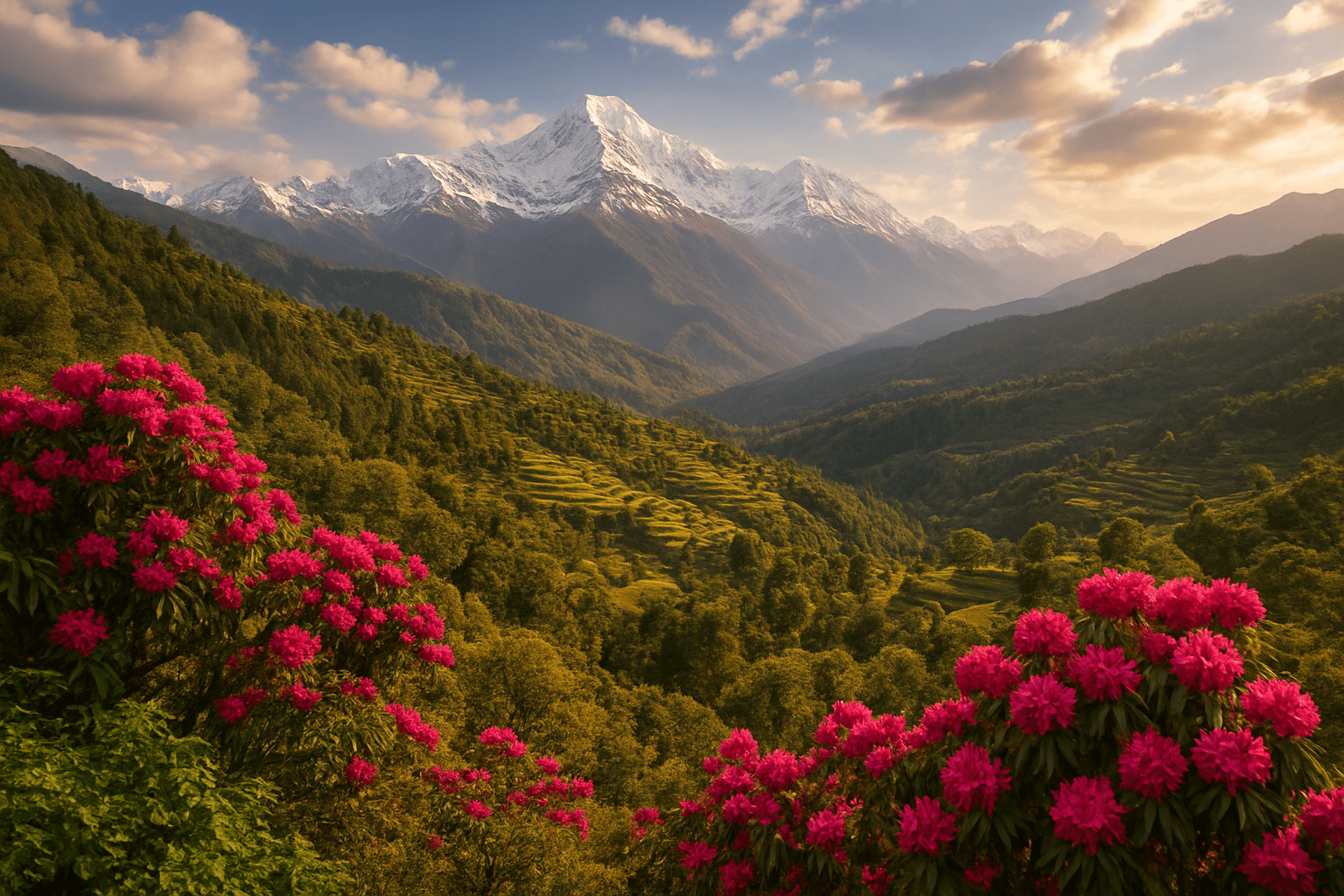
Nepal's spring temperatures create a fascinating tapestry that changes dramatically with elevation. In the lowland Terai region, March temperatures hover around 25-30°C (77-86°F), climbing to a toasty 35°C (95°F) by May. The subtropical valleys like Kathmandu and Pokhara enjoy milder conditions, with March starting at 20°C (68°F) and peaking at 28°C (82°F) in May.
The real adventure begins as you climb higher. Mid-hills, located around 1,000-2,000 meters, experience pleasant temperatures of 15-25°C (59-77°F) during the day, making them perfect for hiking and trekking. Above 3,000 meters, spring days remain crisp at 10-15°C (50-59°F), while nights can still drop below freezing.
High-altitude destinations like Everest Base Camp see dramatic temperature swings. Daytime temperatures might reach 10°C (50°F), but nighttime plunges to -10°C (14°F) are common. Above 5,000 meters, expect consistent sub-zero conditions even during spring.
Rainfall patterns and monsoon preparation
Spring serves as Nepal's dry season prelude, making it ideal for outdoor adventures. March typically sees minimal rainfall across most regions, with occasional light showers in the hills. April brings slightly more precipitation, particularly in the afternoons, as thermal heating creates localized thunderstorms.
May marks the transition period when pre-monsoon activity increases. Expect afternoon and evening thunderstorms, especially in the middle hills and Kathmandu Valley. These storms often bring heavy downpours but typically last only 1-2 hours.
The western regions generally stay drier longer than the eastern areas. Mustang and Upper Dolpo remain virtually precipitation-free through May, while eastern regions like Makalu and Kanchenjunga areas may experience earlier moisture buildup.
Smart adventurers use spring's predictable weather patterns to their advantage. Morning starts are usually clear and dry, making early departures essential for high-altitude treks. Afternoon weather becomes increasingly unpredictable as May progresses, so plan major crossings and exposed sections for early morning hours.
Regional weather variations from Terai to the Himalayas
Nepal's diverse geography creates distinct microclimates that significantly impact adventure planning. The southern Terai plains experience hot, humid conditions with occasional dust storms called "loo" winds. These areas become increasingly uncomfortable for outdoor activities as spring progresses, making early-season visits preferable.
The Siwaliks and Middle Hills enjoy Nepal's most pleasant spring weather. Regions like Gorkha, Lamjung, and Dhading offer excellent trekking conditions with clear mountain views and moderate temperatures. Morning fog occasionally blankets valleys, but usually burns off by mid-morning.
High Himalayas present unique challenges and opportunities. The Annapurna region benefits from stable weather patterns, while the Everest region experiences stronger winds and more variable conditions. Khumbu's afternoon clouds often obscure views, making dawn departures crucial for photography and navigation.
Rain shadow areas like Mustang, Manang, and Dolpo remain remarkably dry throughout spring. These regions offer reliable weather but extreme temperature variations between day and night. Wind patterns intensify as the season progresses, particularly in exposed valleys and high passes.
Best months for outdoor adventures
March emerges as the goldilocks month for most Himalayan adventures. Weather remains stable, temperatures are comfortable, and precipitation is minimal. Rhododendrons begin blooming in lower elevations, adding spectacular color to trek routes. High-altitude areas still require winter gear, but conditions are generally manageable.
April represents peak adventure season for most activities. Crystal-clear mountain views become common, temperatures reach optimal levels for multi-day treks, and accommodation availability is excellent. This month offers the best balance between weather conditions and logistical convenience.
May brings challenges and opportunities. Lower elevation activities become hot and potentially uncomfortable, but high-altitude adventures reach their prime. The famous rhododendrons bloom at higher elevations, creating stunning forest displays. However, afternoon weather becomes less predictable, requiring flexible itinerary planning.
For specific activities, March-April suits most trekking routes, while May excels for high-altitude mountaineering and technical climbs. Rock climbing and adventure sports work best in March-early April before heat and humidity increase. River rafting benefits from stable water levels and pleasant temperatures throughout the spring season.
Essential Gear and Clothing for Spring Adventures
Layering Strategies for Changing Conditions
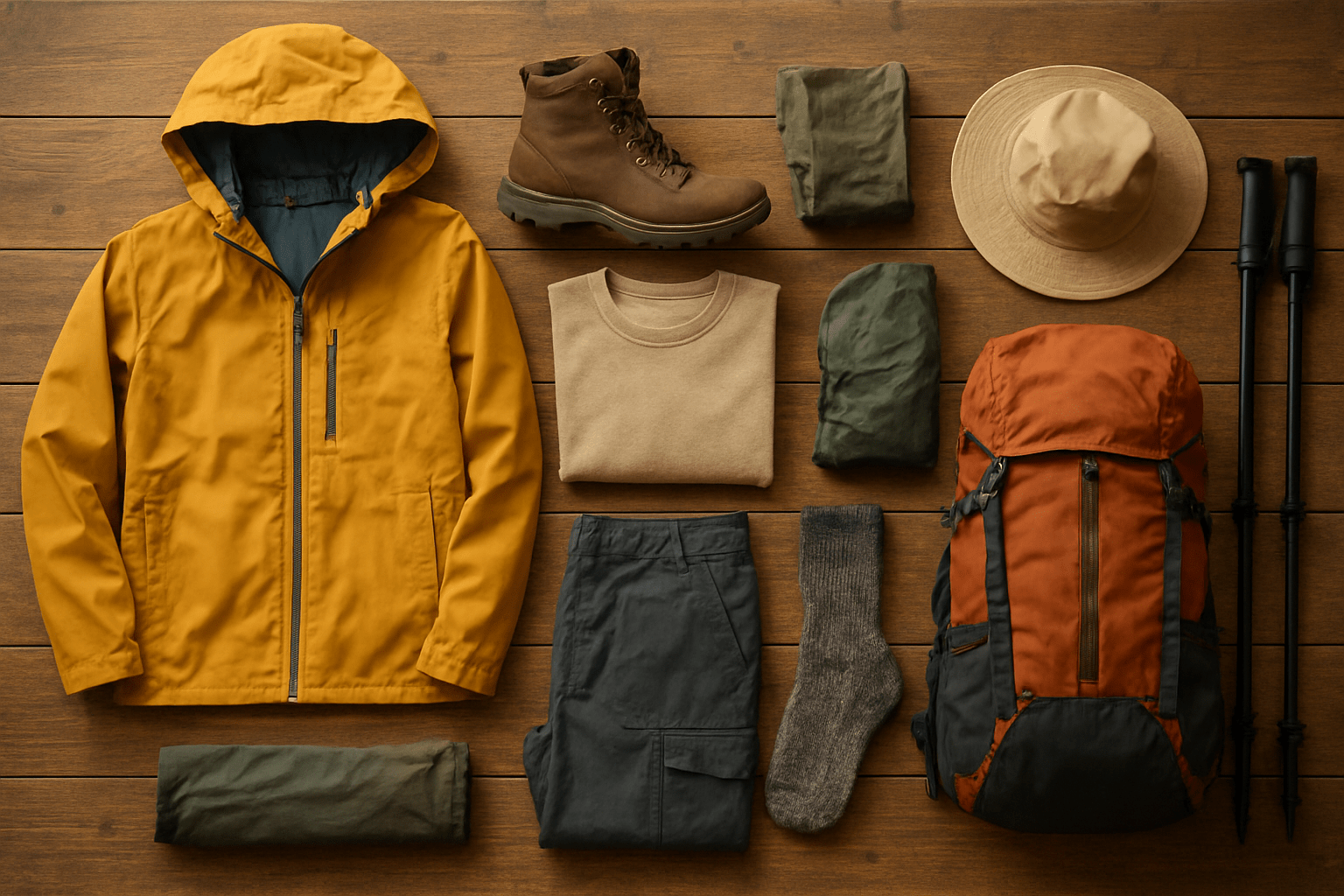
Spring weather in Nepal can shift dramatically within hours, making a solid layering system your best friend on any adventure. The key is building a flexible clothing system that adapts as temperatures climb from chilly mornings to warm afternoons, then drop again as evening approaches.
Start with a moisture-wicking base layer made from merino wool or synthetic materials. This foundation keeps sweat away from your skin and provides warmth even when damp. Avoid cotton at all costs - it holds moisture and loses insulation properties when wet.
Your middle layer should provide insulation while remaining easy to add to or remove from. Fleece jackets, down vests, or synthetic insulated jackets work perfectly. Choose pieces with full zippers for quick adjustments. A lightweight fleece is ideal for moderate activity levels, while a down vest gives core warmth without restricting arm movement during technical activities.
The outer shell protects against wind and precipitation. Look for a lightweight, breathable jacket that packs small but offers reliable weather protection. Pit zips and ventilation panels help regulate temperature during intense activities.
Don't forget your extremities - pack lightweight gloves, a warm hat, and a sun hat. Temperature differences between sunny and shaded areas can be substantial in the mountains, especially during early spring when snow still covers higher elevations.
Waterproof Equipment for Unexpected Showers
Spring brings unpredictable precipitation patterns across Nepal's diverse terrain. Afternoon thunderstorms can develop rapidly, turning sunny skies into drenching downpours within minutes. Your gear protection strategy needs to account for these sudden weather changes.
Invest in a quality waterproof backpack cover or use a pack liner to protect essential items. Even water-resistant packs can fail during prolonged exposure to heavy rain. Dry bags in different sizes keep electronics, extra clothing, and important documents safe from moisture infiltration.
Waterproof-breathable rain gear strikes the perfect balance between protection and comfort. Look for jackets and pants with sealed seams and reliable zippers. Avoid cheap plastic rain gear - it creates a sauna effect and tears easily on rough terrain.
Your footwear choice depends on planned activities and terrain. Waterproof hiking boots work well for most trekking adventures, but consider gaiters for muddy trails or snow patches. Quick-dry pants and convertible zip-off legs give flexibility when conditions change rapidly.
Pack extra socks in waterproof storage - wet feet lead to blisters and discomfort. Merino wool socks retain warmth when damp and dry faster than synthetic alternatives. Bring more pairs than you think you'll need, especially for multi-day adventures.
Sun Protection Gear for High Altitude Exposure
Nepal's mountainous terrain amplifies UV radiation exposure significantly. Every 1,000 feet of elevation gain increases UV intensity by roughly 4%, making sun protection critical for adventures above 8,000 feet.
Sunglasses require serious consideration for high-altitude activities. Look for wraparound styles with side protection and lenses rated for glacier conditions (Category 4). Photochromic lenses adapt to changing light conditions but may not darken sufficiently at extreme altitudes. Carry backup sunglasses - losing eye protection at altitude creates dangerous situations.
Sunscreen application becomes non-negotiable above treeline. Use broad-spectrum SPF 30 or higher, applying generously to all exposed skin, including often-forgotten areas like ear tips, neck backs, and under the chin, where snow reflects UV rays upward. Lip balm with SPF prevents painful cracking and burning.
Wide-brimmed hats or caps with neck protection shield your face and neck from direct and reflected radiation. Lightweight, breathable fabrics with UPF ratings offer all-day comfort. Buff-style neck gaiters serve double duty as wind protection and sun shields.
Consider UV-protective clothing for extended exposure. Long-sleeved shirts and pants with built-in sun protection eliminate the need for constant sunscreen reapplication on covered areas. Light-colored, loose-fitting garments reflect heat while providing coverage.
Top Adventure Activities During Spring Season
Trekking Routes with Optimal Spring Conditions
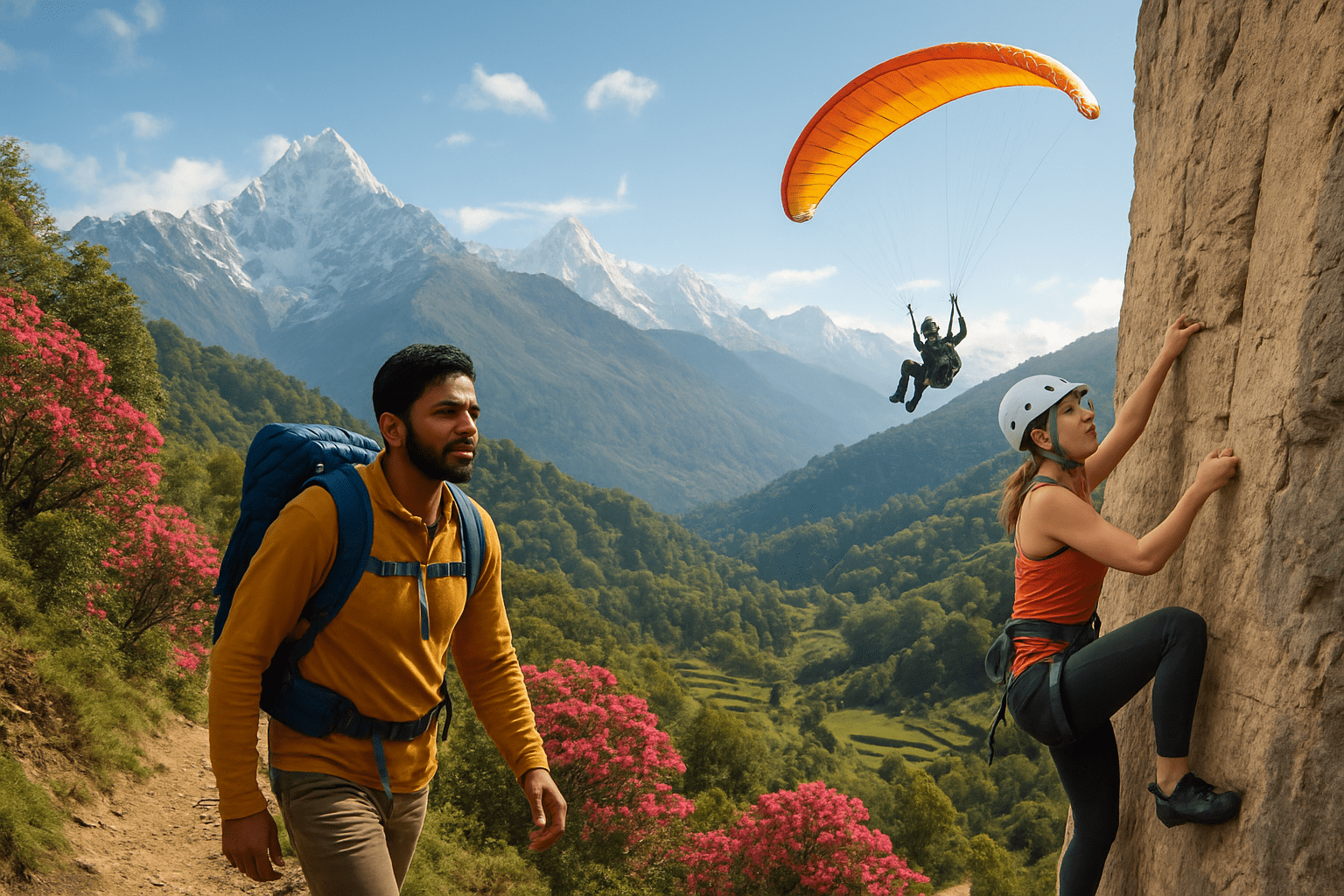
Spring delivers perfect hiking weather across Nepal's mountain regions. The Everest Base Camp trek becomes incredibly rewarding from March through May, with clear mountain views and comfortable temperatures. Rhododendrons bloom spectacularly along the trail, creating a natural flower tunnel that transforms the entire landscape into a vibrant display of reds, pinks, and whites.
The Annapurna Circuit benefits from stable weather patterns during the spring months. Daily temperatures range from 15-20°C in lower elevations, making hiking comfortable without the harsh cold of winter or monsoon rains. Night temperatures drop to around 5-10°C at higher altitudes, requiring warm sleeping gear but remaining manageable for most trekkers.
Manaslu Circuit offers fewer crowds during spring while maintaining excellent weather conditions. The trek provides stunning mountain panoramas without the peak season congestion found on more popular routes. Langtang Valley emerges from winter hibernation with blooming wildflowers and active wildlife, making it an ideal spring destination.
Weather windows remain consistent throughout spring, with morning clarity giving way to afternoon clouds around 2-3 PM. This pattern allows early morning starts for the best mountain photography and comfortable hiking before clouds roll in. Rain typically occurs as brief afternoon showers rather than prolonged downpours, making gear planning straightforward.
Peak Climbing Opportunities and Weather Windows
The spring climbing season opens excellent opportunities for technical peaks across Nepal. Island Peak climbing conditions improve dramatically from April onwards, with consolidated snow and stable weather patterns. The pre-monsoon period provides the most reliable weather windows for summit attempts, typically lasting 3-5 days between storm systems.
Mera Peak becomes accessible during the spring months when winter storms subside. Climbing teams find better rope-fixing conditions and more predictable weather for summit pushes. The technical difficulty remains moderate, but spring conditions reduce avalanche risks and improve overall safety margins.
Weather windows for peak climbing typically occur every 7-10 days during spring. Meteorological patterns indicate that high-pressure systems are moving through the region, creating stable conditions that are perfect for summit attempts. Climbing teams monitor weather forecasts closely, planning rest days around predicted storm cycles.
| Peak | Best Climbing Months | Success Rate | Weather Window Duration |
| Island Peak | April-May | 85-90% | 3-5 days |
| Mera Peak | March-May | 80-85% | 4-6 days |
| Lobuche East | April-May | 75-80% | 3-4 days |
Expedition planning becomes more straightforward during the spring due to predictable weather patterns. Teams can schedule summit pushes with greater confidence, reducing the need for extended waiting periods at base camps.
Wildlife Viewing in National Parks
Chitwan National Park experiences its peak wildlife season during the spring months. Animals become more active as temperatures warm, and vegetation growth provides excellent grazing opportunities. Rhinos venture into open grasslands more frequently, offering spectacular viewing opportunities for visitors.
Bird migration reaches its peak during March and April. Over 200 bird species become active in Chitwan, including rare species like the Bengal florican and lesser adjutant stork. Early morning game drives provide the best wildlife spotting opportunities when animals are most active.
Bardia National Park offers exceptional tiger viewing during spring. The park's tiger population becomes more visible as they seek water sources and establish territories. Elephant safaris work particularly well during this season, as the animals tolerate the comfortable temperatures and increased activity levels.
Spring weather creates ideal conditions for jungle safaris. Comfortable temperatures allow for longer excursions without the extreme heat of summer or the cold of winter. Visibility improves as foliage becomes less dense, making wildlife spotting easier for guides and visitors alike.
Cultural Festivals Coinciding with Spring Weather
Holi festival celebrations explode across Nepal during March, coinciding with perfect outdoor weather. The festival of colors takes advantage of warm spring days, allowing communities to gather in public spaces for traditional celebrations. Visitors can participate in authentic cultural experiences while enjoying comfortable temperatures.
Chaitra Dashain occurs during the spring months, providing unique cultural immersion opportunities. Unlike the main Dashain festival in autumn, spring celebrations remain more localized and intimate. Travelers can experience traditional ceremonies in smaller communities without the commercial aspects of major festivals.
Buddha Jayanti celebrations in May align perfectly with spring trekking seasons. Lumbini becomes particularly active during this period, with pilgrims from across Asia visiting the birthplace of Buddha. The pleasant weather makes outdoor ceremonies and meditation sessions comfortable for participants.
Local harvest festivals throughout the hill regions celebrate spring crops and renewed agricultural cycles. These community gatherings offer authentic cultural exchanges, traditional music, and local cuisine experiences. Spring weather allows outdoor celebrations to continue well into the evening, creating memorable cultural encounters for adventurous travelers.
Weather conditions during festival periods remain stable and predictable, allowing visitors to plan cultural experiences alongside outdoor adventures. The combination of perfect weather and active cultural celebrations makes spring an ideal time for a comprehensive Nepal exploration.
Regional Adventure Destinations and Weather Considerations
Everest region spring conditions and timing
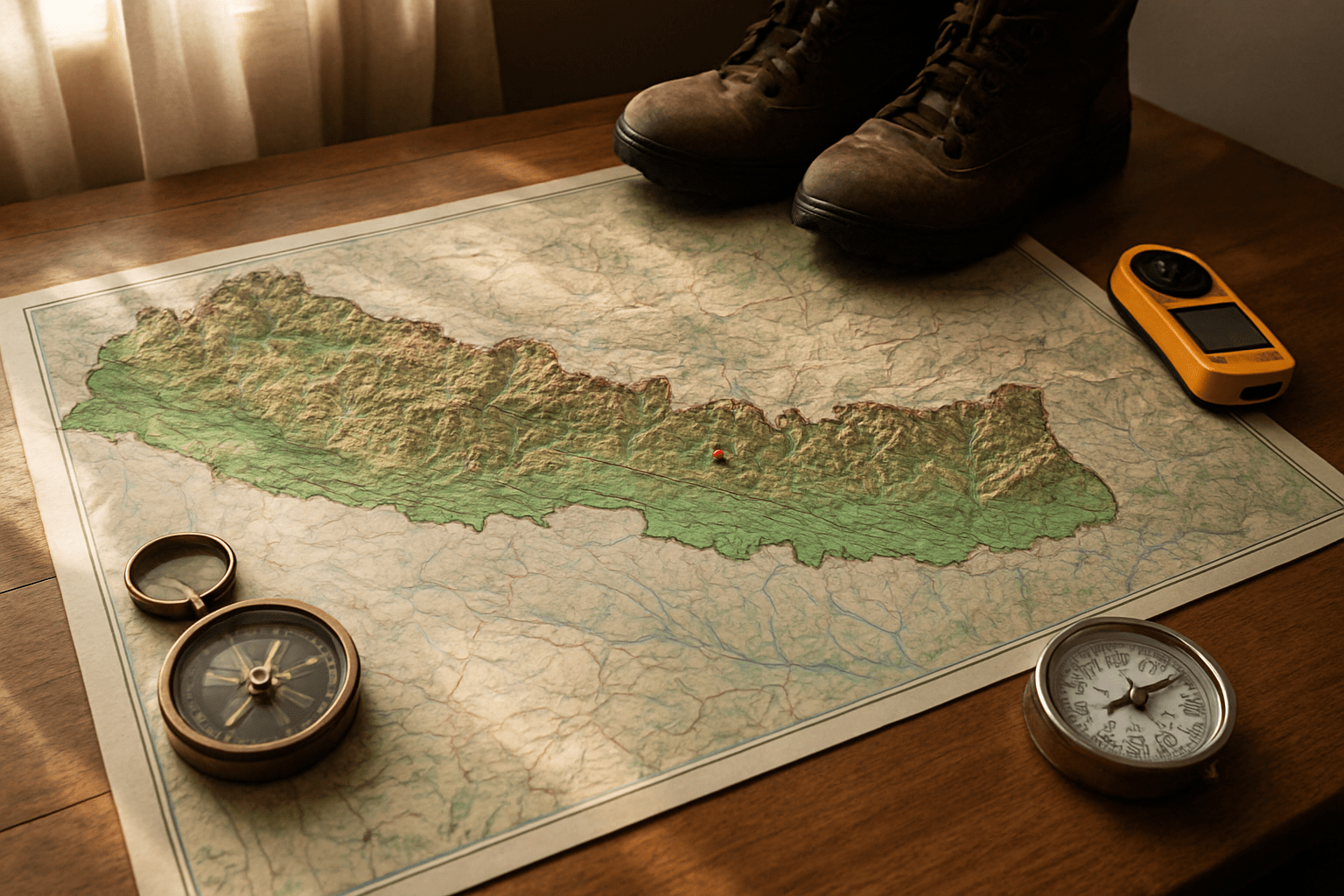
The Everest region transforms into an adventurer's paradise during spring, with March through May offering the most stable weather conditions of the year. Pre-monsoon temperatures create comfortable trekking conditions, with daytime temperatures ranging from 15-20°C at lower elevations and dropping to -5 to -15°C at Everest Base Camp.
Optimal timing for different activities:
| Activity | Best Months | Weather Advantages |
| EBC Trek | March-May | Clear mountain views, stable conditions |
| Island Peak | April-May | Consolidated snow, minimal precipitation |
| Helicopter Tours | March-April | Exceptional visibility, calm winds |
March brings longer daylight hours and crystal-clear mountain visibility, perfect for photography enthusiasts. April marks the peak season with the most predictable weather patterns and blooming rhododendrons adding color to the landscape. May offers warmer temperatures but increased afternoon cloud buildup.
Altitude considerations become critical above 4,000 meters, where temperatures can plummet rapidly. Night temperatures at Gorak Shep routinely drop below freezing, even during spring's warmest periods. Weather windows for summit attempts typically last 3-5 days during stable high-pressure systems.
Annapurna Circuit weather advantages
Spring weather in the Annapurna region provides distinct advantages over other seasons, particularly for completing the full circuit trek. The monsoon-shadow effect on the northern slopes creates dramatically different microclimates, with Manang and areas beyond Thorong La Pass receiving minimal precipitation.
Weather benefits by elevation zones:
- Lower elevations (800-2,500m): Warm days perfect for acclimatization walks, with temperatures reaching 20-25°C
- Mid-elevations (2,500-4,000m): Ideal trekking conditions with mild days and cool nights
- High passes (4,000m+): Snow-free conditions and reduced avalanche risk
The famous Thorong La Pass (5,416m) becomes accessible without technical climbing equipment during the spring months. Morning crossings offer the best conditions, with winds typically calm before 11 AM. Afternoon weather deterioration above 4,500 meters can create whiteout conditions and dangerous visibility.
Pokhara's spring climate provides perfect rest days between trekking segments, with clear lake views and consistent temperatures. The region's diverse ecosystems showcase dramatic seasonal changes, from subtropical forests to alpine environments within a single trek.
Langtang Valley spring accessibility
Langtang Valley emerges from winter's grip earlier than higher elevation regions, making it accessible from late February onward. The valley's unique east-west orientation creates a natural wind tunnel effect that clears snow rapidly and maintains relatively stable weather patterns throughout spring.
Spring accessibility factors include:
- Road conditions: Syabrubesi access road is typically clear by early March
- Trail conditions: Main valley trail snow-free by mid-March
- River crossings: Spring snowmelt creates higher water levels, but bridges remain safe
- Lodge operations: Most teahouses reopen by March 15th
The valley's elevation profile (1,500-4,500m) allows for comfortable acclimatization without extreme altitude exposure. The Gosaikunda lakes area requires extra caution during April-May due to rapid snow melting and potential rockfall from freeze-thaw cycles.
Weather patterns show morning clarity giving way to afternoon cloud buildup, typical of pre-monsoon conditions. The valley's protected status means trail maintenance remains excellent, with weather-related obstacles quickly cleared. Spring brings spectacular rhododendron blooms along the lower elevations, creating some of Nepal's most photogenic trekking conditions.
Temperature variations between the valley floor and high camps can exceed 20°C daily, requiring versatile clothing systems for comfortable trekking.
Safety Precautions and Weather-Related Risks
Altitude Sickness Prevention in Warming Temperatures
Spring's warmer weather can create a false sense of security when ascending to higher altitudes. The pleasant temperatures at lower elevations often mask the reality that altitude sickness remains just as dangerous. Your body still needs time to acclimatize, regardless of whether it's sunny and 70°F or cold.
Watch for early warning signs: headaches, nausea, dizziness, and unusual fatigue. These symptoms can sneak up on you when you're distracted by beautiful spring weather and longer daylight hours. The "climb high, sleep low" rule becomes especially important during spring treks when the temptation to push higher due to good weather conditions is strong.
Stay hydrated more aggressively than you think necessary. Spring's dry air and increased activity levels deplete your body's water reserves faster. Dehydration amplifies altitude sickness symptoms and slows acclimatization. Carry electrolyte supplements and drink small amounts frequently rather than chugging large quantities.
Plan rest days into your itinerary, even when weather conditions seem perfect for continuous climbing. Your body's adaptation process doesn't speed up just because the sun is shining. If symptoms worsen or include confusion, loss of coordination, or severe breathing difficulties, descend immediately regardless of weather conditions or planned schedules.
River Crossing Safety During Snowmelt Season
Spring snowmelt transforms Nepal's rivers into unpredictable torrents. Water levels fluctuate dramatically throughout the day, with rivers running highest during late afternoon and evening when mountain snow melts rapidly. What appears as a gentle stream in the morning can become a raging torrent by sunset.
Never attempt river crossings during peak melt hours unless necessary. Plan your route to cross rivers early in the morning when water levels are typically at their lowest. Scout crossing points carefully - look for wide, shallow areas where the current appears slower. Avoid narrow channels where water moves faster and deeper.
Use proper crossing techniques: unbuckle your backpack's waist belt so you can ditch it quickly if needed. Face upstream while crossing and use trekking poles or a sturdy stick for balance. Cross diagonally downstream rather than fighting directly across the current. If traveling in a group, the strongest person should cross first while anchored by a rope.
Pack emergency river crossing gear, including rope, carabiners, and waterproof bags for electronics. Know the locations of bridges along your route and always choose bridge crossings over fording when available, even if it means extra hiking time.
Avalanche Awareness in Transitional Weather
Spring weather patterns create complex avalanche conditions that can catch experienced mountaineers off guard. Temperature fluctuations between day and night create unstable snow layers. Warm afternoons followed by cold nights form ice crusts that can become slip surfaces for new snow accumulation.
Learn to read avalanche terrain and current conditions. Slopes between 30-45 degrees pose the highest risk, especially those facing north, where snow remains unstable longer. Recent snowfall combined with wind creates dangerous slab conditions. Temperature rises above freezing destabilize existing snowpack through the formation of wet avalanches.
Carry avalanche safety equipment: beacon, probe, and shovel form the essential trio. More importantly, know how to use them properly. Practice beacon searches and rescue techniques before heading into avalanche terrain. These skills deteriorate quickly without regular practice.
Check local avalanche forecasts and conditions reports before departing. The Nepal Department of Hydrology and Meteorology provides avalanche bulletins during peak season. When in doubt, choose alternative routes that avoid questionable slopes. No summit or destination is worth risking lives over unstable snow conditions.
Emergency Planning for Sudden Weather Changes
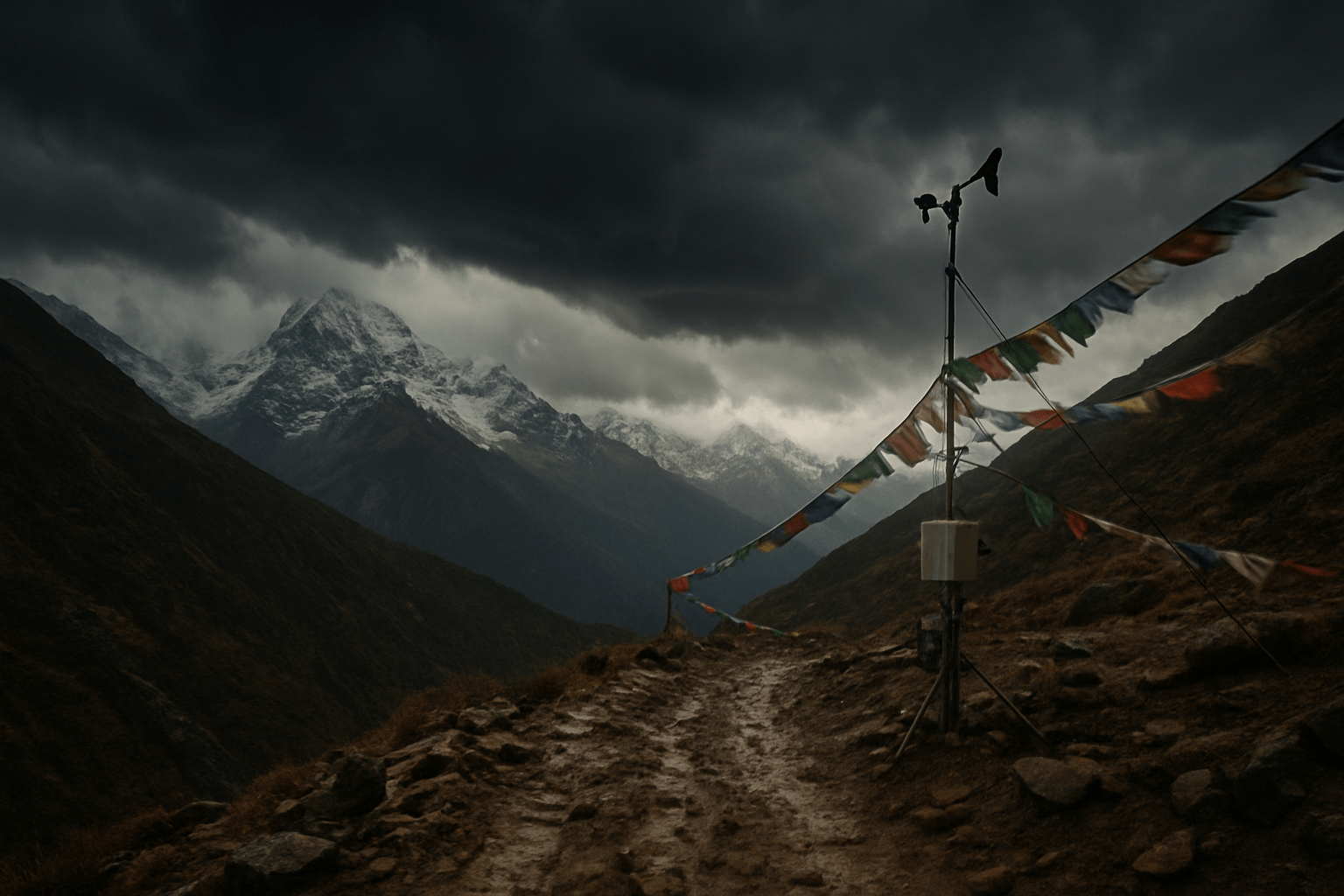
Spring weather in Nepal changes without warning. Clear morning skies can transform into violent thunderstorms by afternoon, while sudden temperature drops can create dangerous conditions for unprepared adventurers. Successful emergency planning assumes the weather will turn against you.
Create detailed emergency action plans before departing. Identify evacuation routes, emergency shelter locations, and communication protocols. Share your itinerary with reliable contacts and establish check-in schedules. Carry backup communication devices like satellite messengers or emergency beacons for areas without cell coverage.
Pack emergency shelter and extra clothing, even for day trips. Lightweight emergency bivies, extra insulation layers, and waterproof gear can save lives when the weather deteriorates rapidly. Carry high-energy emergency food that doesn't require cooking. Chemical hand warmers provide quick heat for hypothermia situations.
Monitor weather patterns throughout your adventure. Afternoon thunderstorms are common during spring - plan to be off exposed ridges and peaks by noon. Watch for cloud build-up over distant peaks that often signals approaching weather systems. When conditions deteriorate, turn around early rather than pushing through marginal conditions.
Establish clear decision-making protocols for your group. Designate who makes go/no-go decisions and stick to conservative choices when the weather becomes questionable. Most mountain accidents happen when groups ignore warning signs and continue into deteriorating conditions.
Conclusion
Spring in Nepal offers some of the most rewarding adventure opportunities you'll find anywhere in the world. The stable weather patterns, crystal-clear mountain views, and comfortable temperatures make it the perfect time to explore everything from the bustling trails of the Annapurna region to the remote valleys of Mustang. With the right gear and clothing, you can tackle challenging treks, experience thrilling outdoor activities, and witness the country's stunning natural beauty at its peak.
Planning your spring adventure comes down to understanding the regional differences and preparing for changing conditions. Pack layers for temperature variations, stay updated on weather forecasts, and always prioritize safety over ambition. The mountains will be there tomorrow, but the memories you create during Nepal's spectacular spring season will last a lifetime. Start planning your trip now and get ready for an adventure that will exceed every expectation.
If you need any further information, please contact us by email: [email protected], Phone: +977- 980 195 6248 (WhatsApp).