The Everest Base Camp trek challenges thousands of adventurers each year, but altitude sickness derails more dreams than any other factor. This guide is designed for aspiring EBC trekkers who want to reach base camp safely and enjoy every step of their Himalayan journey.
Poor EBC trek acclimatization turns what should be the adventure of a lifetime into a miserable struggle against headaches, nausea, and dangerous complications. Smart trekkers know that proper preparation and strategy make the difference between summit success and early evacuation.
You'll discover the essential pre-trek preparation steps that set you up for high-altitude success before you even board your flight to Nepal. We'll break down the proven acclimatization strategies that work on the EBC route, including exactly when and where to schedule rest days for maximum benefit. You'll also learn the nutrition and hydration tactics that keep your body performing at altitude, plus emergency response plans that could save your trek - or your life.
Understanding Altitude Sickness and Its Impact on EBC Trekkers
Recognizing Early Warning Signs of Acute Mountain Sickness
Your body starts sending distress signals when oxygen levels drop, and catching these early warnings can make the difference between a successful summit and a medical evacuation. The most common initial symptom is a persistent headache that doesn't respond well to regular painkillers. This isn't your typical tension headache – it often feels like a dull, throbbing pressure that worsens when you bend over or lie flat.
Nausea frequently accompanies altitude headaches, starting as mild queasiness and potentially progressing to vomiting. You may also experience unusual fatigue that exceeds normal trekking tiredness. Many trekkers describe feeling like they're walking through molasses, with simple tasks requiring extraordinary effort.
Sleep disruption is another red flag. You might find yourself waking up frequently, feeling breathless, or experiencing vivid dreams. Some trekkers report experiencing a phenomenon known as Cheyne-Stokes breathing, where their breathing becomes irregular during sleep.
Loss of appetite is common above 3,000 meters, but when combined with other symptoms, it becomes more concerning. Your usual enthusiasm for food might completely disappear, and even the thought of eating can trigger nausea.
Dizziness or lightheadedness, especially when standing up quickly, indicates your body is struggling with reduced oxygen availability. Pay attention to these subtle changes – they're your body's early warning system.
Distinguishing Between Mild Discomfort and Dangerous Symptoms
Drawing the line between expected altitude adjustment and serious medical emergency requires careful observation. Mild altitude sickness symptoms include light headaches, slight nausea, and moderate fatigue – these are manageable with rest, hydration, and gradual ascent.
However, certain symptoms demand immediate attention and potential descent. High Altitude Cerebral Edema (HACE) warning signs include severe coordination problems, confusion, aggressive behavior, and altered consciousness. The simple "heel-to-toe" walking test can reveal balance issues – if someone can't walk a straight line, they're showing early HACE symptoms.
High Altitude Pulmonary Edema (HAPE) presents with different but equally dangerous signs. Listen for crackling sounds in the chest, persistent coughing (especially with pink or frothy sputum), extreme shortness of breath even at rest, and blue lips or fingernails. These symptoms can develop rapidly and prove fatal without prompt descent.
| Mild Symptoms | Emergency Symptoms |
| Light headache | Severe confusion |
| Slight nausea | Loss of coordination |
| Moderate fatigue | Persistent wet cough |
| Mild sleep issues | Chest crackling sounds |
| Reduced appetite | Blue lips/fingernails |
Trust your instincts and those of your trekking partners. When someone's personality changes dramatically or they become unusually irritable or confused, these psychological symptoms often precede physical deterioration.
Understanding How Your Body Responds to Decreasing Oxygen Levels
At Everest Base Camp's 5,364 meters, available oxygen drops to roughly 50% of sea level amounts. Your body initiates several adaptive responses to cope with this challenge. Understanding these processes helps you work with your physiology rather than against it.
Your breathing rate increases automatically, sometimes doubling from your sea level pace. This hyperventilation helps capture more oxygen but can also lead to dehydration and alkalosis (blood becoming too alkaline). You might notice yourself breathing heavily even during minimal exertion.
Your heart rate accelerates to pump blood more efficiently, potentially increasing by 20-30 beats per minute even at rest. This cardiovascular response can make you feel like your heart is racing, especially during the first few days at altitude.
Red blood cell production increases over time, but this process takes weeks to months. Your body also produces more of the hormone EPO (erythropoietin), which stimulates bone marrow to create additional oxygen-carrying capacity. This is why acclimatization requires patience – you're literally waiting for your blood to adapt.
Sleep patterns change dramatically due to periodic breathing. Your body alternates between periods of rapid breathing and brief pauses, which can wake you frequently. This isn't dangerous but can leave you feeling unrested.
Kidney function adjusts to help manage the body's pH balance, leading to increased urination. This response, combined with rapid breathing, accelerates fluid loss and increases dehydration risk. Your body's adaptation timeline varies individually, but most people need 3-7 days to adjust to each significant elevation gain.
Essential Pre-Trek Preparation for Optimal Acclimatization
Building Cardiovascular Endurance Through Strategic Training
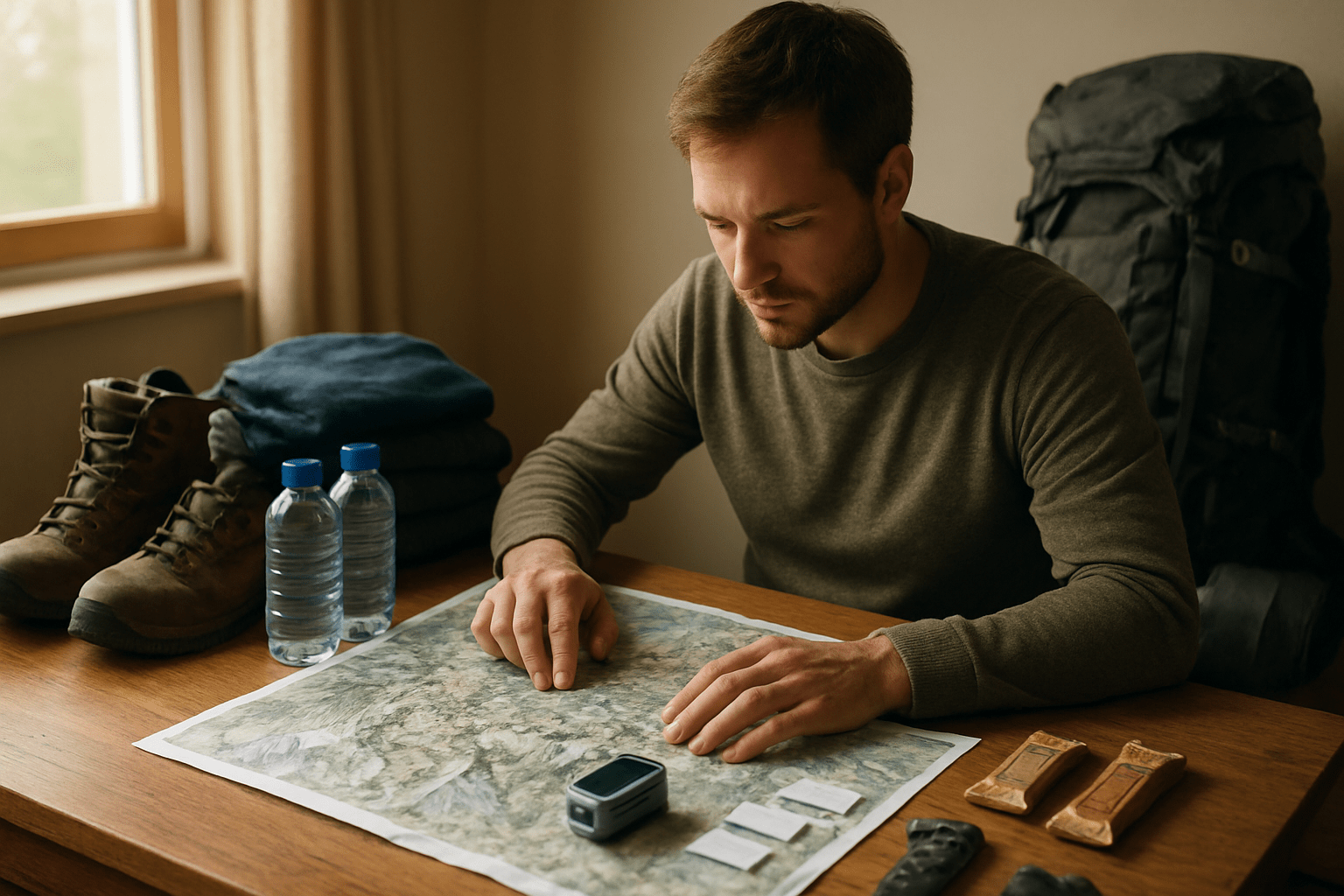
Your heart and lungs need serious preparation before tackling the EBC trail. Start your training program at least 12 weeks before departure, focusing on activities that mimic the demands you'll face in the mountains.
Running forms the foundation of your cardio training, but don't just stick to flat surfaces. Seek out hills and stairs to simulate the constant uphill grind you'll experience. Aim for 4-5 cardio sessions per week, gradually increasing intensity and duration. Mix in interval training twice weekly - alternating between high-intensity bursts and recovery periods builds the oxygen efficiency your body desperately needs at altitude.
Hiking with a weighted backpack becomes your secret weapon. Load your pack with 15-20% of your body weight and hit local trails. These conditions your legs while your cardiovascular system adapts to working harder under load. Swimming provides excellent cross-training, building lung capacity without joint stress.
Don't overlook stair climbing - it's the closest thing to mountain hiking you'll find in urban areas. Climb for 30-45 minutes at a steady pace, focusing on breathing rhythm. Your goal is to reach Namche Bazaar without gasping for air after every stone step.
Track your resting heart rate throughout training. As fitness improves, you'll notice it dropping - a clear sign your cardiovascular system is adapting and preparing for the oxygen-starved environment ahead.
Strengthening Your Mental Resilience for High-Altitude Challenges
Mental preparation often separates successful trekkers from those who turn back early. The EBC trail tests your psychological limits just as much as your physical ones. Cold mornings, exhaustion, and altitude effects can break down even the strongest personalities.
Visualization training builds mental toughness months before you leave home. Spend 10-15 minutes daily imagining yourself conquering difficult sections of the trek. Picture yourself pushing through fatigue, navigating challenging weather conditions, and celebrating small victories along the way. This mental rehearsal creates neural pathways that help during actual challenging moments.
Practice discomfort tolerance in your daily life. Take cold showers, sleep without excessive heating, and embrace situations that push you outside your comfort zone. These experiences build the mental resilience you'll need when facing harsh mountain conditions.
Meditation and breathing exercises prove invaluable at altitude. Learn diaphragmatic breathing techniques now - they become lifesavers when oxygen levels drop. Apps like Headspace or Calm can guide you through daily practice sessions.
Set realistic expectations about the trek's difficulty. Read honest accounts from other trekkers, study the daily itinerary, and understand that some days will be genuinely tough. Mental preparation means accepting that struggle is part of the journey, not a sign of failure.
Choosing the Right Gear for Temperature and Weather Variations
The Everest region throws extreme weather variations at trekkers, from scorching valley heat to bone-chilling high-altitude winds. Smart gear selection makes the difference between comfort and misery.
Your layering system needs three distinct components: base layers for moisture management, insulating layers for warmth, and shell layers for weather protection. Merino wool base layers excel in the mountains - they regulate temperature naturally and resist odor even after days of wear.
Invest in quality insulation. Down jackets provide unmatched warmth-to-weight ratios for dry conditions, while synthetic insulation performs better in wet weather. Pack both a lightweight down vest for mild conditions and a heavy-duty parka for high-altitude camps.
Footwear deserves special attention. Waterproof hiking boots with aggressive tread patterns handle rocky terrain and stream crossings. Break them in thoroughly - your feet will thank you after day three. Pack multiple sock options: liner socks prevent blisters while wool hiking socks provide cushioning and warmth.
| Essential Gear | Key Features | Why It Matters |
| Base Layers | Moisture-wicking, odor-resistant | Prevents chilling from wet fabric |
| Insulation | Down or synthetic fill | Core warmth in sub-zero temperatures |
| Rain Gear | Waterproof, breathable | Protects from monsoon-like conditions |
| Sleeping Bag | Rated to -10°C minimum | Survival during frigid nights |
| Gloves | Liner + insulated options | Prevents frostbite on fingers |
Don't forget accessories that seem minor but prove critical: sunglasses with side protection, a buff or neck gaiter, and a warm hat that fits under your helmet. Quality gear costs more upfront, but prevents dangerous situations when the weather turns nasty.
Planning Your Nutrition Strategy for Energy and Recovery
Food becomes fuel and medicine at altitude. Your body burns significantly more calories in the mountains while simultaneously struggling to digest complex foods. Smart nutrition planning starts weeks before departure.
Begin carb-loading strategies during training. Your muscles need glycogen stores for the constant uphill battle ahead. Focus on complex carbohydrates like oats, quinoa, and sweet potatoes rather than simple sugars that cause energy crashes.
Pack high-calorie, easily digestible snacks for the trail. Energy bars, nuts, dried fruit, and chocolate provide quick fuel during long hiking days. Avoid foods high in fat or fiber that require extra energy to digest when your body is already stressed.
Electrolyte balance becomes critical as you sweat more and breathe harder. Pack electrolyte powder or tablets - they're lighter than sports drinks and mix easily with water. Dehydration compounds altitude sickness symptoms, making proper hydration non-negotiable.
Consider appetite changes at altitude. Many trekkers lose their desire to eat just when their bodies need fuel most. Pack familiar comfort foods that appeal even when you're not feeling well. Instant noodles, crackers, and simple soups often go down easier than complex meals.
Plan for increased caloric needs - expect to burn 4,000-6,000 calories daily during active trekking days. Your body also needs extra protein for muscle recovery after long days on rocky terrain. Trail mix, protein bars, and jerky provide portable options that won't spoil in mountain conditions.
Mastering the Golden Rules of High-Altitude Acclimatization
Following the Climb High, Sleep Low Principle
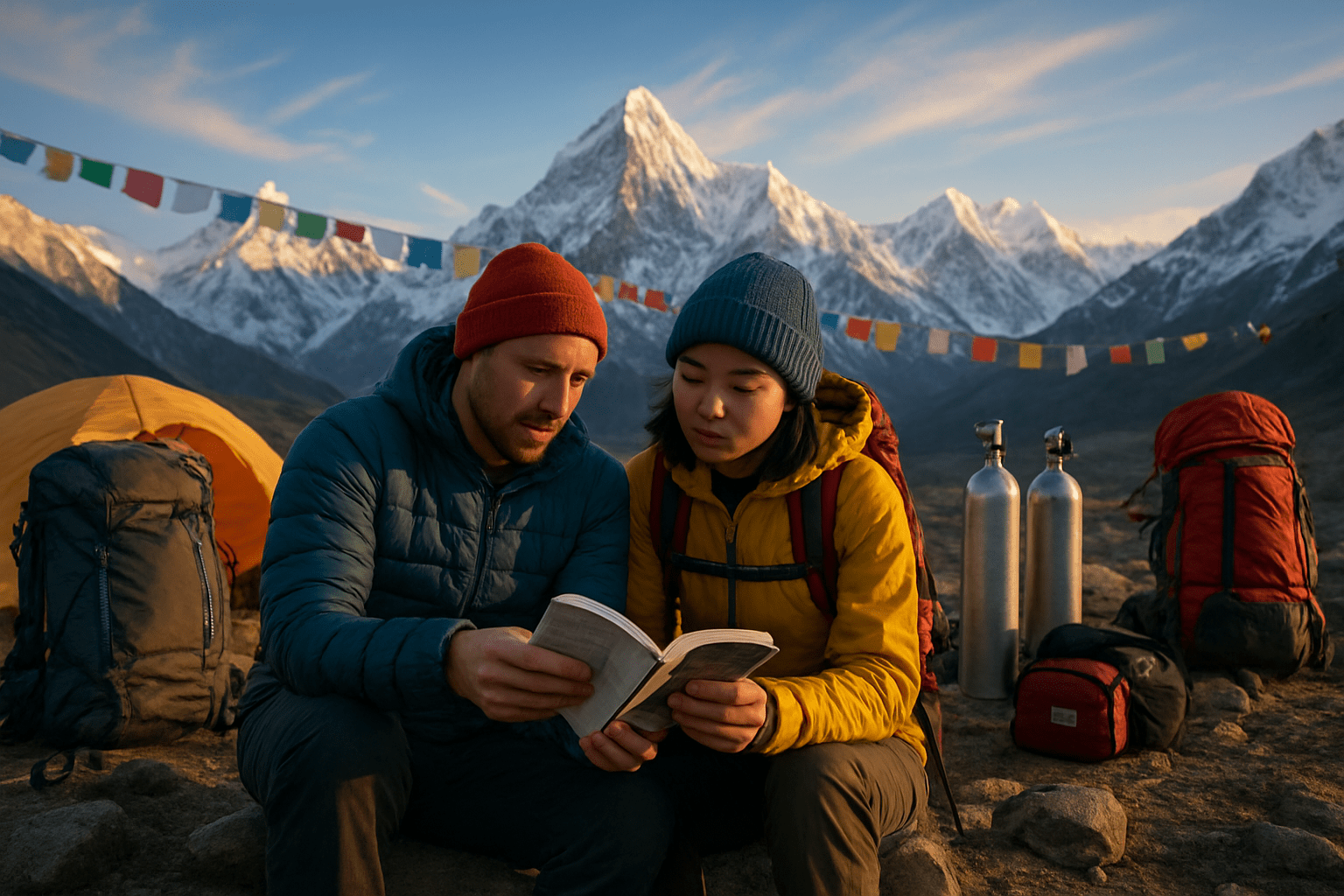
The "climb high, sleep low" approach forms the backbone of successful acclimatization on the EBC trek. This strategy involves hiking to higher elevations during the day, then returning to sleep at a lower altitude. Your body gets exposed to reduced oxygen levels temporarily, triggering physiological adaptations without the prolonged stress of sleeping at extreme heights.
On the EBC route, this principle plays out perfectly at key locations. From Namche Bazaar, you can take day hikes to the Everest View Hotel at 3,880 meters, then return to sleep at 3,440 meters. Similarly, from Dingboche, climbers often ascend to Nagarjun Hill or Chukhung Ri for acclimatization before returning to their lodges.
The magic happens during those extra hours your body spends processing the altitude exposure. Your kidneys increase red blood cell production, your breathing patterns adjust, and your cardiovascular system adapts to work more efficiently. Sleeping at lower elevations gives your body the oxygen it needs for recovery while maintaining the altitude training benefits.
Plan these excursions as active rest days rather than grueling climbs. The goal isn't summit bagging – it's gradual adaptation. Keep these day hikes moderate in intensity, allowing your body to focus energy on acclimatization rather than recovering from exhaustion.
Maintaining Proper Hydration Without Overhydrating
Water balance becomes tricky at altitude, where dehydration accelerates but overhydration poses serious risks. Your body loses moisture rapidly through increased respiration and the dry mountain air. Most trekkers need 3-4 liters of fluid daily, but this varies based on individual factors like body weight, exertion level, and weather conditions.
Monitor your hydration through urine color – pale yellow indicates proper hydration, while dark yellow signals dehydration. Clear urine might suggest overhydration, which can dilute blood sodium levels and create dangerous conditions.
Electrolyte balance matters just as much as water volume. The combination of altitude, physical exertion, and increased fluid intake can flush essential minerals from your system. Pack oral rehydration salts or electrolyte tablets to maintain proper sodium, potassium, and magnesium levels.
Hydration Strategy Checklist:
- Start each day with 500ml of water before breakfast
- Sip consistently throughout the day rather than chugging large amounts
- Include warm beverages like herbal tea to combat the cold
- Avoid excessive caffeine and alcohol, which promote dehydration
- Replace electrolytes during longer hiking days
Watch for overhydration symptoms, including headaches, nausea, confusion, or swelling in hands and feet. These signs require immediate attention and fluid restriction under medical guidance.
Ascending at Safe Daily Elevation Gains
Above 3,000 meters, your daily elevation gain should rarely exceed 300-500 meters for sleeping altitude. This conservative approach gives your body time to produce additional red blood cells and adjust to decreasing oxygen pressure. Rapid ascents overwhelm these natural adaptation mechanisms.
The EBC standard itinerary follows this principle with strategic staging points. From Namche to Tengboche represents a 460-meter gain over one day, which sits at the upper limit of safe ascent rates. The route then incorporates rest days and shorter elevation gains to balance progress with safety.
Daily Elevation Gain Guidelines:
- 2,500-3,000m: Up to 600m per day acceptable
- 3,000-4,000m: Maximum 500m per day
- Above 4,000m: Limit to 300m per day
- Include a rest day every 1,000m of elevation gain
Weather, trail conditions, and individual fitness levels may require adjusting these targets. Strong trekkers often feel tempted to push harder, but altitude doesn't discriminate based on fitness. Your cardiovascular system needs time, regardless of how many marathons you've completed.
Build flexibility into your itinerary for slower progress if needed. Extra days for acclimatization cost money but prevent potentially dangerous situations that could end your trek entirely.
Listening to Your Body's Warning Signals
Your body provides clear feedback about altitude tolerance if you know what to watch for. Mild headaches, slight nausea, and fatigue represent normal acclimatization responses. Severe symptoms or rapidly worsening conditions demand immediate attention.
Early warning signs include persistent headaches that don't respond to pain medication, loss of appetite lasting more than 24 hours, dizziness when standing, and unusual fatigue despite adequate rest. These symptoms suggest your ascent rate exceeds your body's adaptation capacity.
Red Flag Symptoms Requiring Descent:
- Severe headache with vomiting
- Confusion or altered mental state
- Loss of coordination or balance problems
- Difficulty breathing at rest
- Persistent cough with pink or bloody sputum
Altitude affects people differently each time they ascend. Previous successful climbs don't guarantee future performance. Age, illness, dehydration, and stress can change your altitude tolerance unpredictably.
Keep a daily symptom log rating headache intensity, appetite, sleep quality, and energy levels on a scale of 1-10. Patterns emerge that help distinguish normal adjustment from developing problems. Share this information with your guide and trekking partners who can provide objective observations about your condition.
The mountain will always be there, but pushing through serious altitude symptoms can have permanent consequences. Smart trekkers descend when their body sends clear distress signals, often returning successfully after proper acclimatization time.
Strategic Rest Days and Acclimatization Stops on the EBC Route
Maximizing Your Namche Bazaar Acclimatization Days
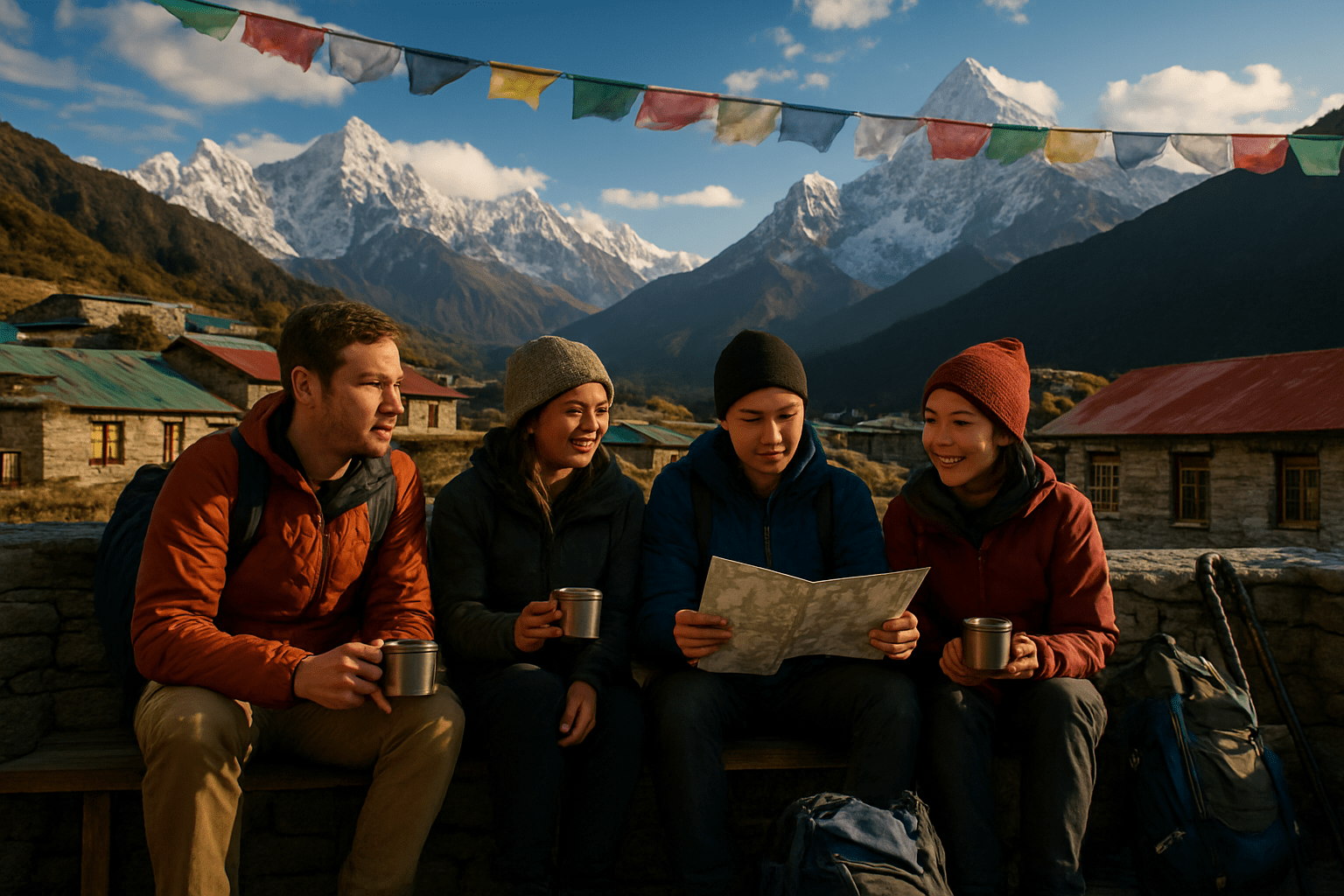
Your two mandatory nights in Namche Bazaar at 3,440 meters mark the beginning of serious acclimatization work. This colorful mountain town serves as your body's training ground for the higher altitudes ahead.
The classic "climb high, sleep low" principle works perfectly here. Start your first acclimatization day with a hike to the Everest View Hotel at 3,880 meters. The 90-minute uphill trek gets your heart pumping and exposes your body to thinner air. Spend 30-45 minutes at the hotel, enjoying tea while your body processes the altitude change, then return to Namche for the night.
Day two calls for the Khumjung Village loop at 3,790 meters. This gentle 4-hour circuit lets you visit the famous yeti scalp at the monastery while giving your body another altitude workout. Some trekkers add the nearby Kunde village, pushing to 3,840 meters.
Monitor your body's responses during these hikes. Mild headaches and slight breathlessness are normal, but severe symptoms mean you need more rest. Drink 4-5 liters of water daily and avoid alcohol completely. Your sleeping heart rate should stabilize below 100 beats per minute by the second night.
Use Namche's amenities wisely. The town's internet cafes and bakeries provide mental relaxation, while the weekly Saturday market offers cultural immersion. This psychological break from trekking stress actually helps your physical acclimatization process.
Making the Most of Your Dingboche Rest Period
Dingboche at 4,410 meters represents your highest sleeping altitude before the final push to base camp. Your rest day here plays a critical role in preparing your body for the oxygen-depleted zones ahead.
The Nagarjun Hill climb to 5,100 meters stands as the gold standard for Dingboche acclimatization. This steep 3-4 hour round trip pushes you above the 5,000-meter threshold, where your body learns to function with roughly 50% of sea-level oxygen. The panoramic views of Island Peak, Lhotse, and Ama Dablam reward your effort, but the real prize is physiological adaptation.
For trekkers feeling strong, the Chukhung Valley excursion offers alternative acclimatization at 4,730 meters. This gentler option works well if you experience significant altitude symptoms while climbing from Tengboche. The valley's glacial landscape and views of the south face of Lhotse provide spectacular photography opportunities.
Pay close attention to your appetite and sleep quality in Dingboche. Many trekkers lose their taste for food here, but maintaining caloric intake remains essential. Force yourself to eat carbohydrate-rich meals even when nothing appeals to you. Your body burns 300-500 extra calories daily just processing the altitude.
Sleep becomes increasingly challenging above 4,000 meters due to periodic breathing patterns. Accept that you'll wake frequently and feel less rested than normal. This disrupted sleep pattern affects everyone and doesn't indicate poor acclimatization.
Preparing Your Body at Lobuche for Final Summit Push
Lobuche at 4,940 meters serves as your final staging point before Everest Base Camp. Your single night here requires careful management to ensure your body handles the jump to 5,364 meters successfully.
Arrive early in Lobuche to maximize rest time before the base camp push. The trek from Dingboche typically takes 3-4 hours, leaving you with a full afternoon for recovery. Use this time for gentle movement rather than complete rest. A 30-minute walk around the settlement keeps blood flowing and prevents stiffness.
Your hydration strategy becomes critical at Lobuche. The dry mountain air and increased respiration rate accelerate fluid loss. Aim for clear or light yellow urine as your hydration benchmark. Dark urine signals dehydration, which amplifies altitude sickness symptoms.
Mental preparation matters as much as physical readiness at this altitude. The moonlike landscape and proximity to glacial debris can feel overwhelming. Some trekkers experience anxiety about the final push to base camp. These feelings are completely normal at nearly 5,000 meters, where your brain operates on limited oxygen.
Check your gear thoroughly in Lobuche. The weather can change rapidly above 5,000 meters, and you won't have another chance to organize equipment before base camp. Ensure your headlamp batteries work, your water bottles won't freeze, and your layers are easily accessible.
Sleep with your water bottles and camera batteries in your sleeping bag to prevent freezing. The temperature can drop to -15°C even during trekking season.
Nutrition and Hydration Strategies for High-Altitude Success
Consuming Adequate Calories to Fuel Your Body
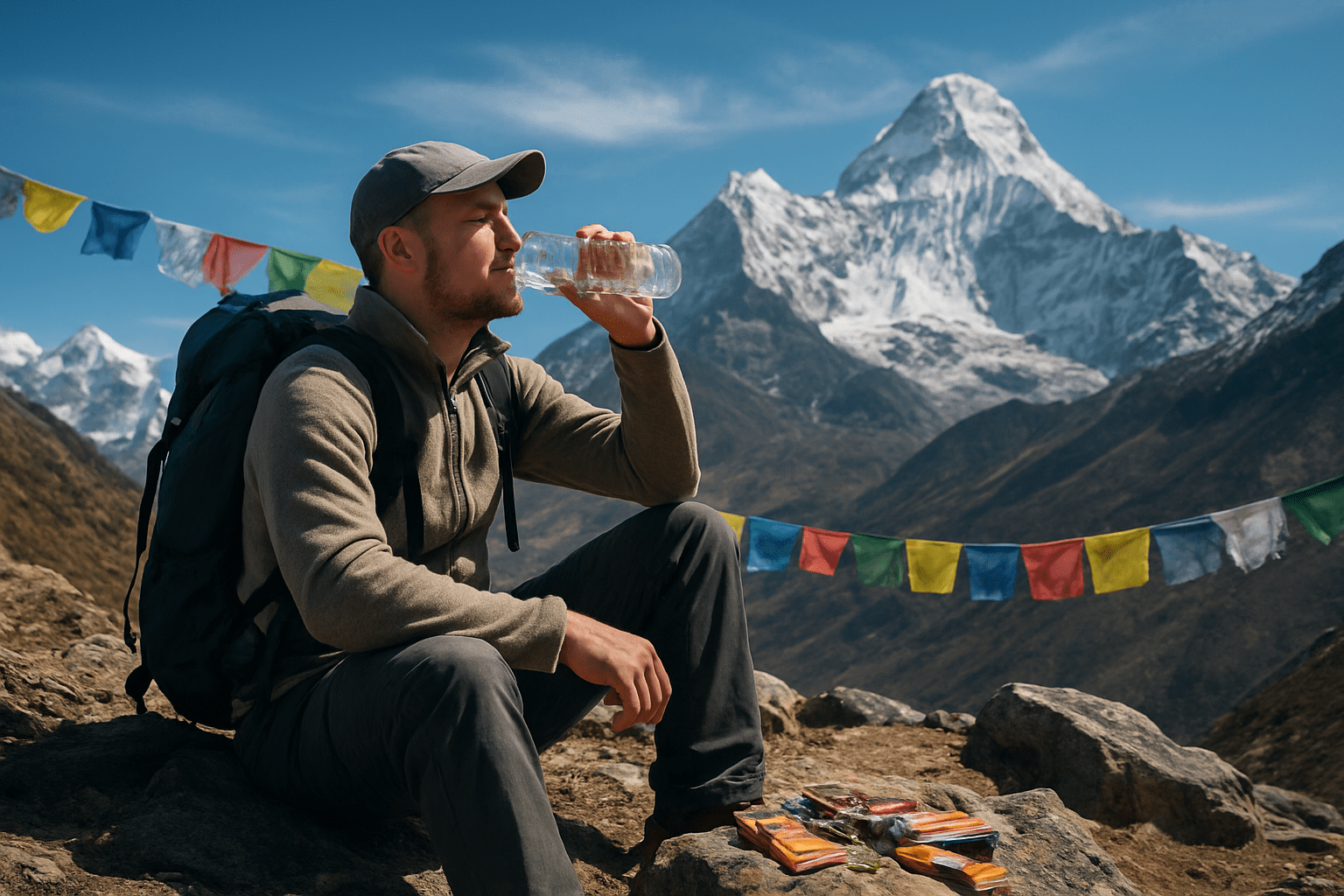
Your body burns significantly more calories at high altitude, often 300-500 extra calories per day compared to sea level activity. The combination of increased metabolic demands, cold temperatures, and physical exertion creates a perfect storm for energy depletion. Most trekkers underestimate their caloric needs and end up feeling weak, irritable, and more susceptible to altitude sickness.
Pack high-calorie, nutrient-dense foods that don't require complex preparation. Energy bars, nuts, dried fruits, and chocolate provide quick fuel when you need it most. Don't rely solely on dal bhat at teahouses – while nutritious, it may not provide enough calories for your increased demands. Supplement with your own high-energy snacks throughout the day.
Listen to your hunger cues, even if they seem excessive. Your appetite might actually increase at altitude as your body signals its need for more fuel. Eating small, frequent meals works better than three large ones, helping maintain steady energy levels and reducing digestive stress.
Balancing Electrolytes in Low-Humidity Conditions
The Everest region's dry air strips moisture from your body faster than you realize. Every breath removes water vapor, and the low-humidity environment accelerates dehydration through your skin. This constant fluid loss depletes essential electrolytes – sodium, potassium, and magnesium – that keep your muscles functioning properly.
Standard water isn't enough. Add electrolyte tablets, powder, or natural options like a pinch of salt to your water bottles. Coconut water powder works exceptionally well, providing natural potassium and sodium without artificial additives. Sports drinks can help, but avoid overly sugary options that might upset your stomach.
Watch for early signs of electrolyte imbalance: muscle cramps, headaches, dizziness, or unusual fatigue. These symptoms often get mistaken for altitude sickness when they're actually preventable hydration issues. Maintaining proper electrolyte balance supports better sleep, reduces headaches, and helps your body adapt more efficiently to altitude changes.
Avoiding Alcohol and Limiting Caffeine Intake
Alcohol becomes your enemy at altitude. It accelerates dehydration, disrupts sleep patterns, and can mask early altitude sickness symptoms. Even small amounts that wouldn't affect you at sea level can leave you feeling terrible above 3,000 meters. The celebration beer at Namche Bazaar might seem tempting, but save it for your return to lower elevations.
Caffeine presents a more nuanced challenge. While moderate amounts can help with headaches and provide energy, excessive caffeine worsens dehydration and can interfere with crucial sleep. Limit yourself to one or two cups of tea or coffee daily, and avoid energy drinks entirely. The diuretic effect of caffeine compounds the already challenging hydration requirements at altitude.
Replace your usual alcohol and excessive caffeine with herbal teas, especially ginger tea for digestion and chamomile for better sleep. These alternatives provide comfort and warmth without the negative effects on acclimatization.
Incorporating High-Energy Foods for Sustained Performance
Strategic food choices make the difference between struggling up each incline and maintaining steady energy throughout long trekking days. Complex carbohydrates provide sustained energy release – oatmeal for breakfast, whole grain bread, and rice dishes work well. Pair these with healthy fats from nuts, seeds, or avocado when available.
Protein becomes increasingly important for muscle recovery and maintaining strength. Eggs, lentils, and nuts provide excellent protein sources that travel well. Many trekkers overlook protein needs, focusing only on quick energy, but adequate protein intake helps prevent muscle breakdown during long days of hiking.
Create an eating schedule that includes snacks every 2-3 hours. Trail mix, energy balls made with dates and nuts, or simple peanut butter sandwiches keep your energy steady. Avoid waiting until you feel hungry – at altitude, hunger often signals you're already running low on fuel. The key is maintaining consistent energy input to match your body's increased demands in the challenging mountain environment.
Emergency Response Plans for Altitude-Related Complications
Recognizing When Immediate Descent Is Necessary
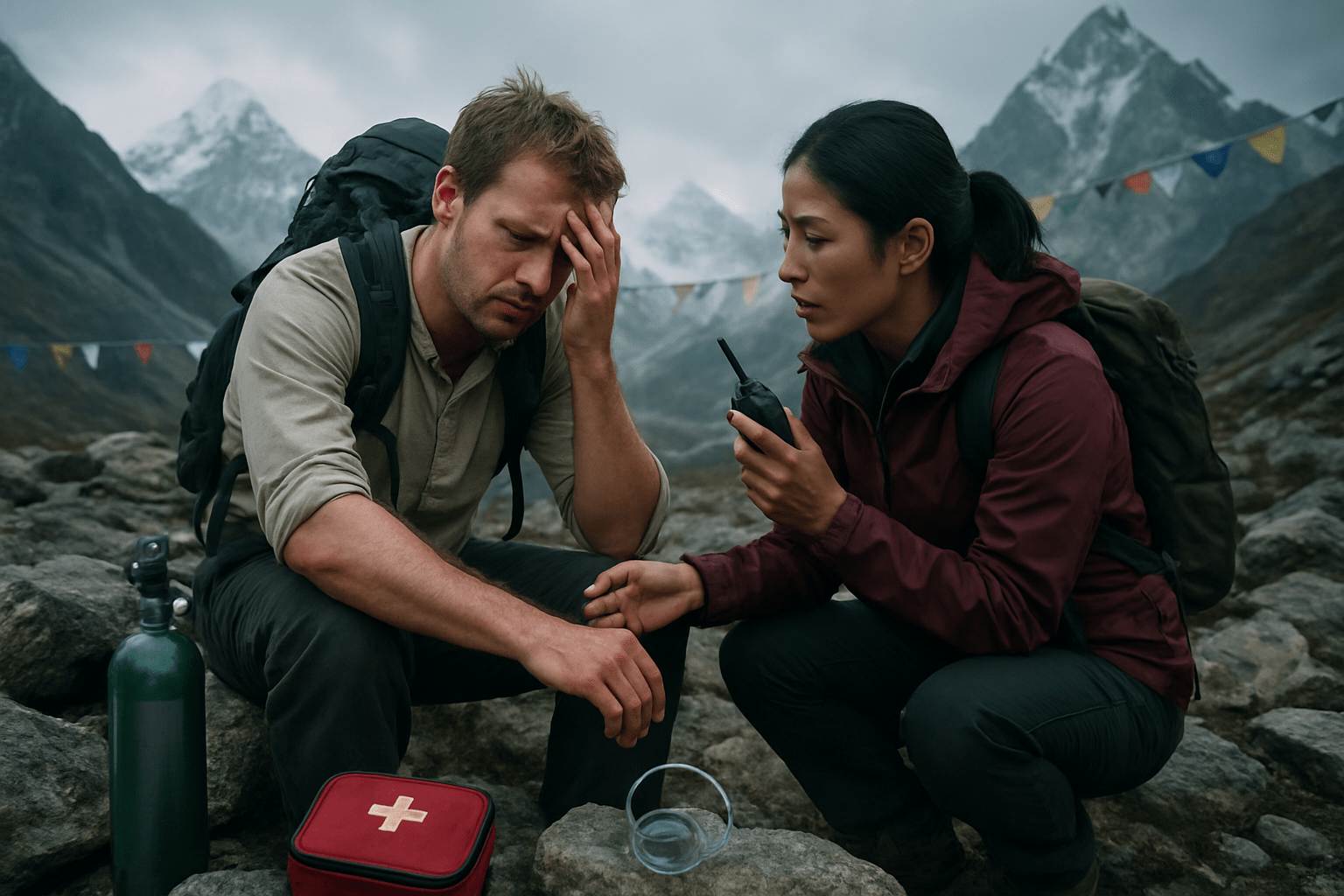
The most critical altitude-related emergency skill every EBC trekker needs is knowing when to abandon the trek and descend immediately. Severe altitude sickness can escalate rapidly from mild discomfort to life-threatening conditions within hours.
Watch for these red-flag symptoms that demand immediate descent:
- Severe headaches that don't respond to pain medication and worsen with time
- Persistent vomiting that prevents fluid intake and eating
- Loss of coordination (ataxia) - test by walking heel-to-toe in a straight line
- Confusion or altered mental state - difficulty making simple decisions or disorientation
- Difficulty breathing at rest or crackling sounds in the lungs
- Blue lips or fingernails indicate oxygen deprivation
High Altitude Cerebral Edema (HACE) and High Altitude Pulmonary Edema (HAPE) are medical emergencies. HACE symptoms include severe confusion, hallucinations, and loss of consciousness. HAPE presents with extreme fatigue, pink frothy sputum when coughing, and a rapid heart rate even at rest.
The "golden rule" remains simple: descent is the only definitive treatment for severe altitude sickness. Even a descent of 500-1000 meters can provide significant relief. Never allow social pressure or summit ambitions to override safety decisions. Group members showing these symptoms cannot continue ascending under any circumstances.
Accessing Medical Support Along the EBC Route
Medical resources along the EBC route vary dramatically by location and season. Understanding where to find help can save precious time during emergencies.
Namche Bazaar houses the most reliable medical facility - the Khunde Hospital operated by the Himalayan Rescue Association. This clinic offers oxygen, basic medications, and telemedicine consultations with doctors in Kathmandu. Staff can assess altitude sickness severity and provide treatment recommendations.
Pheriche features a seasonal rescue post (October-November and March-May) staffed by volunteer doctors. This facility specializes in altitude medicine and offers hyperbaric chamber treatment. The post provides free consultations and maintains radio contact with Kathmandu for complex cases.
Lobuche and Gorak Shep have limited medical resources. Some lodges carry basic oxygen supplies, but don't count on comprehensive care at these elevations.
Communication options include:
- Satellite phones (most reliable but expensive)
- Cell phone coverage in Namche, Tengboche, and parts of Dingboche
- Lodge landlines where available
- Emergency radio frequencies used by guides
Keep emergency contact numbers programmed in your phone:
- Himalayan Rescue Association: +977-1-4440292
- International SOS: varies by membership plan
- Your travel insurance emergency hotline
Using Portable Altitude Chambers and Oxygen Supplements
Portable hyperbaric chambers (like the Gamow bag) simulate descent by increasing air pressure around the patient. These inflatable chambers can provide relief equivalent to descending 1500-3000 meters.
Gamow Bag Operation:
- Inflation takes 2-4 minutes using a foot pump
- Patient stays inside for 1-6 hours, depending on symptoms
- One person must continuously pump to maintain pressure
- Provides temporary relief but doesn't replacethe actual descent
Several locations along the EBC route maintain Gamow bags:
- Pheriche rescue post
- Some lodges in Namche Bazaar
- Professional guide companies often carry them
Oxygen supplementation offers another treatment option. Bottled oxygen provides immediate symptom relief but has limitations:
- Heavy to transport at altitude
- Expensive (around $5-10 per liter)
- Temporary solution requiring eventual descent for severe cases
- Flow rates of 2-4 liters per minute are typically used
Oxygen availability:
- Namche Bazaar: Multiple suppliers
- Pheriche: Limited supplies at the rescue post
- Higher elevations: Rare and expensive
Personal oxygen concentrators exist but weigh 2-4 kg and require battery power, making them impractical for most trekkers.
Coordinating Helicopter Evacuation When Required
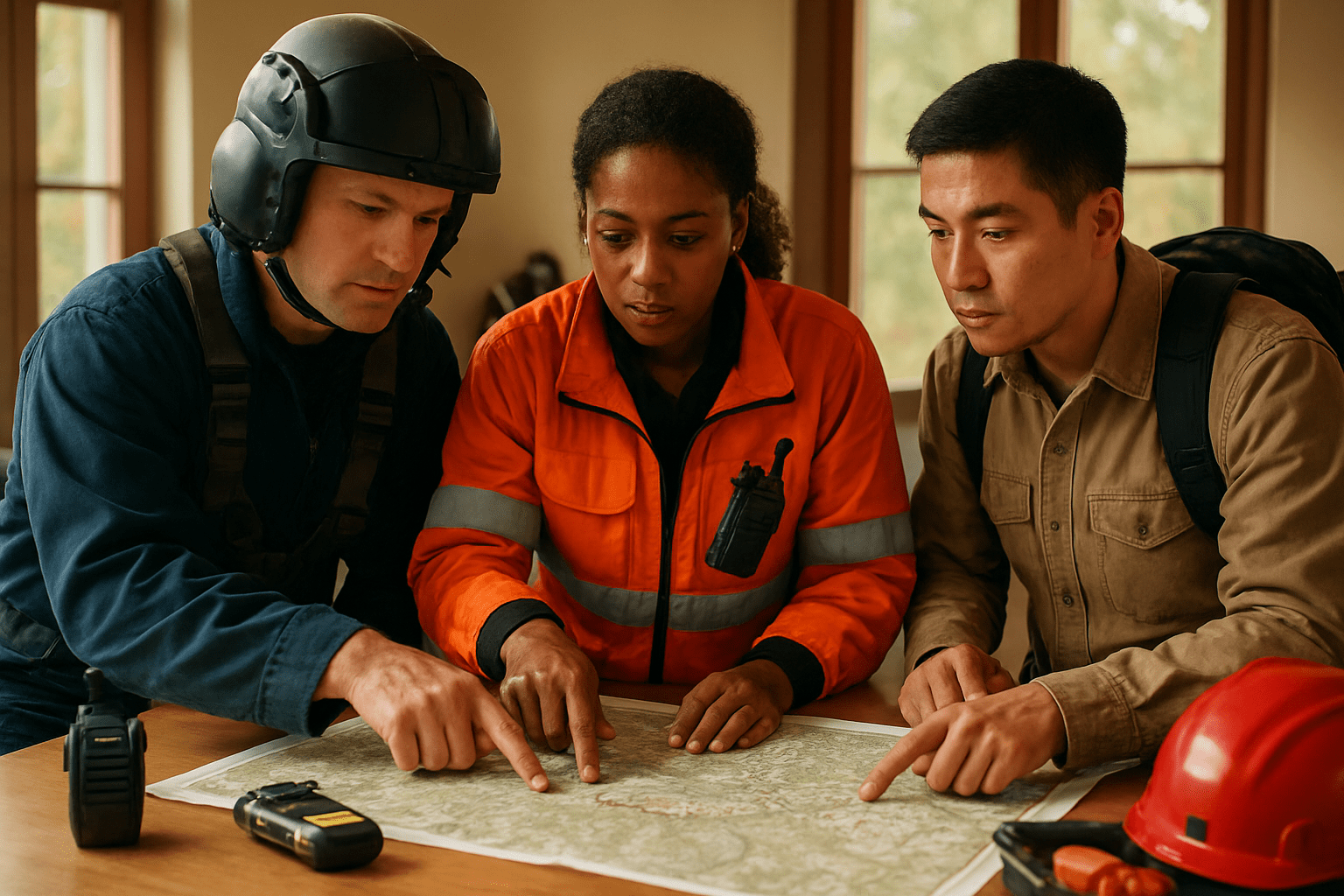
Helicopter evacuation represents the fastest descent option for severe altitude emergencies, but success depends on weather, altitude limits, and proper coordination.
Evacuation Triggers:
- HACE or HAPE symptoms
- Unconscious patient
- Inability to walk or descend independently
- Other serious medical emergencies (heart attack, severe injury)
Helicopter Limitations:
- Maximum operating altitude: 5500-6000 meters (weather dependent)
- Cannot fly in clouds, snow, or high winds
- Morning flights preferred due to afternoon weather changes
- Limited landing zones above Pheriche
Key Helicopter Landing Zones:
- Lukla Airport: Primary evacuation destination
- Namche Bazaar: Helipad available
- Pheriche: Designated landing area
- Lobuche: Emergency landing possible in good conditions
- Base Camp area: Extremely weather dependent
Coordination Process:
- Contact emergency services immediately via satellite phone
- Provide exact GPS coordinates of patient's location
- Describe the medical condition and urgency level
- Prepare the landing zone by clearing debris and securing loose items
- Have payment guarantees ready (insurance or cash deposit)
Cost Considerations:
- Lukla to Kathmandu: $3000-5000 USD
- Higher altitude rescues: $5000-15000 USD
- Insurance verification is required before dispatch
- Payment is often required upfront or guaranteed via credit card
Weather windows for helicopter operations are typically 6-10 AM before afternoon clouds develop. Delays of several days are common during monsoon or winter seasons.
Conclusion
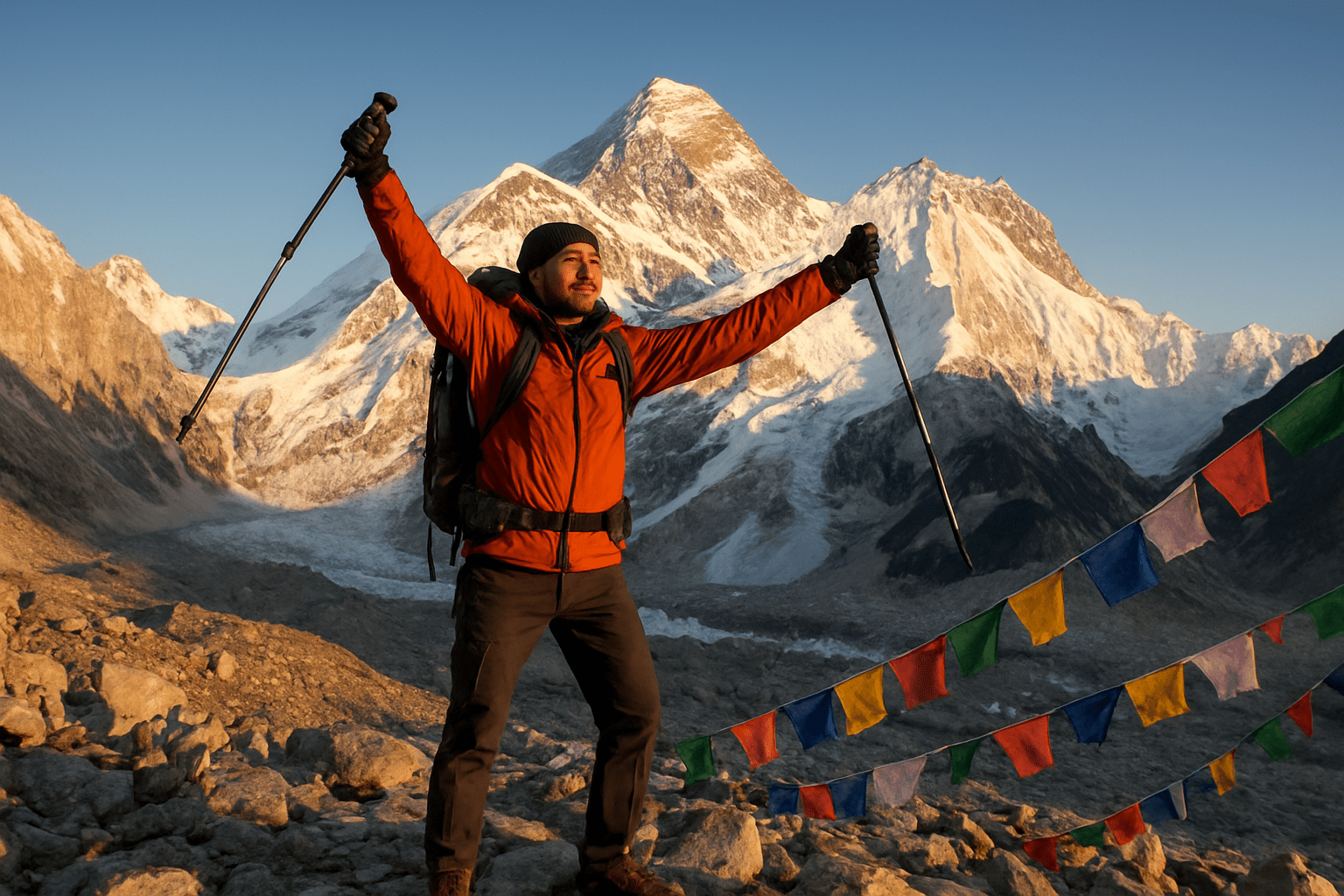
Your journey to Everest Base Camp depends heavily on how well you prepare for and manage altitude changes. The key takeaways are straightforward: understand what altitude sickness looks like, get your body ready before you leave home, and stick to proven acclimatization strategies like "climb high, sleep low." Don't skip those rest days in Namche Bazaar and Dingboche - they're not optional luxuries but essential stops that could make or break your trek.
Remember to pack your emergency action plan alongside your gear, stay hydrated even when you don't feel thirsty, and eat regularly even if your appetite disappears. Listen to your body above all else, and don't let summit fever cloud your judgment. The mountain will always be there, but your safety comes first. Start planning your pre-trek fitness routine now, book those extra acclimatization days, and give yourself the best shot at standing at the base of the world's tallest peak.
If you need any further information, please contact us by email: [email protected], Phone: +977- 980 195 6248 (WhatsApp).