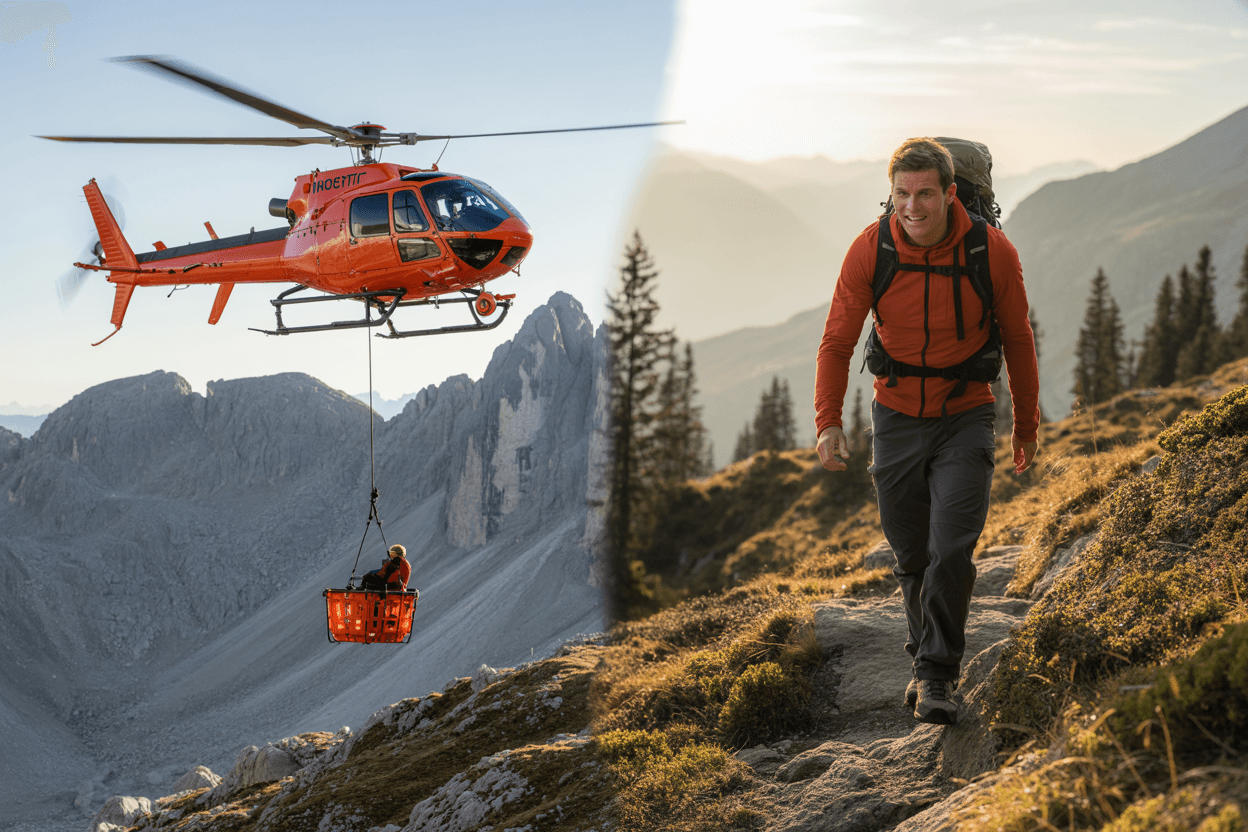
When disaster strikes, the choice between waiting for helicopter rescues or attempting self-evacuation can mean the difference between life and death. This guide is for hikers, outdoor enthusiasts, emergency responders, and anyone who might face evacuation decisions in remote locations or emergency situations.
Through real survivor accounts and expert analysis, we'll examine when helicopter rescues become the only viable option versus situations where self-evacuation succeeded despite dangerous conditions. You'll discover the critical factors that determine whether to stay put or attempt walking out on your own, plus the real financial and safety costs of each evacuation method. We'll also share expert insights on how to make these life-or-death decisions when every second counts.
When Helicopter Rescues Save Lives, Self-Evacuation Cannot
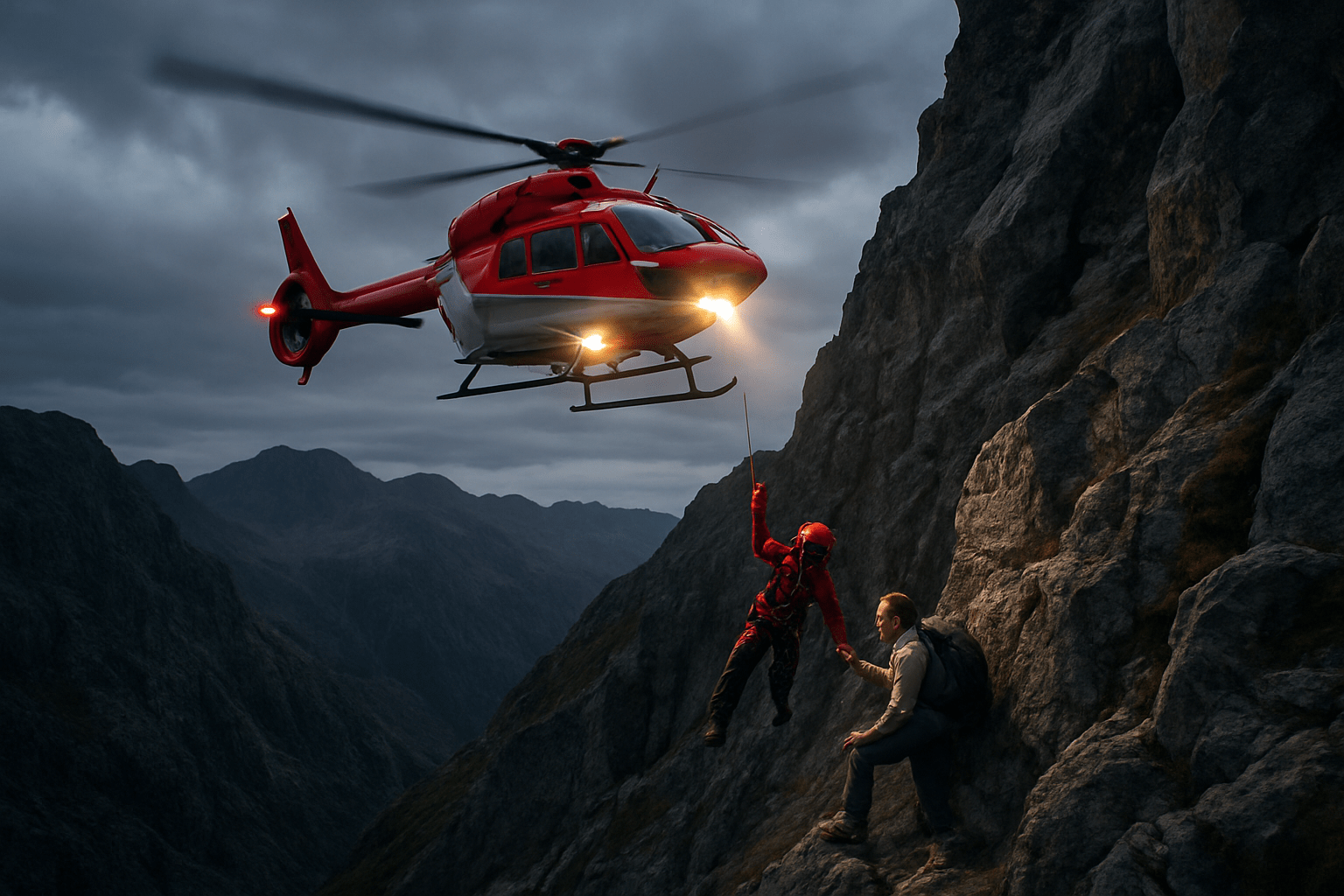
Mountain climbers trapped by sudden weather changes
Sarah Chen and her climbing partner Mark were 400 feet up El Capitan's Dawn Wall when the storm hit. What started as scattered clouds turned into a full-blown blizzard within minutes, coating the granite face with ice and making descent impossible. Their ropes froze solid, and hypothermia began setting in despite their winter gear.
The climbing team called for emergency rescue using their satellite communicator. Rangers attempted to reach them from above, but the storm made ground-based rescue too dangerous. A helicopter crew from Yosemite's rescue team managed to execute a precision long-line extraction during a brief weather window. The pilot held position against 50-mph winds while a rescue specialist rappelled down to extract both climbers.
"Self-evacuation wasn't even a consideration," Chen later explained. "The rock was covered in verglas, our gear was frozen, and we were already showing signs of severe hypothermia. Without that helicopter, we would have died on the wall."
Weather-related helicopter rescues account for nearly 35% of all mountain rescue operations. Sudden temperature drops, unexpected storms, and rapid weather changes create scenarios where climbers become completely immobilized. The combination of exposure, equipment failure, and dangerous conditions makes helicopter extraction the only viable option.
Hikers with severe injuries in remote locations
Deep in Utah's Buccaneer Trail, Jessica Martinez stepped wrong on loose sandstone and fell 15 feet into a hidden canyon. Her femur snapped on impact, and the compound fracture made any movement excruciating. Her hiking partner, Dave, faced a terrible reality: they were 8 miles from the nearest road, with no cell service and challenging terrain ahead.
Dave activated their personal locator beacon, and within four hours, a medical helicopter arrived at the crash site. The flight crew stabilized Martinez's leg and administered pain medication before airlifting her directly to a trauma center in Salt Lake City. The entire rescue took six hours from activation to hospital arrival.
"Carrying Jessica out would have taken at least 12 hours with a large ground crew," explained the rescue coordinator. "With a compound fracture, every hour increases infection risk and complications. The helicopter saved her leg and possibly her life."
Remote injury cases highlight the critical time factor in medical emergencies. Severe fractures, head injuries, heart attacks, and snake bites all require immediate medical intervention that ground evacuation simply cannot provide. The "golden hour" concept becomes even more crucial in wilderness settings.
Flood victims stranded on rooftops
Hurricane Harvey turned Houston streets into raging rivers within hours. The Patel family watched water rise past their second-story windows, forcing them onto their roof with their elderly grandmother and infant daughter. Ground rescue teams couldn't reach their neighborhood due to swift-moving floodwater and debris.
Coast Guard helicopters became the primary rescue method, plucking families from rooftops across the city. The Patels waited six hours before a helicopter crew could reach them. The rescue required careful coordination due to power lines and the elderly grandmother's mobility issues.
"Walking out wasn't an option," remembered Mr. Patel. "The current was so strong it was moving cars down the street. Our 78-year-old mother couldn't swim, and we had a six-month-old baby. The helicopter was our lifeline."
Flash flood scenarios create unique challenges where water levels change rapidly and escape routes disappear. Self-evacuation becomes impossible when currents exceed safe wading depths, typically around 18 inches for adults and much less for children and elderly individuals.
Avalanche survivors in inaccessible terrain
Professional snowboarder Jake Morrison was backcountry riding in British Columbia when a massive avalanche swept him 2,000 feet down a steep couloir. His avalanche transceiver helped his partners locate him, but he was buried under 6 feet of concrete-hard snow debris with a dislocated shoulder and possible internal injuries.
After his friends dug him out, they realized the avalanche had changed the entire landscape. Their original exit route was gone, buried under 20 feet of snow and debris. Steep terrain surrounded them on all sides, and Morrison couldn't use his injured arm for technical climbing or rappelling.
A helicopter equipped with mountain rescue specialists reached them using GPS coordinates from Morrison's emergency beacon. The crew performed a challenging extraction in unstable avalanche terrain, knowing that rotor wash could trigger secondary slides. They completed the rescue in deteriorating weather conditions.
Avalanche debris creates some of the most challenging rescue environments. The snow sets like concrete, terrain becomes unrecognizable, and traditional exit routes often disappear entirely. Injured survivors face impossible self-evacuation scenarios where helicopter rescue becomes the only viable option for survival.
Self-Evacuation Success Stories Against All Odds

Lost backpackers who found their way using survival skills
When three college students became disoriented during a routine day hike in Colorado's Sangre de Cristo Mountains, their basic wilderness training turned a potential tragedy into an inspiring survival story. After losing the trail in dense fog, they spent two days navigating by creek beds and using the sun's position to maintain a general eastward direction. Their decision to ration water, create ground signals for potential aircraft, and follow water sources downstream ultimately led them to a forest service road.
The key to their success lay in staying calm and applying fundamental navigation principles. They constructed makeshift shelters using pine branches, maintained body heat by staying together, and marked their path to avoid walking in circles. Rather than panic when their cell phones showed no signal, they focused on what they could control: finding water, creating visibility markers, and conserving energy.
Similarly, a father-son duo lost in Utah's Canyonlands National Park survived five days by rationing their limited supplies and following canyon drainage patterns. They created an SOS signal using rocks and used their hiking poles to test water depth before crossing streams. Their methodical approach to self-rescue, including leaving trail markers for search teams, demonstrated how basic wilderness knowledge can overcome life-threatening situations.
Injured solo adventurers who walked to safety
Mountain biker Sarah Chen's story exemplifies the power of determination over adversity. After crashing and dislocating her shoulder on a remote trail in Montana, she fashioned a sling from her spare shirt and walked 12 miles back to her vehicle. The pain was excruciating, but she knew helicopter evacuation would be both expensive and potentially dangerous given the approaching storm system.
Chen's success came from breaking her journey into manageable segments, resting frequently, and using trekking poles she found along the trail for stability. She consumed small amounts of water regularly and ate energy bars to maintain blood sugar levels. Most importantly, she stayed on marked trails despite taking longer routes, knowing that getting further lost would compound her problems.
Rock climber Jake Martinez faced a similar challenge after falling and fracturing his ankle in Joshua Tree National Park. Instead of activating his emergency beacon immediately, he spent an hour assessing his situation. The fracture was painful but stable, and the weather remained clear. Using his climbing rope as support and fashioning a walking stick from a dead Joshua tree branch, Martinez slowly made his way to the parking area over six hours.
His methodical approach included regular rest stops to elevate his injured foot, careful route selection to minimize steep terrain, and constant hydration. Martinez later credited his rock climbing experience with teaching him to stay calm under pressure and problem-solve through pain.
Storm survivors who sheltered and waited for clear conditions
When a sudden blizzard trapped six hikers above treeline in New Hampshire's White Mountains, their decision to hunker down rather than attempt a risky descent saved their lives. The group had enough experience to recognize that whiteout conditions and 60-mph winds made evacuation attempts deadly. They dug snow shelters, shared body warmth, and waited out the 18-hour storm.
Their survival strategy focused on energy conservation and maintaining core body temperature. They rotated positions in their makeshift snow cave to ensure everyone stayed warm, shared food and water equally, and took turns staying awake to monitor conditions. When visibility finally improved, they were able to descend safely using their GPS units and compass bearings.
The group's leader, an experienced mountaineer, made the crucial call to shelter based on weather forecasts she'd checked before the trip. She knew the storm system would move through within 24 hours, making patient waiting the safest option. This decision contrasted sharply with other groups that attempted evacuation during the storm, resulting in two helicopter rescues and one fatality.
Lightning storms present different challenges, as demonstrated by a family of four who survived a three-day weather siege in Colorado's Rocky Mountain National Park. When afternoon thunderstorms turned into a multi-day pattern, they established camp in a protected valley and waited for stable conditions. They rationed their food, collected rainwater for drinking, and used their tent's rain fly to create additional shelter space. Their patience paid off when clear skies finally allowed a safe hike out to the trailhead.
The Critical Decision Point Between Waiting and Walking Out

Weather Conditions That Determine the Safest Option
Mountain weather can flip from clear skies to whiteout conditions in minutes, making the timing of your evacuation decision absolutely critical. Helicopter rescues become impossible when visibility drops below 500 feet or winds exceed 35 knots. During Colorado's infamous 2019 spring storm, three stranded hikers waited four days for rescue because rotorcraft couldn't penetrate the weather window, while two others who started walking immediately made it to safety before conditions deteriorated.
Temperature plays an equally decisive role. Hypothermic conditions below 32°F reduce helicopter performance and create dangerous ice buildup on rotors. In these scenarios, maintaining body heat through movement often proves more valuable than waiting for rescue. However, lightning storms present the opposite calculation - staying put in a sheltered position becomes far safer than exposing yourself on ridgelines or open terrain.
Wind direction matters just as much as speed. Downdrafts and rotor wash in mountainous terrain can make landing zones unusable even in moderate conditions. Experienced pilots need at least 100 feet of clearance and stable air currents to safely extract patients.
Injury Severity Assessment for Evacuation Choices
The nature and severity of injuries create a stark dividing line between viable evacuation methods. Spinal injuries, compound fractures, and severe head trauma require immediate medical intervention and stable transport - making helicopter evacuation the only realistic option despite weather or terrain challenges.
However, many injuries that seem severe actually allow for self-evacuation with proper assessment. A broken ankle can often be splinted and weight distributed using trekking poles, allowing for slow but steady progress. Wilderness medicine protocols classify injuries using the MARCH system (Massive bleeding, Airway, Respiration, Circulation, Hypothermia) to determine mobility potential.
| Injury Type | Self-Evacuation Viable | Helicopter Required |
| Sprained ankle | Yes, with support | Only if severe |
| Broken arm | Yes, with sling | If compound fracture |
| Concussion | Depends on symptoms | If severe confusion |
| Deep laceration | Yes, if bleeding controlled | If arterial bleeding |
Pain levels can deceive injury assessment. Adrenaline masks serious internal injuries, while minor injuries can feel excruciating in stress situations. The "can you bear weight" test often provides clearer guidance than pain scales.
Communication Capabilities That Influence Rescue Decisions
Your ability to communicate directly impacts both rescue coordination and self-evacuation success. Satellite communication devices like InReach or EPIRB beacons allow for precise GPS coordinates and two-way messaging, enabling rescue teams to assess your situation remotely and provide real-time guidance for evacuation routes.
Cell phone coverage in wilderness areas remains spotty, but even brief signal windows can transmit crucial information. Text messages require less bandwidth than voice calls and often penetrate areas where calls fail. Apps like What3Words provide exact location data using just three words, eliminating coordinate confusion.
Radio communication using FRS or GMRS frequencies can connect you with other hikers, park rangers, or aviation traffic. Many wilderness areas have established emergency frequencies monitored by search and rescue teams. However, radio range limitations mean this works best when you're within line-of-sight of populated areas or high-altitude repeaters.
Mirror signals and ground-to-air markers remain valuable backup options. The reflected sunlight from a signal mirror can be seen up to 10 miles by aircraft, while orange markers or rock arrangements help pinpoint your location. These low-tech methods proved lifesaving for hikers in Utah's Zion backcountry when electronic devices failed.
Time Factors That Affect Survival Outcomes
The "golden hour" concept applies differently to wilderness evacuation than urban emergencies. While trauma patients need definitive care within 60 minutes for optimal outcomes, wilderness scenarios often stretch this timeline based on environmental factors and injury stability.
Daylight hours critically limit helicopter operations. Most rescue helicopters cannot operate safely at night without specialized night vision equipment, creating 8-12 hour windows where self-evacuation becomes the only option. Starting a self-evacuation at 4 PM in winter means racing against both darkness and dropping temperatures.
Weather windows close rapidly in mountainous terrain. Morning conditions might allow helicopter access, but afternoon thunderstorms or wind patterns can shut down operations for 24-48 hours. The decision to wait for rescue must account for deteriorating conditions that could strand you longer than anticipated.
Physical conditioning affects evacuation timelines dramatically. A fit hiker might cover challenging terrain in 3-4 hours, while an injured or exhausted person could need 8-10 hours for the same distance. Honest self-assessment of your pace capabilities helps determine if daylight and energy reserves support self-evacuation attempts.
Resource depletion creates hard deadlines. Without adequate water, humans survive 3-5 days in moderate conditions, but only 1-2 days in hot environments. Food becomes critical after 72 hours, though energy levels drop significantly before then. These biological clocks often force evacuation decisions regardless of weather or injury considerations.
Real Costs and Consequences of Each Evacuation Method
Financial burden of helicopter rescue operations
Emergency helicopter rescues come with staggering price tags that can financially devastate families. A single rescue operation typically costs between $15,000 and $50,000, with complex missions reaching upwards of $100,000. These costs include crew deployment, fuel, aircraft maintenance, medical equipment, and operational overhead.
Insurance coverage varies dramatically across providers and policy types. Many standard health insurance plans exclude or severely limit helicopter rescue benefits, leaving patients responsible for the majority of costs. Even with coverage, deductibles and co-pays can reach thousands of dollars. Wilderness rescue insurance policies, which cost around $100-300 annually, can save families tens of thousands but remain underutilized by outdoor enthusiasts.
Geographic location significantly impacts costs. Remote areas requiring longer flight times or fuel stops drive expenses higher. Night rescues and adverse weather conditions also increase operational complexity and pricing. Some rescue organizations operate on volunteer or subsidized models, but professional services typically bill patients directly.
Payment disputes frequently arise when multiple agencies respond to emergencies. Families may receive separate bills from helicopter operators, medical crews, ground support teams, and receiving hospitals. These fragmented billing systems often lack transparency, making it difficult for patients to understand or negotiate charges.
Physical risks of attempting self-evacuation when injured
Self-evacuation while injured creates cascading physical dangers that can transform manageable injuries into life-threatening emergencies. Moving with broken bones, particularly spinal or pelvic fractures, risks permanent paralysis or internal organ damage. What begins as a stable fracture can become displaced, severing blood vessels or nerves during attempted movement.
Dehydration and hypothermia accelerate rapidly during self-evacuation attempts. Injured individuals often underestimate their reduced physical capacity and overestimate their endurance. Blood loss combined with physical exertion creates dangerous drops in blood pressure and body temperature. Shock symptoms frequently worsen during movement, leading to disorientation and poor decision-making.
Head injuries present particularly complex evacuation challenges. Concussion symptoms like confusion, dizziness, and impaired judgment make navigation extremely dangerous. Intracranial pressure changes during elevation changes can worsen brain injuries. Individuals with head trauma may feel capable of self-evacuation while lacking the cognitive capacity to execute safe decisions.
Cardiovascular stress during self-evacuation can trigger heart attacks or strokes in vulnerable individuals. Adrenaline and physical exertion place enormous strain on compromised circulatory systems. Existing medical conditions like diabetes or heart disease compound these risks exponentially.
Emotional trauma differences between rescue methods
The psychological aftermath of emergency evacuations varies dramatically between helicopter rescue and self-evacuation experiences. Helicopter rescues often provide immediate psychological relief through the presence of trained medical professionals and the certainty of rapid medical care. Patients frequently report feeling reassured by the competence and calm demeanor of rescue crews, which helps reduce anxiety and panic during transport.
Self-evacuation survivors commonly experience prolonged stress responses and anxiety disorders. The extended period of uncertainty, pain, and fear during self-rescue attempts creates lasting psychological impacts. Many develop hypervigilance about outdoor activities and struggle with confidence in wilderness settings long after physical recovery.
Family members face distinct emotional burdens based on evacuation methods. Helicopter rescues provide faster communication and updates, reducing the agonizing uncertainty that families endure. Self-evacuation scenarios often leave loved ones without information for extended periods, creating intense emotional distress and helplessness.
Survivor guilt manifests differently across evacuation types. Those rescued by helicopter may feel guilty about the cost and resources used, while self-evacuation survivors often blame themselves for the injury or for not calling for help sooner. These guilt patterns influence recovery trajectories and return to outdoor activities.
Post-traumatic stress symptoms appear more frequently in self-evacuation cases, particularly when individuals witness their own severe injuries or experience hallucinations due to blood loss or dehydration during evacuation attempts.
Expert Insights on Making the Right Evacuation Choice
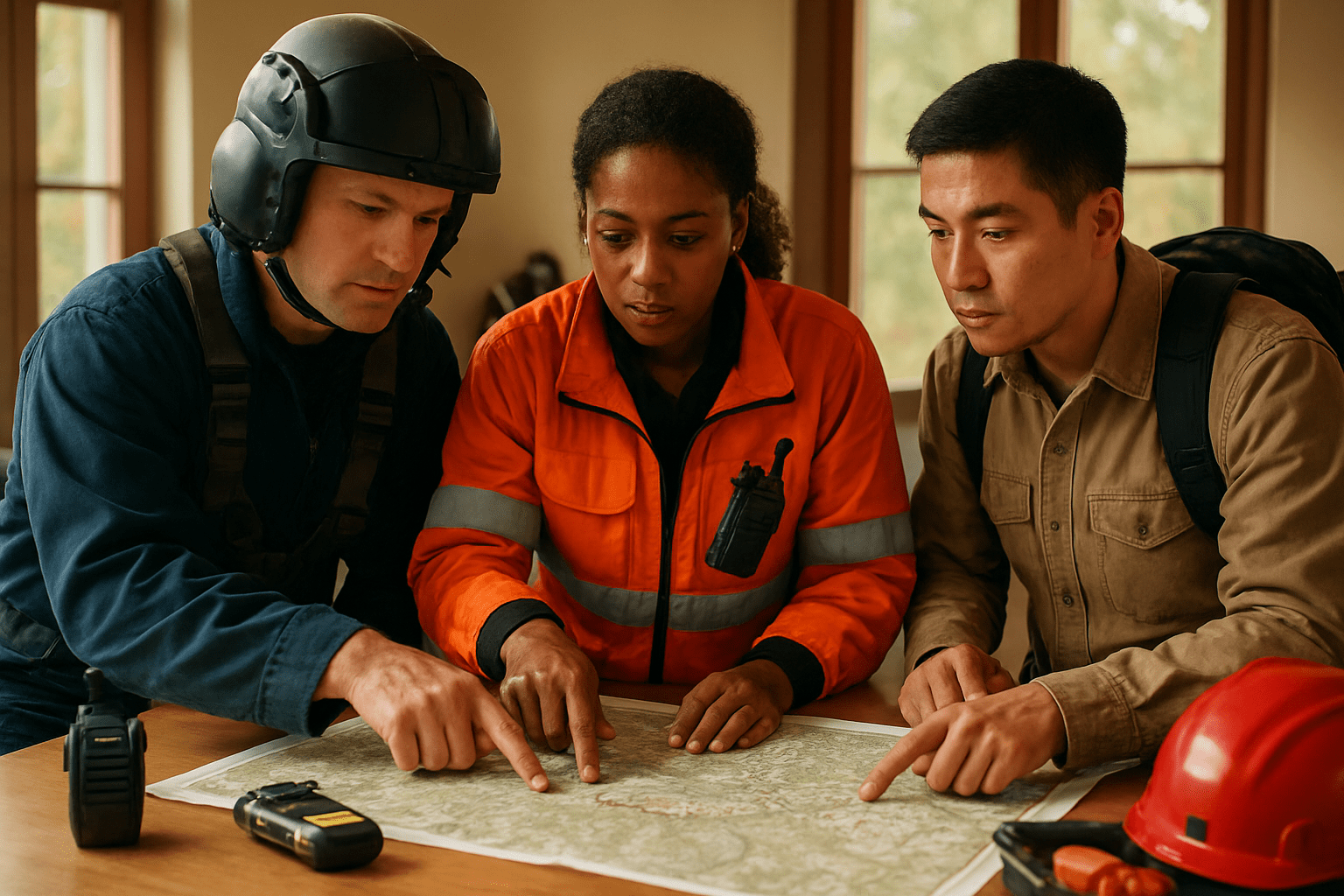
Search and Rescue Professional Recommendations
Search and rescue professionals consistently emphasize the golden rule: stay put when your location is known and help is coming. Captain Maria Rodriguez, with 15 years of mountain rescue experience, shares that 70% of self-evacuation attempts she's witnessed have worsened the original situation. "People underestimate their injuries and overestimate their abilities when adrenaline is pumping," she explains.
The professionals recommend a clear decision tree. If you have reliable communication and can describe your location accurately, waiting for helicopter rescue usually produces better outcomes. However, SAR teams also recognize when self-evacuation becomes necessary - primarily when weather windows are closing, medical conditions are deteriorating rapidly, or when you're in an area where helicopter access is impossible.
Key indicators that SAR professionals look for include:
- Weather deterioration timeline: 4-6 hours before conditions become unsafe for helicopter operations
- Injury severity: Life-threatening conditions that require immediate hospital care
- Group dynamics: Presence of trained medical personnel or experienced outdoors people
- Equipment availability: Proper gear for self-evacuation including navigation tools and emergency supplies
Survival Expert Guidelines for Decision-Making
Survival instructors focus on the reality check approach. Bear Grylls-style heroics look good on television, but real wilderness survival depends on honest self-assessment. Survival expert James Peterson, who trains military personnel, breaks down the decision into three critical factors: capability, conditions, and consequences.
Capability Assessment:
Your physical condition matters more than your ego. Can you walk unassisted for the distance required? Do you have the technical skills for the terrain ahead? Peterson recommends the "10% rule" - if you're operating at less than 90% of your normal physical capacity, helicopter rescue becomes the safer option.
Environmental Conditions:
Weather changes everything. A sunny afternoon can become a deadly nighttime storm. Survival experts consistently warn against moving in deteriorating weather, especially in mountainous terrain where conditions can shift within hours.
Risk-Reward Analysis:
Every survival situation involves calculated risks. The key question isn't whether you can make it out - it's whether attempting to leave creates more danger than staying put. Experienced survival instructors teach that patience often saves more lives than action.
Medical Professional Advice on Injury Assessment
Emergency physicians who work with rescue teams see the aftermath of both good and bad evacuation decisions. Dr. Sarah Chen, an emergency medicine specialist who volunteers with mountain rescue, emphasizes that people consistently underestimate injury severity in high-stress situations.
Head Injury Protocol:
Any loss of consciousness, confusion, or persistent headache after trauma demands helicopter evacuation. These symptoms can indicate traumatic brain injury, which can deteriorate rapidly during physical exertion.
Spinal Injury Indicators:
Back or neck pain, numbness in extremities, or difficulty with fine motor skills are red flags. Self-evacuation with potential spinal injuries can result in permanent paralysis. Medical professionals recommend complete immobilization until a helicopter rescue arrives.
Internal Injury Warning Signs:
- Abdominal pain after trauma
- Difficulty breathing or chest pain
- Rapid pulse or signs of shock
- Persistent nausea or vomiting
Dr. Chen notes that hypothermia and dehydration also cloud judgment significantly. "People make terrible decisions when their core temperature drops even a few degrees. The cognitive impairment is real and dangerous."
Weather Specialist Input on Timing Decisions
Meteorologists who work with rescue operations understand that weather windows can slam shut faster than most people realize. Tom Baker, a helicopter operations meteorologist, explains that mountain weather systems can develop in as little as 30 minutes.
Critical Weather Factors:
| Condition | Helicopter Limitation | Self-Evacuation Impact |
| Visibility < 1 mile | Flight prohibited | Navigation extremely difficult |
| Winds > 35 mph | Landing impossible | Risk of exposure/hypothermia |
| Lightning activity | Operations suspended | High electrocution risk |
| Rapid temperature drop | Icing concerns | Hypothermia timeline accelerated |
Weather specialists recommend monitoring several key indicators. Cloud ceilings below 1,000 feet typically ground helicopter operations. Wind shear in mountain valleys can make flying impossible even when surface winds seem manageable.
The timing decision often comes down to a narrow weather window. If forecasts show deteriorating conditions within 6-8 hours, helicopter rescue becomes time-critical. Conversely, if you're facing a multi-day storm system, self-evacuation during the early stages might be your only viable option.
Baker stresses that weather apps and general forecasts don't capture microclimates in mountainous areas. Local weather patterns can vary dramatically within just a few miles, making professional weather assessment critical for evacuation timing decisions.
Conclusion

When you're facing a life-or-death situation in the wilderness, the choice between waiting for a helicopter rescue and attempting to self-evacuate can mean the difference between survival and tragedy. The stories we've explored show that both options have saved lives in desperate circumstances, but the key lies in making an informed decision based on your specific situation. Factors such as weather conditions, injury severity, available resources, and terrain all play crucial roles in determining which path offers the best chance of survival.
The real takeaway here is preparation and honest self-assessment when a crisis strikes. Expert advice consistently points to evaluating your physical condition, the risks of movement versus staying put, and your ability to signal for help. Whether you're dealing with a medical emergency that requires immediate evacuation or facing conditions where self-rescue is your only viable option, having the knowledge and skills beforehand can save precious time when every second counts. Remember, there's no universal right answer – only the right choice for your unique circumstances.
If you need any further information, please contact us by email: [email protected], Phone: +977- 980 195 6248 (WhatsApp).