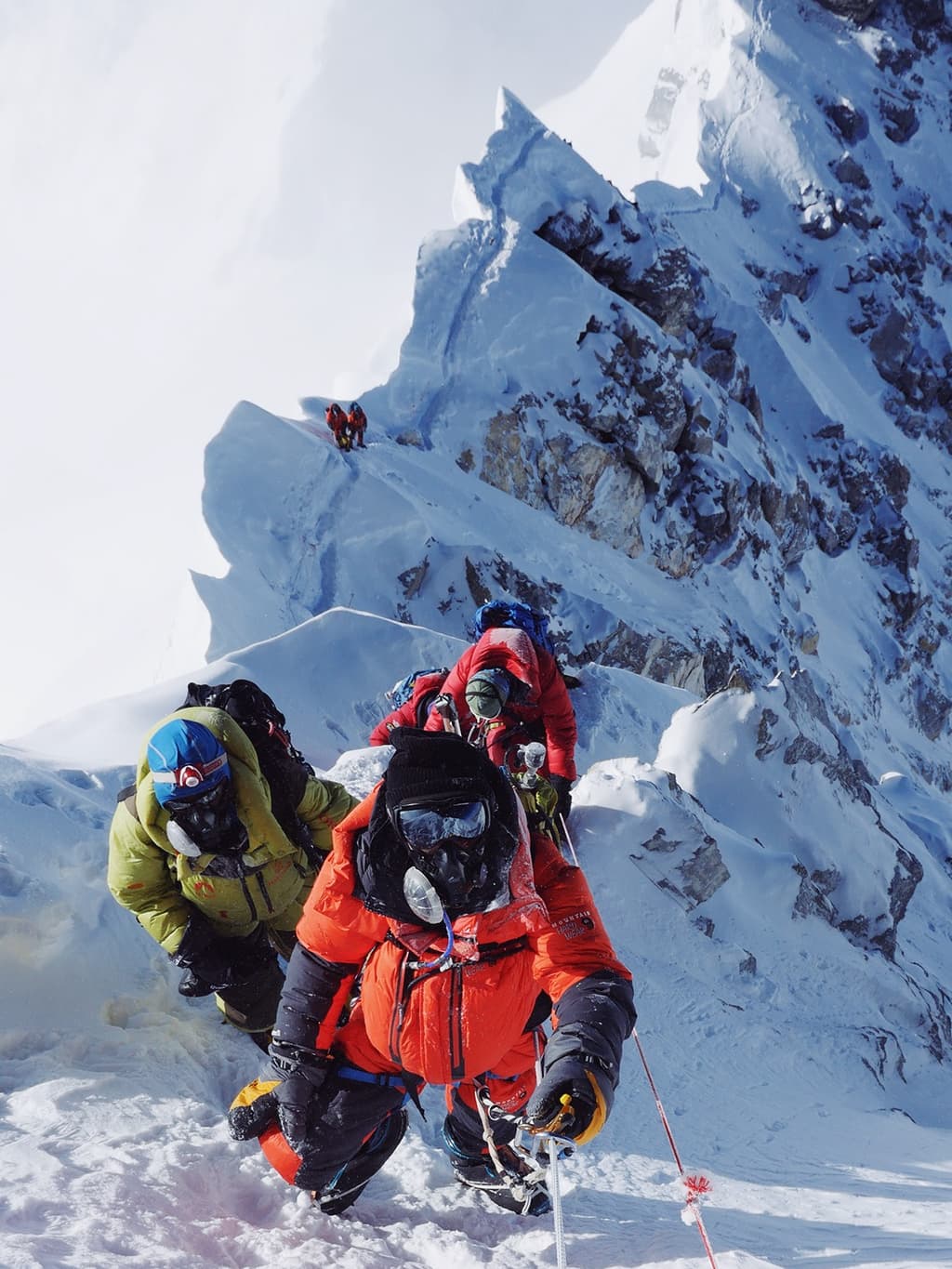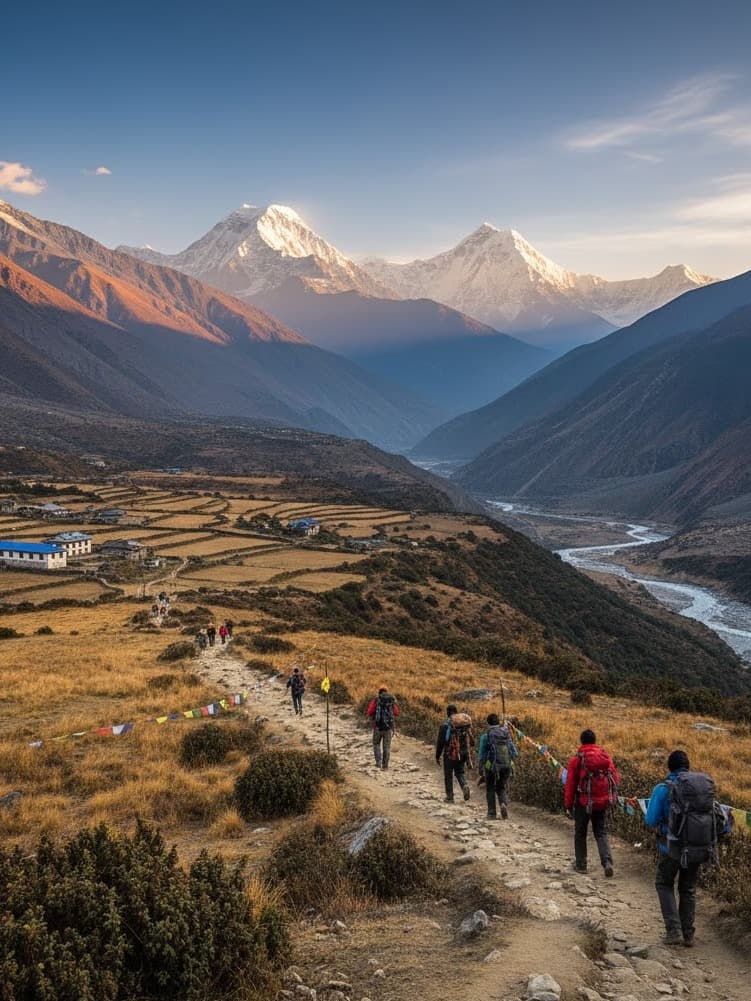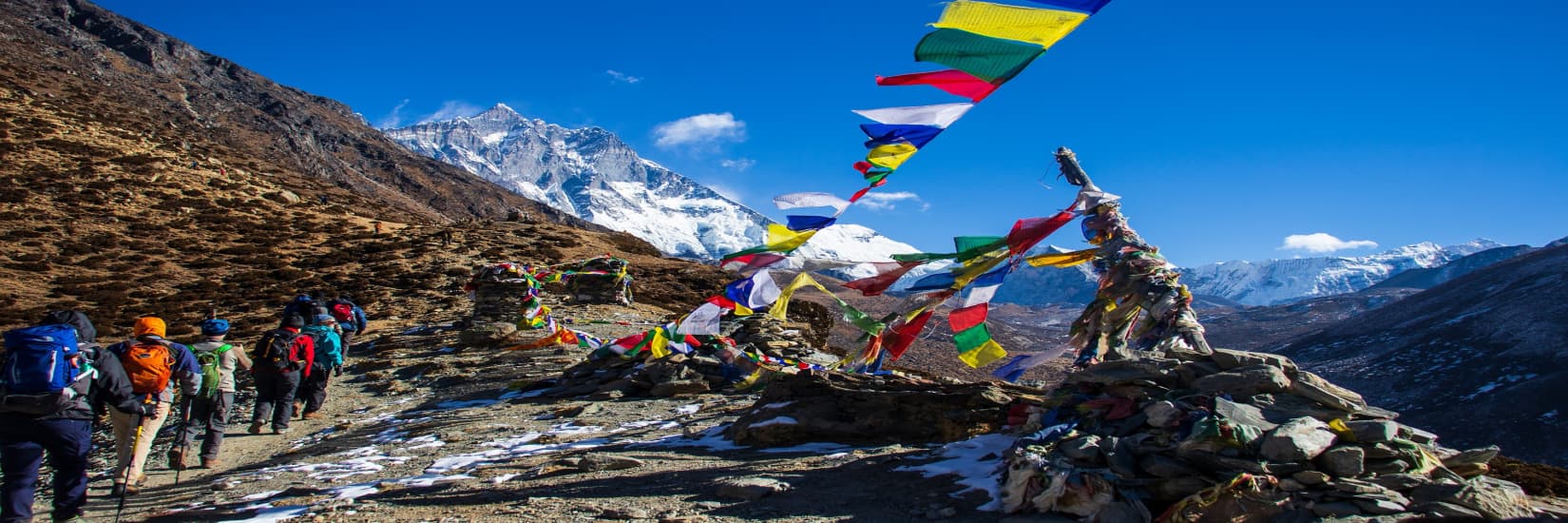
The Everest region—locally known as the Khumbu—stands as one of the world’s most iconic trekking destinations. Home to dramatic glaciers, ancient Sherpa settlements, fluttering prayer flags, and the towering presence of Mt. Everest (8,848.86 m), the Khumbu offers an experience unmatched in both natural grandeur and cultural depth. Trekkers from around the globe journey here to walk storied trails that blend Himalayan beauty with warm Sherpa hospitality and centuries-old Buddhist traditions.
Whether you’re a first-time visitor or a seasoned mountain enthusiast, the Everest region presents a diverse range of treks suitable for different interests, durations, and fitness levels. Below is a comprehensive look at the most popular treks in the Everest region, complete with route highlights, difficulty levels, cultural experiences, and practical considerations.
Why Trek in the Everest Region?
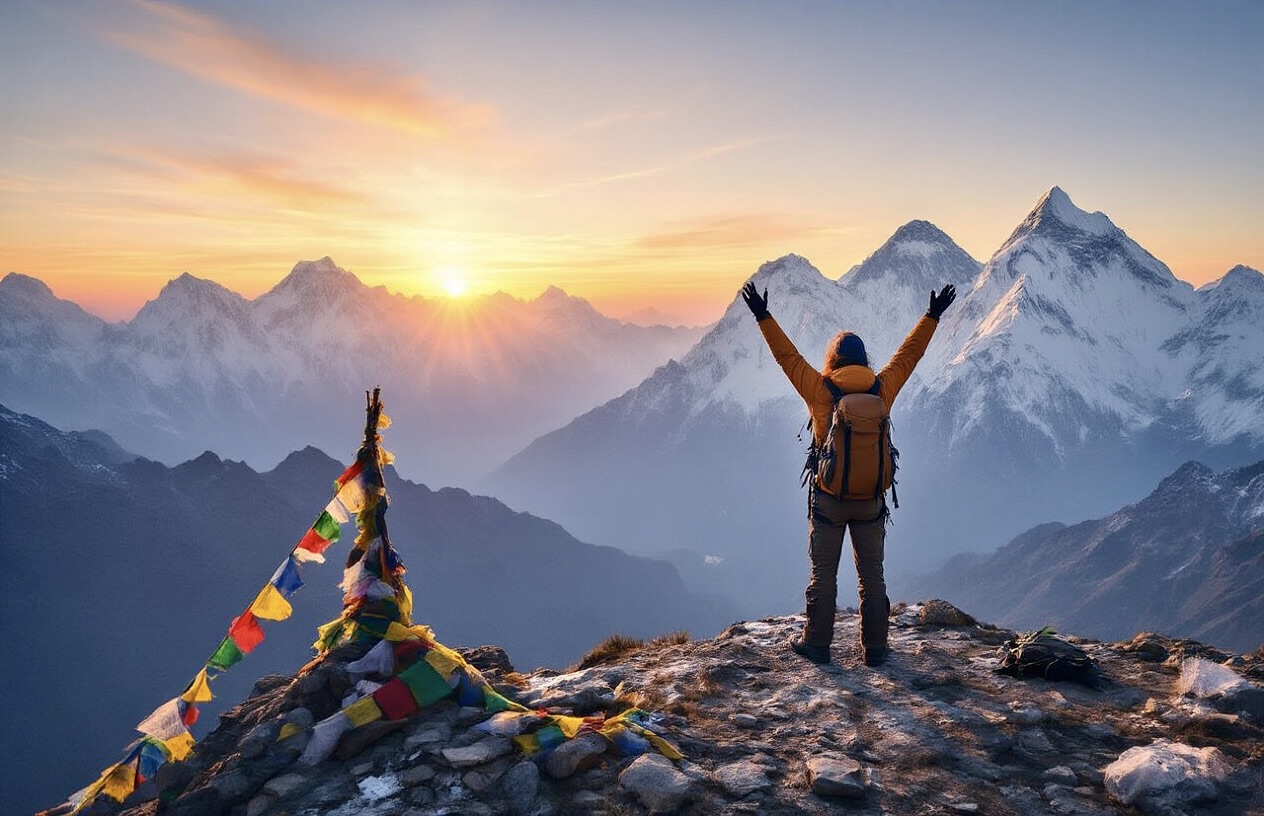
Nestled in the Khumbu Valley, the Everest region is home to Mount Everest (8,848 meters), the highest mountain on Earth. Treks here aren't just about conquering peaks; they're about witnessing Sherpa culture, ancient monasteries, and pristine glaciers. The area was first explored by Western mountaineers in the 1920s, and today, it's a UNESCO World Heritage Site. Popular treks attract thousands annually, blending adventure with spirituality.
Key highlights include:
- Stunning Scenery: Glaciers, rhododendron forests, and panoramic views of Everest, Lhotse, and Nuptse.
-
Sherpa heritage and Buddhist culture, including Tengboche Monastery
-
Rich biodiversity, with species such as musk deer, blue sheep, and Himalayan birds
-
A well-established trekking infrastructure, offering comfortable teahouses and safe trails
-
Adventure-filled routes that suit beginners to advanced trekkers
Everest Base Camp Trek (EBC Trek)
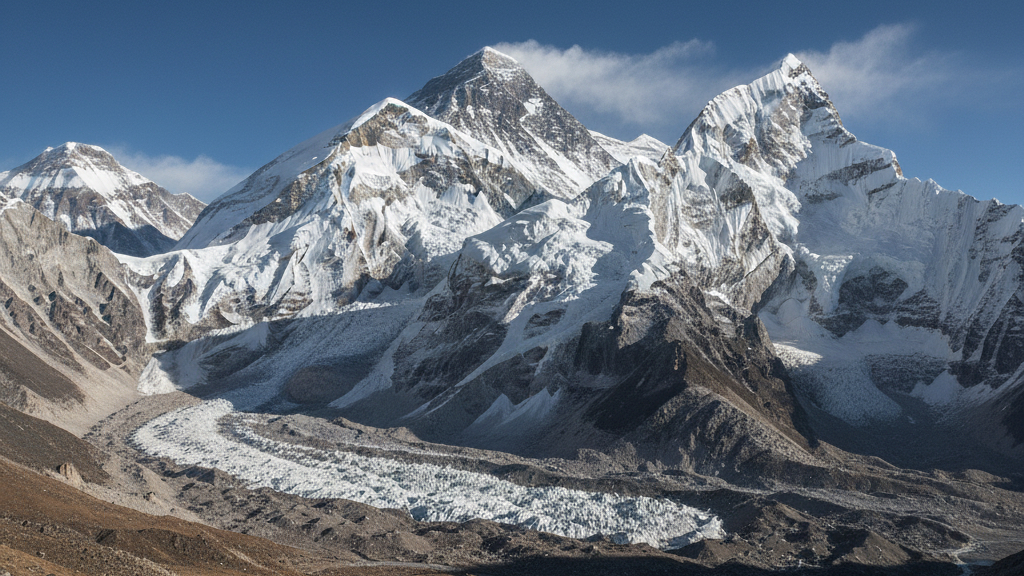
The Everest Base Camp Trek remains the crown jewel of trekking in Nepal. This legendary journey follows an ancient trade route through Sherpa heartlands, offering breathtaking views of Everest, Lhotse, Nuptse, Ama Dablam, and the Khumbu Icefall.
Duration: 12–14 days
Difficulty: Moderate to strenuous
Highest Point: Kalapatthar – 5,545 m
Key Highlights
- Scenic mountain flight to Lukla, famed for its thrilling airstrip
- Crossing historic suspension bridges draped in prayer flags
- Exploring Namche Bazaar, the gateway to Everest
- Visiting the spiritual center Tengboche Monastery, set against Ama Dablam
- A breathtaking refuge viewpoint trek to Kalapatthar
- Reaching Everest Base Camp—the foot of the world’s highest peak
Detailed Itinerary
14 days, starting from Lukla:
- Days 1-2: Fly to Lukla (2,860m), trek to Phakding (2,610m) and Namche Bazaar (3,440m). Acclimatize in Namche, visit the Sherpa Museum.
- Days 3-4: Trek to Tengboche (3,867m) and Dingboche (4,410m). Explore the Tengboche Monastery and acclimatize.
- Days 5-6: To Lobuche (4,940m) and Gorak Shep (5,164m). Hike to Everest Base Camp (5,364m) and Kala Patthar for sunrise views.
- Days 7-14: Descend via Pheriche, Pangboche, and back to Lukla for the flight out.
Why It’s Popular
The route offers the perfect balance of adventure, culture, and world-class mountain scenery, making it Nepal’s most recognized trek worldwide.
Gokyo Lakes and Gokyo Ri Trek
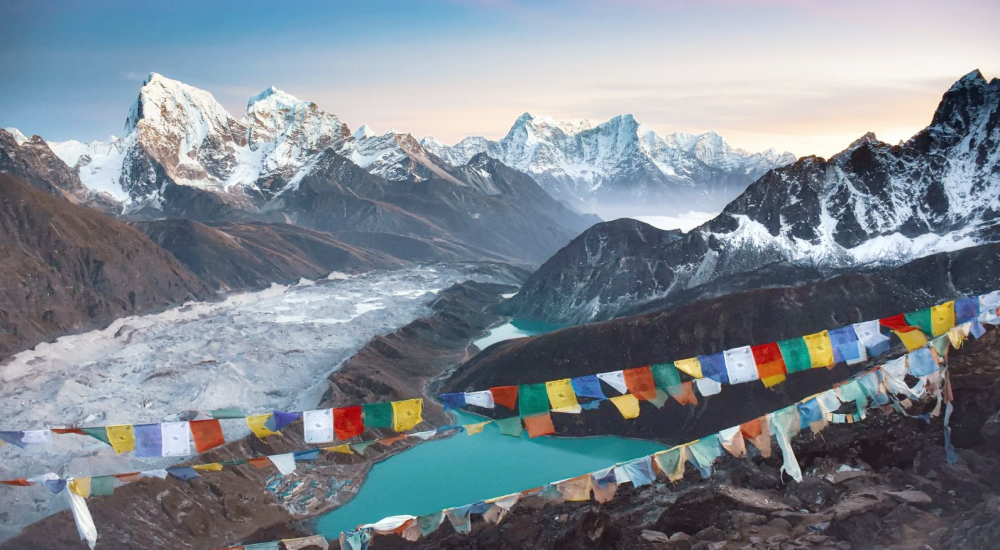
For trekkers seeking a quieter yet equally spectacular alternative to the EBC route, the Gokyo Lakes Trek is a remarkable choice. This trail leads to the turquoise, glacial-fed Gokyo Lakes, considered sacred by both Hindus and Buddhists.
Duration: 12–14 days
Difficulty: Moderate
Highest Point: Gokyo Ri – 5,357 m
Key Highlights
- Panoramic views from Gokyo Ri, including Everest, Cho Oyu, and Makalu
- Crossing the mighty Ngozumpa Glacier, the longest glacier in the Himalayas
- Visiting the pristine Gokyo Valley with its string of high-altitude lakes
- Less crowded trails and peaceful Sherpa villages
Detailed Itinerary
- Days 1-4: Similar to EBC up to Namche Bazaar, then to Dole (4,200m) and Machhermo (4,470m).
- Days 5-6: To Gokyo (4,790m), explore the six turquoise lakes, and climb Gokyo Ri for Everest views.
- Days 7-8: Cross the Cho La Pass (5,420m) to Dzongla (4,830m) and Lobuche.
- Days 9-14: Continue to Gorak Shep, EBC, and descend as in the EBC trek.
Why It’s Popular
The trek is rewarding for photographers and nature lovers who prefer serene landscapes over busy routes without compromising on Himalayan views.
Everest Three Passes Trek
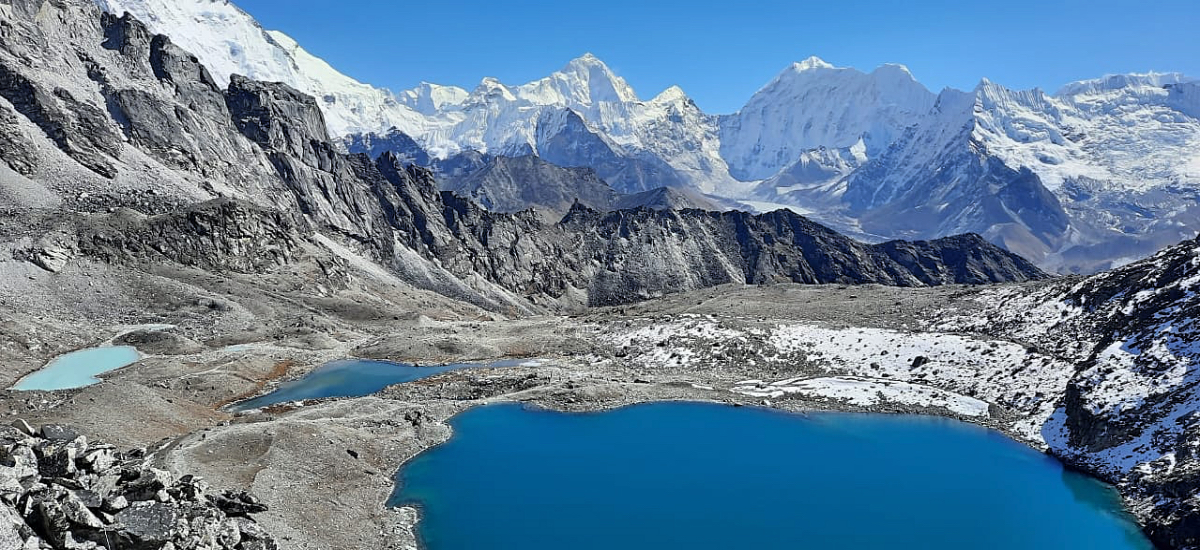
The Three Passes Trek is the ultimate Everest-region adventure—designed for trekkers who want to experience the region’s highest and wildest terrain. This circuit crosses three high passes: Renjo La, Cho La, and Kongma La, offering unmatched alpine variety.
Duration: 18–21 days
Difficulty: Challenging
Highest Pass: Kongma La – 5,535 m
Key Highlights
- Completing all three iconic high passes
- A complete circuit of the Khumbu with optional visits to EBC and Gokyo
- Diverse landscapes: glaciers, valleys, ice fields, alpine lakes
- Exceptional 360° Himalayan panoramas rarely seen on standard routes
Detailed Itinerary
- Days 1-6: Up to Gokyo via the Gokyo route.
- Days 7-8: Cross Cho La to Dzongla and Lobuche.
- Days 9-10: To Gorak Shep, EBC, and Kala Patthar.
- Days 11-12: Descend to Dingboche, then to Chhukung (4,730m) and Island Peak Base Camp.
- Days 13-14: Cross Kongma La to Lobuche, then Renjo La to Gokyo.
- Days 15-18: Descend to Namche and Lukla.
Why It’s Popular
It is the most comprehensive and challenging trek in the region—perfect for experienced trekkers craving a demanding, high-altitude expedition feel.
Everest View / Short Everest Trek
Duration: 5–7 days
Difficulty: Easy to moderate
Highest Point: Hotel Everest View – 3,880 m
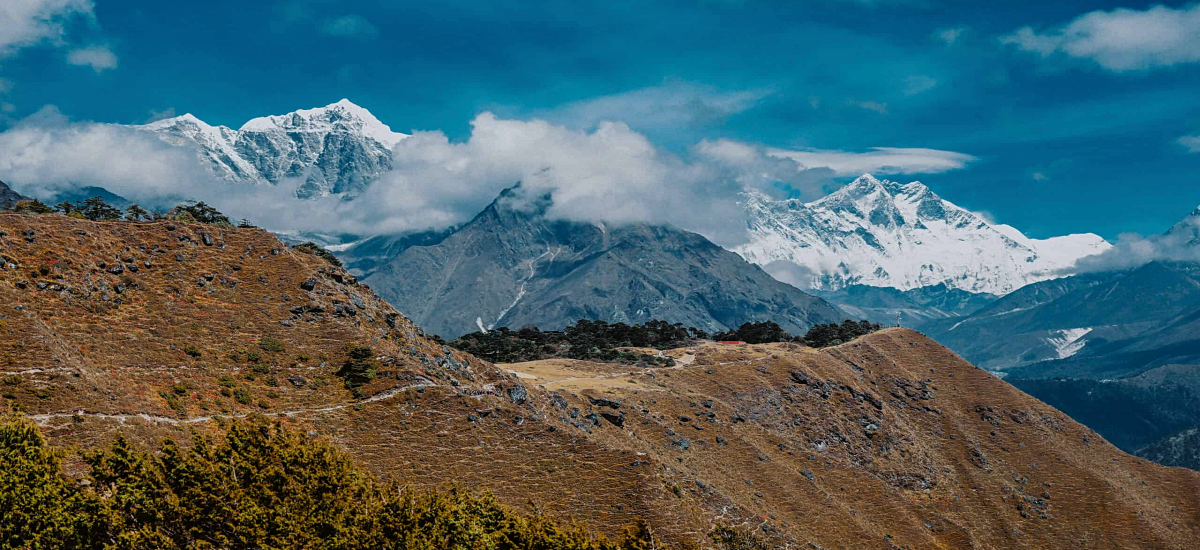
Ideal for time-bound travelers or beginners, the Everest View Trek offers a taste of Khumbu culture and stunning mountain previews without venturing into extreme altitudes.
Key Highlights
- A scenic flight to Lukla
- Overnights in lively Namche Bazaar
- Visit to Khumjung village, home of the famous “Yeti scalp” monastery
- Panoramic views of Everest, Ama Dablam, Lhotse, and Thamserku
Why It’s Popular
Short duration and low risk make it suitable for families, seniors, or first-time trekkers.
Everest Base Camp via Cho La Pass (EBC + Gokyo Combined)
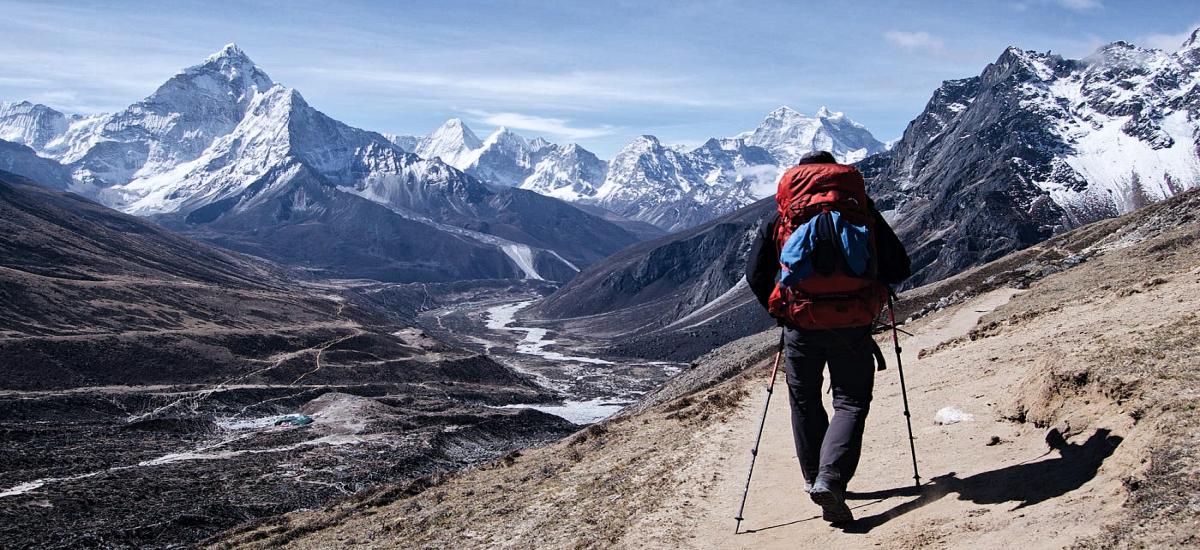
Duration: 15–17 days
Difficulty: Strenuous
Highest Point: Cho La Pass – 5,420 m
This hybrid route blends the classic EBC Trek with the scenic Gokyo Valley, linked by a dramatic crossing of Cho La Pass.
Key Highlights
- Combines two of the most celebrated routes in the Everest region
- Challenging but rewarding glacier crossing over Cho La Pass
- Includes Gokyo Lakes, Gokyo Ri viewpoint, and Everest Base Camp
- Immersive cultural moments in Dole, Machhermo, and Khumjung
Why It’s Popular
Trekkers enjoy both the iconic EBC route and the tranquility of Gokyo in a single, extended adventure.
Ama Dablam Base Camp Trek
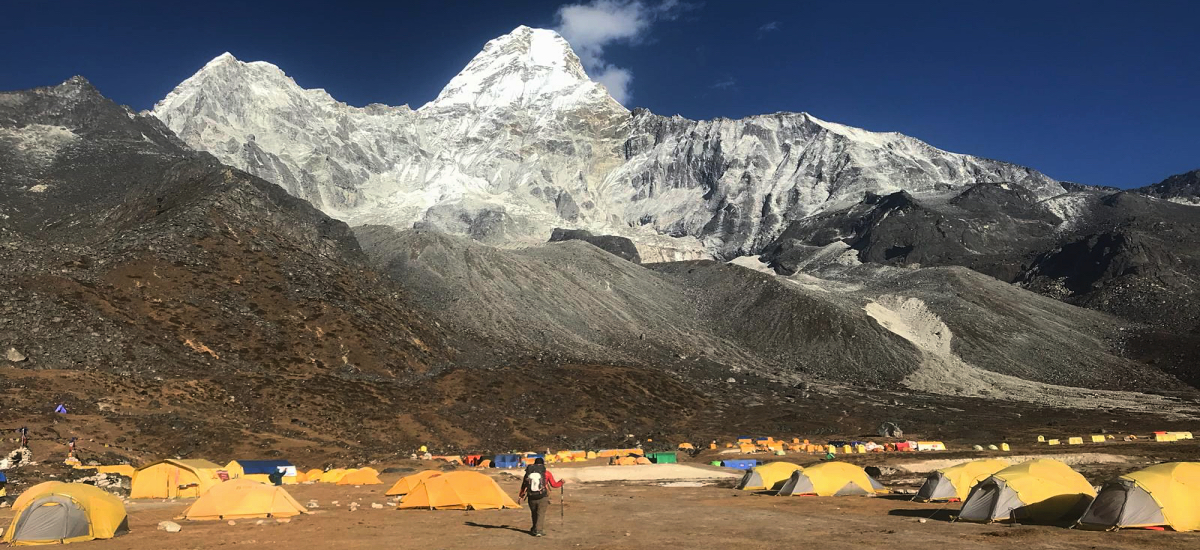
Duration: 10–12 days
Difficulty: Moderate
Highest Point: Ama Dablam Base Camp – 4,600 m
While Ama Dablam is known globally for its technical climbing route, its base camp trek is a breathtakingly beautiful alternative for non-climbers.
Key Highlights
- Trekking through serene Sherpa communities
- Exceptional views of Ama Dablam, often called the “Matterhorn of the Himalayas”
- Quieter trails than EBC yet equally dramatic landscapes
- Opportunities for cultural immersion in Khumjung and Pangboche
Why It’s Popular
A perfect choice for trekkers seeking magnificent mountain scenery without the time commitment of reaching Everest Base Camp.
Preparation and What to Expect
The Flight Situation (Kathmandu vs. Ramechhap)
Be prepared: In peak seasons (March-May, Oct-Nov), flights to Lukla usually do not depart from Kathmandu.
-
The Detour: You must drive 4-5 hours from Kathmandu to Manthali Airport (Ramechhap) in the middle of the night (usually leaving at 2:00 AM) to catch your flight.
-
The Fix: If you have the budget (~$400-$500 extra), book a helicopter from Kathmandu directly to Lukla to skip the grueling drive.
Permits & Fees
You do not need a TIMS card for Everest. You need two specific permits:
-
Khumbu Pasang Lhamu Rural Municipality Entrance Permit: ~NPR 3,000 ($23). Obtained in Lukla.
-
Sagarmatha National Park Entry Permit: ~NPR 3,000 ($23). Obtained in Monjo or Kathmandu.
Connectivity (Wi-Fi & 4G)
The Everest region is surprisingly connected.
-
Mobile Data: Ncell works well in lower altitudes (Lukla/Namche). NTC (Namaste) has better coverage higher up (near Gorakshep), but it is spotty.
-
Everest Link: This is a dedicated Wi-Fi service available in almost every lodge. You buy prepaid cards (approx. NPR 600 for 1GB, NPR 2000 for 10GB). It is reliable enough for WhatsApp and sending photos, but don't expect to stream Netflix.
Accommodation: Teahouse vs. Luxury
-
Standard Teahouses: Basic plywood rooms, twin beds, shared bathrooms. (Cost: $5–$10/night, but you are expected to eat meals there).
-
Luxury Lodges: Brands like Yeti Mountain Home and Hotel Everest View offer electric blankets, attached hot showers, and high-end dining. (Cost: $150–$300+/night).
Best Time to Trek in the Everest Region
- Spring (March-May): Clear skies, blooming rhododendrons, but crowded.
- Autumn (September-November): Ideal weather, fewer crowds, stable conditions.
- Avoid monsoon (June-August) due to rain and landslides, and winter (December-February) for extreme cold.
Challenges and Safety Tips
- Altitude Sickness: Symptoms include headaches and nausea; descend if needed. Use Diamox (consult a doctor).
- Weather: Sudden storms; check forecasts.
- Wildlife and Terrain: Watch for yaks, steep drops, and crevasses.
- Responsible Trekking: Follow Leave No Trace principles—pack out waste, respect locals, and support sustainable tourism.
Tips for Trekking in the Everest Region
-
Acclimatize properly—take rest days
-
Stay hydrated and avoid alcohol above 3,000 m
-
Carry travel insurance covering high-altitude rescue
-
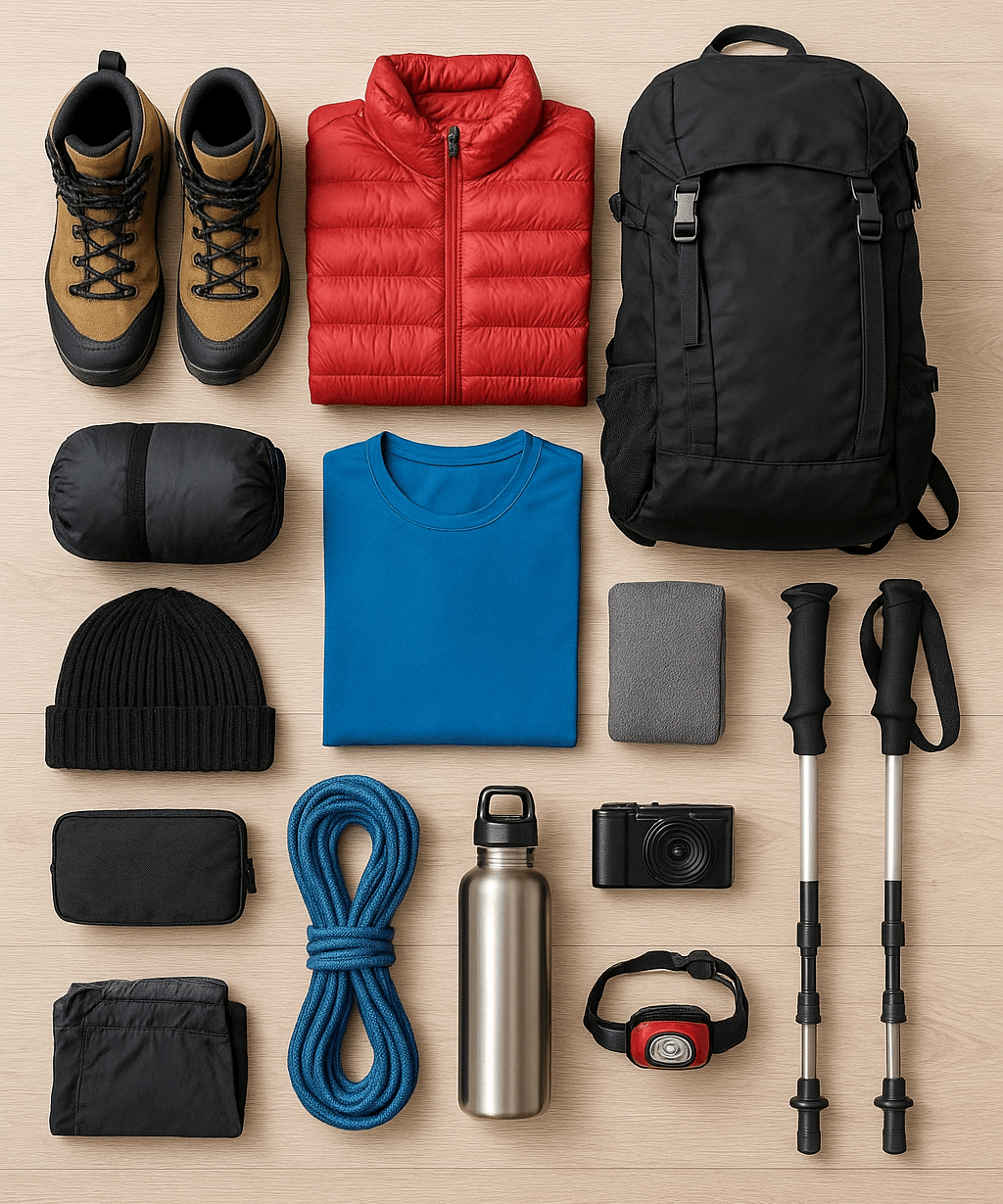
Pack layers to adapt to changing weather
-
Hire licensed guides and porters for safety
-
Respect Sherpa culture and local monasteries
Conclusion
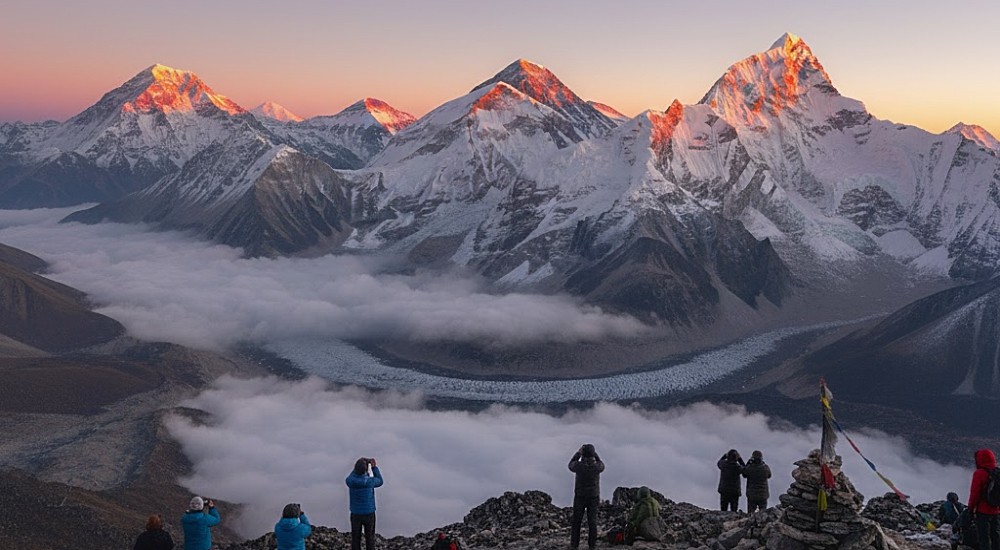
The Everest region offers a diverse spectrum of trekking adventures—from iconic routes like Everest Base Camp to hidden gems like Ama Dablam Base Camp and challenging alpine odysseys like the Three Passes Trek. Each trail delivers its own blend of culture, spirituality, scenery, and adventure. Whether you're seeking a short Himalayan escape or a demanding high-altitude expedition, the Khumbu has a trek tailored to your aspirations.
For travelers who dream of walking amidst the world’s highest mountains, trekking in the Everest region remains an unforgettable journey—one that inspires awe, challenges the spirit, and celebrates the immense beauty of Nepal’s Himalayas.
If you need any further information, please contact us by email: [email protected], Phone: +977- 980 195 6248 (WhatsApp).