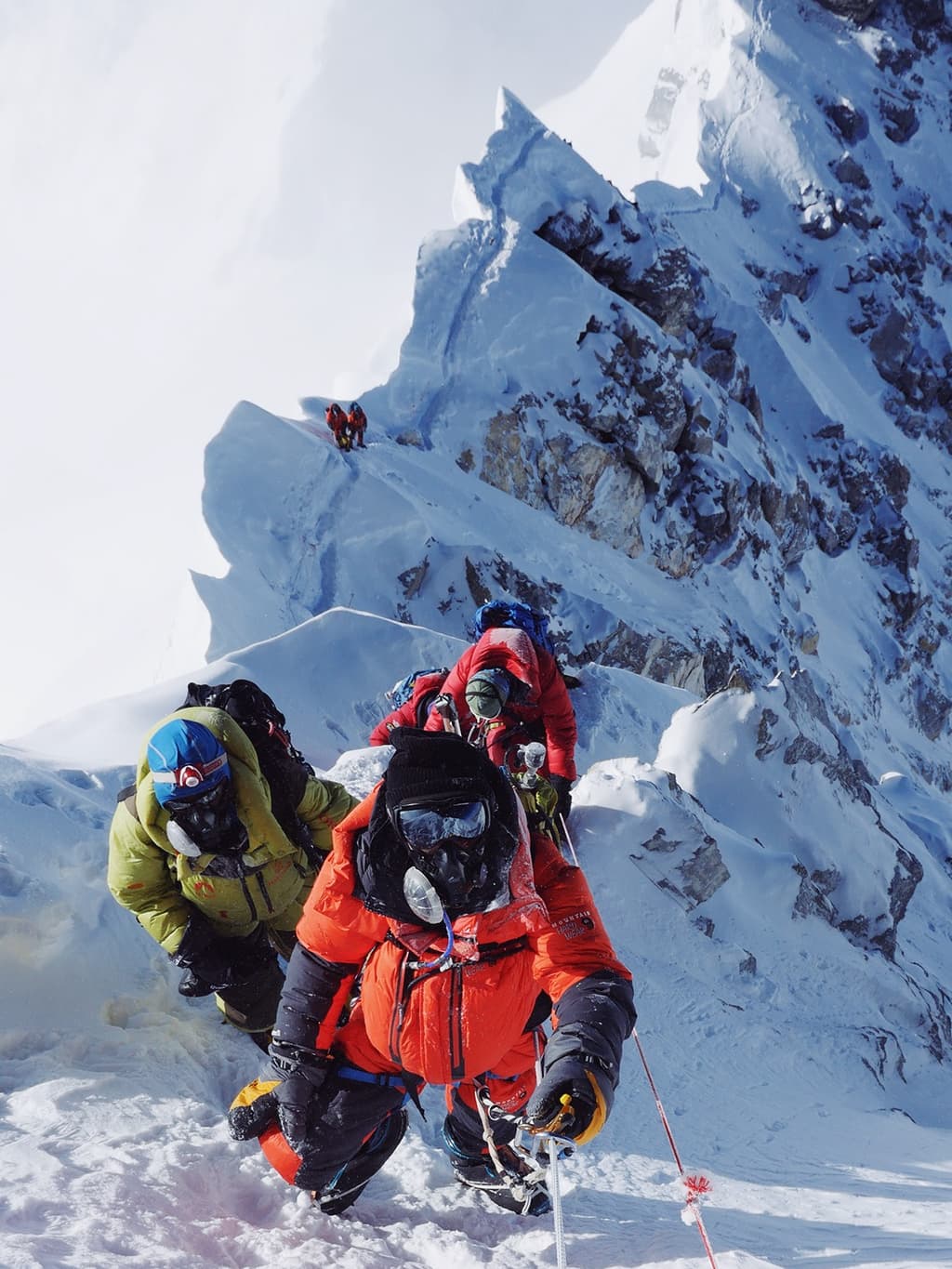
Nepal's helicopter treks combine the thrill of mountain adventure with luxury travel, perfect for adventurers who want to experience the Himalayas without weeks of strenuous hiking. These aerial journeys let you reach iconic destinations like Everest Base Camp and the Annapurna Sanctuary in just hours, rather than days.
This guide is designed for adventure travelers, busy professionals, and anyone with limited time who still dreams of witnessing Nepal's legendary peaks up close. You'll discover three incredible helicopter trek options that showcase the country's most spectacular mountain regions.
We'll explore the world-famous Everest Base Camp helicopter experience that gets you face-to-face with the world's tallest peak, plus the stunning Annapurna Base Camp route that takes you into a natural amphitheater surrounded by towering summits. You'll also learn how to choose the right helicopter trek based on your schedule, budget, and mountain preferences.
Everest Base Camp Helicopter Trek - Ultimate Mountain Adventure

Experience Iconic Everest Views Without Weeks of Trekking
The traditional Everest Base Camp trek demands 12-16 days of challenging hiking through rugged terrain, but helicopter treks compress this epic journey into a single unforgettable day. You'll soar above the legendary Dudh Kosi valley, witnessing the same dramatic landscapes that take ground trekkers weeks to traverse. The aerial perspective reveals the raw magnificence of the Khumbu region - from the emerald terraced fields of lower valleys to the stark, snow-covered peaks piercing the sky.
This helicopter adventure begins in Kathmandu, climbing rapidly through distinct climate zones. Within hours, you'll witness the complete transformation from subtropical valleys to arctic mountain conditions. The flight path follows the classic trekking route, offering glimpses of famous stops like Namche Bazaar, Tengboche Monastery, and Dingboche village from a bird's-eye view.
Weather windows are crucial for these flights. Clear morning conditions typically provide the best visibility, with flights departing between 6-8 AM when mountain weather remains stable. The helicopter's ability to navigate high altitudes makes this journey accessible to adventurers who might not have the physical stamina or time for extended trekking, yet still crave that authentic Everest experience.
Land at Kalapatthar for Breathtaking Himalayan Panoramas
Kalapatthar stands as the crown jewel destination for helicopter landings, positioned at 5,643 meters (18,514 feet) above sea level. This rocky outcrop offers the most spectacular close-up views of Mount Everest's southwest face, providing photo opportunities that rival any ground-based vantage point. The helicopter touchdown allows for 15-30 minutes of exploration, enough time to absorb the overwhelming presence of the world's highest peaks.
From Kalapatthar's summit, the panoramic view encompasses not just Everest, but also neighboring giants like Lhotse, Nuptse, Pumori, and Ama Dablam. The perspective here differs dramatically from Everest Base Camp itself, which sits lower and offers limited mountain views due to surrounding peaks. Weather permitting, you'll witness the famous Khumbu Icefall cascading down Everest's flanks, a treacherous maze of crevasses and seracs that challenges even experienced mountaineers.
The landing experience requires careful timing and favorable conditions. Pilots assess wind patterns, cloud cover, and visibility before attempting the touchdown. High altitude means thinner air affects both helicopter performance and human comfort, so brief ground time helps minimize altitude-related discomfort while maximizing the visual impact of this once-in-a-lifetime mountain encounter.
Visit Traditional Sherpa Villages and Monasteries from Above
The aerial journey provides unique perspectives of authentic Sherpa settlements that have thrived in these harsh mountain conditions for centuries. Flying over Namche Bazaar, the region's commercial hub, reveals the ingenious terraced architecture carved into steep hillsides. Stone houses with colorful prayer flags create a patchwork pattern against the dramatic mountain backdrop.
Tengboche Monastery, perched at 3,867 meters, appears as a jewel of Tibetan Buddhist architecture surrounded by rhododendron forests. From above, you can appreciate how this sacred site was strategically positioned to overlook the entire Khumbu valley. The monastery's golden roofs and white walls stand in striking contrast to the surrounding evergreen forest and snow-capped peaks.
These bird's-eye views reveal the delicate balance between human settlement and natural environment in this challenging terrain. You'll spot ancient trade routes connecting villages, traditional yak pastures, and the intricate network of stone walls that protect agricultural terraces from harsh weather. Prayer wheels, chortens (Buddhist monuments), and colorful prayer flags dot the landscape, creating a spiritual tapestry visible only from this elevated perspective.
Best Seasons and Weather Conditions for Optimal Visibility
Spring (March-May) and autumn (September-November) offer the most reliable weather windows for helicopter flights to Everest Base Camp. During these periods, clearer skies and stable atmospheric conditions provide optimal visibility of the mountain ranges. Spring brings the advantage of warmer temperatures and blooming rhododendrons in lower elevations, while autumn offers crystal-clear air with minimal precipitation.
Morning departures between 6-8 AM capture the mountains in golden sunrise light, before afternoon clouds typically develop around the peaks. Wind patterns during these early hours remain calmer, crucial for safe helicopter operations at extreme altitudes. Temperature variations between seasons affect landing conditions - spring snow may still cover high-altitude landing sites, while autumn generally provides more stable ground conditions.
Weather can change rapidly in the Himalayas, and flexible scheduling becomes essential for successful flights. Monsoon season (June-August) brings heavy clouds and precipitation, making helicopter operations nearly impossible. Winter months (December-February) present extreme cold and unpredictable storms, though occasional clear days can offer stunning visibility. Most operators recommend booking multiple days to allow for weather delays, ensuring the best possible chance of completing this extraordinary mountain adventure.
Annapurna Base Camp Helicopter Trek - Discover the Sanctuary
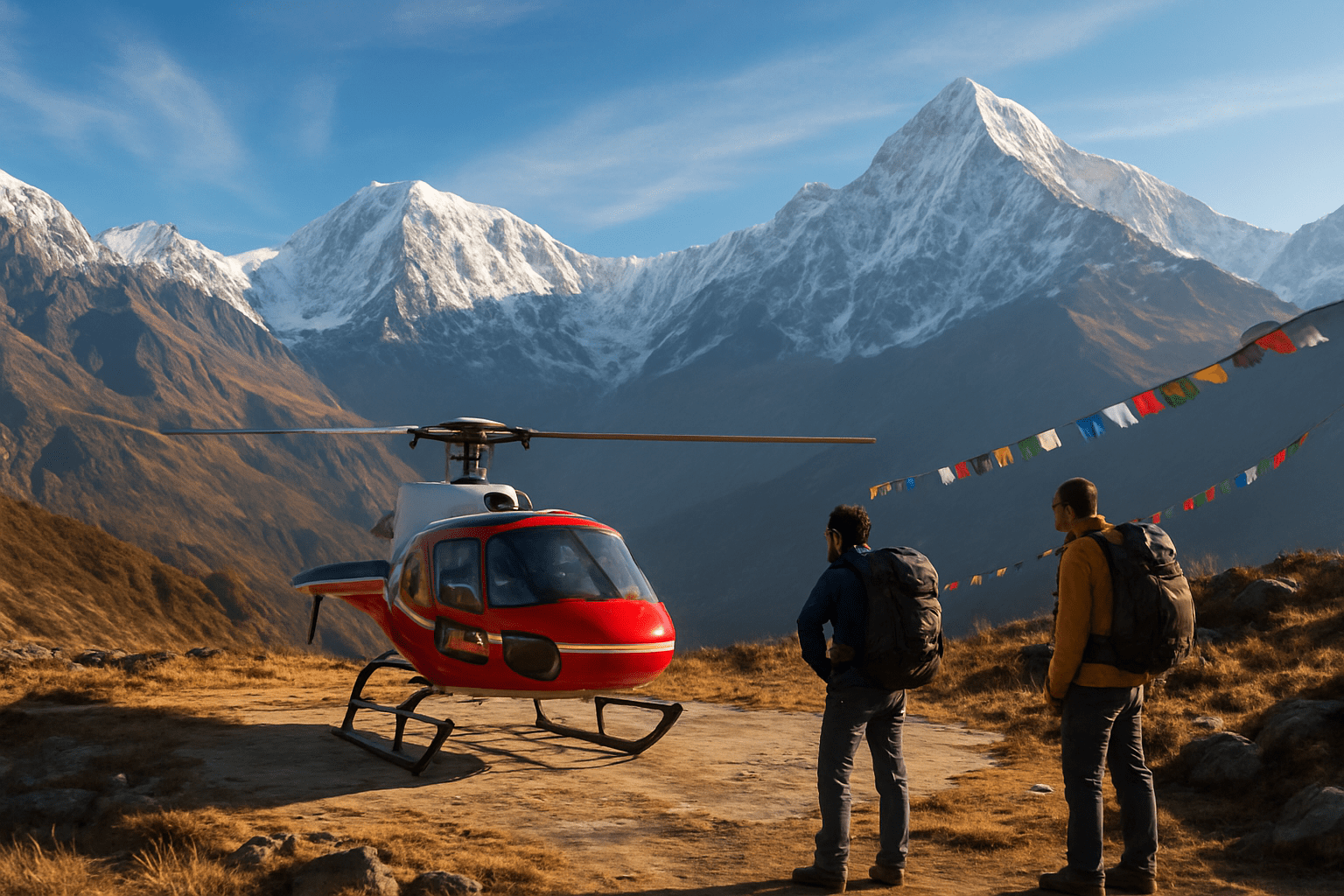
Witness the dramatic Annapurna amphitheater in record time
The Annapurna Base Camp helicopter trek transforms what typically takes 10-14 days of trekking into an unforgettable single-day adventure. Your helicopter lifts off from Pokhara, soaring above terraced hillsides and into the heart of the Himalayas. Within 45 minutes, you'll find yourself standing at 4,130 meters, surrounded by towering peaks that form nature's most spectacular amphitheater.
The Annapurna Sanctuary presents an almost surreal 360-degree view of some of the world's highest peaks. Annapurna I (8,091m), Machapuchare (6,993m), Gangapurna (7,455m), and Hiunchuli (6,441m) create walls of ice and rock that seem to touch the sky. The helicopter provides unique aerial perspectives impossible to achieve on foot, including breathtaking views of the notorious south face of Annapurna I.
Explore diverse landscapes from subtropical forests to alpine terrain
Your aerial journey showcases Nepal's incredible biodiversity compressed into a single flight path. The helicopter ascends through multiple climate zones, starting from Pokhara's subtropical valley at 800 meters. You'll fly over dense rhododendron forests that burst into color during spring months, their crimson blooms creating a striking contrast against emerald hillsides.
The landscape transforms dramatically as you gain altitude. Temperate forests give way to alpine meadows dotted with traditional stone villages. Ancient trade routes snake through river valleys where suspension bridges connect communities that have thrived for centuries. The Modi Khola river carves its path through deep gorges, creating a natural corridor that leads to the Annapurna Sanctuary.
Higher up, the terrain becomes increasingly barren and otherworldly. Glacial moraines and rockfalls speak to the powerful geological forces at work. The helicopter flight compresses this incredible transition from tropical to arctic conditions into minutes rather than days.
Photography opportunities at the world-famous base camp
Annapurna Base Camp offers photographers extraordinary opportunities that few locations can match. The helicopter landing provides 30-45 minutes at base camp, giving you ample time to capture the iconic amphitheater from multiple angles. Early morning flights benefit from crystal-clear mountain visibility and dramatic lighting that makes snow-capped peaks glow golden.
The circular arrangement of peaks creates natural frames for composition. Machapuchare's distinctive fishtail summit provides a focal point for wide-angle shots, while telephoto lenses can isolate individual peaks and capture intricate details of hanging glaciers and ice seracs.
The helicopter itself becomes part of your story - shots of the aircraft against the massive mountain backdrop emphasize the scale and adventure of your journey. Many photographers capture the contrast between modern aviation technology and ancient mountain landscapes.
Cultural encounters with the Gurung and Magar communities
While the helicopter trek limits extended cultural immersion, strategic stops in traditional villages provide meaningful encounters with local communities. Gurung and Magar people have called these mountains home for generations, developing unique cultures perfectly adapted to high-altitude life.
Many helicopter operators include stops at villages like Ghandruk or Landruk, where you can observe traditional stone houses with slate roofs designed to withstand harsh mountain weather. Local people often gather to welcome helicopter visitors, offering glimpses into daily mountain life. Children may perform traditional dances, while elders share stories about their ancestors' connections to these sacred peaks.
These communities maintain strong Buddhist and Hindu traditions, evident in prayer flags fluttering across valleys and small monasteries perched on ridgelines. The helicopter trek provides opportunities to purchase locally-made crafts and support community tourism initiatives.
Essential gear and preparation requirements
Helicopter treks require less gear than traditional trekking, but proper preparation remains crucial. Temperatures at Annapurna Base Camp can drop below freezing even during warmer months, so pack layered clothing including a warm jacket, thermal underwear, and a waterproof outer shell. Sturdy hiking boots with good ankle support help navigate potentially icy or rocky terrain during your base camp visit.
High-altitude preparation includes staying hydrated and recognizing altitude sickness symptoms. Most people adapt well to the brief exposure, but those with heart conditions or severe altitude sensitivity should consult physicians beforehand.
Essential items include:
- Warm layers and a waterproof jacket
- Sturdy hiking boots
- Sunglasses and high-SPF sunscreen
- Camera with extra batteries (cold drains power quickly)
- Small daypack for personal items
- Cash for village stops and tips
Weight restrictions apply to helicopter flights, typically limiting personal bags to 10-15kg per person. Leave unnecessary items at your Pokhara hotel and bring only essentials for the day trip.
Langtang Valley Helicopter Trek - Hidden Himalayan Gem
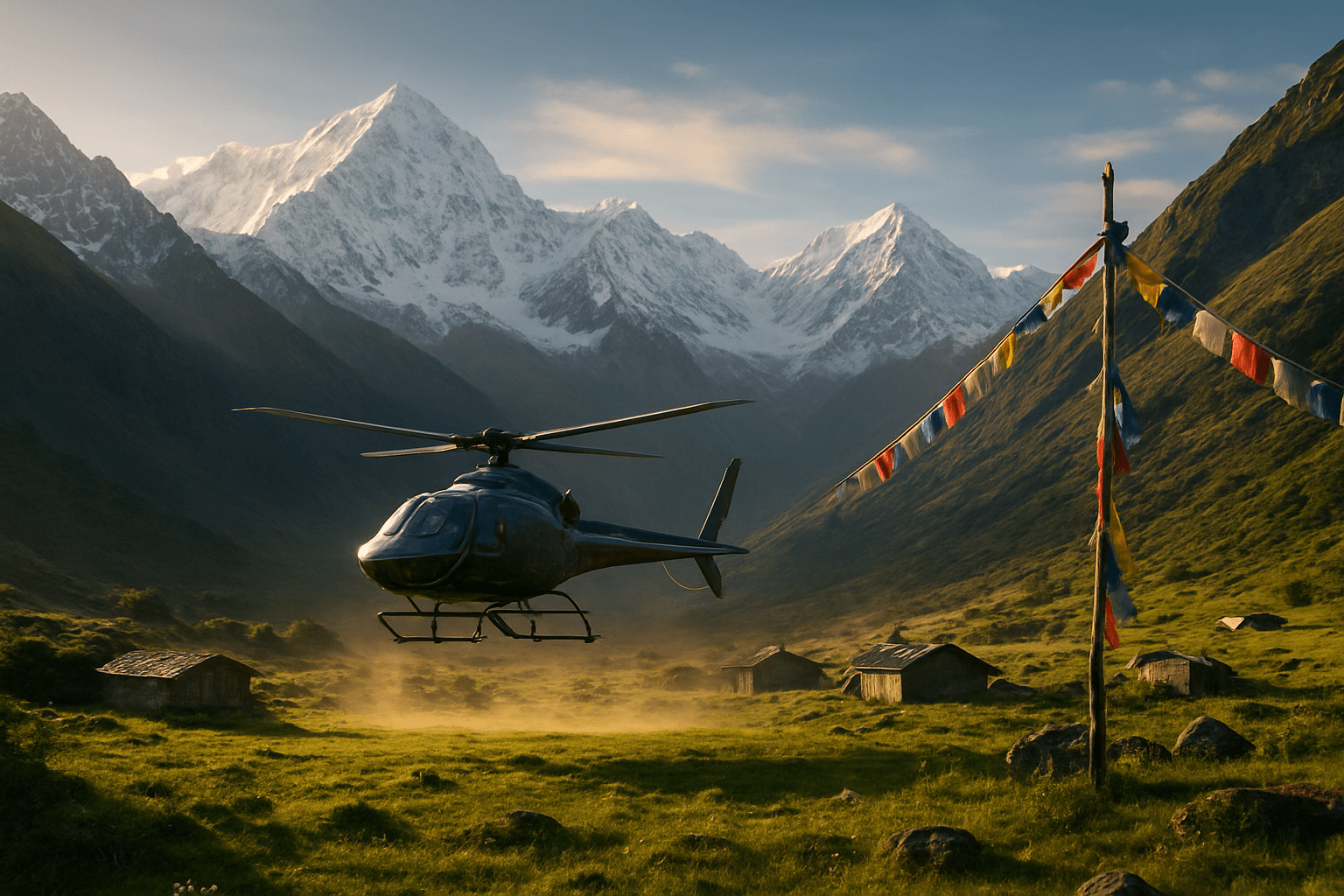
Access Nepal's closest high-altitude destination to Kathmandu
Just three hours from Kathmandu, Langtang Valley offers the perfect escape for trekkers who want serious mountain views without the lengthy journey to the Everest or Annapurna regions. This accessibility makes it incredibly popular with helicopter trekkers who can maximize their mountain time while minimizing travel days. The valley sits at comfortable altitudes between 3,500-4,500 meters, making it ideal for acclimatization without extreme altitude challenges.
The helicopter flight itself showcases Nepal's incredible diversity. You'll soar over terraced hillsides, traditional Tamang villages, and dense rhododendron forests before landing in the heart of the Himalayas. The short flight time means more budget allocation for ground experiences and accommodations rather than lengthy helicopter transfers.
Marvel at glacial lakes and pristine mountain wilderness
Langtang Valley reveals some of Nepal's most pristine alpine scenery. The helicopter trek typically includes stops at Gosaikunda, a sacred glacial lake system at 4,380 meters that holds deep religious significance for both Hindus and Buddhists. These crystal-clear lakes reflect towering peaks like Langtang Lirung (7,227m) and Ganesh Himal, creating postcard-perfect moments.
The valley floor showcases classic glacial formations with ancient moraines, U-shaped valleys, and hanging glaciers cascading from surrounding peaks. Alpine meadows burst with wildflowers during spring seasons, while prayer flags flutter against dramatic mountain backdrops. The landscape feels untouched compared to more commercialized trekking regions, offering authentic wilderness experiences.
Wildlife enthusiasts often spot Himalayan tahr, red pandas, and various bird species, including Himalayan monals. The pristine environment supports diverse ecosystems from subtropical forests to alpine tundra zones.
Support local communities rebuilding after natural disasters
The 2015 earthquake devastated Langtang Valley, destroying several villages, including Langtang village itself. Choosing this helicopter trek directly supports community rebuilding efforts through lodge stays, local guide employment, and the purchase of handicrafts and local products.
Many lodges and teahouses now operate as community-owned enterprises, ensuring tourism revenue stays within local families. Your visit helps sustain traditional Tamang culture while providing economic opportunities for residents who've rebuilt their lives from scratch.
Local communities have embraced sustainable tourism practices, implementing waste management systems and promoting eco-friendly accommodations. This collaborative approach between tourists and locals creates meaningful cultural exchanges while preserving the valley's natural beauty.
Wildlife spotting opportunities in Langtang National Park
Langtang National Park encompasses 1,710 square kilometers of protected wilderness, making it Nepal's first Himalayan national park. The helicopter trek provides access to diverse habitats supporting over 300 bird species and numerous mammals.
Red pandas inhabit the park's bamboo forests, though sightings require patience and local guide expertise. Himalayan black bears, musk deer, and Himalayan tahrs roam the higher elevations. The park's varied elevation zones create distinct ecosystems supporting different wildlife populations.
Birdwatchers can spot snow partridges, Himalayan monals, and various pheasant species. The park's conservation efforts have successfully protected endangered species while allowing responsible tourism access through designated trekking routes and helicopter landing zones.
Choosing Your Perfect Helicopter Trek Experience
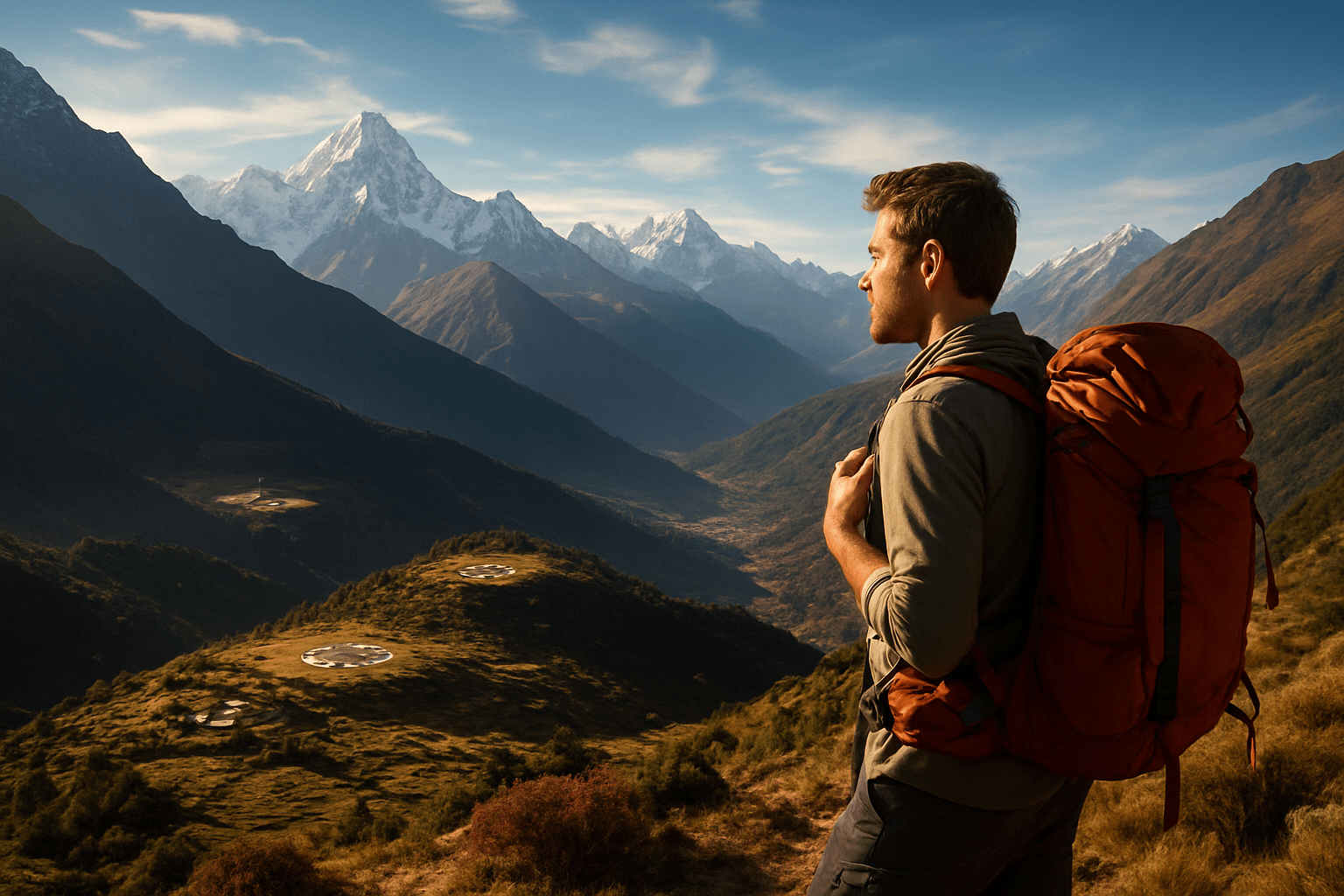
Compare Costs and Value for Each Destination
| Trek | Helicopter Cost | Total Package Range | Best Value Factor |
| Everest Base Camp | $4,500-$6,000 | $5,500-$7,500 | Iconic views and prestige |
| Annapurna Base Camp | $3,500-$4,500 | $4,200-$5,800 | Diverse landscapes and culture |
| Langtang Valley | $2,800-$3,800 | $3,500-$4,900 | Pristine wilderness and affordability |
Everest helicopter treks command premium prices due to high demand and the world's most famous mountain views. You're paying for exclusivity and bragging rights, plus the chance to touch down at the highest helicopter landing point on Earth. Annapurna offers the sweet spot between cost and variety - you get glacial amphitheaters, rhododendron forests, and authentic Gurung villages. Langtang delivers exceptional value with untouched beauty and fewer crowds, making your helicopter experience feel more intimate and personal.
Hidden costs can surprise first-time trekkers. Weather delays might extend your stay, fuel surcharges fluctuate seasonally, and permit fees vary by nationality. Group bookings slash individual costs significantly - sharing a helicopter among 4-5 people makes luxury accessible.
Physical Fitness Requirements and Altitude Considerations
Helicopter treks dramatically reduce physical demands compared to traditional trekking, but don't assume zero fitness requirements. You'll still walk 2-4 hours daily on uneven terrain, navigate stone steps, and handle basic camping conditions.
Altitude Breakdown:
- Everest Base Camp: 17,598 feet - High risk of altitude sickness
- Annapurna Base Camp: 13,549 feet - Moderate altitude concerns
- Langtang Kyanjin Gompa: 12,467 feet - Lower altitude, easier acclimatization
Everest demands the highest fitness level. Even with helicopter access, the extreme altitude can trigger severe headaches, nausea, and breathing difficulties. Pre-trek cardio training proves essential - aim for 30-45 minutes daily, focusing on stair climbing and hiking with a weighted backpack.
Annapurna's moderate altitude allows most reasonably fit individuals to succeed. Basic cardiovascular health and regular walking prepare you adequately. Langtang suits beginners and families best, with minimal altitude risk and gentle walking terrain.
Age isn't automatically disqualifying - we've seen 65-year-olds conquer Everest helicopter treks with proper preparation. Medical clearance becomes crucial above age 60 or with pre-existing heart, lung, or blood pressure conditions.
Booking Timing and Availability During Peak Seasons
Peak seasons create helicopter booking frenzies. October-November and March-May offer perfect weather but require 3-4 months' booking. Last-minute availability vanishes, especially for Everest flights.
Seasonal Booking Guide:
- Spring (March-May): Book by December for the best helicopter slots
- Autumn (October-November): Reserve by July to secure preferred dates
- Winter (December-February): More availability, but weather delays are likely
- Monsoon (June-September): Avoid entirely - dangerous flying conditions
Helicopter operators prioritize group bookings over individuals. Solo travelers face longer waits and higher costs. Flexibility with dates improves your chances - operators can slot you into cancellations or weather-delayed flights.
Weather creates the biggest scheduling challenge. Mountain conditions change rapidly, and helicopter companies won't fly in clouds, high winds, or precipitation. Build buffer days into your itinerary - we recommend 2-3 extra days in Kathmandu for weather contingencies.
Local festivals and holidays also affect availability. Dashain and Tihar festivals (September-November) reduce helicopter operations as crews celebrate with families.
Safety Standards and Certified Helicopter Operators
Nepal's helicopter industry has mixed safety records, making operator selection critical. Stick with established companies operating modern fleets and international safety protocols.
Top-Tier Operators:
- Simrik Air: AS350 B3e helicopters, impeccable safety record
- Mountain Helicopters: European-trained pilots, comprehensive insurance
- Manang Air: Local expertise with international safety standards
Red flags include operators offering significantly cheaper rates, older helicopter models (avoid Soviet-era aircraft), or vague insurance coverage. Legitimate companies provide detailed safety briefings, emergency procedures, and comprehensive insurance documentation.
Pilot credentials matter enormously. Demand pilots with a minimum of 1,000 mountain flying hours and current instrument ratings. Mountain flying requires specialized skills - downdrafts, thin air, and rapidly changing weather create unique challenges.
Aircraft maintenance standards vary wildly. Reputable operators follow European or American maintenance protocols with detailed logbooks. Ask about maintenance schedules and certification - legitimate companies welcome transparency.
Weather decision-making separates professional operators from cowboys. Quality companies err on the side of caution, canceling flights for marginal conditions rather than risking passenger safety. Pressure to fly in questionable weather should immediately disqualify any operator.
Emergency preparedness includes satellite communication, emergency medical kits, and evacuation insurance. Your operator should clearly explain emergency procedures and have established protocols with rescue services.
Conclusion

Three incredible helicopter trek experiences await you in Nepal's majestic Himalayas. The Everest Base Camp helicopter trek delivers that once-in-a-lifetime mountain adventure with breathtaking views of the world's tallest peak. The Annapurna Base Camp route takes you deep into nature's sanctuary, surrounded by towering peaks and stunning landscapes. The Langtang Valley trek offers a more intimate experience in a hidden corner of the Himalayas that feels like your own personal discovery.
Each helicopter trek brings its own magic and unique perspective on Nepal's mountain beauty. Your choice depends on what speaks to you most - the legendary appeal of Everest, the natural amphitheater of Annapurna, or the peaceful charm of Langtang Valley. Whichever path you choose, you're guaranteed an unforgettable journey that combines the thrill of helicopter flight with the raw beauty of the Himalayas. Start planning your helicopter trek adventure today and prepare to see Nepal from a perspective that will stay with you forever.
If you need any further information, please contact us by email: [email protected], Phone: +977- 980 195 6248 (WhatsApp).