Choosing between Himlung and Mera Peak comes down to your climbing experience, fitness level, and what kind of adventure you want. This guide is for mountaineers who've done some high-altitude climbing and are ready to tackle their next Himalayan challenge.
Both peaks offer incredible experiences, but they're quite different climbs. Himlung demands more technical skills and costs significantly more, while Mera Peak provides a less technical but equally rewarding journey at a friendlier price point.
We'll break down the technical difficulty differences so you know which matches your skill level. You'll also get a clear cost comparison to help you budget properly, plus insights into what makes each climb special - from the stunning views you'll encounter to the cultural experiences along the way.
Understanding Himlung and Mera Peak Fundamentals
Himlung Peak Altitude and Location Advantages
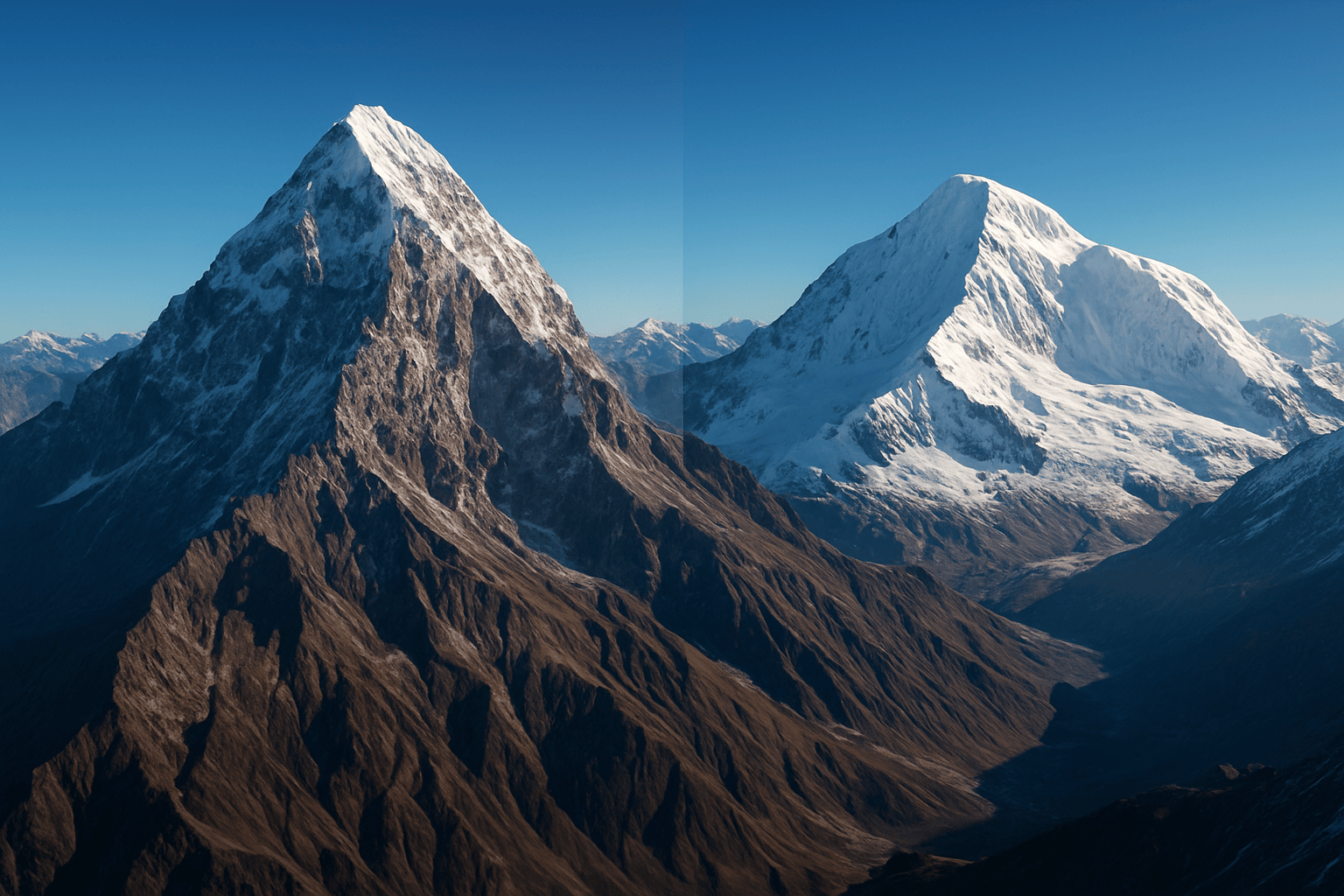
Himlung Peak stands at 7,126 meters (23,379 feet) in the remote Manaslu region of Nepal, offering climbers a relatively accessible 7,000-meter peak experience. The mountain sits along the Nepal-Tibet border, providing stunning panoramic views of Manaslu, Annapurna II, and Cheo Himal. What makes Himlung particularly attractive is its strategic position as a stepping stone to 8,000-meter peaks, allowing mountaineers to gain valuable high-altitude experience without the extreme technical demands of bigger mountains.
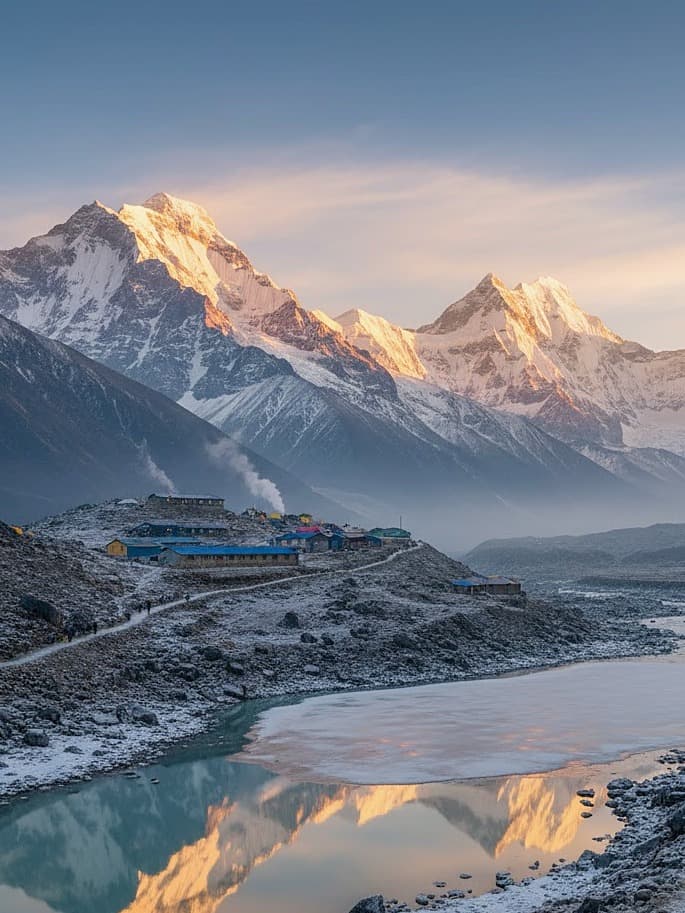
The peak's location in the less-crowded Manaslu region means fewer permit restrictions and a more pristine wilderness experience. Unlike popular climbing areas, you won't find yourself queuing with dozens of other teams. The approach trek follows ancient trade routes between Nepal and Tibet, passing through traditional Tibetan villages like Samagaon and Samdo, where yak herders still practice centuries-old traditions.
Weather patterns at Himlung tend to be more stable than on peaks in the Khumbu region, with clearer climbing windows during both pre-monsoon and post-monsoon seasons. The mountain's position shields it from some of the moisture-laden winds that plague other Himalayan peaks, creating better visibility and climbing conditions.
Mera Peak Height and Geographical Benefits
Mera Peak reaches 6,476 meters (21,247 feet), making it Nepal's highest trekking peak and one of the most popular stepping stones into serious mountaineering. Located in the Khumbu region's Hinku Valley, Mera offers incredible access to the world's highest peaks, with unobstructed views of five 8,000-meter giants: Everest, Lhotse, Cho Oyu, Makalu, and Kanchenjunga.
Mera Peak's location offers a unique vantage point that many consider superior to Everest Base Camp for mountain photography and panoramic views. From the summit, you get a front-row seat to the greatest mountain amphitheater on Earth, with the entire Everest massif spread out before you.
Mera's location in the Khumbu region provides excellent infrastructure support, with well-established tea houses along much of the approach route and helicopter rescue options readily available. The peak sits at the junction of three glacial valleys, creating varied terrain that helps with acclimatization and offers diverse scenic experiences throughout the climb.
The lower altitude compared to Himlung means shorter exposure to extreme altitude effects, but the technical glacier travel required provides excellent training for future expeditions. The Mera La pass at 5,415 meters serves as a natural acclimatization point before the final summit push.
Peak Classification and Mountaineering Significance
Both peaks hold different classifications that attract distinct types of climbers. Himlung officially qualifies as a 7,000-meter peak, placing it in the category of serious high-altitude mountaineering objectives. The Nepal Mountaineering Association recognizes it as an expedition peak, requiring comprehensive mountaineering skills, including glacier travel, fixed-rope techniques, and extended high-altitude camping.
Mera Peak falls under the "trekking peak" classification, though this label can be misleading. While permits are easier to obtain and guides don't require the same certifications as expedition peaks, successful climbers still need solid mountaineering fundamentals. The peak demands competency with crampons, ice axes, and rope team glacier travel.
The mountaineering community views Himlung as preparation for 8,000-meter attempts, while Mera serves as an excellent introduction to high-altitude climbing. Many professional guide services use Mera as a training ground for clients planning bigger objectives, while Himlung attracts climbers specifically seeking to test their limits at serious altitude.
Climbing either peak provides valuable experience points toward international mountaineering credentials and expedition résumés. Both peaks appear regularly in training programs for aspiring Everest climbers and other major expedition objectives.
Accessibility and Permit Requirements Comparison
| Aspect | Himlung Peak | Mera Peak |
| Permit Type | Expedition Peak | Trekking Peak |
| Permit Cost | $500-1,800 (seasonal) | $250-500 (seasonal) |
| Required Guide | Certified Expedition Leader | NMA Licensed Guide |
| Group Size | Minimum varies by season | Individual climbs allowed |
| Processing Time | 2-3 weeks | 1-2 weeks |
Himlung requires expedition-style permits through the Nepal Department of Tourism, with costs varying dramatically based on season and group size. Spring season (March-May) commands premium rates, while autumn permits cost significantly less. The permit process demands detailed expedition plans, equipment lists, and proof of mountaineering experience.
Mera Peak permits go through the Nepal Mountaineering Association, creating a more streamlined process with lower costs. Solo climbers can obtain permits, though most choose guided services for safety and logistics support. The paperwork requirements are less extensive, focusing mainly on basic mountaineering competency rather than extensive expedition experience.
Getting to both peaks requires flying into Kathmandu, but the approaches differ significantly. Himlung expeditions typically begin with a long drive to Dharapani, followed by a multi-day trek through remote villages. Mera climbers usually fly to Lukla (weather permitting) and trek through the popular Khumbu region before branching into the less-traveled Hinku Valley.
Rescue and evacuation logistics favor Mera Peak due to its proximity to established helicopter routes and medical facilities in the Khumbu region. Himlung's remote location means evacuation becomes more complex and expensive, requiring careful consideration of insurance coverage and emergency planning.
Technical Difficulty and Climbing Experience Required
Himlung's Technical Climbing Challenges
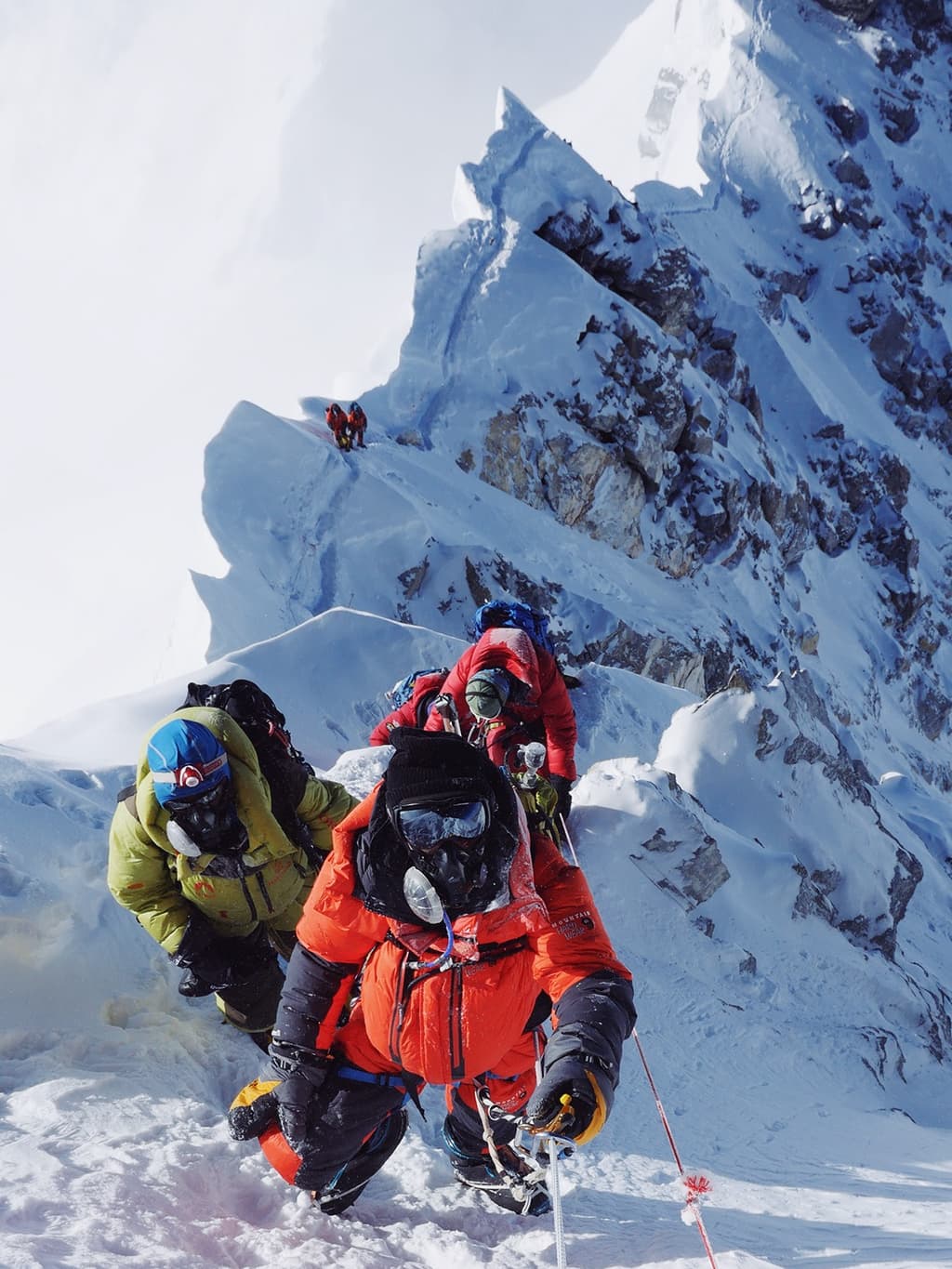
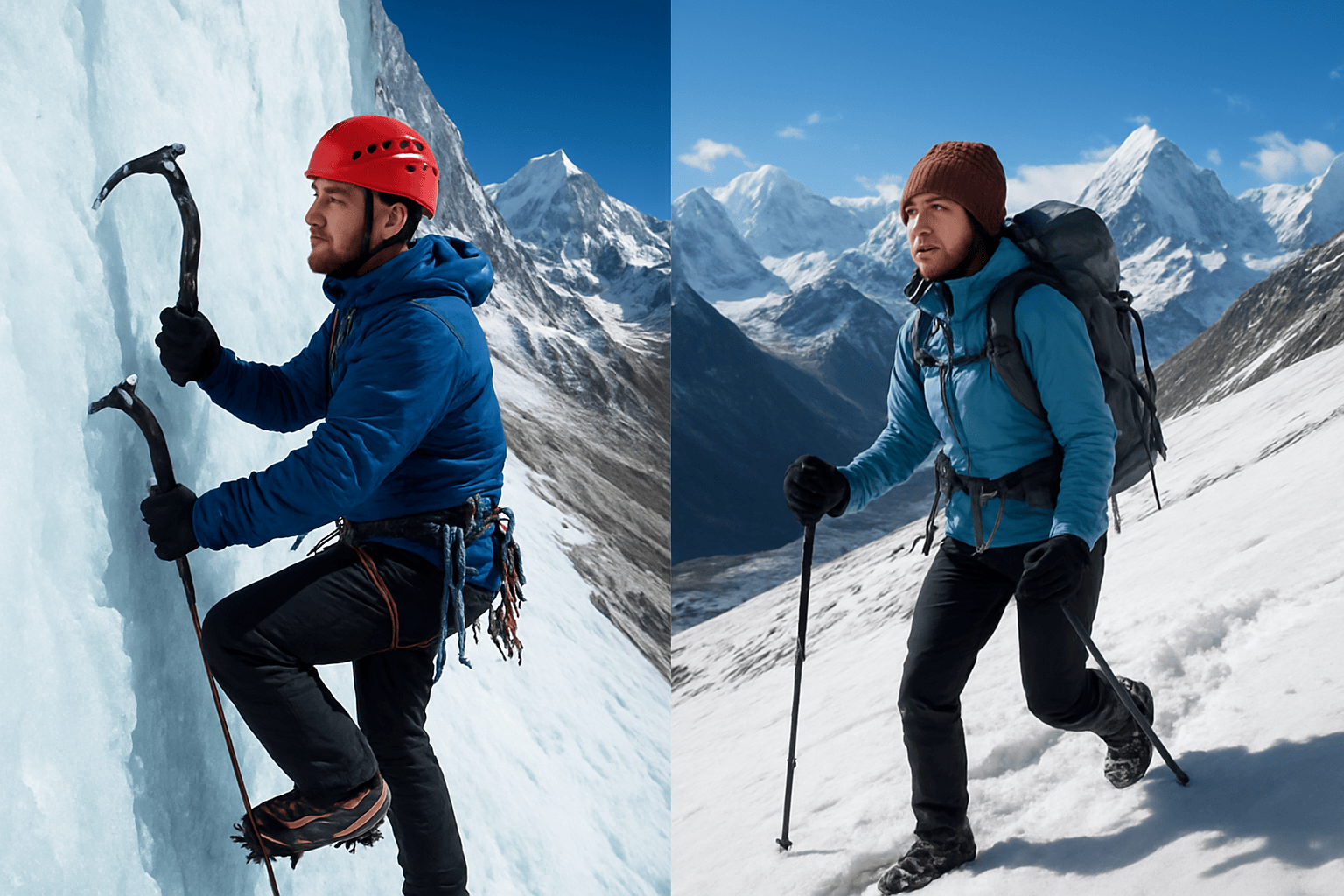
Himlung presents a formidable mountaineering challenge that demands serious technical skills and mental fortitude. The mountain features several exposed sections where climbers navigate steep ice walls and mixed terrain combining rock, snow, and ice. The final summit push involves technical ice climbing on slopes reaching 45-50 degrees, requiring proficiency with ice axes, crampons, and rope work.
Weather windows on Himlung can shift rapidly, making route-finding skills absolutely critical. Climbers frequently encounter whiteout conditions where visibility drops to mere meters, demanding excellent navigation abilities and the confidence to make crucial decisions under pressure. The mountain's remote location means rescue operations are extremely limited, placing additional responsibility on climbers to manage risks independently.
Crevasse rescue techniques become essential on Himlung's glaciated sections. Teams must master rope team travel, self-arrest procedures, and pulley systems for extracting fallen climbers. The technical nature of these skills requires extensive practice before attempting the peak.
Mera Peak's Moderate Difficulty Level
Mera Peak offers a more accessible entry point into high-altitude mountaineering without sacrificing the authentic Himalayan experience. The route primarily follows non-technical terrain, with the most challenging sections involving 30-35 degree snow slopes that require basic crampon techniques and ice axe use.
The climb doesn't demand advanced rope work or complex technical maneuvers, making it suitable for climbers transitioning from trekking peaks to serious mountaineering objectives. Most sections involve straightforward snow walking, though proper glacier travel awareness remains important for safety.
Weather conditions on Mera tend to be more predictable than Himlung, though altitude-related challenges still present significant obstacles. The mountain's popularity means established camps and more frequent rescue possibilities, reducing some inherent risks associated with remote peak climbing.
Required Mountaineering Skills for Each Peak
| Skill Category | Himlung Requirements | Mera Peak Requirements |
| Ice Climbing | Advanced (45-50° slopes) | Basic (30-35° slopes) |
| Rope Work | Complex anchoring, rescue systems | Basic glacier travel |
| Navigation | Expert route-finding | Intermediate trail following |
| Weather Assessment | Advanced storm prediction | Basic weather awareness |
| Crevasse Rescue | Full technical proficiency | Fundamental knowledge |
| Equipment Management | Extensive technical gear | Standard mountaineering kit |
Himlung climbers must demonstrate competency in multi-pitch ice climbing, advanced anchor building, and complex rope rescue scenarios. These skills typically require years of development through progressive climbing experiences on technical routes.
Mera Peak climbers need solid foundations in basic mountaineering: proper crampon use, self-arrest techniques, and fundamental rope team travel. While less technically demanding, these skills still require dedicated training and practice.
Previous Climbing Experience Recommendations
Aspiring Himlung climbers should have completed multiple technical peaks above 6,000 meters, with at least one involving significant ice climbing components. Experience on peaks like Island Peak, Lobuche East, or similar technical objectives provides necessary skill development. Previous exposure to multi-day technical climbing in harsh weather conditions proves invaluable.
Mountaineers should also have experience leading technical ice pitches and managing complex rescue scenarios. Training on glaciated peaks where crevasse hazards exist helps develop crucial risk assessment abilities needed for Himlung's challenging terrain.
Mera Peak candidates can approach the mountain with less extensive backgrounds, though some high-altitude experience remains beneficial. Previous trekking peaks like Kilimanjaro or Mount Rainier provide valuable altitude acclimatization experience. Basic mountaineering courses covering glacier travel and crampon techniques adequately prepare most climbers for Mera's challenges.
First-time Himalayan climbers often find Mera Peak an excellent stepping stone toward more technical objectives, building confidence and altitude experience in a relatively controlled environment while still achieving a significant 6,000+ meter summit.
Physical Fitness and Training Demands
Cardiovascular Endurance Requirements for Himlung
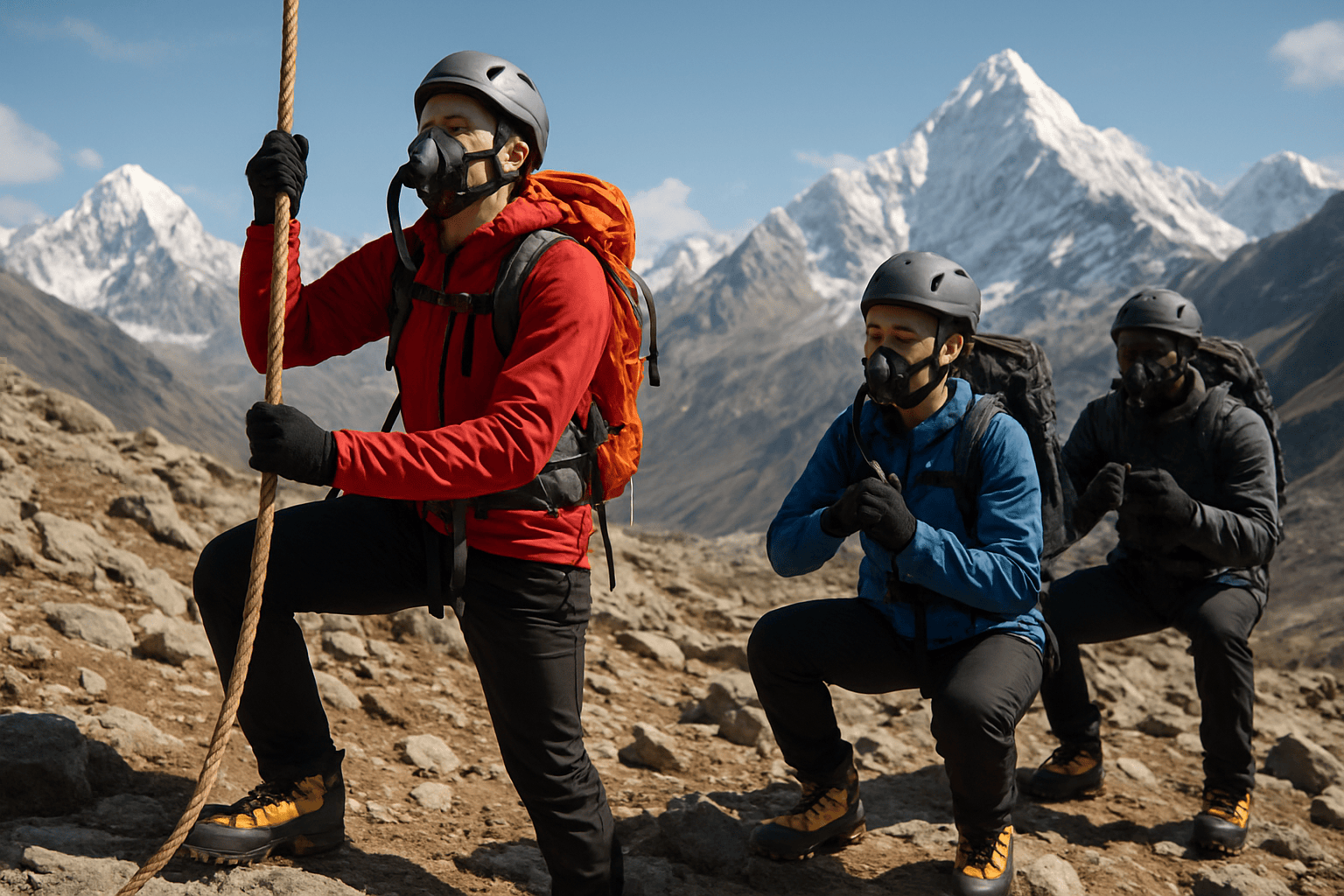
Himlung demands exceptional cardiovascular fitness due to its high altitude and extended expedition duration. Your heart and lungs will work overtime in the thin air above 7,000 meters, where oxygen levels drop to roughly 40% of sea level. You need to build a solid aerobic base through months of consistent training.
Running forms the backbone of Himlung preparation. Aim for 45-60 minutes of steady-state running 4-5 times per week, maintaining a pace where you can hold a conversation. Hill running becomes crucial – find steep inclines and practice maintaining rhythm while breathing heavily. Stair climbing with a weighted pack mimics the expedition experience perfectly.
Cycling offers joint-friendly cardio alternatives. Long weekend rides of 3-4 hours build the endurance base you need for those grueling summit days. Swimming develops lung capacity while strengthening core muscles you'll rely on during technical sections.
Your target should be completing a 2-hour hike with a 20kg pack without feeling winded. If you can maintain steady energy output for extended periods at sea level, you'll have the foundation needed for Himlung's demanding ascent.
Mera Peak Fitness Preparation Essentials
Mera Peak requires solid fitness but proves more accessible than technical Himalayan giants. The trek involves 15-20 days of hiking with significant elevation gain, demanding strong legs and reliable endurance rather than extreme cardiovascular capacity.
Focus on hiking-specific fitness through regular long walks with gradually increasing pack weight. Start with day hikes carrying 8-10kg and build toward 15kg over several months. Your legs need to handle continuous uphill walking for 6-8 hours daily without breaking down.
Stair climbing becomes your best friend. Find tall buildings or stadium steps and practice ascending while carrying weight. This directly translates to the relentless uphill sections you'll face approaching Mera Peak's summit.
Balance training shouldn't be overlooked. Use wobble boards, practice single-leg stands, and work on proprioception. Mera's final summit push involves walking on snow-covered rocky terrain where sure footing makes the difference between success and failure.
Your fitness benchmark: complete a 6-hour hike with a 12kg pack while maintaining steady energy levels throughout. If you can do this comfortably, Mera Peak becomes an achievable goal.
Altitude Acclimatization Strategies
Both peaks require systematic altitude adaptation, but your approach differs based on each mountain's profile. Proper acclimatization prevents altitude sickness and dramatically improves summit success rates.
For Himlung, plan extended time at intermediate altitudes. Spend extra nights at base camp (4,850m) and Camp 1 (5,450m). The "climb high, sleep low" principle becomes critical above 6,000m. Practice sleeping at altitude during training climbs – your body needs to learn oxygen efficiency during rest periods.
Mera Peak allows more gradual acclimatization through the approach trek. The route naturally incorporates rest days at key elevations like Namche Bazaar (3,440m) and Khare (5,045m). Use these stops for active recovery – short hikes to higher viewpoints followed by a descent to sleeping altitude.
Pre-expedition altitude training helps tremendously. If you live near mountains, plan weekend trips to 3,000-4,000m elevations. Sleep at altitude when possible, or consider altitude simulation systems for consistent exposure.
Watch for altitude sickness symptoms: headaches, nausea, dizziness, and fatigue. Descend immediately if symptoms worsen. Both peaks offer descent options, but early recognition prevents serious complications.
Strength Training Focus Areas
Leg strength dominates both climbs, but specific muscle groups require targeted development. Your training should mirror the movement patterns you'll use on each mountain.
Squats and lunges form your foundation. Practice weighted step-ups using a platform height matching typical Himalayan rock steps. Bulgarian split squats develop single-leg strength essential for uneven terrain navigation. Add resistance bands for lateral movements – mountain walking rarely follows straight lines.
Core stability supports heavy pack carrying and maintains posture during long climbing days. Planks, dead bugs, and farmer's walks with uneven weights prepare your trunk for real-world loading. Practice carrying awkward loads – water jugs, sandbags, or gear bags that shift during movement.
Upper body strength matters more for Himlung's technical sections. Pull-ups develop grip strength for fixed rope sections. Push-ups and overhead presses build shoulder stability for ice axe work. Don't neglect grip strength – forearm fatigue can end summit attempts.
Back and shoulder conditioning prevents injury from heavy pack carrying. Rows, reverse flies, and rotator cuff exercises maintain healthy shoulders under load. Practice wearing your fully loaded expedition pack during training sessions to identify weak points before departure.
Pre-Climb Conditioning Timeline
Your training timeline depends heavily on current fitness levels and chosen peak. Both mountains require a minimum 4-6 months of dedicated preparation for recreational athletes.
Months 1-2: Base Building
- Establish consistent cardio routine (4-5 sessions weekly)
- Begin strength training 2-3 times per week
- Start hiking with light packs (5-8kg)
- Focus on movement quality over intensity
Months 3-4: Intensity Increase
- Extend cardio sessions to match expedition demands
- Add weighted pack training up to 12-15kg
- Include hill running and stair climbing
- Practice technical skills (crampon walking, ice axe use)
Months 5-6: Peak Preparation
- Simulate expedition conditions through back-to-back training days
- Complete test expeditions at altitude if possible
- Fine-tune gear and nutrition strategies
- Maintain fitness while allowing recovery time
Final Month: Taper and Prepare
- Reduce training volume by 30-40%
- Maintain movement quality and flexibility
- Focus on mental preparation and logistics
- Arrive at the expedition start feeling fresh and eager
Consistency trumps intensity throughout your preparation. Better to train moderately every day than intensely twice per week. Your body adapts to regular stress, building the resilience needed for Himalayan success.
Cost Analysis and Budget Planning

Himlung Expedition Total Expenses Breakdown
Himlung Himal demands a significant financial investment, typically ranging from $8,000 to $15,000 per climber. The expedition permit alone costs around $1,800 for foreign nationals, while the mandatory liaison officer fee adds approximately $3,000 to your budget. Base camp services, including full board accommodation, cooking staff, and logistics support, account for roughly $4,000-6,000 depending on the outfitter's service level.
Transportation costs from Kathmandu to the trek starting point run about $400-600, while domestic flights and ground transport can add another $300-500. The climbing Sherpa support, essential for technical sections, costs approximately $2,500-3,500 per team. Oxygen bottle rentals, if required, add $400-600 per bottle to your expenses.
Mera Peak Climbing Cost Components
Mera Peak presents a more budget-friendly option, with total costs ranging from $2,500 to $4,500. The trekking permit fees are substantially lower at around $50-100, while the climbing permit costs approximately $250-500, depending on the season. Guide and porter services typically run $1,500-2,500 for the entire expedition.
Accommodation along the trek varies from basic teahouses at $10-20 per night to more comfortable lodges at $30-50 nightly. Food expenses average $25-35 per day, including three meals and hot drinks. Internal flights to Lukla cost around $400-500 return, though alternative overland routes can reduce this expense significantly.
Equipment and Gear Investment Differences
The gear requirements differ substantially between these peaks. Himlung demands high-altitude mountaineering equipment, including expedition-grade down suits ($800-1,200), technical climbing boots ($400-600), and specialized high-altitude sleeping bags ($500-800). Climbing hardware like ice axes, crampons, and harnesses add another $800-1,200 to your kit.
Mera Peak requires standard trekking and basic mountaineering gear. A four-season sleeping bag ($300-500), mountaineering boots ($250-400), and basic climbing equipment ($400-600) suffice for most climbers. The rental option in Kathmandu can reduce gear costs by 40-60%, making Mera Peak more accessible for first-time high-altitude climbers.
Additional Hidden Costs to Consider
Both expeditions carry unexpected expenses that catch climbers off guard. Travel insurance with high-altitude coverage ranges from $200-500, while evacuation insurance adds another $100-300. Visa fees
Climbing Duration and Time Commitment
Himlung Expedition Timeline and Phases
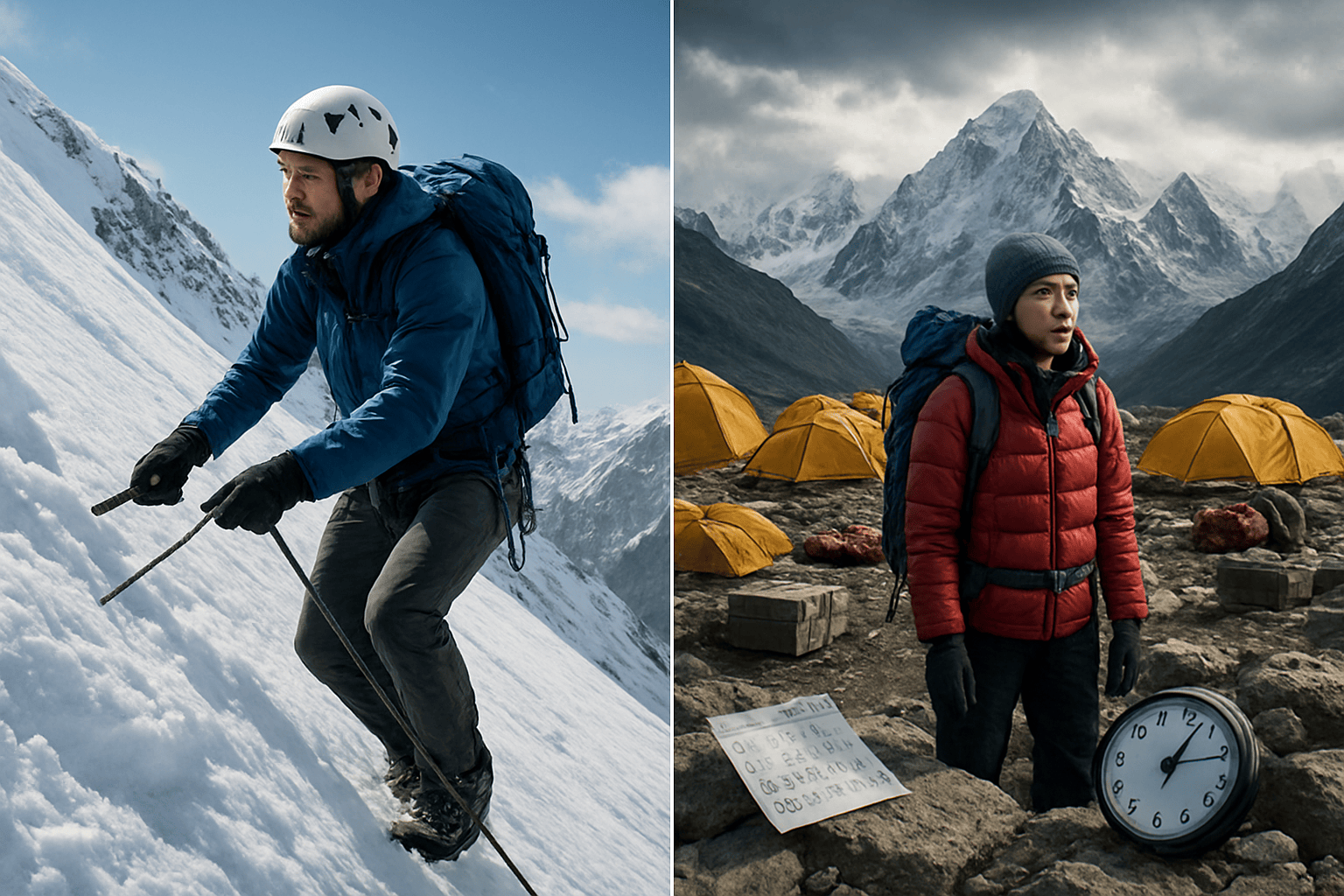
Himlung demands a substantial time investment spanning 32-35 days from arrival in Kathmandu to departure. The expedition begins with 2-3 days in Kathmandu for permit processing, gear checks, and team briefing. The approach trek to base camp takes 8-10 days through remote valleys, passing through Tibetan settlements and gradually gaining altitude.
Base camp operations consume the majority of your time, requiring 18-20 days for proper acclimatization. This includes establishing three high camps at 5,450m, 6,000m, and 6,400m, respectively. The climbing phase involves multiple rotations between camps, with rest days built into the schedule. Weather windows play a crucial role, and teams often wait several days for optimal summit conditions.
The actual summit push typically spans 4-5 days, moving from base camp to high camp and back. Post-summit descent and trek back to the roadhead requires another 6-7 days, accounting for celebration time and gradual descent to lower altitudes.
Mera Peak Climbing Schedule Overview
Mera Peak offers a more compact timeline of 16-18 days total. The adventure starts with 1-2 days in Kathmandu for final preparations and domestic flight arrangements to Lukla. The trek to Mera Peak base camp takes 6-7 days, passing through Sherpa villages and rhododendron forests.
Acclimatization requirements are less intensive, typically requiring 3-4 days at base camp and high camp. The climb includes establishing one high camp at approximately 5,800m. Summit day itself is a long 12-14-hour push, but most climbers complete it in a single day from high camp.
The return journey mirrors the approach, taking 5-6 days to trek back to Lukla, including buffer days for weather delays. The entire expedition wraps up much quicker than technical peaks, making it attractive for climbers with limited vacation time.
Seasonal Timing Considerations
Both peaks share similar climbing seasons, but timing nuances affect your planning significantly. The spring season (March-May) offers the most reliable weather windows, with April and May being prime months. Pre-monsoon conditions provide stable weather patterns and warmer temperatures at altitude.
Autumn season (September-November) presents another excellent opportunity, particularly in October and early November. Post-monsoon clarity delivers spectacular mountain views, though temperatures drop considerably as winter approaches.
Himlung's higher altitude makes it more susceptible to winter conditions, effectively closing the climbing window by late November. Mera Peak extends slightly longer into the season due to its lower summit elevation and established route infrastructure.
Winter expeditions are technically possible but require extensive cold-weather gear and experience. Monsoon season (June-August) brings dangerous avalanche conditions and poor visibility, making both peaks unsuitable for climbing.
Leave Planning and Work Schedule Impact
| Aspect | Himlung | Mera Peak |
| Total Leave Required | 5-6 weeks | 3-4 weeks |
| Advance Planning | 6-12 months | 3-6 months |
| Flexibility Needed | High (weather delays) | Moderate |
| Weekend Integration | Limited benefit | Can reduce weekdays |
Himlung's extended timeline demands significant career planning. Most climbers need 35-40 days of leave, accounting for travel delays and recovery time. The expedition's length makes it challenging to integrate with typical vacation allowances, often requiring unpaid leave or sabbatical arrangements.
Professional preparation becomes crucial - project handovers, client communication, and backup coverage require months of planning. The expedition's remote location offers minimal communication opportunities, making complete work disconnection necessary.
Mera Peak's shorter duration fits more easily into standard vacation schedules. Three weeks of leave can accommodate the entire expedition, including travel buffer days. Strategic timing around holidays or long weekends can reduce the total leave requirement.
The compact timeline also allows for better work integration upon return. Recovery time is shorter, and the reduced altitude exposure means less post-expedition fatigue. Many climbers return to work within a few days of completing Mera Peak, while Himlung often requires additional recovery time.
Budget considerations also affect timing decisions. Longer expeditions mean extended income loss for self-employed individuals, while corporate climbers may face project delays or missed opportunities during extended absences.
Success Rates and Safety Considerations
Himlung Summit Success Statistics
Himlung Himal boasts impressive success rates that make it an attractive option for climbers seeking a 7,000-meter challenge. Recent expedition data shows summit success rates hovering around 85-90% for organized commercial expeditions, significantly higher than many other peaks in this altitude range. The mountain's relatively straightforward route and favorable weather windows contribute to these strong statistics.
The peak sees approximately 50-80 climbers annually, with most attempts occurring during the spring season from April to May. Teams typically spend 3-4 weeks acclimatizing, which plays a crucial role in the high success rates. Most failures occur due to weather conditions rather than technical difficulties, as the climb follows a moderate snow and ice route without extreme technical sections.
Mera Peak Completion Rates
Mera Peak stands out with exceptional completion rates, often reaching 95-98% for well-organized expeditions. This remarkable success rate stems from the peak's non-technical nature and the extensive acclimatization built into most itineraries. The mountain attracts 200-300 climbers annually, making it one of Nepal's most popular trekking peaks.
The high success rate doesn't mean the climb is easy - altitude remains the primary challenge. Most unsuccessful attempts result from acute mountain sickness or weather delays rather than technical climbing difficulties. The gradual ascent profile and multiple rest days built into standard itineraries help minimize altitude-related issues.
Weather-Related Risks and Mitigation
Both peaks face significant weather challenges, though patterns differ between the regions. Himlung experiences more stable weather windows during spring but can face sudden storms that trap climbers for days. The mountain's location in the Annapurna region means weather systems move quickly, creating both opportunities and risks.
Key weather mitigation strategies include:
- Flexible scheduling: Building 2-3 extra days into expedition timelines
- Multiple weather forecasting sources: Using both local knowledge and satellite data
- Proper gear selection: High-altitude clothing systems rated for -30°C temperatures
- Communication equipment: Satellite phones or GPS messengers for weather updates
Mera Peak weather patterns are generally more predictable, with clearer seasonal windows. However, the approach through the Khumbu region means dealing with typical monsoon and winter weather patterns. Spring and autumn offer the most stable conditions, though sudden afternoon storms remain common.
Emergency Evacuation Procedures
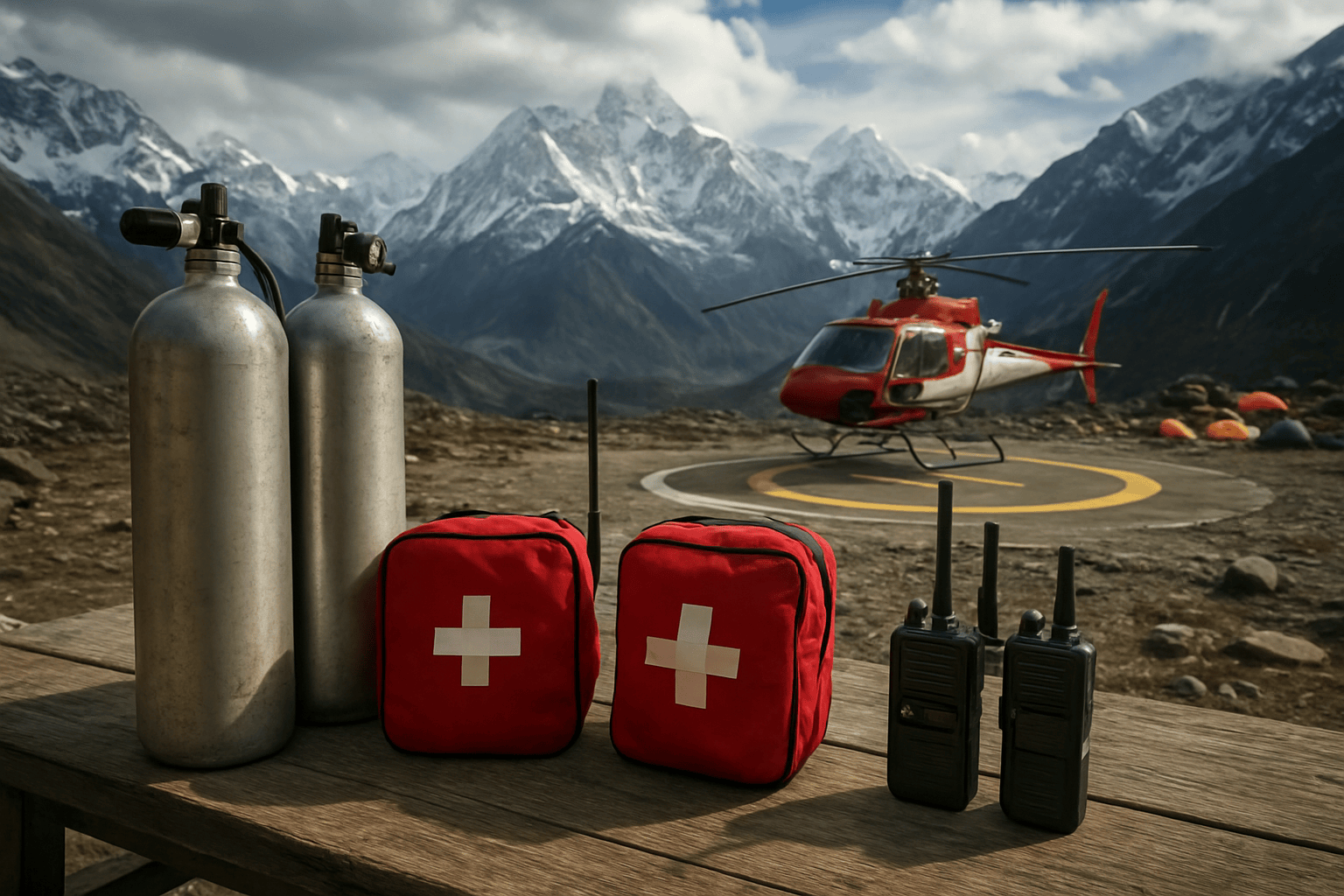
Emergency evacuation protocols differ significantly between the two peaks due to their locations and accessibility. Himlung's remote position in the restricted area near the Tibet border means helicopter evacuations are complex and weather-dependent. The nearest medical facilities are in Manang or Besisahar, requiring multi-hour evacuations in good conditions.
Evacuation considerations for Himlung include:
- Helicopter landing zones: Limited options above base camp
- Permit requirements: Special permissions needed for rescue operations
- Insurance coverage: Minimum $100,000 helicopter rescue coverage recommended
- Communication systems: Reliable satellite communication is essential
Mera Peak benefits from better evacuation infrastructure due to its location in the Everest region. Helicopter rescues are more routine, with established landing zones and flight paths. The proximity to Lukla airport and medical facilities in Namche Bazaar or Kathmandu improves response times significantly.
Both peaks require comprehensive travel insurance covering high-altitude rescue operations. Many standard policies exclude coverage above 5,500 meters, making specialized mountaineering insurance essential. Expedition leaders should maintain emergency action plans and regular check-in protocols throughout the climb.
Scenic Beauty and Cultural Experience
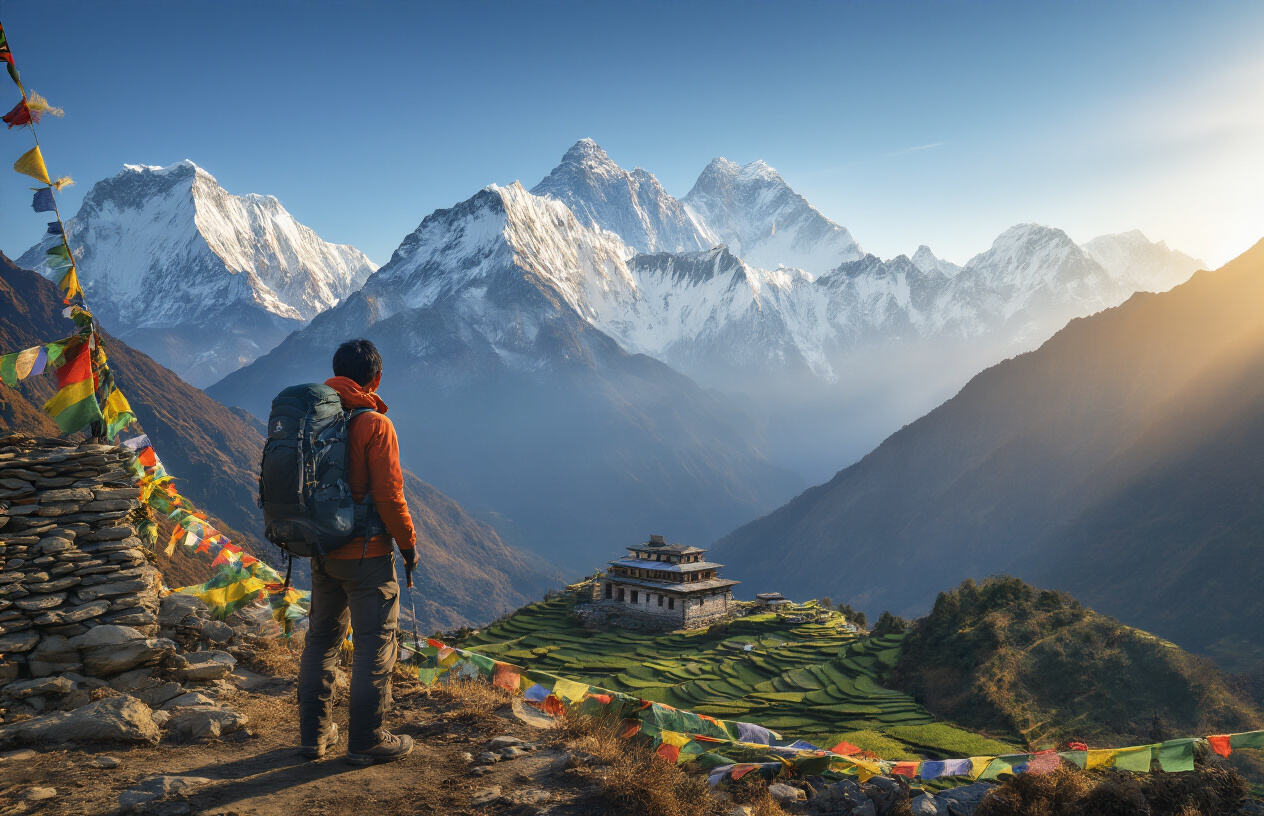
Himlung's Remote Wilderness Advantages
Himlung offers an untouched wilderness experience that few peaks can match. Located in the remote Peri region near the Tibetan border, this 7,126-meter giant provides climbers with pristine mountain views and solitude that's increasingly rare in the Himalayas. The approach trek takes you through traditional Gurung and Tibetan villages where ancient Buddhist monasteries dot the landscape, creating a spiritual backdrop for your climbing adventure.
The surrounding terrain showcases dramatic contrasts - from lush rhododendron forests at lower elevations to stark, wind-carved ridges at higher altitudes. You'll witness stunning panoramas of Annapurna II, Gangapurna, and Tilicho Peak without the crowds that plague more popular climbing routes. The isolation means you'll often have spectacular viewpoints entirely to yourself, creating intimate moments with the mountains that define exceptional climbing experiences.
Weather patterns here create unique photographic opportunities, with morning light painting the surrounding peaks in brilliant oranges and pinks while afternoon storms roll across the Tibetan plateau. The cultural authenticity remains intact since fewer trekkers venture into this region, allowing for genuine interactions with local communities who maintain traditional lifestyles largely unchanged by modern tourism.
Mera Peak's Everest Region Highlights
Mera Peak delivers the ultimate Everest region experience without requiring technical mountaineering skills. Standing at 6,476 meters in the heart of Khumbu, this peak provides unmatched views of five 8,000-meter giants: Everest, Lhotse, Cho Oyu, Makalu, and Kangchenjunga. The panoramic vista from Mera's summit ranks among the world's most spectacular mountain views, making every challenging step worthwhile.
The trek approaches through the famous Khumbu Valley, passing through iconic Sherpa villages like Namche Bazaar, Tengboche, and Dingboche. You'll walk the same trails used by legendary climbers heading to Everest Base Camp, absorbing the rich mountaineering history that permeates this region. The landscape transforms dramatically as you ascend - from terraced hillsides and suspension bridges spanning roaring rivers to glacial moraines and towering ice walls.
| Viewpoint | Altitude | Key Mountains Visible |
| Mera High Camp | 5,780m | Everest, Lhotse, Makalu |
| Mera Summit | 6,476m | All five 8,000m peaks |
| Mera La Pass | 5,415m | Cho Oyu, Island Peak |
The region's infrastructure supports comfortable teahouse accommodations and well-established rescue protocols, adding safety margins while maintaining the authentic mountain experience.
Local Sherpa Culture Interactions
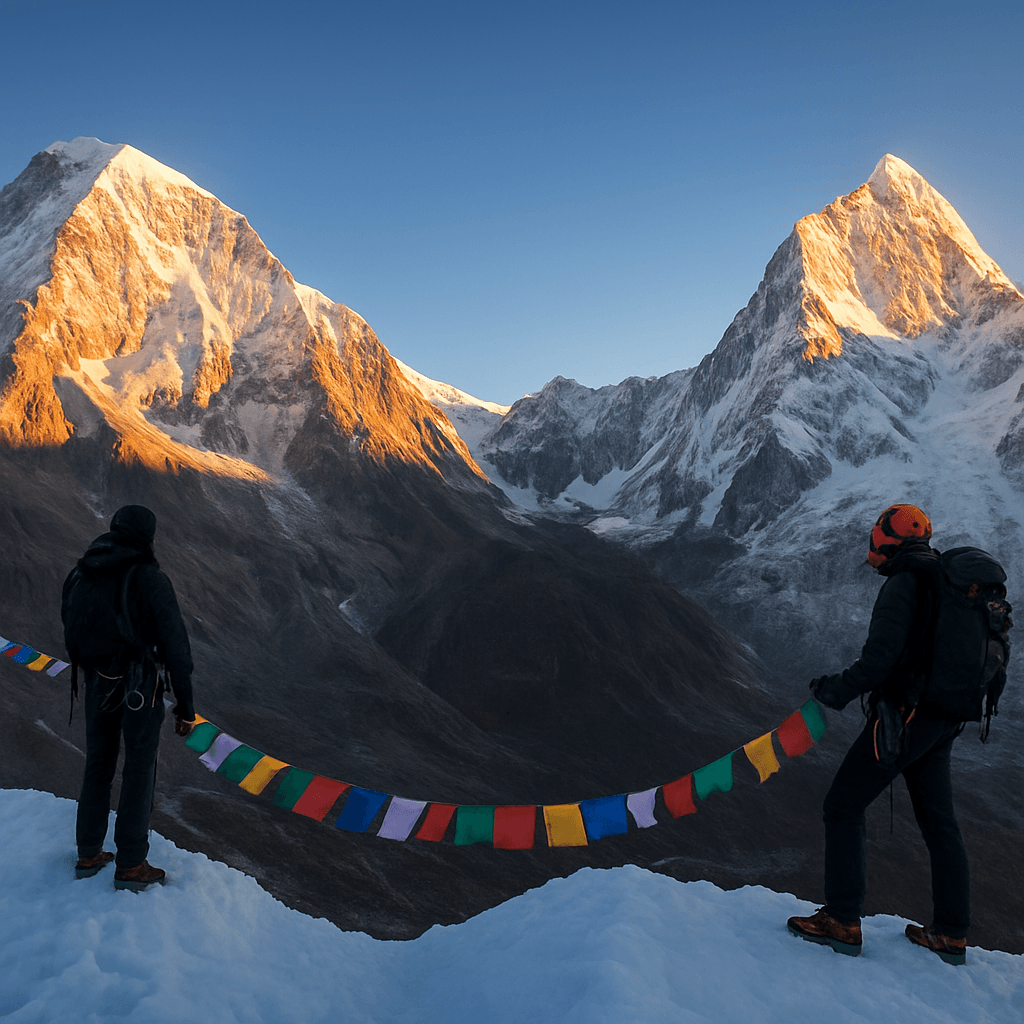
Both peaks offer rich cultural exchanges, though the experiences differ significantly. Himlung's remote location means interactions with local Gurung and Tibetan communities feel more authentic and unhurried. Villages like Phu and Meta preserve traditional architecture and customs, with locals often inviting climbers for butter tea and sharing stories about their mountain homeland. These communities practice ancient Tibetan Buddhism, and you'll encounter prayer wheels, mani walls, and colorful prayer flags that create a deeply spiritual atmosphere.
Mera Peak's Sherpa interactions occur within the broader context of Khumbu's mountaineering culture. Sherpa guides and porters bring generations of climbing expertise, sharing technical knowledge alongside cultural insights. Many Sherpa families run teahouses along the route, creating opportunities for evening conversations about mountain life, Buddhist philosophy, and their role in Himalayan climbing history.
The Sherpa community's connection to Everest and high-altitude climbing creates unique learning opportunities. You'll hear firsthand accounts of famous expeditions and gain insights into the complex relationship between traditional culture and modern mountaineering tourism. Their expertise in altitude adaptation and mountain safety proves invaluable, while their warm hospitality transforms challenging climbs into memorable cultural exchanges.
Photography and Memorable Moments Potential
Himlung excels for photographers seeking pristine, uncrowded compositions. The remote wilderness offers unique shots without human interference—glacier-fed lakes reflecting untouched peaks, ancient Buddhist stupas silhouetted against dramatic mountain backdrops, and wildlife sightings, including blue sheep and snow leopards. Golden hour light illuminates the surrounding peaks with minimal atmospheric haze, creating sharp, vivid imagery that captures the raw essence of high-altitude wilderness.
Mera Peak offers iconic Himalayan photography with world-famous peaks dominating every frame. The summit panorama provides legendary shots of Everest's pyramid silhouette, while the approach trek yields classic images of Sherpa culture, colorful prayer flags, and dramatic suspension bridge crossings. The established route means better access to proven photographic locations, with experienced guides knowing optimal timing for light and weather conditions.
Both peaks create lasting memories through different mechanisms. Himlung's solitude fosters introspective moments and deep connections with the mountain environment. Mera's communal atmosphere, shared with fellow climbers from around the world, creates bonds forged through common challenges and spectacular shared experiences. The choice depends on whether you prefer intimate wilderness encounters or participation in the broader Himalayan climbing community.
Making Your Final Peak Selection Decision
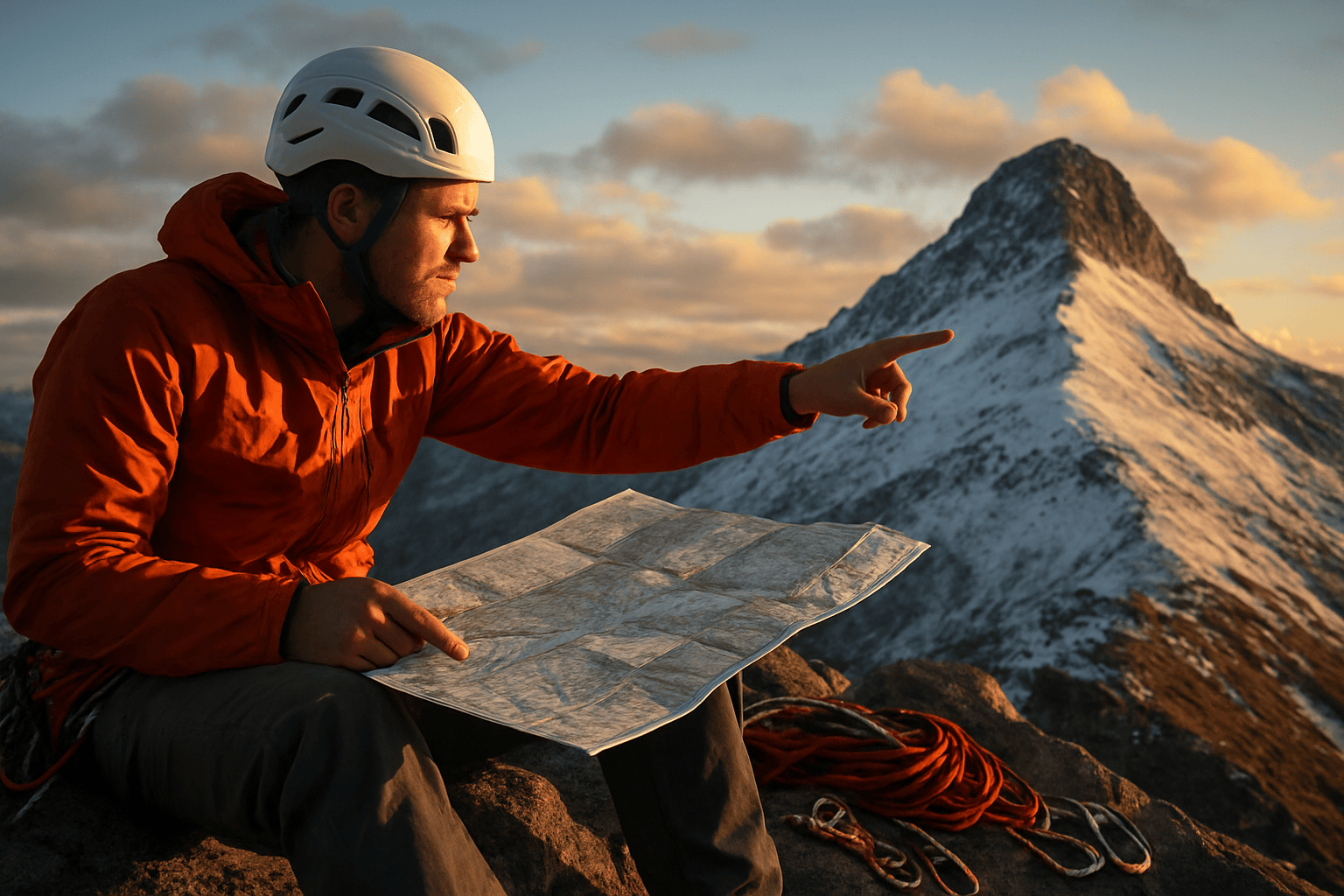
Beginner-friendly choice evaluation
Mera Peak stands out as the clear winner for climbers taking their first steps into high-altitude mountaineering. At 6,476 meters, it offers an authentic Himalayan experience without the technical rope work and ice climbing skills that Himlung demands. The route follows well-established trails with straightforward navigation, making it perfect for those who want to focus on acclimatization and endurance rather than complex climbing techniques.
The support infrastructure around Mera Peak is more developed, with established tea houses along portions of the trek and experienced local guides who specialize in working with first-time high-altitude climbers. This creates a safety net that newer climbers often need while building confidence at extreme elevations.
Budget-conscious beginners will appreciate Mera Peak's lower overall costs. The expedition requires less specialized equipment - no technical climbing gear, fewer oxygen bottles, and shorter expedition duration all translate to savings. Most climbers can complete Mera Peak for $3,000-5,000, while Himlung expeditions typically start around $8,000.
The success rate speaks volumes about accessibility. Mera Peak sees roughly 60-70% of climbers reaching the summit, compared to Himlung's 45-55%. This higher success rate builds confidence and provides a solid foundation for future climbing ambitions. First-time high-altitude climbers who succeed on Mera Peak often return to tackle more challenging peaks with valuable experience under their belts.
Advanced climber considerations
Experienced mountaineers seeking technical challenges and skill development will find Himlung more rewarding. This 7,126-meter peak demands proficiency in crampon techniques, ice axe self-arrest, rope team travel, and crevasse rescue - skills that separate casual trekkers from serious climbers.
Himlung's technical sections include steep ice slopes, exposed ridge climbing, and potentially dangerous weather windows that require quick decision-making. These challenges appeal to climbers who have mastered basic mountaineering skills on peaks like Denali, Aconcagua, or other technical 6,000-meter summits.
The route's complexity offers genuine learning opportunities. Climbers develop advanced high-altitude strategies, practice technical rescue scenarios, and gain experience with expedition-style climbing logistics. The mixed terrain - from glacier travel to rock scrambling to pure ice climbing - provides comprehensive skill development that proves valuable on future expeditions to 8,000-meter peaks.
Weather patterns on Himlung are less predictable than Mera Peak, creating scenarios where experienced judgment becomes critical. Advanced climbers relish these decision-making opportunities that test their mountain sense and risk assessment abilities. The smaller crowds also mean more self-reliance and less hand-holding from guides.
For climbers planning future expeditions to peaks like Cho Oyu, Shishapangma, or even Everest, Himlung provides better preparation due to its technical demands and expedition-style approach.
Personal goals alignment assessment
Your climbing goals should drive your peak selection more than external pressures or peer recommendations. Adventure photographers and those seeking dramatic Instagram content might lean toward Mera Peak's stunning sunrise views over Everest, Lhotse, and Makalu. The panoramic vistas from Mera's summit provide some of the most spectacular mountain photography opportunities in the Himalayas.
Climbers motivated by personal achievement milestones need to honestly assess what success means to them. Reaching your first 6,000-meter summit on Mera Peak represents a significant accomplishment that shouldn't be undervalued. Some climbers find this achievement so fulfilling that they shift focus to different mountain ranges or outdoor pursuits entirely.
Career-focused climbers or those planning expedition guiding futures might prioritize Himlung's technical skill development. The complex climbing experience translates directly to qualifications for advanced mountaineering courses and guiding certifications. Mountain professionals often view technical peak experience as more valuable than pure altitude achievements.
Consider your available vacation time realistically. Mera Peak expeditions typically require 18-21 days, while Himlung demands 28-35 days. Many climbers choose Mera Peak simply because they can't secure extended time away from work or family responsibilities.
Physical recovery timelines also matter. Himlung's longer duration and technical demands require more post-expedition recovery time. Athletes or fitness enthusiasts who want to return quickly to their regular training schedules often prefer Mera Peak's shorter commitment and less physical devastation on the body.
Conclusion
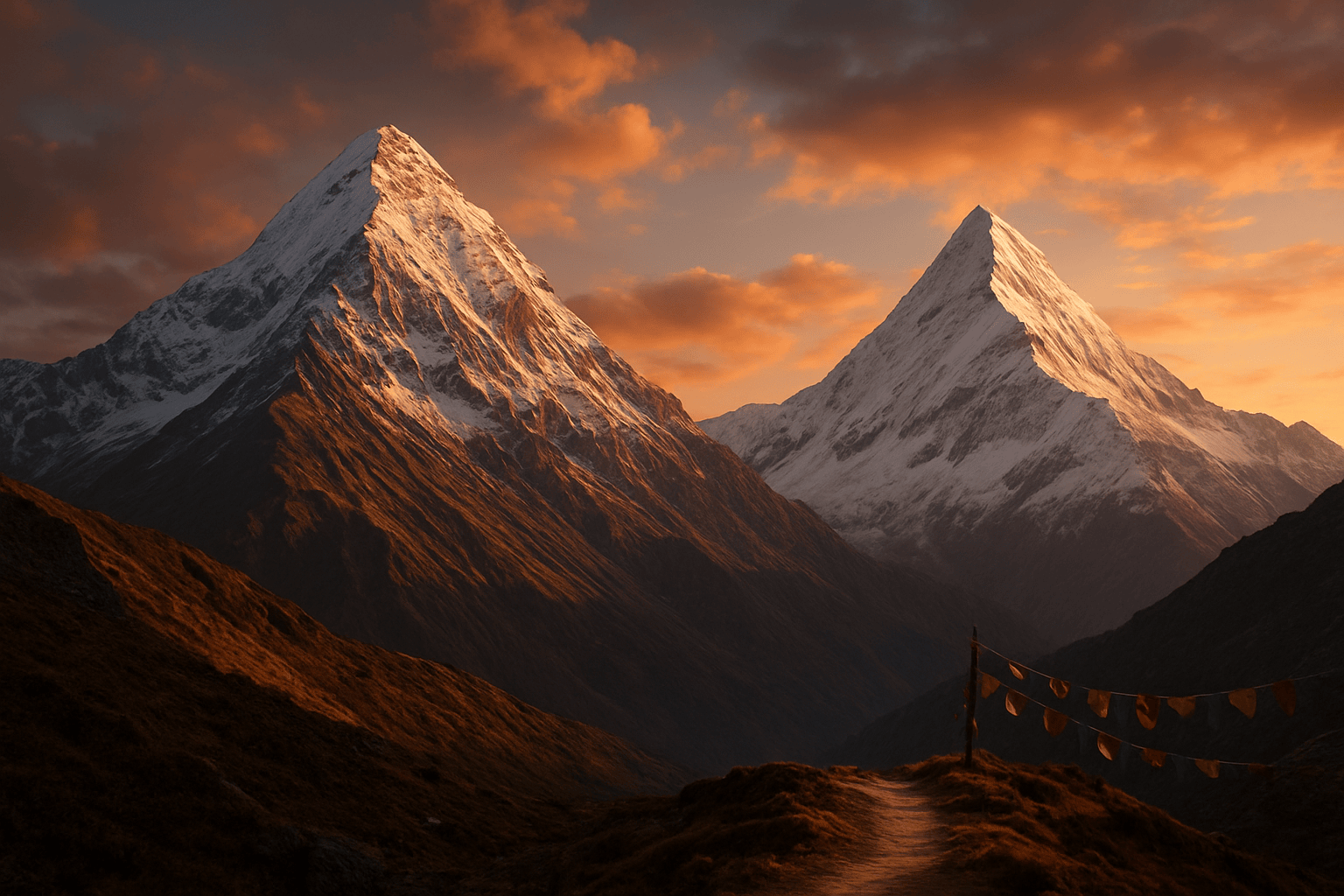
Choosing between Himlung and Mera Peak really comes down to what you're looking for in your climbing adventure. Mera Peak offers a more accessible entry into high-altitude mountaineering with its straightforward route and stunning views, making it perfect for climbers who want to test their limits without extreme technical challenges. Himlung, on the other hand, demands more experience and preparation but rewards you with a less crowded, more remote experience that feels like a true wilderness expedition.
Think about your current fitness level, climbing background, and budget when making this decision. If you're newer to high-altitude climbing or working with tighter time constraints, Mera Peak's shorter duration and higher success rates make it the smarter choice. But if you're ready for a bigger challenge and want bragging rights to a peak that fewer people have conquered, Himlung could be your perfect match. Either way, you're signing up for an incredible journey through some of the world's most breathtaking mountain landscapes.
If you need any further information, please contact us by email: [email protected], Phone: +977- 980 195 6248 (WhatsApp).