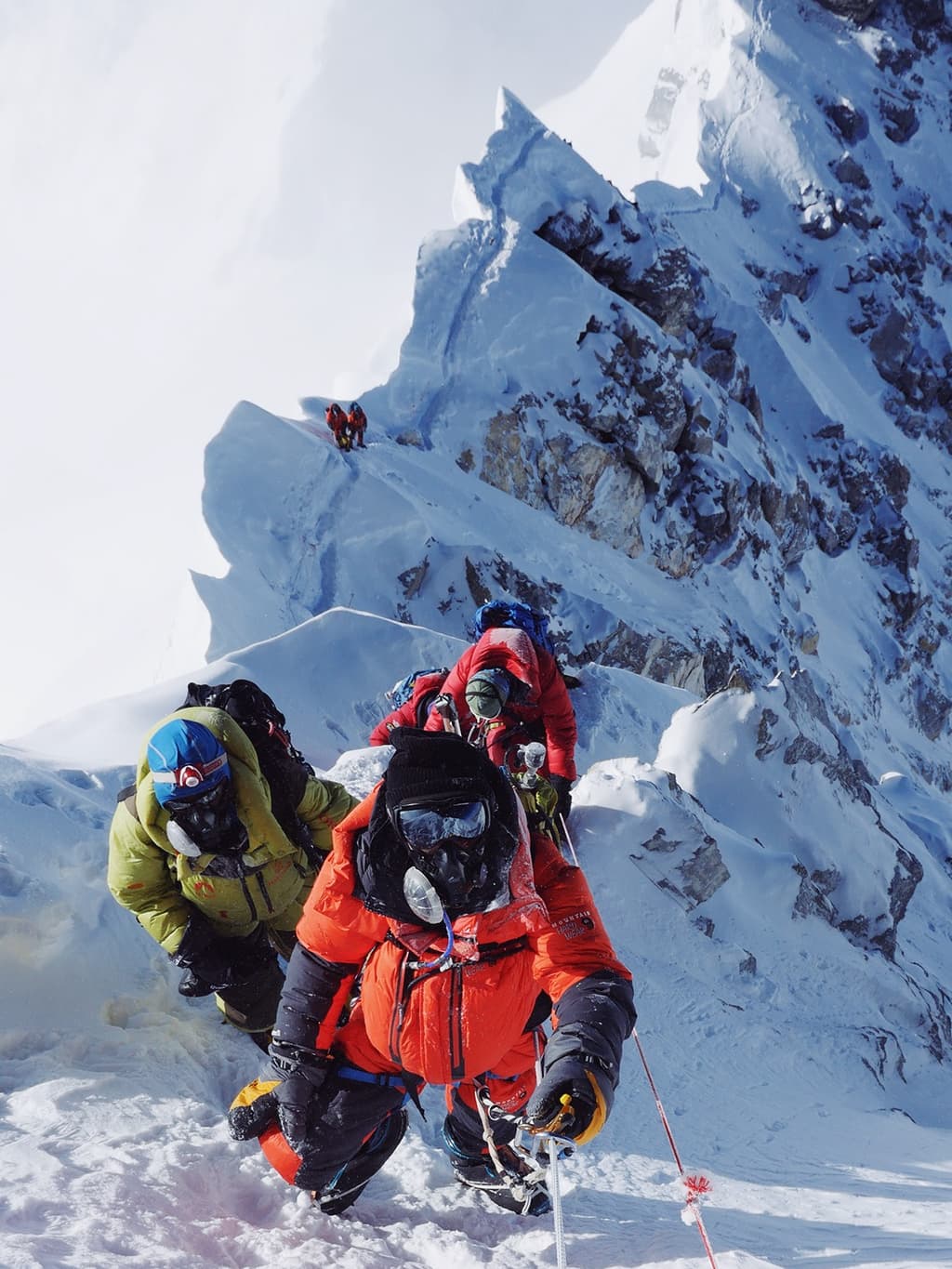
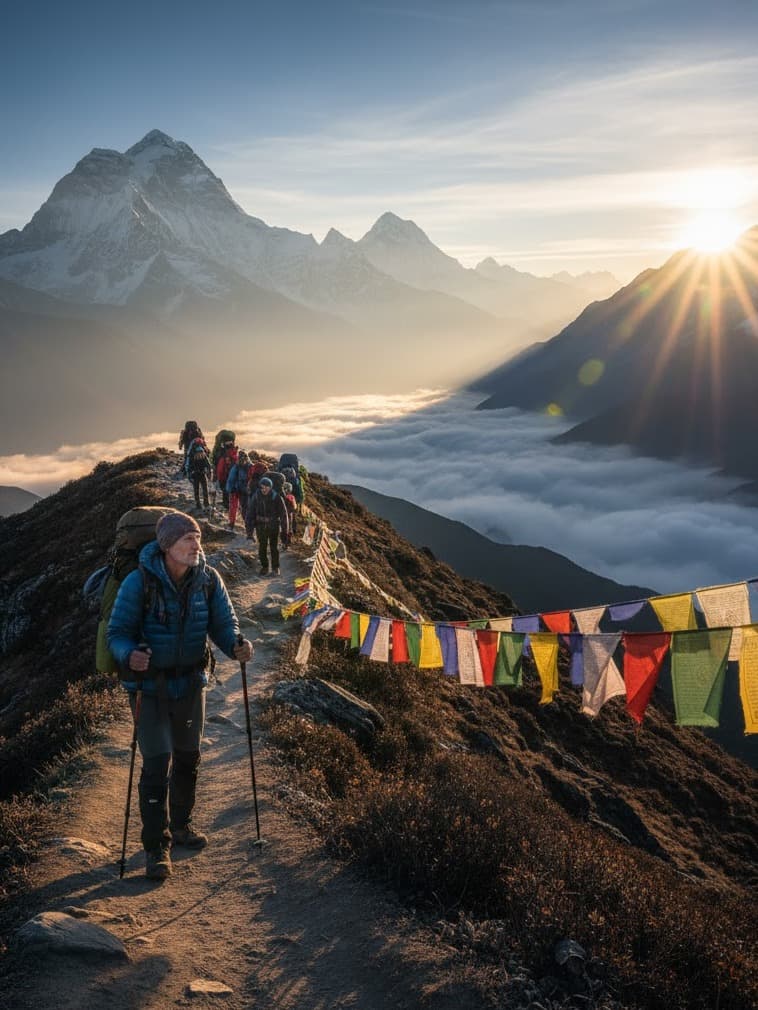
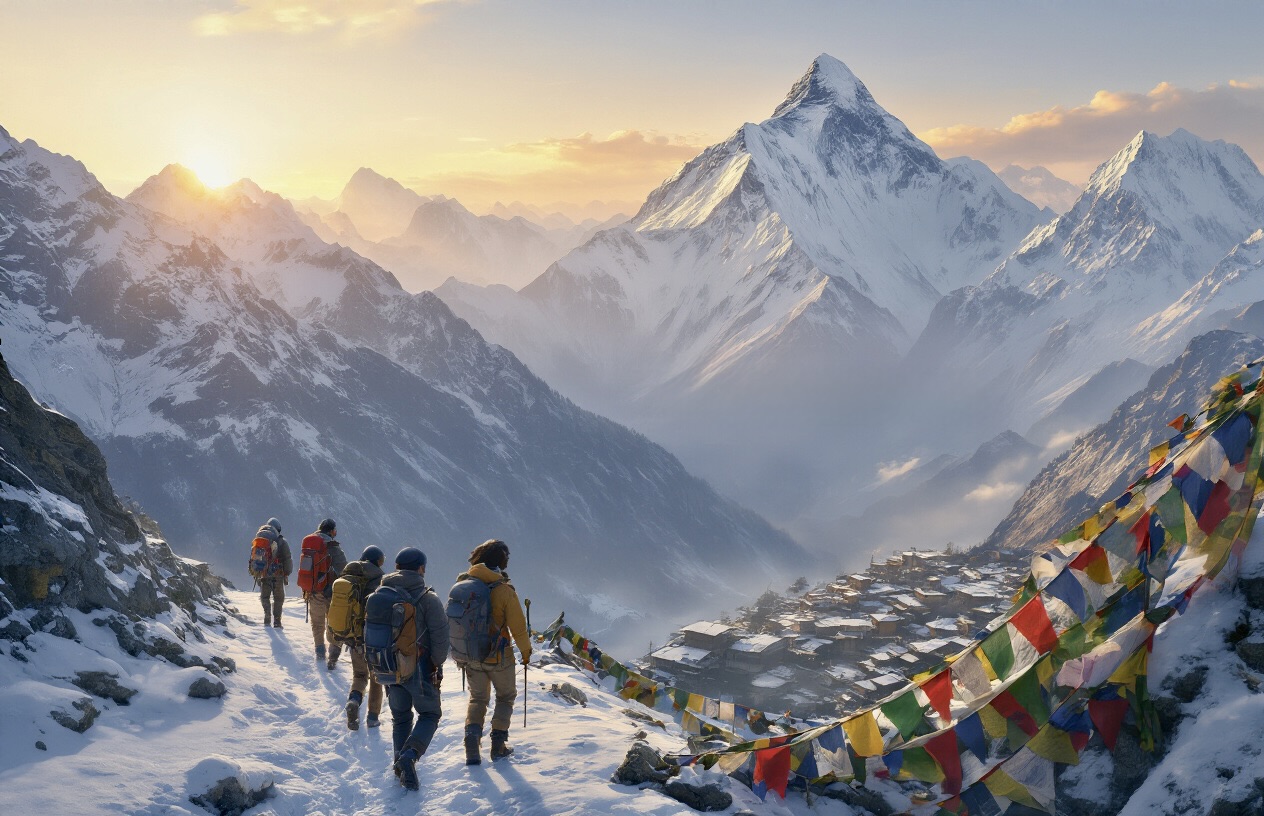
For many adventure seekers, Nepal represents the very soul of trekking—where soaring snow-clad giants meet ancient footpaths, serene mountain villages, and timeless Himalayan traditions. This is a nation where every trail tells a story and every peak inspires awe. For first-time trekkers, Nepal offers an unmatched variety of routes, from gentle hillside walks to Himalayan base-camp adventures surrounded by the world’s highest mountains. These journeys demand respect but reward in ways few destinations can rival—panoramic dawns breaking over white summits, the sound of prayer flags fluttering in alpine wind, and the warmth of mountain hospitality.
From gentle introductory routes to legendary base-camp journeys, the Himalayas welcome beginners with open arms, provided they choose the right trail and travel with experienced guidance. This curated list of 10 must-do treks for first-time trekkers in Nepal reflects our deep knowledge of the terrain and our commitment to creating meaningful mountain experiences. These routes balance beauty, comfort, and challenge — the ideal foundation for your lifelong connection with the Himalayas.
Whether you dream of standing beneath Everest, wandering through rhododendron forests in Annapurna, or discovering hidden Buddhist valleys, Nepal welcomes you with trails that are safe, scenic, culturally rich, and beginner-friendly. The following guide will help you choose the perfect introduction to Nepal’s legendary trekking experience.
10 Must-Do Treks in Nepal for First-Time Trekkers
1. Annapurna Base Camp (ABC) Trek
Overview: This 10-14 day trek loops through the Annapurna Conservation Area, starting from Pokhara and ending there. It climbs from 800m to 4,130m, offering a mix of subtropical forests, alpine meadows, and glacier views. Total distance: ~100-120km.
Sample Itinerary (14 days):
- Days 1-2: Drive to Nayapul, trek to Ghandruk (1,940m) via terraced fields and waterfalls.
- Days 3-4: To Chhomrong (2,170m), then Dovan (2,600m) through rhododendron forests.
- Days 5-7: Acclimatization at MBC (3,700m) and ABC (4,130m), with side hikes.
- Days 8-10: Descend via Jhinu Danda hot springs and Poon Hill.
- Days 11-14: Return to Pokhara via Nayapul.
Key Highlights: Interact with Gurung and Magar communities; visit the Annapurna Sanctuary with peaks like Annapurna South (7,219m). Wildlife includes monkeys and birds.
Challenges for First-Timers: Gradual altitude gain, but monitor for AMS (Acute Mountain Sickness). Steep sections near ABC can tire beginners.
Accommodation & Costs: Teahouses (dorm-style lodges) with meals (~$30-50/day including food). Total cost: $800-1,200 per person (excluding flights).
Essential Gear: Waterproof jacket, trekking poles, layers for cold nights, sturdy boots.
Health/Safety Tips: Hydrate well, eat dal bhat (local staple), and take Diamox if prone to altitude issues. Guides are essential for navigation.
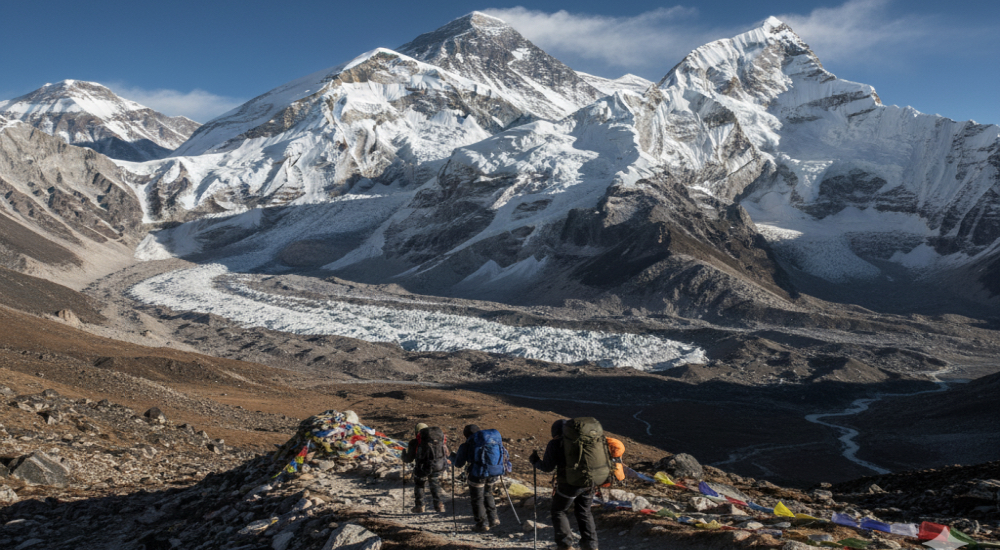
2. Everest Base Camp (EBC) Trek
Overview: A 12-16 day journey from Lukla to EBC (5,364m), covering ~130km through the Khumbu region. It involves a scenic flight to Lukla and gradual ascents.
Sample Itinerary (16 days):
- Days 1-2: Fly to Lukla (2,860m), trek to Phakding (2,610m) and Namche Bazaar (3,440m).
- Days 3-4: Acclimatization in Namche, visit Everest View Hotel.
- Days 5-7: To Tengboche (3,867m), Dingboche (4,410m), and Lobuche (4,940m).
- Days 8-10: Gorakshep (5,164m) and EBC, with Kala Patthar (5,545m) for views.
- Days 11-16: Descend via Pheriche and Lukla.
Key Highlights: Sherpa culture, monasteries like Tengboche, and glacier crossings. Spot yaks and Himalayan tahr.
Challenges for First-Timers: Higher altitudes increase AMS risk; cold winds at EBC. The Lukla flight can be bumpy.
Accommodation & Costs: Teahouses with basic amenities (~$40-60/day). Total: $1,000-1,500 (includes Lukla flight ~$200 round-trip).
Essential Gear: Thermal base layers, gloves, sunglasses for snow glare.
Health/Safety Tips: Acclimatize with rest days; carry altitude sickness meds. Trekking permits required (~$30).
3. Langtang Valley Trek
Overview: 7-10 days, ~80km, from Syabrubesi to Kyanjin Gompa (3,870m), with a side trip to Tserko Ri (4,984m). It's a UNESCO-protected area with Tibetan influences.
Sample Itinerary (10 days):
- Days 1-2: Drive to Syabrubesi (1,460m), trek to Lama Hotel (2,380m).
- Days 3-4: To Langtang Village (3,430m) and Kyanjin Gompa.
- Day 5: Acclimatization hike to Tserko Ri.
- Days 6-10: Descend via Ghora Tabela and back to Syabrubesi.
Key Highlights: Yak cheese factories, glaciers, and views of Langtang Lirung. Less crowded, with homestays in villages.
Challenges for First-Timers: Muddy trails post-rain; occasional landslides. Easier than EBC.
Accommodation & Costs: Teahouses or homestays (~$25-40/day). Total: $600-900.
Essential Gear: Rain poncho, insect repellent for forests.
Health/Safety Tips: Boil water; watch for leeches in wet seasons. National park entry fee (~$30).
4. Ghorepani Poon Hill Trek
Overview: 5-7 days, ~50km, a loop from Nayapul to Poon Hill (3,210m), focusing on Annapurna views without high altitudes.
Sample Itinerary (7 days):
- Days 1-2: Nayapul to Tikhedhunga (1,540m), then Ghara (1,740m).
- Days 3-4: To Poon Hill and Tadapani (2,630m).
- Days 5-7: Descend via Ghandruk to Nayapul.
Key Highlights: Sunrise panoramas of 5+ peaks; Gurung culture and terraced farms.
Challenges for First-Timers: Uphill to Poon Hill, but short and rewarding. Minimal altitude issues.
Accommodation & Costs: Teahouses (~$20-35/day). Total: $400-600.
Essential Gear: Binoculars for views, comfortable shoes.
Health/Safety Tips: Early starts for sunrise; stay hydrated. Great for testing fitness.
5. Gokyo Lakes Trek
Overview: 10-14 days, ~100km, branching from EBC to Gokyo (4,790m) and Ri (5,357m), emphasizing lakes and glaciers.
Sample Itinerary (14 days):
- Days 1-4: Similar to EBC up to Namche and Tengboche.
- Days 5-7: To Dole (4,040m), Machhermo (4,470m), and Gokyo.
- Days 8-10: Hike Gokyo Ri, explore lakes.
- Days 11-14: Descend via Marulung and Lukla.
Key Highlights: Turquoise lakes, Ngozumpa Glacier (world's longest), and Everest views without full EBC crowds.
Challenges for First-Timers: Cold at Gokyo; similar AMS risks as EBC.
Accommodation & Costs: Teahouses (~$40-60/day). Total: $900-1,300.
Essential Gear: Warm sleeping bag, headlamp for early hikes.
Health/Safety Tips: Rest days crucial; carry snacks for energy.
6. Manaslu Circuit Trek
Overview: 12-16 days, ~150km, circling Manaslu (8,163m) from Arughat to Besisahar, with a high pass at 5,106m.
Sample Itinerary (16 days):
- Days 1-3: Drive to Arughat, trek to Soti Khola (710m).
- Days 4-7: To Samagaon (3,530m), via Tsum Valley.
- Days 8-10: Acclimatization, cross Larkya La.
- Days 11-16: Descend to Besisahar.
Key Highlights: Remote Tibetan villages, gompas, and diverse landscapes from forests to glaciers.
Challenges for First-Timers: Restricted area permit (~$100); steeper passes. Less touristy, so more self-reliant.
Accommodation & Costs: Teahouses (~$30-50/day). Total: $1,000-1,400.
Essential Gear: Crampons for snow; sturdy backpack.
Health/Safety Tips: Group treks recommended; altitude meds essential.
7. Tsum Valley Trek
Overview: 10-14 days, ~100km, a cultural extension of Manaslu, from Arughat to Mu Gompa (3,700m).
Sample Itinerary (14 days):
- Days 1-4: To Chumling (2,386m) via Lokpa.
- Days 5-8: Explore gompas, Nile and Mu.
- Days 9-14: Return via Manaslu route.
Key Highlights: Ancient monasteries, waterfalls, and Ganesh Himal views. Homestays with locals.
Challenges for First-Timers: Remote access; cultural sensitivity needed.
Accommodation & Costs: Homestays/teahouses (~$25-40/day). Total: $700-1,000.
Essential Gear: Respectful clothing for monasteries.
Health/Safety Tips: Carry cash; guides for navigation.
8. Rara Lake Trek
Overview: 8-12 days, ~80km, from Jumla to Rara (2,990m), Nepal's largest lake in a national park.
Sample Itinerary (12 days):
- Days 1-3: Fly to Jumla (2,370m), trek to Chautha (2,780m).
- Days 4-6: To Rara via forests.
- Days 7-12: Explore lake, descend to Jumla.
Key Highlights: Pristine lake, birdwatching, and isolation.
Challenges for First-Timers: Remote logistics; basic facilities.
Accommodation & Costs: Basic lodges (~$20-35/day). Total: $500-800.
Essential Gear: Water filter; insect protection.
Health/Safety Tips: Malaria prophylaxis if needed; self-sufficient.
9. Mardi Himal Trek
Overview: 6-9 days, ~60km, from Kande to High Camp (4,500m), with Annapurna views.
Sample Itinerary (9 days):
- Days 1-3: Kande to Forest Camp (2,500m).
- Days 4-6: To High Camp via ridges.
- Days 7-9: Descend to Pokhara.
Key Highlights: Less crowded trails, Machapuchare "Fishtail" views.
Challenges for First-Timers: Steep ascents; weather-dependent.
Accommodation & Costs: Teahouses (~$25-40/day). Total: $500-700.
Essential Gear: Trekking poles for descents.
Health/Safety Tips: Check weather; flexible itinerary.
10. Jomsom Muktinath Trek
Overview: 8-12 days, ~90km, from Beni to Muktinath (3,800m), along the Kali Gandaki.
Sample Itinerary (12 days):
- Days 1-3: Beni to Marpha (2,670m) via Tatopani.
- Days 4-6: To Jomsom (2,743m), Kagbeni.
- Days 7-12: Muktinath and return.
Key Highlights: Apple orchards, temple pilgrimage, deep gorge.
Challenges for First-Timers: Windy Jomsom; gradual build-up.
Accommodation & Costs: Teahouses (~$30-50/day). Total: $600-900.
Essential Gear: Windbreaker; scarf for dust.
Health/Safety Tips: Hydrate in dry areas; rest in Marpha.
For all treks, factor in a buffer for weather delays. Costs are approximate (2023 figures) and include guides (~$20-30/day). Prioritize eco-friendly operators. If you need specifics on booking or customization, let me know! Safe trekking.
Best Time to Trek in Nepal for Beginner Trekkers
Optimal Seasons: Spring and Autumn
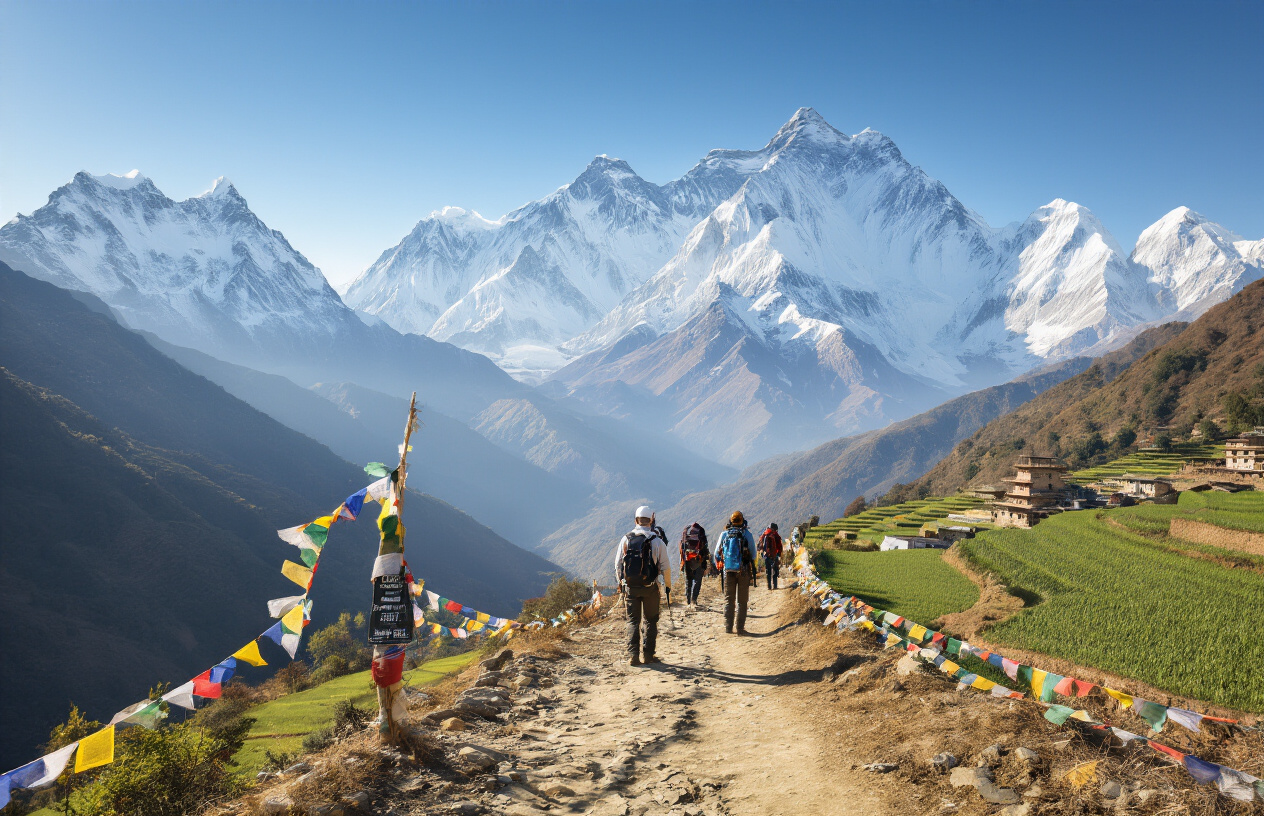
- Spring (March to May): Ideal for most treks, with blooming rhododendrons, warmer days (10-20°C at lower altitudes), and cooler nights. Visibility is excellent for mountain views, and trails are less muddy. Crowds are moderate, and it's great for cultural festivals like Losar in the Everest region. For beginners, this season offers gentle acclimatization without extreme cold.
- Autumn (September to November): Often considered the best overall, with crisp air, stunning blue skies, and festivals like Dashain. Temperatures range from 5-15°C, and the post-monsoon landscape is lush. It's less humid, reducing the risk of altitude sickness, and perfect for first-timers seeking reliable weather and fewer tourists.
These periods align with the best times listed for each of our 10 must-do treks, ensuring safe, scenic experiences.
Why These Seasons Suit Beginners
- Weather Stability: Avoid sudden storms or heavy rain, which can make trails slippery and increase landslide risks.
- Altitude Comfort: Lower chances of altitude sickness (AMS) due to gradual temperature changes and better acclimatization.
- Crowd Levels: Fewer people mean more personal attention from guides and a peaceful vibe.
- Accessibility: Flights to remote areas like Lukla are more reliable, and teahouses are fully operational.
Seasons to Avoid or Approach Cautiously
- Monsoon (June to August): Heavy rains cause landslides, swollen rivers, and leech-infested paths. Visibility is poor, and many trails close. Not recommended for beginners—stick to lower-altitude treks if you must.
- Winter (December to February): Cold and dry, with temperatures dropping to -10°C or lower at high altitudes. Snow can block passes, and shorter daylight hours limit trekking time. Suitable only for easy, low-elevation treks like the Annapurna Panorama, but beginners may find it challenging due to frostbite risks.
Preparation and Tips for First-Time Trekkers
Physical Preparation
- Build Fitness: Start training 2-3 months in advance. Focus on cardio (hiking, jogging) and strength (squats, lunges) to handle 4-6 hours of walking daily with a 10-15 kg backpack. Aim for hikes with elevation gain to simulate mountain conditions.
- Acclimatization: Our itineraries include rest days to adjust to altitude. Drink plenty of water, avoid alcohol, and listen to your body—symptoms like headaches signal the need to descend.
Essential Gear and Packing
- Clothing: Layering is crucial—thermal base layers, fleece jackets, waterproof pants, and a down jacket for cold nights. Include wool socks, trekking boots, and a hat/gloves.
- Equipment: Daypack, trekking poles, sleeping bag (rentable from us), headlamp, and a reusable water bottle with purification tablets.
- Personal Items: Sunscreen, lip balm, toiletries, first-aid kit (with blister plasters, pain relievers), and a power bank for charging devices.
- Pro Tip: We provide gear rentals and can help with packing lists—keep your bag under 15 kg to avoid porter fatigue.
Health and Safety
- Vaccinations and Insurance: Get routine shots (hepatitis, typhoid) and consider altitude sickness medication (Diamox). Purchase comprehensive travel insurance covering evacuation and medical emergencies.
- Altitude Sickness Prevention: Ascend slowly, stay hydrated, and eat balanced meals. Our guides monitor for AMS and carry oxygen if needed.
- Hygiene: Use hand sanitizer, avoid untreated water, and practice "Leave No Trace" to protect the environment.
Cultural and Environmental Tips
- Respect Locals: Learn basic Nepali phrases like "Namaste" (hello). Remove shoes in monasteries, and tip guides/porters generously (10-15% of trek cost).
- Sustainability: Stick to marked trails, carry out trash, and support eco-teahouses. Nepal's mountains are fragile—help preserve them for future trekkers.
- Weather Awareness: Pack for rain, sun, and cold. Monsoon (June-August) brings landslides, so opt for shoulder seasons.
Practical Advice
- Permits and Logistics: We handle TIMS cards, national park fees, and flights (e.g., to Lukla). Book 3-6 months ahead for peak seasons.
- Group vs. Solo: Join our small groups for camaraderie, or customize for private treks. Solo travelers get extra safety briefings.
- Budgeting: Costs vary; include extras like tips and personal expenses. Our all-inclusive packages start at $800.
- Final Tip: Arrive in Kathmandu a few days early to acclimate and explore. If unsure, consult our team—we've got you covered!
Conclusion
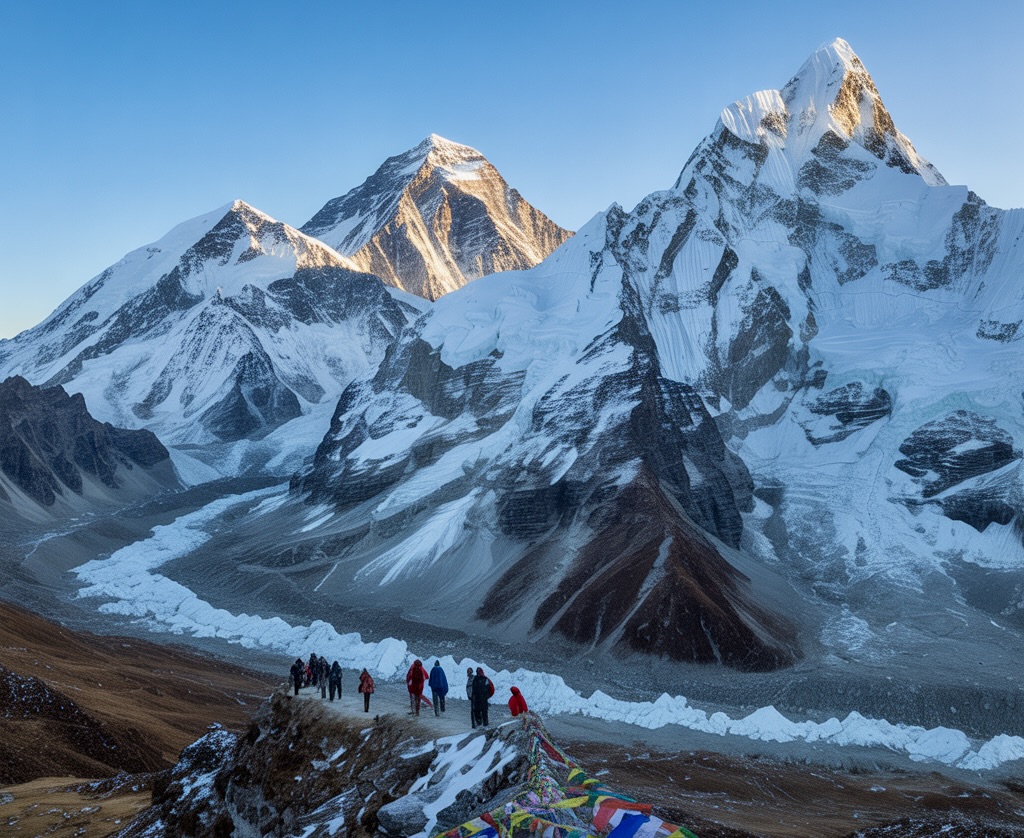
Your first trek in Nepal is the beginning of a profound journey — one that blends physical achievement with cultural discovery and spiritual calm only the Himalayas can offer. The routes highlighted here represent the finest beginner-friendly adventures, hand-selected by our Sherpa mountaineering experts to ensure comfort, safety, and authentic Himalayan immersion.
At Everest Sherpa Expeditions, we believe that every trekker deserves an experience rooted in care, local expertise, and genuine mountain hospitality. Whether you stand beneath Everest, walk through the rhododendron forests of Annapurna, or explore the mystical landscapes of Mustang, you will carry home more than photographs — you will carry a deeper appreciation for the mountains and the resilient communities who call them home.
If you need any further information, please contact us by email: [email protected], Phone: +977- 980 195 6248 (WhatsApp).