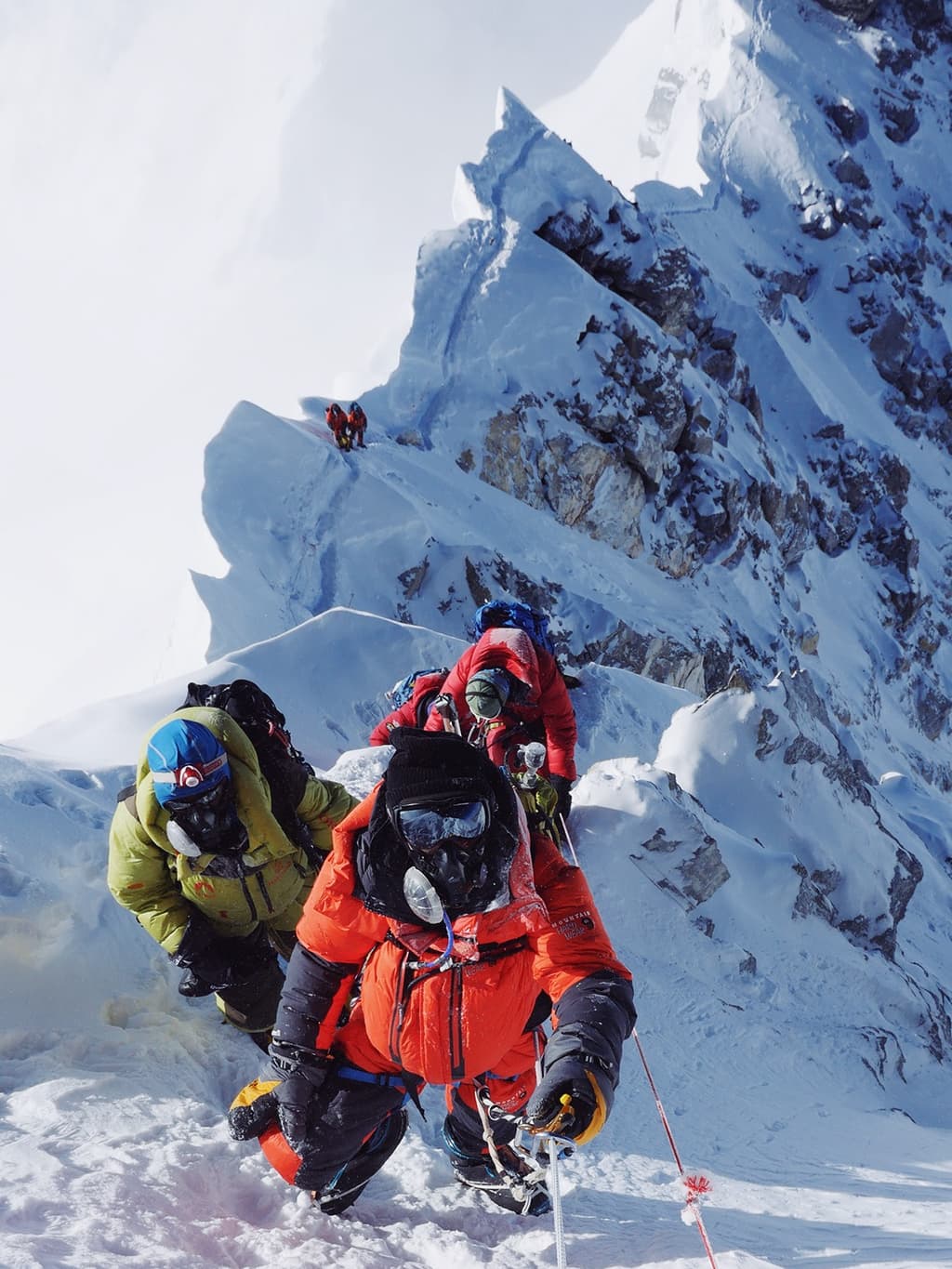
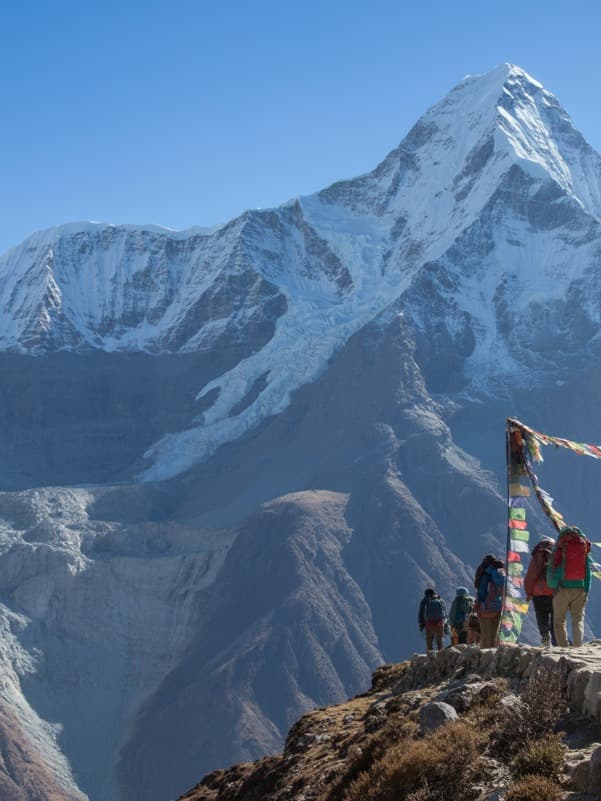
The Langtang Valley trek offers some of Nepal's most stunning mountain views without the crowds of Everest Base Camp or Annapurna Circuit. This complete day-by-day Langtang Valley trek breakdown is perfect for intermediate hikers planning their first Himalayan adventure or experienced trekkers seeking detailed route information.
You'll get everything you need to plan your 11-day journey, from essential gear lists and permit requirements to daily hiking distances and accommodation options. We'll walk you through the classic route from Syabrubesi to Kyanjin Gompa, including acclimatization stops and must-see side trips like Tserko Ri viewpoint.
Plus, you'll discover budget-friendly tips to keep costs down and alternative return routes that add variety to your trek experience.
Essential Pre-Trek Planning and Preparation
Obtain Required Permits and Documentation
Trekking in the Langtang region requires specific permits that you need to secure before hitting the trail. The main permit you'll need is the Langtang National Park Entry Permit, which costs around NPR 3,000 for foreigners. You can get this permit at the Nepal Tourism Board office in Kathmandu or at the park entrance gate in Dhunche.
If you're trekking solo or without a licensed guide, you'll also need the Trekkers' Information Management System (TIMS) card, which costs NPR 2,000. However, if you're trekking with a registered guide or through a trekking agency, this requirement is waived.
Keep multiple photocopies of your passport and passport-sized photos handy, as you'll need them for permit applications. The permit offices in Kathmandu are generally open from 10 AM to 5 PM, Sunday through Friday, but arrive early to avoid long queues, especially during peak trekking seasons.
Double-check that your passport has at least six months of validity remaining. While travel insurance isn't mandatory, it's absolutely essential for high-altitude trekking. Make sure your policy covers helicopter evacuation from altitudes up to 5,000 meters.
Plan Your Physical Fitness Training Schedule
Start your fitness preparation at least 8-12 weeks before your trek departure. The Langtang Valley trek involves daily hiking for 5-7 hours over varied terrain, with significant elevation gains that will challenge your cardiovascular system and leg muscles.
Focus on building your cardiovascular endurance through activities like running, cycling, or stair climbing. Aim for at least 45-60 minutes of cardio exercise 4-5 times per week. Gradually increase the intensity and duration to simulate the sustained effort required during trekking days.
Strength training should target your legs, core, and shoulders. Include exercises like squats, lunges, calf raises, and step-ups with a weighted backpack. Practice hiking with a loaded pack weighing 10-15 kilograms to condition your body for carrying gear at altitude.
| Training Phase | Duration | Focus Areas | Weekly Goals |
| Base Building | Weeks 1-4 | Cardio endurance | 3-4 cardio sessions, 2 strength sessions |
| Strength Development | Weeks 5-8 | Leg strength, core stability | 4 cardio sessions, 3 strength sessions |
| Trek-Specific | Weeks 9-12 | Loaded hiking, altitude prep | 5 training sessions, weekend hikes |
Include practice hikes on weekends with increasingly challenging terrain and longer distances. If possible, train at higher elevations to help your body adapt to reduced oxygen levels.
Book Accommodations and Transportation
The journey from Kathmandu to Syabrubesi, your trek starting point, takes about 6-8 hours by bus or jeep. Public buses cost around NPR 500-800 and leave from Gongabu Bus Station, but they can be crowded and uncomfortable. Private jeeps cost NPR 15,000-20,000 for the entire vehicle and offer more comfort and flexibility with timing.
Book your transportation at least a few days in advance, especially during peak seasons (March-May and September-November). Many trekkers prefer leaving Kathmandu early in the morning around 6-7 AM to reach Syabrubesi by afternoon, allowing time to rest before starting the trek.
For accommodations along the trek route, advance booking isn't typically necessary except during peak seasons. Most villages have multiple teahouses offering basic rooms with shared bathrooms. Prices range from NPR 500-1,500 per night, with higher rates closer to Kyanjin Gompa.
However, booking your first and last nights in Kathmandu is recommended. Choose accommodations in Thamel for easy access to gear shops, restaurants, and permit offices. Budget guesthouses cost NPR 1,500-3,000 per night, while mid-range hotels range from NPR 4,000-8,000.
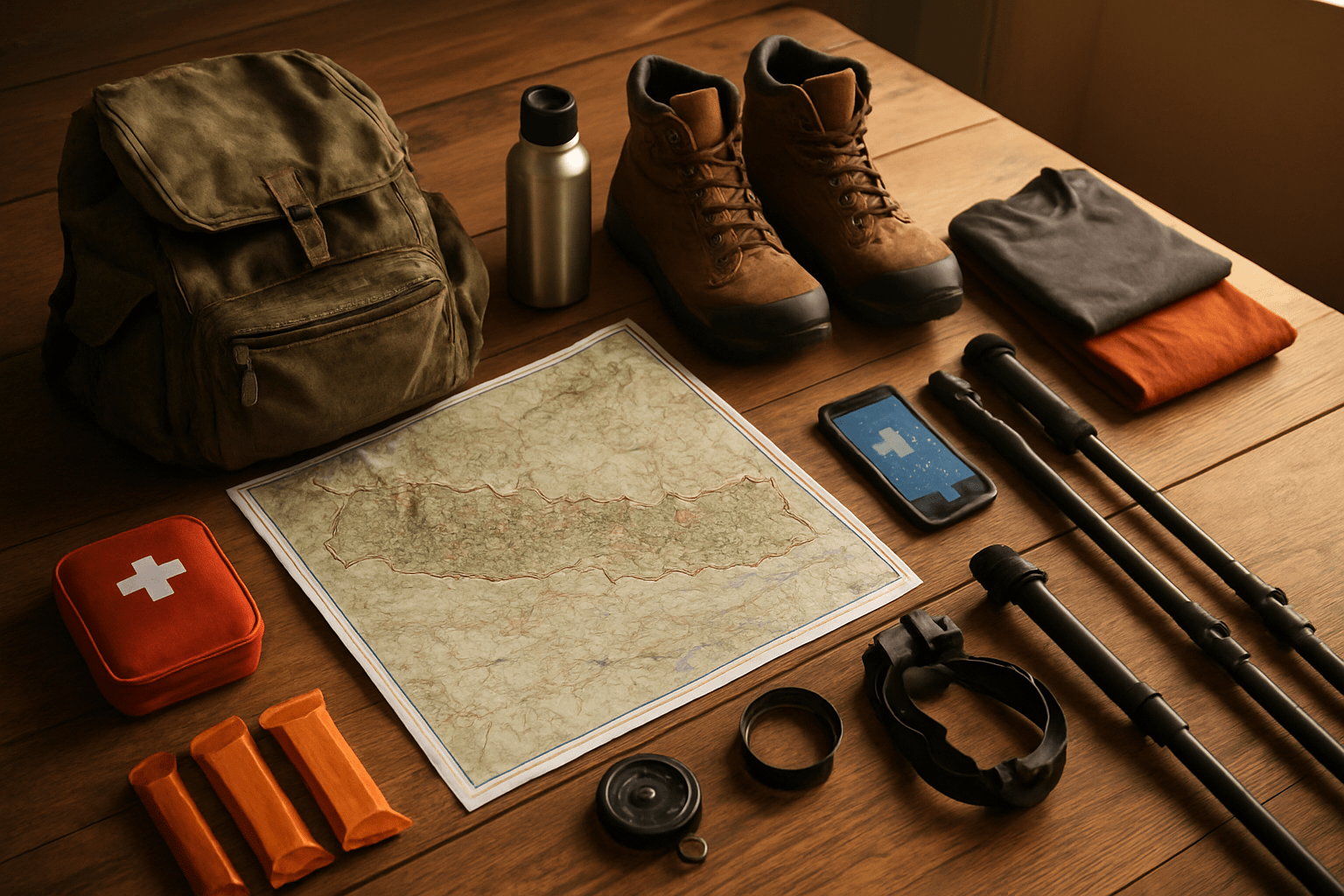
Pack Essential Gear and Equipment
Your gear choices can make or break your trekking experience, especially considering the unpredictable mountain weather and varying temperatures. Pack layers that you can add or remove as conditions change throughout the day.
Essential clothing includes moisture-wicking base layers, insulating mid-layers like fleece or down jackets, and waterproof outer shells. Pack two pairs of trekking pants, warm hat, sun hat, gloves, and at least four pairs of moisture-wicking socks. Quality trekking boots are non-negotiable – break them in thoroughly before your trip.
Your backpack should be 40-60 liters with a good suspension system and hip belt. Include a daypack for side trips from Kyanjin Gompa. Other essentials include a sleeping bag rated for -10°C, headlamp with extra batteries, water bottles or hydration system, water purification tablets or filter, and basic first aid supplies.
Don't forget practical items like sunglasses, sunscreen (high SPF), personal toiletries, quick-dry towel, and plastic bags for wet clothes. Pack light but don't skimp on safety essentials. Remember that you can buy or rent some gear in Kathmandu's Thamel district if you're missing anything, though quality and sizing options may be limited.
A good rule is to aim for a base pack weight of 12-15 kilograms, excluding water and food, which you'll pick up along the trail.
Day 1-2: Kathmandu to Syabrubesi Journey and Acclimatization
Navigate the Scenic Drive from Kathmandu
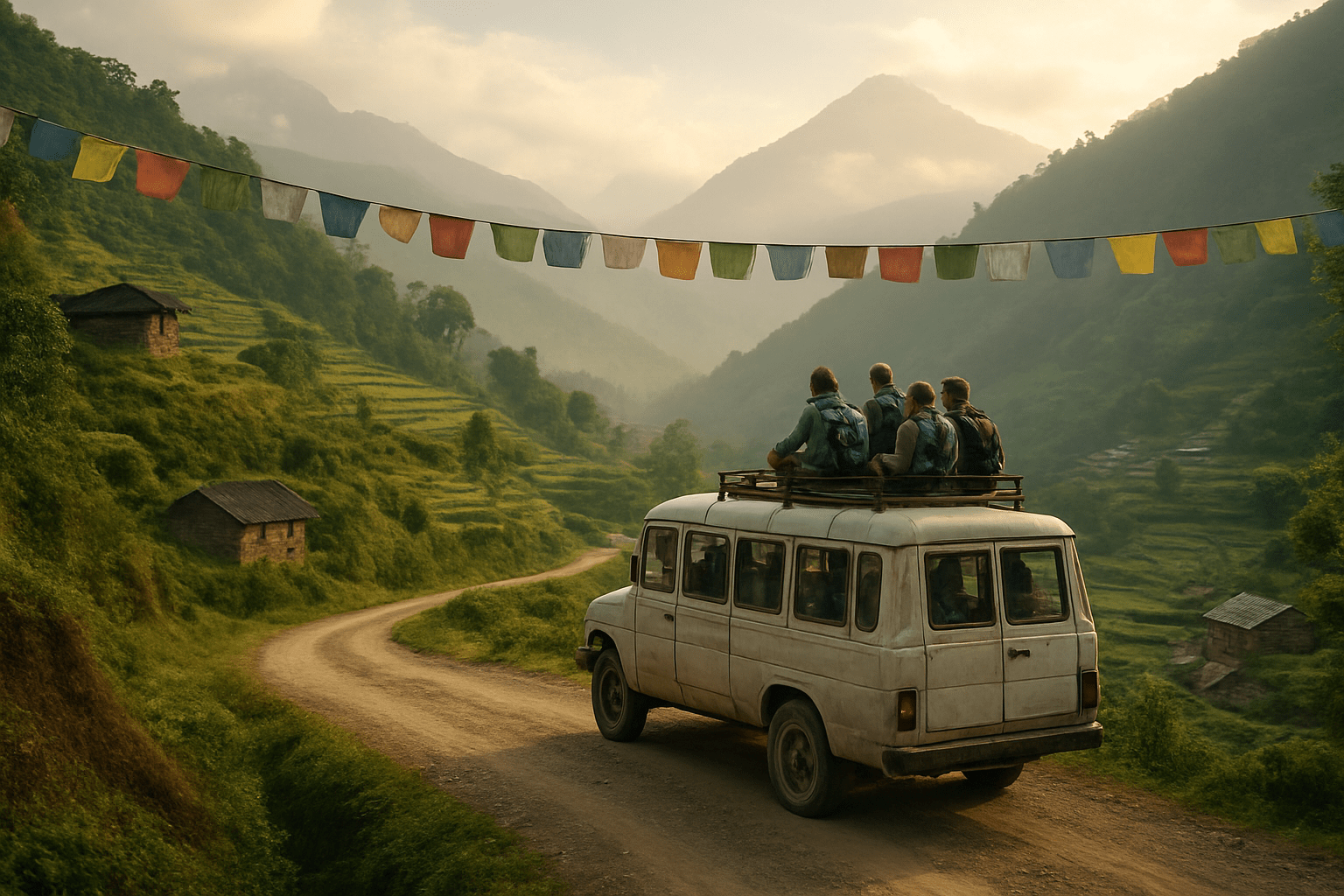
The journey from Kathmandu to Syabrubesi stretches approximately 117 kilometers and typically takes 7-8 hours by local bus or 6-7 hours by private jeep. Early morning departure around 7-8 AM helps you avoid traffic congestion in Kathmandu and reach Syabrubesi before dark.
The route follows the Trishuli Highway, winding through terraced hillsides and traditional Nepali villages. Key stops include Trishuli Bazaar, where you'll cross the powerful Trishuli River, and Dhunche, the district headquarters of Rasuwa. Many trekkers pause in Dhunche for permit verification and a quick lunch break.
Transportation Options:
| Option | Duration | Cost (USD) | Pros | Cons |
| Local Bus | 8-9 hours | $3-5 | Very cheap | Crowded, frequent stops |
| Tourist Bus | 7-8 hours | $8-12 | More comfortable | Limited departure times |
| Private Jeep | 6-7 hours | $80-120 | Flexible timing | Expensive for solo travelers |
| Shared Jeep | 6-7 hours | $15-20 | Good value | Need to find other passengers |
Road conditions can be challenging during the monsoon season (June-September), with potential landslides causing delays. Dry season offers the most reliable travel conditions with spectacular mountain views emerging as you gain elevation.
Explore Syabrubesi Village and Local Culture
Syabrubesi sits at 1,550 meters in a dramatic gorge where the Langtang and Bhote Koshi rivers converge. This multicultural village serves as the gateway to both Langtang Valley and Gosaikunda treks, creating a vibrant mix of trekkers, local Tamang people, and Tibetan traders.
The village showcases traditional Tamang architecture with stone houses, prayer flags, and intricate wood carvings. Visit the local monastery early morning or evening to witness chanting sessions and spinning prayer wheels. The resident monks often welcome respectful visitors and share insights about Buddhist practices.
Cultural Highlights:
- Traditional Tamang weaving demonstrations at local homes
- Yak cheese production facilities operated by the Swiss-Nepali cooperation projects
- Local markets selling Tibetan goods, dried yak meat, and handwoven textiles
- Hot springs located 30 minutes walk upstream along Bhote Koshi River
Syabrubesi's position near the Tibetan border creates a unique cultural fusion. You'll hear multiple languages spoken - Nepali, Tamang, and Tibetan dialects. Local families often invite trekkers for traditional meals featuring gundruk (fermented leafy greens), dhido (millet porridge), and butter tea.
The village suffered significant damage during the 2015 earthquake but has rebuilt stronger. New lodges offer improved facilities while maintaining traditional charm. Evening strolls reveal families gathering around fires, children playing traditional games, and elderly residents sharing stories under star-filled skies.
Prepare for High Altitude Trekking
Syabrubesi provides the perfect acclimatization base before ascending into higher elevations. Spending two nights here allows your body to adjust gradually, reducing altitude sickness risks as you climb toward Kyanjin Gompa at 3,870 meters.
Essential Acclimatization Activities:
- Short day hikes to nearby viewpoints (1,800-2,000m elevation)
- Hydration focus - drink 3-4 liters of water daily
- Light exercise like yoga or stretching to maintain fitness
- Early bedtime to ensure quality rest before trek begins
Use this time for final gear checks and equipment adjustments. Local shops sell basic trekking supplies, though quality varies significantly. Test your sleeping bag's warmth rating during cool mountain nights. Break in new hiking boots on village walks to prevent blisters during multi-day trekking.
Altitude Sickness Prevention:
- Monitor symptoms: headaches, nausea, dizziness, loss of appetite
- Avoid alcohol and sleeping medications
- Maintain steady, comfortable breathing during short hikes
- Consider carrying Diamox (consult your doctor before departure)
Weather patterns shift quickly in Syabrubesi. Pack layers for temperature variations ranging from 15°C during day to 5°C at night. Morning frost commonly occurs October through March. Afternoon thunderstorms develop frequently during monsoon months, making waterproof gear essential.
Connect with fellow trekkers staying in village lodges. Sharing experiences and forming hiking groups enhances safety and enjoyment throughout the Langtang Valley trek. Lodge owners provide valuable trail conditions updates and weather forecasts for planning your departure timing.
Day 3-4: Syabrubesi to Langtang Village Trek
Cross Suspension Bridges and Forest Trails
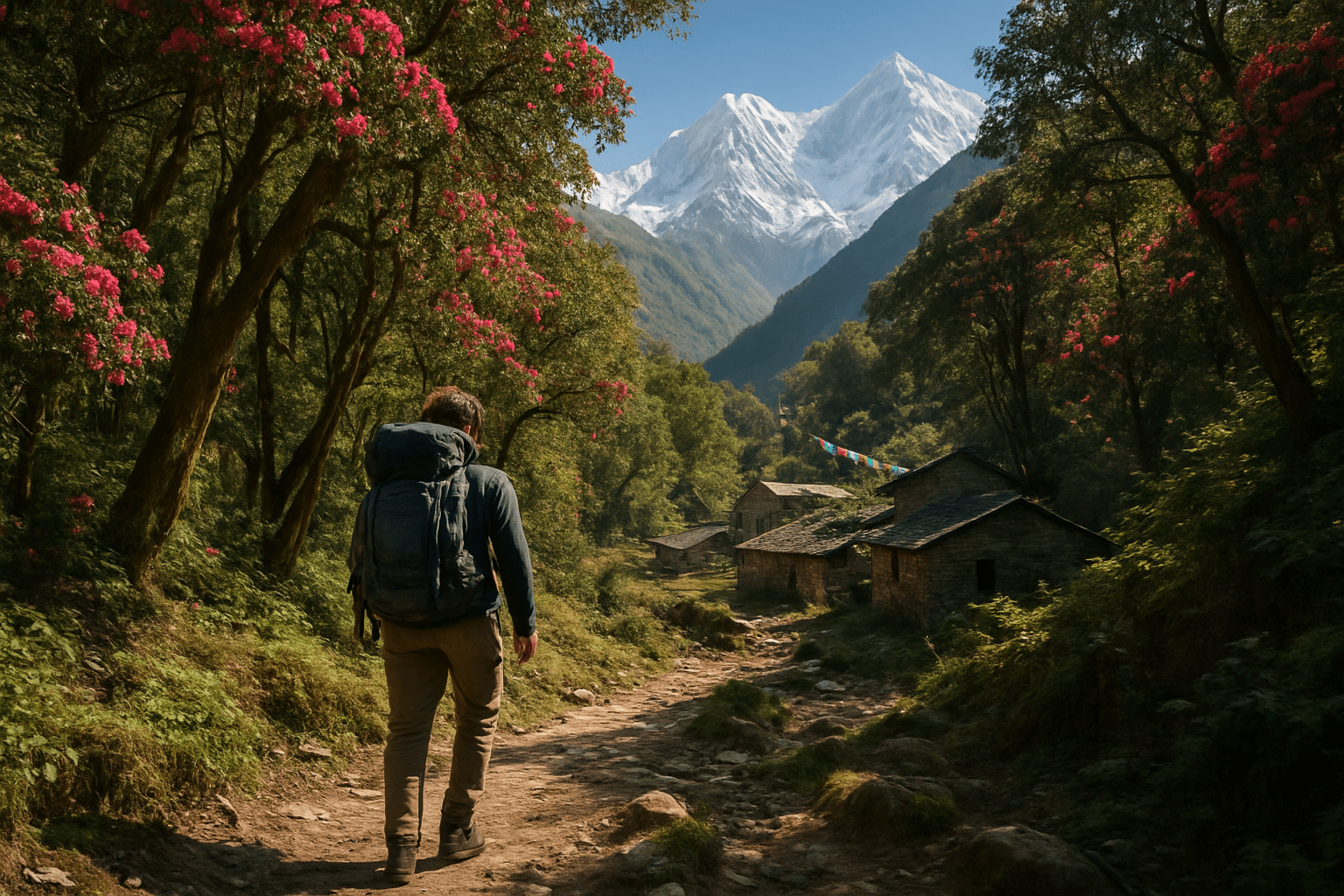
The trek from Syabrubesi to Langtang Village takes you through some of the most spectacular suspension bridges in the Himalayas. These swaying walkways span rushing rivers and deep gorges, offering heart-pounding moments and incredible photo opportunities. The most famous bridge crosses the Langtang River multiple times, each crossing revealing new perspectives of the valley below.
Dense rhododendron and oak forests dominate the trail, creating a natural canopy that provides welcome shade during the day. The path winds through bamboo groves where sunlight filters through in dappled patterns. During spring months, the rhododendrons burst into brilliant reds and pinks, transforming the entire landscape into a flowering wonderland.
Stone steps carved into the hillside make up much of the trail, a testament to centuries of local craftsmanship. These well-maintained paths show the care the Tamang people take in preserving their mountain routes. Water sources appear regularly along the way, with crystal-clear mountain streams providing refreshing stops.
The trail alternates between steep ascents and gentle undulations, giving trekkers time to catch their breath while still making steady progress toward higher elevations. Ancient prayer flags flutter from trees and bridges, adding splashes of color and spiritual significance to the journey.
Spot Wildlife in Langtang National Park
Langtang National Park protects an incredible diversity of wildlife species, many of which you'll encounter during this section of the trek. Red pandas inhabit the dense bamboo forests, though spotting these elusive creatures requires patience and luck. Early morning and late afternoon offer the best chances for wildlife sightings when animals are most active.
Himalayan black bears roam these forests, though they typically avoid human contact. Local guides know how to identify fresh bear signs and will keep groups informed about recent activity. The distinctive scratch marks on tree bark and overturned logs signal their presence in the area.
Langur monkeys swing through the treetops, their calls echoing across the valley. These playful primates often travel in large groups and show curiosity about trekkers, sometimes following groups for short distances. Their acrobatic displays among the branches provide endless entertainment.
Bird enthusiasts will spot numerous species including colorful pheasants, eagles soaring overhead, and tiny mountain birds flitting between branches. The haunting call of the Himalayan cuckoo becomes a constant soundtrack to your trek. Keep cameras ready because wildlife appearances happen suddenly and briefly.
Wild boar tracks crisscross many sections of the trail, especially near water sources where they come to drink. Mountain goats occasionally appear on distant rocky outcrops, their sure-footed movements a marvel to watch.
Experience Traditional Tamang Hospitality
The Tamang people welcome trekkers into their villages with genuine warmth that goes far beyond simple business transactions. Their Buddhist culture emphasizes compassion and generosity, values clearly reflected in how they treat visitors to their mountain homeland. Prayer wheels spin continuously outside their homes, and the sound of chanting often drifts from local gompas.
Traditional stone houses with carved wooden windows line the trail, each telling stories of generations who've called these mountains home. Families invite trekkers to share meals of dal bhat, momos, and butter tea served in their cozy kitchens warmed by wood-burning stoves. The hospitality feels authentic because it comes from cultural traditions rather than tourism training.
Local children often approach trekkers with shy smiles and curious eyes, practicing their English while sharing small gifts like wildflowers or interesting stones. Their parents work in terraced fields visible from the trail, cultivating barley, potatoes, and vegetables despite the challenging high-altitude conditions.
Teahouse owners share stories about their lives in these remote villages, explaining seasonal migrations, yak herding practices, and how tourism has changed their communities. Many speak multiple languages and serve as informal cultural ambassadors, helping visitors understand Tamang customs and beliefs.
Traditional dress remains common, especially during festivals and special occasions. Women wear colorful woven fabrics and ornate jewelry passed down through generations. Men often sport traditional caps and hand-woven jackets perfect for mountain weather.
Adjust to Increasing Altitude
The gradual elevation gain from Syabrubesi at 1,550 meters to Langtang Village at 3,430 meters requires careful attention to your body's responses. This section provides excellent acclimatization because the ascent happens over two full days, allowing plenty of time for physiological adjustments to decreasing oxygen levels.
Headaches often appear as the most common early altitude symptom, usually manageable with proper hydration and slower walking speeds. Drinking small amounts of water frequently works better than chugging large quantities at once. Local guides recommend consuming at least three liters of fluids daily at these elevations.
Sleep patterns change noticeably as you gain altitude, with many trekkers experiencing lighter, more interrupted rest. Teahouses provide extra blankets, and bringing a good sleeping bag becomes essential for comfortable nights. Some people notice increased breathing rates even during sleep, which is completely normal.
Appetite may decrease slightly, but maintaining regular meals helps your body cope with altitude stress. Local dal bhat provides complex carbohydrates and proteins perfect for sustained energy at elevation. Avoid alcohol and limit caffeine intake as both can worsen dehydration and sleep issues.
Walking pace naturally slows as oxygen becomes less available, and experienced trekkers embrace this rhythm rather than fighting it. The "pole pole" (slowly, slowly) philosophy from high-altitude climbing applies perfectly here. Rest steps become more frequent, and taking photos provides excellent excuses for regular breaks.
Monitor yourself and fellow trekkers for concerning symptoms like persistent nausea, severe headaches, or unusual fatigue that doesn't improve with rest.
Day 5-6: Langtang Village to Kyanjin Gompa Ascent
Trek Through Alpine Meadows and Yak Pastures
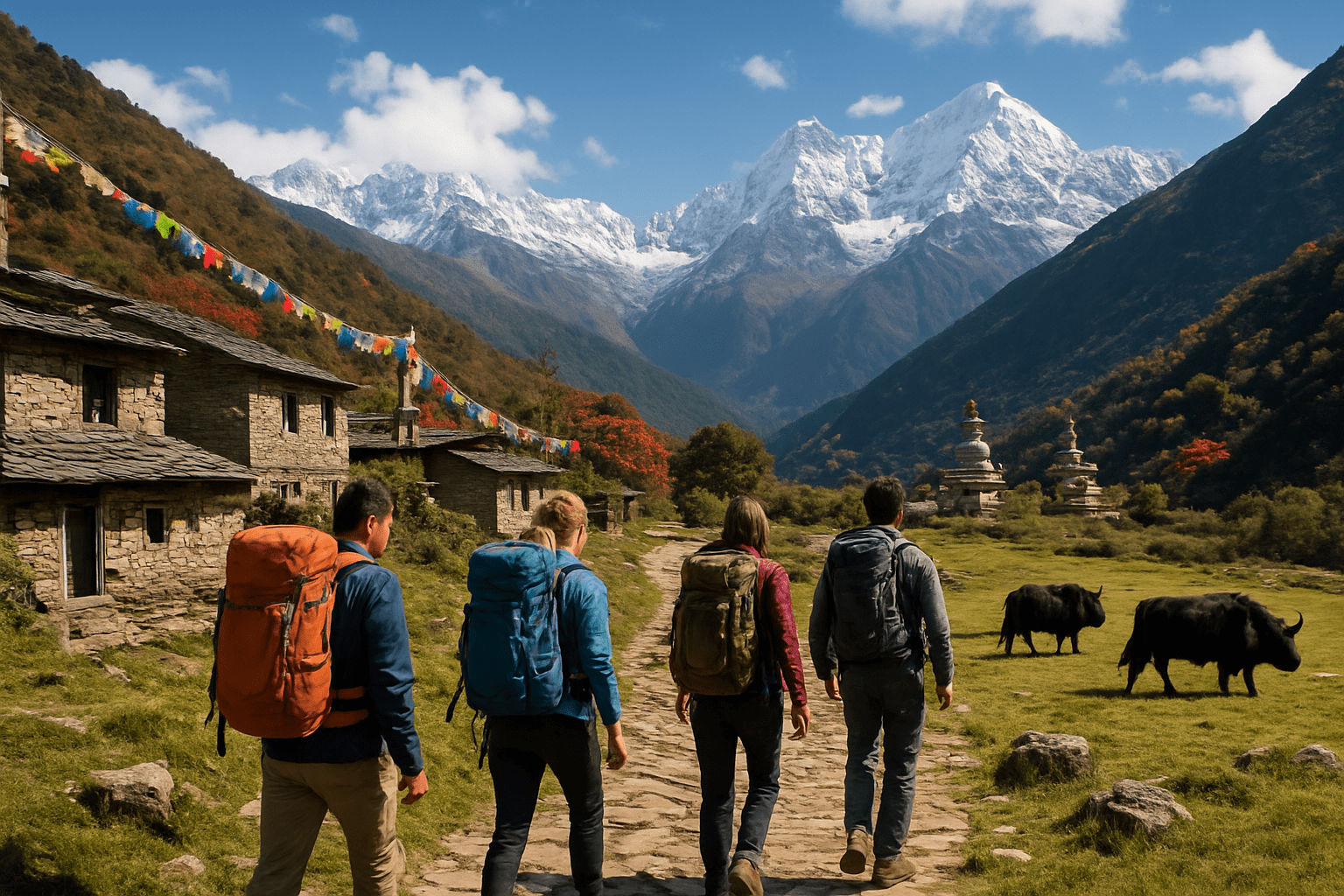
The ascent from Langtang Village to Kyanjin Gompa marks one of the most spectacular sections of the entire trek. Starting early morning, you'll climb steadily through traditional stone-walled terraces that gradually give way to pristine alpine meadows dotted with colorful rhododendron bushes. The trail winds through vast yak pastures where these magnificent beasts graze freely against a backdrop of snow-capped peaks.
During late spring and early summer, these meadows burst into life with alpine wildflowers, creating natural carpets of blue, purple, and yellow. The contrast between the emerald grasslands and the stark white peaks creates photo opportunities at every turn. Local herders often set up temporary camps in these pastures, offering glimpses into the traditional semi-nomadic lifestyle that has persisted for centuries.
The terrain becomes more rugged as you gain elevation, with loose rocks and occasional stream crossings requiring careful footing. Prayer flags flutter from rocky outcrops, and the thin mountain air becomes increasingly noticeable. Weather can change rapidly at this altitude, so layer your clothing and keep rain gear accessible.
| Feature | Description |
| Elevation Gain | 800-900 meters |
| Walking Time | 4-5 hours |
| Terrain | Alpine meadows, rocky paths |
| Wildlife | Yaks, Himalayan tahrs, pikas |
Visit the Ancient Buddhist Monastery
Kyanjin Gompa stands as the spiritual heart of the Langtang Valley, perched at 3,870 meters amid towering peaks. This ancient monastery, believed to be over 600 years old, houses sacred Buddhist artifacts and offers a peaceful retreat from the physical demands of trekking. The gompa's weathered stone walls and prayer wheels create an atmosphere of profound tranquility.
Local lamas welcome visitors during morning and evening prayer sessions, providing unique insights into Tibetan Buddhist practices. The monastery's interior features intricate murals depicting Buddhist deities and teachings, while butter lamps flicker continuously in small alcoves. Many trekkers find the experience deeply moving, especially after days of challenging mountain terrain.
The gompa serves as more than just a religious site – it's a community center where local Tamang and Sherpa families gather for festivals and ceremonies. During your visit, you might witness traditional rituals or receive blessings from resident monks. The monastery also maintains a small library of ancient texts written in Tibetan script.
Best visiting times:
- Morning prayers: 6:00-7:00 AM
- Evening prayers: 5:00-6:00 PM
- Full moon ceremonies (check with locals for dates)
Enjoy Panoramic Mountain Views
Kyanjin Gompa's location offers some of Nepal's most breathtaking mountain panoramas. The amphitheater of peaks surrounding the valley creates a 360-degree spectacle that leaves even seasoned trekkers speechless. Langtang Lirung (7,227m) dominates the northern horizon, its massive glaciated face catching the first and last light of each day.
To the east, the jagged ridges of Dorje Lakpa and Gangchempo pierce the sky, while Langtang Ri and Ganjala Pass frame the southern views. Early morning brings the phenomenon known as "alpenglow," when peaks turn brilliant orange and pink before sunrise. This magical hour typically occurs between 5:30-6:30 AM, making it worth the early wake-up call.
For the best viewing experience, climb the small hill behind the gompa or venture toward the Langshisa Kharka viewpoint. These elevated positions provide unobstructed sightlines and perfect photography conditions. Cloud formation patterns change throughout the day, with mornings generally offering the clearest visibility.
Prime viewing spots:
- Gompa rooftop terrace
- Hill behind the monastery (15-minute walk)
- Langshisa Kharka trail (1-hour extension)
- Tserko Ri base (for ambitious day hikers)
The interplay of light and shadow across these massive peaks creates an ever-changing landscape that rewards patient observation. Many trekkers spend entire afternoons simply watching the mountains transform as weather systems move through the valley.
Day 7-8: Kyanjin Gompa Exploration and Side Trips
Climb Kyanjin Ri for Spectacular Sunrise Views
Waking up at 4:30 AM might sound brutal, but the sunrise from Kyanjin Ri (4,773m) will change your entire perspective on early mornings. The 2-3 hour climb from Kyanjin Gompa starts steep but levels out as you gain altitude. Pack your headlamp, warm layers, and plenty of water - the altitude hits differently in the dark.
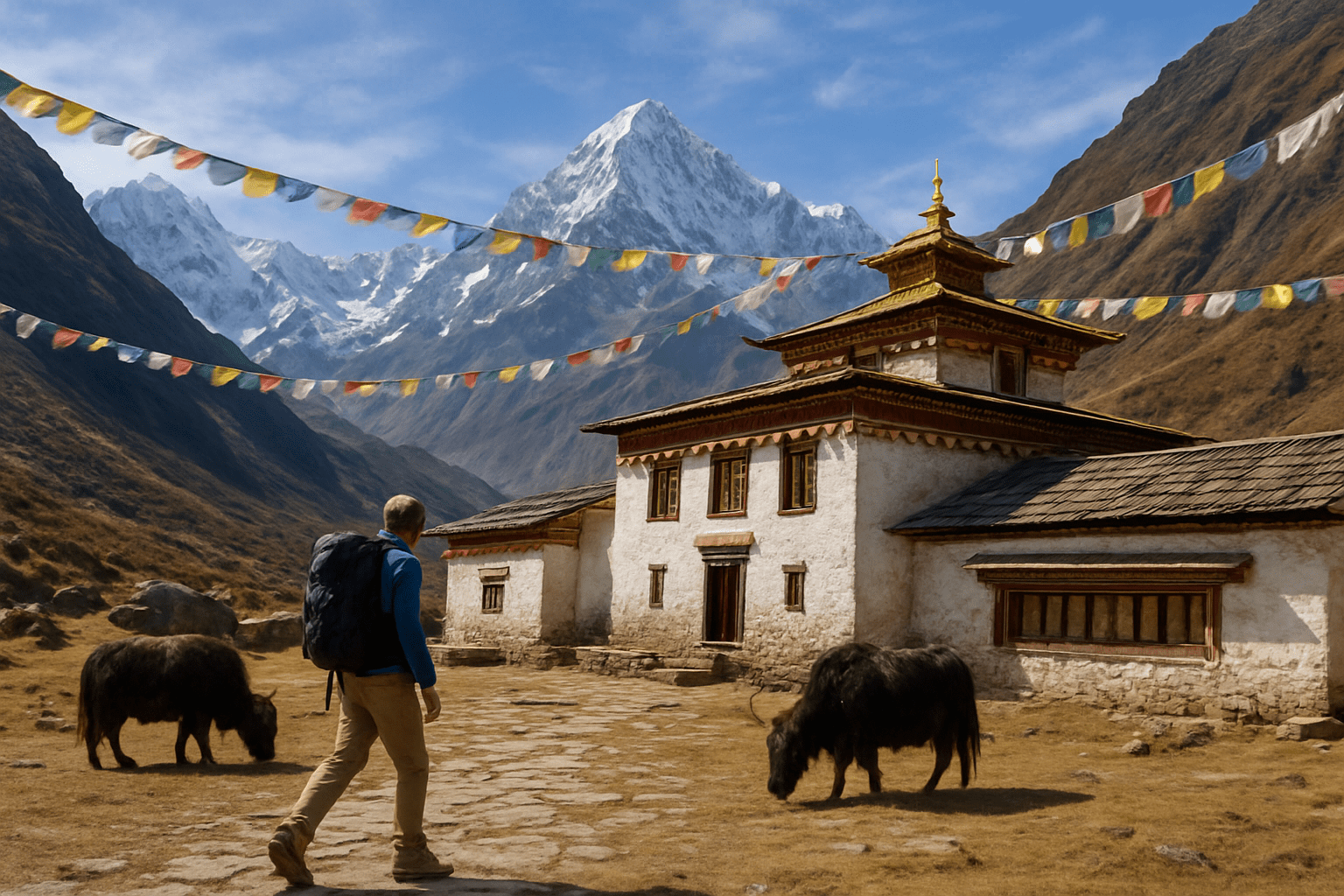
The trail zigzags up rocky terrain with occasional prayer flags marking the path. About halfway up, you'll catch your first glimpse of the surrounding peaks silhouetted against the pre-dawn sky. The final push to the summit involves some scrambling over loose rocks, but the panoramic views make every step worthwhile.
From the top, you'll see Langtang Lirung (7,227m) dominating the skyline, while Ganchenpo and Naya Kanga create a stunning backdrop. The sunrise paints these giants in brilliant shades of orange and pink - a photographer's dream. Most trekkers spend 30-45 minutes at the summit before descending back to Kyanjin Gompa for a well-deserved breakfast.
Essential gear for the climb:
- Headlamp with extra batteries
- Insulated jacket and gloves
- Trekking poles for stability
- Camera with extra battery (cold drains power fast)
- High-energy snacks
Explore Tserko Ri for Advanced Hikers
Tserko Ri (4,984m) represents the ultimate challenge for experienced trekkers looking to push their limits. This demanding 6-8 hour round trip from Kyanjin Gompa requires excellent physical condition and proper acclimatization. The route starts similar to Kyanjin Ri but branches off to the northeast, following a less defined trail marked by occasional cairns.
The ascent becomes increasingly technical after 4,500m, with loose scree and steep sections testing your endurance. Many trekkers find the mental challenge as tough as the physical one - the thin air at this altitude can cloud judgment and slow decision-making. Turn back if you experience severe headaches, nausea, or dizziness.
The summit rewards you with possibly the best views in the entire Langtang region. You'll stand face-to-face with Langtang Lirung's north face, while the Tibetan border peaks stretch endlessly to the north. On clear days, you can spot Shishapangma (8,027m) in Tibet, making this one of the few spots where you can see an 8,000-meter peak from the Langtang Valley.
Safety considerations:
- Start no later than 6 AM to avoid afternoon weather
- Carry emergency shelter and first aid kit
- Inform lodge owners of your climbing plans
- Consider hiring a local guide familiar with the route
- Have a solid descent plan if weather deteriorates
Visit Local Cheese Factory and Learn Production Process
The cheese factory at Kyanjin Gompa offers a fascinating glimpse into traditional Himalayan food production. Established with Swiss assistance in the 1960s, this small facility produces yak cheese using methods passed down through generations. The best time to visit is between 8-10 AM when the cheese-making process is in full swing.
Watch as locals transform fresh yak milk into various cheese types, from soft cottage cheese to hard wheels that age for months. The factory produces around 2,000 kilograms of cheese annually, most of which gets transported to Kathmandu markets via porter networks. The irony isn't lost - some of the cheese you buy in Thamel restaurants likely came from this remote mountain facility.
The factory shop sells fresh cheese, dried yak meat, and traditional butter tea ingredients. Prices are surprisingly reasonable considering the remote location. Many trekkers stock up on protein-rich yak cheese for the return journey - it keeps well without refrigeration and provides excellent energy for long hiking days.
The friendly staff often invite visitors to taste different cheese varieties and explain the aging process. Local families have operated this facility for decades, passing cheese-making knowledge from parents to children. Their stories about life at 3,870m altitude, surviving harsh winters, and maintaining traditions in a rapidly modernizing world add depth to your trekking experience.
Rest and Acclimatize at High Altitude
Spending two full days at Kyanjin Gompa serves a critical purpose beyond sightseeing - proper acclimatization. At 3,870m, your body needs time to adjust to reduced oxygen levels before attempting higher climbs or beginning the return journey. Many trekkers make the mistake of rushing through this phase, leading to altitude sickness later.
Use this time for active rest - gentle walks around the village, short hikes to nearby viewpoints, or simply relaxing with a book while your red blood cell count increases. The key is staying hydrated, eating well, and listening to your body. Headaches, loss of appetite, or difficulty sleeping are normal but shouldn't worsen over time.
The village itself deserves exploration. Visit the ancient Kyanjin Gompa monastery, where monks maintain centuries-old traditions despite the remote location. The prayer wheels and colorful flags create a peaceful atmosphere perfect for reflection. Local families run several tea houses, each offering unique perspectives on mountain life and trekking stories from decades past.
Evening temperatures drop significantly, often reaching -15°C in peak season. Most lodges provide common areas with heating, creating perfect environments for meeting fellow trekkers, planning return routes, or simply enjoying the star-filled skies. The lack of light pollution at this altitude means you'll see the Milky Way with startling clarity - bring a warm jacket and spend time stargazing from the village outskirts.
Day 9-11: Return Journey Through Different Route Options
Descend via Alternative Trails for Varied Scenery
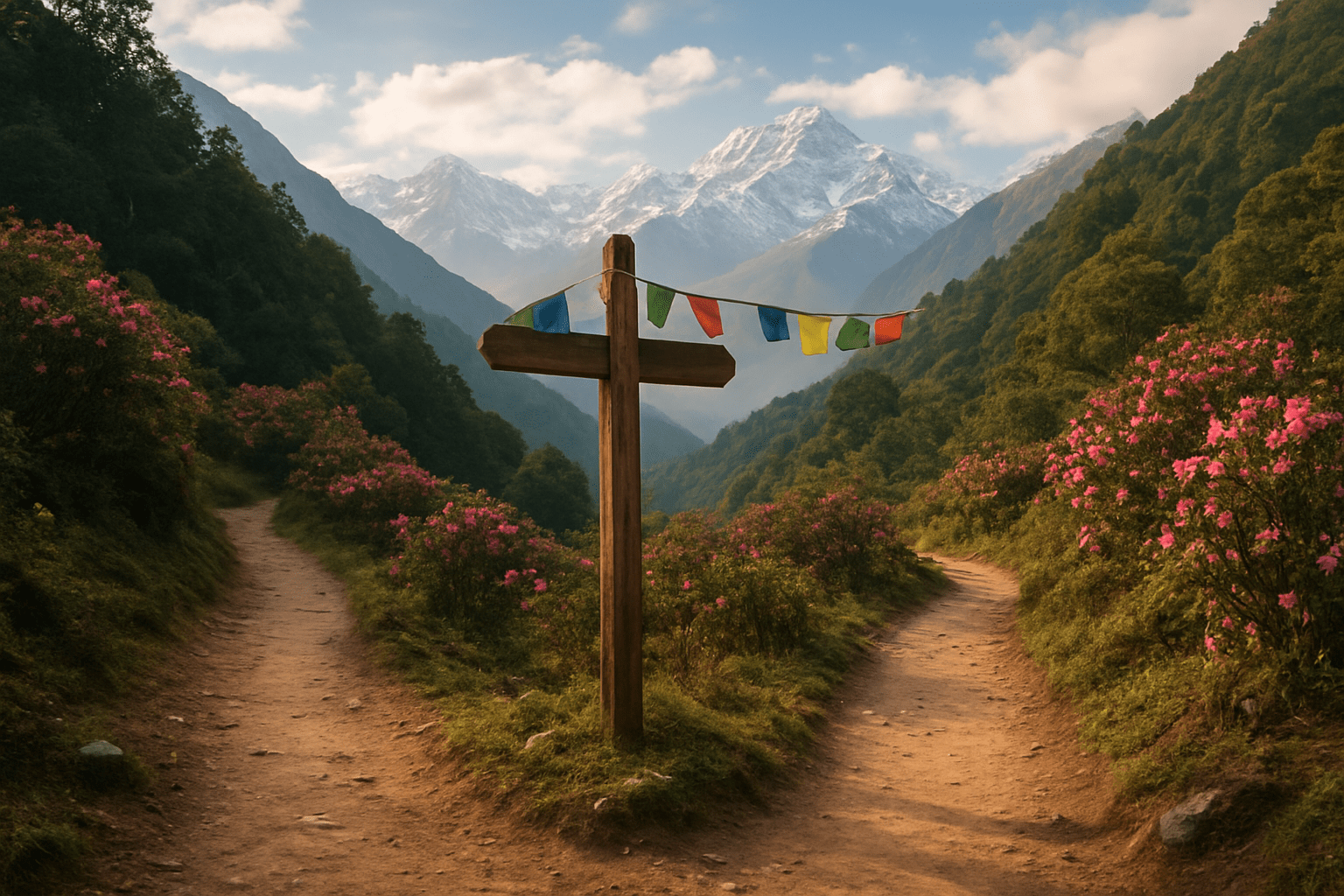
The return journey from Kyanjin Gompa offers several exciting route options that showcase different aspects of the Langtang Valley's stunning landscape. Rather than simply retracing your steps, consider taking the high trail that winds through the upper rhododendron forests. This path provides spectacular views of the entire valley floor below and offers glimpses of wildlife you might have missed during the ascent.
Another compelling option involves following the river trail more closely, which takes you through lush meadows and past traditional stone walls that local farmers have built over generations. This lower route gives you intimate views of the rushing Langtang Khola and provides excellent photography opportunities of the valley's agricultural terraces.
The forest sections along these alternative trails burst with biodiversity. You'll walk through dense stands of blue pine, fir, and birch trees, with the ground carpeted in colorful wildflowers during spring and summer months. Keep your eyes peeled for red pandas, which are occasionally spotted in these quieter forest areas away from the main trail.
Weather conditions play a crucial role in route selection. Morning fog often blankets the valley floor, making the higher trails more rewarding for views. The afternoon sun illuminates the western faces of the peaks beautifully from the eastern side trails, creating perfect conditions for sunset photography.
Stop at Different Tea Houses and Villages
Your descent opens up opportunities to experience tea houses you may have bypassed during the upward journey. The small settlement of Mundu offers a charming alternative stop with family-run lodges that provide authentic local meals and genuine hospitality. The dal bhat here comes with fresh vegetables grown in nearby gardens, and the hosts often share stories about their life in the high mountains.
Rimche village deserves a longer stop than most trekkers give it. This traditional Tamang settlement maintains its cultural authenticity, with stone houses featuring intricately carved wooden windows and prayer flags fluttering from every rooftop. The local gompa (monastery) welcomes visitors during morning and evening prayers, providing insight into Buddhist practices that shape daily life in these mountains.
Tea house owners along alternative routes often have more time to interact with guests, sharing local legends and mountain folklore. Many speak excellent English and love discussing everything from yak herding techniques to climate change impacts on their communities. These conversations provide cultural depth that enriches your trekking experience beyond the physical challenge.
Food variety increases as you explore different establishments. Some tea houses specialize in Tibetan momos, while others excel at Sherpa stew or traditional Tamang dishes. The local chang (barley beer) varies significantly between villages, each with unique brewing methods passed down through families.
Reflect on Trek Achievements
The descent provides natural moments for reflection as familiar landmarks appear from new perspectives. The dramatic peaks that challenged you during the ascent now serve as companions, visible throughout much of your return journey. This shift in perspective mirrors your personal transformation during the trek.
Physical accomplishments become clear during the descent. Your body moves with confidence over terrain that seemed daunting just days earlier. Steep sections that required frequent rest stops during the ascent now feel manageable. Your breathing remains steady at altitudes that initially left you gasping. These improvements represent tangible evidence of your adaptation to high-altitude conditions.
Mental resilience gained during challenging moments of the trek manifests as quiet confidence. You've pushed through discomfort, uncertainty, and physical exhaustion to reach your goals. The problem-solving skills developed while navigating weather changes, equipment issues, or route difficulties translate into increased confidence for future challenges.
Cultural immersion experiences begin to synthesize during the return journey. Conversations with local people, observations of traditional lifestyles, and participation in mountain communities create lasting memories that extend far beyond the physical act of walking. You've gained appreciation for the resilience and wisdom of mountain peoples who thrive in this challenging environment.
The descent often brings unexpected emotional responses. Some trekkers experience sadness at leaving the mountains, while others feel eager to share their experiences with loved ones. Both reactions reflect the profound impact of spending time in one of the world's most spectacular mountain environments.
Budget Breakdown and Cost-Saving Tips
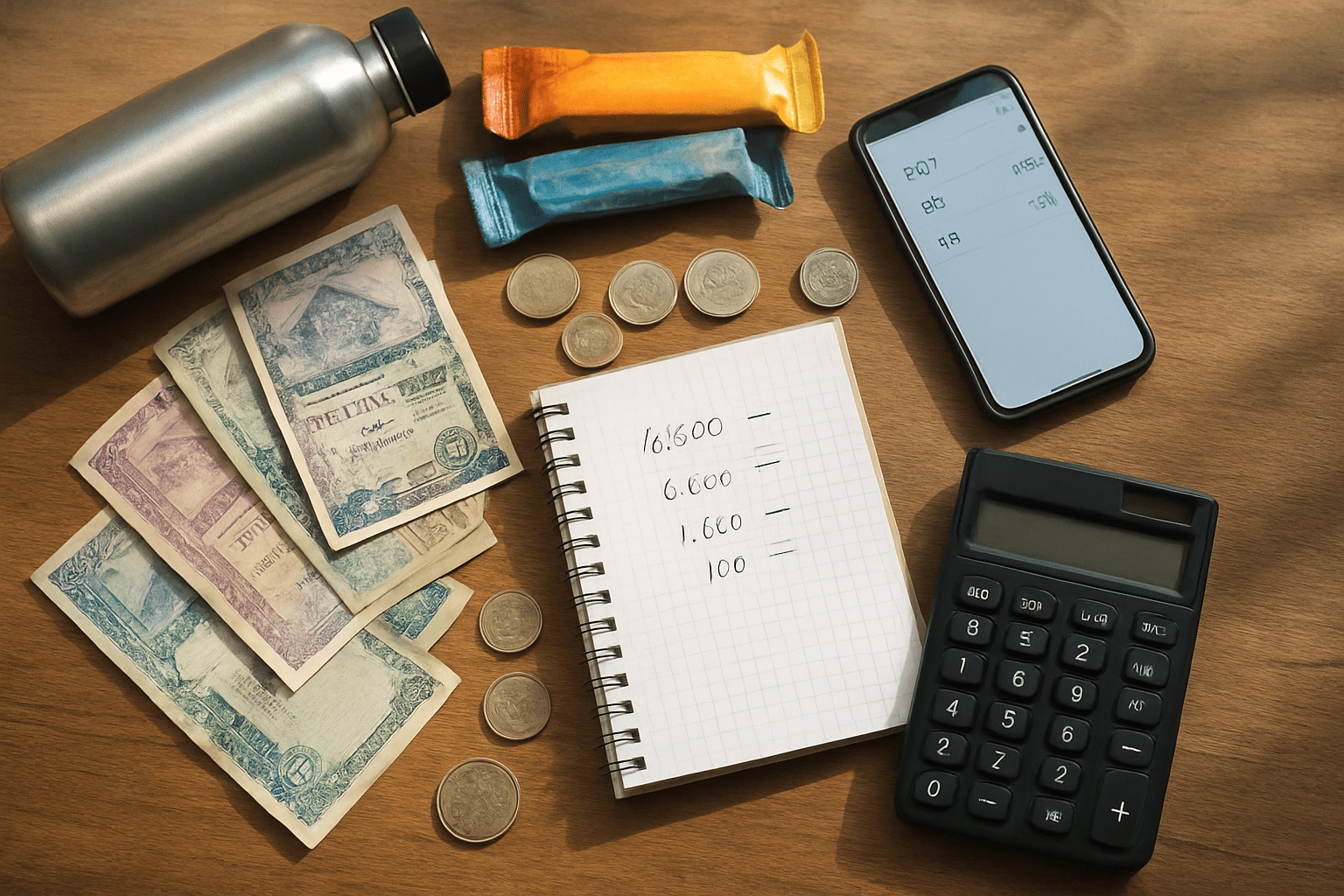
Calculate Accommodation and Meal Expenses
Teahouse accommodation along the Langtang Valley trek typically ranges from NPR 500-1,500 ($4-12 USD) per night, depending on altitude and location. Lower altitude stops like Syabrubesi offer cheaper options around NPR 500-800, while higher villages like Kyanjin Gompa charge NPR 1,000-1,500 due to limited supply chains and increased transport costs.
Meals follow a similar altitude-based pricing structure. A basic dal bhat (rice and lentils) costs NPR 400-600 in lower villages but jumps to NPR 800-1,200 at higher elevations. Western dishes like pasta or pancakes add NPR 200-400 to your bill. Beverages are particularly expensive at altitude - a cup of tea costs NPR 100-200, while bottled water reaches NPR 300-500 at Kyanjin Gompa.
Budget approximately NPR 2,000-3,000 ($16-24 USD) daily for accommodation and meals combined. This covers basic lodging and three simple meals. Add 30-40% extra if you prefer Western food or want occasional treats like chocolate or alcohol.
Smart money-saving strategies include sticking to local dishes, sharing rooms when possible, and carrying a water purification system instead of buying bottled water. Many teahouses offer package deals combining accommodation with meals at discounted rates.
| Location | Accommodation (NPR) | Dal Bhat (NPR) | Tea (NPR) | Water (NPR) |
| Syabrubesi | 500-800 | 400-500 | 80-100 | 100-150 |
| Langtang Village | 800-1,200 | 600-800 | 120-150 | 200-250 |
| Kyanjin Gompa | 1,000-1,500 | 800-1,200 | 150-200 | 300-500 |
Factor in Guide and Porter Costs
Licensed guides charge NPR 3,000-5,000 ($24-40 USD) per day, while porters cost NPR 2,000-3,000 ($16-24 USD) daily. These rates cover their wages, but you're responsible for their accommodation, meals, and insurance. Guide costs add roughly NPR 1,500-2,000 daily for food and lodging, while porters need about NPR 1,200-1,500 for the same.
Hiring locals from Syabrubesi often proves cheaper than Kathmandu-based operators, saving 20-30% on daily rates. However, ensure they carry proper permits and insurance regardless of where you hire them. Some trekkers share guide costs by joining small groups, reducing individual expenses significantly.
Consider hiring a porter-guide - someone who carries your pack and provides basic route guidance. They charge NPR 2,500-4,000 daily, falling between pure porter and full guide rates while offering moderate assistance with navigation and local knowledge.
Insurance for guides and porters costs NPR 500-1,000 per person for the entire trek. This covers medical emergencies and evacuation costs, protecting both you and your staff from unexpected expenses.
Daily Cost Breakdown for Staff:
- Guide: NPR 4,000 (wages) + NPR 1,800 (food/accommodation) = NPR 5,800
- Porter: NPR 2,500 (wages) + NPR 1,300 (food/accommodation) = NPR 3,800
- Porter-Guide: NPR 3,200 (wages) + NPR 1,500 (food/accommodation) = NPR 4,700
Plan for Emergency Fund Requirements
Emergency funds should cover helicopter evacuation, medical treatment, and unexpected delays. Helicopter rescue from Kyanjin Gompa costs $3,000-5,000 USD, while evacuation from lower areas runs $1,500-3,000. Weather delays can extend your trek by 2-3 days, adding accommodation and meal costs.
Medical emergencies requiring treatment in Kathmandu hospitals can cost $500-2,000, depending on severity. Travel insurance typically covers these expenses, but you might need to pay upfront and claim reimbursement later.
Set aside 25-30% of your total trek budget for emergencies. For a typical 11-day trek costing $800-1,200, keep $200-350 readily available. Carry cash in USD or NPR since credit cards don't work in mountain villages.
Equipment replacement represents another emergency expense category. Lost or damaged gear like sleeping bags, down jackets, or trekking poles can cost $50-200 to replace in Kathmandu. Some teahouses rent basic equipment, but quality varies significantly.
Weather-related delays are common during the monsoon (June-August) and winter (December-February) seasons. Flights to Syabrubesi get cancelled frequently, potentially requiring expensive jeep rides costing $200-300 per vehicle. Budget extra days in Kathmandu before and after your trek to handle these delays without stress.
Keep emergency funds separate from daily spending money. A combination of cash and an international debit card works best, giving you multiple access options if one method fails.
Conclusion
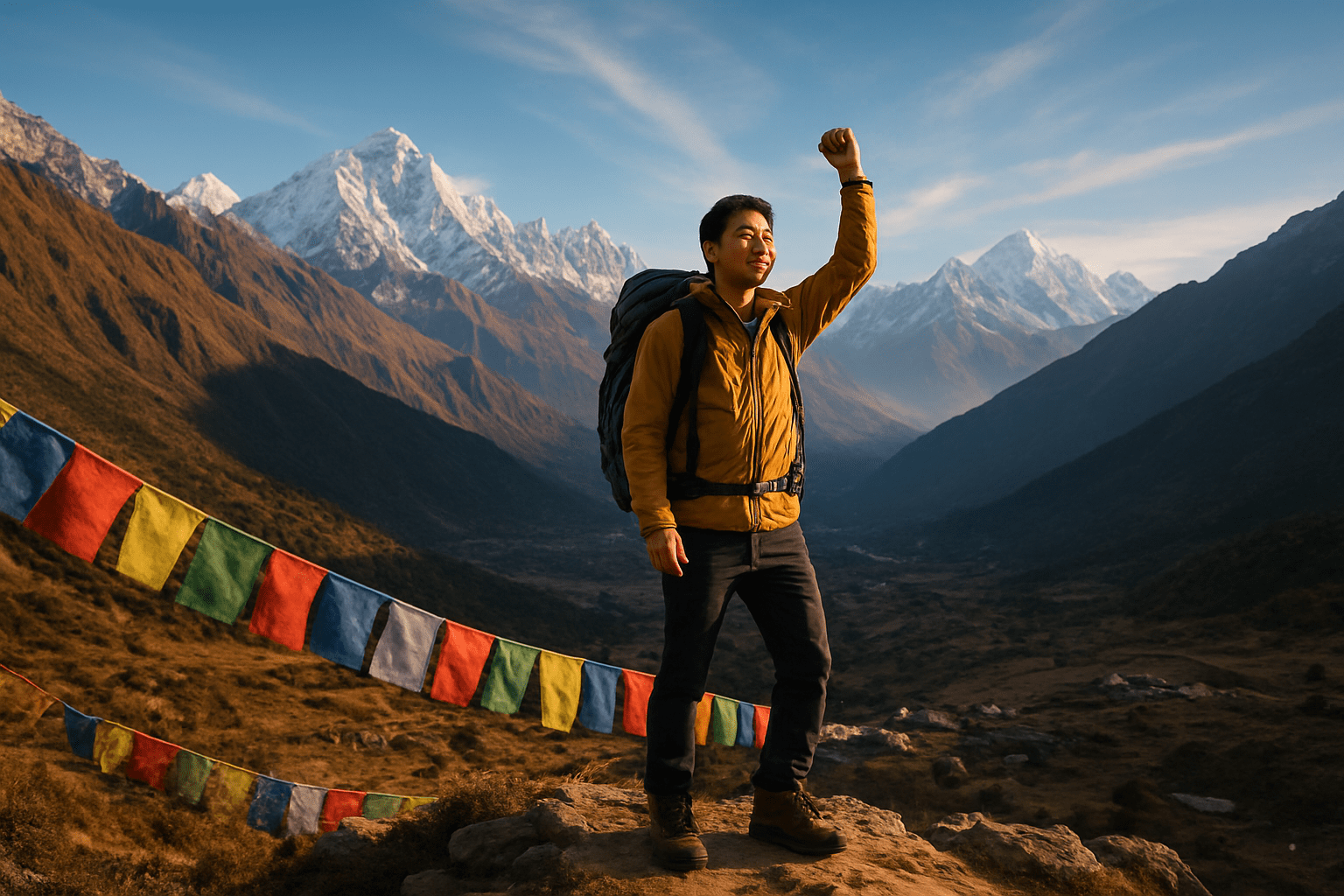
The Langtang Valley trek offers an incredible mix of cultural immersion, stunning mountain views, and manageable hiking that makes it perfect for trekkers seeking an authentic Himalayan experience without the crowds of more popular routes. From the initial journey to Syabrubesi through the gradual ascent to Kyanjin Gompa, each day brings new landscapes and encounters with the warm Tamang communities who call these mountains home. The flexibility of exploring side trips around Kyanjin and choosing different return routes means you can tailor the adventure to match your fitness level and time constraints.
Planning with proper gear, understanding the daily itinerary, and budgeting wisely will set you up for success on this remarkable trek. The memories you'll create walking through rhododendron forests, crossing suspension bridges, and waking up to views of Langtang Lirung will stay with you long after you return home. Start researching permits, book your accommodations in Kathmandu, and begin training for what could be the adventure of a lifetime in one of Nepal's most beautiful and accessible trekking regions.
If you require any additional information, please contact us via email at [email protected] or phone at +977- 980 195 6248 (WhatsApp).