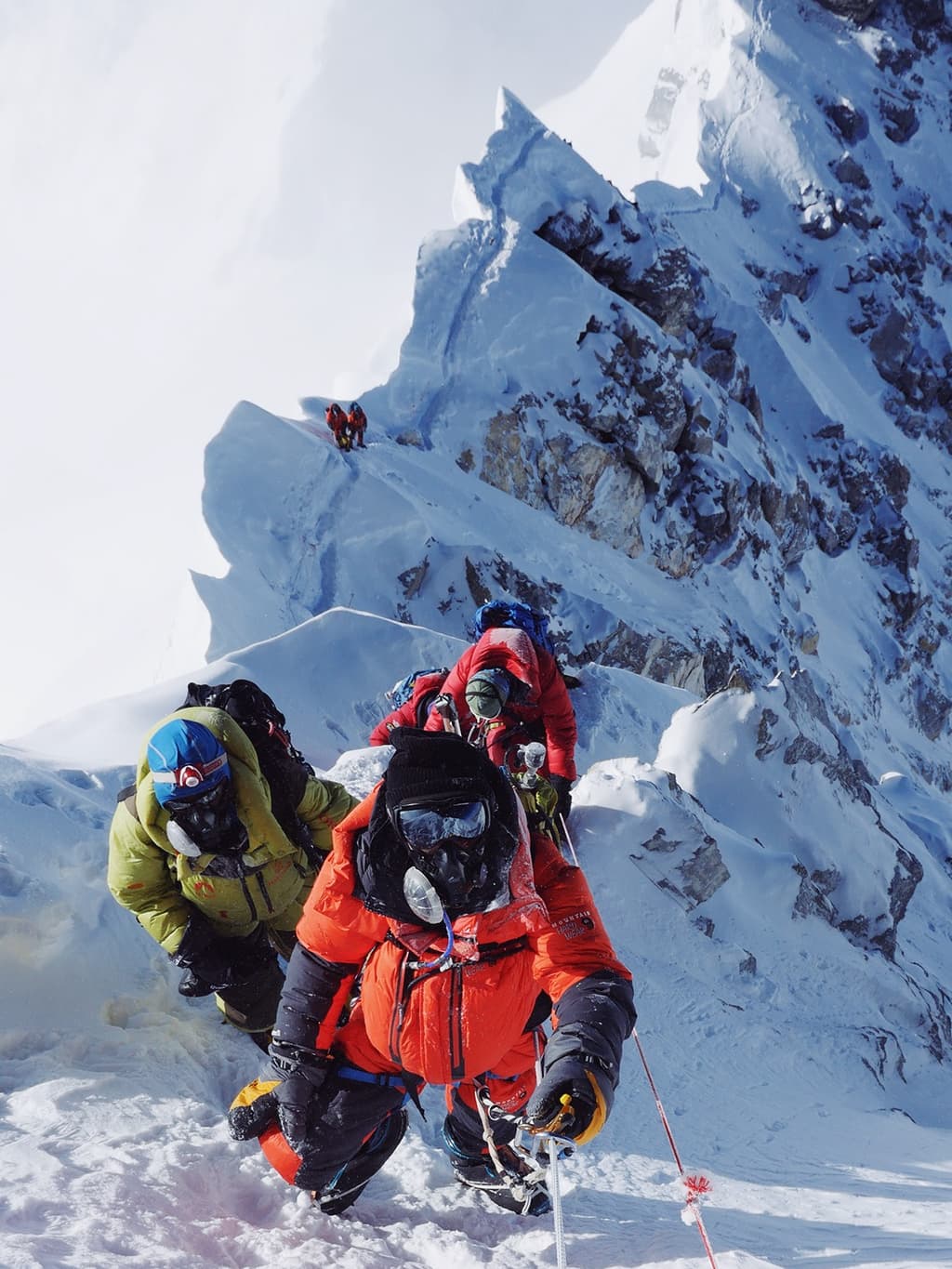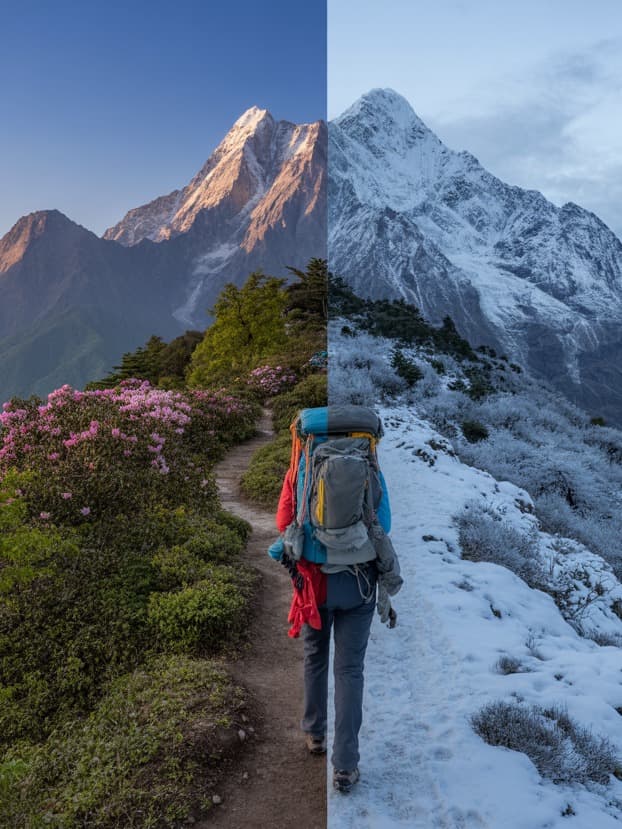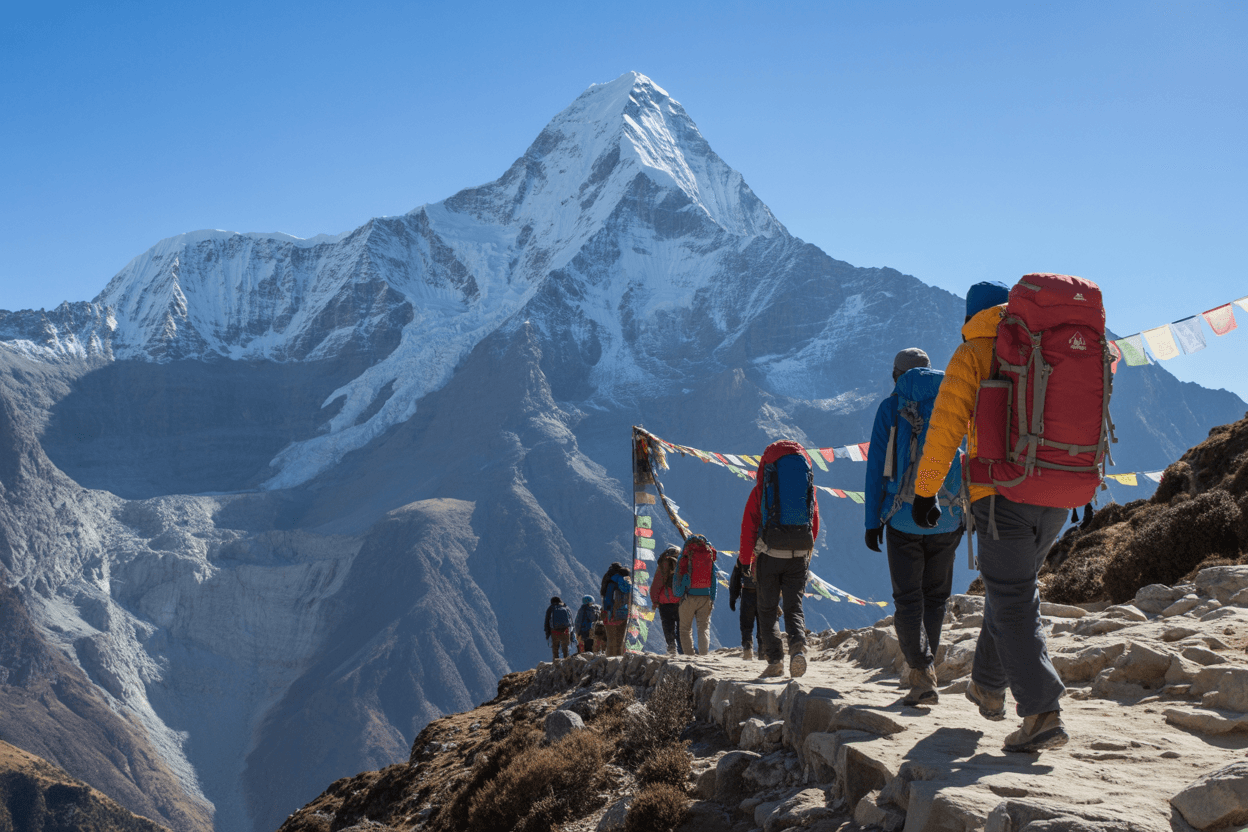
The Makalu Trek takes you through some of Nepal's most remote and stunning wilderness to the base of the world's fifth-highest peak. This comprehensive guide is for experienced trekkers ready to tackle a challenging 20+ day adventure that demands serious physical preparation and careful planning.
Getting the right permits can make or break your Makalu expedition, and we'll walk you through every document you need and where to get them. You'll also discover the best route options for your fitness level and timeline, from the classic Makalu Base Camp circuit to extended variations that include multiple high passes.
Finally, we'll break down realistic budget expectations so you can plan your finances around permits, guides, accommodation, and gear without any surprises.
This isn't your typical tea house trek - Makalu requires camping, carries higher risks, and tests even seasoned hikers. But for those ready to explore one of Nepal's least crowded regions, the rewards are extraordinary.
Essential Permits and Documentation Requirements

Obtaining Your Makalu-Barun National Park Entry Permit
Getting your park entry permit is the first step in making your Makalu trek a reality. You'll need to obtain this permit from the Department of National Parks and Wildlife Conservation in Kathmandu or through authorized trekking agencies. The permit costs $30 for the first week and $15 for each additional week for foreign nationals. SAARC citizens pay NPR 1,500 for the first week.
You can get this permit at the Tourist Service Center in Bhrikutimandap, Kathmandu, or at the park entrance gate in Tumlingtar. However, getting it in Kathmandu saves time and prevents potential delays at the trailhead. Bring two passport-size photos, a copy of your passport, and completed application forms. Processing usually takes 30 minutes to an hour when done in person.
The permit is valid for the specific dates you mention in your application, so plan your itinerary carefully. Extensions are possible but require additional paperwork and fees. Keep your permit with you throughout the trek as park rangers will check it at various checkpoints along the trail.
Securing the Restricted Area Permit for Makalu Region
The Makalu region requires a special Restricted Area Permit since parts of the trek cross into controlled zones near the Tibet border. This permit costs $10 per person per week and can only be obtained through registered trekking agencies - you cannot get it as an independent trekker.
Your trekking agency will handle the application process, but you'll need to provide them with passport copies, detailed itinerary, and proof of travel insurance at least 10 days before your trek starts. The permit application goes through the Department of Immigration in Kathmandu, and processing takes 3-5 working days.
The restricted area permit comes with specific conditions. You must trek with a licensed guide and follow the approved route. Deviations from your planned itinerary require prior approval and additional documentation. The permit clearly states your entry and exit points, so stick to these designated areas to avoid complications with authorities.
Required Insurance Coverage and Medical Certificates
Comprehensive travel insurance covering high-altitude trekking up to 6,000 meters is mandatory for the Makalu trek. Your insurance must specifically cover helicopter evacuation, as this is the primary means of emergency rescue from remote areas of the trek. Many standard travel insurance policies exclude high-altitude activities, so read the fine print carefully.
Look for policies that cover medical expenses up to $100,000, emergency evacuation up to $1 million, and trip cancellation/interruption. Companies like World Nomads, IMG Global, and Ripcord Rescue offer specialized high-altitude trekking coverage. Your insurance certificate must be in English and valid for the entire duration of your trip.
A medical certificate from a licensed physician stating you're physically fit for high-altitude trekking is required by most trekking agencies and recommended for permit applications. The certificate should be dated within 30 days of your trek start date and mention your ability to trek at altitudes above 5,000 meters. Include any relevant medical history or medications you're taking.
Hiring Licensed Guide and Porter Documentation
All trekkers in the Makalu region must hire a licensed guide - this isn't optional. Your guide must hold a valid trekking guide license issued by the Nepal Academy of Tourism and Hotel Management (NATHM). Ask to see their license card, which includes their photo, license number, and expiry date.
When hiring porters, ensure they have proper insurance coverage and equipment. Responsible trekking agencies provide their porters with adequate clothing, footwear, and medical insurance. The Porter Protection Group guidelines require porters to carry no more than 30kg (including their personal gear), have access to accommodation, and receive fair wages.
Your trekking agency should provide you with copies of all guide and porter documentation, including their licenses, insurance certificates, and emergency contact information. This paperwork becomes important if you need to verify their credentials during the trek or in case of emergencies. Keep digital copies on your phone as backup.
The guide-to-trekker ratio should not exceed 1:6 for safety reasons, especially in the challenging Makalu terrain. Your guide should speak English well enough to communicate effectively about route conditions, weather updates, and safety protocols throughout the trek.
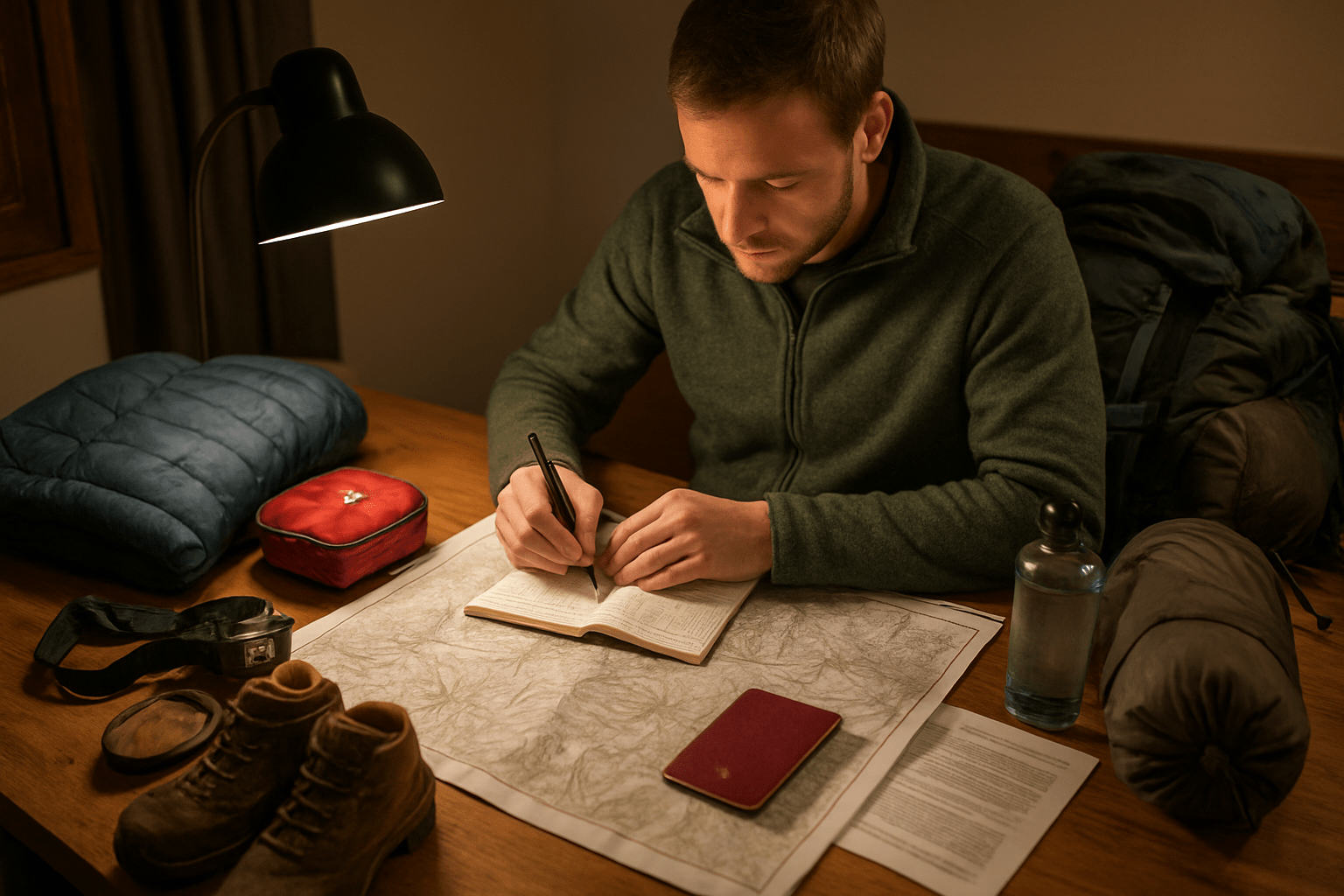
Pre-Trek Planning and Preparation
Best Seasons and Weather Conditions for Makalu Trek
Spring (March-May) and autumn (October-December) offer the most reliable weather windows for the Makalu trek. Spring brings warmer temperatures and blooming rhododendrons, though afternoon clouds can obscure mountain views. Temperatures range from 15-20°C at lower elevations to -10°C at base camp. April and May see the most stable conditions, but also the heaviest crowds on popular sections.
Autumn delivers crystal-clear mountain views and dry trails. October through November provides ideal trekking weather with daytime temperatures of 10-15°C at mid-elevations and nighttime lows reaching -15°C at higher camps. December can work for experienced trekkers, though snow becomes more likely above 4,000 meters.
Winter (January-February) presents extreme cold and unpredictable weather. Temperatures can drop to -25°C at base camp, and heavy snowfall may block high passes. Only seasoned mountaineers should attempt winter ascents. Monsoon season (June-September) brings daily rainfall, leeches, and cloud-covered peaks, making it unsuitable for most trekkers.
Weather patterns change rapidly in the Makalu region. Morning starts clear and cold, while afternoons often bring clouds, wind, and potential precipitation. Pack layers for temperature swings of 30°C between day and night at higher elevations.
Physical Fitness Training and Conditioning Program
Makalu demands exceptional physical conditioning due to its technical terrain and extreme altitude. Start training at least 4-6 months before departure. Your program should focus on cardiovascular endurance, leg strength, and mental resilience.
Build your aerobic base through long hiking sessions with a loaded pack. Start with 3-4 hour hikes carrying 15-20kg, gradually increasing to 8-10 hour sessions with full trekking weight. Hill repeats and stair climbing develop the specific leg strength needed for steep ascents and descents.
Include strength training twice weekly, targeting legs, core, and back muscles. Squats, lunges, deadlifts, and step-ups with weights prepare your body for carrying heavy loads over rough terrain. Don't neglect upper body work – you'll need arm strength for fixed rope sections and scrambling.
Practice hiking at altitude if possible. Multi-day backpacking trips help condition your body for consecutive days of hard effort. If you live at sea level, consider altitude training masks or chambers, though nothing replaces actual altitude exposure.
Mental preparation matters as much as physical fitness. Long solo hikes, cold weather training, and uncomfortable sleeping conditions help build the psychological toughness required when facing 18+ days in remote wilderness. Practice problem-solving under fatigue and stress.
Essential Gear and Equipment Checklist
Quality gear can make the difference between success and failure on Makalu. Temperature ratings must handle -25°C conditions, and durability is non-negotiable given the trek's length and remoteness.
Clothing System:
- Base layers: merino wool or synthetic (3-4 sets)
- Insulating layers: down or synthetic jacket rated to -20°C
- Shell layers: waterproof/breathable jacket and pants
- Trekking pants: 2-3 pairs, including warm softshell
- Underwear and socks: moisture-wicking, 7-8 pairs each
- Gloves: liner, insulated, and waterproof shells
- Headwear: sun hat, warm beanie, balaclava
Footwear:
- Trekking boots: waterproof, broken-in, crampon-compatible
- Camp shoes: insulated booties or sandals
- Gaiters: waterproof, full-length
Sleeping and Shelter:
- Sleeping bag: rated to -25°C, down or high-quality synthetic
- Sleeping pad: R-value 6+, closed-cell foam backup
- Pillow: inflatable or stuff sack
Technical Equipment:
- Crampons: 12-point, compatible with your boots
- Ice axe: general mountaineering, 60-70cm
- Helmet: for rockfall protection
- Harness: adjustable over bulky clothing
- Headlamp: LED with backup batteries
Navigation and Safety:
- GPS device with extra batteries
- Map and compass
- First aid kit: comprehensive wilderness kit
- Water purification: tablets and UV sterilizer
- Emergency shelter: bivy or space blanket
Booking Flights and Accommodation in Kathmandu
International flights to Kathmandu connect through major Asian hubs like Delhi, Bangkok, or Doha. Book flights 3-4 months in advance for better prices and seat selection. Qatar Airways, Thai Airways, and Air India offer reliable service with reasonable baggage allowances for trekking gear.
Allow extra time for potential delays – domestic flights to Tumlingtar (Makalu's starting point) frequently cancel due to weather. Build 2-3 buffer days into your schedule, both at the beginning and end of your trip. Consider arriving in Kathmandu 2-3 days before your scheduled trek start to handle permits, gear checks, and jet lag recovery.
Thamel district offers the best concentration of trekking-friendly hotels. Mid-range options like Hotel Marshyangdi or Kathmandu Guest House provide reliable amenities including WiFi, hot showers, and secure gear storage. Budget travelers can find clean guesthouses for $15-25 per night, while luxury seekers have options like Dwarika's Hotel or Hotel Yak & Yeti.
Book accommodations that offer airport transfers, permit processing assistance, and gear rental if needed. Many hotels partner with trekking agencies and can help coordinate your Makalu logistics. Confirm your booking includes breakfast, as early morning departures for domestic flights leave little time for restaurant meals.
Consider staying near the domestic airport (different from the international) if flying to Tumlingtar. Traffic in Kathmandu can cause delays, and early morning domestic flights don't wait for late arrivals.
Route Options and Itinerary Planning
Classic Makalu Base Camp Trek via Tumlingtar
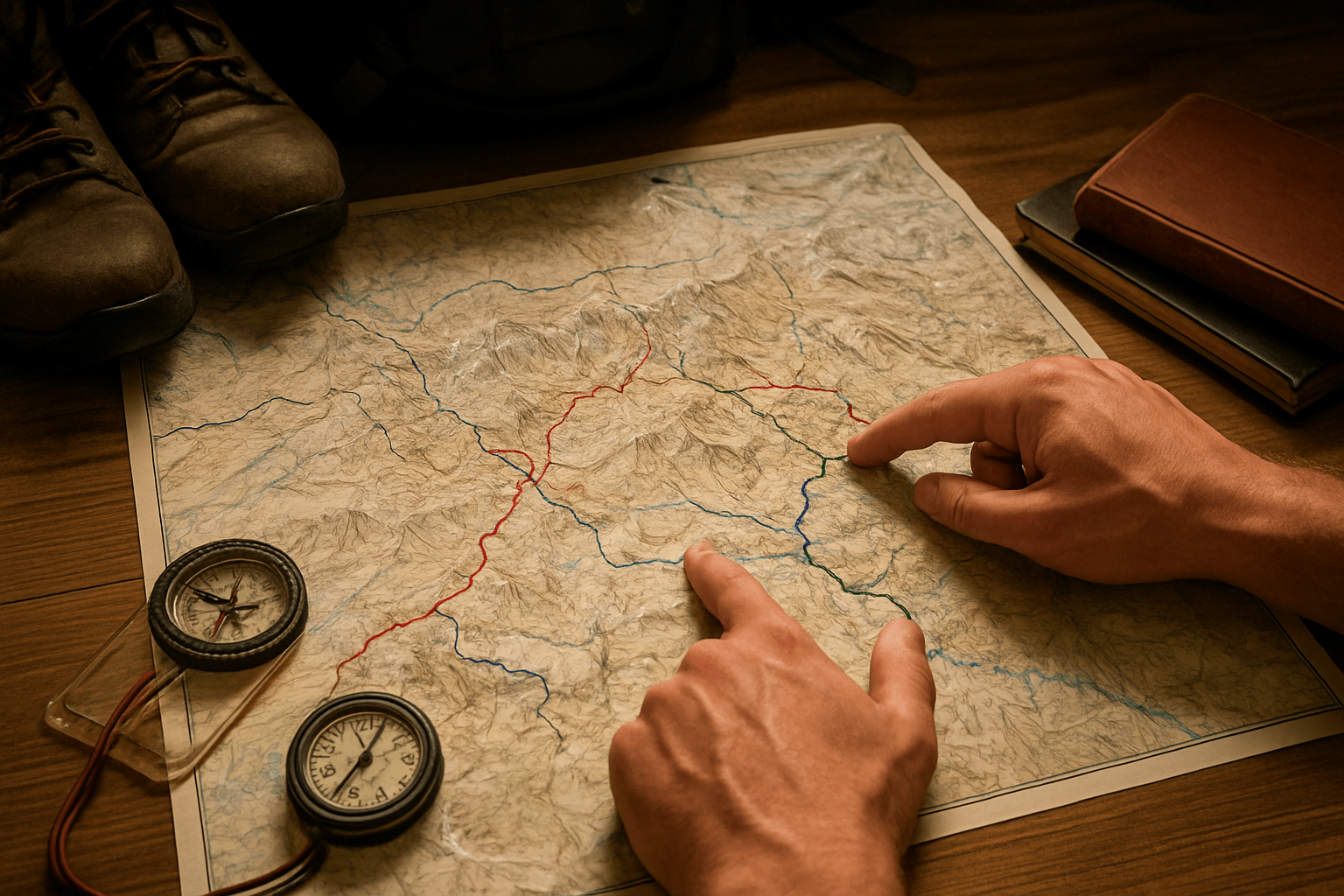
The traditional route to Makalu Base Camp begins with a thrilling flight to Tumlingtar airport, where your adventure starts at 518 meters. This classic approach offers the most established infrastructure and well-marked trails, making it the preferred choice for most trekkers.
From Tumlingtar, you'll follow the Arun River valley northward, passing through terraced hillsides and traditional Rai and Sherpa villages. The first few days involve gentle ascents through subtropical forests filled with rhododendrons, bamboo groves, and diverse wildlife. Key waypoints include Khandbari (1,040m), Num (1,560m), and Seduwa (1,500m).
The trail becomes more challenging as you cross the Shipton La pass (4,127m) and enter the upper Barun valley. This section showcases dramatic alpine scenery with towering peaks creating a natural amphitheater around you. The final push to Makalu Base Camp (4,870m) rewards trekkers with breathtaking views of Makalu's pyramid-shaped summit and neighboring giants like Everest and Lhotse.
Duration: 18-22 days round-trip
Difficulty: Moderate to challenging
Best seasons: March-May, September-November
Maximum elevation: 4,870m at Base Camp
This route provides excellent acclimatization opportunities and reliable tea house accommodation until Kongma, after which camping becomes necessary for the final approach to base camp.
Alternative Routes Through Num and Seduwa
Several alternative paths branch off from the main Tumlingtar route, offering unique perspectives and varying difficulty levels. The most popular deviation starts at Num, where trekkers can choose between the higher ridge route or the river valley approach to Seduwa.
Upper Ridge Route (Num to Seduwa):
This challenging variant climbs steeply from Num through dense forests to reach viewpoints at 2,500-3,000 meters before descending to Seduwa. While more demanding, this path provides spectacular panoramic views of the Makalu massif and surrounding peaks. The route passes through authentic Sherpa villages where traditional culture remains largely unchanged.
River Valley Route:
The gentler alternative follows the Kasuwa Khola valley, maintaining lower elevations and offering easier walking conditions. This path crosses numerous suspension bridges and provides opportunities to observe local farming practices and water-powered mills still in use.
Northern Approach via Hongon:
An increasingly popular option involves flying to Tumlingtar but taking a different route through Hongon village. This approach adds 2-3 days but includes visits to remote monasteries and provides better wildlife viewing opportunities, particularly for spotting red pandas and various bird species.
Each alternative route eventually converges at Tashigaon (2,100m), where all paths unite for the final ascent to base camp. These variations allow trekkers to customize their experience based on fitness levels, time constraints, and personal interests.
Recommended Acclimatization Schedule and Rest Days
Proper acclimatization is absolutely critical for Makalu trek success and safety. The rapid elevation gain from Tumlingtar (518m) to Base Camp (4,870m) requires carefully planned rest days and gradual ascent protocols.
Essential Rest Day Locations:
| Location | Elevation | Recommended Rest Days | Activities |
| Seduwa | 1,500m | 1 day | Village exploration, local culture |
| Tashigaon | 2,100m | 1 day | Short hikes, gear check |
| Khongma Danda | 3,500m | 1-2 days | Acclimatization hikes to 4,000m |
| Sherpani Col area | 4,200m | 1 day | Rest before final push |
Altitude Gain Guidelines:
- Never ascend more than 500m per day above 3,000m
- Include acclimatization hikes 200-300m higher than sleeping elevation
- Build buffer days for weather delays or altitude sickness
Week-by-Week Breakdown:
- Days 1-7: Gradual ascent to Tashigaon with cultural immersion
- Days 8-14: Serious altitude gain with mandatory rest days
- Days 15-18: Base camp approach and exploration
- Days 19-22: Descent and return journey
Smart trekkers add extra rest days at Khongma Danda (3,500m), where basic accommodation exists. This location serves as the perfect launching point for acclimatization hikes toward Shipton La without carrying full packs. Consider spending two nights here if you're feeling any altitude symptoms or simply want to enjoy the incredible mountain views without time pressure.
Weather windows can change rapidly in this region, so flexible itineraries with built-in buffer days prevent rushed ascents that increase altitude sickness risk.
Transportation and Getting to the Trailhead
Domestic Flight Options to Tumlingtar Airport
Flying to Tumlingtar Airport offers the quickest route to reach the Makalu Base Camp trailhead. Several domestic airlines operate regular flights from Kathmandu's Tribhuvan International Airport to this small mountain airstrip, including Nepal Airlines, Sita Air, and Summit Air. Flight duration typically ranges from 35-45 minutes, depending on weather conditions and aircraft type.
The most reliable scheduling occurs during peak trekking seasons (March-May and September-November), with 2-3 daily flights available. During monsoon months (June-August) and winter (December-February), flight frequency drops significantly due to unpredictable weather patterns affecting visibility and landing conditions.
Book flights well in advance, especially during peak season, as seats fill quickly. Morning departures generally have higher success rates since afternoon flights face increased cancellation risks due to mountain weather changes. Twin Otter aircraft are commonly used for this route, with baggage restrictions of 15kg per passenger plus 5kg hand luggage.
Weather delays and cancellations are common occurrences - sometimes flights get postponed for several days. Build flexibility into your itinerary by arriving in Kathmandu 2-3 days before your planned departure to Tumlingtar. Keep backup plans ready, including the overland option.
One-way tickets cost approximately $180-220 USD per person. Prices vary by airline and booking timing, with bookings offering better rates than last-minute purchases.
Overland Journey and Road Conditions
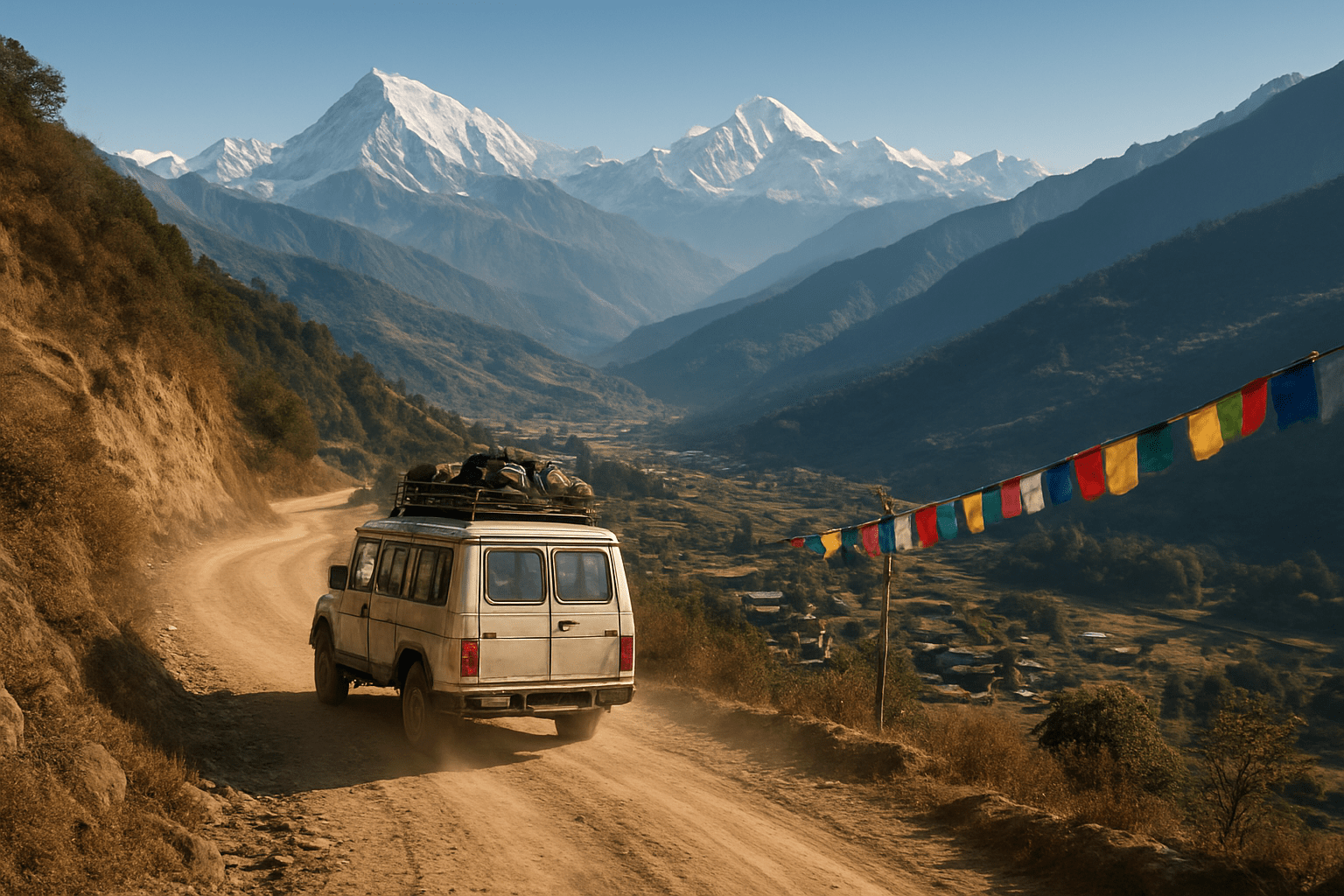
The overland route to Tumlingtar provides a reliable alternative when flights are unavailable or cancelled. This journey takes 12-14 hours from Kathmandu, covering approximately 500 kilometers through diverse landscapes and varying road conditions.
The route follows the Araniko Highway toward the Tibet border before branching off at Khadichaur toward Dhankuta and finally reaching Tumlingtar. Road quality varies dramatically throughout the journey - expect smooth tarmac sections alternating with rough, unpaved stretches that become particularly challenging during the monsoon season.
Travel options include:
- Tourist bus: Most economical option at $15-25 USD, offering basic comfort with scheduled stops
- Private jeep hire: Costs $150-200 USD for the entire vehicle, providing flexibility and faster travel time
- Local bus: Cheapest at $8-12 USD but involves multiple transfers and longer journey times
The route passes through Dharan and Dhankuta, both serving as potential overnight stops if you prefer breaking the journey into two days. This approach reduces travel fatigue and allows better acclimatization before starting the trek.
Road conditions deteriorate significantly during the monsoon season (June-August), with landslides and flooding causing delays or complete road closures. Dry season travel (October-May) offers the most reliable overland access.
Local Transportation from Airport to Trek Starting Point
From Tumlingtar Airport, reaching the actual trek starting point requires additional local transportation arrangements. The airport sits approximately 5-6 kilometers from Tumlingtar town center, with the trek traditionally beginning from either Tumlingtar itself or nearby Num village.
Local jeeps and taxis wait at the airport to transport arriving trekkers. A ride to Tumlingtar town costs around $5-8 USD for the entire vehicle, accommodating up to 6-7 passengers with gear. Shared rides with other trekkers help reduce individual costs.
Many trekkers choose to start their journey from Num village rather than Tumlingtar town, as this provides a more gradual introduction to the trail. Jeep transportation from Tumlingtar to Num takes approximately 1.5-2 hours over rough mountain roads, costing $25-35 USD for a private vehicle.
The road to Num follows the Arun River valley, offering spectacular mountain views but challenging driving conditions. During the monsoon season, this road becomes particularly treacherous with muddy conditions and potential landslide risks.
Pre-arrange local transportation through your trekking agency or hotel in Tumlingtar to ensure availability upon arrival. Independent travelers can negotiate directly with drivers at the airport, though having confirmed arrangements reduces stress and potential delays in starting your trek.
Consider spending one night in Tumlingtar before heading to the trailhead, especially if arriving on afternoon flights. This provides rest time and opportunity to make final gear checks before beginning the demanding trek ahead.
Accommodation and Dining Along the Trail
Tea House Lodging Availability and Standards
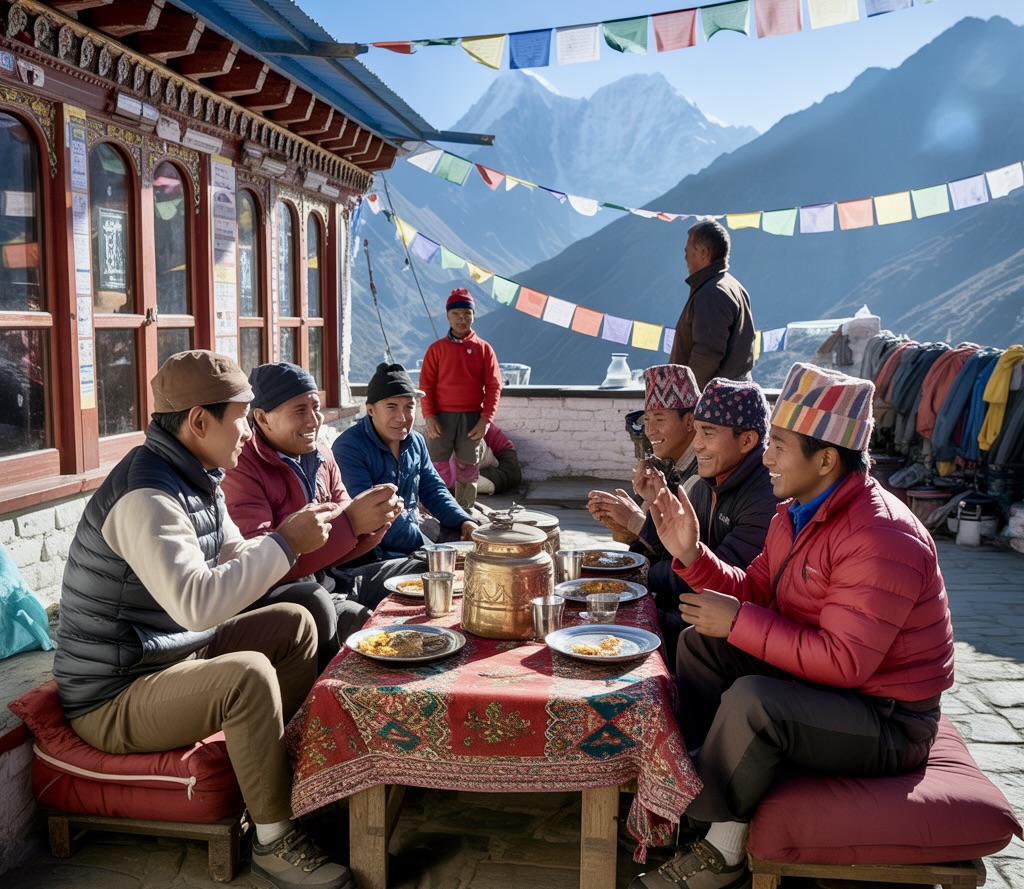
The Makalu region offers a mixed bag of tea house accommodations that varies dramatically depending on your location along the route. In lower elevations around Tumlingtar and Seduwa, you'll find comfortable lodges with private rooms, clean bedding, and sometimes even hot showers. The rooms typically feature twin beds with thick blankets, and many lodges offer charging stations for electronics.
As you climb higher into the mountains, tea house quality becomes more rustic. Between Tashigaon and Khongma Danda, expect basic wooden structures with shared rooms and communal dining areas. The beds come with mattresses and pillows, but bring your own sleeping bag for warmth and hygiene. Hot water becomes a luxury item that costs extra when available.
Above 4,000 meters, tea houses become increasingly sparse. The few that exist offer minimal amenities - think basic shelter, simple meals, and pit toilets. Many trekkers find these higher-altitude lodges crowded during peak seasons, so having backup camping gear becomes essential.
| Elevation Range | Lodge Quality | Typical Amenities | Room Cost (USD) |
| Below 3,000m | Good | Private rooms, hot showers | $10-20 |
| 3,000-4,000m | Basic | Shared rooms, limited hot water | $5-15 |
| Above 4,000m | Minimal | Dormitory style, no hot water | $3-10 |
Camping Options in Remote Sections
Camping becomes your primary accommodation option once you push beyond the established tea house network, particularly in the upper Barun Valley and approaches to Makalu Base Camp. The trek offers spectacular camping spots with panoramic mountain views, but proper preparation makes the difference between comfort and misery.
Prime camping locations include the meadows near Shersong, the terraced areas around Makalu Base Camp, and various riverside spots along the Barun Khola. These sites typically offer flat ground, access to water sources, and protection from wind. Always camp at least 50 meters from water sources to minimize environmental impact.
Your camping setup needs to handle harsh mountain conditions. A four-season tent rated for high winds and snow loads becomes non-negotiable above 4,500 meters. Temperatures can drop well below freezing even in summer months, so pack a sleeping bag rated to at least -15°C. A quality sleeping pad provides crucial insulation from the frozen ground.
Essential camping gear checklist:
- Four-season mountaineering tent
- -15°C rated sleeping bag
- Insulated sleeping pad
- Portable camp stove and fuel
- Water purification tablets
- Headlamp with extra batteries
- Emergency shelter or bivy sack
Food Options and Dietary Considerations
The Makalu trail offers surprisingly diverse food options in the lower sections, but your choices narrow significantly as you gain elevation. Tea houses in villages like Seduwa and Tashigaon serve traditional Nepali dal bhat alongside international favorites like pasta, fried rice, and pancakes. The dal bhat comes with unlimited refills and provides excellent nutrition for trekking.
Local specialties worth trying include dhindo (millet porridge), yak cheese, and fresh vegetables grown in terraced gardens. Many lodges accommodate dietary restrictions with advance notice, though vegetarian options remain more readily available than vegan or gluten-free alternatives.
Higher up the trail, menus shrink to basic carbohydrate-heavy options. Expect lots of noodle soups, rice dishes, and simple pasta preparations. Fresh vegetables become rare commodities above 4,000 meters, making vitamin supplements a smart addition to your pack.
Recommended high-energy trail foods:
- Energy bars and nuts
- Dried fruits and chocolate
- Instant oatmeal packets
- Electrolyte powder mixes
- Peanut butter for extra calories
Food safety requires constant attention throughout the trek. Stick to thoroughly cooked meals and avoid raw vegetables that may have been washed with contaminated water. Ice cream and dairy products carry higher risks at remote locations without reliable refrigeration.
Water Purification and Safety Measures
Water safety demands your constant attention throughout the Makalu trek, as contaminated water sources can quickly derail your expedition. The region's streams and springs often contain bacteria, viruses, and parasites that cause severe gastrointestinal issues. Even crystal-clear mountain streams can harbor invisible threats.
Multiple purification methods provide the best protection. Water purification tablets offer lightweight, reliable backup for any situation. Boiling water for at least three minutes kills most pathogens, though this becomes challenging at high altitudes where water boils at lower temperatures. UV sterilization devices work quickly but require battery power and clear water.
Portable water filters remove bacteria and protozoa but miss viruses, making combination treatment essential in populated areas. Many trekkers use filters first, then add purification tablets for complete protection. Always treat water from any source, including taps at tea houses.
Water treatment priority system:
- Use bottled water when available and affordable
- Filter visible particles first
- Apply chemical treatment or UV sterilization
- Boil for extra safety when fuel permits
Smart water management saves both money and pack weight. Carry two water bottles minimum - one for drinking and another for treatment. Tea houses often provide boiled water for a small fee, which proves more economical than buying endless plastic bottles. Refill at reliable sources and treat immediately rather than carrying untreated water.
Stay hydrated, but don't overdo it. Altitude affects your body's fluid balance, and drinking excessive amounts can lead to hyponatremia. Monitor your urine color as a hydration indicator - pale yellow signals proper hydration levels.
Daily Trek Breakdown and Key Highlights
Lower Trail Villages and Cultural Experiences
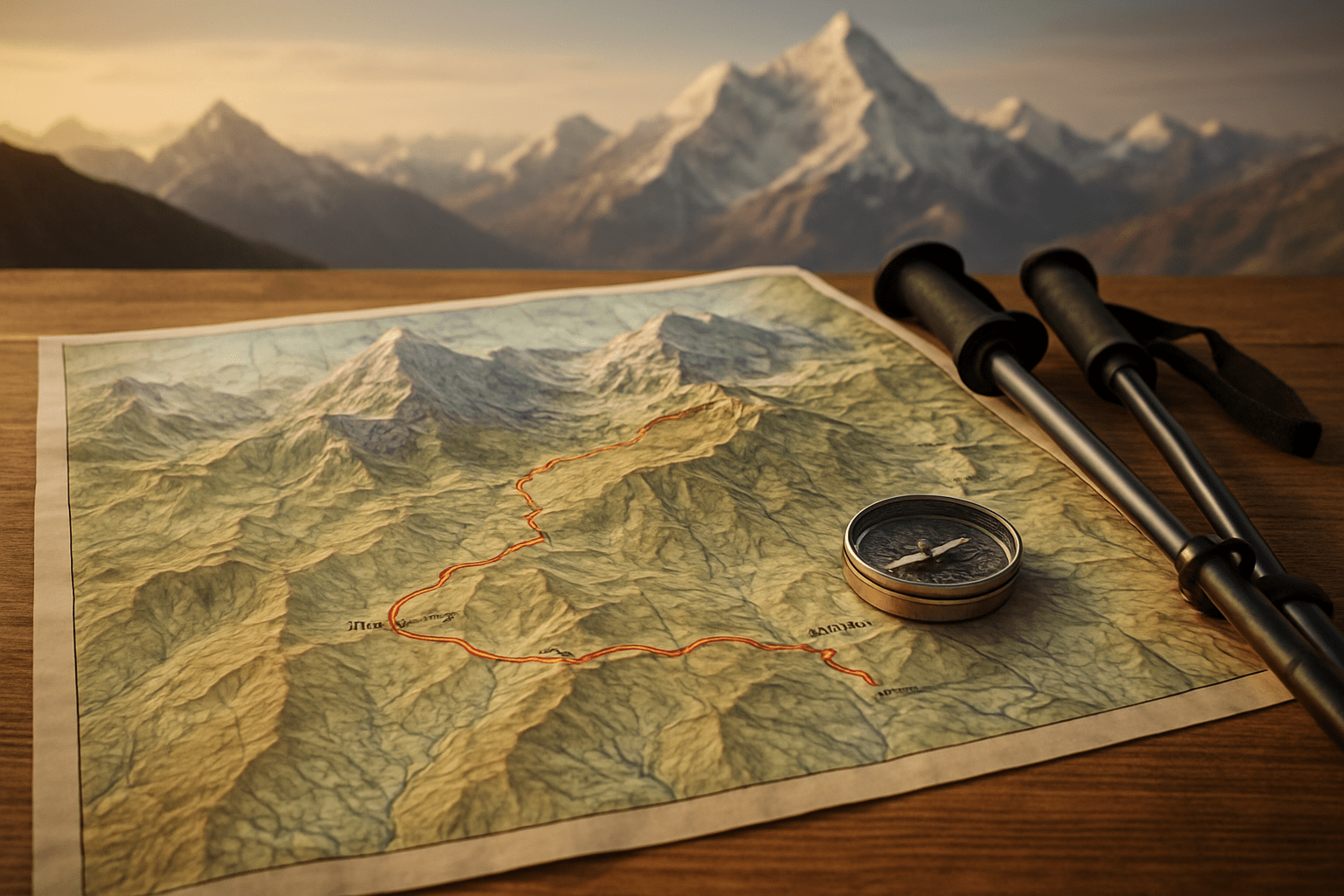
Your first days on the Makalu trek take you through charming Sherpa and Rai villages where ancient traditions blend seamlessly with mountain hospitality. Starting from Tumlingtar, you'll pass through Khandbari, a bustling market town where locals trade everything from yak cheese to handwoven textiles. The narrow stone pathways wind between terraced fields of barley, millet, and potatoes, showcasing the incredible agricultural ingenuity of mountain communities.
Villages like Num and Seduwa offer authentic glimpses into daily life at elevation. Watch women spin prayer wheels while tending to their vegetable gardens, and observe skilled craftsmen carving intricate wooden bowls used in traditional ceremonies. Local teahouses serve steaming cups of butter tea and hearty dal bhat, giving you energy while supporting family-run businesses that have operated for generations.
Religious sites dot the landscape throughout these lower elevations. Prayer flags flutter in the mountain breeze, and small gompas (monasteries) provide peaceful spots for reflection. The friendly locals often invite trekkers to join in evening prayers or share stories about their ancestors who first settled these remote valleys. These cultural exchanges create lasting memories that go far beyond the physical challenge of trekking.
Alpine Forest Zones and Wildlife Spotting Opportunities
Between 3,000 and 4,000 meters, the trail transforms into a biodiversity hotspot where rhododendron forests create tunnels of vibrant color during the spring blooming season. Ancient juniper and birch trees provide shelter for an impressive array of wildlife, making this section a paradise for nature enthusiasts with cameras ready.
Red pandas, though elusive, inhabit these dense forests alongside Himalayan black bears and various species of pheasants. Early morning and late afternoon offer the best chances for wildlife encounters when animals venture out to forage. The haunting calls of snow leopards echo through valleys, though spotting these magnificent cats requires exceptional luck and patience.
Bird watchers should keep eyes peeled for the Himalayan monal (Nepal's national bird), blood pheasants, and various species of eagles soaring overhead. The forest floor comes alive with smaller creatures - pikas scurrying between rocks, and colorful butterflies dancing among wildflowers during warmer months.
Plant enthusiasts will marvel at the diversity of medicinal herbs and rare orchids that grow naturally in these pristine environments. Local guides often point out plants used in traditional Tibetan medicine, sharing knowledge that has been passed down through generations of mountain healers.
High Altitude Sections and Technical Challenges
Above 4,500 meters, the landscape becomes increasingly dramatic and demanding. Rocky terrain replaces forest paths, and the air grows noticeably thinner with each step upward. This section separates casual hikers from serious mountaineers as the trail requires careful navigation across boulder fields and steep ascents.
The approach to Makalu Base Camp involves crossing several high passes where weather conditions can change rapidly. Morning sunshine quickly gives way to afternoon snowstorms, making proper gear essential for safety. Technical skills become important when traversing icy sections and negotiating loose scree slopes that test both balance and endurance.
Altitude sickness becomes a real concern in these higher zones. Headaches, nausea, and fatigue are common symptoms that require immediate attention and possible descent. The key lies in maintaining a steady, sustainable pace while staying hydrated and well-nourished. Many trekkers find that acclimatization days at intermediate camps make the difference between success and having to turn back.
Navigation challenges increase significantly as marked trails become less obvious. GPS devices and detailed topographic maps become essential tools, especially during poor weather when visibility drops to just a few meters. Local guides prove invaluable in these sections, using their intimate knowledge of the terrain to find safe routes through potentially dangerous areas.
Makalu Base Camp Arrival and Summit Views
Reaching Makalu Base Camp at 5,250 meters feels like stepping onto another planet. The massive bulk of Makalu (8,485m) dominates the skyline, its pyramid-shaped peak creating an imposing backdrop that photographs simply cannot capture adequately. The sense of achievement after days of challenging trekking creates an emotional high that rivals the physical accomplishment.
Base camp offers unparalleled views of the entire Makalu-Barun range, including neighboring giants like Everest, Lhotse, and Chamlang. Sunrise and sunset paint these peaks in shades of gold and pink that seem almost supernatural in their beauty. The glacial landscape spreads out below, showcasing the raw power of geological forces that shaped these mountains over millions of years.
Weather conditions at base camp can be extreme and unpredictable. Clear morning skies often give way to afternoon storms that bring snow, high winds, and plummeting temperatures. Proper shelter and warm clothing become absolutely critical for survival at this elevation. The thin air makes simple tasks like setting up camp or preparing meals exhausting work that requires patience and careful planning.
Many trekkers spend 2-3 days at base camp to fully appreciate the mountain environment and recover from the demanding ascent. This time allows for exploration of nearby glacial features, photography sessions during optimal lighting conditions, and simply absorbing the magnitude of standing beneath one of the world's most impressive mountain faces.
Safety Considerations and Risk Management
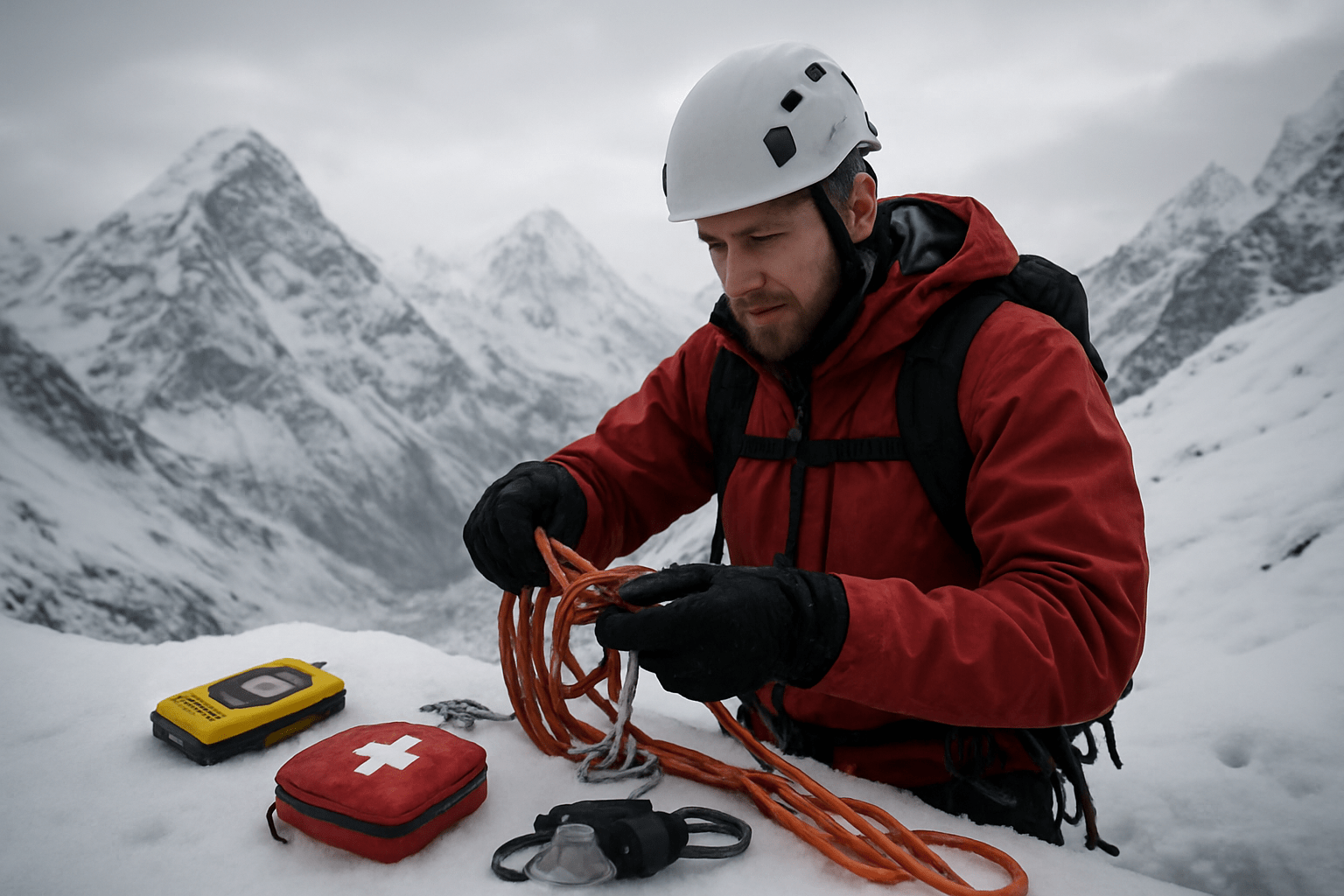
Altitude Sickness Prevention and Recognition
Makalu Base Camp sits at 5,250 meters, making altitude sickness a serious concern that can turn your dream trek into a nightmare. Your body needs time to adapt to decreasing oxygen levels, which drop to about 50% of sea level at base camp.
Prevention starts with proper acclimatization. Plan rest days every 1,000 meters of elevation gain above 3,000 meters. The classic "climb high, sleep low" principle works best - ascend during the day but return to lower elevations for sleeping. Stay hydrated by drinking 3-4 liters of water daily, but avoid alcohol and sleeping pills that can suppress breathing.
Recognizing symptoms early saves lives. Mild altitude sickness includes headaches, nausea, fatigue, and loss of appetite. These symptoms usually improve with rest and proper hydration. Watch for warning signs of serious complications:
- High Altitude Cerebral Edema (HACE): Severe headache, confusion, loss of coordination, changes in behavior
- High Altitude Pulmonary Edema (HAPE): Shortness of breath at rest, persistent cough, chest tightness, blue lips or fingernails
Immediate descent is the only cure for severe altitude sickness. Don't wait for symptoms to worsen. Diamox (acetazolamide) can help with acclimatization when taken preventively, but consult your doctor before the trek. Dexamethasone should only be used in emergencies under medical guidance.
Monitor your group constantly. Altitude affects everyone differently, and previous high-altitude experience doesn't guarantee immunity.
Weather-Related Hazards and Emergency Protocols
The Makalu region experiences extreme weather that changes rapidly, creating dangerous conditions even for experienced trekkers. Understanding these hazards and having solid emergency protocols can mean the difference between a challenging adventure and a life-threatening situation.
Monsoon season (June-September) brings heavy rainfall, leeches, and increased avalanche risk. Post-monsoon (October-November) offers clearer skies but can have sudden storms. Winter treks (December-February) face extreme cold, heavy snowfall, and potential trail closures. Spring (March-May) provides the most stable weather but still requires vigilance.
Key weather hazards include:
- Sudden temperature drops of 20-30°F within hours
- High winds exceeding 100 km/h at exposed ridges and passes
- Whiteout conditions that eliminate visibility
- Flash floods in river valleys during the monsoon
- Avalanches on steep slopes above 4,000 meters
Emergency protocols should cover:
- Shelter procedures: Know locations of emergency shelters and tea houses along the route. Carry emergency bivvy gear even on guided treks.
- Storm response: Wait out severe weather rather than pushing forward. Turn back immediately if conditions deteriorate beyond safe limits.
- Group management: Establish buddy systems, regular check-in times, and clear communication about when to abandon summit attempts.
- Evacuation plans: Identify helicopter landing zones and understand that weather can delay rescue for days. Carry detailed evacuation insurance coverage.
Communication Options and Rescue Procedures
Reliable communication in the Makalu region requires multiple backup options since cell coverage is sporadic above 3,500 meters. Your safety depends on having functioning communication when emergencies strike.
Primary communication options:
| Option | Coverage | Cost | Reliability |
| Nepal Telecom SIM | Villages only | Low | Poor above 4000m |
| Satellite phone | Global | High | Excellent |
| Personal Locator Beacon (PLB) | Global | Medium | Emergency only |
| Satellite messenger | Global | Medium | Good |
Satellite phones provide the most reliable two-way communication. Rent or buy before departure since they're not available locally. Iridium satellites offer better coverage in mountainous terrain than other networks. Keep devices warm and carry extra batteries.
Personal Locator Beacons send distress signals with GPS coordinates to rescue centers, but don't allow two-way communication. They're lighter and cheaper than satellite phones but only work for emergencies.
Rescue procedures in the Makalu region are complex and expensive. Helicopter rescues cost $3,000-15,00,0 depending on altitude and weather conditions. Rescues above 5,000 meters may be impossible due to thin air and weather constraints.
Essential rescue information to carry:
- Exact GPS coordinates of your location
- Nature of the emergency and injuries
- Number of people requiring evacuation
- Landing zone conditions and weather
- Insurance policy numbers and emergency contacts
Register with your embassy and leave detailed itineraries with multiple people. Consider hiring local guides who know rescue procedures and have communication equipment. Many trekkers underestimate rescue complexity - choppers can't fly in bad weather, and ground evacuations take days through difficult terrain.
Budget Planning and Cost Breakdown
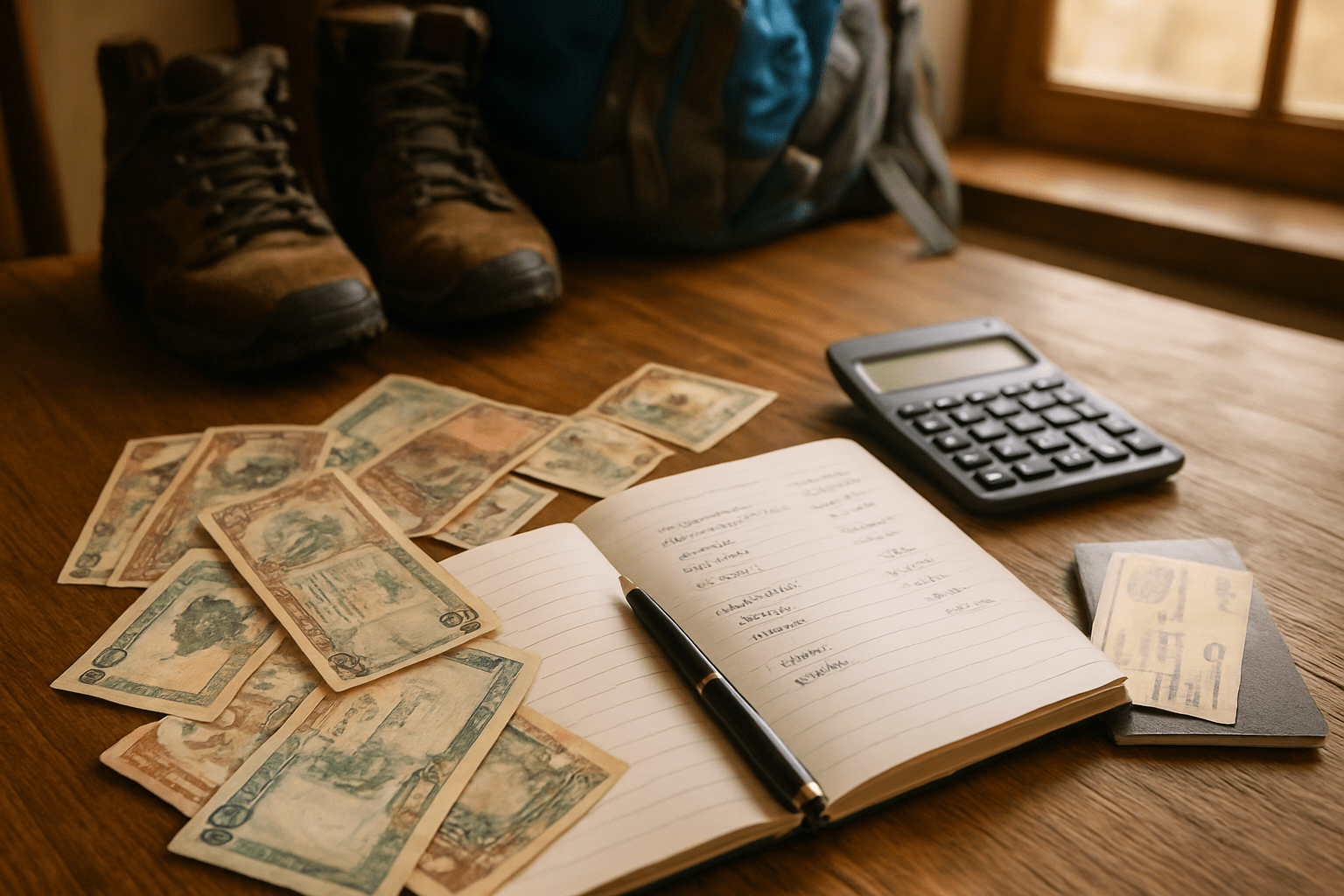
Permit Fees and Government Charges
The Makalu trek requires several permits that form the foundation of your budget. The Makalu Barun National Park entry permit costs USD 30 for foreigners, while the restricted area permit for the Makalu region costs USD 20 per person for the first week, with an additional USD 5 per day beyond that. You'll also need a TIMS (Trekkers' Information Management System) card for USD 20.
For group trekking, which is mandatory in restricted areas like Makalu, expect to pay around USD 25-30 per person as a processing fee through registered trekking agencies. These agencies handle all permit arrangements, but the convenience comes with service charges typically ranging from 10-15% of the total permit costs.
Guide and Porter Service Costs
Professional guide services range from USD 25 to 35 per day for experienced English-speaking guides familiar with the Makalu region. Guides with mountaineering experience or specialized high-altitude training command higher rates, often USD 40-50 daily. Most agencies provide guides with food, accommodation, insurance, and equipment as part of their service package.
Porter costs typically run USD 20-25 per day, with each porter carrying up to 20-25 kg of gear. For the complete Makalu trek, budget for 18-25 days of guide and porter services. Assistant guides cost USD 20-25 daily and become valuable for larger groups or when extra support is needed at higher altitudes.
Accommodation and Meal Expenses
Lodge accommodation along the Makalu trail varies significantly in price and availability. In lower altitude villages like Num and Seduwa, basic lodge rooms cost USD 5-8 per night. As you climb higher, options become limited and more expensive, with rooms in Yangle Kharka and Langmale costing USD 10-15 nightly.
Camping becomes necessary beyond Langmale, requiring tent rental or purchase. Quality four-season tents suitable for high-altitude conditions cost USD 150-300 to buy or USD 8-12 per day to rent through trekking agencies.
Meal costs start around USD 4-6 for basic dal bhat in lower villages, increasing to USD 8-12 for the same meal at higher elevations. Western food options cost 20-30% more than local dishes. Daily food expenses typically range from USD 15-25 per person, depending on your dietary preferences and altitude.
Equipment and Gear Investment
High-quality gear is essential for Makalu's challenging conditions. A good down sleeping bag rated to -20°C costs USD 300-500, while four-season mountaineering boots run USD 400-600. Technical clothing, including base layers, insulation, and waterproof shells,s can easily cost USD 800-1200 for a complete system.
Climbing equipment like crampons, ice axes, and harnesses adds another USD 400-600 to your gear budget. Renting gear in Kathmandu offers significant savings, with complete gear packages available for USD 15-25 per day, though availability and quality can be inconsistent.
Consider investing in personal items like headlamps, water purification systems, and first aid supplies, which typically cost USD 200-300 total but serve you well on future treks. Many trekkers find purchasing gear worth the investment if they plan multiple high-altitude adventures.
Conclusion
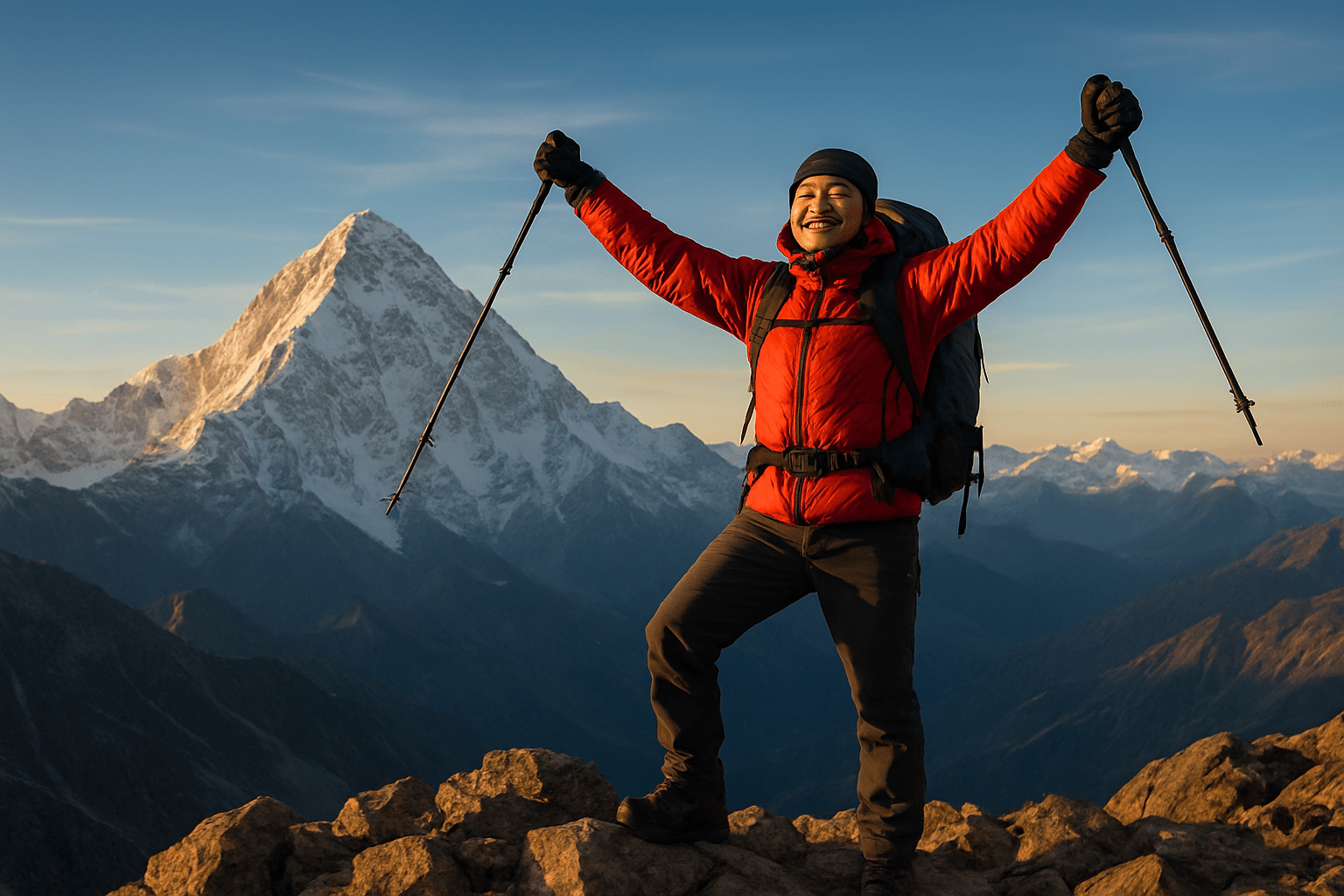
The Makalu trek stands as one of Nepal's most rewarding yet challenging adventures, demanding thorough preparation across every aspect from permits to physical readiness. Getting your documentation sorted early, choosing the right route for your experience level, and budgeting properly will set the foundation for a successful journey. The remote nature of this trek means you can't afford to wing it – proper planning around accommodation, food, and safety measures becomes your lifeline in the mountains.
Your Makalu adventure awaits, but it starts long before you set foot on the trail. Take the time to prepare your body, secure all necessary permits, and pack the right gear. Most importantly, respect the mountain and listen to your body throughout the journey. Start planning your permits at least two months ahead, invest in quality gear, and consider hiring experienced local guides who know these trails like the back of their hand. The summit views and sense of accomplishment will make every hour of preparation worthwhile.
If you require any additional information, please contact us via email at [email protected] or phone at +977- 980 195 6248 (WhatsApp).