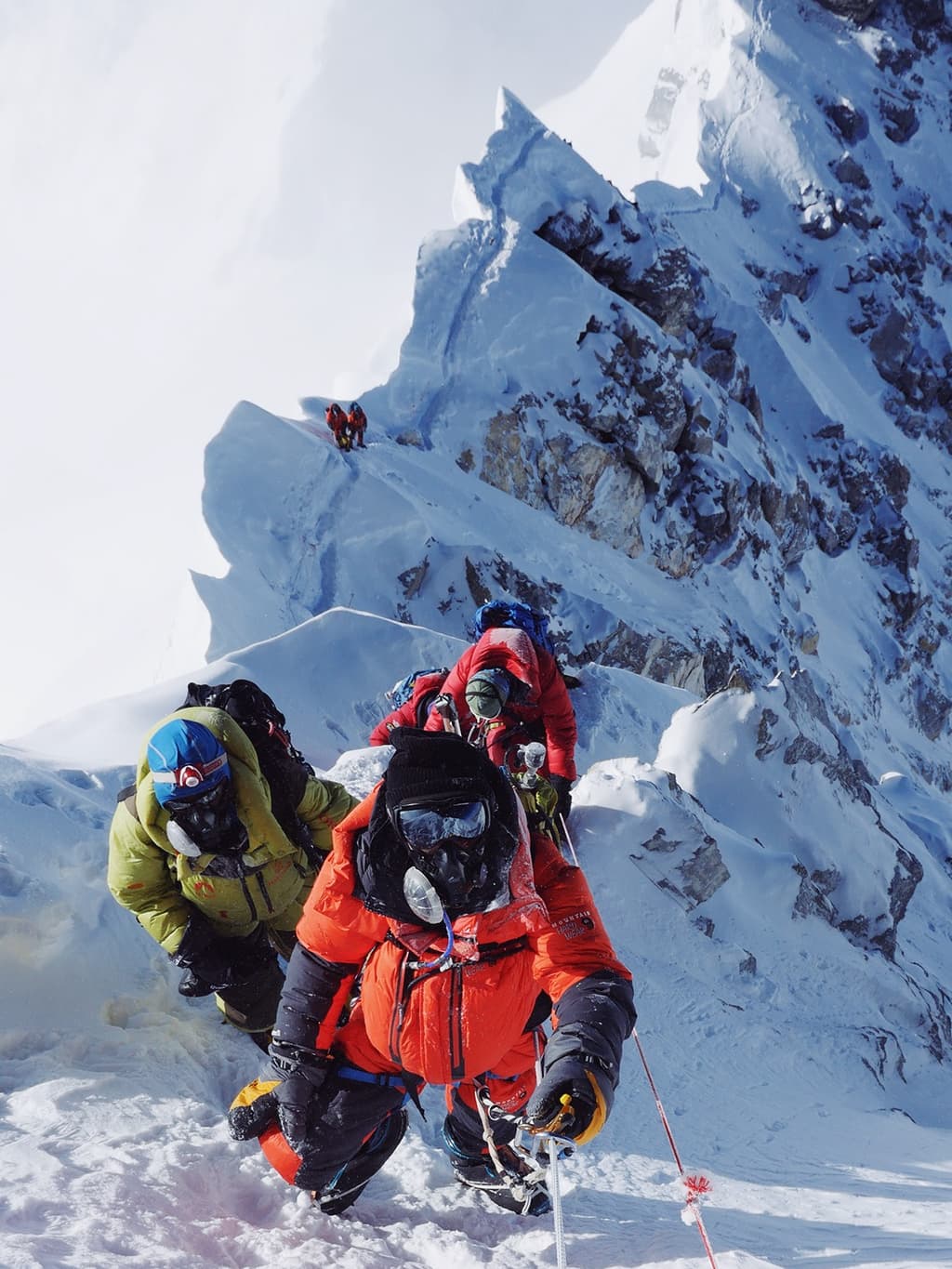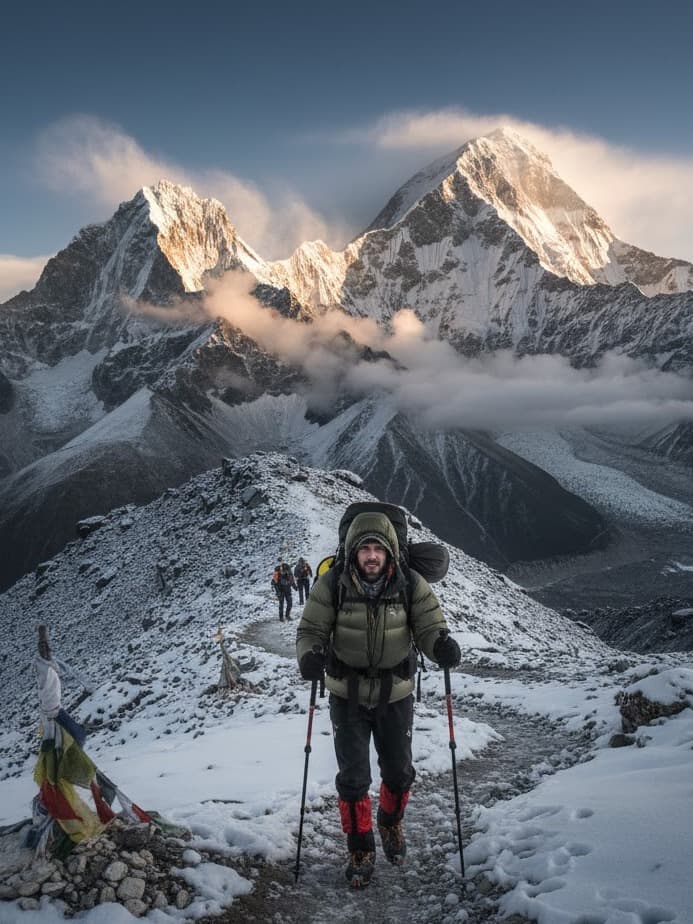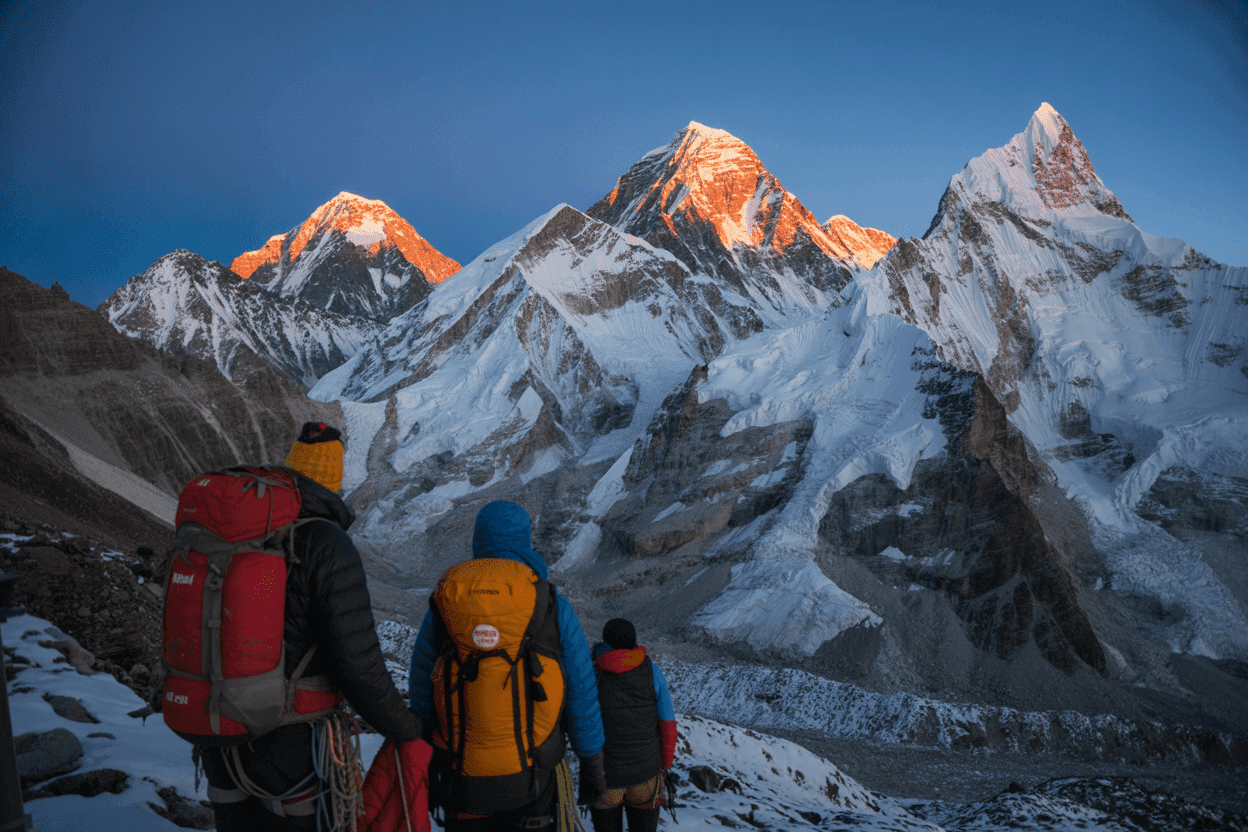
Nepal's three legendary peaks—Everest, Annapurna, and K2—represent the ultimate test for serious mountaineers ready to push their limits on the world's most challenging terrain.
This comprehensive guide targets experienced climbers who've conquered technical peaks and are prepared for the physical, mental, and financial commitment these expeditions demand. If you've completed multiple high-altitude climbs and dream of joining the elite ranks of Nepal's Big Three summiteers, you'll find the practical information you need here.
We'll break down the critical preparation requirements that separate successful climbers from those who turn back, including the specific training protocols and mental conditioning needed for months-long expeditions. You'll also discover how to select expedition companies and gear that can literally mean the difference between reaching the summit and facing disaster, plus the complex permit processes and optimal weather windows that determine your chances of success.
These aren't weekend adventures—they're life-changing expeditions that require careful planning, substantial resources, and unwavering commitment to safety protocols.
Understanding Nepal's Big Three Mountain Expeditions
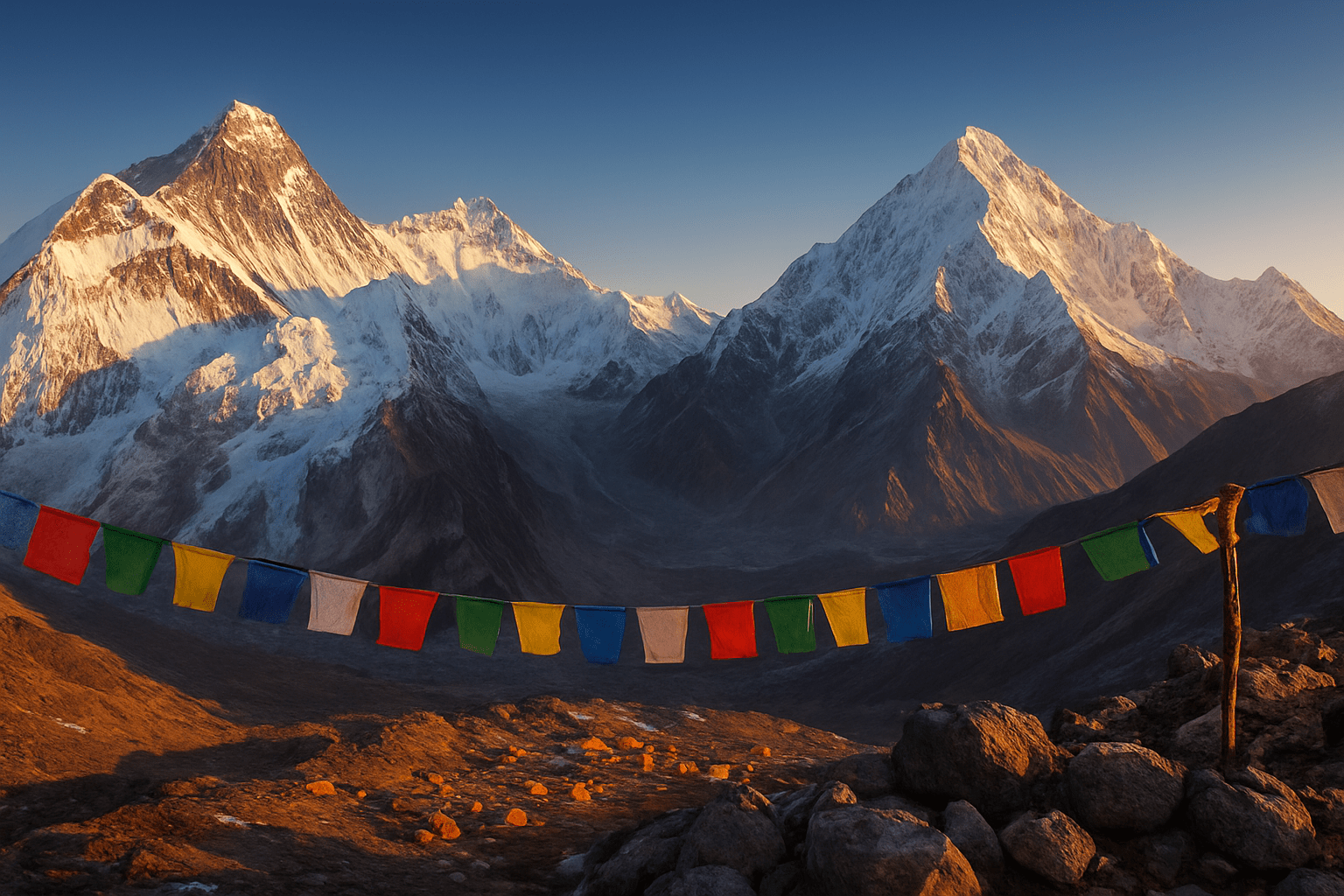
Mount Everest: The World's Ultimate Climbing Challenge
Standing at 29,032 feet, Mount Everest represents the pinnacle of mountaineering achievement. Known locally as Sagarmatha in Nepal and Chomolungma in Tibet, this towering giant attracts climbers from around the globe who seek to test their limits against the world's highest peak.
The standard route from Nepal's south side follows the path pioneered by Edmund Hillary and Tenzing Norgay in 1953. Climbers begin their journey at Everest Base Camp (17,598 feet), navigating through the treacherous Khumbu Icefall with its constantly shifting seracs and crevasses. The route continues through Camps I, II, and III before the final summit push from Camp IV in the "death zone" above 26,000 feet.
Key challenges include:
- Extreme altitude and oxygen deprivation
- Unpredictable weather windows
- Technical ice climbing through the Khumbu Icefall
- Crowds during peak climbing seasons
- High expedition costs ($35,000-$100,000+)
The climbing season typically runs from March to May, with most summit attempts occurring in the narrow weather window between mid-May to early June. Success rates hover around 60-70% for experienced climbers, but the mountain demands respect - over 300 climbers have lost their lives on its slopes.
Annapurna I: The First 8000-Meter Peak Ever Conquered
Annapurna I holds a special place in mountaineering history as the first 8000-meter peak successfully climbed when Maurice Herzog's French expedition reached the summit in 1950. At 26,545 feet, this massive peak in the Annapurna range carries a reputation as one of the most dangerous mountains on Earth.
The mountain's fatality rate exceeds 20%, making it statistically the deadliest of all 8000-meter peaks. Avalanche danger remains constant, and the technical difficulty combined with objective hazards creates an environment where even small mistakes can prove fatal.
Notable characteristics:
- Multiple route options, including the North Face and South Face
- Frequent avalanche activity
- Rapid weather changes
- Limited rescue possibilities
- Shorter climbing seasons compared to Everest
The South Face route, attempted by various expeditions since the 1970s, presents extreme technical climbing on mixed terrain. The North Face offers a more traditional high-altitude route but still demands advanced mountaineering skills and extensive 8000-meter experience.
Climbers typically approach through the Modi Khola valley or via the Miristi Khola approach, with Base Camp established around 14,100 feet. The mountain requires a minimum of 6-8 weeks for proper acclimatization and summit attempts.
Manaslu: The Hidden Gem of High-Altitude Mountaineering
Manaslu, meaning "Mountain of the Spirit" in Sanskrit, stands at 26,781 feet as the eighth-highest mountain in the world. Located in the Mansiri Himal range, this peak offers a perfect stepping stone for climbers preparing for Everest or seeking a less crowded 8000-meter experience.
The standard route follows the Northeast Face, first successfully climbed by a Japanese expedition in 1956. The climbing presents moderate technical difficulty compared to other 8000-meter peaks, making it an ideal choice for mountaineers gaining high-altitude experience.
Advantages of climbing Manaslu:
- Lower permit costs than Everest
- Fewer climbers and less congestion
- Beautiful, remote mountain environment
- Good preparation for the other 8000-meter peaks
- Established route with predictable challenges
The approach begins in the village of Samagaon, following ancient trade routes used by locals for centuries. Base Camp sits at approximately 15,092 feet, providing excellent views of the mountain's imposing North Face.
Camps are strategically placed at 18,045 feet (Camp I), 21,325 feet (Camp II), 22,966 feet (Camp III), and 24,278 feet (Camp IV). The summit push typically requires 12-16 hours from the high camp, crossing moderate snow slopes and navigating around crevasse fields.
Weather windows on Manaslu mirror those of other Himalayan peaks, with the best conditions occurring in April-May and September-October. The mountain's success rate approaches 70% for well-prepared teams, making it one of the more achievable 8000-meter peaks while still providing the full high-altitude mountaineering experience that climbers seek.
Essential Physical and Mental Preparation Requirements

Building Cardiovascular Endurance for High-Altitude Performance
Your heart becomes your most critical ally when oxygen levels plummet to 30% of sea level availability. Training your cardiovascular system requires a multi-layered approach that mimics the demands of high-altitude climbing.
Start with zone 2 training - those long, steady runs or bike rides where you can still hold a conversation. Spend 80% of your training time in this zone, building the aerobic base that sustains you during 12-hour summit pushes. Add high-intensity intervals twice weekly: 8x3-minute efforts at 90% max heart rate with equal recovery periods.
Stair climbing with a weighted pack becomes your secret weapon. Find a tall building or stadium and ascend with 30-50 pounds on your back. This directly translates to the endless switchbacks you'll face on actual climbs.
Swimming develops lung capacity unlike any other exercise. The controlled breathing required underwater strengthens respiratory muscles and improves oxygen efficiency. Aim for 2-3 swimming sessions weekly, focusing on longer distances rather than speed.
Consider altitude training masks or hypoxic tents if available. These tools simulate low-oxygen environments, triggering physiological adaptations that enhance red blood cell production and oxygen delivery.
Track your resting heart rate - it should gradually decrease as fitness improves. A well-conditioned climber typically maintains a resting heart rate below 60 BPM.
Strength Training Protocols for Mountain Climbing Success
Mountain climbing demands functional strength across multiple movement patterns. Your training should mirror the specific demands of carrying heavy loads, pulling yourself up rock faces, and maintaining stability on unstable terrain.
Focus on compound movements that engage multiple muscle groups simultaneously. Deadlifts build posterior chain strength essential for heavy pack carrying. Start with bodyweight and progress to 1.5 times your body weight. Squats and lunges develop leg power for steep ascents - add weight gradually while maintaining perfect form.
Pull-ups remain non-negotiable for any serious climber. Work toward 15 consecutive strict pull-ups. Use assisted variations or resistance bands if needed, but avoid kipping movements that don't translate to climbing strength.
Farmer's walks with heavy dumbbells or kettlebells simulate pack carrying while strengthening grip and core stability. Walk 100 meters with weights equivalent to 25% of your body weight in each hand.
Single-leg exercises prevent strength imbalances that lead to injuries. Step-ups onto knee-high platforms with weighted packs build unilateral leg strength. Bulgarian split squats target stabilizing muscles often neglected in bilateral movements.
Core strength extends beyond simple planks. Dead bugs, bird dogs, and Pallof presses train anti-rotation strength crucial for maintaining balance while climbing. Hanging leg raises develop the hip flexor strength needed for high steps.
Train grip strength with farmer's walks, plate pinches, and hanging from pull-up bars for extended periods. Your grip often fails before larger muscle groups on technical terrain.
Acclimatization Strategies to Prevent Altitude Sickness
Altitude sickness kills more climbers than avalanches or falls combined. Proper acclimatization follows the golden rule: climb high, sleep low. Your body needs time to produce additional red blood cells and adjust to decreased oxygen availability.
Plan your ascent profile carefully. Never sleep more than 1,500 feet higher than the previous night above 8,000 feet. Build rest days into your itinerary - your body adapts during sleep, not while climbing.
Pre-acclimatization trips to moderate altitude (8,000-12,000 feet) trigger beneficial physiological changes weeks before your expedition. Spend 5-7 days at an altitude 4-6 weeks before departure. These adaptations persist for several weeks.
Hydration becomes critical at altitude. Increased respiration and dry air cause rapid fluid loss. Drink 3-4 liters of water daily, monitoring urine color as a hydration indicator. Clear to light yellow indicates proper hydration.
Consider acetazolamide (Diamox) for severe altitude environments. This medication accelerates acclimatization by forcing the kidneys to excrete bicarbonate, making the blood more acidic and stimulating breathing. Consult a physician experienced in altitude medicine.
Sleep quality deteriorates at altitude due to periodic breathing patterns. Elevate your head slightly and avoid alcohol, which suppresses respiratory drive. Accept that sleep will be fragmented - this is normal and temporary.
Watch for altitude sickness symptoms: headaches, nausea, fatigue, and loss of appetite. Mild symptoms often resolve with rest and hydration. Severe symptoms - confusion, coordination problems, or breathing difficulties - require immediate descent.
Mental Resilience Training for Extreme Conditions
Your mind quits long before your body reaches its physical limits. Mental training separates successful summiteers from those who turn back despite perfect weather conditions.
Visualization practice creates neural pathways that prepare your brain for challenging situations. Spend 15 minutes daily mentally rehearsing difficult scenarios: whiteout conditions, equipment failures, or team conflicts. See yourself responding calmly and making sound decisions.
Cold exposure training builds mental toughness while mimicking expedition conditions. Take cold showers, ending with 2-3 minutes of pure cold water. Progress to ice baths or winter outdoor activities. Your mind learns that discomfort is temporary and manageable.
Develop a personal mantra or self-talk strategy for difficult moments. Simple phrases like "one step at a time" or "I belong here" provide anchoring points when doubt creeps in. Practice these during training when you feel like quitting.
Meditation and breathing exercises strengthen attention control and emotional regulation. Apps like Headspace or Calm provide structured programs. Focus on mindfulness techniques that work in any environment - you can't rely on perfect conditions for mental training.
Study expedition reports and documentaries, focusing on decision-making under pressure. Analyze what went right and wrong in various scenarios. This mental library of experiences helps when facing similar challenges.
Build comfort with uncertainty and discomfort during training. Choose challenging conditions for practice climbs - rain, wind, or early morning starts. Your confidence grows each time you successfully navigate difficult situations.
Practice decision-making under fatigue. After long training sessions, make complex choices about route-finding or equipment selection. This simulates the mental demands of high-altitude climbing when clear thinking becomes difficult.
Critical Equipment and Gear Selection Guide
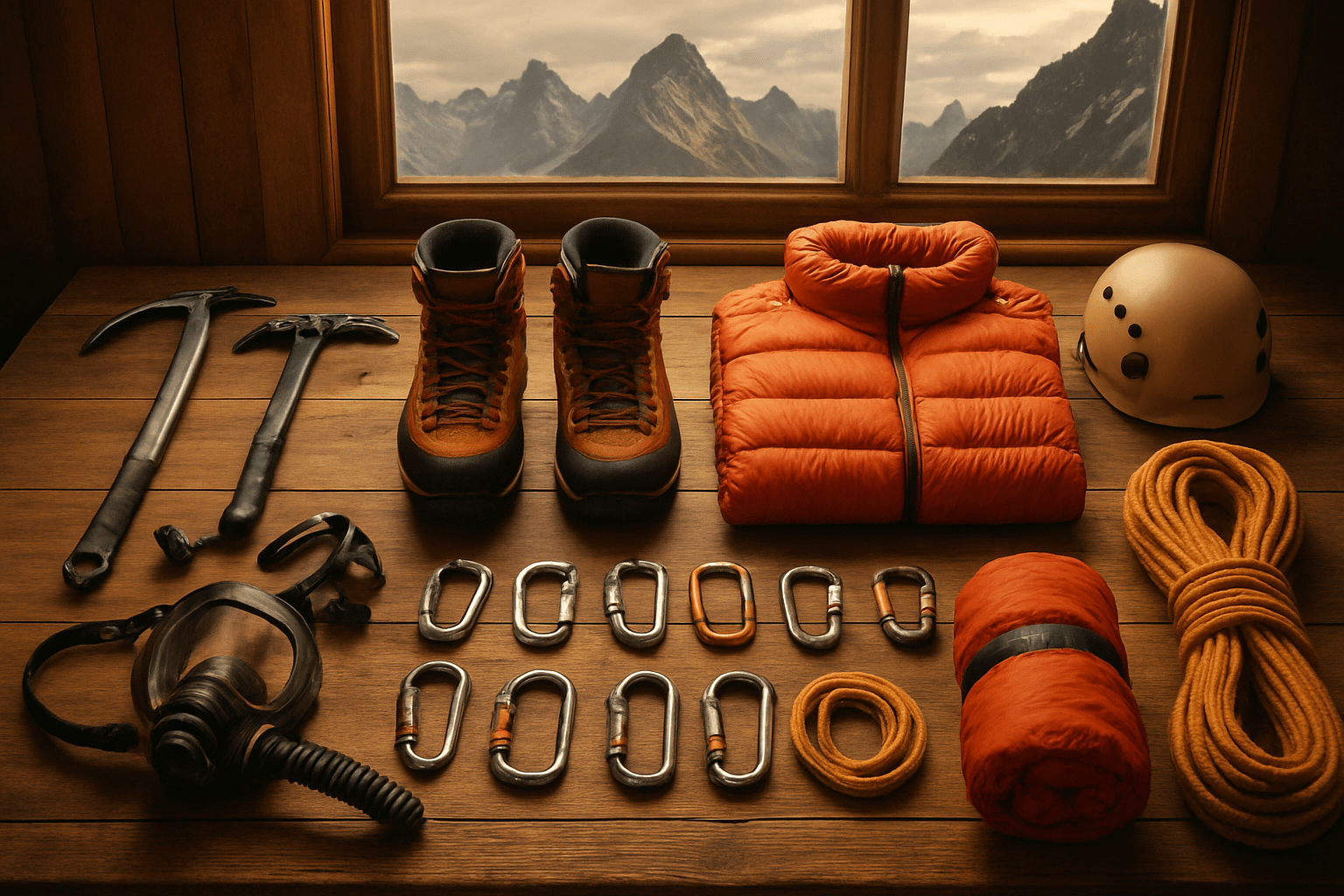
High-Altitude Climbing Boots and Crampons
Double boots are absolutely non-negotiable for Nepal's Big Three expeditions. Single boots simply won't cut it at altitudes where temperatures plunge to -40°F or lower. Your outer boot should be waterproof and durable, while the removable inner boot provides crucial insulation and can be dried separately in your sleeping bag overnight.
Popular choices include the Scarpa 8000 series, La Sportiva Spantik, and Millet Everest boots. Make sure your boots fit properly with thick mountaineering socks - too tight restricts blood flow, too loose creates hot spots and blisters. Break them in completely before your expedition.
Crampons must be compatible with your boots and rated for technical climbing. Step-in bindings work best with rigid mountaineering boots, offering secure attachment even when ice builds up. Grivel G22, Petzl Lynx, and Black Diamond Sabretooth crampons are expedition-proven options. Carry spare parts including bails, straps, and screws.
Technical Clothing Systems for Temperature Regulation
Layering systems becomes your lifeline in the death zone. Base layers should be merino wool or synthetic materials that wick moisture and retain warmth when wet. Avoid cotton completely - it kills in cold, wet conditions.
Your insulation layer needs to handle extreme temperature swings. Down jackets with 800+ fill power provide the best warmth-to-weight ratio, but synthetic insulation works better in wet conditions. Most climbers pack both options for different situations.
| Layer Type | Materials | Key Features |
| Base Layer | Merino wool, synthetic | Moisture-wicking, odor-resistant |
| Mid Layer | Fleece, soft shell | Breathable, wind-resistant |
| Insulation | Down, synthetic | High warmth-to-weight ratio |
| Shell Layer | Gore-Tex, eVent | Waterproof, windproof |
Shell jackets and pants must be completely waterproof and windproof. Look for features like pit zips for ventilation, reinforced wear areas, and helmet-compatible hoods. Your gear will face hurricane-force winds and driving snow.
Essential Safety Equipment and Emergency Gear
Avalanche safety gear is mandatory, even on established routes. Your beacon, probe, and shovel could save your life or your teammate's. Practice using them regularly - muscle memory matters when seconds count. Digital beacons with multiple antennas offer better search patterns than analog models.
Crevasse rescue equipment includes prusik loops, pulleys, and ice screws. Every team member should know basic rescue techniques. Practice crevasse rescue scenarios before departure. Carry enough gear to set up a 6:1 or 9:1 mechanical advantage system.
Personal safety items include a climbing harness rated for mountaineering, a helmet designed for both climbing and rockfall protection, and multiple pairs of glacier glasses with side shields. UV reflection off snow at altitude can cause snow blindness within hours.
Emergency shelters like bivy sacks or emergency tarps can mean the difference between surviving an unexpected night out and becoming a casualty. Pack emergency food, water purification tablets, and a comprehensive first aid kit with altitude medications.
Navigation Tools and Communication Devices
GPS units designed for extreme conditions are essential backup navigation tools. The Garmin inReach series combines GPS with satellite communication, allowing you to send SOS signals from anywhere on the mountain. Battery life becomes critical at altitude, so pack multiple backup power sources.
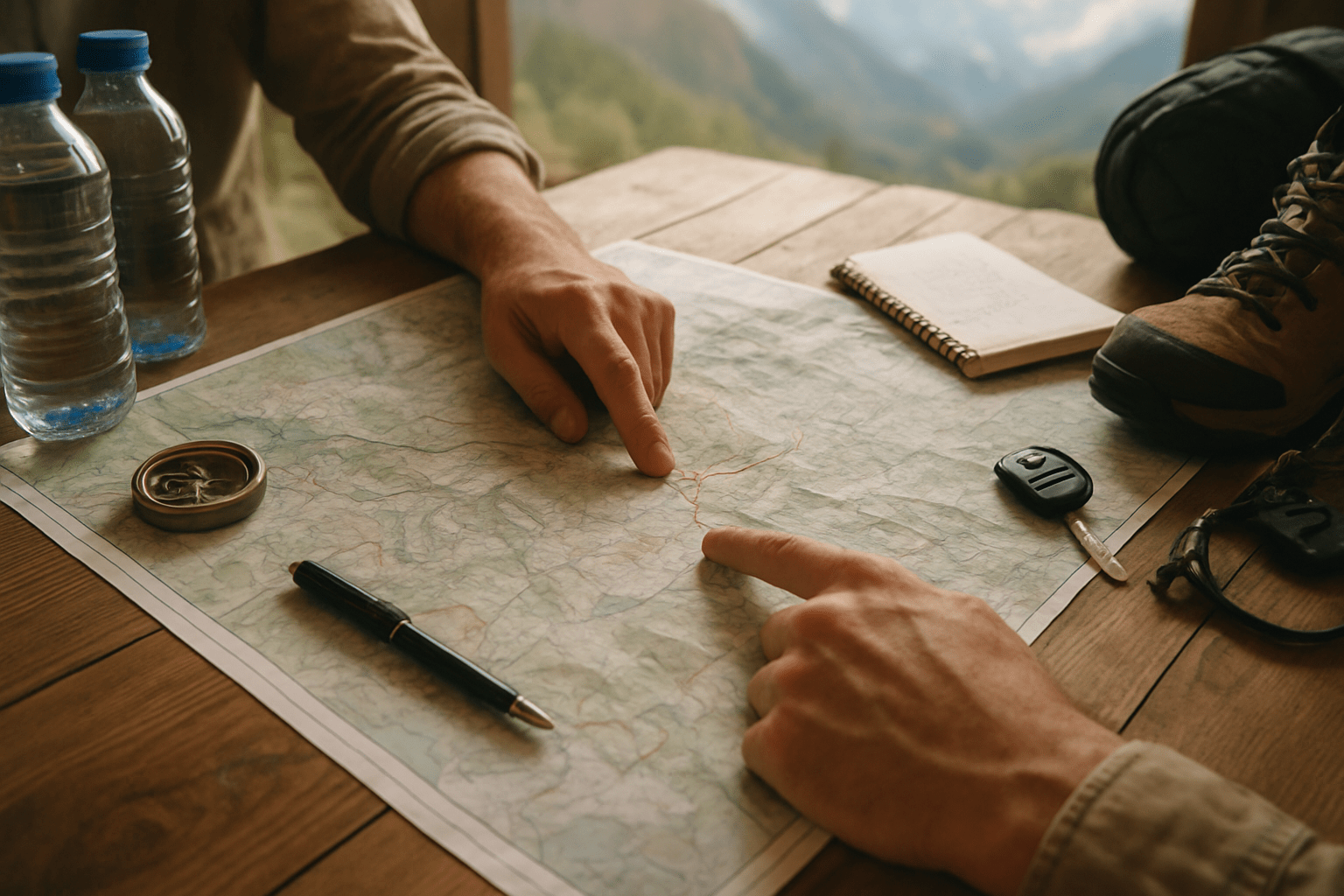
Paper maps and a compass remain vital backups when electronics fail. Waterproof map cases protect your navigation references. Study your route thoroughly before departure and mark key waypoints, escape routes, and emergency shelter locations.
Communication devices save lives during emergencies. Satellite phones work reliably at high altitude, though they're expensive to operate. Two-way radios help coordinate between team members, but their range decreases significantly in mountainous terrain.
Weather radios provide crucial forecasting information that can determine summit timing. Many expeditions have turned back based on incoming weather reports, avoiding potentially fatal situations. Don't underestimate the importance of staying connected to current conditions.
Choosing the Right Expedition Company and Team
Evaluating Safety Records and Success Rates
When selecting an expedition company for Nepal's Big Three, safety records should be your top priority. Request detailed documentation of incidents, evacuations, and fatalities over the past five years. Reputable operators maintain transparent records and willingly share statistics about their safety protocols and outcomes.
Success rates tell only part of the story. A company boasting 90% summit success might push climbers beyond safe limits, while another with 70% success prioritizes safety over summit achievement. Look for operators who track both summit success and safe descent rates, as reaching the top means nothing without a safe return.
Check certifications and affiliations with organizations like the Union Internationale des Associations d'Alpinisme (UIAA) or local climbing associations. Companies with strong safety records typically invest in regular guide training, maintain updated emergency equipment, and have established evacuation procedures with helicopter services.
Ask for references from recent clients, especially those who encountered challenging conditions or emergencies. Social media groups and climbing forums provide unfiltered feedback about companies' real-world performance during critical situations.
Comparing Cost Structures and Included Services
Expedition costs for Nepal's Big Three vary dramatically, ranging from $35,000 to $100,000+, depending on services included. Break down each quote to understand what you're actually paying for, as the cheapest option often becomes the most expensive when hidden costs emerge.
| Cost Component | Budget Operator | Premium Operator |
| Base Camp Services | Basic meals, shared tents | Gourmet meals, private accommodations |
| High Altitude Support | Limited Sherpa ratio | 1:1 or 2:1 Sherpa support |
| Oxygen Supply | Standard flow rates | Multiple backup bottles |
| Weather Forecasting | Basic reports | Dedicated meteorologist |
| Medical Support | First aid trained guides | Qualified expedition doctor |
Examine what's included versus additional costs. Some operators include all permits, oxygen, and Sherpa support in their base price, while others charge separately for each component. Transportation to base camp, satellite communication devices, and insurance coverage often carry extra fees.
Payment schedules reveal company stability. Established operators typically require smaller deposits with clear refund policies, while struggling companies might demand full payment upfront. Beware of operators offering suspiciously low prices – they often cut corners on safety equipment, experienced guides, or emergency support systems.
Assessing Guide Experience and Sherpa Support
Your lead guide's experience directly impacts expedition success and safety. Look for guides with multiple ascents of your target peak, not just general high-altitude experience. A guide with five Everest summits brings different expertise than someone with broad Himalayan experience but limited peak-specific knowledge.
Sherpa support quality varies significantly between operators. Elite climbing Sherpas possess intimate route knowledge, weather pattern recognition, and rescue capabilities that can mean the difference between life and death. Ask about specific Sherpa assignments – will you have dedicated climbing partners or share support with other teams?
Verify guide certifications through recognized mountaineering organizations. International Mountain Climbing Instructor Association (IMGIA) certifications, wilderness first responder training, and high altitude medicine courses demonstrate professional competency. Local certifications from Nepal Mountaineering Association also indicate government-recognized expertise.
Request detailed biographies of your expedition team, including years of experience, number of successful climbs on your chosen peak, and language capabilities. Communication barriers during critical moments can create dangerous situations. Many top-tier operators maintain multilingual guides to ensure clear communication throughout the expedition.
The guide-to-client ratio significantly affects safety and success rates. Premium operators typically maintain 1:2 or 1:3 ratios for technical sections, while budget companies might assign one guide to six or more climbers. Lower ratios allow for personalized attention, better risk management, and more flexible decision-making when conditions change rapidly.
Permit Requirements and Legal Documentation Process

Government Permits and Associated Costs
Nepal's Department of Tourism strictly regulates access to the Big Three peaks through a comprehensive permit system. For Everest expeditions, the standard permit fee is $11,000 per climber during the spring season, with reduced rates of $5,500 in autumn and winter. Lhotse follows a similar structure at $2,500 for spring climbing. Makalu permits cost $1,800 for foreign expeditions during peak season.
Beyond base permit fees, additional charges apply for various services. The Nepal government collects a $4,000 garbage deposit per expedition team, refundable upon proper waste removal verification. Liaison officer fees add another $3,000-5,000 to expedition costs, covering their salary, equipment, and insurance for the duration of the climb.
| Mountain | Spring Permit | Autumn/Winter | Additional Fees |
| Everest | $11,000 | $5,500 | $4,000 deposit |
| Lhotse | $2,500 | $1,250 | $4,000 deposit |
| Makalu | $1,800 | $900 | $3,000 deposit |
Processing permits requires submitting applications through registered expedition companies at least 35 days before departure. The Department of Tourism mandates specific documentation, including passport copies, climbing certificates, and detailed expedition plans. Peak climbing certificates from recognized mountaineering institutions or evidence of previous high-altitude experience above 6,000 meters are mandatory for permit approval.
Insurance Coverage and Liability Requirements
Comprehensive insurance coverage represents a non-negotiable requirement for Nepal's Big Three expeditions. The Nepal government mandates minimum coverage of $100,000 for emergency helicopter rescue operations, which can cost $50,000-80,000 for high-altitude evacuations above base camp.
Specialized mountaineering insurance must explicitly cover high-altitude climbing above 6,000 meters. Standard travel insurance policies exclude mountaineering activities, making dedicated climbing insurance essential. Top providers like Austrian Alpine Club, BMC Insurance, and Global Rescue offer policies specifically designed for Himalayan expeditions.
Key coverage areas include:
- Emergency medical evacuation and repatriation
- Search and rescue operations
- Medical treatment for altitude-related illnesses
- Trip cancellation due to weather or political situations
- Equipment loss or damage coverage
- Third-party liability protection
Annual climbing insurance typically costs $400-800, while single-expedition policies range from $150-400, depending on coverage limits and mountain objectives. Many expedition companies require proof of adequate insurance before accepting team members, and some offer group policies at reduced rates.
The insurance must remain valid for the entire expedition duration, including travel days and potential weather delays. Documentation should clearly state coverage for Nepal and specify the maximum elevation covered, as some policies cap coverage at lower altitudes.
Medical Clearances and Health Documentation
Pre-expedition medical evaluations ensure climbers possess the physical capacity for extreme high-altitude challenges. Nepal's Department of Tourism requires comprehensive medical certificates from licensed physicians, specifically addressing cardiovascular fitness, respiratory function, and overall health status.
Essential medical clearances include:
- Complete cardiovascular screening with ECG and stress testing
- Pulmonary function tests measure lung capacity and efficiency
- Blood work analyzing hemoglobin levels and oxygen-carrying capacity
- Ophthalmologic examination for retinal health at altitude
- Dental clearance to prevent complications during the expedition
Many expedition companies mandate additional health documentation beyond government requirements. Detailed medical history forms must disclose previous altitude-related illnesses, surgical procedures, medications, and chronic conditions that could impact high-altitude performance.
Specialized high-altitude medical consultations provide valuable insights into individual acclimatization patterns and potential risk factors. These consultations often include hypoxic challenge tests simulating high-altitude conditions to assess physiological responses.
Climbers taking prescription medications need physician approval for continued use at extreme altitudes. Some medications become less effective or cause adverse reactions in low-oxygen environments. Blood pressure medications, sleep aids, and certain pain relievers require careful evaluation and possible adjustment.
Current vaccination requirements include routine immunizations plus hepatitis A and B, typhoid, and Japanese encephalitis, depending on travel routes. Medical documentation must remain current throughout the expedition planning process, with some clearances requiring renewal if obtained too far in advance of departure dates.
Seasonal Timing and Weather Window Optimization
Spring Season Advantages and Climbing Conditions
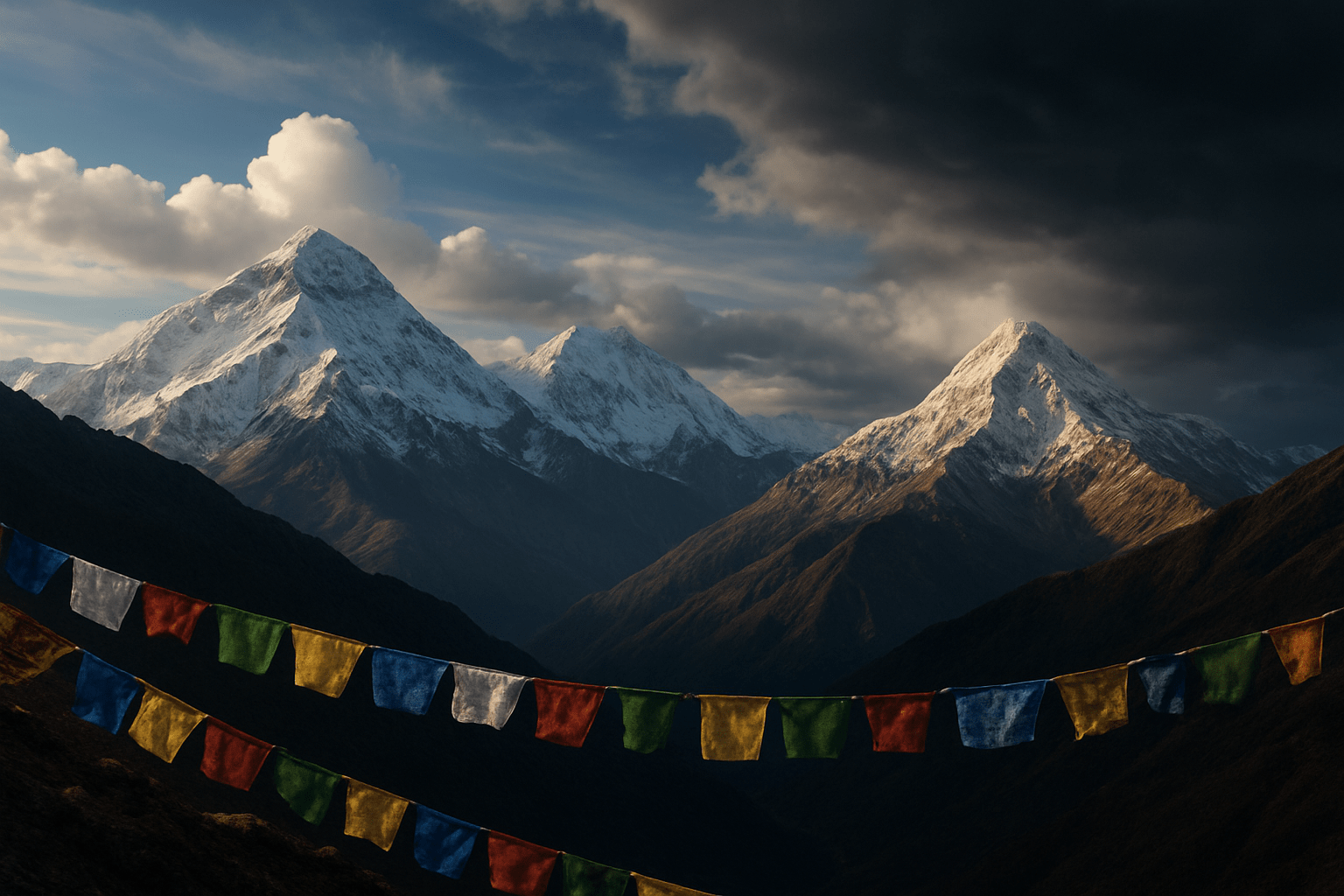
Spring presents the golden window for Nepal's Big Three expeditions, running from March through May. During this period, the jet stream shifts northward, creating relatively stable weather patterns with reduced wind speeds above 8,000 meters. Temperature gradients become more manageable, with daytime temperatures reaching -15°C to -20°C at higher camps compared to the brutal -40°C winter extremes.
The snow conditions transform dramatically during the spring months. Fresh powder gives way to consolidated snow bridges over crevasses, making route navigation more predictable. Avalanche risks decrease significantly after the winter accumulation settles, though late-season warming can create wet slide dangers on south-facing slopes.
Optimal climbing windows typically occur:
- Early March: Routes are less crowded, but the weather is still transitional
- Mid-April to early May: Peak conditions with 5-7 day weather windows
- Late May: Warming temperatures, but pre-monsoon instability increases
Wind patterns stabilize considerably during spring. The notorious 100+ mph jet stream winds that plague winter attempts often drop to 30-50 mph, creating actual climbing opportunities rather than survival situations. Cloud formation follows predictable patterns, with morning clarity giving way to afternoon build-up.
Spring expeditions benefit from established base camps and route infrastructure left by earlier teams. Sherpa support becomes readily available, and helicopter evacuations remain feasible before monsoon weather systems arrive. The longer daylight hours provide extended climbing windows, critical for summit pushes that can extend 18-20 hours.
Monsoon Impacts on Mountain Safety
Monsoon season transforms Nepal's high peaks into dangerous, unpredictable environments from June through September. Heavy precipitation loads avalanche-prone slopes with unstable snow, while lightning strikes become frequent above treeline. Cloud cover obscures route-finding landmarks, creating navigation hazards that have claimed numerous lives.
Temperature inversions during the monsoon create deceptive conditions. While base camp temperatures may feel pleasant, sudden weather shifts can trap climbers in whiteout conditions with zero visibility. Snow bridges over crevasses weaken rapidly under constant precipitation, making glacier travel extremely hazardous.
Critical monsoon safety factors:
- Avalanche frequency increases 300-400% on major routes
- Lightning strikes occur above 5,000 meters during afternoon storms
- Helicopter rescues become impossible due to cloud cover and turbulence
- Route conditions deteriorate daily, requiring constant reassessment
Most experienced expedition leaders consider monsoon climbing tantamount to suicide on technical routes. The few successful monsoon ascents required exceptional local weather knowledge and acceptance of extreme risk levels. Insurance companies often void policies for monsoon climbing attempts, reflecting the statistical reality of these conditions.
Rockfall increases exponentially during monsoon months as freeze-thaw cycles accelerate. Traditional camp locations become untenable due to constant bombardment from loose rock and ice. Communication systems fail regularly due to atmospheric interference, leaving teams isolated during critical decision points.
Autumn Opportunities for Advanced Climbers
Post-monsoon climbing from October through November offers unique advantages for highly experienced mountaineers willing to accept increased technical challenges. Fresh snow creates pristine route conditions, while crowd-free mountains allow for flexible scheduling and route selection. Temperatures stabilize after monsoon volatility, creating consistent climbing conditions.
Advanced teams capitalize on autumn's shorter weather windows, typically 2-4 days compared to spring's week-long stability. This compressed timeline demands exceptional fitness levels, efficient logistics, and streamlined decision-making processes. Technical climbing skills become paramount as teams cannot afford extended acclimatization periods.
Autumn expedition requirements:
- Minimum 3-4 prior 8,000m summits recommended
- Self-rescue capabilities are essential due to limited support
- Advanced weather reading skills for rapid decision-making
- Lightweight, efficient gear systems for fast ascent styles
Snow conditions in autumn present both opportunities and hazards. Fresh monsoon snow creates deep, unconsolidated layers prone to slab avalanches, while wind-scoured ridges offer solid footing for experienced climbers. Route-finding becomes more challenging without established tracks, requiring superior navigation skills.
The psychological demands of autumn climbing intensify due to shortened daylight hours and approaching winter conditions. Teams must maintain aggressive upward progress while managing increased objective hazards. Rescue possibilities diminish rapidly as winter weather patterns establish, making self-sufficiency absolutely critical for survival and success.
Route Planning and Acclimatization Schedules
Base Camp Approach and Initial Acclimatization
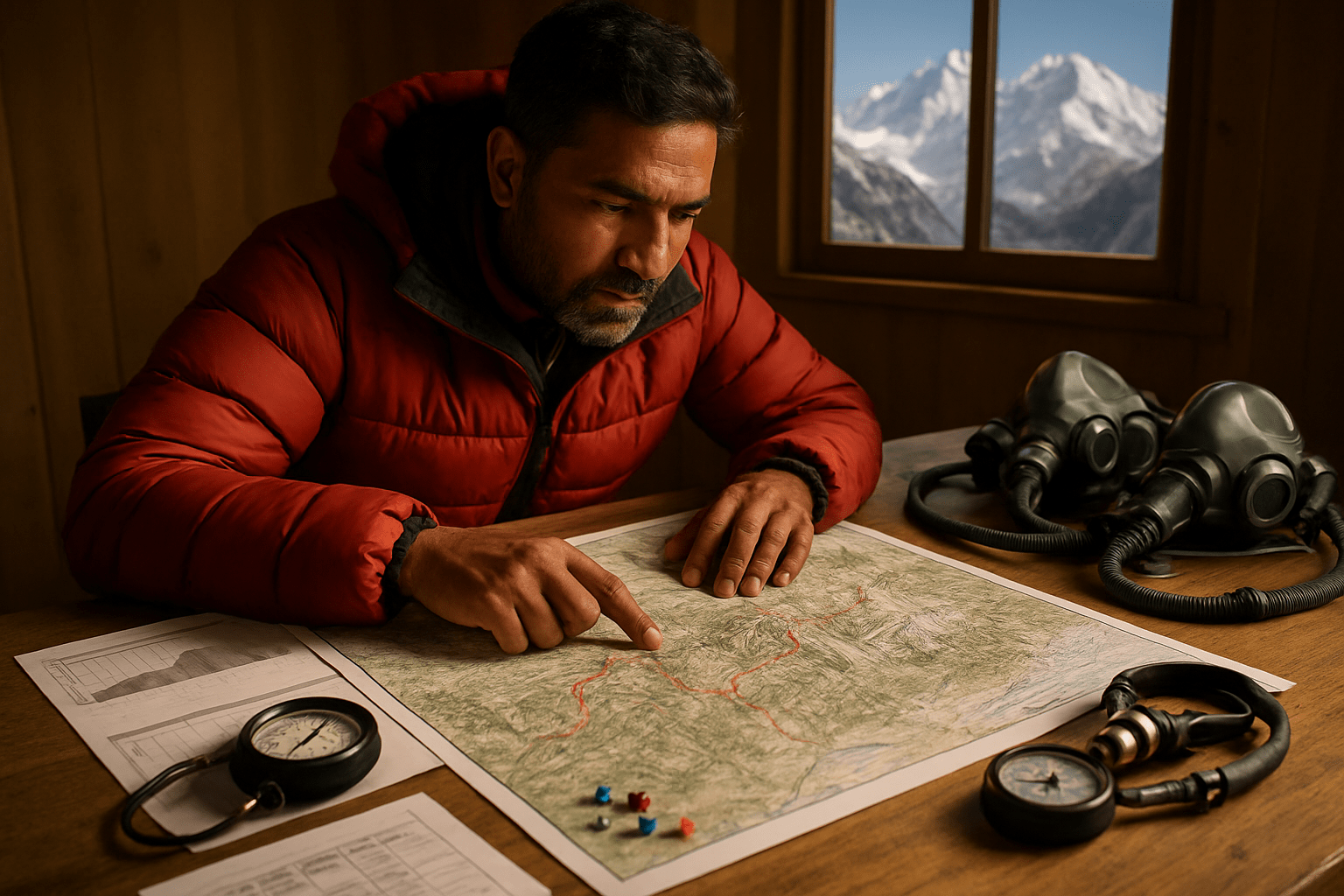
Your journey to Nepal's Big Three begins with a carefully orchestrated approach to base camp. For Everest, the trek from Lukla to Everest Base Camp typically spans 12-14 days, allowing your body to gradually adjust to increasing elevation. This isn't just a scenic walk—every day serves a specific acclimatization purpose.
During the approach, follow the golden rule: climb high, sleep low. On days 6-7 near Namche Bazaar, take active rest days that involve climbing 300-500 meters above your sleeping elevation before descending. Your body needs time to produce more red blood cells and adjust to decreased oxygen levels.
For the Annapurna and K2 expeditions, the approach differs significantly. Annapurna Base Camp involves helicopter transport to higher elevations, requiring immediate adjustment protocols. K2's approach through the Karakoram involves multiple acclimatization camps before reaching base camp at 5,150 meters.
Track your physiological responses daily. Monitor heart rate, sleep quality, appetite, and headache intensity. Mild symptoms are normal; severe headaches, nausea, or confusion signal the need for immediate descent. Your pulse oximeter becomes your best friend—oxygen saturation below 85% at rest requires attention.
Water intake becomes critical during this phase. Consume 4-5 liters daily, but balance this with electrolyte replacement to prevent hyponatremia. Your urine should remain light yellow as a hydration indicator.
Progressive Camp Establishment Strategy
Camp establishment follows a systematic rotation system designed to minimize altitude sickness while building strength. The standard approach involves establishing camps at specific elevations, then rotating between them before moving higher.
Everest Standard Rotation Pattern:
| Rotation | Sleep Elevation | Climb Elevation | Duration | Purpose |
| 1 | Base Camp (5,364m) | Camp 1 (6,065m) | 2-3 days | Initial exposure |
| 2 | Camp 1 (6,065m) | Camp 2 (6,190m) | 1 night | Extended exposure |
| 3 | Base Camp | Camp 2 | 2 nights | Recovery and adaptation |
| 4 | Camp 2 | Camp 3 (7,162m) | Day climb only | High altitude exposure |
Each rotation serves multiple purposes. The first rotation introduces your body to the death zone periphery. Your cells learn to function with roughly 50% available oxygen compared to sea level. The second rotation extends this exposure while your cardiovascular system adapts.
Recovery periods at base camp aren't lazy days. Maintain fitness through moderate exercise while your body consolidates physiological adaptations. Many climbers make the mistake of complete rest, leading to fitness loss during the critical acclimatization phase.
Weather windows dictate rotation timing. Spring expeditions face jet stream variations, while autumn expeditions deal with monsoon aftermath. Your team should maintain flexibility in rotation schedules based on current conditions rather than rigid predetermined timelines.
Summit Push Timing and Weather Monitoring
Weather prediction accuracy decreases dramatically above 6,000 meters, making timing decisions both critical and challenging. Professional expedition teams employ multiple forecasting services, including specialized high-altitude meteorology consultants who understand Himalayan weather patterns.
The summit push window typically opens during brief periods of atmospheric stability. For Everest, this usually occurs in May when the jet stream temporarily moves north, creating calmer conditions. These windows last 2-4 days maximum, requiring precise timing coordination.
Your team needs 24-48 hours' advance notice to position climbers at appropriate camps. From Camp 2, reaching the summit requires 2-3 days of climbing, meaning weather decisions get made before accurate short-term forecasts become available. This creates the inherent gamble in high-altitude mountaineering.
Monitor multiple weather parameters simultaneously:
- Wind Speed: Anything above 40 mph creates life-threatening conditions
- Temperature: -40°F with wind creates frostbite risk within minutes
- Visibility: Cloud cover can create whiteout conditions above 7,000 meters
- Barometric Pressure: Falling pressure indicates incoming storm systems
Communication becomes vital during summit pushes. Satellite communication devices enable real-time weather updates, but battery life decreases significantly in extreme cold. Carry backup communication methods and spare batteries stored close to your body for warmth.
Team coordination requires designated decision-makers. Too many voices create confusion during critical moments. Establish clear communication protocols before entering the death zone, including predetermined turnaround times regardless of summit proximity.
Emergency Descent Plans and Safety Protocols
Emergency descent planning starts long before problems arise. Every team member must understand multiple descent routes from each camp position. Weather can eliminate primary descent options, making alternative route knowledge potentially life-saving.
Critical Emergency Scenarios:
- Acute Mountain Sickness: Immediate descent of 500-1,000 meters
- Weather Deterioration: Shelter in place vs. fighting descent in storms
- Equipment Failure: Backup systems and emergency gear protocols
- Team Member Injury: Evacuation procedures and helicopter landing zones
Helicopter rescue limitations become crucial planning factors. Most rescue helicopters operate effectively only below 6,000 meters, making self-rescue the primary option above Camp 2. Weather conditions that ground helicopters include cloud cover, high winds, and precipitation.
Emergency oxygen supplies require careful calculation. Standard flow rates provide 2-4 hours per bottle, but emergency descent may require higher flow rates. Each team member should carry personal emergency oxygen in addition to shared supplies.
Communication protocols during emergencies must account for language barriers and altitude-induced cognitive impairment. Use simple, predetermined signals and phrases. Complex decision-making becomes nearly impossible above 7,500 meters due to decreased oxygen availability to the brain.
Practice emergency procedures repeatedly at base camp. Muscle memory becomes essential when cognitive function deteriorates. Teams that train together survive together during critical situations above the death zone.
Conclusion
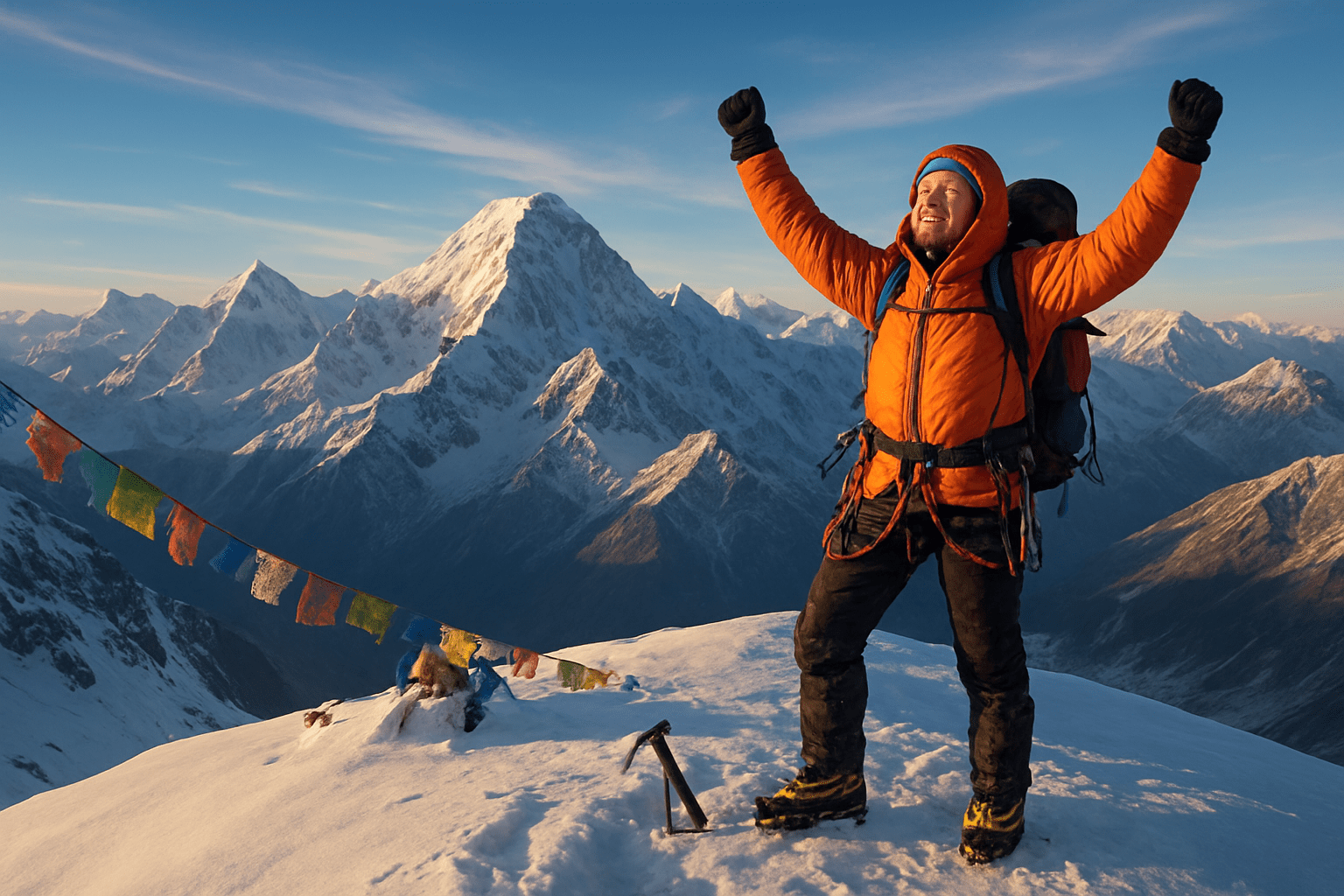
Nepal's Big Three expeditions represent the pinnacle of mountaineering achievement, but success depends entirely on meticulous preparation across every aspect of your journey. From building the physical and mental resilience needed for extreme altitudes to selecting gear that could mean the difference between triumph and tragedy, each element plays a crucial role in your expedition's outcome. The right team, proper permits, and strategic timing aren't just recommendations—they're non-negotiables that separate successful climbers from those who turn back.
Your dream of standing atop Everest, Lhotse, or Makalu is absolutely achievable with the right approach and preparation. Start your planning at least 18 months in advance, invest in quality training and equipment, and choose an expedition company with a proven track record in the Himalayas. Most importantly, respect the mountains and listen to your body throughout the journey. These peaks have stood for millennia—they'll wait for you to be truly ready to meet them on their terms.
If you need any further information, please contact us by email: [email protected], Phone: +977- 980 195 6248 (WhatsApp).