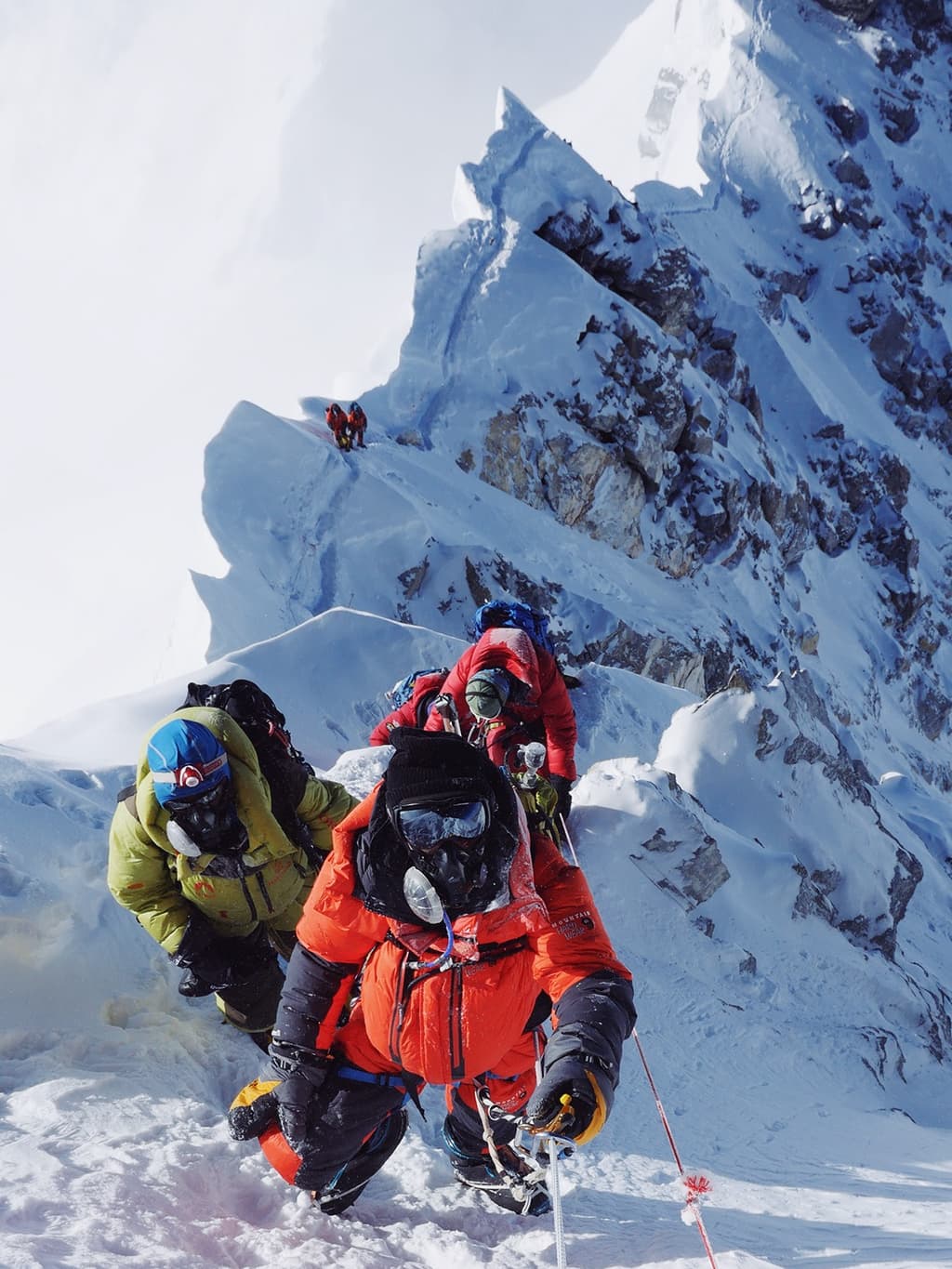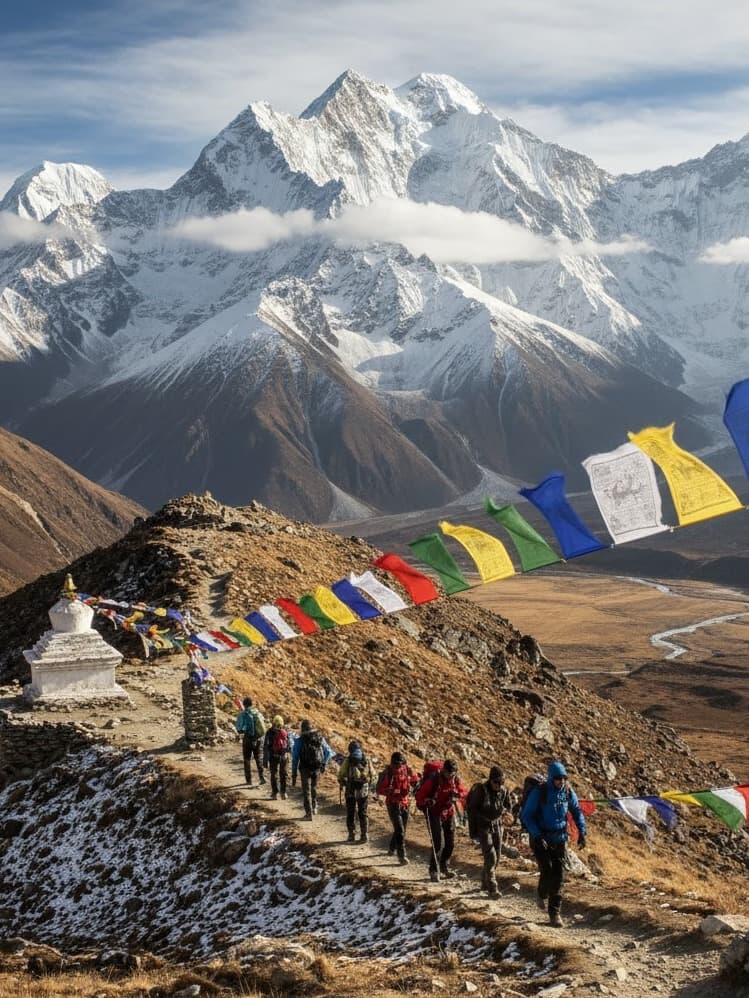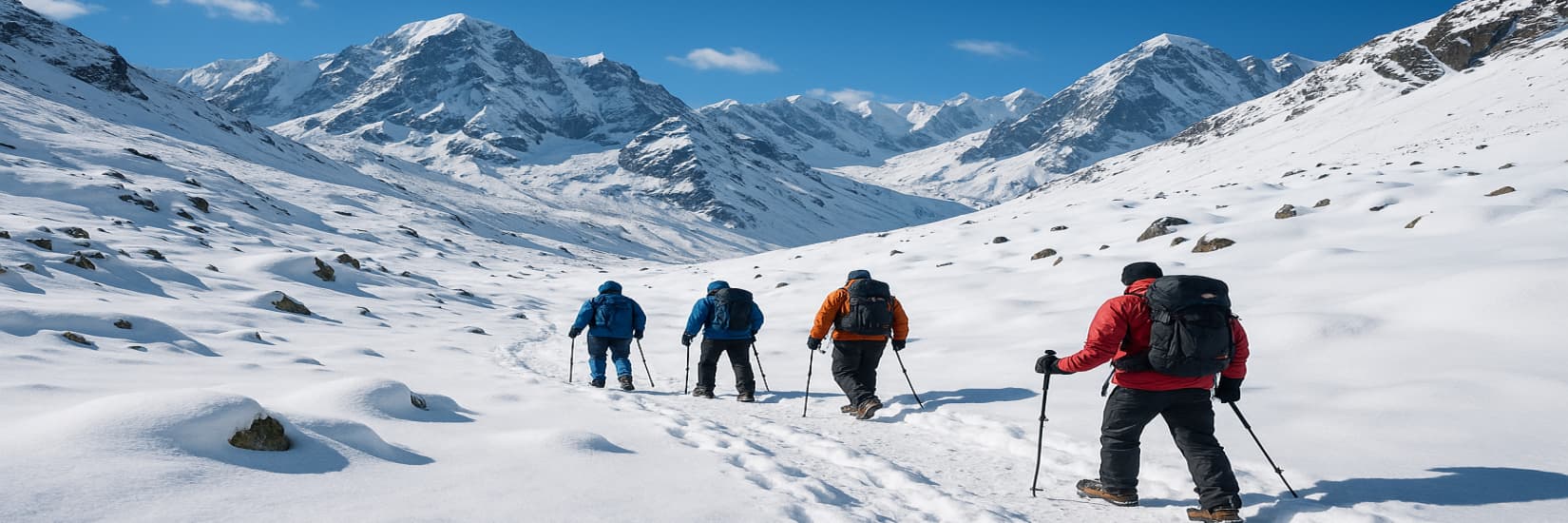
Nepal's breathtaking landscapes, from the towering peaks of the Himalayas to the serene valleys of the Annapurna region, draw trekkers from around the world seeking adventure and spiritual renewal. However, the rugged terrain and unpredictable conditions can pose significant risks if not approached with caution and preparation.
At Everest Sherpa Expeditions, we have guided countless adventurers through these majestic trails, and our experience underscores the importance of prioritizing safety. In this guide, we'll explore the most common risks encountered on Nepal treks—such as altitude sickness, extreme weather, wildlife encounters, and health hazards—and provide practical, evidence-based strategies to mitigate them.
By understanding these challenges and adopting proactive measures, you can transform your trek into a safe, unforgettable journey, ensuring you return home with memories rather than mishaps.
Understanding Nepal's Trekking Landscape
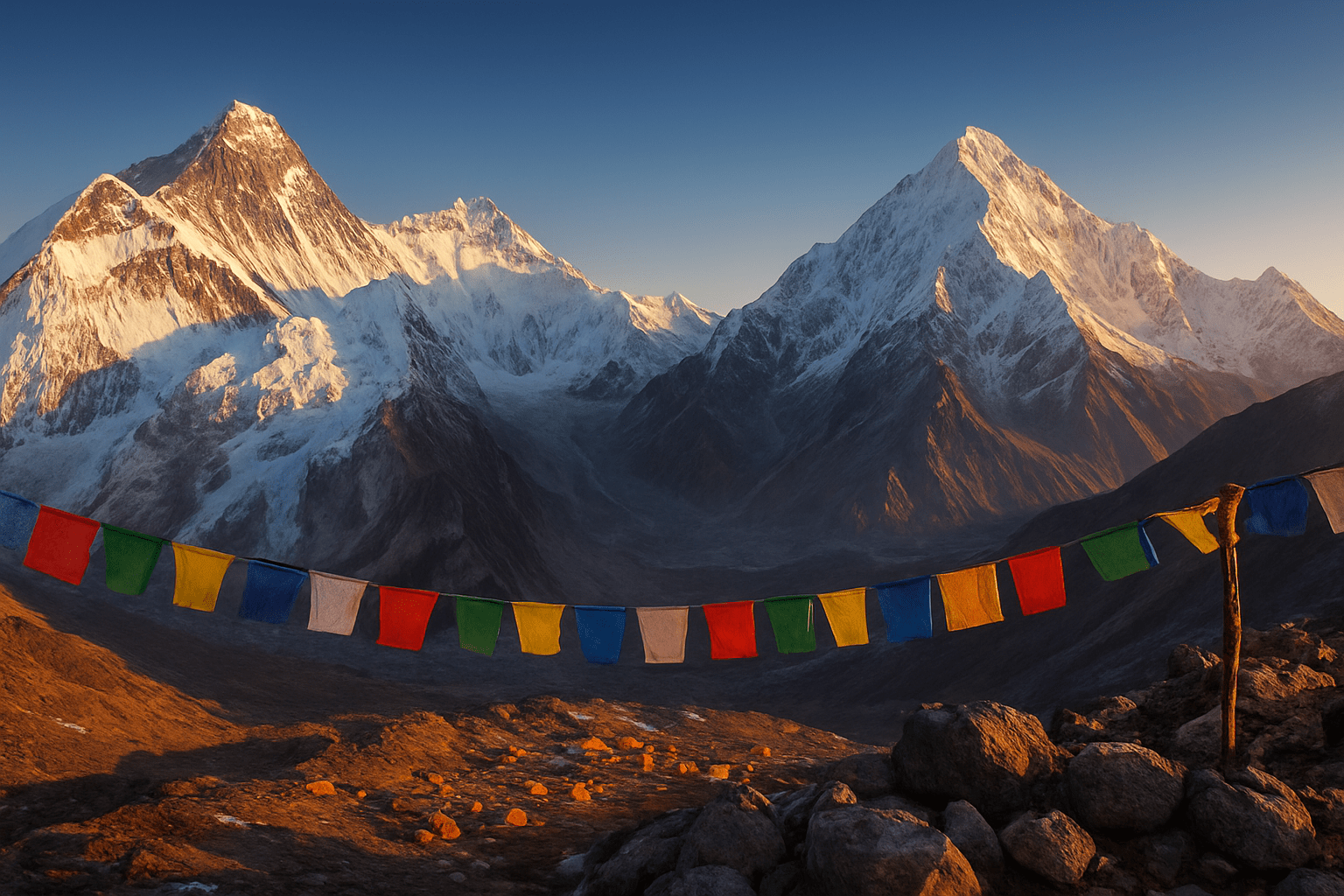
Nepal's trekking routes vary from tea-house treks (with lodges) to camping expeditions. Popular areas like the Khumbu region (Everest) and Annapurna face challenges like extreme altitudes (up to 5,500m+), monsoon rains, and remote access. Always check the Nepal Tourism Board website or consult a licensed operator for current conditions. Trekking permits (e.g., TIMS cards) are mandatory and help authorities track you.
Altitude Sickness: The Silent Killer
Altitude sickness, or Acute Mountain Sickness (AMS), affects many trekkers due to rapid ascents above 2,500m. Symptoms include headaches, nausea, dizziness, and in severe cases, High Altitude Pulmonary Edema (HAPE) or Cerebral Edema (HACE), which can be fatal.
How to Avoid It:
- Acclimatize Gradually: Follow the "climb high, sleep low" rule. Ascend no more than 300-500m per day above 3,000m, and include rest days. For Everest treks, spend extra nights in places like Namche Bazaar.
- Monitor Your Health: Use a pulse oximeter to check oxygen saturation (aim for 90%+). Carry Diamox (acetazolamide) as prescribed by a doctor, but consult a physician before your trip.
- Stay Hydrated and Nourished: Drink 3-4 liters of water daily and eat high-calorie, carbohydrate-rich foods. Avoid alcohol and smoking, which worsen symptoms.
- Know When to Descend: If symptoms persist, descend immediately—don't push through. Join guided treks with experienced leaders who can recognize early signs.
Weather Hazards: Storms, Landslides, and Avalanches
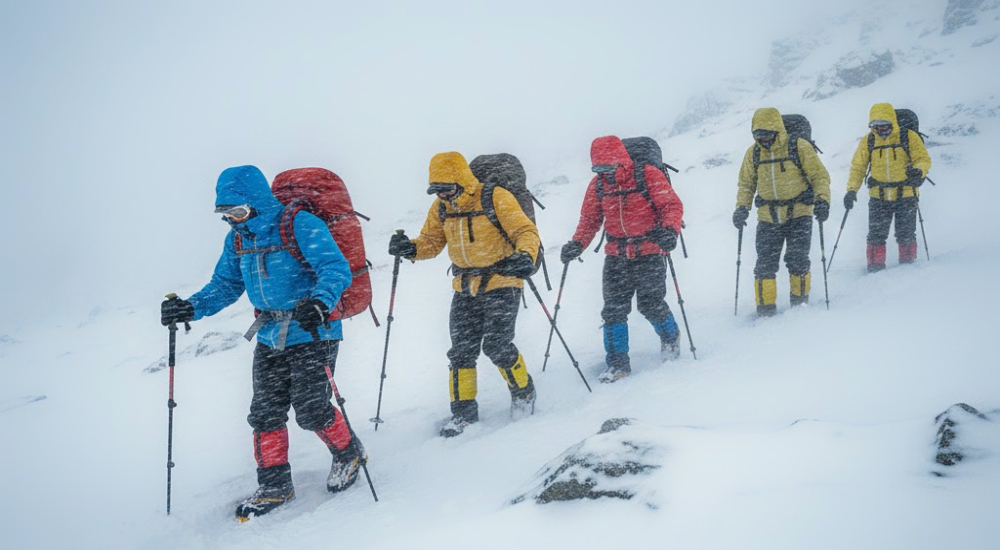
Nepal's weather is fickle, with sudden storms, heavy rains (especially in monsoon season, June-September), and landslides. Avalanches are a risk in winter treks like Thorong La Pass.
How to Avoid It:
- Check Forecasts: Use apps like Windy or Mountain Weather Nepal for real-time updates. Avoid trekking during monsoon unless experienced.
- Trek in Groups: Solo trekking increases exposure; join organized groups for safety in numbers.
- Carry Essential Gear: Pack waterproof jackets, sturdy boots, and a satellite phone or personal locator beacon (PLB) for emergencies. In avalanche-prone areas, use avalanche transceivers if you're skiing or off-piste.
- Plan Routes Wisely: Stick to established trails and avoid shortcuts. If weather turns bad, seek shelter in teahouses or camps—don't continue in low visibility.
Health and Hygiene Issues: Illnesses and Injuries
Contaminated water, food poisoning, and injuries from falls are common. Leeches, mosquitoes, and gastrointestinal bugs thrive in humid areas.
How to Avoid It:
- Water Purification: Boil water for 1-3 minutes or use filters/purification tablets. Avoid untreated streams.
- Food Safety: Eat at reputable teahouses; opt for hot, freshly cooked meals. Wash hands frequently and carry hand sanitizer. Pack snacks like energy bars for backup.
- Vaccinations and Meds: Get vaccinated for hepatitis A, typhoid, and tetanus. Carry a first-aid kit with bandages, painkillers, antibiotics, and blister treatments. For leeches, wear long pants and use repellent.
- Injury Prevention: Use trekking poles for stability on uneven terrain. Learn basic first aid and consider travel insurance covering helicopter evacuations (e.g., from Kathmandu to remote areas).
Wildlife and Animal Encounters
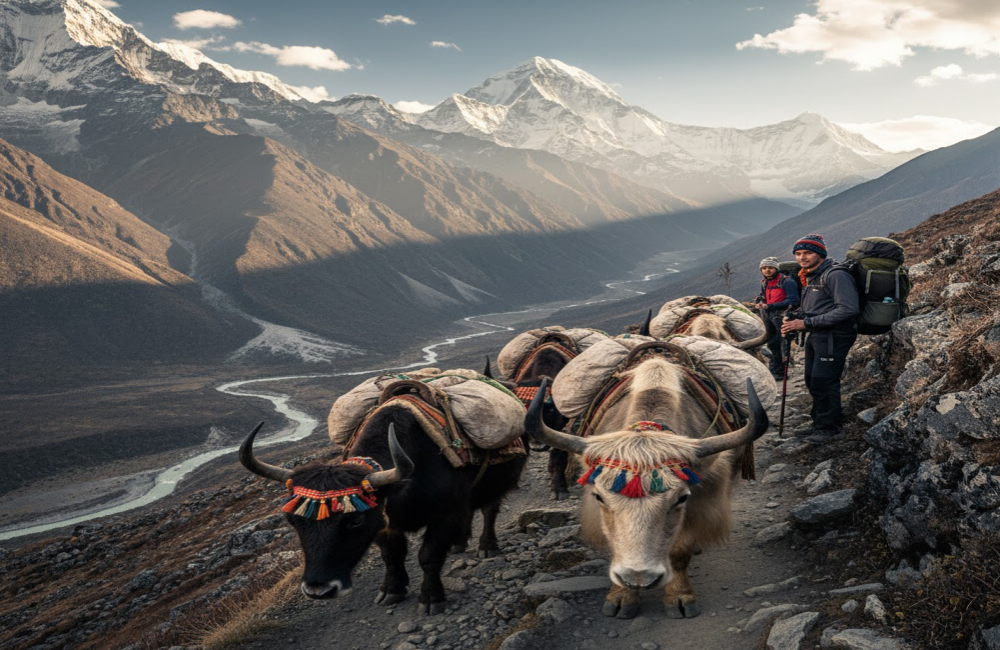
While Nepal's wildlife is mostly elusive, encounters with bears, snow leopards, or aggressive monkeys can occur. Leopards and bears are rare but dangerous in remote areas.
How to Avoid It:
- Make Noise: Sing, talk loudly, or clap to alert animals. Trek during daylight hours.
- Store Food Properly: In camps, use bear-proof containers or hang food away from tents. Never feed wildlife.
- Carry Deterrents: Pepper spray for bears (legal in Nepal) and a whistle for emergencies. If you spot a leopard, back away slowly without running.
- Respect Habitats: Stay on trails and avoid disturbing animals, especially in national parks like Sagarmatha.
Theft, Scams, and Human-Related Risks
Theft from lodges or porters, and scams by touts or fake guides, are prevalent in tourist hubs like Kathmandu and Pokhara. Political unrest or strikes can disrupt treks.
How to Avoid It:
- Secure Valuables: Use money belts or lockers in teahouses. Carry minimal cash and photocopies of passports.
- Choose Reputable Operators: Book through licensed agencies (check Nepal Mountaineering Association). Avoid street touts offering cheap deals.
- Stay Informed: Monitor news for strikes or protests. Have a flexible itinerary and emergency contacts.
- Cultural Awareness: Respect local customs to avoid misunderstandings. Bargain politely but firmly.
Trekking-Specific Hazards: Falls and Exhaustion

Slippery trails, river crossings, and overexertion lead to falls or sprains. Exhaustion from long days can impair judgment.
How to Avoid It:
- Pace Yourself: Start slow and listen to your body. Take breaks and maintain a sustainable daily mileage (e.g., 5-10km with elevation).
- Proper Gear: Invest in quality boots, layers, and a backpack with good support. Use gaiters for mud.
- River Crossings: Wait for guides or locals to assess water levels; use ropes if available.
- Fitness Prep: Train beforehand with hikes and cardio to build endurance.
Insurance and Emergency Evacuation
Helicopter rescues in Nepal are expensive — often thousands of dollars.
Safety Essentials
- Purchase trekking insurance that covers high-altitude evacuation (up to 6,000m).
- Keep digital and paper copies of your policy.
- Inform your guide and family about your insurance details.
- Register with your embassy if possible.
The Role of Guides and Porters in Safety
Choosing a reliable guide is the strongest safety decision you can make. Guides monitor acclimatization, weather, and trail conditions continuously.
What to Look For
- Government-licensed guide
- Experience on your specific route
- Good communication skills
- Responsible trekking practices
Porters reduce physical strain, keeping you safer and helping you acclimatize better.
Practical Checklist Before You Trek

Physical & Medical Preparedness
- Complete a basic health check-up at least 2–3 weeks before departure.
- Discuss altitude considerations with your doctor, especially if you have asthma, heart conditions, or chronic illnesses.
- Carry prescribed medications and a personal medical kit (pain relievers, Diamox if advised, electrolytes, blister care, antihistamines, etc.).
- Train in advance: include cardio, strength, and endurance workouts.
Permits & Documentation
-
Ensure you have all required trek permits:
-
TIMS Card (Trekkers’ Information Management System)
-
National Park / Conservation Area Permits
-
-
Carry a copy of your passport, passport-sized photos, and a digital backup stored safely.
-
Confirm your travel insurance policy covers high-altitude trekking and emergency evacuation.
Gear & Clothing Essentials
Choose durable, weather-appropriate trekking gear:
- Layered clothing for rapidly changing temperatures
- Waterproof jacket and trousers
- Comfortable, well-broken-in trekking boots
- Sleeping bag rated for Himalayan temperatures
- Trekking poles, gloves, beanie, buff/scarf
- Pack lightweight but high-quality equipment—avoid overpacking.
Safety Tools & Communication
- Carry a headlamp, power bank, whistle, and a small multi-tool.
- Keep your local SIM card (NCELL/Nepal Telecom) active for communication in populated areas.
- For remote trails, ensure your guide carries a satellite phone or GPS tracking device.
Weather & Route Preparedness
- Check seasonal conditions, weather forecasts, and trail updates before your trek.
- Study your daily itinerary, approximate walking hours, altitude profiles, and potential hazards.
- Inform a trusted person or agency about your trekking plan and expected return date.
Financial Essentials
- Carry enough Nepali currency, especially for off-grid areas with no ATMs.
- Keep small denominations handy for tea houses, snacks, and local purchases.
Accommodation & Logistics
Pre-confirm:
- Trekking guide and porter arrangements
- Accommodation in Kathmandu/Pokhara
- Airport transfers
- Ensure your trekking agency provides properly licensed guides, safety equipment, and emergency protocols.
Eco-Responsibility
- Pack reusable water bottles and a water purification system (tablets or filter).
- Bring biodegradable toiletries.
- Follow a strict Leave No Trace approach from day one.
Mental Preparation
- Prepare for long walking days, unpredictable weather, and basic mountain facilities.
- Set realistic expectations: trekking in Nepal is safe, but demands patience, resilience, and adaptability.
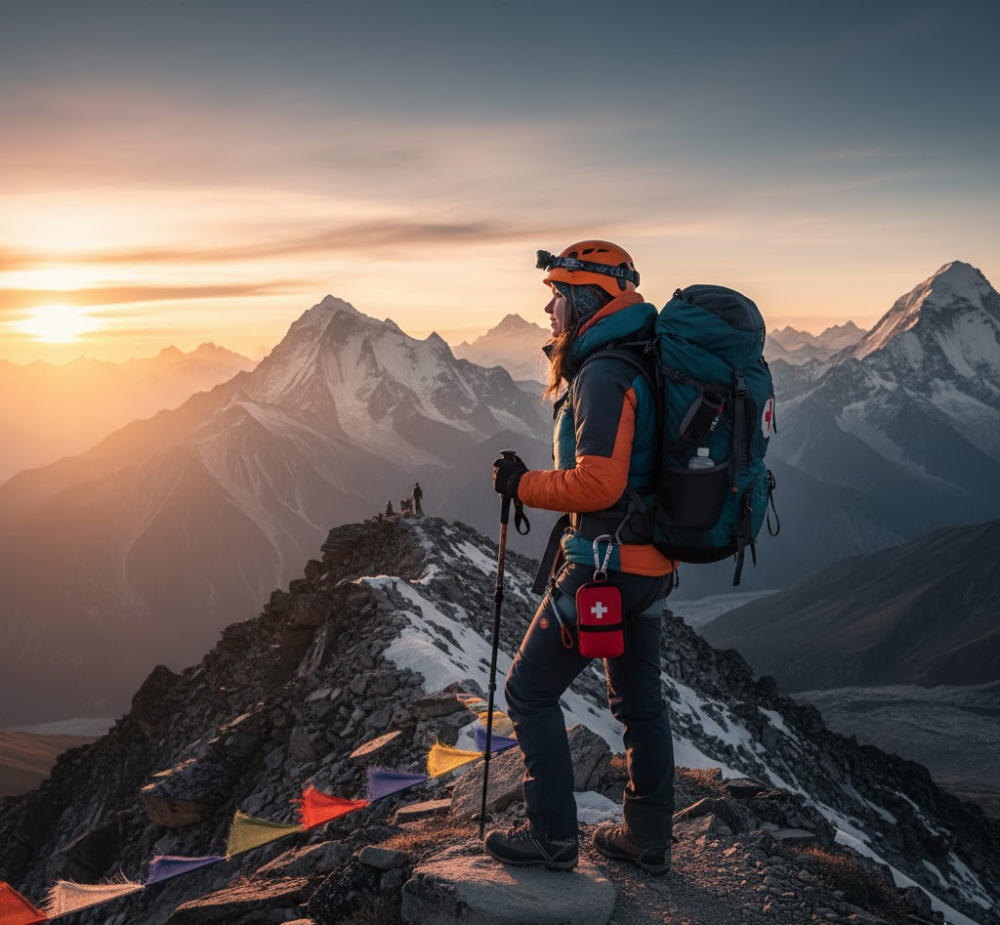
Final Tips for a Safe Trek
Trekking in Nepal is rewarding when prepared. Always prioritize safety over speed—rushing leads to mistakes. Invest in comprehensive travel insurance, carry a satellite communicator like Garmin InReach, and share your itinerary with family or friends. If in doubt, hire a certified guide or join a group trek. Nepal's people are hospitable, but the mountains demand respect. By addressing these risks proactively, you'll focus on the awe-inspiring views and cultural richness. Safe travels! If you're planning a trek, share your route in the comments for personalized advice.
If you need any further information, please contact us by email: [email protected], Phone: +977- 980 195 6248 (WhatsApp).