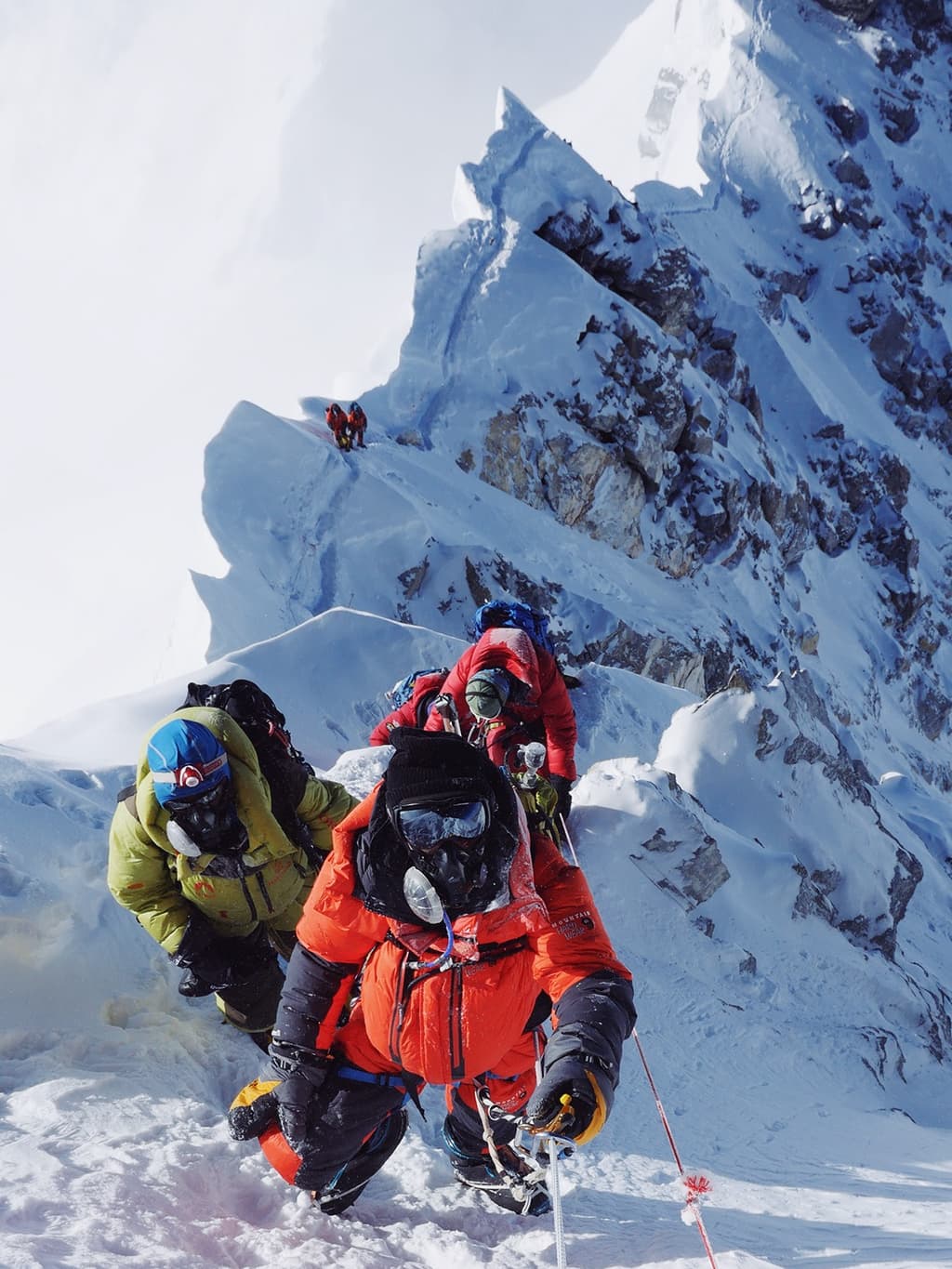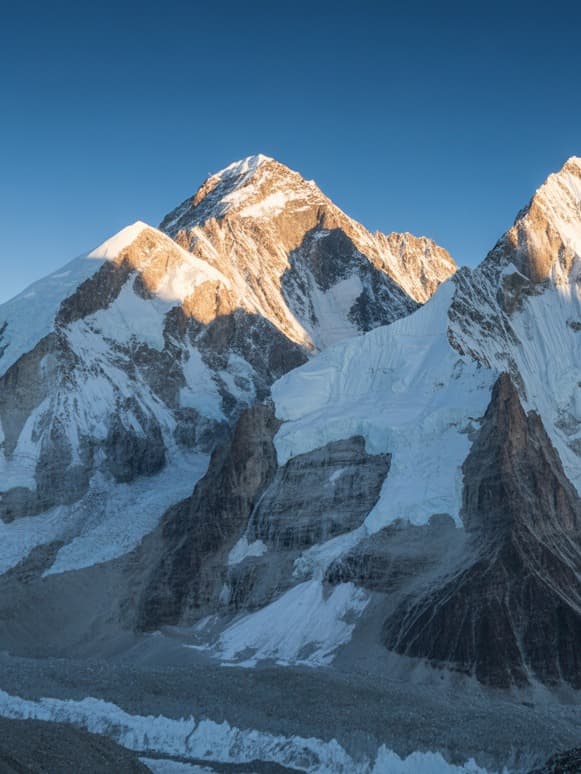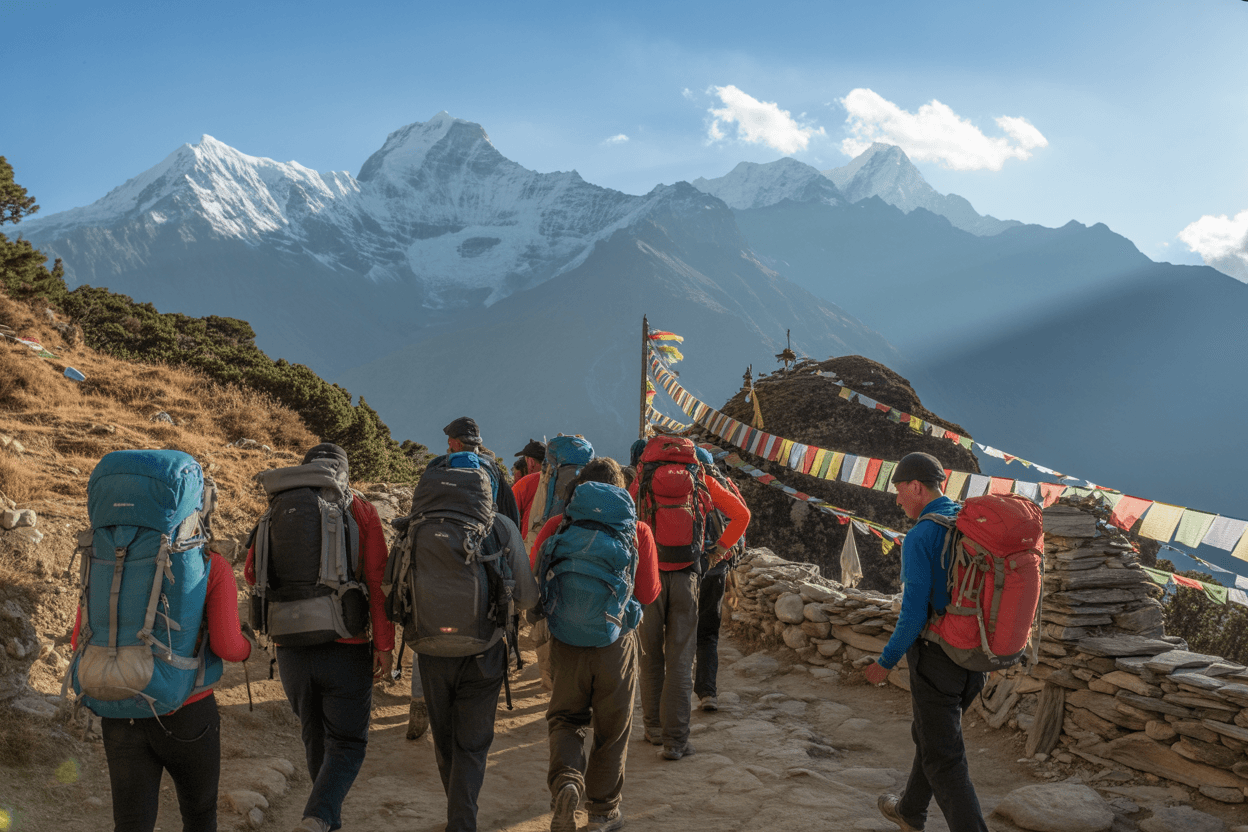
Nepal offers some of the world's most spectacular group trekking routes, from towering Himalayan peaks to ancient mountain villages. This comprehensive guide is designed for adventure enthusiasts, group leaders, and travelers planning their first or next group expedition to Nepal.
Group trekking in Nepal combines the thrill of high-altitude adventure with the safety and camaraderie of shared experiences. You'll discover detailed routes through the famous Everest region, where groups can tackle iconic trails like Everest Base Camp while supporting each other through challenging terrain. We'll also explore the diverse Annapurna Circuit group expeditions, known for their stunning variety of landscapes and cultural encounters.
Beyond route planning, this guide covers practical essentials that make or break group adventures. You'll learn proven safety and risk management strategies that keep everyone together and secure on the trail. We'll break down budget planning and cost optimization techniques that help groups maximize their adventure without breaking the bank.
Essential Preparation for Group Trekking in Nepal
Choosing the Right Group Size and Composition
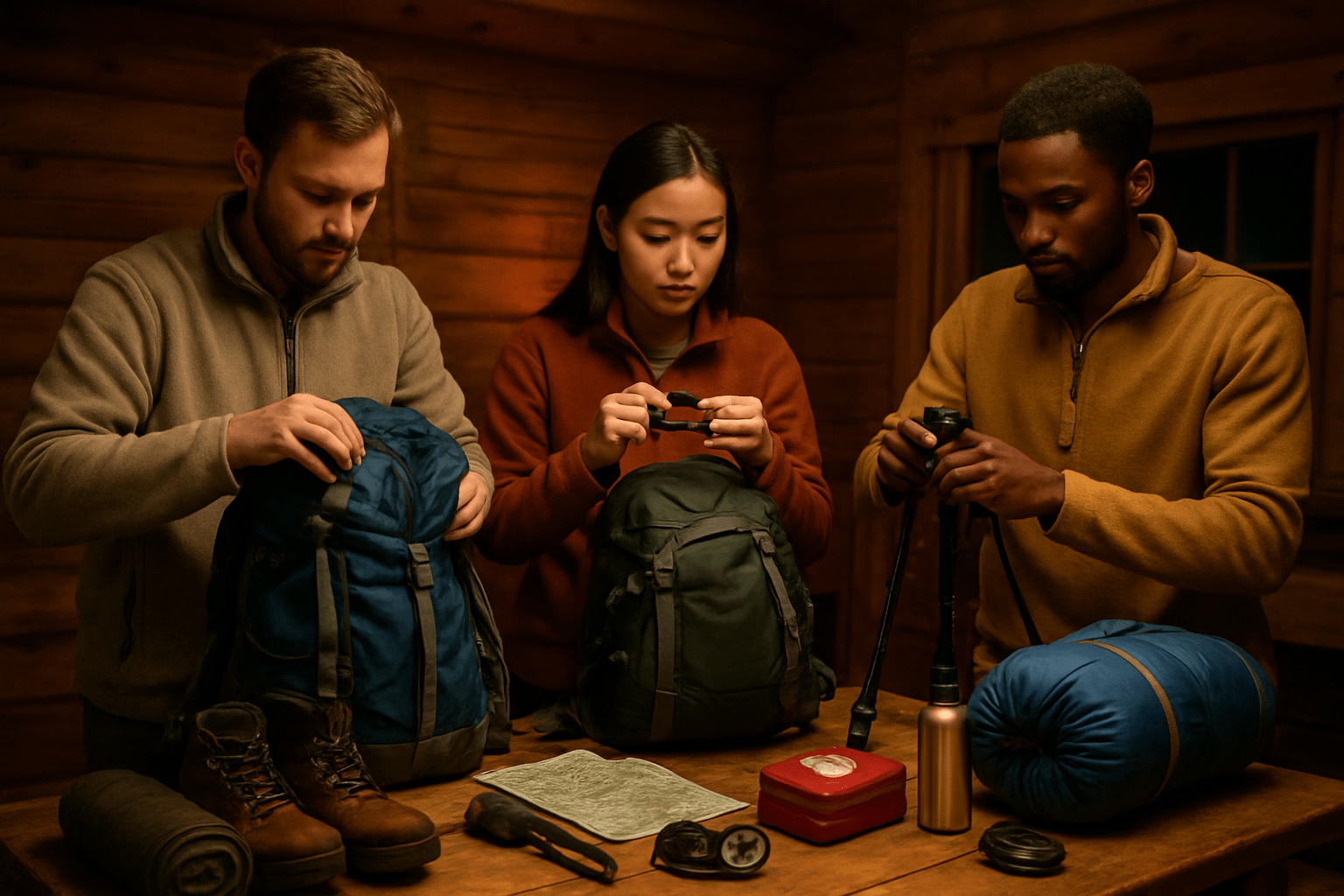
Finding the perfect group size makes all the difference between a memorable adventure and a logistical nightmare. Most trekking agencies recommend groups of 8-12 people as the sweet spot for Nepal treks. This size allows for meaningful connections while keeping logistics manageable and costs reasonable.
Consider mixing experience levels carefully. Having 2-3 seasoned trekkers paired with beginners creates a supportive environment where knowledge gets shared naturally. Age diversity works well too - younger members bring energy while experienced trekkers offer wisdom and patience during challenging sections.
Personal compatibility matters more than you might think. Screen potential group members through video calls or local meetups before committing. Look for people who share similar goals: are you focused on pushing limits or enjoying cultural experiences? Mixed motivations often lead to frustration on the trail.
Physical Fitness Requirements and Training Timeline
Start your training program at least 12-16 weeks before departure. Nepal's high-altitude terrain demands cardiovascular endurance, leg strength, and mental resilience that can't be built overnight.
Core Training Components:
- Cardio Base Building (Weeks 1-8): Focus on long, steady activities like hiking, cycling, or swimming for 45-60 minutes, 4-5 times weekly
- Altitude Simulation (Weeks 9-12): Add weighted backpack training, stair climbing, and hill repeats
- Peak Preparation (Weeks 13-16): Include back-to-back training days with full pack weight (15-20 lbs)
Don't overlook strength training. Squats, lunges, and calf raises build the leg power needed for steep ascents and descents. Core work prevents back pain when carrying packs for hours daily.
Test your limits with local day hikes carrying your full pack. This reveals gear issues and fitness gaps while you can still address them.
Permits and Documentation Needed
Nepal's permit system can feel overwhelming, but understanding the requirements prevents costly delays and disappointments.
Essential Permits by Region:
| Trekking Area | Required Permits | Cost (USD) | Processing Time |
| Everest Region | Sagarmatha National Park, Khumbu Pasang Lhamu | $35-50 | 1-2 days |
| Annapurna Circuit | ACAP, TIMS | $30-45 | Same day |
| Langtang Valley | Langtang National Park, TIMS | $25-40 | Same day |
TIMS (Trekkers' Information Management System) cards are mandatory for most routes. Choose between Individual ($20) or Group ($10) rates based on your booking method.
Your passport needs at least six months' validity remaining. Bring multiple copies - you'll need them for permit applications, hotel registrations, and emergencies. Store digital copies in cloud storage as backup.
Travel insurance covering helicopter evacuation up to $100,000 minimum is non-negotiable. Many policies exclude high-altitude activities, so read the fine print carefully.
Gear and Equipment Essentials for Group Safety
Smart gear selection protects your entire group while avoiding unnecessary weight. Focus on versatile, tested equipment rather than the latest gadgets.
Group Safety Equipment:
- Communication: Satellite communicators or emergency beacons for areas without cell coverage
- Medical Supplies: Comprehensive first aid kit with altitude sickness medications, water purification tablets, and emergency antibiotics
- Navigation: GPS devices, detailed topographic maps, and a backup compass
- Weather Protection: Emergency shelter, waterproof matches, and space blankets
Personal Essentials:
- Quality trekking boots broken in over 50+ miles before departure
- Layered clothing system handling temperatures from 80°F valleys to -10°F high camps
- Sleeping bag rated 10°F below expected minimum temperatures
- Trekking poles for knee protection and stability on uneven terrain
Test all gear during training hikes. Discovering that your boots cause blisters or your backpack doesn't fit properly while in remote Nepal creates problems for everyone in your group.
Share certain items across the group to reduce individual weight - cooking equipment, repair kits, and reference materials work well as shared resources.
Top Everest Region Group Trekking Adventures
Classic Everest Base Camp Trek for Groups
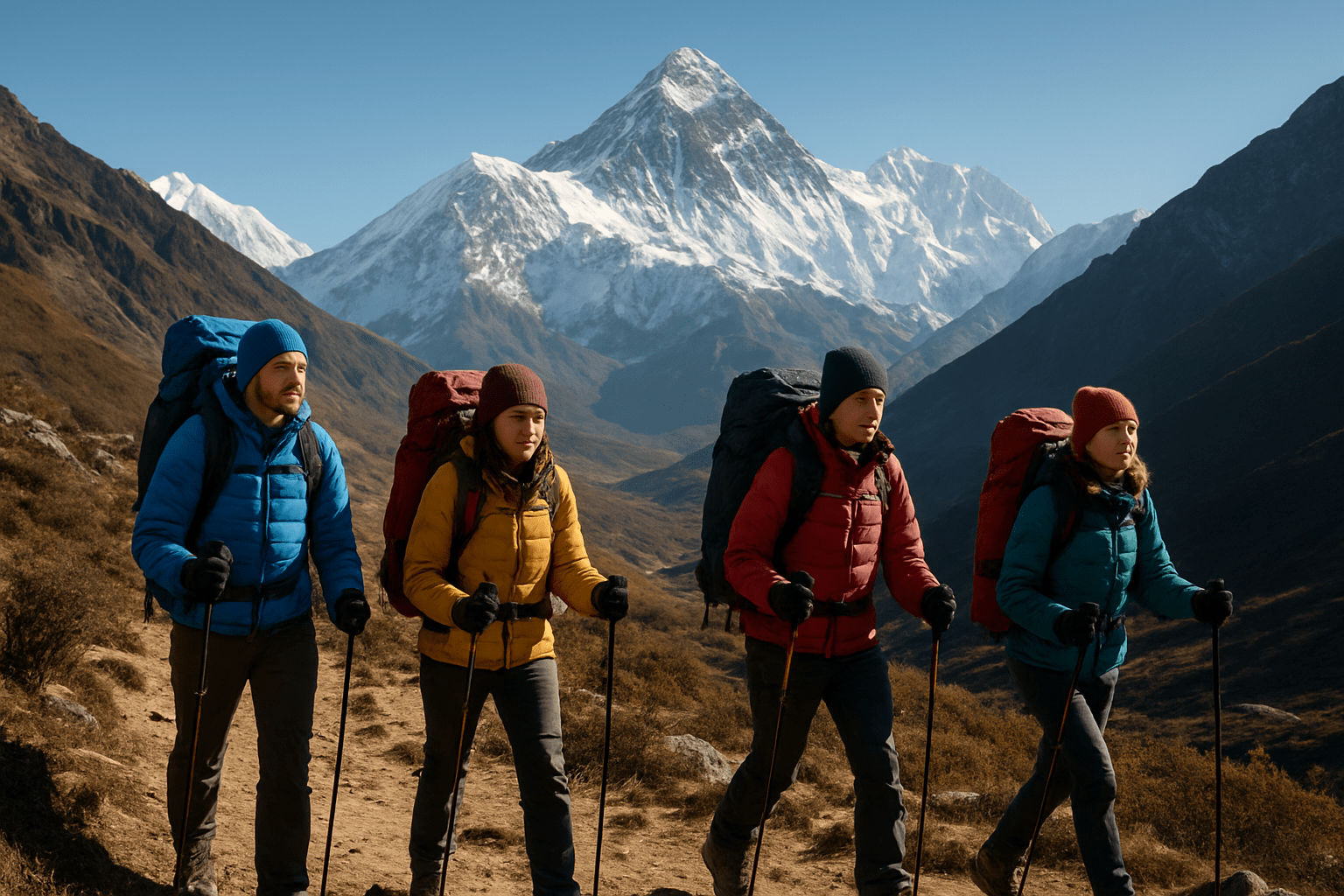
The Everest Base Camp trek stands as Nepal's most iconic group adventure, offering teams an unforgettable journey through the Sherpa heartland to the doorstep of the world's tallest peak. This 14-day expedition covers roughly 130 kilometers round-trip, starting from Lukla's dramatic mountain airstrip and winding through ancient Buddhist monasteries, bustling Sherpa villages, and glacial valleys.
Groups typically spend 2-3 nights in Namche Bazaar, the unofficial capital of the Khumbu region, allowing proper acclimatization while exploring local markets and bakeries. The trail passes through Tengboche Monastery, where trekkers often witness morning prayers with Everest's towering presence as a backdrop. Most groups find the rhythm of walking together creates lasting bonds, especially during challenging sections like the steep ascent to Namche or the final push to base camp at 5,364 meters.
Key highlights for groups:
- Shared experiences at iconic viewpoints like Kala Patthar
- Group dining in teahouses with other international trekkers
- Collective achievement reaching Everest Base Camp
- Professional guide support for group safety and logistics
- Flexible pacing to accommodate different fitness levels
The trek demands good physical conditioning but doesn't require technical climbing skills, making it perfect for groups with mixed experience levels. Most successful group expeditions include 8-12 members, allowing for manageable logistics while maintaining the social dynamics that make group trekking special.
Gokyo Lakes Circuit with Cho La Pass
The Gokyo Lakes Circuit offers groups a spectacular alternative to the traditional Everest Base Camp route, featuring pristine turquoise lakes nestled beneath towering Himalayan giants. This challenging 16-18 day adventure combines the spiritual beauty of sacred lakes with the technical excitement of crossing Cho La Pass at 5,420 meters.
Groups starting this circuit typically follow the classic EBC route until Namche, then branch west toward Gokyo Valley. The trail becomes more remote and demanding, requiring stronger group cohesion and leadership. Teams often split responsibilities, with stronger members helping carry extra gear and experienced trekkers supporting those struggling with altitude.
The circuit's crown jewel is the chain of six glacial lakes, each more stunning than the last. Gokyo Ri, standing at 5,357 meters, provides arguably the best panoramic views in the Everest region, showcasing four 8,000-meter peaks: Everest, Lhotse, Makalu, and Cho Oyu. Groups often camp near the lakes, creating magical evenings under star-filled skies.
Essential group considerations:
- A greater technical difficulty requires experienced leadership
- Weather-dependent pass crossings need flexible itineraries
- Smaller group sizes (6-8 people) work better for logistics
- Extra acclimatization days around Gokyo village
- Emergency evacuation plans for remote sections
The Cho La Pass crossing tests group dynamics and individual resolve, often becoming the trek's defining moment where teams either strengthen or struggle with challenges.
Three Passes Trek for Experienced Groups
The Three Passes Trek represents the ultimate Everest region challenge for seasoned group adventurers, combining three high-altitude pass crossings with comprehensive exploration of the Khumbu's most spectacular valleys. This 20-21-day epic journey crosses Kongma La (5,535m), Cho La (5,420m), and Renjo La (5,340m), creating a complete circuit through the region's most dramatic terrain.
Only well-prepared groups with strong leadership should attempt this demanding route. Teams need members comfortable with basic mountaineering techniques, as sections involve glacier travel, loose rock scrambling, and potential snow conditions. The trek requires exceptional group communication and decision-making skills, particularly when weather conditions threaten safe pass crossings.
Critical group requirements:
- Previous high-altitude trekking experience mandatory
- Strong group fitness and mental resilience
- Experienced trek leader or guide essential
- Comprehensive gear, including crampons and helmets
- Flexible timeline for weather delays
- Emergency communication devices
- Group first aid training is recommended
The payoff for committed groups is extraordinary. Few trekkers complete this circuit, meaning teams often have spectacular viewpoints and remote valleys entirely to themselves. The trek includes classic destinations like Everest Base Camp and Gokyo Lakes while adding exclusive experiences like sunrise from Kongma La or the challenging descent into Thame Valley.
Successful groups often describe this trek as life-changing, creating bonds forged through shared adversity and triumph. The technical nature means every team member depends on others for safety and success, creating powerful group dynamics that extend far beyond the mountains.
Annapurna Circuit Group Expeditions
Traditional Annapurna Circuit Route
The classic Annapurna Circuit remains Nepal's most iconic group trekking experience, spanning 15-20 days and covering roughly 230 kilometers of diverse terrain. Groups typically start from Besisahar and wind through subtropical forests, alpine meadows, and high-altitude desert landscapes before crossing the challenging Thorong La Pass at 5,416 meters.
This route perfectly suits groups of 8-12 trekkers, allowing for shared logistics while maintaining manageable team dynamics. The trail passes through traditional Gurung and Thakali villages, where groups can experience authentic mountain hospitality. Tea houses along the route easily accommodate larger parties, though booking during peak seasons prevents accommodation headaches.
The circuit's highlight comes at Thorong La Pass, where groups celebrate together at one of the world's highest trekking passes. The descent into Muktinath provides spiritual significance, with the sacred temple offering blessings for safe passage. Groups often split daily distances based on fitness levels, with faster members exploring side trails while others maintain steady progress.
Weather windows play a crucial role in group success. October-November and March-May offer the most reliable conditions, with clear mountain views and moderate temperatures. Groups should plan 2-3 rest days for acclimatization, particularly in Manang, where the dramatic landscape provides excellent photography opportunities and cultural immersion.
Annapurna Base Camp Group Trek
The Annapurna Base Camp trek offers groups an incredible amphitheater experience without the extreme altitude challenges of the Everest region treks. Reaching 4,130 meters, this 12-14 day journey creates perfect conditions for groups wanting dramatic mountain scenery with lower technical demands.
Groups of 6-10 work best for this route, as the trail's narrower sections and limited base camp space require more coordination. The trek begins in Pokhara's subtropical climate and gradually ascends through rhododendron forests, terraced farmland, and alpine zones. Groups witness sunrise on Annapurna I, Machapuchare, and the surrounding peaks from the base camp amphitheater.
The route's tea house infrastructure supports group logistics well, with most lodges offering communal dining areas perfect for evening group planning sessions. Hot springs in Jhinu Danda provide excellent group relaxation after the challenging descent from base camp.
Group safety becomes especially important above Deurali, where the weather changes rapidly, and altitude effects intensify. Teams should maintain close communication and establish clear protocols for altitude-related issues. The final push to base camp often requires early morning starts to avoid afternoon clouds, making group coordination essential for summit day success.
Poon Hill Short Group Adventure
Poon Hill serves as Nepal's perfect introduction to group trekking, combining accessibility with stunning Himalayan panoramas in just 3-5 days. Starting from Nayapul, this trek accommodates groups of all sizes and fitness levels, making it ideal for corporate teams or mixed-ability friend groups.
The route to Poon Hill (3,210 meters) follows well-maintained stone steps through traditional Magar and Gurung villages. Groups can easily adjust pace and daily distances, with multiple tea house stops providing rest opportunities. The famous sunrise viewpoint offers 360-degree views of Dhaulagiri, Annapurna, and Machapuchare ranges, creating shared memories that bond group participants.
Ghorepani village serves as the primary overnight stop, with large lodges capable of housing groups up to 20 people. The community-based tourism model here ensures groups contribute directly to local economies while experiencing authentic mountain culture. Evening group activities include traditional dancing, local food tastings, and storytelling sessions with lodge owners.
Groups can extend the basic Poon Hill trek by adding Ghandruk village, creating a loop that showcases traditional architecture and mountain craftsmanship. The moderate difficulty level allows groups to focus on cultural exchange and team building rather than survival concerns.
Upper Mustang Cultural Trek
Upper Mustang offers groups a unique cultural trekking experience in Nepal, entering the former forbidden kingdom that has maintained Tibetan Buddhist traditions unchanged for centuries. This restricted area requires special permits and organized group logistics, making it an ideal destination for cultural enthusiasts seeking authentic Himalayan experiences.
Groups of 4-8 work optimally for Upper Mustang, as the region's limited accommodation and sensitive cultural sites benefit from smaller, respectful visitor numbers. The trek begins in Jomsom and follows ancient salt trading routes through dramatic desert landscapes reminiscent of the Tibetan plateau.
Lo Manthang, the ancient walled capital, provides groups with extraordinary cultural immersion opportunities. The 15th-century monasteries, traditional architecture, and ongoing restoration projects offer insights into preserved Tibetan culture. Groups can participate in local festivals, pottery making, and traditional farming practices when visiting during harvest seasons.
The trek's high-altitude desert environment requires different preparation than monsoon-affected regions. Groups benefit from the dry climate year-round, though spring winds can create challenging conditions. Cultural sensitivity becomes paramount, with groups receiving briefings on appropriate behavior in monasteries, photography restrictions, and respectful interaction with local communities.
Manaslu Circuit Off-the-Beaten-Path Experience
The Manaslu Circuit offers groups seeking solitude and wilderness experience Nepal's most remote major trekking route. This 14-18 day circuit around the world's eighth-highest mountain requires special permits and provides an authentic Himalayan adventure away from crowded trails.
Smaller groups of 4-6 maximize the Manaslu experience, as limited tea house availability and challenging terrain require careful coordination. The route follows the Budhi Gandaki river valley through diverse ecosystems, from subtropical forests to alpine tundra, culminating at Larkya La Pass (5,106 meters).
Cultural authenticity defines the Manaslu experience, with groups encountering traditional Tibetan and Gurung communities practicing centuries-old lifestyles. Villages like Samagaon offer opportunities for cultural exchange, monastery visits, and acclimatization hiking. Groups often participate in local festivals, yak herding activities, and traditional cooking sessions.
The circuit's technical challenges require experienced group leadership and strong team cohesion. River crossings, landslide-prone sections, and variable weather demand flexible planning and strong communication. Groups benefit from hiring local guides familiar with current trail conditions and cultural protocols, ensuring both safety and meaningful cultural interaction throughout this remarkable journey.
Langtang Valley Group Trekking Options
Langtang Valley Classic Route
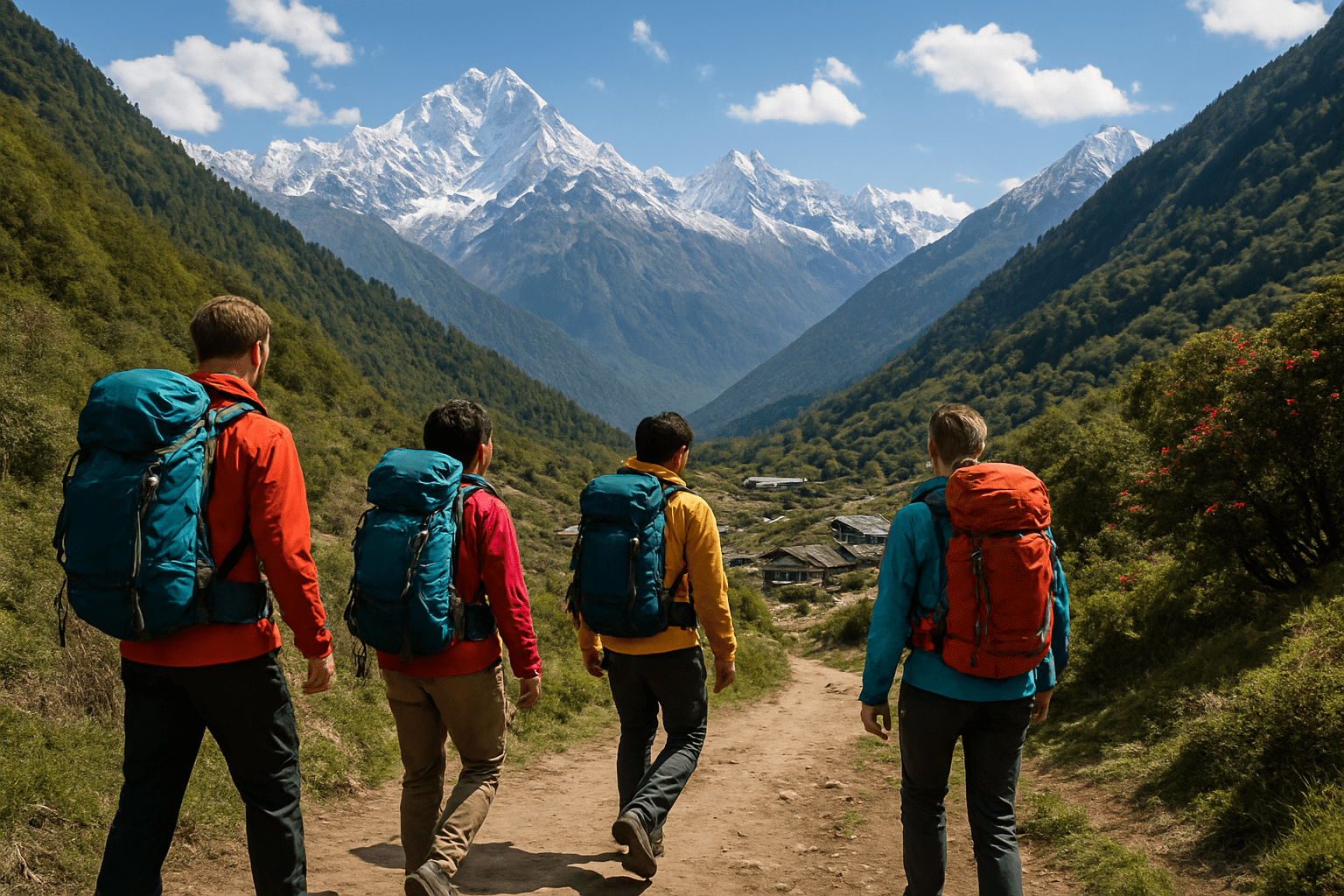
The Langtang Valley Classic Route sits comfortably in the sweet spot of Himalayan trekking - challenging enough to feel rewarding without pushing groups to their absolute limits. This 7-10 day journey takes you through rhododendron forests, traditional Tamang villages, and eventually to the doorstep of towering peaks like Langtang Lirung.
Groups typically start from Syabrubesi, a small town accessible by a bumpy but scenic 7-8 hour drive from Kathmandu. The trail winds through Langtang National Park, where your group might spot red pandas, Himalayan black bears, or various species of monkeys. The vegetation changes dramatically as you gain elevation - from subtropical forests at lower altitudes to alpine meadows dotted with yaks.
Key highlights for groups:
- Kyanjin Gompa: Ancient monastery serving as the trek's spiritual centerpiece
- Kyanjin Ri viewpoint: 4,773m summit offering panoramic mountain views
- Local cheese factories: Sample yak cheese made using traditional methods
- Langtang village: Rebuilt after the 2015 earthquake, showcasing incredible community resilience
The moderate difficulty level makes this route perfect for groups with mixed fitness levels. Daily walking times range from 4-7 hours, with well-established teahouses providing comfortable overnight stays. Most groups spend an extra day at Kyanjin Gompa for acclimatization and exploration, making this trek forgiving for those still adjusting to altitude.
Gosaikunda Sacred Lakes Trek
The Gosaikunda trek combines natural beauty with deep spiritual significance, making it a fascinating choice for groups interested in Nepal's Hindu and Buddhist traditions. This route extends the classic Langtang trek by 3-4 additional days, leading groups to a series of pristine alpine lakes considered sacred by both religious communities.
The lakes sit at 4,380 meters, surrounded by dramatic peaks and prayer flags fluttering in the mountain breeze. During the annual Janai Purnima festival in August, thousands of pilgrims make the journey to these waters, believing a dip in Gosaikunda will wash away their sins. Your group will witness this incredible devotion firsthand if timing aligns.
Trek logistics for groups:
- Duration: 10-12 days total
- Maximum elevation: 4,610m at Laurebina Pass
- Accommodation: Mix of teahouses and camping
- Best months: March-May, September-November
The trail to Gosaikunda branches off from the main Langtang route at Dhunche or Thulo Syabru. Groups should prepare for steeper, more technical sections compared to the classic valley trek. The final push to the lakes involves crossing Laurebina Pass, where the weather can change rapidly. Snow and fog often create challenging conditions, making this section more demanding.
Water becomes scarce above the tree line, so groups must plan carefully with their guides. The spiritual atmosphere at the lakes creates powerful group bonding moments, as trekkers often describe feeling humbled by the raw mountain environment and centuries of pilgrimage history.
Helambu Cultural Circuit
The Helambu Cultural Circuit offers groups an authentic glimpse into Sherpa and Hyolmo culture without venturing into the remote high-altitude zones of other Himalayan regions. This relatively gentle trek focuses on cultural immersion rather than peak-bagging, making it ideal for groups prioritizing community interaction over extreme mountain challenges.
Villages like Tarke Ghyang, Sermathang, and Melamchi showcase traditional architecture, with stone houses topped by slate roofs and prayer wheels spinning in courtyards. Local families often invite trekking groups for tea, sharing stories about their Buddhist practices and mountain lifestyle. The Helambu region remained relatively isolated until recent decades, preserving customs that have disappeared elsewhere.
Cultural experiences for groups:
- Monastery visits: Active gompas with resident monks
- Traditional crafts: Weaving, woodcarving, and metalwork demonstrations
- Local cuisine: Dal bhat variations unique to Helambu
- Homestay options: Sleep in village homes rather than commercial lodges
The circuit typically takes 5-7 days, starting from Sundarijal (accessible by local bus from Kathmandu) and ending at Melamchi Bazaar. Groups traverse through Shivapuri National Park initially, then climb gradually through terraced farmland and forests. Maximum elevation reaches only 3,640 meters at Tharepati, making altitude sickness rare.
This trek works particularly well for groups with limited time or those concerned about high-altitude challenges. The cultural focus creates natural conversation starters among group members, while the moderate physical demands allow everyone to enjoy the experience without exhaustion dominating the journey.
Best Seasons and Weather Considerations for Group Treks
Spring Trekking Advantages and Challenges
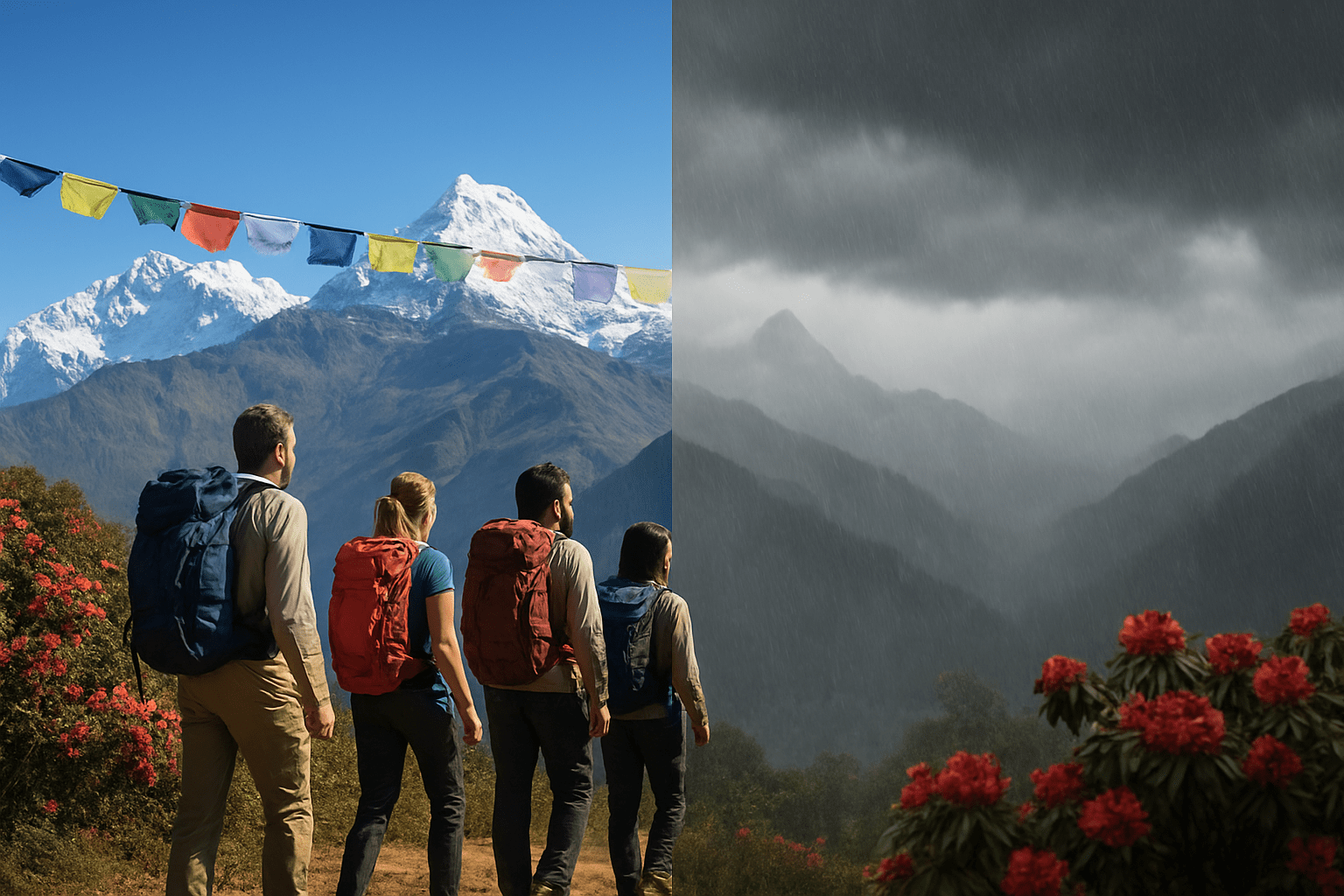
Spring brings Nepal's mountains to life with blooming rhododendrons painting the hillsides in vibrant reds, pinks, and whites. March through May offers some of the most spectacular scenery you'll find anywhere, with clear mountain views and moderate temperatures that make group hiking particularly enjoyable. Daytime temperatures typically range from 15-20°C at moderate elevations, while nights stay comfortable around 5-10°C.
The advantages are hard to ignore. Trail conditions remain excellent after winter's end, and the weather stays relatively stable for planning group activities. Wildlife becomes more active, and you'll encounter fewer crowds compared to the autumn rush. The longer daylight hours give groups more flexibility with daily hiking schedules.
Challenges arise with unpredictable afternoon thunderstorms that can roll in quickly. Higher elevations still experience significant temperature drops and occasional snow, especially in early March. The pre-monsoon build-up creates hazier mountain views as you move into May. Groups need flexible itineraries to handle weather delays and should pack layers for rapidly changing conditions.
Spring Planning Checklist:
- Pack rain gear for afternoon showers
- Bring warm layers for elevation changes
- Plan buffer days for weather delays
- Book accommodations early as local tourism picks up
Autumn Peak Season Benefits
Autumn delivers Nepal's premium trekking window from October through November, and there's good reason why most groups choose this timeframe. Post-monsoon clarity creates crystal-clear mountain panoramas that photographers dream about. The air feels crisp and clean, with stable high-pressure systems keeping the weather predictable for days at a time.
Temperature conditions hit the sweet spot for group comfort. Daytime hiking feels perfect at moderate elevations, typically 10-18°C, while evening temperatures drop just enough to make tea houses cozy without being uncomfortable. The dry conditions mean muddy trails become a non-issue, and river crossings stay manageable.
The downside? Everyone else knows about these perfect conditions, too. Popular routes like Everest Base Camp and Annapurna Circuit see their highest traffic during these months. Tea houses fill up quickly, especially for larger groups, and booking becomes essential. Prices tend to peak during this season, and some trails can feel crowded during busy hiking hours.
Peak Season Strategy:
- Book accommodations 3-4 months ahead
- Start early each day to avoid trail congestion
- Expect premium pricing for services
- Consider alternative routes to escape crowds
Winter and Monsoon Season Limitations
Winter trekking from December through February presents serious challenges that most groups avoid entirely. High-altitude passes become impassable due to snow accumulation, and temperatures plummet to dangerous levels above 4,000 meters. Many tea houses in remote areas close completely, forcing groups to carry extensive camping gear or stick to lower elevation routes.
The benefits do exist for experienced groups willing to tackle the challenges. Mountain views reach their absolute clearest during winter's dry air, and you'll have trails almost entirely to yourself. Lower elevation treks like Ghorepani-Poon Hill remain accessible and offer unique snow-capped scenery.
Monsoon season from June through September creates entirely different obstacles. Heavy rainfall transforms trails into slippery mud slides, and leeches become a constant annoyance in forested areas. Mountain views disappear behind thick clouds for days, and flight cancellations to mountain airstrips happen frequently. Flash flooding can wash out bridges and make river crossings dangerous.
Off-Season Considerations:
| Season | Temperature Range | Main Challenges | Best Routes |
| Winter | -10 to 10°C | Snow, closed lodges | Ghorepani, Lower Everest |
| Monsoon | 15 to 25°C | Rain, leeches, floods | Rain shadow areas only |
Smart groups use these seasons strategically for cultural treks in lower valleys or focus on regions like Upper Mustang that stay dry during monsoon months.
Group Safety and Risk Management Strategies
Altitude Sickness Prevention and Treatment
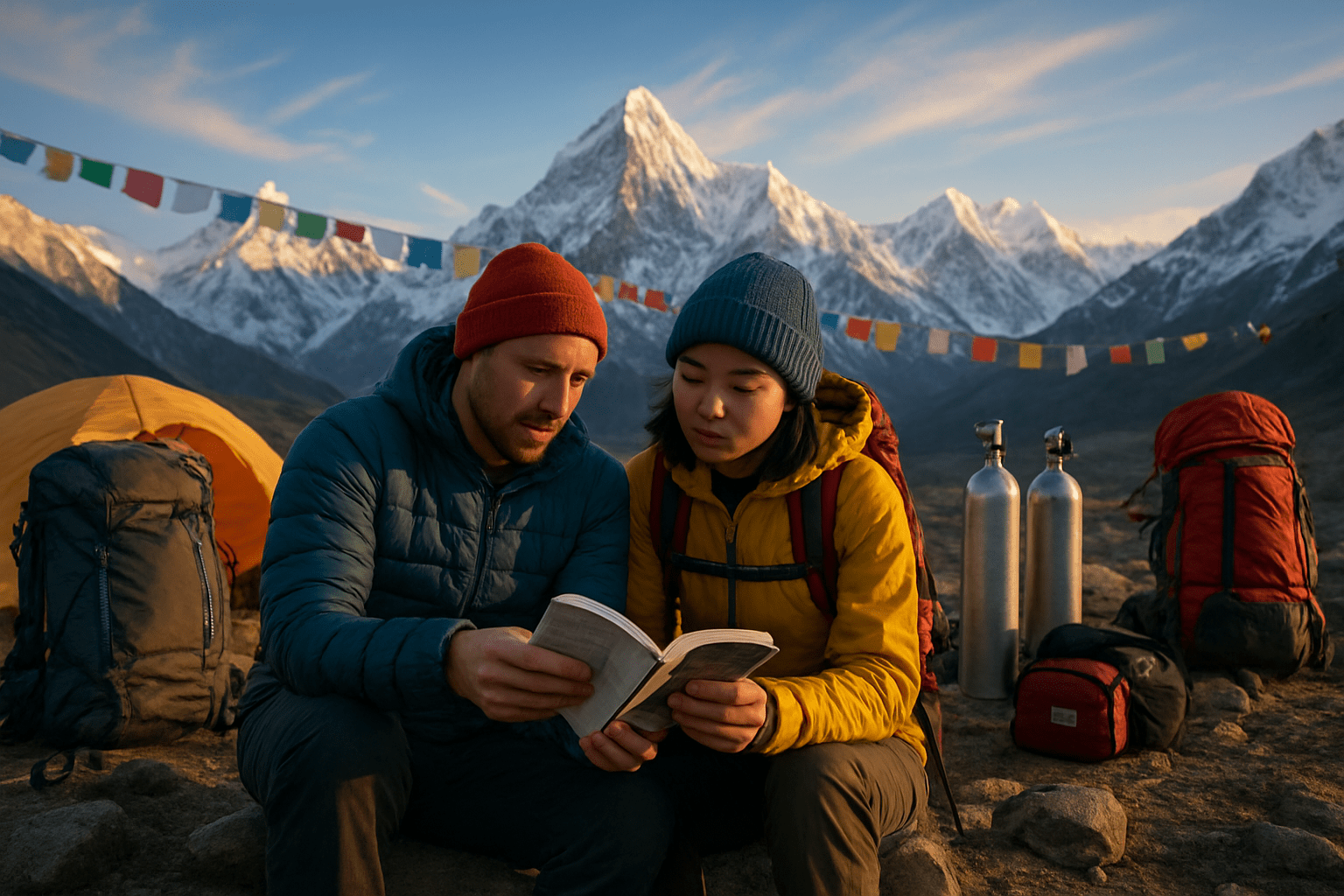
Group trekking in Nepal means dealing with serious elevation changes that can knock even experienced hikers off their feet. Altitude sickness doesn't discriminate - it can hit anyone regardless of fitness level or previous mountain experience. The key is understanding your body's signals and taking action before things get dangerous.
Start acclimatization planning before you even leave home. Spend time at higher elevations if possible, and consider iron supplements to boost red blood cell production. Once on the trail, follow the golden rule: climb high, sleep low. Your group should gain no more than 300-500 meters of sleeping elevation per day above 3,000 meters.
Watch for early warning signs in every team member: headaches, nausea, dizziness, and unusual fatigue. These symptoms often appear within 6-12 hours of reaching new altitude. More serious red flags include confusion, difficulty walking straight, severe headaches that don't respond to painkillers, and vomiting.
Stock your group medical kit with acetazolamide (Diamox) for prevention and dexamethasone for emergency treatment. Ibuprofen helps with altitude headaches, but avoid sleeping pills or alcohol as they suppress breathing. If symptoms worsen despite rest and medication, immediate descent is the only cure - sometimes as little as 300 meters down makes all the difference.
Emergency Evacuation Procedures
When things go wrong in the mountains, having a solid evacuation plan can mean the difference between a manageable crisis and a tragedy. Nepal's remote trekking regions offer limited rescue options, so your group needs multiple backup strategies.
Helicopter rescue is often the fastest option, but weather conditions frequently ground flights for days. Establish relationships with reputable helicopter companies before your trek starts. Companies like Fishtail Air and Simrik Air have experience with mountain rescues, but expect costs between $3,000-8,000, depending on location and weather.
Create evacuation trigger points for your group before symptoms become life-threatening. Severe altitude sickness, broken bones, or serious illness require immediate action. Designate two team members who can make evacuation decisions if the affected person can't think clearly.
Ground evacuation might be your only option during the monsoon season or harsh winter conditions. Research evacuation routes from each night's camping location. Some areas have horse or yak transport available, while others require human carriers. Know the nearest road access points and medical facilities along your route.
Travel insurance with helicopter evacuation coverage is non-negotiable, but read the fine print carefully. Many policies exclude trekking above certain altitudes or require pre-approval for expensive rescues. Keep insurance documents and emergency contact numbers in waterproof containers with multiple team members.
Communication Systems and Backup Plans
Staying connected with the outside world becomes challenging once you leave Nepal's main trekking routes. Mobile phone coverage exists along popular trails like Everest Base Camp and Annapurna Circuit, but signals disappear quickly in remote valleys.
Satellite communication devices offer the most reliable backup option. Personal locator beacons (PLBs) like EPIRB or ACR devices can send distress signals anywhere in the world, but they only work for emergencies. Two-way satellite messengers such as Garmin inReach or Iridium satellite phones allow regular check-ins with base camp or family back home.
Test all communication equipment thoroughly before departure. Satellite devices need clear sky views to function properly, so practice using them from different terrain types. Battery life becomes critical in cold mountain conditions - carry extra batteries and portable charging solutions.
Establish communication schedules with someone reliable at home base. Daily check-ins might not always be possible, but set maximum timeframes before people should worry. Share your detailed itinerary with local authorities and your trekking agency, including planned rest days and alternative routes.
Create communication backup plans for different scenarios. If your primary satellite device fails, know where the nearest telephone or internet access points are located. Many tea houses along major routes now offer wifi, though connections can be slow and expensive.
Local Guide and Porter Selection Criteria
Choosing the right local team members can make or break your group trekking experience. Experienced guides and porters don't just carry gear and show the way - they provide crucial safety expertise and cultural connections that solo travelers miss.
Look for guides with recognized certifications from Nepal's Department of Tourism or international mountain guide associations. Experienced guides should have first aid training, altitude sickness knowledge, and intimate familiarity with your chosen route. Ask about their emergency response experience and how they've handled previous group crises.
Porter selection requires balancing cost with capability. Ethical trekking means ensuring porters have proper gear, fair wages, and reasonable load limits. Reputable agencies provide porters with warm clothing, good boots, and insurance coverage. Standard porter loads shouldn't exceed 30 kilograms, and weights should be verified daily.
Interview potential team members about their experience with international groups. Cultural misunderstandings can create serious safety issues when communication breaks down during emergencies. Guides who speak your language fluently and understand Western safety expectations reduce risks significantly.
Check references and read recent reviews from other trekking groups. Social media and online forums provide honest feedback about specific guides and porter teams. Local trekking agencies in Kathmandu and Pokhara can provide recommendations, but verify their suggestions independently.
Establish clear agreements about roles, responsibilities, and emergency procedures before starting your trek. Written contracts should cover evacuation decisions, route changes, and payment schedules. Good local teams become trusted partners who enhance safety while sharing Nepal's incredible mountain culture.
Budget Planning and Cost Optimization for Groups
Group Discount Opportunities and Negotiations
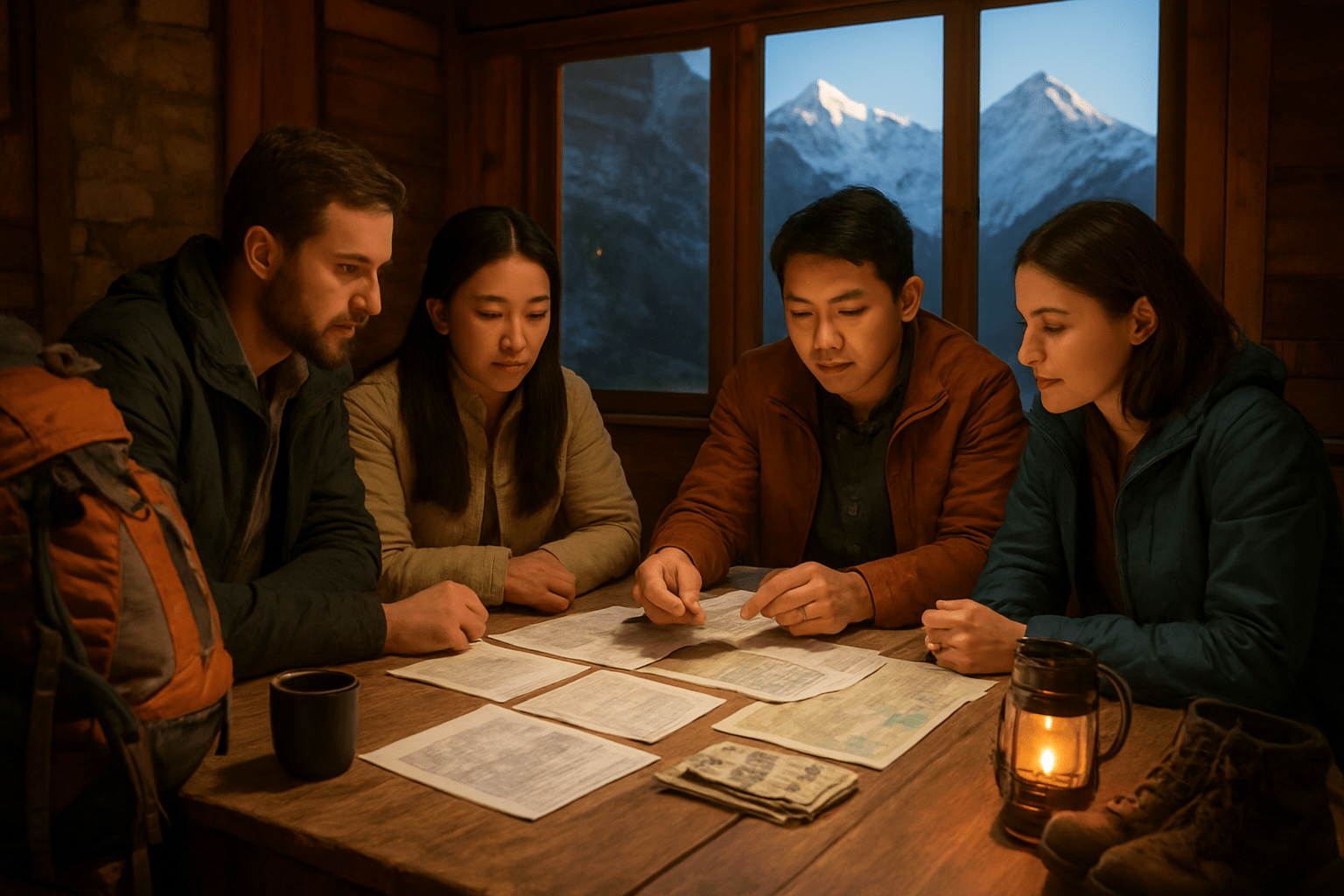
Group trekking in Nepal comes with significant cost advantages that smart planners can maximize. Most trekking agencies offer substantial discounts starting from groups of 4-6 people, with savings increasing as group size grows. Typical discounts range from 10-15% for small groups (4-6 people) to 25-35% for larger groups (12+ people).
When negotiating with agencies, timing plays a crucial role. Off-season bookings (December-February and June-August) can yield an additional 15-20% discount. Booking 3-6 months in advance also strengthens your negotiating position. Don't hesitate to get quotes from multiple agencies and use them as leverage.
Package bundling offers another avenue for savings. Combining permits, guides, porters, accommodation, and meals into a single package typically costs less than booking separately. Many agencies also provide free airport transfers, welcome dinners, or gear rentals when booking complete packages.
Consider these negotiation strategies:
- Book during agency promotional periods
- Commit to longer treks for better per-day rates
- Include multiple treks in one booking
- Pay in cash for additional discounts
- Book directly with agencies to avoid middleman fees
Group leaders should designate one person to handle all negotiations to maintain consistency and avoid confusion about agreed-upon terms.
Accommodation and Meal Cost Breakdowns
Tea house accommodation forms the backbone of most group treks, with costs varying significantly by region and altitude. Expect to pay $5-15 per night per person in lower elevations, rising to $15-25 at higher altitudes where supply logistics become challenging.
Regional Cost Variations:
| Region | Low Altitude | High Altitude | Peak Season Premium |
| Everest | $8-12 | $20-30 | +30-50% |
| Annapurna | $5-10 | $15-25 | +20-40% |
| Langtang | $6-10 | $12-20 | +25-35% |
Meal costs follow a similar altitude-based pricing structure. Budget $8-12 per day per person for basic dal bhat (rice and lentils) meals at lower elevations, increasing to $15-25 at high-altitude locations. Western food options cost 50-100% more than local dishes.
Groups can reduce accommodation costs by sharing rooms (twin sharing is standard) and choosing basic tea houses over premium lodges. Some tea houses offer free accommodation when groups commit to eating all meals there, which can result in overall savings despite potentially higher meal prices.
Smart meal planning includes ordering group meals in advance, sticking to local cuisine, and avoiding expensive items like alcohol, bottled water, and imported snacks. Many groups designate meal times and order together to streamline costs and logistics.
Transportation and Internal Flight Expenses
Transportation costs represent a significant portion of group trekking budgets, particularly for remote regions requiring flights to starting points. Kathmandu to Lukla flights cost $180-220 per person each way, while Pokhara to Jomsom runs $120-150 per person.
Ground Transportation Options:
- Tourist buses: $5-15 per person for major routes (Kathmandu-Pokhara)
- Private vehicles: $80-150 total for groups of 8-12 people
- Local buses: $2-8 per person, but less comfortable and reliable
Flight bookings require careful planning due to weather-related cancellations, especially for mountain airports like Lukla. Book domestic flights immediately after international arrival confirmation, as seats fill quickly during peak seasons. Consider purchasing flight insurance ($10-15 per person) to cover weather delays.
Groups should budget buffer days and alternative transportation costs. When flights get cancelled, helicopter charters ($300-500 per person) or extended road travel become necessary. Some agencies include helicopter backup in their packages for premium pricing.
Private vehicle hire becomes cost-effective for groups of 6+ people on routes with road access. Splitting costs among group members often results in similar or better pricing than tourist buses while providing schedule flexibility and comfort. Factor in driver tips ($5-10 per day) and fuel costs for longer journeys.
Early morning flights have higher success rates due to clearer weather conditions, making them worth the extra coordination effort for groups.
Cultural Etiquette and Environmental Responsibility
Respecting Local Communities and Traditions
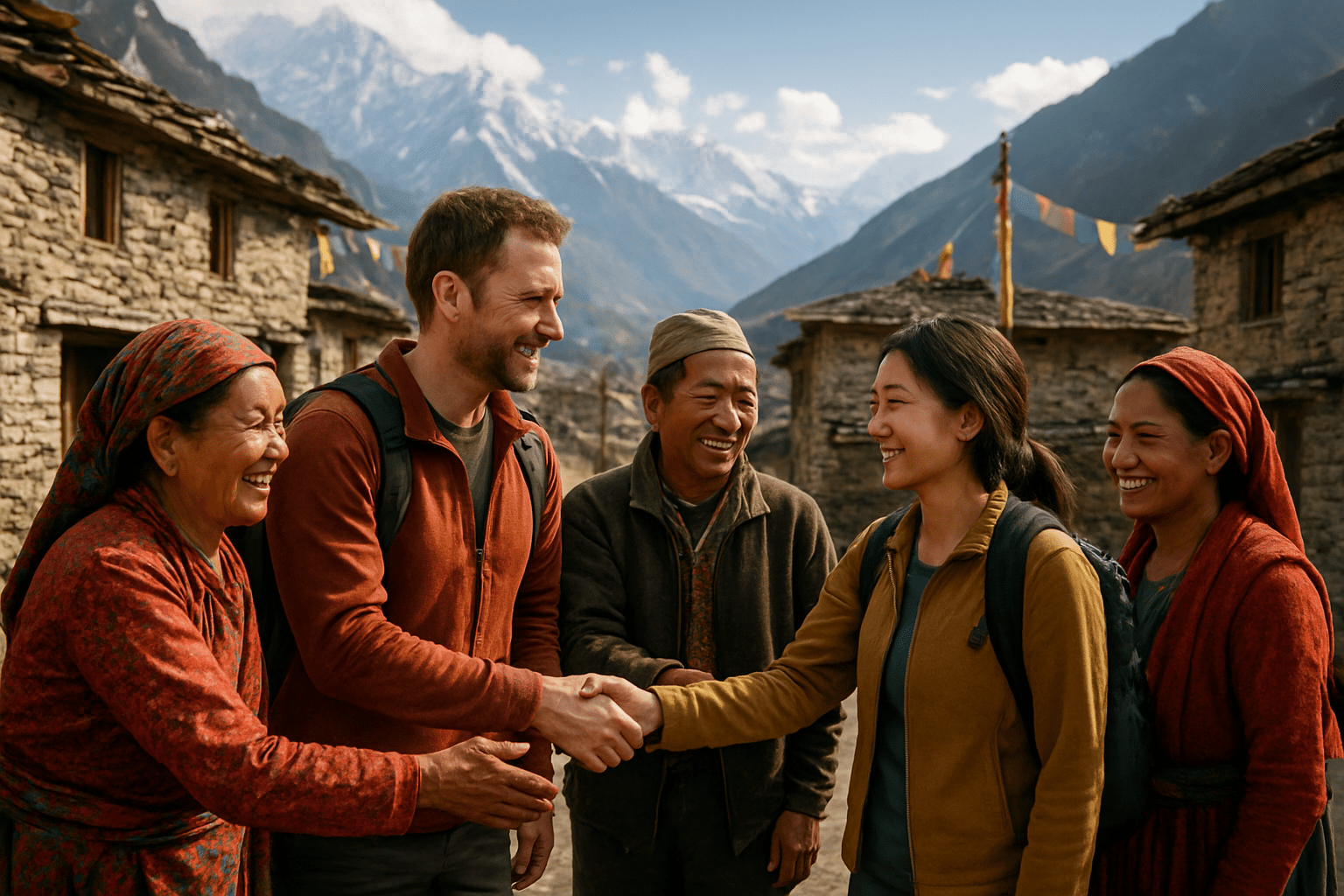
Trekking through Nepal means walking through communities that have lived in these mountains for centuries. Your group's behavior can either strengthen these communities or burden them. The key is simple respect paired with genuine curiosity about local ways of life.
When passing through villages, ask your guide about appropriate greetings. A simple "Namaste" with palms pressed together goes a long way. Dress modestly, especially when visiting monasteries or temples. This means covering shoulders and legs, removing hats and shoes when required. Many trekkers make the mistake of treating local ceremonies or religious practices as photo opportunities. Always ask permission before taking pictures of people, especially children and elderly community members.
Learn a few basic Nepali phrases beyond "hello" and "thank you." Words like "dhanyabad" (thank you), "maaf garnuhos" (excuse me), and "kati ho?" (how much?) Show genuine effort to connect. Your guide can teach the group these phrases during rest stops.
Gift-giving requires careful thought. Rather than handing out candy or money to children, consider bringing supplies for local schools through your trekking agency. Pens, notebooks, or educational materials create lasting benefits without encouraging begging behavior.
Leave No Trace Principles for Groups
Group trekking amplifies environmental impact dramatically. Eight people create eight times the waste, require eight times the water, and leave eight times the footprint. Smart group management prevents this multiplication from becoming environmental destruction.
Establish group waste protocols before starting your trek. Designate rotating "eco-monitors" responsible for ensuring no trash gets left behind at campsites or rest stops. This includes tiny items like candy wrappers, tissues, and cigarette butts that individual members might overlook. Create a group waste bag system where everyone contributes to carrying out non-biodegradable items.
Water usage becomes critical with larger groups. Coordinate water collection and purification to minimize trips to streams and springs. Use biodegradable soap sparingly, and always wash dishes and bodies at least 200 feet from water sources. The group should establish washing stations and stick to them rather than having everyone scattered along the riverbank.
Campfire management requires strict group discipline. If fires are permitted and necessary, use existing fire rings and only dead, fallen wood. Completely extinguish fires and scatter cold ashes. Better yet, rely on group cooking systems that minimize environmental impact while building team cooperation.
Human waste disposal with group demands organization. Scout appropriate locations away from trails, water sources, and campsites. Dig holes 6-8 inches deep in organic soil when possible. Some popular trekking routes now require packing out human waste due to overuse.
Supporting Local Economy Through Responsible Tourism
Your group's spending power can transform local communities when directed thoughtfully. The goal is to create economic benefits that strengthen rather than distort traditional ways of life.
Choose locally-owned teahouses and lodges over international chains whenever possible. These family-run businesses reinvest money directly into their communities. Book group accommodations that employ local guides, porters, and cooks rather than agencies that import staff from Kathmandu.
Purchase supplies and snacks from village shops along your route instead of bringing everything from the capital. This supports local entrepreneurs and reduces your group's carrying burden. Local shops often stock items perfectly suited for high-altitude trekking, from yak cheese to traditional energy foods.
Hire local porters through reputable agencies that guarantee fair wages, proper equipment, and insurance coverage. Your group's porter hiring practices directly impact working conditions for these essential team members. Ensure porters receive appropriate gear for high-altitude conditions and reasonable load limits.
Engage local craftspeople by purchasing authentic handmade items rather than mass-produced souvenirs. Wool sweaters, wooden bowls, and traditional jewelry made by village artisans create lasting income streams. Your group can organize collective purchases that provide substantial orders for individual craftspeople.
Tip generously and appropriately based on local customs and service quality. Your guide can advise on standard tipping practices for porters, teahouse staff, and other service providers. Group tipping should be coordinated to ensure fair distribution and avoid creating uncomfortable situations.
Consider extending your economic impact through post-trek donations to local schools, health clinics, or environmental projects. Many trekking agencies can connect groups with legitimate community development initiatives that benefit from ongoing support rather than one-time charity.
Conclusion
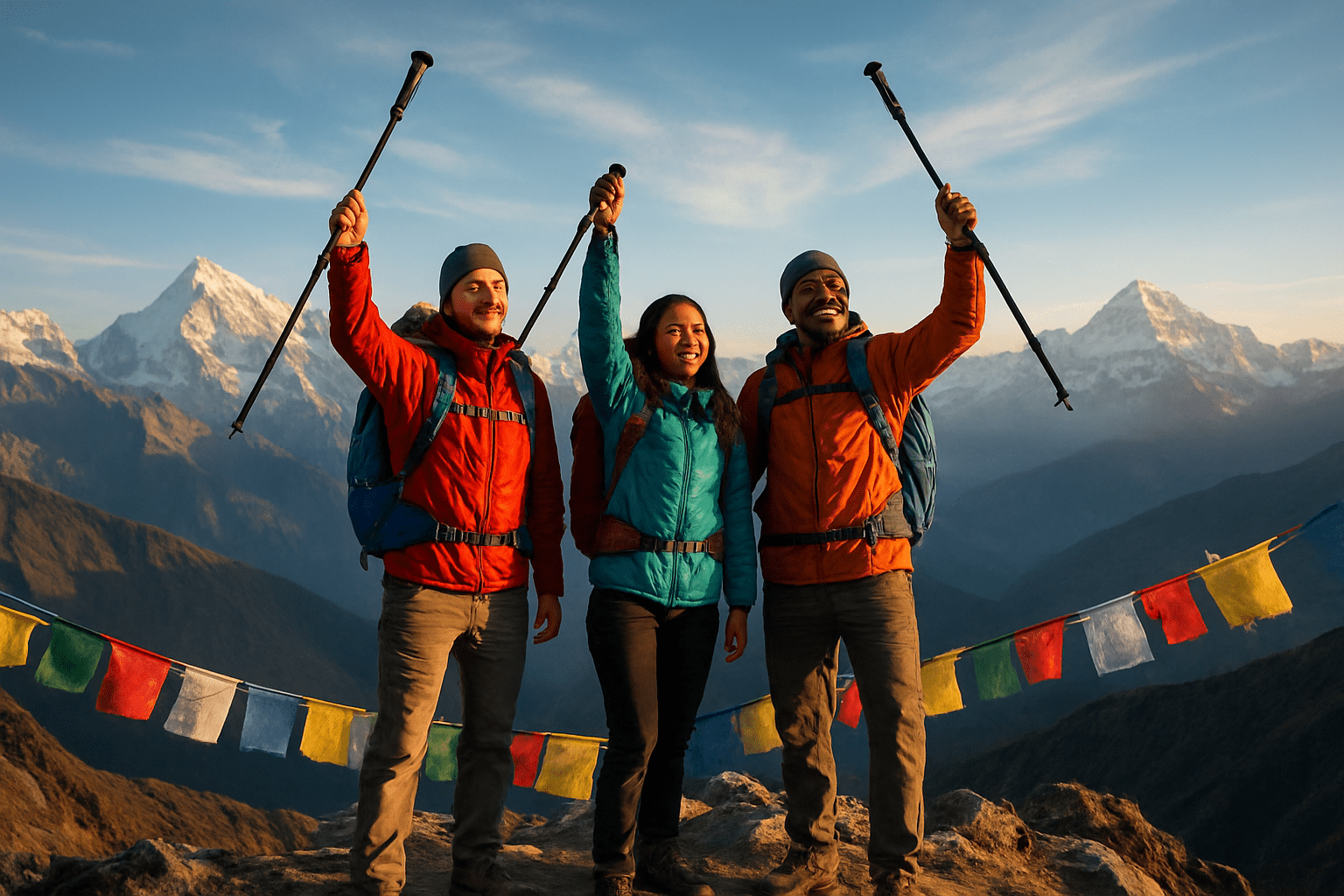
Nepal's incredible trekking routes offer some of the world's most rewarding group adventures, from the legendary Everest Base Camp to the diverse Annapurna Circuit and the peaceful Langtang Valley. Success depends on solid preparation, picking the right season, and having a clear budget plan that works for everyone in your group. Safety should always come first, so make sure you have proper risk management strategies and experienced guides who know the terrain.
Remember that you're not just exploring stunning landscapes – you're also entering communities with rich traditions and fragile ecosystems. Respect local customs, support the communities you visit, and leave no trace behind. Start planning your group trek now by choosing your route, gathering your team, and booking with reputable operators who prioritize both safety and sustainability. The mountains are calling, and there's no better way to answer than with a group of friends ready for the adventure of a lifetime.
If you need any further information, please contact us by email: [email protected], Phone: +977- 980 195 6248 (WhatsApp).