For every mountaineer, Nepal is more than just a destination — it’s the ultimate proving ground. From gentle trekking peaks to the formidable 8,000-meter giants, Nepal offers the world’s most diverse mountaineering progression. Whether you are an aspiring climber beginning with snow trekking or a seasoned alpinist preparing for technical ascents, Nepal’s peaks provide a natural ladder for skill development, endurance, and adventure.
At Everest Sherpa Expeditions, we’ve guided hundreds of climbers — from first-time peak aspirants to elite summiteers — across this progression. This journey from nontechnical trekking peaks to challenging technical climbs is both personal and transformative. Let’s explore how you can safely and systematically evolve through the stages of Himalayan peak climbing.
Understanding Nontechnical vs. Technical Climbing in Nepal
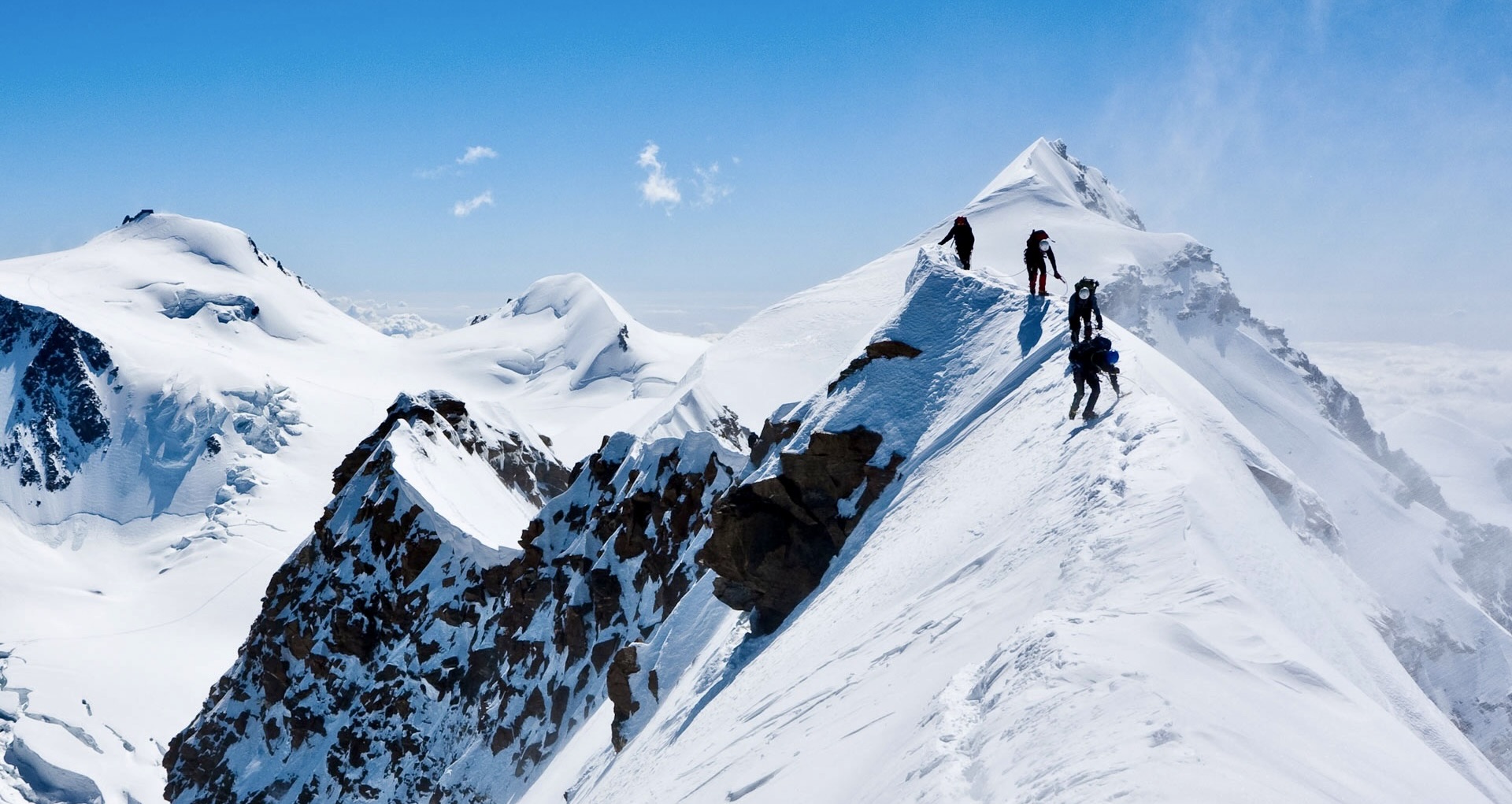
Nepal is home to over 1,300 peaks above 6,000 meters, out of which 33 are officially designated “Trekking Peaks” by the Nepal Mountaineering Association (NMA). These peaks are accessible, well-regulated, and categorized according to their technical difficulty.
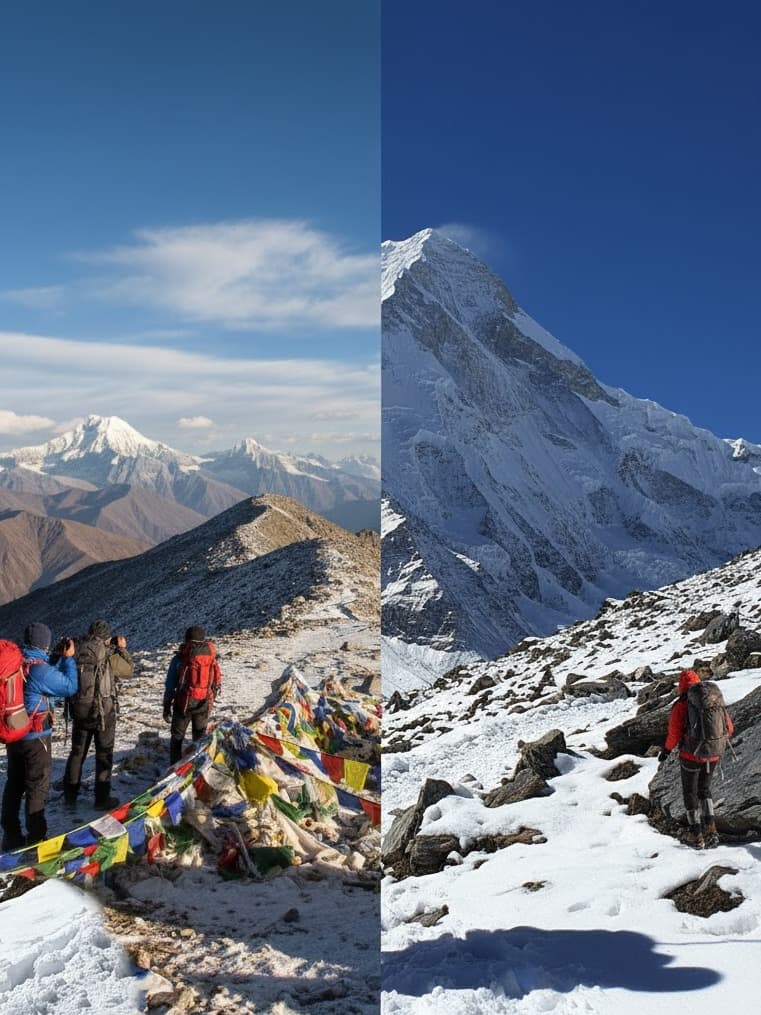
Before diving in, let's clarify the terms. Nontechnical climbing in Nepal typically refers to "trekking peaks" or peaks that can be summited with basic trekking gear, some basic mountaineering skills, and often a guide. These involve hiking, scrambling, and perhaps crossing glaciers, but no need for ropes, harnesses, or advanced climbing techniques like ice axes or crampons for technical maneuvers.
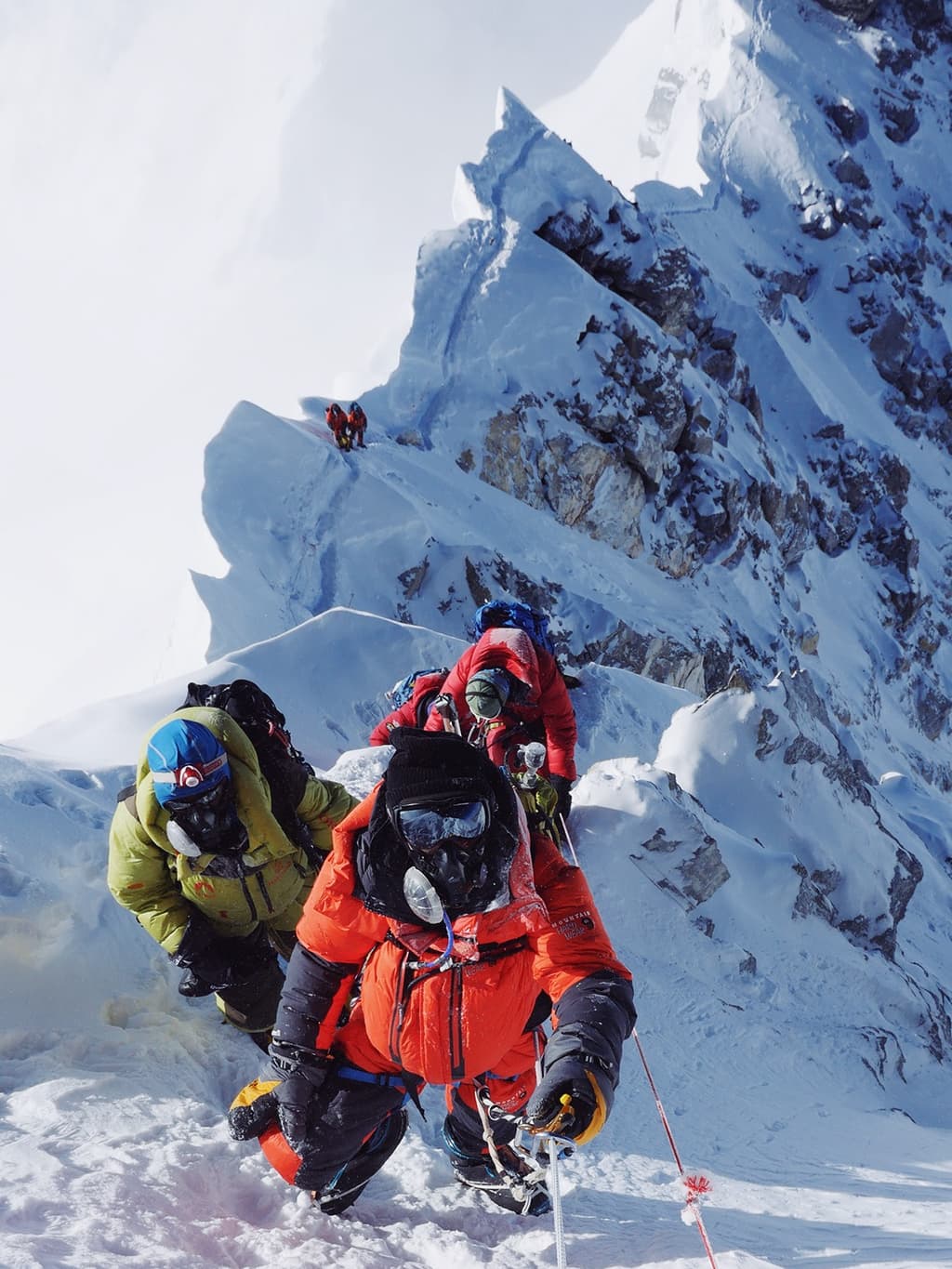
Technical climbing, on the other hand, requires specialized skills such as rock climbing, ice climbing, crevasse rescue, and fixed-rope systems. These expeditions often involve multi-day camps, high-altitude acclimatization, and a team of Sherpas or guides. Peaks like Everest or Ama Dablam fall into this category, where the risks are higher, and success depends on weather, physical fitness, and expertise.
The beauty of Nepal is that you can start small and build up. Many climbers begin with nontechnical peaks to gain confidence, experience, and a love for the mountains before tackling the big ones.
Difference: Nontechnical vs. Technical Peaks
|
Category |
Nontechnical Peaks |
Technical Peaks |
|
Terrain |
Mostly trekking trails, snow slopes |
Rock, ice, and mixed terrain |
|
Equipment |
Basic trekking gear, sometimes crampons |
Ice axes, ropes, harnesses, carabiners, ascenders |
|
Skills Needed |
Good fitness, basic navigation |
Rope handling, ice climbing, glacier travel, crevasse rescue |
|
Examples in Nepal |
Mera Peak (6,476m), Yala Peak (5,732m) |
Ama Dablam (6,812m), Kusum Kanguru (6,367m), Baruntse (7,129m) |
Best Season to Progress in Peak Climbing
|
Season |
Months |
Highlights |
|
Spring |
March – May |
Stable weather, excellent visibility, ideal for technical climbs |
|
Autumn |
September – November |
Dry trails, clear skies, and less risk of avalanches |
|
Winter |
December – February |
Harsh but rewarding for those seeking cold-weather experience |
|
Monsoon |
June – August |
Limited climbing due to heavy rains, but good for skill training courses |
Starting with Nontechnical Peaks: Your Gateway to the Himalayas
Nontechnical peaks are perfect for beginners. They're accessible, require less training, and offer stunning views without the intensity of technical climbs. Nepal has over 400 trekking peaks, many under 6,000 meters, regulated by the Nepal Mountaineering Association (NMA).
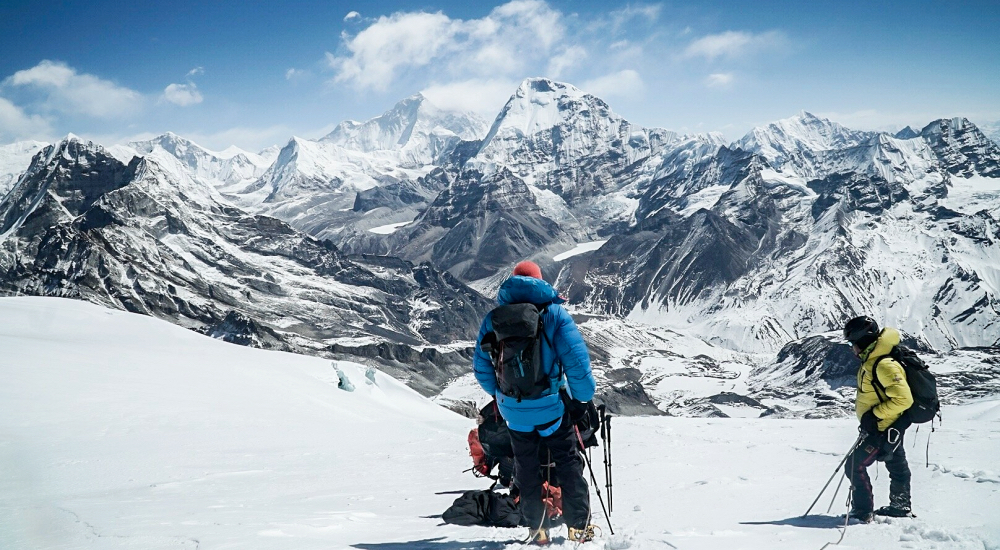
Popular Nontechnical Peaks
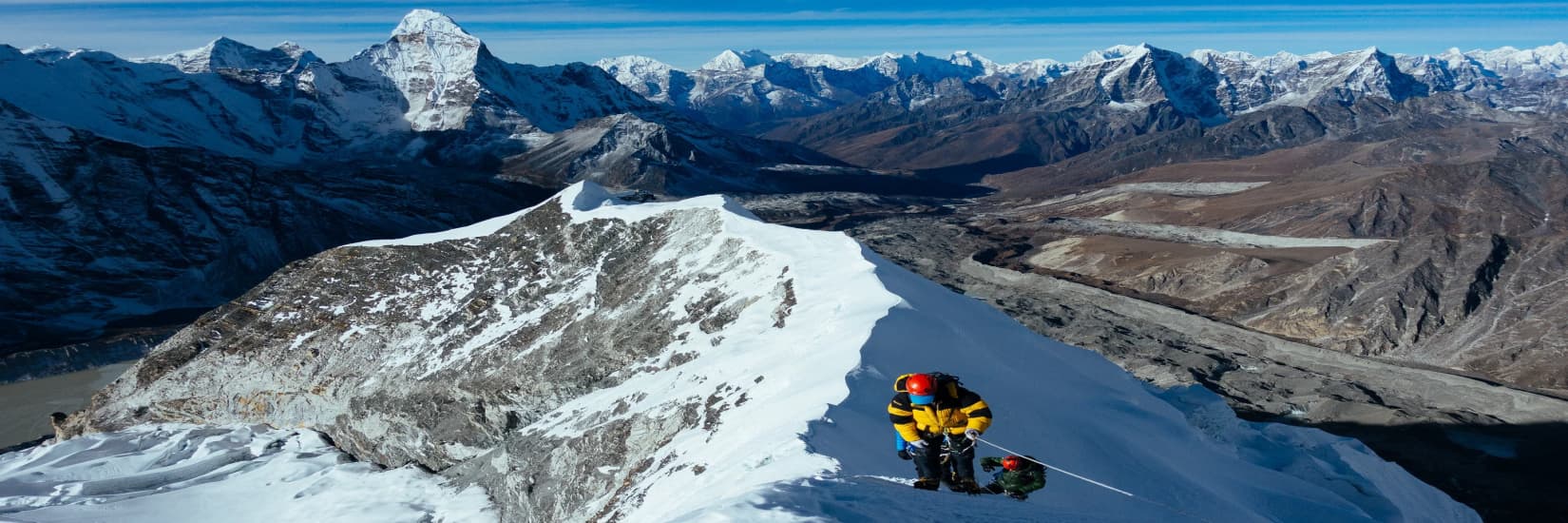
- Island Peak (6,189m): Often called Imja Tse, this is a classic entry-level peak near Everest Base Camp. It's a 3-4 day trek with a short glacier climb. No prior climbing experience needed, but good fitness is essential. Cost: Around 2,500 per person, including permits and guides.
- Mera Peak (6,476m): Nepal's highest trekking peak, located in the Khumbu region. It involves glacier travel and some scrambling, but it's nontechnical. A 12-16 day trip with acclimatization. Ideal for building endurance.
- Lobuche East (6,119m): A shorter option near Everest, great for acclimatizing before bigger adventures. It's a 2-3 day climb with panoramic views of Everest and Lhotse.
What to Expect
- Duration: 7-20 days, depending on the peak.
- Difficulty: Moderate; involves trekking 4-8 hours daily, with altitude challenges.
- Gear: Trekking boots, warm layers, sleeping bags, and basic mountaineering gear like crampons and ice axes (provided by operators).
- Permits: Required from NMA; costs 500 plus a $250 garbage deposit (refundable).
- Why Start Here? These peaks teach you about altitude sickness, weather patterns, and the Nepali culture of mountaineering. Success rates are high (over 90% for Island Peak), boosting your confidence.
Transitioning to Technical Climbing: Building Skills and Experience
Once you've conquered a nontechnical peak, you might crave more challenge. Transitioning involves gaining skills, upgrading gear, and choosing peaks that require technical proficiency. This phase often means joining guided expeditions or training programs.
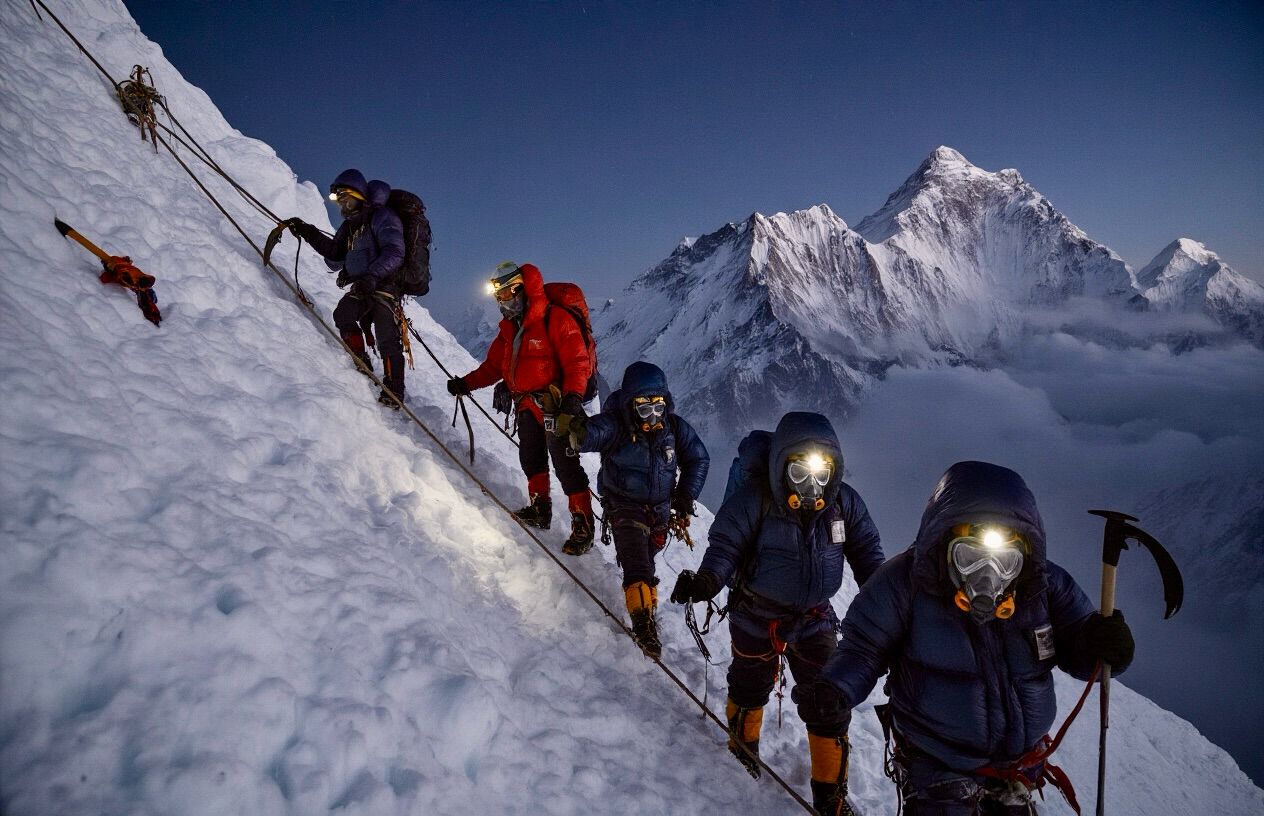
Key Skills to Develop
- Basic Mountaineering: Learn crevasse rescue, rope handling, and glacier travel through courses like those offered by the International Mountaineering and Climbing Federation (UIAA) or local Nepali operators.
- Physical Fitness: High-altitude climbs demand cardiovascular endurance and strength. Train with hikes, gym workouts, and altitude simulations (e.g., using hypoxic tents).
- Acclimatization: Spend time at elevations above 4,000m to avoid acute mountain sickness (AMS). Nontechnical peaks are great for this.
- Team Dynamics: Technical climbs are team efforts; learn to work with Sherpas and fellow climbers.
Popular Technical Peaks for Progression
- Ama Dablam (6,812m): Known as the "Matterhorn of the Himalayas," this is a step up from trekking peaks. It requires rock and ice climbing skills, fixed ropes, and 2-3 weeks. A great intermediate peak with a 60-70% success rate.
- Cho Oyu (8,188m): The sixth-highest mountain, often used as a training ground for Everest. Involves technical glacier crossings and high-altitude exposure. A 6-8 week expedition, costing 40,000.
- Everest (8,848m): The ultimate goal. Requires months of preparation, including summiting smaller peaks. Success depends on weather; only about 50% of climbers reach the top. Costs: 100,000+.
What to Expect in Technical Climbs
- Duration: 2-8 weeks or more.
- Difficulty: High; involves multi-pitch climbing, bivouacs, and extreme weather.
- Gear: Advanced equipment like harnesses, helmets, pitons, and oxygen systems for high peaks.
- Permits and Costs: Everest permits alone cost 50,000.
- Risks: Avalanches, falls, and AMS are real threats. Professional guides and weather monitoring are crucial.
Preparation: Gear, Training, and Logistics
Essential Gear
- Nontechnical: Boots, poles, down jacket, gloves, sunglasses, and a backpack.
- Technical: Add crampons, ice axes, harness, ropes, and avalanche beacons. Rent from Kathmandu operators to save costs.
Training and Courses
- Enroll in mountaineering courses in Nepal (e.g., via Himalayan Rescue Association) or internationally.
- Build fitness: Run, hike, and do strength training 6-12 months in advance.
- Mental Prep: Read books like "Into Thin Air" by Jon Krakauer or watch documentaries on Everest.
Logistics
- Operators: Choose reputable companies like Everest sherpa Expeditions for guided trips.
- Best Time: Spring (March-May) or autumn (September-November) for stable weather.
- Health: Get travel insurance covering high-altitude evacuation. Vaccinations for hepatitis and typhoid are recommended.
- Sustainability: Nepal emphasizes eco-friendly climbing; follow "Leave No Trace" principles.
Safety First: Risks and How to Mitigate Them
Climbing in Nepal is rewarding but dangerous. Altitude sickness affects 30-50% of climbers; symptoms include headaches and nausea—descend immediately if they appear. Weather can change rapidly, causing avalanches or blizzards. To stay safe:
- Hire experienced guides (many are Sherpas with decades of experience).
- Use GPS and satellite phones for emergencies.
- Monitor weather via apps like Mountain Forecast.
- Know your limits; don't push beyond your skill level.
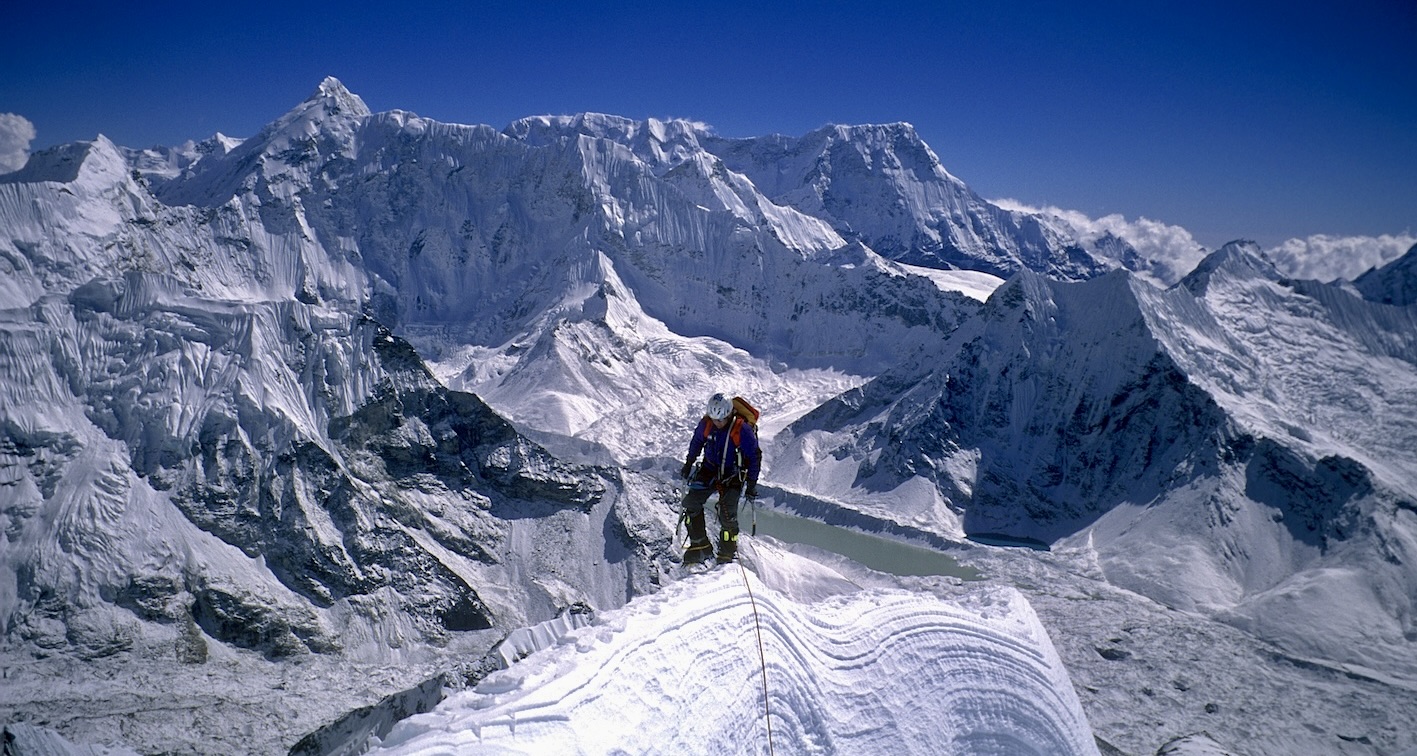
Conclusion: The Himalayan Path to Mastery
Your journey from non-technical to technical climbing in Nepal mirrors the evolution of a mountaineer’s spirit — from curiosity to courage, from discipline to mastery. Each peak teaches lessons in humility, endurance, and respect for the mountains.
From the approachable slopes of Island Peak to the icy summits of Everest, Nepal's peaks offer a scalable adventure that grows with you. Start nontechnical to build a foundation, then transition to technical climbs for the thrill of a lifetime. Remember, mountaineering is as much about the journey as the summit—embrace the culture, the views, and the personal growth. If you're ready to take the first step, research operators, book a course, and pack your bags.
With structured training, patience, and the guidance of seasoned professionals like Everest Sherpa Expeditions, anyone can evolve from a trekker to a true mountaineer ready to take on Nepal’s majestic Himalayan giants.
If you need any further information, please contact us by email: [email protected], Phone: +977- 980 195 6248 (WhatsApp).