Choosing between Thorong La Pass and Cho La Pass can make or break your Himalayan adventure. Both passes offer incredible mountain experiences, but they're vastly different in difficulty, scenery, and logistics.
This comparison is for trekkers planning their Nepal adventure who want straight facts about these two iconic high-altitude crossings. You'll get real insights to help you pick the pass that matches your fitness level, budget, and trekking goals.
We'll break down the physical demands and technical challenges of each route, so you know exactly what you're signing up for. You'll also discover the unique scenic highlights and photo opportunities each pass offers, along with practical details about costs and time commitments that directly impact your trip planning.
Essential Pass Details You Need to Know
Location and Trek Routes for Each Pass
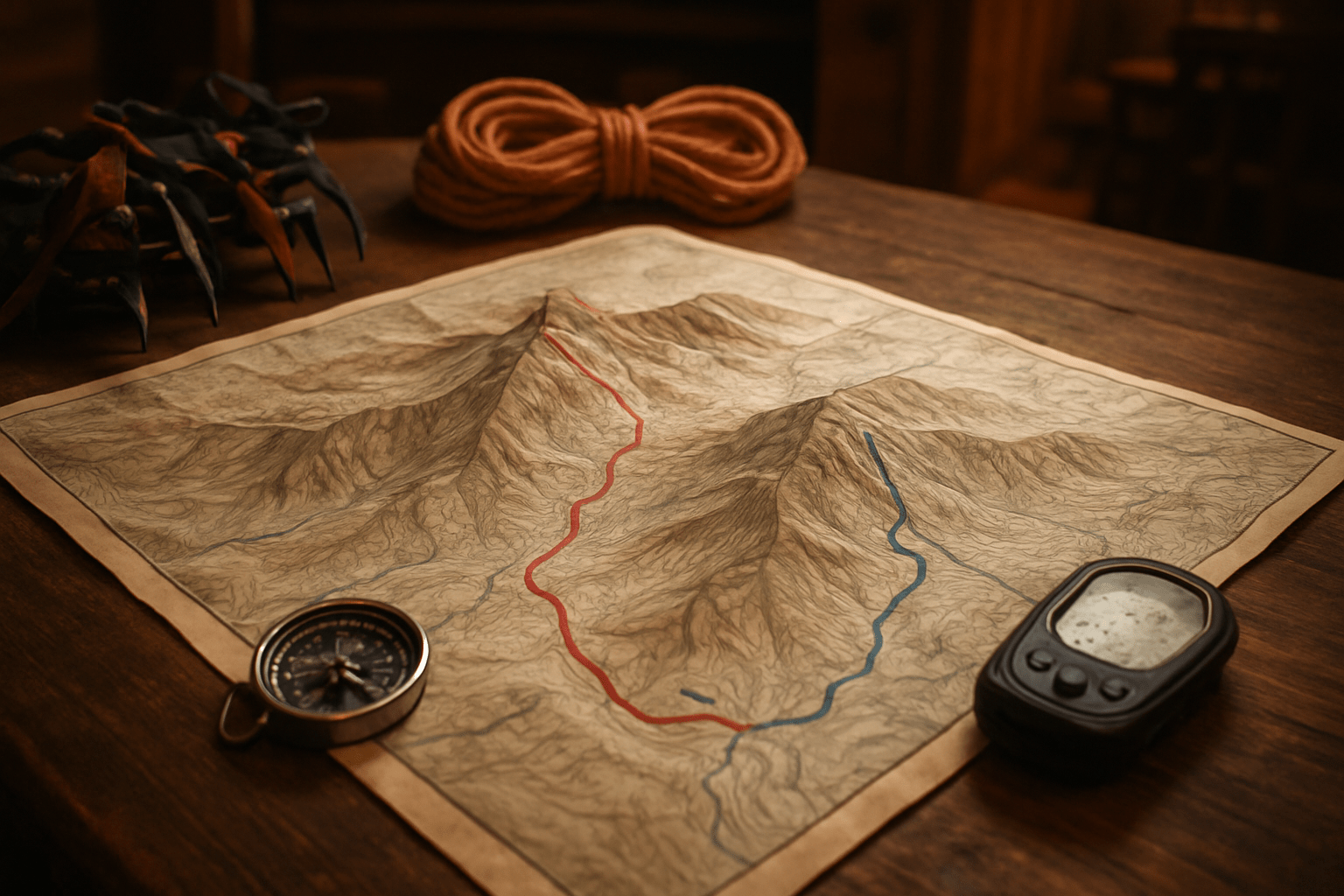
Thorong La Pass sits at the heart of the Annapurna Circuit, connecting Manang to Muktinath. The traditional route starts from Besisahar or Nayapul, winds through lush forests and terraced fields, then climbs through the dramatic Marsyangdi Valley. Most trekkers approach from the east, spending crucial acclimatization days in Manang before pushing over the pass to descend into the sacred Muktinath valley.
Cho La Pass links the Everest Base Camp trek with the Gokyo Lakes route in the Khumbu region. You'll find two main approaches: starting from Dzongla (coming from EBC) or from Thagnak (approaching from Gokyo). This crossing requires careful route-finding skills and basic mountaineering knowledge, as the path involves scrambling over loose rock and potentially icy terrain.
The key difference lies in accessibility. Thorong La integrates naturally into the popular Annapurna Circuit, while Cho La serves as an optional add-on that transforms your Everest region trek into a more challenging adventure. Cho La demands more technical skills and experience, whereas Thorong La focuses primarily on endurance and altitude management.
Elevation Heights and Altitude Challenges
| Pass Name | Maximum Elevation | Starting Point Elevation | Total Elevation Gain |
| Thorong La | 5,416m (17,769ft) | Thorong Phedi: 4,450m | 966m |
| Cho La | 5,420m (17,782ft) | Dzongla: 4,830m | 590m |
Both passes push you above 5,400 meters, where oxygen levels drop to roughly half of what you'd find at sea level. Thorong La requires a longer, more gradual ascent from the overnight stop at Thorong Phedi, making it a test of cardiovascular endurance over 4-6 hours. The altitude hits hardest during the final hour before reaching the prayer flags marking the summit.
Cho La presents a steeper but shorter climb that demands more from your legs and lungs in a compressed timeframe. The technical sections near the top can feel particularly challenging when combined with thin air. Many trekkers underestimate how the altitude affects balance and decision-making on the rocky scrambles.
Altitude sickness risk exists for both passes, but Thorong La offers slightly better acclimatization opportunities through the gradual approach via Manang. Cho La often catches people off guard because the technical demands mask early altitude symptoms until they become serious.
Best Seasons for Crossing Each Pass
Thorong La Pass Seasons:
- Peak Season (October-November): Crystal-clear mountain views, stable weather, but crowded trails and fully booked teahouses
- Spring Season (March-May): Warming temperatures, rhododendron blooms, moderate crowds with improving weather
- Monsoon (June-September): Heavy rain, leeches, cloudy views, but fewer crowds and green landscapes
- Winter (December-February): Possible snow closure, extremely cold temperatures, limited accommodation
Cho La Pass Seasons:
- Peak Season (October-November): Best visibility and most stable conditions, though ice and snow increase technical difficulty
- Spring Season (March-May): Longer daylight hours, but afternoon weather can turn quickly
- Monsoon/Winter: Generally not recommended due to dangerous conditions and route-finding challenges
Weather windows matter more for Cho La because poor visibility makes navigation dangerous on the technical sections. Thorong La stays more manageable even in marginal conditions due to its well-marked trail. Early morning starts work best for both passes to avoid afternoon weather deterioration.
Permit Requirements and Costs
Thorong La Pass Permits:
- Annapurna Conservation Area Permit (ACAP): $30 USD
- Trekkers' Information Management System (TIMS): $20 USD
- Total permit cost: $50 USD
Cho La Pass Permits:
- Sagarmatha National Park Entry Permit: $34 USD
- Khumbu Pasang Lhamu Rural Municipality Entry Permit: $20 USD
- Total permit cost: $54 USD
Both regions require permits purchased in Kathmandu or Pokhara before starting your trek. You cannot buy these permits en route. The ACAP covers the entire Annapurna region, while Sagarmatha National Park covers the Everest region, including all major peaks and passes.
Processing takes 1-2 business days in Kathmandu, though same-day service costs extra. Bring passport photos and copies of your passport photo page. Some trekking agencies include permit costs in package prices, but independent trekkers need to handle this personally. Keep permits accessible throughout your trek as checkpoints verify documentation multiple times along both routes.
Physical Difficulty and Technical Challenges
Terrain Conditions and Trail Quality
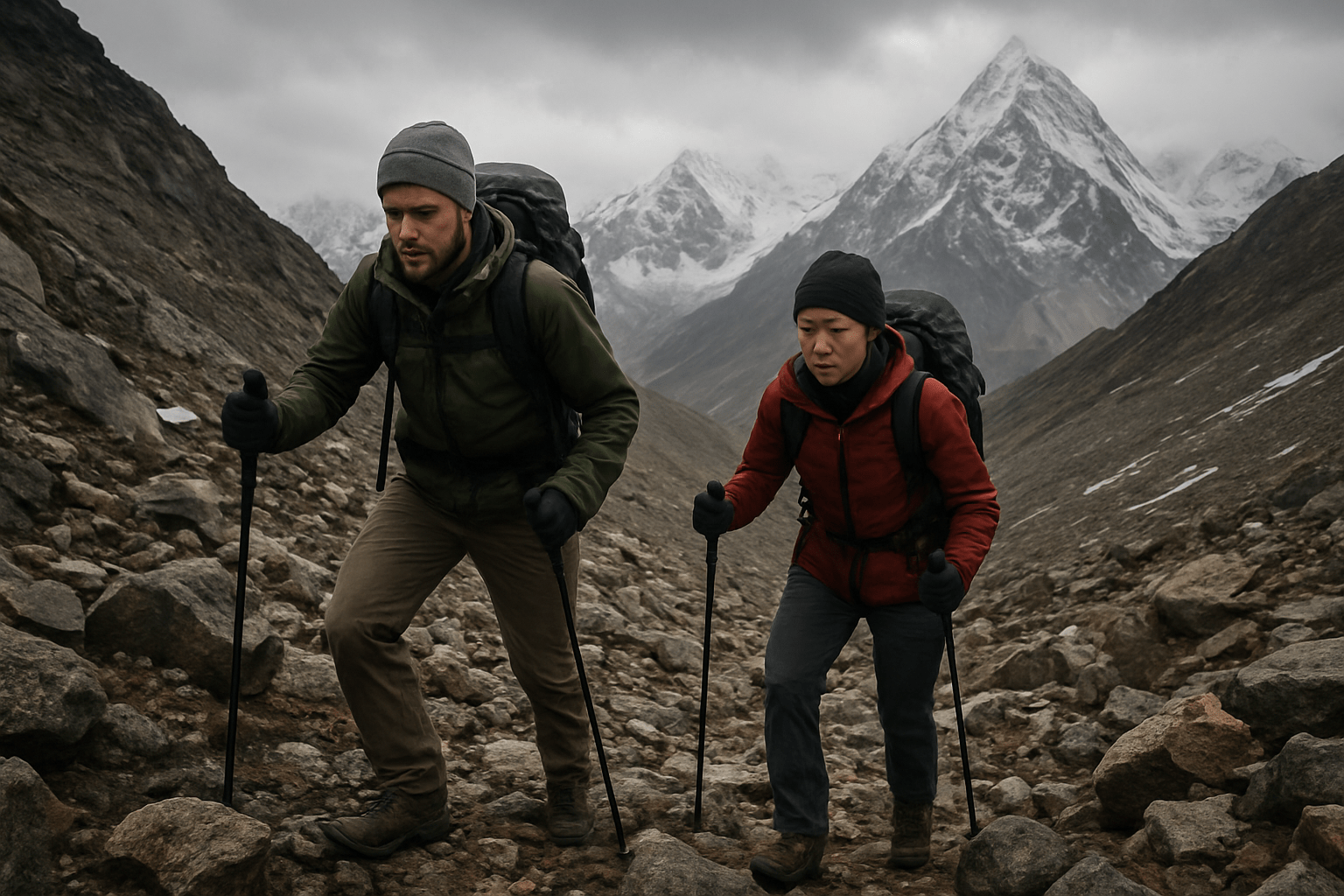
Both passes present completely different terrain challenges that will test your hiking abilities in unique ways. Thorong La sits at 17,769 feet and offers a more gradual approach with well-established trails used by thousands of trekkers annually. The path features rocky terrain, occasional loose scree sections, and becomes increasingly steep as you approach the final push to the pass. The trail quality remains relatively good with clear markers, stone steps in steeper sections, and regular tea houses providing mental checkpoints along the way.
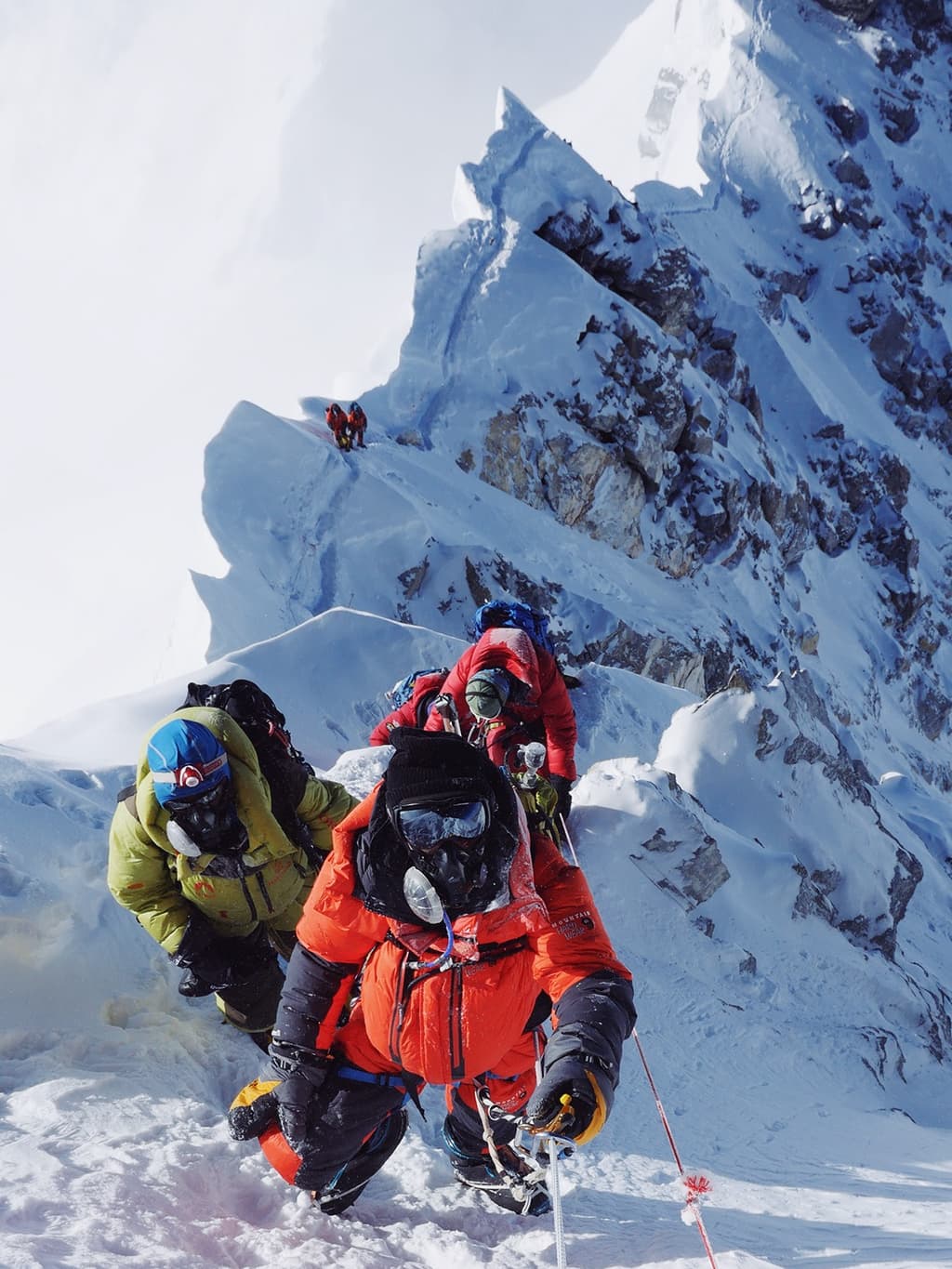
Cho La Pass towers at 17,782 feet and demands serious technical skills. The approach involves navigating through boulder fields, crossing unstable moraine, and scrambling over rocky terrain that requires both hands and feet. The most challenging section includes traversing a small glacier on the eastern side, where crampons become essential equipment. Rocky scrambles near the summit demand confidence in exposure, and the descent involves steep, loose rock that can be treacherous, especially when wet or icy.
| Terrain Feature | Thorong La Pass | Cho La Pass |
| Trail markers | Well-marked | Minimal cairns |
| Technical gear needed | Trekking poles | Crampons, ropes |
| Rock scrambling | Minor sections | Extensive |
| Glacier crossing | None | Small glacier |
Weather Hazards and Risk Factors
Weather patterns create vastly different risk profiles for each pass. Thorong La experiences more predictable conditions due to its position on the main Annapurna Circuit route. Morning starts typically offer the clearest conditions, with afternoon clouds and potential snow showers becoming common above 16,000 feet. Wind exposure becomes intense near the pass, with gusts reaching dangerous levels during storm systems. The main weather window runs from October through early December and March through May.
Cho La presents far more unpredictable and dangerous weather conditions. The pass sits in a more exposed position, creating sudden weather changes that can trap unprepared trekkers. Whiteout conditions develop rapidly, making navigation extremely difficult across the technical terrain. Snow and ice accumulate heavily on the glacier section, creating hidden crevasse risks and unstable footing. Temperature swings can be dramatic, with morning temperatures dropping to -15°F (-26°C) and afternoon sun creating dangerous ice melt conditions.
The avalanche risk differs significantly between passes. Thorong La rarely experiences avalanche danger due to its gentler slopes and wind exposure that prevents major snow accumulation. Cho La sits beneath steep mountain faces where avalanche risk becomes a real concern, particularly after fresh snowfall or during temperature fluctuations.
Fitness Level Requirements for Success
Your fitness preparation needs vary dramatically between these two passes. Thorong La demands excellent cardiovascular endurance and strong leg muscles for the long, steady climb. Most trekkers spend 8-12 hours on summit day, requiring sustained energy output at high altitude. The physical demands remain within reach for anyone who trains consistently for 3-4 months with regular hiking, stair climbing, and cardiovascular exercise.
Cho La requires advanced mountaineering fitness, combining cardiovascular endurance, upper body strength, and technical climbing abilities. The boulder scrambling sections demand strong grip strength and core stability. Balance and coordination become critical when navigating exposed sections with heavy packs. Previous rock climbing or mountaineering experience provides significant advantages for managing the technical challenges safely.
Training recommendations vary considerably:
Thorong La Preparation:
- Long hiking days (6-8 hours) carrying 15-20 pound packs
- Stair climbing or steep hill training 3-4 times weekly
- Altitude simulation training if possible
- Focus on leg strength and cardiovascular endurance
Cho La Preparation:
- Technical rock climbing or scrambling practice
- Upper body and core strength training
- Balance and coordination exercises
- Crampon walking practice on varied terrain
- Glacier travel and rope team techniques
Recovery time expectations also differ significantly. Thorong La typically leaves trekkers tired but capable of continuing their journey the following day. Cho La often requires a full rest day afterward due to the technical demands and mental fatigue from navigating challenging terrain for extended periods.
Scenic Beauty and Photo Opportunities
Mountain Views and Panoramic Vistas
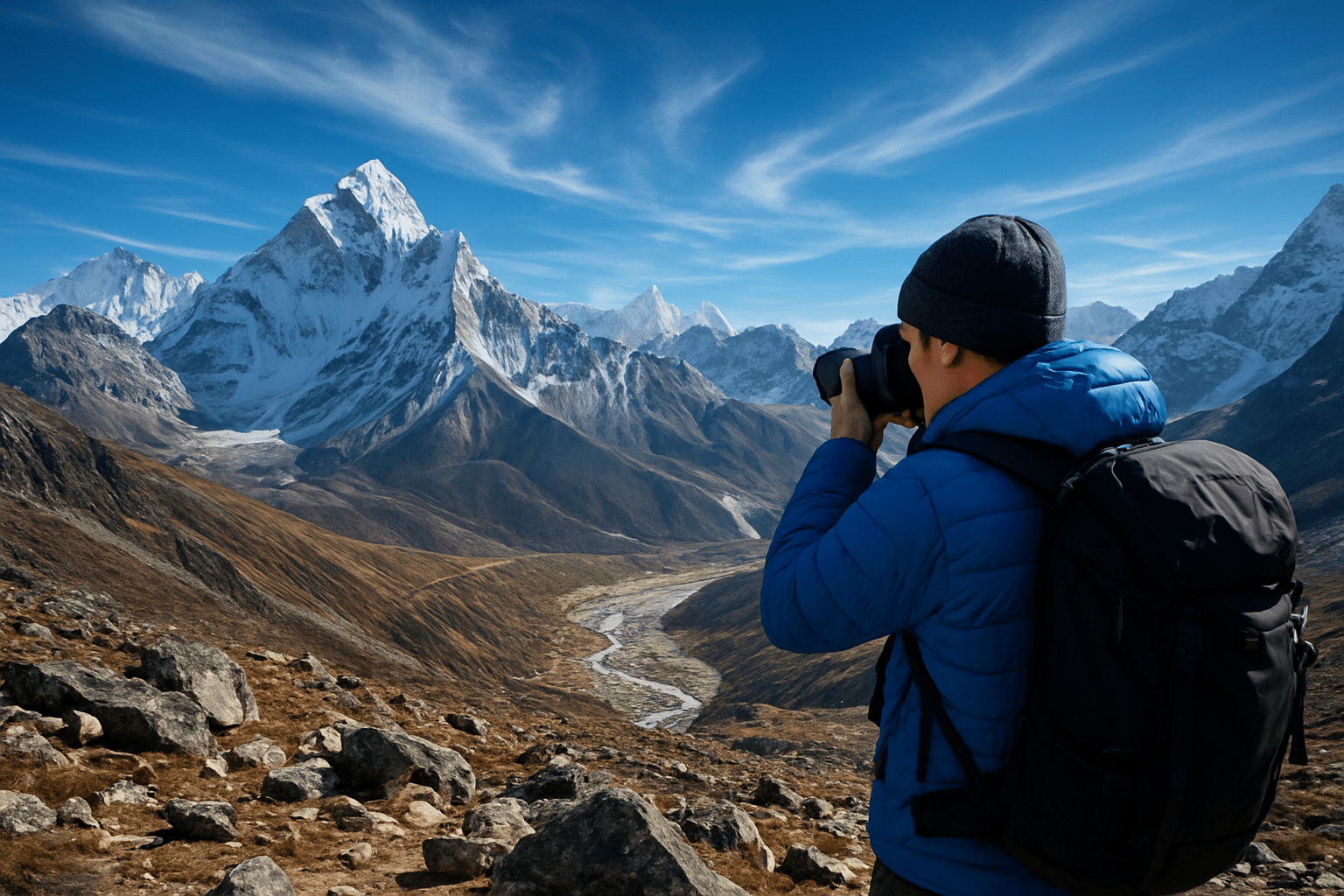
Both passes deliver jaw-dropping mountain panoramas, but they tell different stories through their landscapes. Thorong La Pass sits at 17,769 feet and offers sweeping views of the Annapurna and Dhaulagiri ranges, creating an amphitheater of snow-capped peaks that stretch endlessly across the horizon. The Kali Gandaki valley unfolds below like a massive geological textbook, showing layers of ancient rock formations carved by millennia of river erosion.
Cho La Pass, perched at 17,782 feet, presents a more dramatic and intimate mountain theater. The proximity to Everest, Lhotse, and Ama Dablam creates an almost overwhelming sense of scale. These giants loom so close you feel you could reach out and touch their ice-covered faces. The view from the top includes the turquoise jewel of Gokyo Lakes far below, contrasting beautifully with the stark white and grey palette of the surrounding peaks.
Weather plays a crucial role in visibility at both locations. Thorong La typically offers clearer conditions during morning crossings, while Cho La can be shrouded in clouds that roll in unpredictably from the Khumbu valley.
Unique Landscape Features Worth Capturing
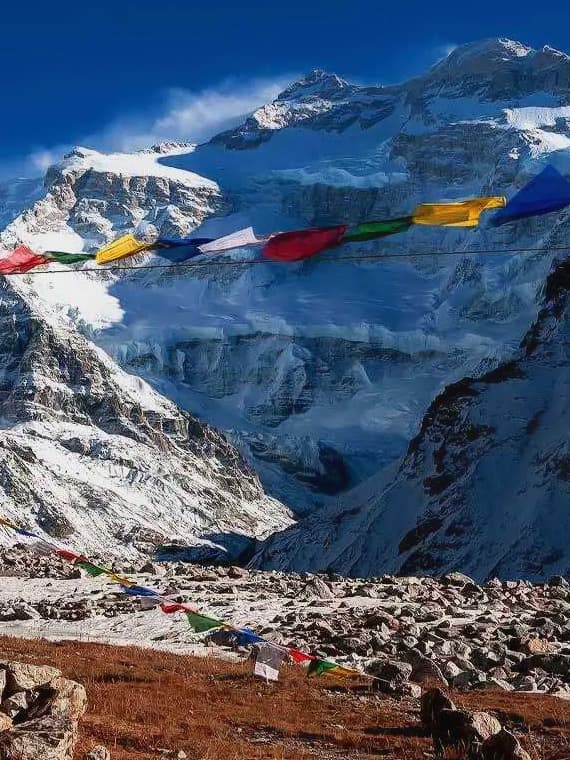
Thorong La's approach reveals the fascinating geological transition between the lush Annapurna region and the arid Tibetan plateau. The landscape shifts dramatically from green rhododendron forests to barren, wind-sculpted terrain that looks almost Martian. Prayer flags flutter against impossibly blue skies, creating perfect foreground elements for wide-angle shots.
The descent toward Muktinath showcases one of Nepal's most sacred pilgrimage sites, where natural gas flames burn eternally from rock crevices. This spiritual landscape offers unique photographic opportunities that blend natural wonder with cultural significance.
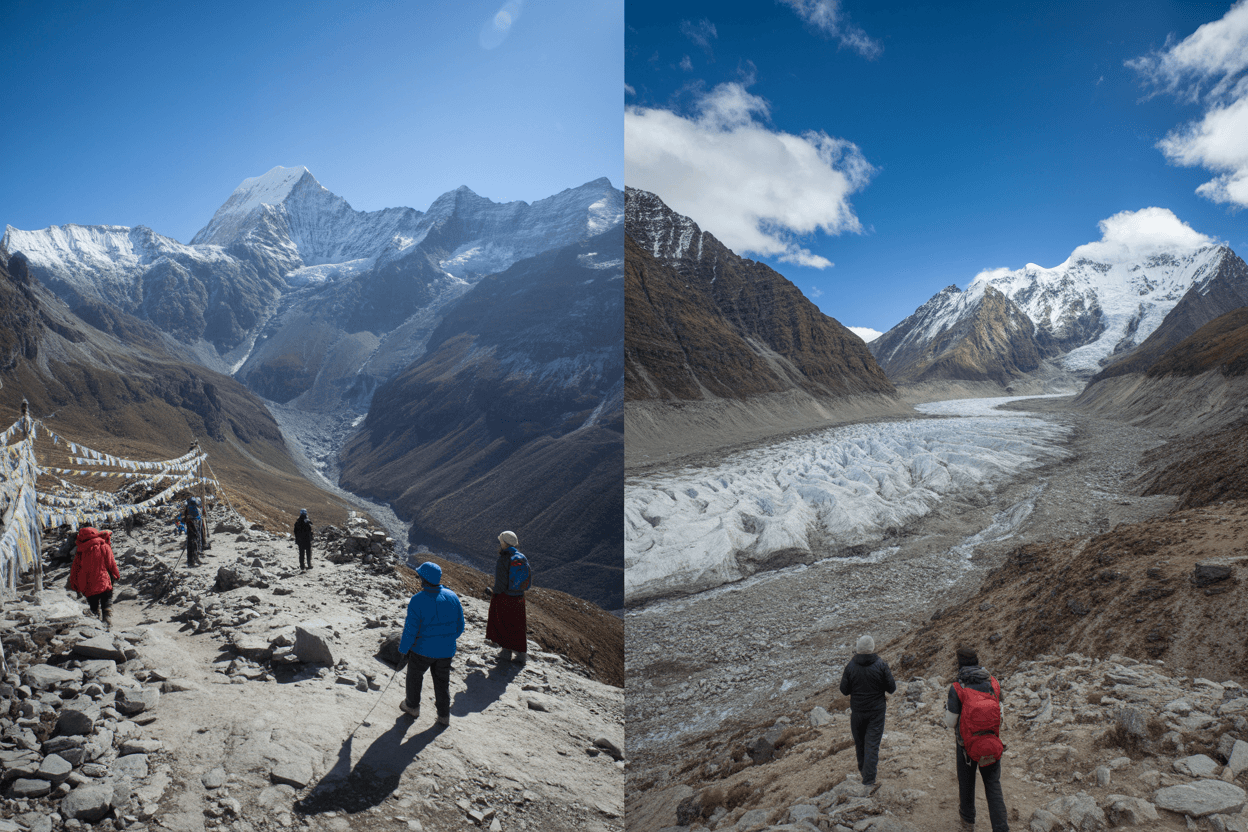
Cho La presents a more rugged, technical landscape dominated by glacial features. The approach involves navigating through boulder fields and across glacier remnants, creating dynamic compositions with ice formations, moraines, and rocky outcrops. The contrast between the dark rock and brilliant white snow creates striking black-and-white photography opportunities.
The pass itself features a small glacial lake that reflects the surrounding peaks on calm days, offering mirror-like compositions that are nearly impossible to find elsewhere in the Himalayas.
Wildlife and Cultural Encounters
Thorong La's diverse elevation zones support varied wildlife populations. Blue sheep (bharal) graze on the high alpine slopes, while Himalayan tahr can be spotted on rocky outcrops. Golden eagles soar overhead, taking advantage of thermal updrafts created by the valley's unique topography. The cultural aspect shines through encounters with pilgrims making their way to Muktinath, creating opportunities to capture the human element against the dramatic backdrop.
Local villages along the route preserve traditional Tibetan Buddhist culture, with ancient monasteries and traditional architecture providing rich cultural photography subjects. The morning ritual of yaks carrying supplies up the trail creates authentic slice-of-life moments.
Cho La offers fewer wildlife encounters due to its more extreme environment, but the occasional snow leopard tracks in fresh powder can send excitement levels through the roof. Himalayan choughs and ravens are the most common birds, their black silhouettes creating dramatic contrast against white snow.
The cultural element here focuses more on the Sherpa climbing tradition. You might encounter expedition teams preparing for Everest attempts, providing glimpses into the world of high-altitude mountaineering that few outsiders ever witness.
Instagram-Worthy Spots and Hidden Gems
Thorong La's hidden gem lies about 30 minutes before the pass summit - a small frozen lake that creates perfect reflections during early morning hours. Most trekkers miss this spot because they're focused on reaching the main pass marker. The lake offers unobstructed views of Thorong Peak and provides foreground interest that elevates standard mountain photography.
The prayer flag forest near the summit creates incredible layered compositions, especially when backlit by morning sun. These colorful flags against the stark mountain backdrop have become iconic, but finding fresh angles requires exploring slightly off the main trail.
For Cho La, the hidden treasure sits on a small ridge about 200 meters southeast of the main pass marker. This viewpoint offers unobstructed views of the Everest massif without the crowds that gather at the official summit. The perspective includes both the technical climbing route and the stunning lake views below.
The boulder field approach to Cho La provides endless opportunities for creative compositions. Rock formations create natural frames for distant peaks, while ice formations offer abstract close-up possibilities that work beautifully for social media content. Early morning light hitting the ice creates brilliant blues and whites that pop on camera screens.
Both locations offer spectacular sunrise opportunities for those willing to make pre-dawn starts, though Cho La's higher latitude means earlier sunrises and potentially better light conditions.
Accommodation and Food Options
Teahouse Availability and Quality Standards
Thorong La Pass sits along the popular Annapurna Circuit, which means you'll find well-established teahouses at regular intervals. The accommodation network here is mature and reliable, with most teahouses offering basic but clean rooms and consistent service standards. You can count on finding a bed almost every night without booking, though rooms fill up quickly during peak seasons (October-November and March-May).
Cho La Pass presents a different story entirely. The teahouse options are significantly more limited and scattered. Between Dzongla and Thangnak, you're looking at basic lodges with minimal amenities. The quality varies dramatically - some places offer decent beds and meals, while others provide just bare-bones shelter. During peak trekking months, these few available spots get crowded fast, and you might find yourself sharing rooms or sleeping in dining areas.
| Aspect | Thorong La Route | Cho La Route |
| Teahouse Density | High - every 2-3 hours walk | Low - gaps up to 6-8 hours |
| Quality Consistency | Reliable standards | Highly variable |
| Advance Booking | Recommended in peak season | Essential year-round |
| Backup Options | Multiple alternatives available | Very limited choices |
Meal Varieties and Dietary Accommodations
The Thorong La route offers an impressive variety of meal options. Most teahouses serve dal bhat (the local staple), pasta dishes, fried rice, soups, and even pizza in some locations. Vegetarian options are abundant, and many places can accommodate vegan diets with advance notice. You'll find familiar comfort foods like pancakes, porridge, and eggs prepared various ways.
Cho La Pass accommodation comes with much more limited menus. Expect basic dal bhat, simple noodle soups, and fried rice as your primary options. Vegetarian meals are available but with less variety. Vegan and special dietary requirements become challenging to meet, especially at higher elevations where ingredient availability drops significantly.
Fresh vegetables become scarce on both routes as you gain altitude, but Thorong La maintains better supply chains due to higher trekker volume. Cho La route lodges often rely on canned and dried ingredients, which affects both taste and nutritional variety.
Sleeping Conditions and Comfort Levels
Thorong La accommodations typically provide twin beds with basic mattresses, pillows, and blankets. Most rooms have windows, and many teahouses offer attached bathrooms or clean shared facilities nearby. Hot showers are available at lower elevations, transitioning to cold water or bucket washes as you climb higher. Heating is limited but more commonly available due to the established infrastructure.
Cho La Pass sleeping arrangements are more rustic. Expect thin mattresses, shared blankets that may not be the cleanest, and very basic room setups. Bathrooms are often outdoor pit toilets, and hot water is a luxury you'll rarely encounter. Many lodges lack proper heating systems, making nights uncomfortably cold, especially during the shoulder seasons.
Both routes require bringing a quality sleeping bag rated for sub-zero temperatures. The difference lies in backup comfort - Thorong La teahouses often provide extra blankets and have common areas with heating, while Cho La accommodations offer minimal extras beyond basic shelter.
Cost Analysis and Budget Planning

Trek Package Prices and Hidden Expenses
Thorong La Pass typically costs between $1,200-$1,800 for a 12-16 day guided trek, while Cho La Pass adventures range from $1,800-$2,800 for 14-21 days. The price gap exists because Cho La sits within the pricier Everest region, where everything from permits to porter wages runs higher.
Thorong La Hidden Costs:
- TIMS card: $20
- ACAP permit: $30
- Emergency evacuation insurance: $50-100
- Extra gear rental in Pokhara: $50-150
Cho La Hidden Costs:
- Sagarmatha National Park permit: $35
- Khumbu Pasang Lhamu Rural Municipality permit: $20
- Lukla flight delays (common): $100-300 per extra night
- High-altitude gear rental in Namche: $100-250
Flight costs bite harder for Cho La. Kathmandu to Lukla tickets run $180-350 each way, compared to bus transport to Thorong La trailheads costing just $10-25. Weather delays in Lukla can stretch your budget thin with unplanned hotel nights and meal costs.
Insurance premiums jump 20-30% higher for Cho La due to increased altitude risks and limited evacuation options. Many standard travel policies exclude coverage above 5,500 meters, pushing trekkers toward specialized high-altitude plans.
Daily Spending Requirements
Your daily cash burn varies dramatically between these passes. Thorong La trekkers spend $25-40 per day on food and accommodation, while Cho La adventurers shell out $35-60 daily.
Thorong La Daily Breakdown:
- Teahouse accommodation: $5-12 per night
- Main meals: $4-8 each
- Hot drinks: $1-3 per cup
- Snacks and water: $10-15 daily
- WiFi and charging: $3-5 per use
Cho La Daily Breakdown:
- Teahouse beds: $10-25 per night (higher above Namche)
- Dal bhat: $6-12 per serving
- Western meals: $8-15 each
- Hot chocolate: $3-6 per cup
- Bottled water: $2-5 per liter (increases with altitude)
Prices spike ruthlessly as you climb higher on both routes. A simple noodle soup costing $3 in Manang jumps to $8 at Thorong Phedi. Similarly, accommodation at Gorak Shep (Cho La route) costs triple what you'd pay in Namche Bazaar.
Cash becomes king in the mountains. ATMs disappear after Manang on Thorong La and after Namche on Cho La. Smart trekkers carry 30-50% extra cash for emergencies, weather delays, and impulse purchases of warm gear.
Value for Money Comparison
| Aspect | Thorong La Pass | Cho La Pass |
| Overall Cost | $1,500-2,200 total | $2,200-3,500 total |
| Cost per Day | $90-140 | $130-200 |
| Scenic Value | High | Exceptional |
| Cultural Experience | Excellent | Good |
| Accessibility | Easy | Challenging |
| Exclusivity | Moderate | High |
Thorong La delivers outstanding bang for your buck if you're budget-conscious. The Annapurna region offers diverse landscapes, rich Tibetan culture, and reasonable prices throughout the journey. You get snow-capped peaks, ancient monasteries, and authentic mountain hospitality without breaking the bank.
Cho La commands premium pricing but justifies every dollar for serious mountain enthusiasts. You're paying for proximity to Earth's highest peaks, technical challenges that test your limits, and bragging rights few people can claim. The Khumbu region's infrastructure, while expensive, provides better safety nets and emergency services.
Consider your priorities carefully. Thorong La suits first-time high-altitude trekkers wanting maximum experience per dollar spent. Cho La appeals to adventurers who view cost as secondary to achieving something extraordinary. Both passes offer life-changing experiences – your wallet just determines which path feels right for your mountain dreams.
The sweet spot often lies in shoulder seasons. March-April and October-November offer better weather windows and slightly reduced accommodation pressure, potentially saving 15-20% on daily costs for both routes.
Time Investment and Itinerary Planning
Total Trek Duration for Each Route
Thorong La Pass fits into the classic Annapurna Circuit, which typically takes 12-16 days depending on your starting point and pace. Most trekkers begin from Besisahar or drive to Manang, then cross the pass and finish in Muktinath or Pokhara. The actual crossing day involves 7-9 hours of walking, but the entire circuit allows for a more relaxed schedule with plenty of teahouse stops and cultural experiences along the way.
Cho La Pass demands more time commitment as part of the Everest Base Camp trek extensions. The complete journey usually spans 16-21 days, including the approach to EBC and the three-pass trek if you're going for the full experience. The pass crossing itself takes 8-12 hours, making it a significantly longer day than Thorong La. You'll need extra days built into your itinerary since Cho La often requires multiple attempts due to weather conditions.
Acclimatization Days Required
Thorong La sits at a more manageable altitude profile. You'll need 2-3 acclimatization days, typically spent in Manang (3,519m) and possibly Yak Kharka (4,018m). The gradual ascent through the Marsyangdi valley helps your body adjust naturally, and most trekkers handle the altitude reasonably well.
Cho La demands serious altitude preparation. Plan for 4-5 dedicated acclimatization days minimum - usually in Namche Bazaar (3,440m), Dingboche (4,410m), and potentially Lobuche (4,940m). The Khumbu region's altitude profile is less forgiving, and rushing the acclimatization puts you at significant risk of altitude sickness.
| Pass | Minimum Acclimatization Days | Recommended Rest Stops |
| Thorong La | 2-3 days | Manang, Yak Kharka |
| Cho La | 4-5 days | Namche, Dingboche, Lobuche |
Flexibility for Weather Delays
Thorong La offers better weather predictability and more flexible scheduling. The pass stays open longer during shoulder seasons (April-May, October-November), and weather windows are generally more reliable. If conditions turn bad, you can usually wait a day or reroute without major itinerary disruption.
Cho La requires significant buffer time in your schedule. Weather changes rapidly in the Everest region, and the pass can become impassable for days at a time. Smart trekkers build in 3-4 extra days for weather delays, especially during monsoon season or winter months. Missing your weather window here often means completely scrapping the pass crossing and taking alternative routes back to Lukla.
Which Pass Suits Your Adventure Goals
Beginner vs Advanced Trekker Recommendations
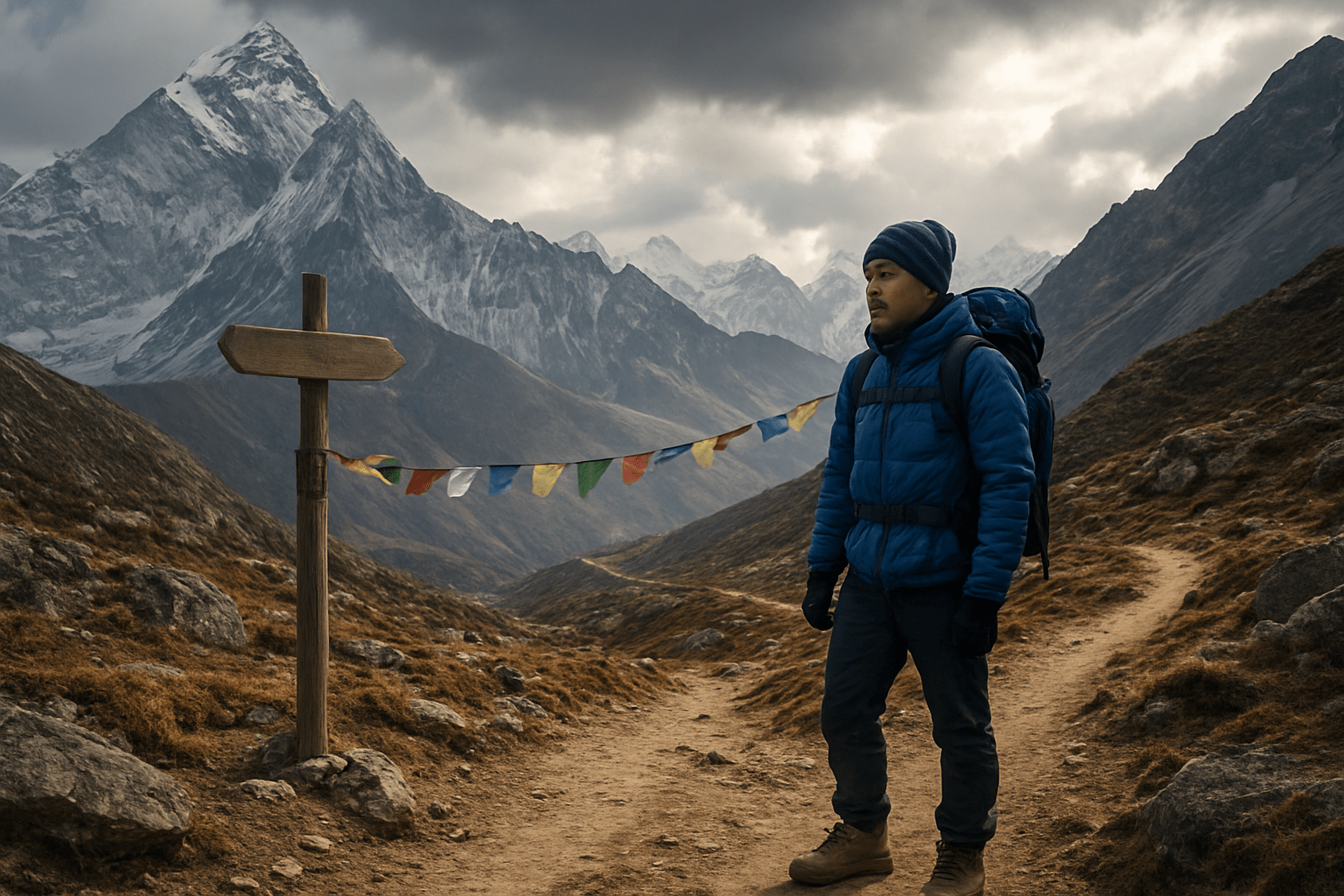
Thorong La Pass stands as the clear winner for first-time high-altitude trekkers. The well-established trail offers consistent teahouse accommodation, making it perfect for those who prefer carrying lighter packs. The gradual acclimatization schedule built into most Annapurna Circuit itineraries gives beginners time to adjust to altitude changes. Medical facilities are more accessible along this route, providing peace of mind for those new to Himalayan trekking.
Cho La Pass demands serious mountain experience. Advanced trekkers who've conquered multiple high passes will appreciate the technical sections requiring basic mountaineering skills. The route includes loose rock scrambling, potential snow and ice crossings, and steep ascents that test both physical fitness and mental resilience. Only attempt this pass if you're comfortable with exposure and have experience reading mountain weather patterns.
| Experience Level | Thorong La Pass | Cho La Pass |
| Beginner | Excellent choice | Not recommended |
| Intermediate | Good option | Consider with the guide |
| Advanced | Easy day out | Perfect challenge |
Solo Travel vs Group Trek Considerations
Solo travelers find Thorong La Pass more accommodating due to the constant stream of fellow trekkers on the trail. You'll rarely walk alone, making it easier to find hiking partners or join impromptu groups. The established teahouse network means you can travel with minimal gear and adjust your pace without pre-booked accommodations.
Cho La Pass presents significant challenges for solo trekkers. The technical nature of the crossing makes having a partner essential for safety. Weather can change rapidly, and navigating the pass alone increases risk substantially. Solo travelers should hire a guide or join organized groups for this route.
Group dynamics work differently on each pass. Thorong La's straightforward path keeps groups together easily, while Cho La's varying skill requirements can split groups apart. Stronger members might need to assist others during technical sections, turning the crossing into a team-building exercise.
Photography vs Challenge-Focused Priorities
Photography enthusiasts will find both passes rewarding but in different ways. Thorong La offers classic Himalayan panoramas with Annapurna and Dhaulagiri ranges creating perfect backdrop shots. The prayer flags at the pass summit provide colorful foreground elements, while the approach shots capture the dramatic landscape transition from lush valleys to alpine terrain.
Cho La Pass delivers more dramatic and unique photographic opportunities. The technical sections create dynamic action shots, while the close proximity to Everest, Lhotse, and Ama Dablam provides world-class mountain photography. Early morning light on these peaks creates magical golden hour conditions that serious photographers crave.
Challenge seekers should head straight to Cho La Pass. The combination of altitude, technical difficulty, and route-finding creates a genuine mountaineering experience. Every step feels earned, and reaching the summit provides deep satisfaction that goes beyond typical trekking achievements.
Seasonal Timing for Optimal Experience
The spring season (March-May) favors Thorong La Pass with stable weather and clear mountain views. Rhododendrons bloom along lower sections, adding color to photographs. However, Cho La Pass remains challenging due to snow and ice lingering from winter.
Autumn months (September-November) offer the best conditions for both passes, but Cho La Pass truly shines during this period. Crystal-clear skies provide perfect visibility for the technical sections, while stable weather reduces the risk of being caught in sudden storms.
Winter attempts should only consider Thorong La Pass, and even then, only with experienced guides. Cho La Pass becomes extremely dangerous with heavy snow cover and increased avalanche risk.
The summer monsoon season makes both passes inadvisable due to poor visibility, slippery conditions, and increased rockfall danger on Cho La Pass.
Conclusion
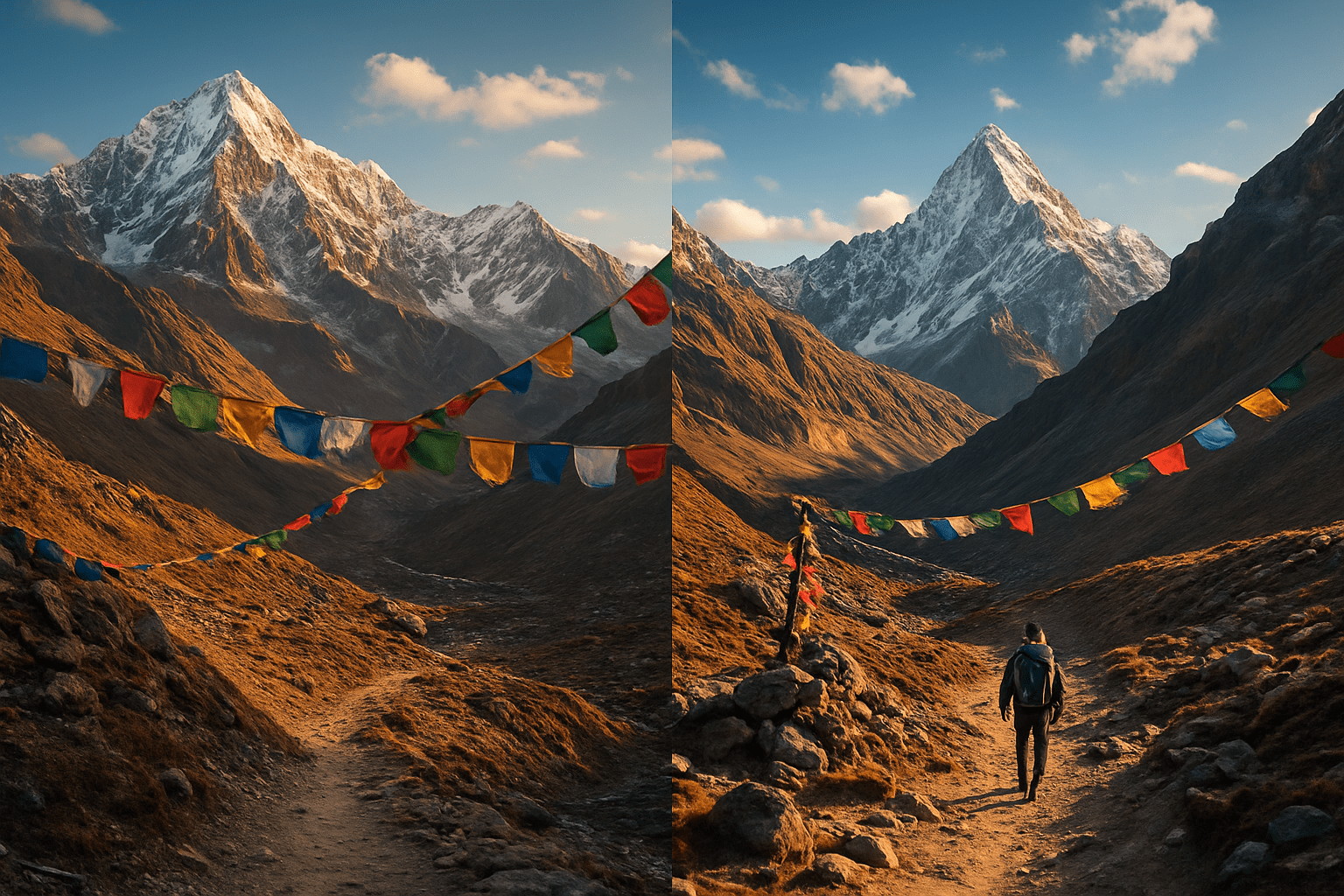
Both Thorong La and Cho La passes offer incredible Himalayan adventures, but they cater to different types of trekkers. Thorong La wins for accessibility, better accommodation options, and stunning panoramic views, making it perfect for first-time high-altitude trekkers or those wanting a more comfortable journey. Cho La brings serious technical challenges, dramatic glacier crossings, and raw wilderness experiences that reward experienced hikers seeking an adrenaline rush.
Your choice comes down to what kind of adventure you're after. If you want breathtaking mountain views with manageable difficulty and reliable amenities, Thorong La is your best bet. But if you're ready to push your limits with rock scrambling, glacier navigation, and truly remote trekking, Cho La will deliver the challenge you crave. Either way, you'll walk away with memories that last a lifetime and bragging rights that few people can match.
If you need any further information, please contact us by email: [email protected], Phone: +977- 980 195 6248 (WhatsApp).