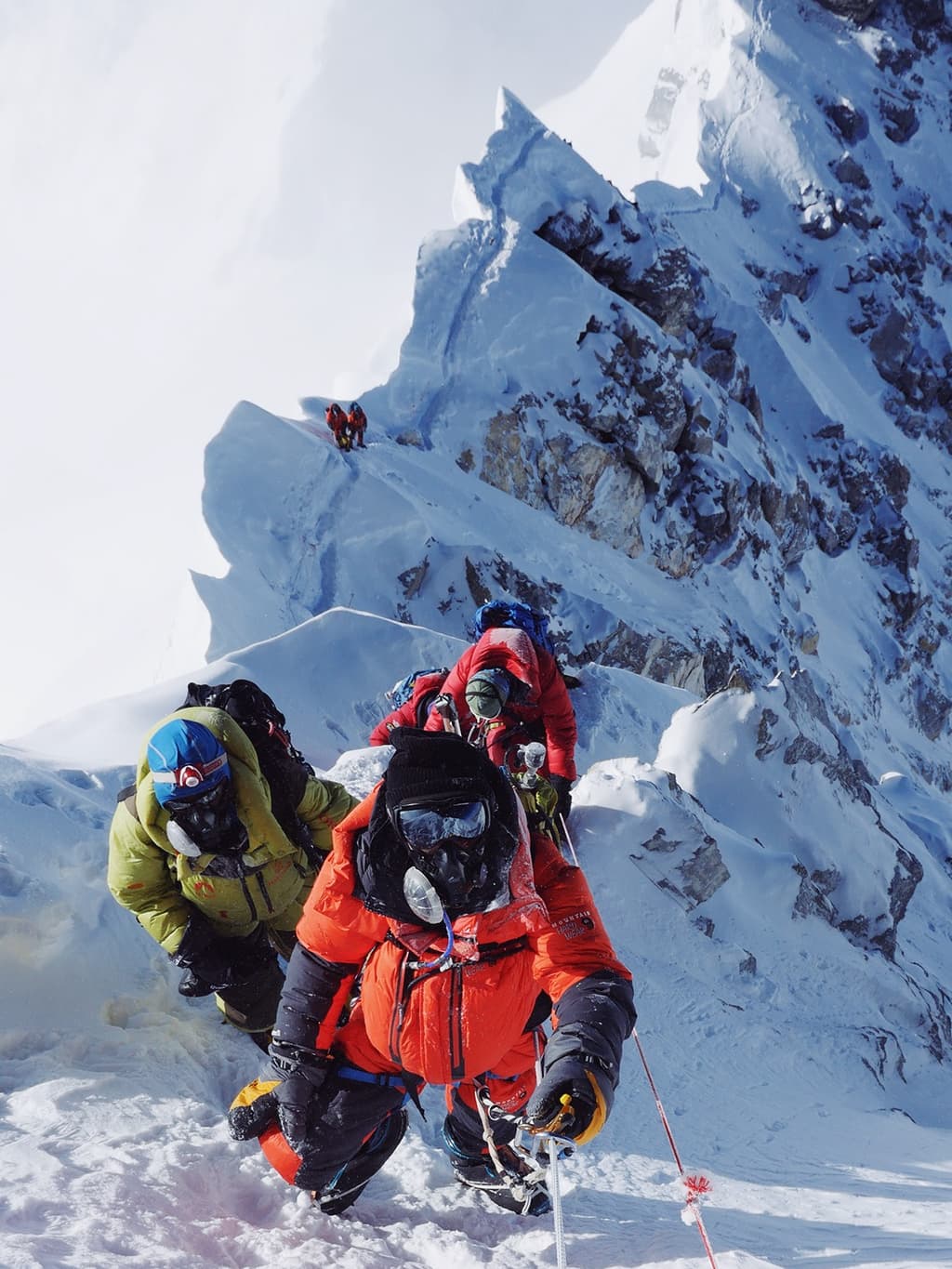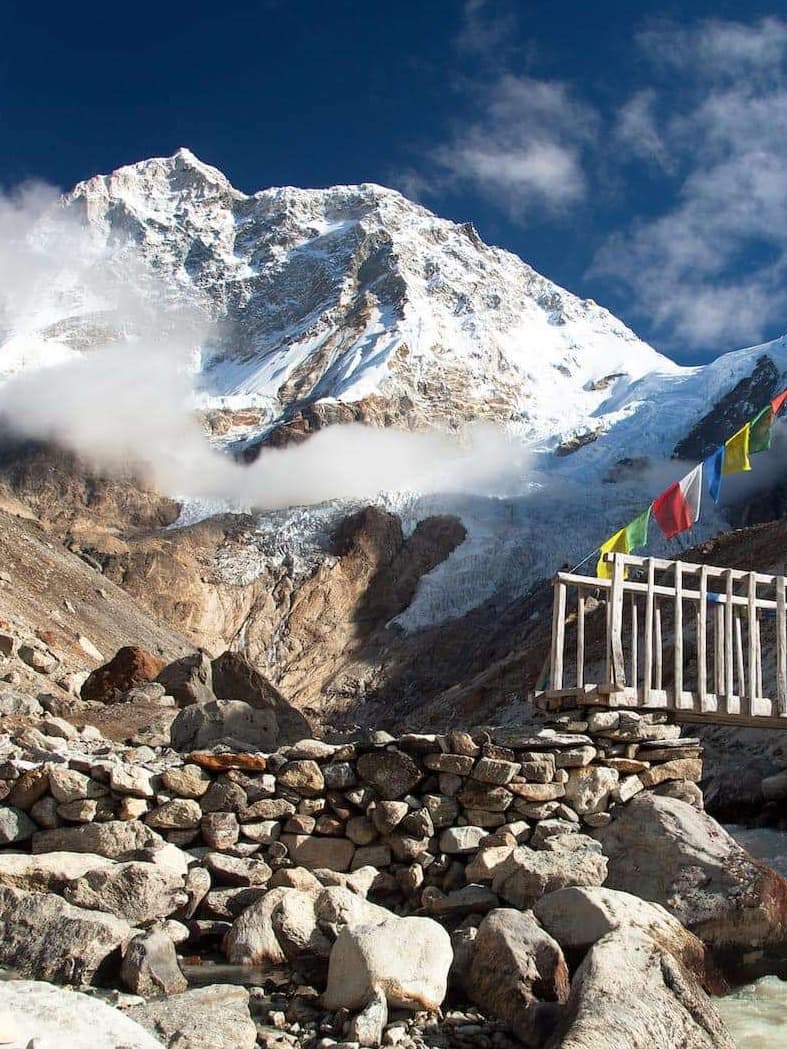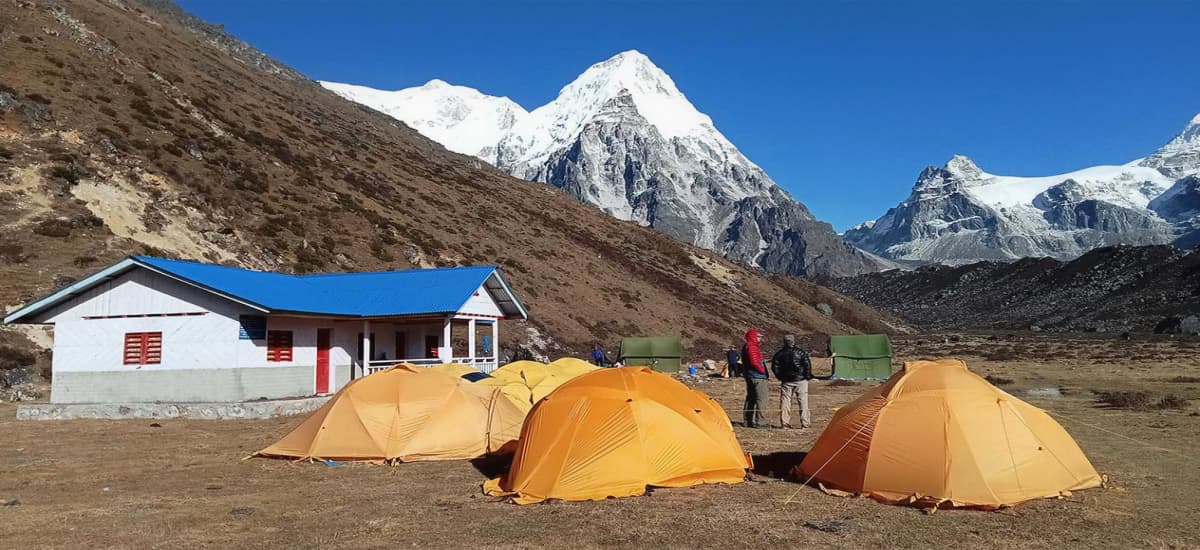
Kanchenjunga Trek is one of Nepal’s most extraordinary and least-traveled long-distance adventures. Named after Mount Kanchenjunga (8,586 m)—the third-highest mountain in the world—this trek delivers an unparalleled blend of wilderness, high-altitude challenge, pristine cultural landscapes, and breathtaking Himalayan panoramas. Unlike the heavily visited trails in the Everest and Annapurna regions, Kanchenjunga remains a sanctuary of true Himalayan solitude.
Situated in Nepal’s far-eastern corner, the trail passes through remote valleys, ancient forests, glacial basins, traditional Limbu and Sherpa villages, and a remarkable biodiversity hotspot within the Kanchenjunga Conservation Area (KCA).
If you are seeking a raw, immersive, and expedition-style adventure far removed from modern comforts, the Kanchenjunga trek stands among Nepal’s finest.
Overview of the Kanchenjunga Trek
- Region: Eastern Nepal (Taplejung District)
- Duration: 20–26 days
- Highest Point: Pangpema (Kanchenjunga North Base Camp) – 5,143 m
- Other Highlight: Kanchenjunga South Base Camp – ~4,600 m
- Difficulty: Strenuous
- Accommodation: Basic teahouses, simple lodges
- Best Seasons: Spring (Mar–May) & Autumn (Sept–Nov)
- Required Permit: Restricted Area Permit + KCA Permit (guide compulsory)
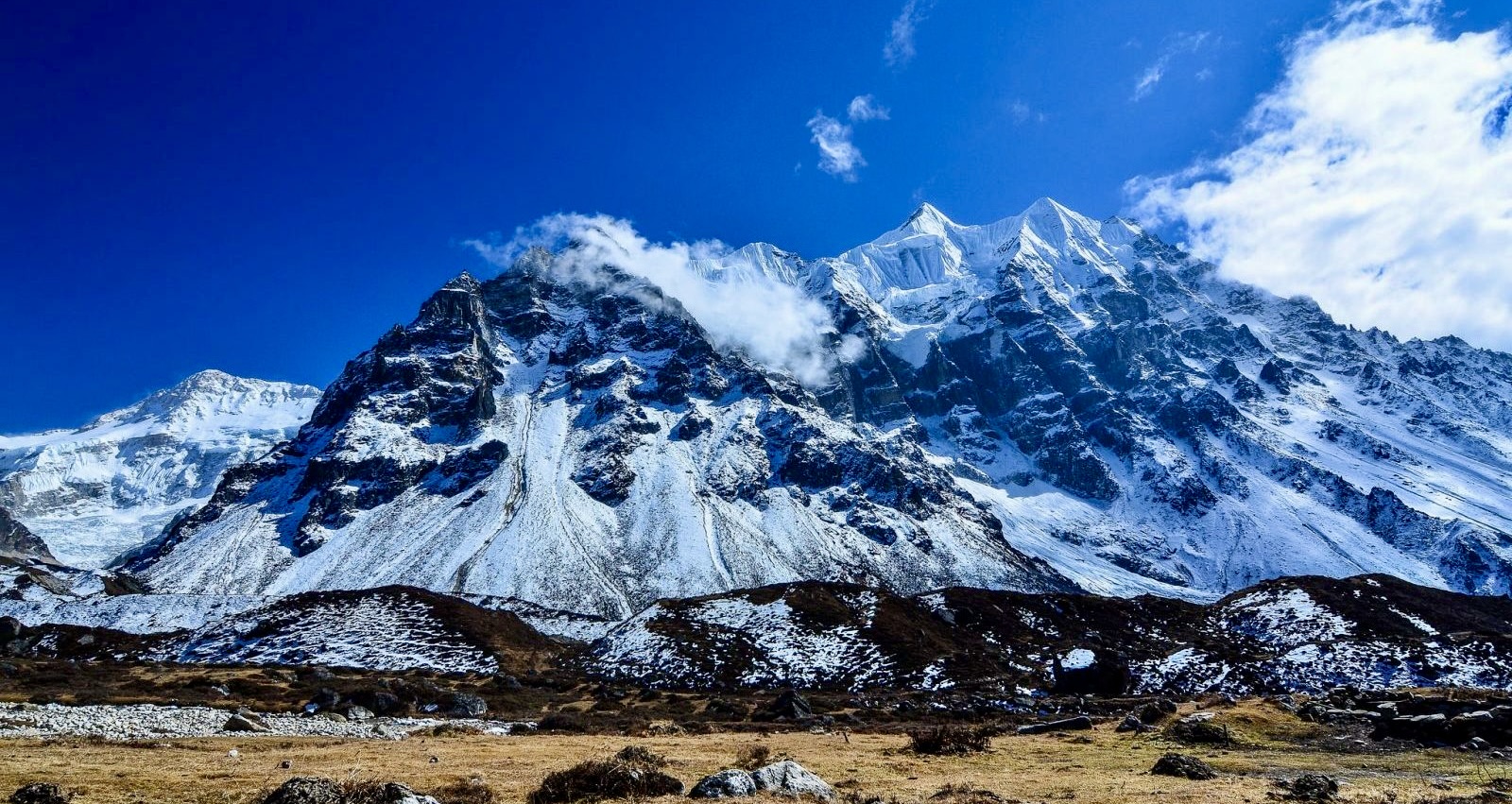
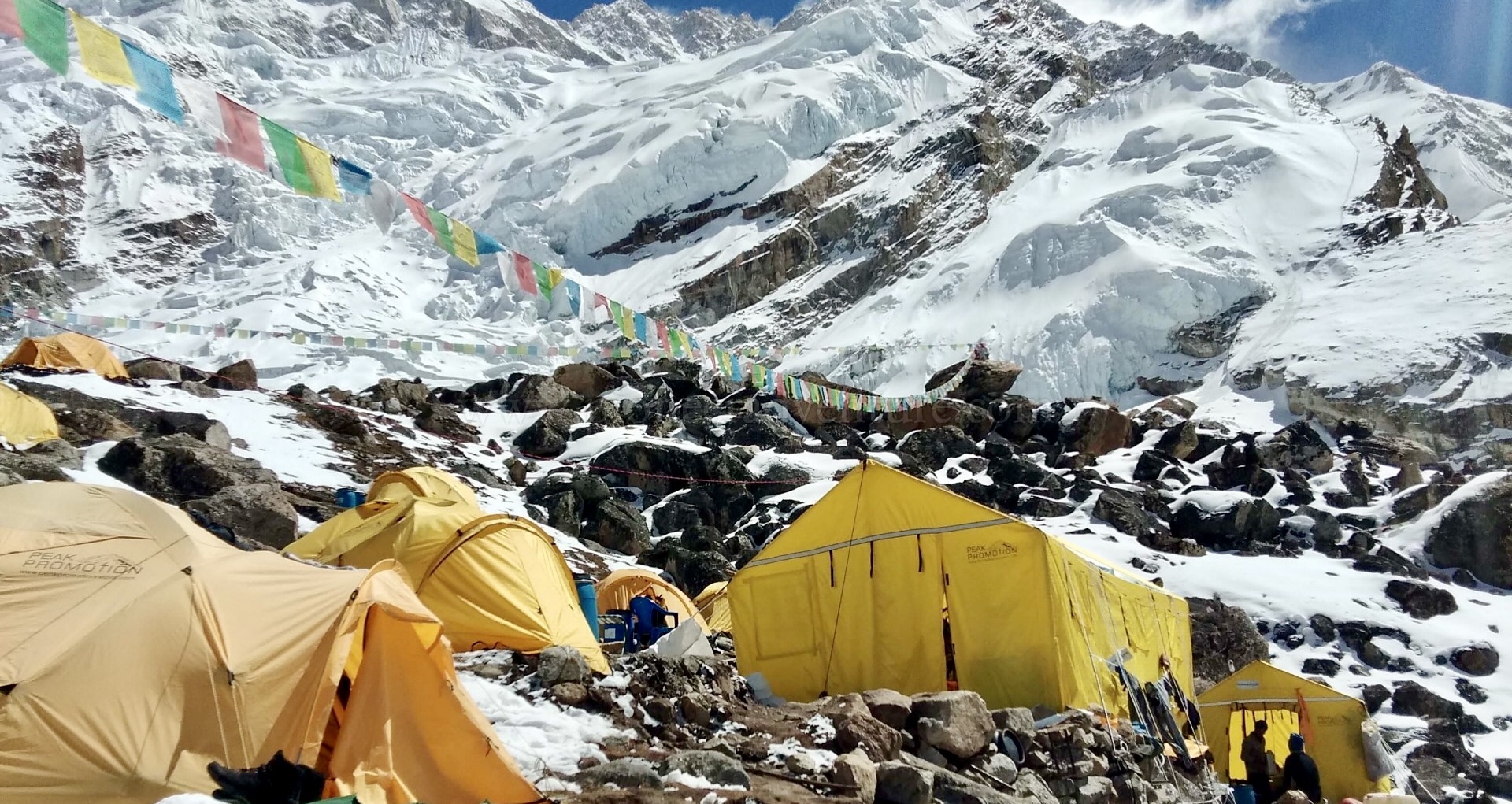
This trek typically covers both North Base Camp (Pangpema) and South Base Camp (Oktang), providing diverse landscapes and outstanding views of the Kanchenjunga massif.
Why the Kanchenjunga Trek is Exceptional
True Himalayan Wilderness
Kanchenjunga is one of the last remaining untouched trekking regions in Nepal. You can walk for days without encountering large groups of trekkers.
Two Base Camps on a Single Trek
Few treks in the world offer the opportunity to visit two dramatically different base camps of a single 8,000m peak.
Rich Cultural Diversity
Home to Limbu, Rai, Sherpa, and Tibetan communities, the region showcases ancient customs, monasteries, and traditional lifestyles.
Remarkable Biodiversity
The region shelters:
- Snow leopards
- Red pandas
- Musk deer
- Himalayan black bears
- Rare birds and orchids
Untamed Mountain Scenery
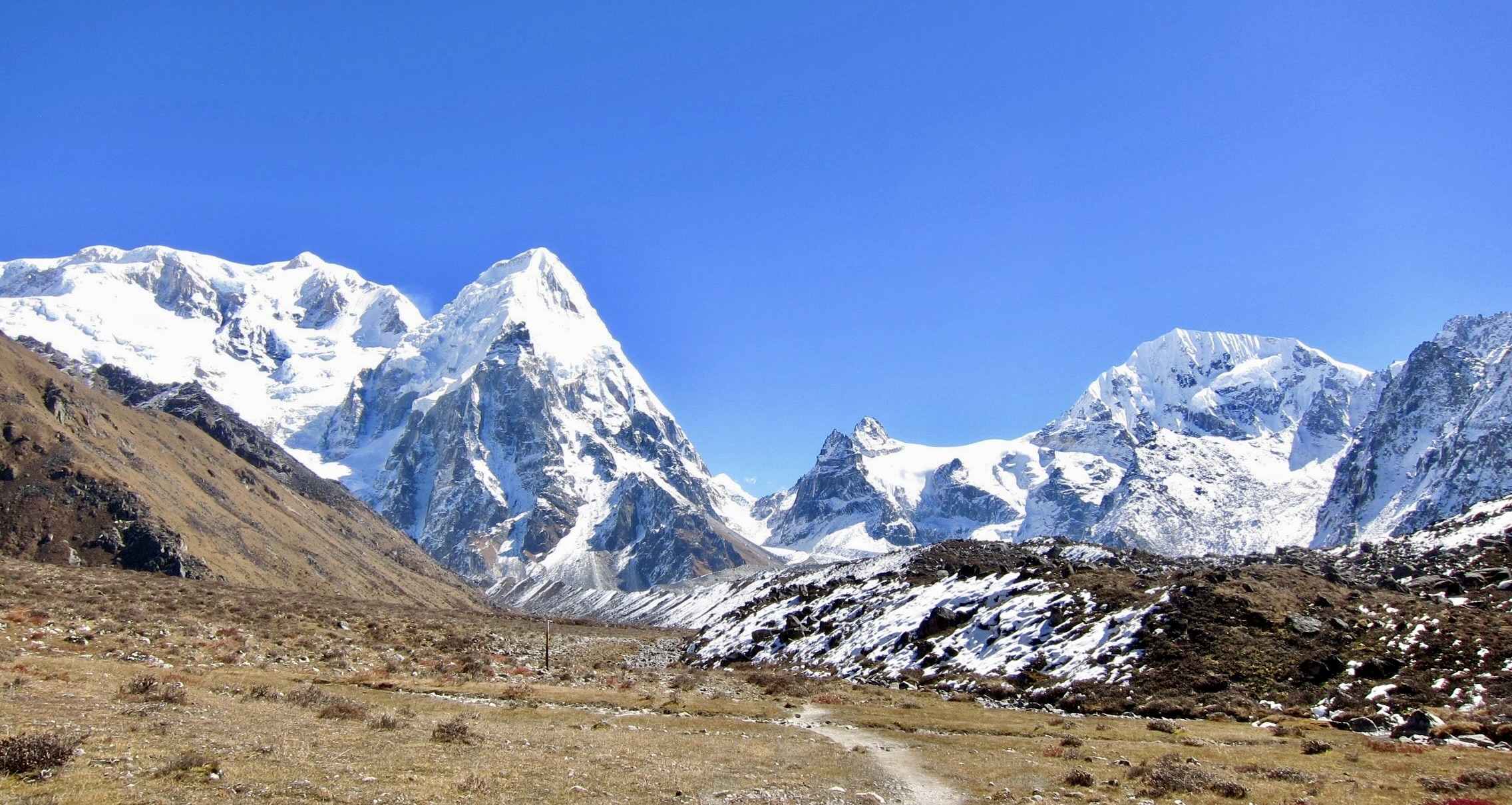
The Kanchenjunga massif is enormous and intricately sculpted. The views of Kanchenjunga, Jannu, Kabru, Talung, and Yalung Kang are nothing short of majestic.
Detailed Trekking Route and Itinerary
Below is the most popular 22–24 day itinerary covering both the North and South Base Camps.
Day 1: Fly from Kathmandu to Bhadrapur, drive to Taplejung
A scenic flight to Nepal’s southeastern plains, followed by a long drive to Taplejung—the starting point.
Day 2: Taplejung to Chiruwa (1,270 m)
The trail heads toward the Tamor River, passing through terraced farms and small Limbu villages.
Day 3: Chiruwa to Sukathum (1,580 m)
Walk through forested ridges and alongside the river to reach Sukathum, gateway to the Ghunsa valley.
Day 4: Sukathum to Amjilosa (2,510 m)
A steep climb through dense forests of pine and oak.
Day 5: Amjilosa to Gyabla (2,730 m)
A rewarding day with waterfalls, bamboo groves, and beautiful views.
Day 6: Gyabla to Ghunsa (3,430 m)
Ghunsa is the main Sherpa village of the region, rich in culture, monasteries, and yak herding traditions.
Day 7: Acclimatization Day in Ghunsa
Short hikes to higher ridges and exploration of local monasteries.
Day 8: Ghunsa to Kambachen (4,050 m)
The landscape begins to open, with dramatic views of Jannu (Kumbhakarna).
Day 9: Kambachen to Lhonak (4,780 m)
Trek across rocky terrain and glacial moraine. The alpine scenery becomes even more dramatic.
Day 10: Lhonak to Pangpema / Kanchenjunga North Base Camp (5,143 m) & back to Lhonak
One of the most spectacular days. Stand before the towering north face of Kanchenjunga.
Day 11: Lhonak to Ghunsa
Descend back to the main Sherpa village via Kambachen.
Day 12: Ghunsa to Sele La (4,290 m)
Begin the trail toward the southern base camp through dense rhododendron forests.
Day 13: Cross Sele La to Cheram (3,870 m)
Traverse Sinion La and Sele La passes with epic panoramic views of the eastern Himalayas.
Day 14: Cheram to Ramche (4,580 m)
A gradual ascent into the Yalung Glacier region.
Day 15: Excursion to Kanchenjunga South Base Camp (Oktang - 4,600 m)
Stand below the massive Yalung face of Kanchenjunga—enormous, wild, and awe-inspiring.
Day 16: Cheram to Tortong (2,995 m)
Descend through thick forests and glacial valleys.
Day 17: Tortong to Yamphudin (2,080 m)
A long day traversing ridges and terraced settlements.
Day 18: Yamphudin to Khebang (1,915 m)
Walk through traditional Limbu villages and cultivated hillsides.
Day 19: Khebang to Khamdime
Final walking day of the trek.
Day 20–21: Drive to Bhadrapur and fly back to Kathmandu
Return to the capital with unforgettable memories.
Difficulty Level of Kanchenjunga Trek
This trek is strenuous and requires physical endurance and trekking experience due to:
- steep, lengthy ascents and descents
- remote and isolated terrain
- altitudes above 5,000 m
- limited accommodation
- unpredictable weather
- long trekking days (6–8 hours on average)
Not recommended for beginners. Experienced trekkers will find it rewarding and deeply satisfying.
Accommodation & Food
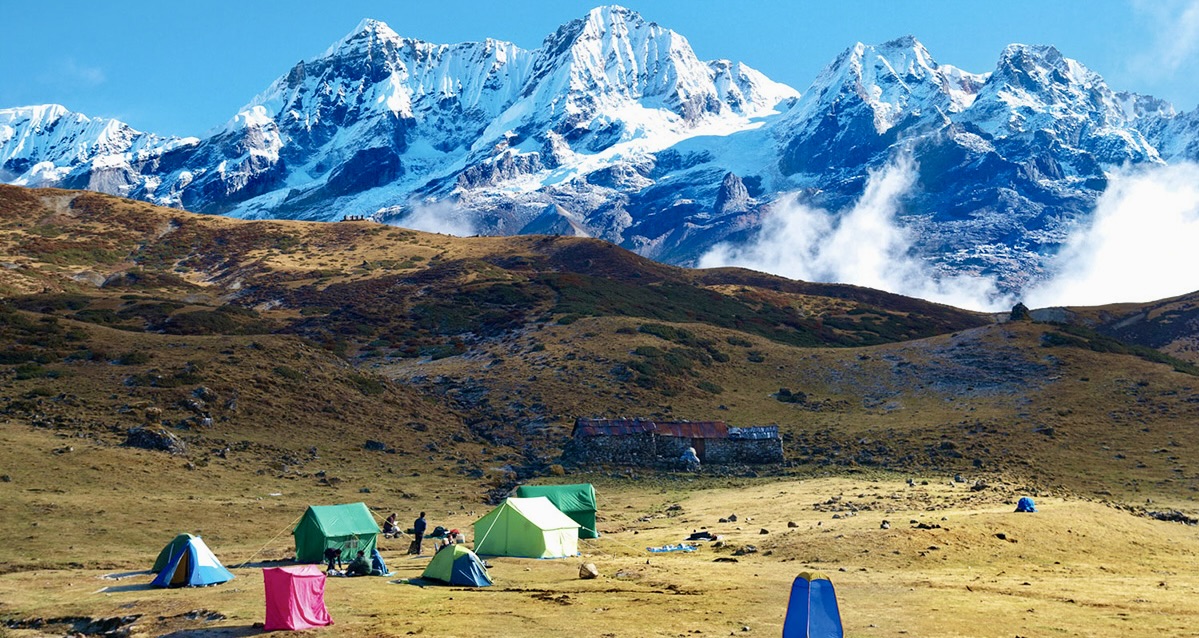
Accommodation is primarily basic teahouses, run by local families:
-
simple wooden rooms
-
shared toilets
-
limited menus (dal bhat, noodles, potatoes, chapati, tea)
-
heating is usually unavailable except in dining halls
Food is fresh but simple. This is an expedition-style trek in terms of comfort.
Best Seasons for Kanchenjunga Trek
Autumn (Sept–Nov)
-
Clear views
-
Stable weather
-
Crisp mountain air
Spring (Mar–May)
-
Blooming rhododendron forests
-
Milder temperatures
Both seasons are excellent; avoid monsoon and winter.
Permits Required
Kanchenjunga lies within a restricted area, and solo trekking is not allowed.
You need:
- Restricted Area Permit (RAP)
- Kanchenjunga Conservation Area Permit (KCAP)
- Mandatory licensed guide
The RAP rules ensure safety and help preserve the region’s fragile environment.
Cost of Kanchenjunga Trek
The typical cost ranges between USD 2,300 – 3,800, depending on group size, services, and trekking style.
Cost Includes:
- Domestic flights
- All trekking permits
- Guide and porter wages
- Accommodation and meals
- Transportation
- First-aid support
Cost Excludes:
- Travel insurance
- Personal gear
- Tips
- Extra days
- Snacks, drinks, Wi-Fi
Packing List for Kanchenjunga Trek
Clothing
- Down jacket
- Base layers
- Fleece and softshell jacket
- Waterproof jacket & trousers
- Thermal gloves
- Warm hat
- Trekking boots
Gear
- -20°C sleeping bag
- Trekking poles
- Headlamp
- Power bank
- Water purification system
- Sunglasses + sunscreen
Miscellaneous
- Personal first-aid kit
- Extra snacks
- Waterproof backpack cover
- Hydration bladder or bottles
Tips for a Safe and Successful Trek
- Train for at least 10–12 weeks
- Hydrate continuously
- Follow proper acclimatization
- Trek with experienced guides
- Respect local culture and wildlife
- Buy insurance that covers helicopter evacuation
- Prepare for very basic accommodation
Conclusion
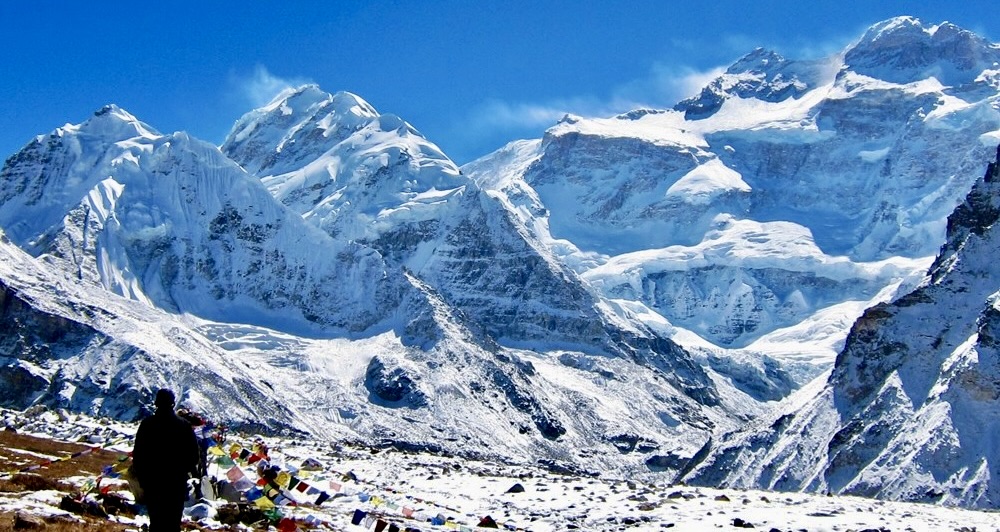
The Kanchenjunga Trek is one of Nepal’s greatest Himalayan adventures—remote, powerful, and deeply rewarding. It offers a rare opportunity to witness untouched mountain landscapes, pristine valleys, vibrant ethnic cultures, and the massive beauty of the Kanchenjunga massif from two distinct base camps.
This trek is demanding, but the raw beauty, cultural authenticity, and profound sense of solitude make it one of the most unforgettable journeys in the Himalayas. For trekkers seeking the ultimate challenge away from crowded trails, the Kanchenjunga Trek stands in a league of its own.
If you need any further information, please contact us by email: [email protected], Phone: +977- 980 195 6248 (WhatsApp).