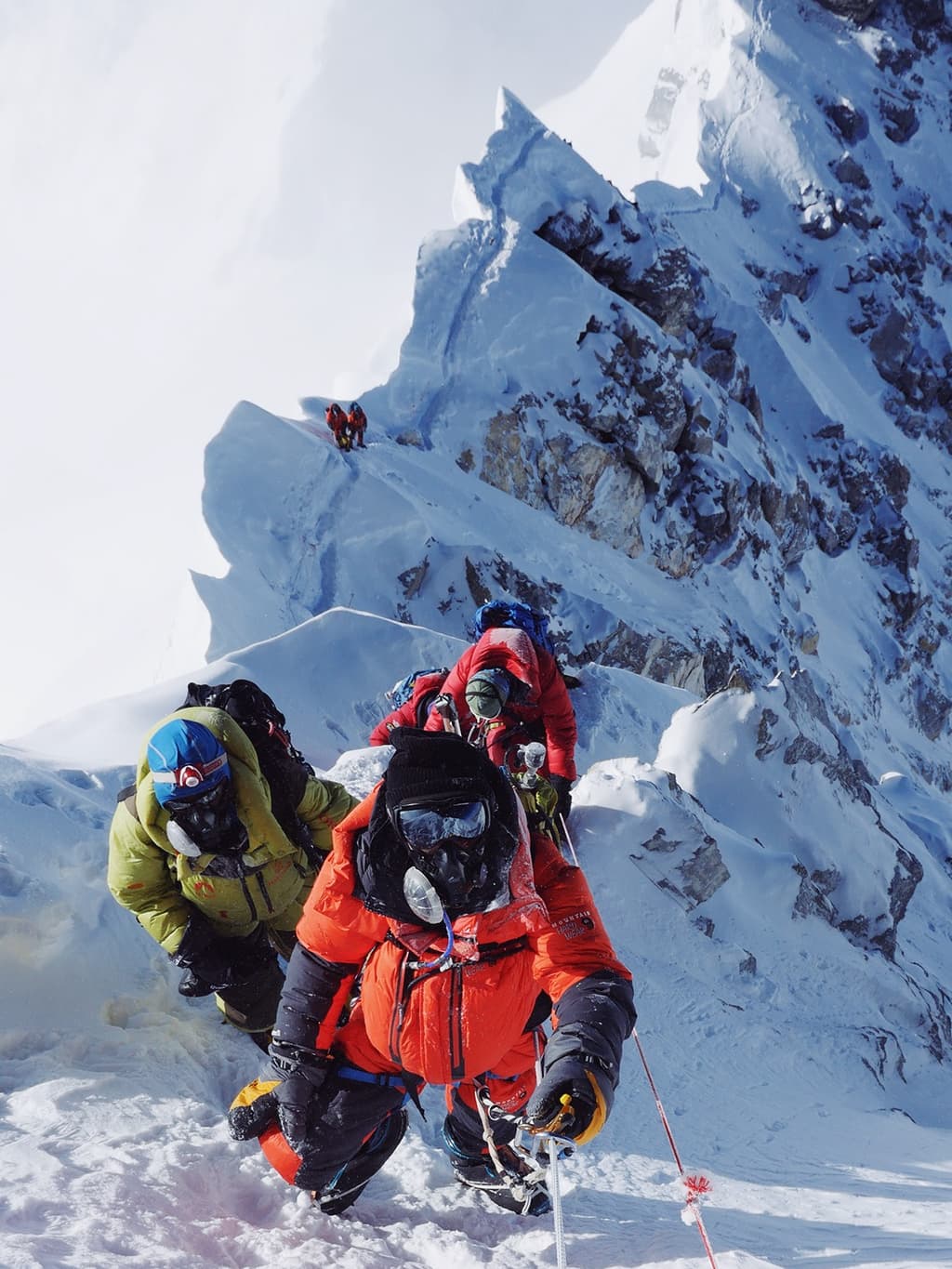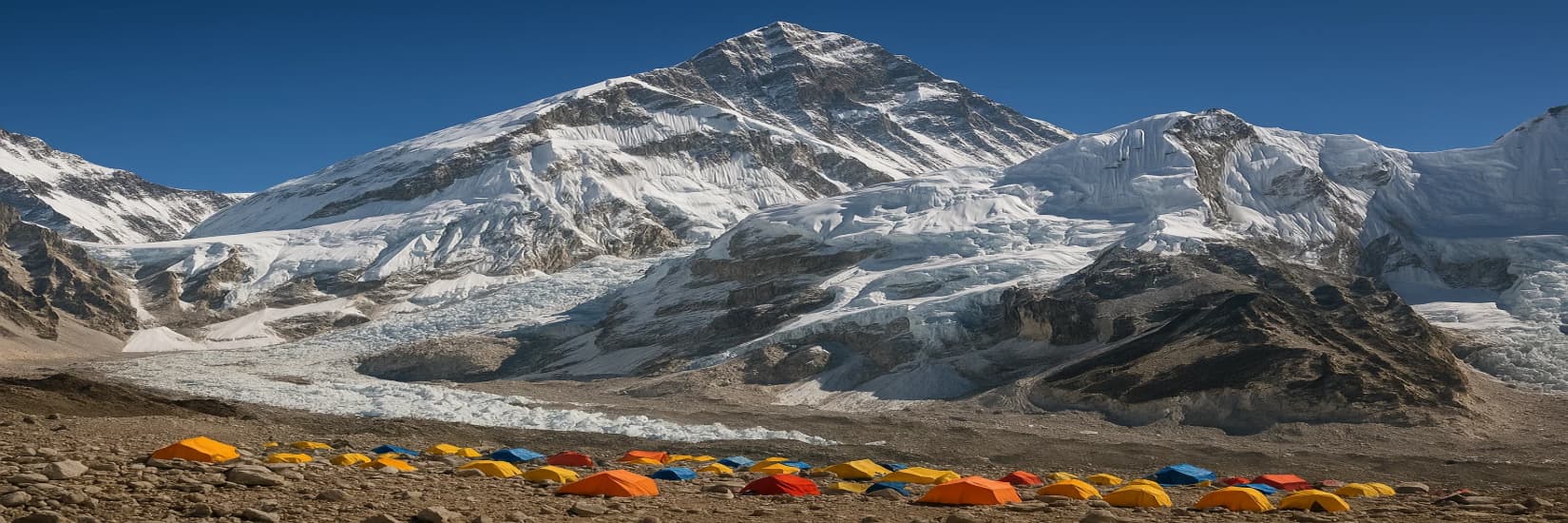
Ever dreamed of conquering the world's most formidable peaks, where every step pushes your limits and rewards you with views of snow-capped giants stretching to the horizon? That dream comes alive in Nepal, the ultimate playground for seasoned mountaineers.
Home to eight of the 14 peaks over 8,000 meters, Nepal offers expeditions that blend extreme adventure, technical challenges, and profound personal growth. When you embark on these top expeditions with Everest Sherpa Expeditions, you're not just climbing mountains—you're immersing yourself in the heart of the Himalayas, with Everest, Kanchenjunga, and other legends as your companions. These journeys provide unparalleled perspectives, from icy ridges to cultural villages, making them the pinnacle of mountaineering achievement.
In this blog, we'll explore the top 5 expeditions tailored for experienced mountaineers. These picks are based on factors like technical difficulty, historical significance, and the thrill factor, while emphasizing safety and sustainability. Imagine standing at the foot of a snow-capped behemoth, your breath visible in the thin air, as you prepare for a push that could define your legacy. Let's dive in!
Why Nepal for Experienced Mountaineers?
Before we get to the list, a quick note on why Nepal stands out. The country's diverse terrain includes everything from icy ridges and avalanche-prone slopes to serene high-altitude valleys. With its rich Sherpa culture, ancient monasteries, and breathtaking vistas, an expedition here is as much about personal growth as it is about climbing. However, these adventures aren't for the faint-hearted—they demand prior experience on 6,000+ meter peaks, advanced skills in ice climbing and rope work, and a deep respect for the mountains.
Permits, logistics, and guides are essential; always work with certified operators like those from the Nepal Mountaineering Association (NMA). Costs range from $10,000 to $100,000 depending on the peak, and the best climbing window is typically April to May (pre-monsoon). Now, let's explore the top 5.
Top 5 Expeditions for Experienced Mountaineers in Nepal
1. Mount Everest (Sagarmatha) – The Ultimate Crown Jewel

At 8,848 meters, Mount Everest isn't just the highest peak on Earth—it's the Everest of mountaineering challenges. For experienced climbers, summiting Sagarmatha (as it's known locally) is the pinnacle of achievement, a testament to human endurance and skill.
The expedition begins with a trek through the vibrant Sherpa villages of the Khumbu Valley, building anticipation as you approach base camp. The real test comes on the mountain itself: navigating the treacherous Khumbu Icefall, a labyrinth of crevasses and seracs that requires expert rope skills and impeccable timing. Higher up, the Hillary Step—a near-vertical rock face—demands precise climbing techniques amidst thinning air and brutal winds.
What makes Everest ideal for pros? It's not the crowds (though they can be a factor during peak season) but the personal triumph. You'll need 6–8 weeks for acclimatization and the final push, pushing your limits in ways that foster mental resilience. Fun fact: The first ascent in 1953 by Sir Edmund Hillary and Tenzing Norgay Sherpa turned this peak into a global icon, but modern climbers often focus on sustainable practices to preserve its fragile ecosystem.
Challenges aside, the views from the top—of endless Himalayan ranges bathed in golden light—are indescribable. Cost: $30,000–$100,000. Best time: April to May. If you're seeking that bucket-list moment, Everest delivers, but remember: it's as much about the journey as the summit.
2. Annapurna I – The Deadly Beauty
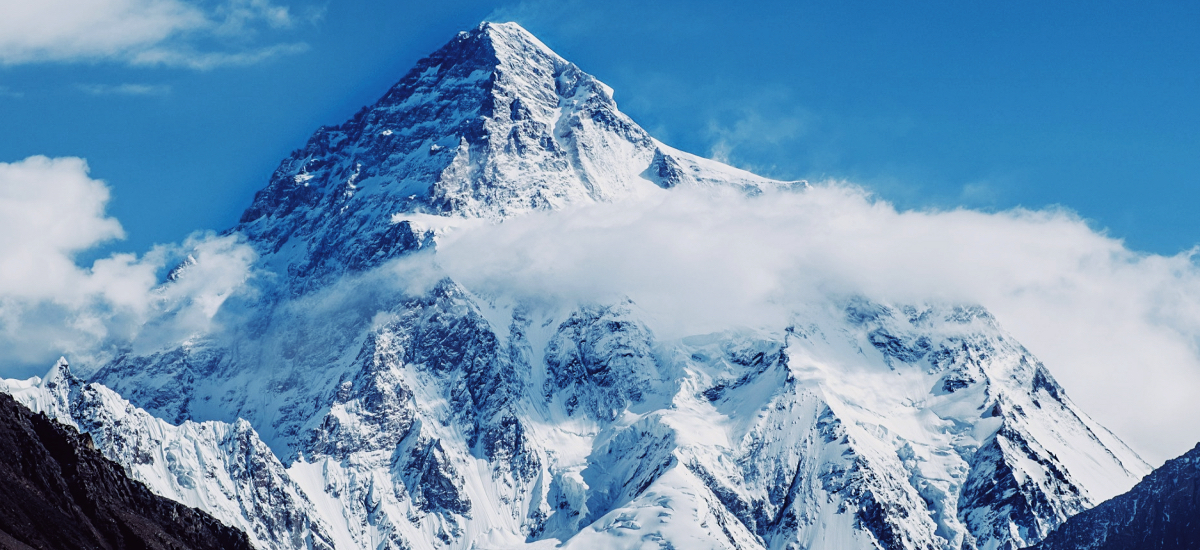
Standing at 8,091 meters, Annapurna I is a siren call for experienced mountaineers who crave technical prowess over fame. With one of the highest fatality rates among 8,000ers (around 32%), this peak in the Annapurna Massif is notorious for its avalanche-prone slopes and unpredictable weather, making it a true test of expertise.
The approach trek through the Annapurna Sanctuary is a highlight, winding through rhododendron forests and traditional Gurung villages, offering a cultural immersion that adds depth to the adventure. Once on the mountain, climbers face steep ice walls, hidden crevasses, and the need for advanced route-finding—skills honed from previous high-altitude expeditions are non-negotiable.
Why recommend Annapurna for veterans? It's less commercialized than Everest, providing a raw, wilderness experience that rewards solitude and strategic planning. The 1950 first ascent by Maurice Herzog and Louis Lachenal was a landmark event, but it came at a steep price, underscoring the mountain's dangers. For modern climbers, it's about respecting its legacy while embracing the thrill.
Fun fact: Annapurna means "Goddess of the Harvest" in Sanskrit, and many climbers feel a spiritual connection during their ascent. Cost: $10,000–$20,000. Best time: April to May or September to October. If you're drawn to peaks that demand every ounce of your experience, Annapurna won't disappoint—but always prioritize avalanche training and weather monitoring.
3. Kanchenjunga – The Remote Enigma
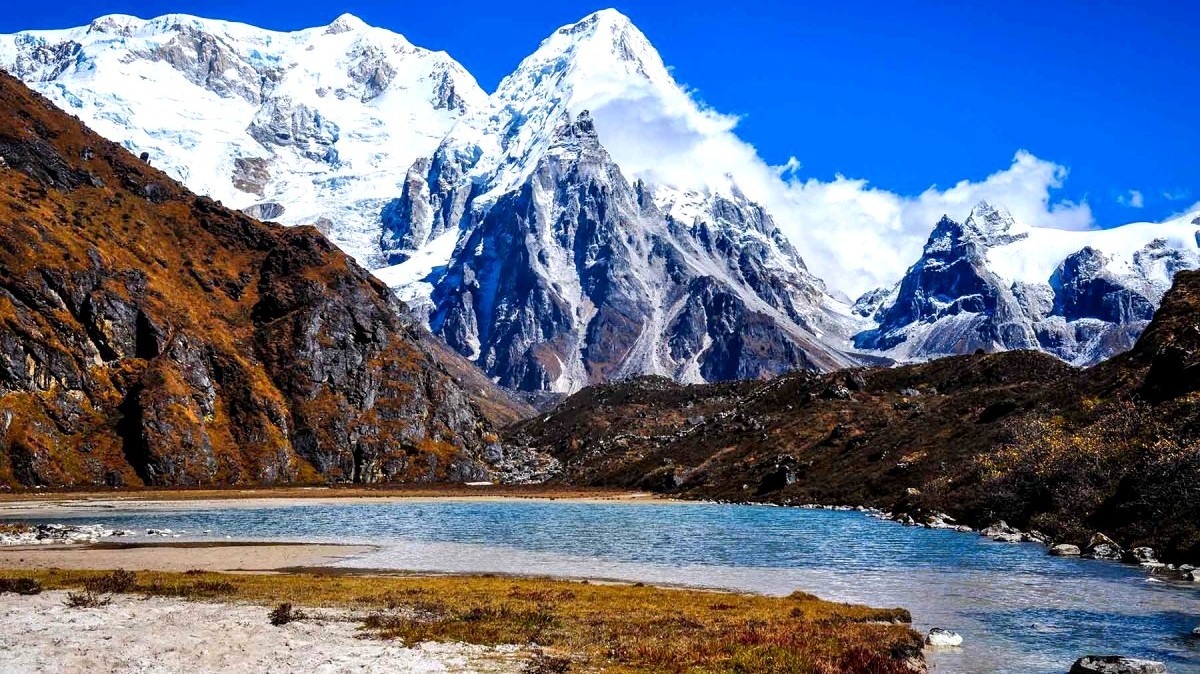
As the third-highest peak at 8,586 meters, Kanchenjunga offers a remote and rugged expedition that's perfect for those tired of crowded routes. Located on the Nepal-Sikkim border, this mountain's sharp ridges and mixed rock-ice climbs make it a favorite among climbers seeking an authentic, exploratory feel.
The journey starts with a long trek through the eastern Himalayas, passing through lush forests and yak-herding communities, which allows for gradual acclimatization and cultural exchanges. On the peak, the challenges include deep snow, exposed ridges, and a demanding final summit push that tests alpine skills to the core.
For experienced mountaineers, Kanchenjunga's appeal lies in its isolation—fewer teams mean more focus on personal technique and less on logistics. It's a peak that rewards patience and respect; in fact, climbers traditionally stop short of the true summit as a nod to local beliefs that the mountain is sacred to the Kirat people.
Fun fact: Kanchenjunga was first summited in 1955, and its name translates to "The Five Treasures of Snow," referring to its five peaks. Cost: $15,000–$30,000. Best time: April to May. If you thrive on solitude and technical variety, this is your mountain.
4. Dhaulagiri I – The White Mountain Challenge
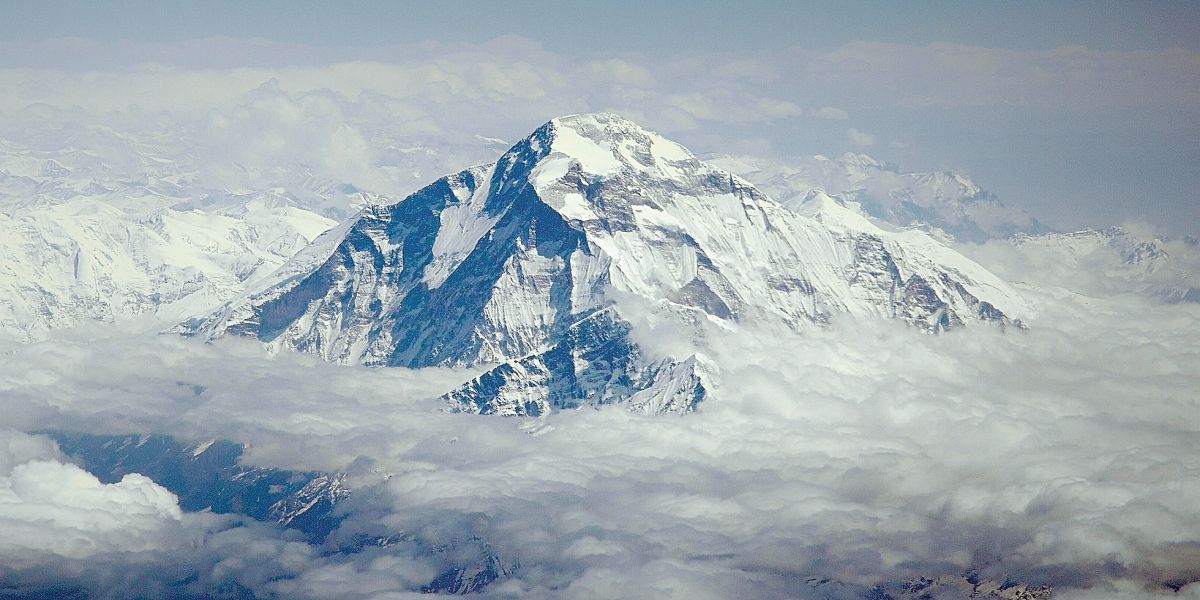
At 8,167 meters, Dhaulagiri I is a comprehensive test of mountaineering mastery, with its steep faces, icefalls, and rock bands demanding a full arsenal of skills. Known as the "White Mountain," this isolated peak in the Dhaulagiri Himal range offers a sense of mystery and adventure that's hard to beat.
The expedition involves a lengthy trek along the Kali Gandaki Gorge, the world's deepest, providing stunning contrasts between arid canyons and snow-capped giants. On the mountain, the Dhaulagiri Icefall and avalanche risks require expert timing and decision-making, making it ideal for climbers with a track record of technical ascents.
What sets Dhaulagiri apart for pros? Its raw beauty and the opportunity for exploration in a less-trodden area. The first ascent in 1960 by a Swiss-Austrian team cemented its status as a climber's peak, and today, it's about the pure joy of tackling diverse terrain.
Fun fact: Dhaulagiri's hidden side was once thought impossible to climb, adding to its allure. Cost: $10,000–$25,000. Best time: April to May. For those who want a multi-faceted challenge, Dhaulagiri delivers in spades.
5. Makalu – The Pyramid of Precision
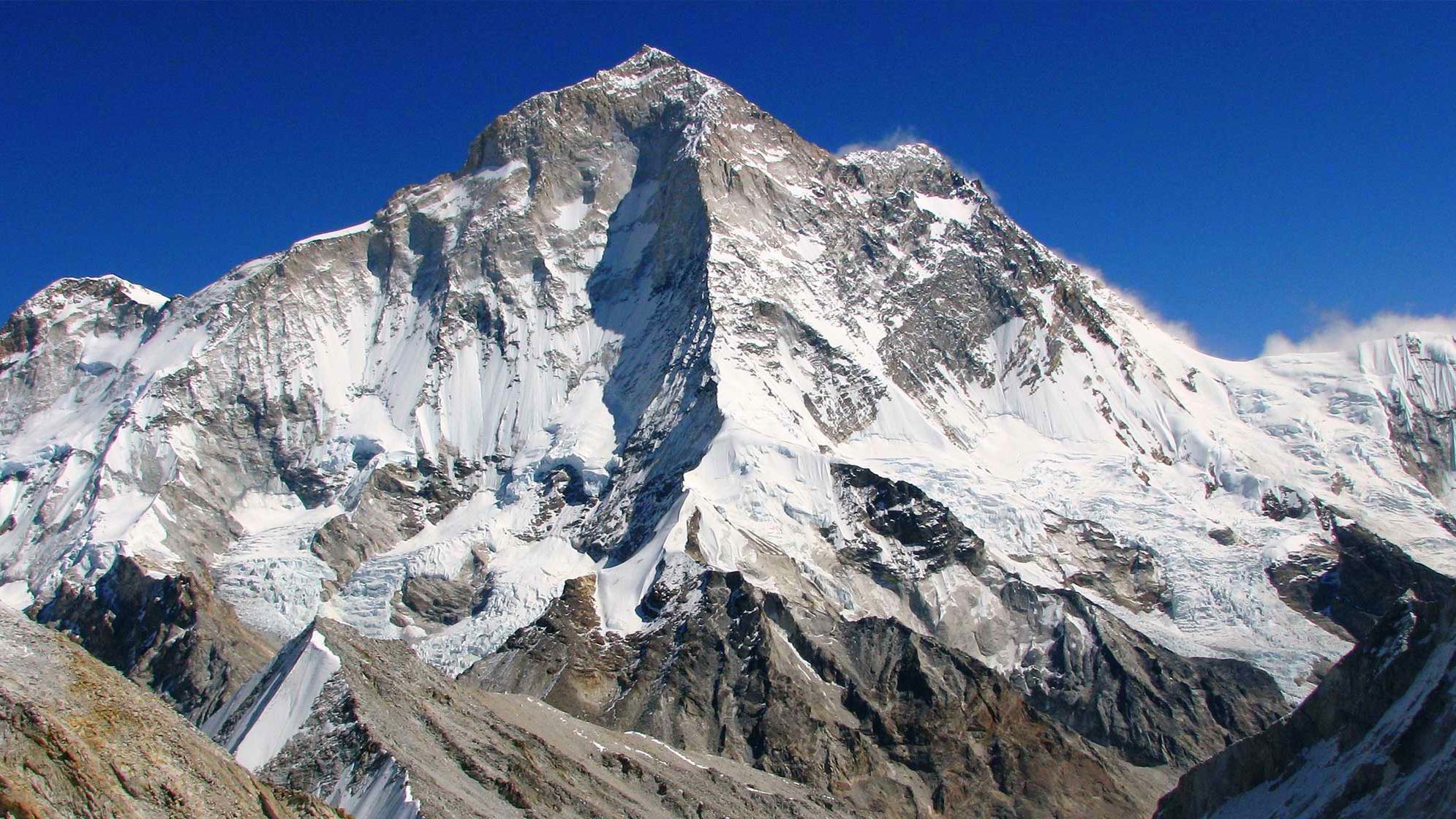
Rounding out our list is Makalu at 8,485 meters, a pyramid-shaped peak that demands precision and strength. Its technical routes, including the daunting West Face, make it a thrilling option for experienced mountaineers looking for a less-crowded alternative to Everest.
The approach via the Barun Glacier is an adventure in itself, traversing seracs and moraines while soaking in the biodiversity of Makalu Barun National Park. On the mountain, steep slopes and variable weather conditions require top-notch physical conditioning and glacier travel expertise.
Makalu's charm lies in its balance of challenge and accessibility—it's demanding but achievable for pros, with opportunities to explore nearby areas. The first ascent in 1955 by a French team highlighted its technical nature, and today, it's a go-to for climbers seeking a "pure" expedition.
Fun fact: Makalu is just 19 km from Everest, allowing for potential combined trips, but its unique shape sets it apart. Cost: $10,000–$20,000. Best time: April to May. If you're after a peak that combines beauty and brutality, Makalu is the one.
Key Preparations for High-Altitude Expeditions
To conquer these giants, even experienced mountaineers must prepare comprehensively. Everest Sherpa Expeditions integrates the following principles into every expedition plan:
- Comprehensive Physical Conditioning:
Strength, stamina, and endurance training targeting altitude efficiency and load-bearing. - Advanced Technical Skills:
Mastery of fixed rope travel, self-arrest, crampon and ice-axe techniques, and crevasse rescue. - High-Altitude Acclimatization Strategy:
Rotational climbs and personalized oxygen planning to optimize summit performance. - Safety and Communication Protocols:
Daily weather reports, satellite communications, and a dedicated rescue response framework. - Environmental Responsibility:
Strict adherence to Leave No Trace ethics — our expeditions operate with minimal environmental footprint and full waste management systems.
Final Thoughts: Embrace the Adventure Responsibly
Nepal's top 5 expeditions for experienced mountaineers offer something for every thrill-seeker, from Everest's iconic status to Makalu's technical finesse. These climbs aren't just about reaching the top; they're about the stories you'll tell, the lessons learned, and the unbreakable bond with the mountains.
Before you gear up, remember: Preparation is key. Get UIAA-certified training, undergo medical checks, and acclimatize properly to mitigate risks like altitude sickness. Support sustainable tourism by choosing eco-friendly operators and following Leave No Trace principles. If you're ready to plan your next adventure, consult the NMA for permits and consider alternatives like Manaslu for a slightly less intense option.
At Everest Sherpa Expeditions, we believe that high-altitude success lies in professionalism, respect for the mountains, and an unrelenting commitment to safety. These expeditions are not merely about reaching the summit — they are about becoming one with the Himalayas.
If you need any further information, please contact us by email: [email protected], Phone: +977- 980 195 6248 (WhatsApp).