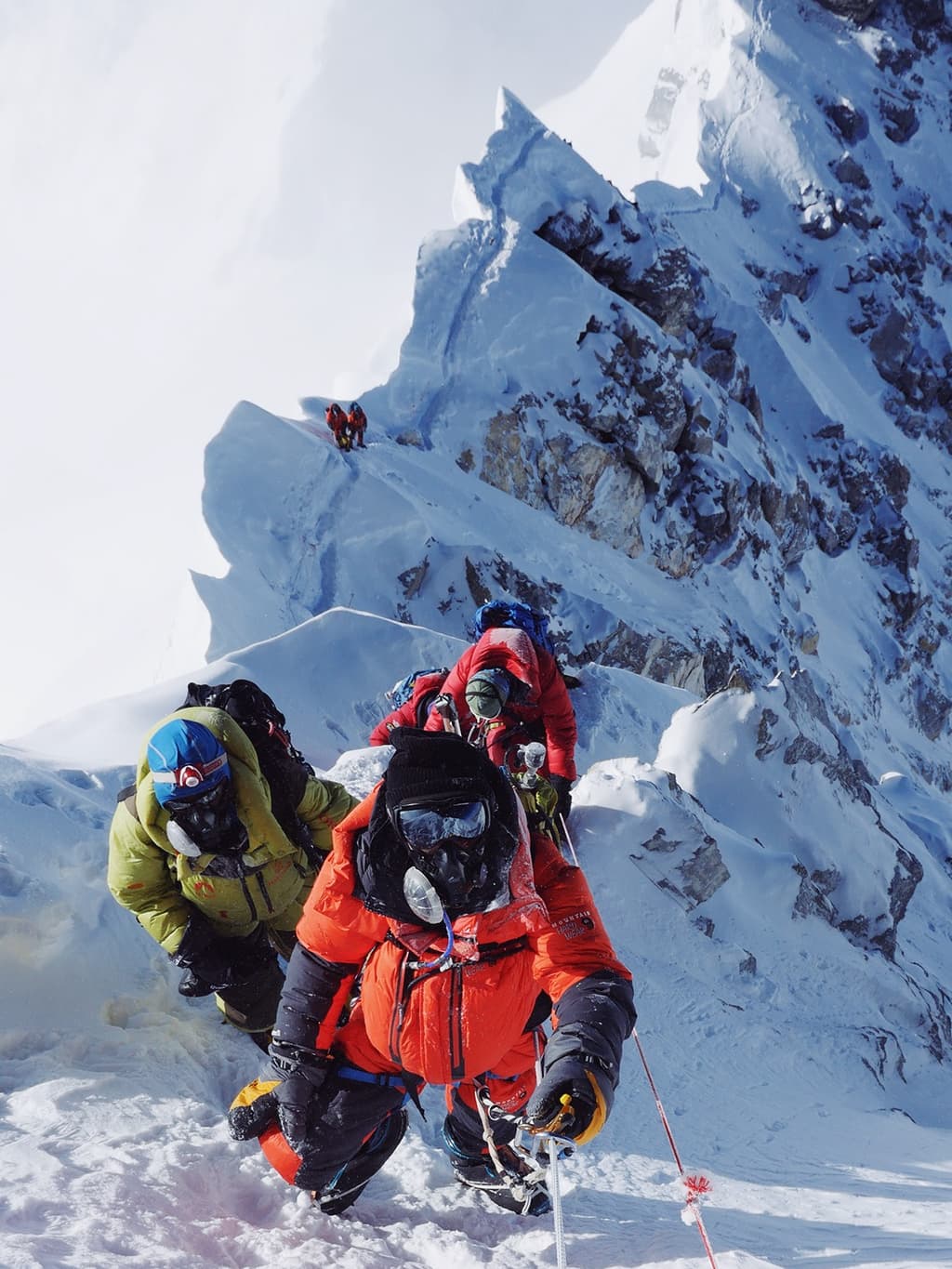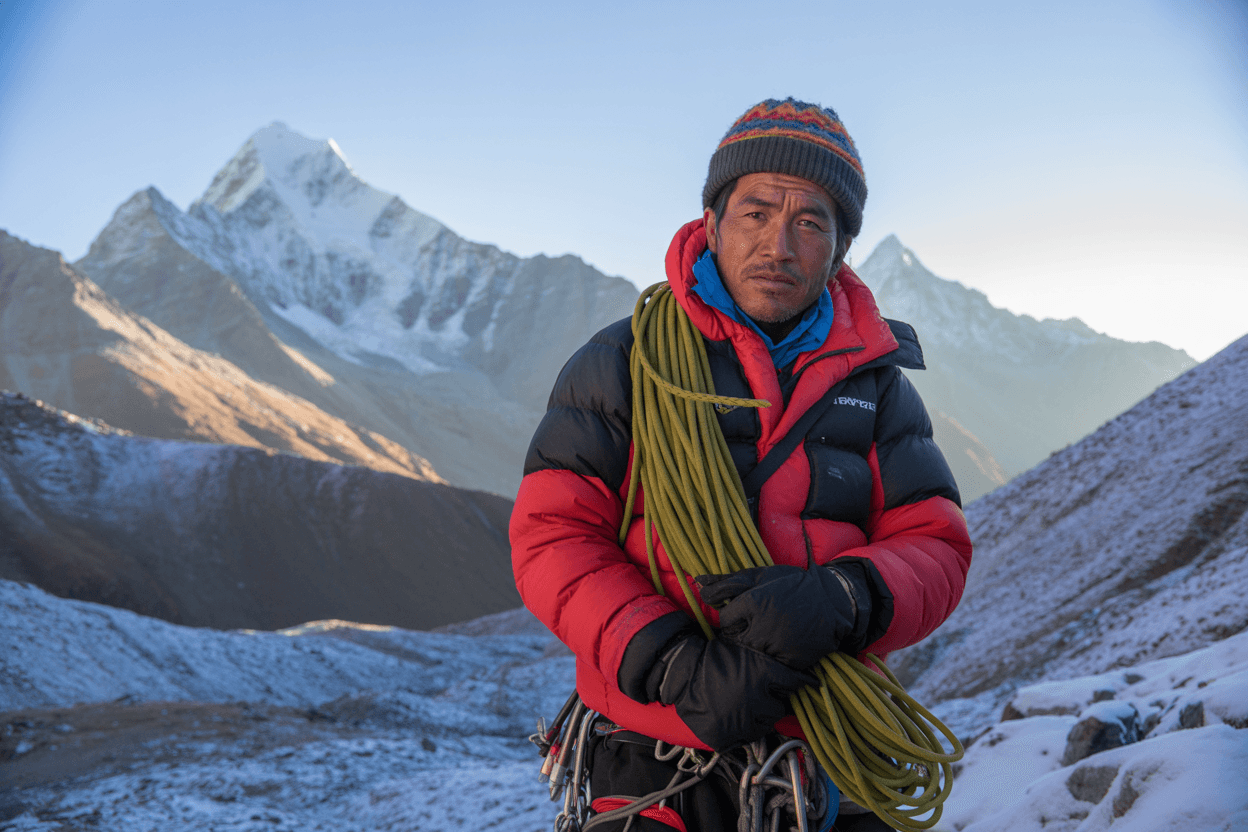
Climbing in the Himalayas without a Sherpa is like performing surgery without medical training – technically possible, but the odds of disaster skyrocket. This guide is for mountaineers, trekkers, and adventure travelers planning expeditions to high-altitude regions who want to understand why hiring a Sherpa could be the difference between coming home safely and becoming another cautionary tale.
When you're facing altitude sickness at 18,000 feet or caught in a sudden whiteout, a Sherpa's life-saving expertise becomes your lifeline. These mountain professionals don't just carry your gear – they possess generations of knowledge about reading weather patterns, navigating treacherous terrain, and making split-second decisions that prevent fatal accidents.
We'll explore the essential safety skills that separate Sherpas from regular guides, examine how they prevent the common mistakes that kill climbers each season, and break down the real financial cost of attempting these expeditions solo. You'll also discover compelling stories of Sherpas who literally saved their clients' lives when everything went wrong on the mountain.
Life-Saving Expertise That Only Sherpas Possess
Advanced altitude sickness recognition and emergency response
When you're at 18,000 feet and your brain starts getting fuzzy, regular guides might tell you to "push through" or suggest descending slowly. Sherpas know that could be the difference between making it home and becoming another mountain statistic. They spot the subtle signs of cerebral edema hours before it becomes life-threatening – the slight stumbling, the confused responses to simple questions, the way someone's pupils react differently to light.
Sherpas carry Gamow bags and know exactly when to use them. They've seen climbers whose lips turn blue from high-altitude pulmonary edema, and they can distinguish between regular exhaustion and the deadly fluid buildup in lungs. Most importantly, they make the hard call to evacuate when Western climbers are still insisting they feel "fine enough" to continue.
Their emergency protocols go beyond basic first aid. They know which medications work at extreme altitudes and which ones become dangerous. They understand how dehydration compounds altitude sickness and can spot the early kidney dysfunction that kills climbers days after they think they've recovered.
Weather pattern prediction in extreme mountain conditions
Mountain weather kills more climbers than avalanches, falls, and altitude sickness combined. Sherpas read cloud formations that don't appear in any meteorology textbook. They notice the subtle shift in wind direction that signals a storm system moving in from the Tibetan plateau. When the barometric pressure drops and most people feel nothing, Sherpas are already calculating how many hours before conditions become unsurvivable.
They understand the microclimates that exist within a single mountain face. While GPS weather apps might show clear skies, Sherpas know that certain valleys create wind tunnels that can knock a climber off a ridge. They recognize the temperature inversions that create ice bridges over crevasses in the morning, but turn them into death traps by afternoon.
Sherpas don't just predict weather – they predict how it will specifically affect your route. They know which slopes become avalanche-prone with just two inches of fresh snow and which ridges become impassable when winds exceed 30 mph. This hyperlocal knowledge comes from generations of families who've lived in these mountains, not from weather stations hundreds of miles away.
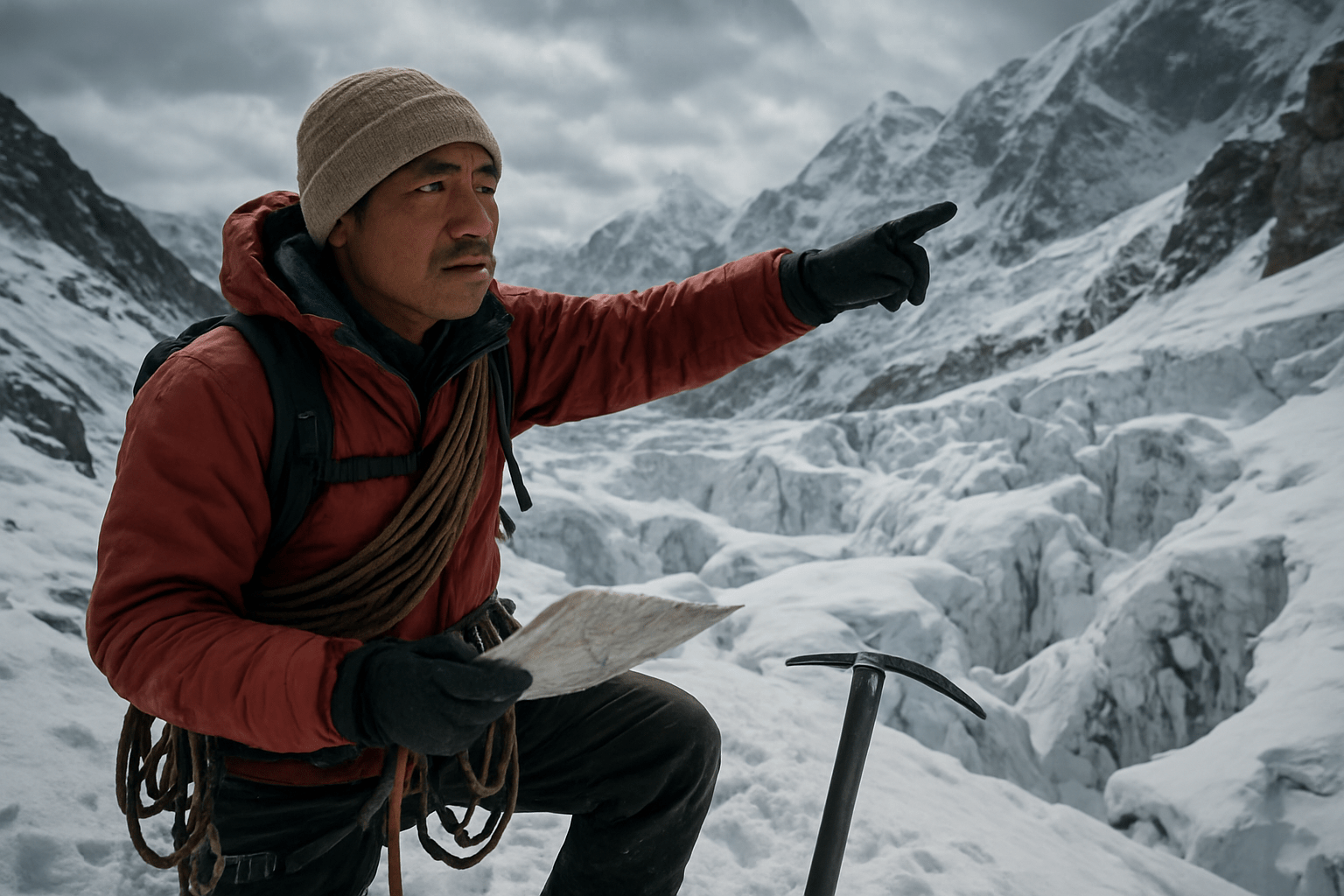
Route navigation through dangerous terrain and hidden crevasses
GPS fails at altitude. Compasses spin wildly near magnetic rock formations. In whiteout conditions, even experienced climbers walk in circles until they freeze to death just yards from safety. Sherpas navigate by reading the mountain's personality – the way snow accumulates on certain ridges, how avalanche debris creates natural markers, the subtle changes in slope angle that indicate stable versus unstable ground.
They spot crevasses that satellite imagery misses. These hidden death traps open and close with seasonal temperature changes, and Sherpas track these patterns across decades. They know which snow bridges can support human weight and which ones collapse the moment you step on them. More critically, they know alternative routes when the primary path becomes impassable.
When visibility drops to zero, Sherpas use techniques passed down through generations – feeling for wind patterns, listening to how their footsteps echo off unseen rock faces, and even detecting changes in air pressure that indicate proximity to cliff edges or deep valleys. They create mental maps that include not just the physical terrain but also the seasonal changes, weather patterns, and time-of-day variations that affect route safety.
Emergency evacuation procedures when rescue teams cannot reach you
Helicopter rescues fail above 20,000 feet. Radio communications get spotty. When you're injured in the death zone, traditional rescue protocols become worthless. Sherpas are trained in high-altitude evacuations that don't rely on outside help. They know how to construct emergency shelters that can keep someone alive for days in sub-zero temperatures. They can perform emergency medical procedures using basic supplies and improvised tools.
Most importantly, they know how to move injured climbers down dangerous terrain without causing additional trauma. They understand how to manage pain medication at altitude, how to prevent shock when oxygen levels are already critically low, and how to maintain body temperature during prolonged evacuations.
Sherpas maintain communication networks with base camps and other climbing teams that function even when official rescue operations can't deploy. They know which routes remain passable for emergency descents and which helicopter landing zones stay accessible in bad weather. When professional rescue teams give up, Sherpas continue working with whatever resources they have available.
Essential Safety Skills That Separate Sherpas From Regular Guides
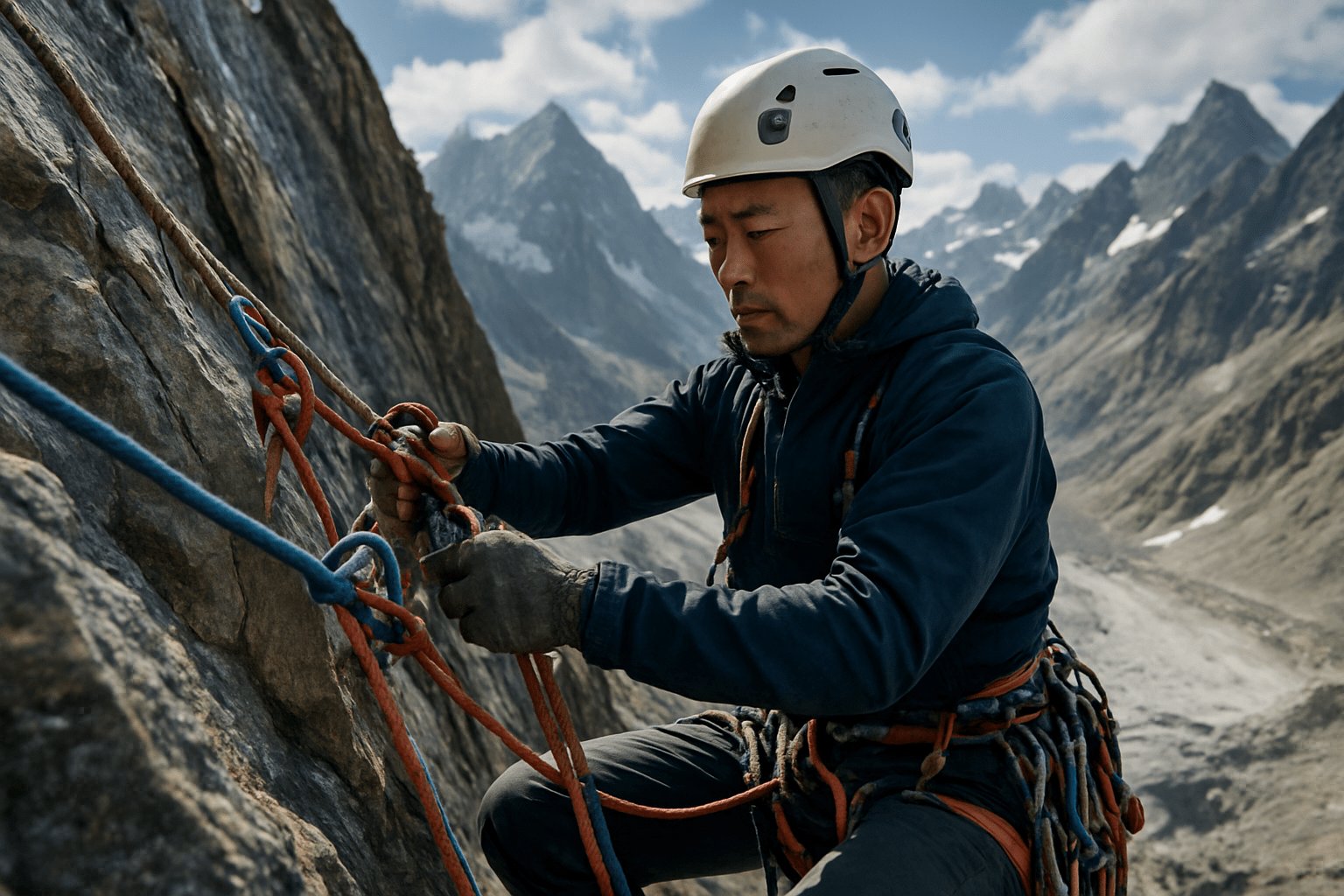
Technical Rope Work and Rescue Techniques in Life-Threatening Situations
Sherpas master rope techniques that go far beyond what regular guides learn in basic certification courses. When avalanche debris buries a climber or a teammate falls into a hidden crevasse, Sherpas can set up complex pulley systems using nothing but the gear on their backs. They've practiced these rescues thousands of times on actual mountains, not just in controlled training environments.
Regular guides might know how to tie a few knots and belay properly, but Sherpas understand dynamic rope management in chaotic conditions. They can build anchors on unstable ice, execute self-arrests while carrying an injured person, and perform technical rescues in whiteout conditions where visibility drops to mere feet.
The difference becomes crystal clear during emergencies. A regular guide might panic when standard procedures fail. Sherpas adapt instantly, creating improvised rescue systems from broken gear or finding creative solutions when textbook methods won't work on unpredictable terrain.
Medical Training for High-Altitude Emergencies and Hypothermia Treatment
Mountain medicine requires split-second decisions that can mean the difference between life and death. Sherpas recognize the subtle early signs of cerebral edema before clients even realize something's wrong. They spot the slight confusion, the minor coordination problems, and the barely noticeable changes in speech patterns that signal brain swelling.
Hypothermia treatment in the mountains isn't about getting someone to a warm room – it's about preventing further heat loss while planning immediate descent. Sherpas know exactly how to rewarm someone safely without triggering dangerous heart rhythms. They understand which warming techniques work at 20,000 feet and which ones can actually kill a hypothermic person.
Regular guides typically learn basic first aid, but mountain emergencies demand specialized knowledge. Sherpas can diagnose altitude sickness variants, manage fluid retention at high elevation, and make critical evacuation decisions when helicopter rescue isn't possible.
Equipment Failure Troubleshooting When Your Gear Malfunctions at Critical Moments
Gear breaks at the worst possible times. Oxygen regulators freeze solid. Crampon bindings snap on technical ice. Sleeping bag zippers fail during storms. Sherpas have MacGyvered solutions for every conceivable equipment failure because they've seen it all before.
They carry repair kits that regular guides never think about: spare regulator parts, emergency binding materials, and backup systems for critical gear. More importantly, they know how to jury-rig solutions using completely unrelated equipment when proper repair parts aren't available.
When a client's headlamp dies during a summit push, regular guides hand over a spare and hope for the best. Sherpas create backup lighting systems, plan alternative navigation methods, and adjust the entire team's strategy to compensate for reduced visibility. They think three steps ahead because equipment failure in the death zone isn't just inconvenient – it's potentially fatal.
How Sherpas Prevent Common Mistakes That Kill Climbers
Proper Acclimatization Schedules That Prevent Fatal Altitude Sickness
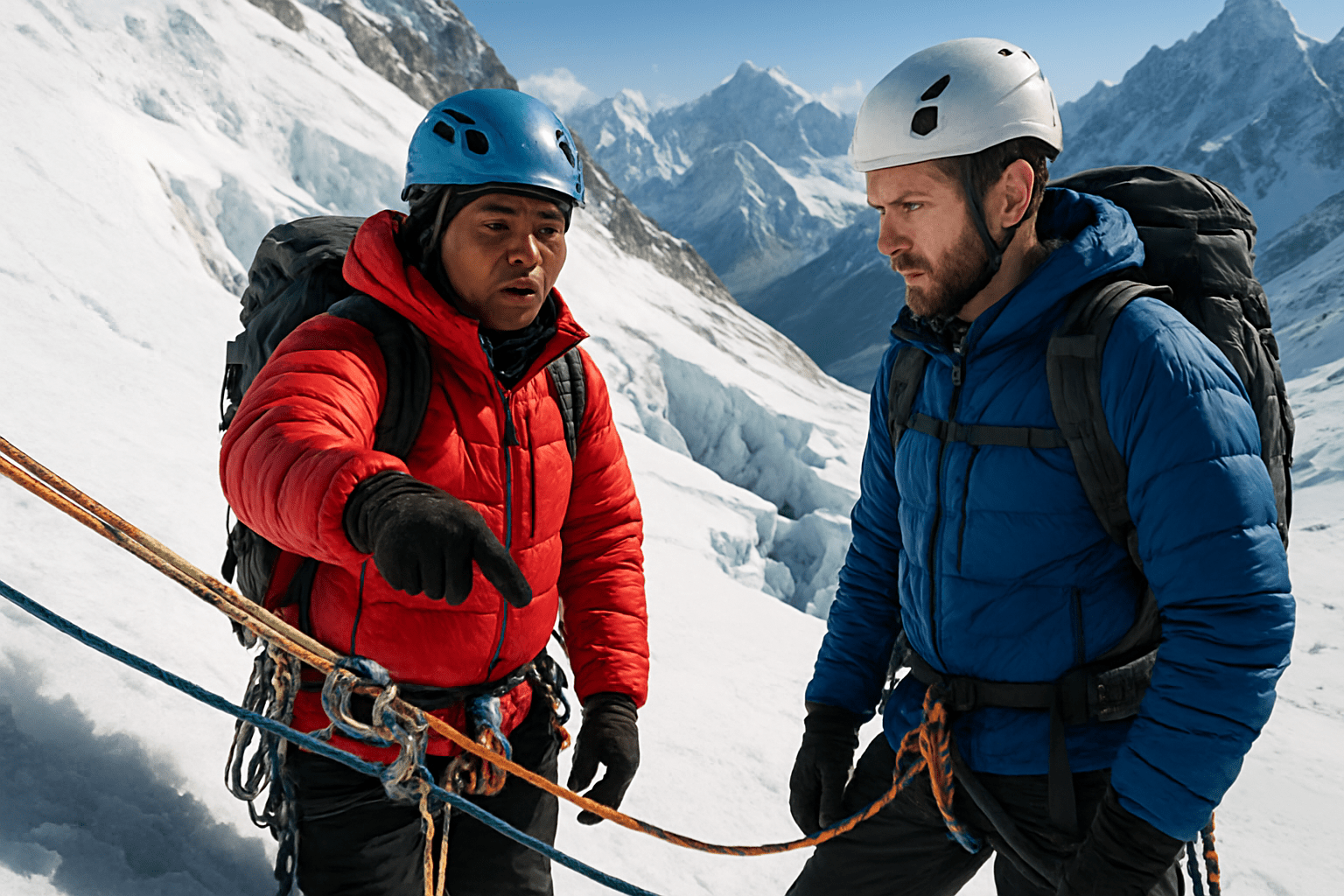
Sherpas understand the mountain's rhythm like nobody else. They've watched countless climbers rush toward summits only to collapse from cerebral or pulmonary edema. Their acclimatization schedules follow generations of hard-earned wisdom, not arbitrary timelines.
A typical Western climbing schedule might allocate 10-14 days for Everest acclimatization. Experienced Sherpas often extend this to 18-21 days, building in extra rest days that seem unnecessary until they save your life. They recognize subtle signs of altitude sickness that most climbers miss - slight coordination problems, unusual irritability, or sleep disturbances that signal your body isn't adapting properly.
Key Sherpa Acclimatization Principles:
- Multiple rotations to progressively higher camps
- Mandatory rest days, even whenthe weather looks perfect
- Individual assessment rather than group scheduling
- Recognition that acclimatization varies dramatically between people
Timing Decisions That Avoid Deadly Weather Windows
Weather kills more climbers than technical difficulty ever will. Sherpas read atmospheric conditions through subtle environmental cues that meteorological reports miss. They notice how wind patterns shift around ridgelines, how snow conditions change with temperature variations, and when seemingly calm weather masks approaching storms.
Professional Sherpas maintain communication networks with other climbing teams and base camp meteorologists. They'll abort summit attempts when conditions look marginally acceptable to inexperienced eyes but deadly to theirs. This conservative approach frustrates some climbers who see "acceptable" weather, but Sherpas know that "acceptable" can become fatal within hours at extreme altitude.
Critical Weather Indicators Sherpas Monitor:
- Wind speed changes at different elevations
- Cloud formation patterns are unique to each mountain
- Temperature gradients that signal approaching storms
- Barometric pressure shifts are invisible to basic equipment
Load Management Strategies That Prevent Exhaustion-Related Accidents
Carrying too much weight or climbing too aggressively causes more deaths than dramatic falls. Sherpas excel at load distribution and energy conservation strategies developed over decades of high-altitude work. They understand how extra weight affects oxygen consumption and decision-making capabilities at altitude.
Sherpas often redistribute gear between team members based on individual strength, acclimatization levels, and daily condition assessments. They'll insist on leaving "non-essential" items behind when conditions demand maximum efficiency. This might mean abandoning camera equipment or extra clothing that seemed important at lower elevations.
Sherpa Load Management Techniques:
- Daily weight assessments based on individual capacity
- Strategic gear caching at intermediate camps
- Energy conservation through optimal pacing strategies
- Recognition of early exhaustion warning signs
Hydration and Nutrition Protocols That Maintain Life-Sustaining Energy Levels
Dehydration and malnutrition kill climbers gradually, then suddenly. Sherpas maintain strict protocols around fluid intake and caloric consumption that keep climbers functional when their bodies want to shut down. They understand how appetite disappears at altitude while nutritional needs actually increase.
Experienced Sherpas carry specific foods that provide maximum nutritional value with minimal weight and preparation requirements. They know which foods digest easily at altitude and which ones cause gastrointestinal problems that can derail entire expeditions. They'll force-feed climbers who've lost their appetite but need calories to survive.
Essential Sherpa Nutrition Protocols:
- Minimum daily caloric intake requirements regardless of appetite
- Hydration schedules that account for increased respiratory water loss
- Food selection based on digestibility at altitude
- Recognition of dangerous weight loss patterns
The Financial Cost of Going Without a Sherpa
Expensive helicopter rescue operations that insurance may not cover
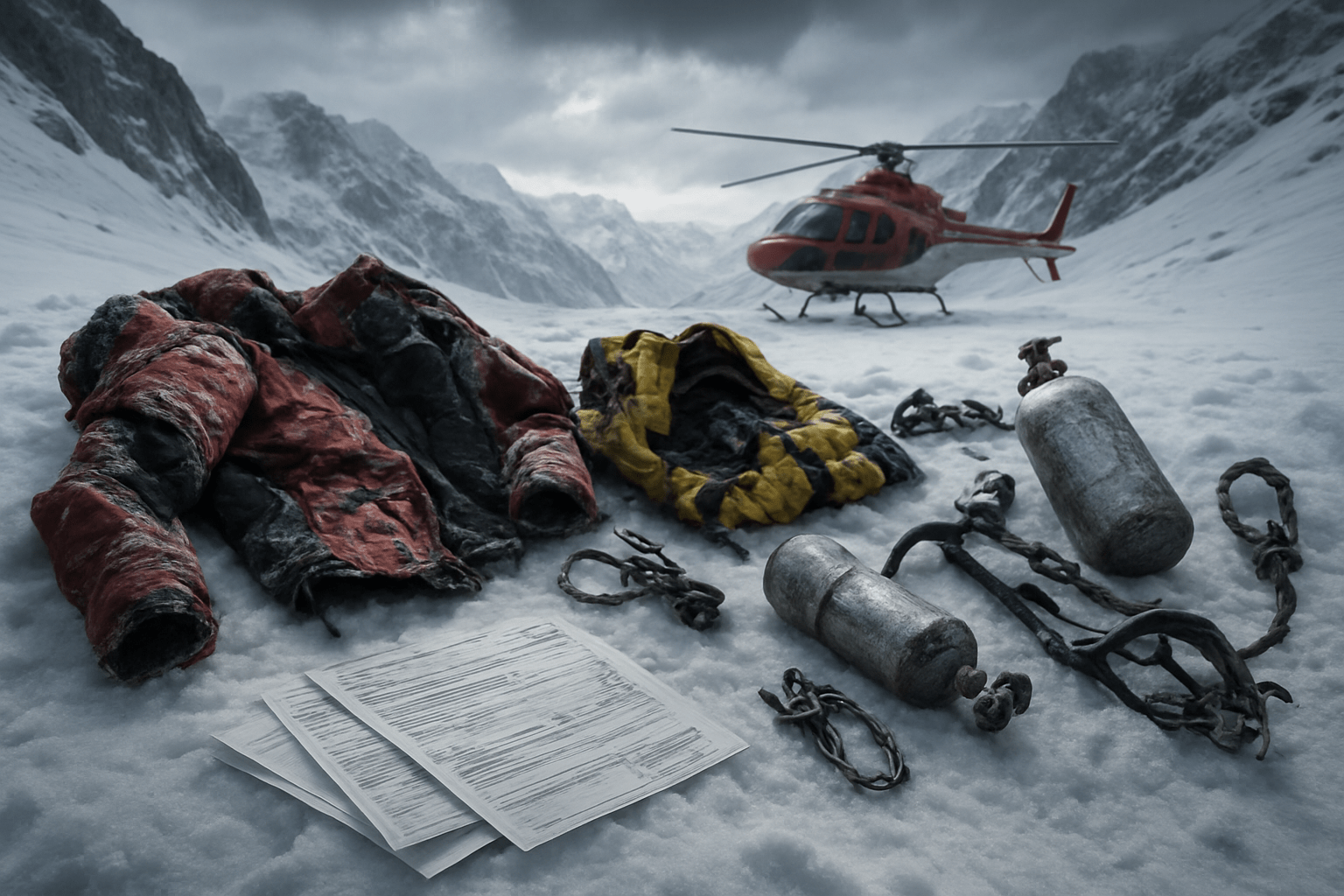
When things go wrong in the mountains, helicopter rescues become the only viable option for extraction. These operations come with staggering price tags that can range from $10,000 to $50,000 per rescue, depending on altitude, weather conditions, and duration. Many climbers discover too late that their travel insurance policies contain specific mountaineering exclusions, leaving them personally liable for the entire cost.
Helicopter rescues above 18,000 feet require specialized aircraft and highly trained pilots willing to operate in thin air and unpredictable weather. The technical complexity drives costs even higher, with some high-altitude rescues exceeding $75,000 when multiple attempts are needed. Insurance companies often classify solo climbing or expeditions without certified guides as "high-risk activities" that void standard coverage.
Private rescue insurance policies designed for mountaineering typically cost $200-500 annually but require proof of qualified guides or expedition leaders. Without this documentation, claims get denied regularly, leaving climbers facing bankruptcy-level bills for their survival.
Medical evacuation costs that can reach six figures
Medical evacuations from remote mountain locations involve multiple stages of transport and specialized care. Initial helicopter extraction to a base camp medical facility can cost $25,000-40,000, but this represents just the beginning of expenses. Secondary transport to proper medical facilities via fixed-wing aircraft or additional helicopter transfers adds another $30,000-60,000 to the bill.
High-altitude medical emergencies often require immediate pressurized transport and specialized medical teams trained in altitude-related conditions. These teams command premium rates, with some medical evacuations from peaks like Everest or K2 totaling $150,000-200,000 when multiple complications arise.
Treatment for severe altitude sickness, hypothermia, or traumatic injuries in remote locations requires specialized equipment and medications that standard medical facilities may not stock. Emergency medical teams must be flown to remote locations with portable hyperbaric chambers, advanced life support equipment, and blood products, all adding substantial costs to the evacuation bill.
Lost equipment replacement when improper decisions destroy gear
Mountain climbing gear represents a significant investment, with complete expedition setups costing $15,000-30,000 per person. When inexperienced climbers make poor route choices or fail to recognize dangerous conditions, expensive equipment gets destroyed or abandoned during emergency situations.
Avalanches, rockfall, and severe weather can destroy tents, sleeping systems, technical climbing gear, and communication equipment in minutes. Replacing high-end mountaineering gear mid-expedition requires emergency helicopter delivery services that can cost $5,000-10,000 just for transport, not including the replacement gear costs.
Abandoning gear during emergency descents is common when climbers without proper guidance find themselves in life-threatening situations. Items left behind include $2,000 sleeping bags, $1,500 tents, $800 climbing boots, and technical gear worth thousands more. Insurance rarely covers abandoned equipment, making poor decision-making an expensive lesson in mountain safety.
Real Success Stories of Sherpas Saving Lives
Documented rescues during the 2014 Everest avalanche disaster
On April 18, 2014, an ice serac collapsed in the Khumbu Icefall, triggering the deadliest avalanche in Everest's climbing history. Sixteen Sherpas lost their lives that day, but the heroic actions of surviving Sherpas saved dozens of climbers from certain death.
Dorje Sherpa, working near Base Camp when the avalanche struck, immediately organized rescue teams despite the ongoing danger. He led multiple expeditions into the unstable icefall to extract buried climbers, using traditional rope techniques passed down through generations. His team successfully pulled out seven Western climbers who were trapped under massive ice blocks.
Pemba Sherpa demonstrated extraordinary courage by rappelling into a 40-foot crevasse to rescue two Japanese climbers who had fallen during the chaos. Working without modern rescue equipment, he used climbing ropes and ice axes to create an improvised pulley system. Both climbers suffered hypothermia but survived because of his quick thinking and technical expertise.
The disaster revealed how Sherpas instinctively organize rescue operations without waiting for official coordination. Within minutes of the avalanche, dozens of Sherpas abandoned their own safety to search for survivors. Their intimate knowledge of ice movement patterns and rescue techniques proved invaluable during those critical first hours when professional rescue teams couldn't reach the scene.
Weather-related evacuations that prevented certain death
Sherpas possess an almost supernatural ability to read mountain weather patterns, saving countless lives through timely evacuations. Their interventions often happen hours before deadly storms strike.
In 2019, Ang Dorje Sherpa noticed subtle wind pattern changes on Everest's North Col and immediately ordered the evacuation of Camp 1. Six hours later, winds exceeding 100 mph destroyed every tent at the location. The eight climbers he evacuated would have faced certain death from exposure.
During a 2017 Annapurna expedition, Pemba Tashi Sherpa detected barometric pressure drops that Western weather instruments missed. He insisted on evacuating Camp 3 despite clear skies and climber protests. The resulting blizzard lasted four days and buried the camp under eight feet of snow. His weather sense saved twelve climbers from becoming trapped above the death zone.
Sherpas also excel at high-altitude medical evacuations during weather emergencies. In 2020, when a sudden storm trapped a Korean climber with severe altitude sickness at 7,200 meters on Cho Oyu, two Sherpas performed a technical rescue in whiteout conditions. They navigated purely by feel and memory, carrying the unconscious climber down 2,000 meters of treacherous terrain to safety.
Medical emergencies resolved through Sherpa intervention
Sherpas routinely perform life-saving medical interventions that go far beyond basic first aid training. Their experience with altitude-related illnesses and trauma injuries makes them invaluable medical assets.
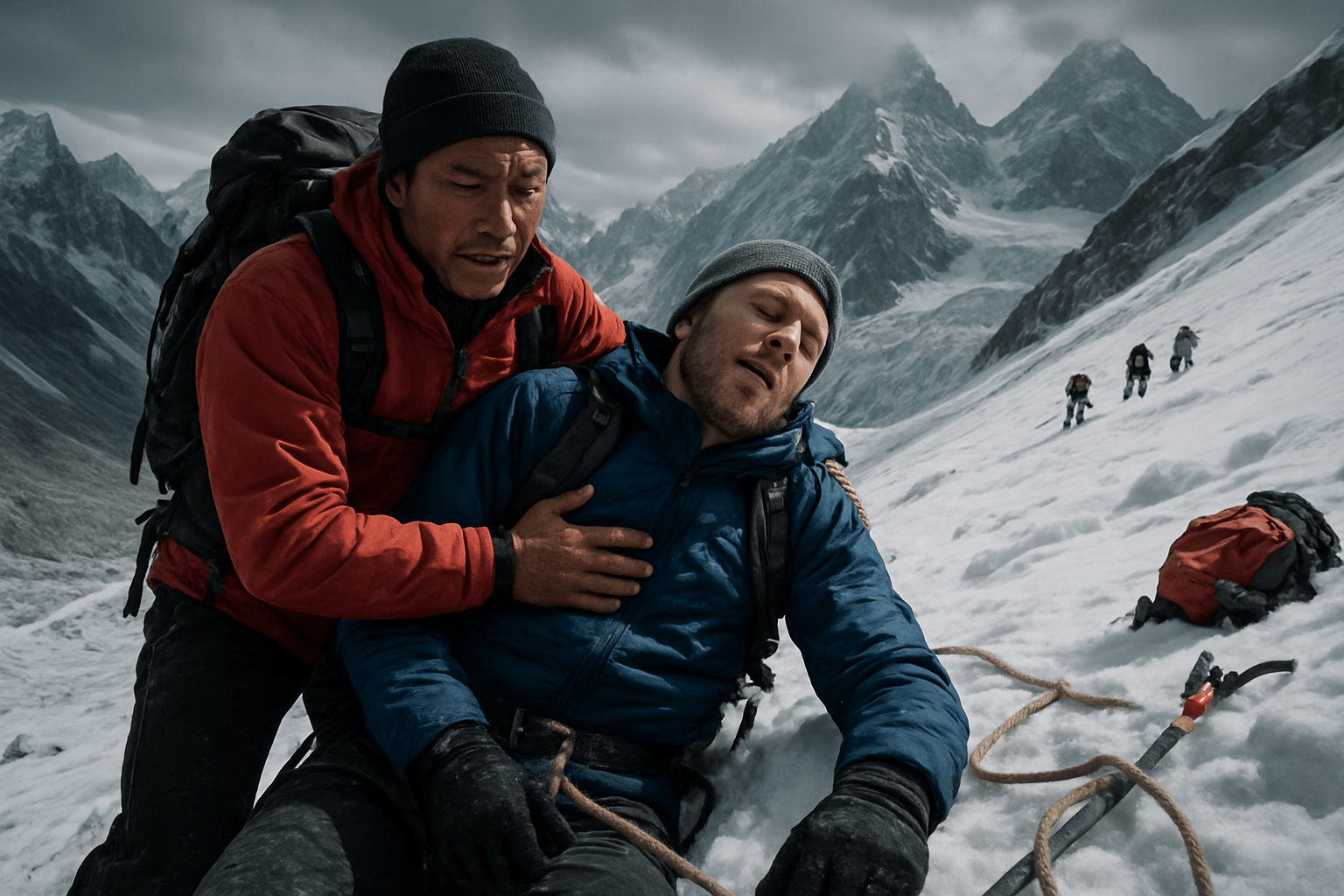
Tenzing Sherpa saved American climber David Wilson's life during a 2018 Everest attempt when Wilson developed High Altitude Cerebral Edema (HACE) at 8,000 meters. Recognizing the symptoms immediately, Tenzing administered dexamethasone from his personal medical kit and began an emergency descent. He carried Wilson on his back for over 1,000 meters of vertical descent, performing CPR twice when Wilson's breathing stopped.
Lhakpa Sherpa demonstrated remarkable medical knowledge when a British climber suffered compound fractures after falling into a crevasse on Island Peak. Using climbing gear as makeshift medical equipment, she immobilized the fractures, treated shock, and organized a complex multi-day evacuation. Her improvised traction system prevented permanent disability.
Sherpa's medical expertise extends beyond trauma care. Ang Rita Sherpa identified signs of High Altitude Pulmonary Edema (HAPE) in a German climber before the climber himself felt symptoms. His early intervention, including immediate descent and oxygen administration, prevented what doctors later confirmed would have been fatal fluid buildup in the lungs.
These documented cases represent just a fraction of unreported Sherpa rescues that happen every climbing season, highlighting their irreplaceable role in mountain safety.
Conclusion

The mountains demand respect, and Sherpas have earned theirs through generations of experience and unmatched expertise. Their life-saving skills, deep understanding of mountain conditions, and ability to prevent fatal mistakes make them invaluable partners for any serious expedition. While hiring a Sherpa represents a significant financial investment, the real-world stories of lives saved and trips rescued prove that this cost pales in comparison to the alternative.
Don't let overconfidence or budget concerns put your life at risk. When planning your next mountain adventure, make hiring an experienced Sherpa your priority, not your last consideration. Your safety, success, and very survival may depend on this crucial decision.
If you need any further information, please contact us by email: [email protected], Phone: +977- 980 195 6248 (WhatsApp).