Ever stood at 8,000 meters, where the air is so thin your brain struggles to form complete thoughts? For mountaineers chasing the ultimate high, Nepal's 8000m peaks represent climbing's Holy Grail – eight of the world's fourteen highest mountains, all with summit zones in the "death zone."
You won't find bigger challenges or more spectacular rewards anywhere on Earth. These Himalayan giants have been attracting the brave, the foolish, and the exceptionally skilled for decades.
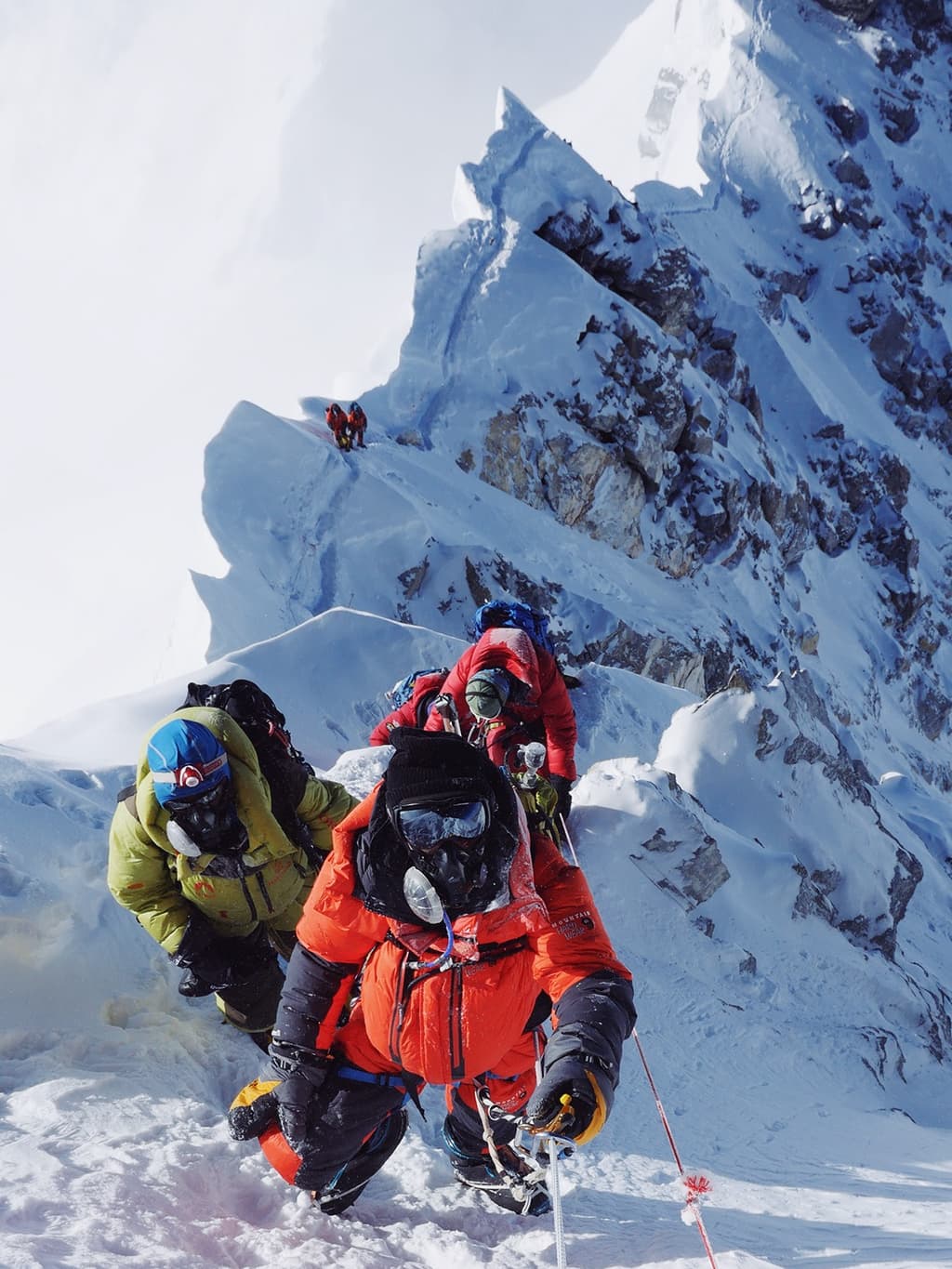
I've guided expeditions on six of Nepal's 8000m peaks, and I'll tell you this: photos don't capture the reality. Not the bone-chilling cold that freezes camera batteries in minutes. Not the mind-altering oxygen deprivation. And certainly not the soul-stirring panoramas that make you question everything you thought you knew about beauty.
But what separates the mountains that break climbers from those that make legends?
Overview of Nepal's 8000m Peaks
Understanding what makes a peak "8000m"
When we talk about 8000m peaks, we're referring to mountains that stand taller than 8,000 meters (26,247 feet) above sea level. Only 14 such giants exist on our planet, and Nepal can proudly claim 8 of them - more than any other country in the world.
These mountains aren't just tall - they're in a league of their own. At these extreme elevations, we enter what mountaineers call the "death zone" - altitudes above 8,000m where oxygen levels are so low that human bodies begin to deteriorate. The air contains roughly a third of the oxygen found at sea level, making every movement incredibly taxing.
Nepal's dominance in the highest mountains
We've been blessed with an unfair share of the world's highest peaks. Of the 14 eight-thousanders globally, 8 call Nepal home (either entirely or shared with Tibet/China). This includes Mount Everest (8,848m), the undisputed king of mountains.
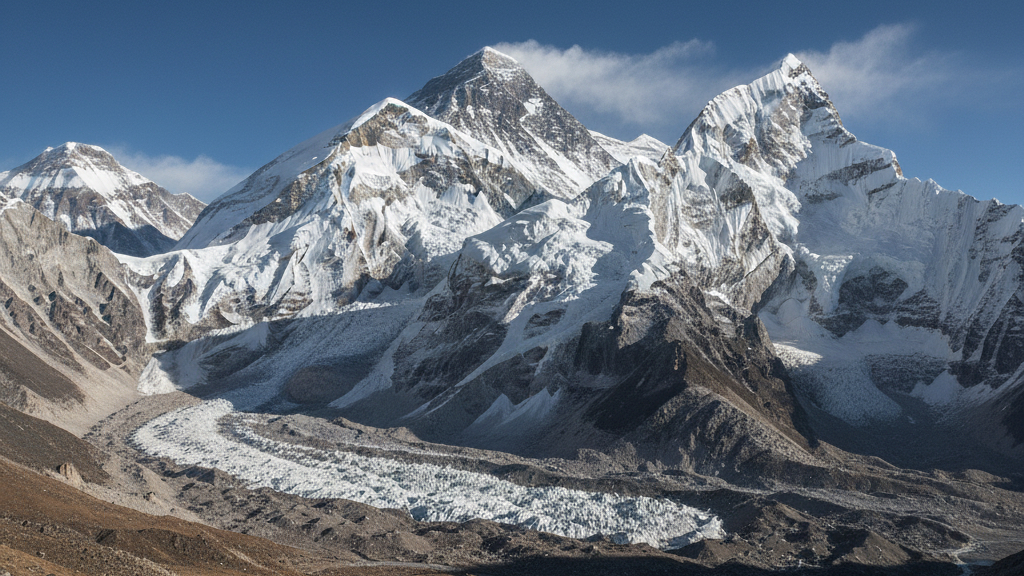
Our mountains aren't just numerous - they're iconic. Peaks like Everest, Lhotse, Makalu, and Cho Oyu form a lineup of mountaineering royalty that has captivated adventurers for generations. When you visit our Himalayan nation, you're literally walking in the shadow of giants that dominate the skyline and the imagination.
The allure of the eight-thousanders for mountaineers
We've seen firsthand why these mountains exert such a powerful pull on climbers worldwide. The challenge they present is unmatched - conquering an 8000m peak remains one of the ultimate achievements in mountaineering.
The thin air, extreme cold, unpredictable weather, and technical challenges create a test that pushes human endurance to its absolute limits. Climbers who succeed join an exclusive club - fewer people have stood atop all fourteen 8000m peaks than have traveled to space.
For many mountaineers, these peaks represent more than just physical challenges. They're places of profound beauty and spiritual significance. When we guide climbers on these mountains, we're not just helping them reach a summit - we're facilitating a journey that often becomes a defining moment in their lives.
Mount Everest (8,848.86m)- The Roof of the World

Historical significance and first ascents
Mount Everest has captivated human imagination since it was first identified as the world's highest peak in 1852. The mountain, which locals call "Sagarmatha" (Goddess of the Sky) or "Chomolungma" (Mother Goddess of the Universe), stands as the ultimate mountaineering challenge.
The historic first successful ascent came on May 29, 1953, when Tenzing Norgay Sherpa and Sir Edmund Hillary reached the summit through the South Col route in Nepal. This breakthrough opened the door for future generations of climbers. Our Sherpa community has been instrumental in nearly every successful expedition since then, establishing routes, fixing ropes, and serving as guides.
In 1978, Reinhold Messner and Peter Habeler made history by summiting without supplemental oxygen – something many thought impossible. Ten years later, Messner completed a solo ascent, further pushing human limits on the mountain.
Popular climbing routes from Nepal
We offer expeditions on two main routes from the Nepal side:
South Col Route
The classic and most popular path follows the Southeast Ridge. Climbers journey through:
- Khumbu Icefall (technically challenging section)
- Western Cwm (valley of ice)
- South Col (final staging area at 7,900m)
- Southeast Ridge to summit
Northeast Ridge Route
Less crowded but more exposed to harsh weather:
- North Col (7,000m)
- Northeast Ridge
- Three distinct steps before the summit pyramid
Everest Sherpa Expeditions' specialized services
We pride ourselves on offering boutique expedition services that prioritize safety and success:
- 1:1 Sherpa-to-client ratio on summit day
- Pre-acclimatization programs using specialized equipment
- Custom nutrition plans designed for high altitude
- Experienced Sherpa guides with multiple Everest summits
- Highest quality oxygen systems and masks
- Private sleeping tents at each camp
- Enhanced communication systems throughout the expedition
Our team includes some of Nepal's most accomplished high-altitude Sherpas who've collectively summited Everest over 100 times.
Best seasons for successful summit attempts
Everest climbing seasons are dictated by the mountain's harsh weather patterns:
Spring (April-May): Our primary expedition season. The jet stream shifts northward, creating a brief window of relatively stable weather. Most commercial expeditions, including ours, operate during this period when summit success rates are highest.
Autumn (September-October): We occasionally offer fall expeditions for experienced climbers. While less crowded, this season brings colder temperatures and less predictable weather.
We strategically time our summit pushes based on decades of experience and modern weather forecasting to maximize your chances of success.
Essential preparation for Everest climbers
Summit success begins long before you arrive in Nepal:
- Physical conditioning: We recommend a 12-month training program focusing on cardiovascular endurance, strength, and specialized altitude training.
- Technical skills: Experience on other 6,000-7,000m peaks is essential. You should be comfortable with fixed-line techniques, crampon use, and self-arrest.
- Mental preparation: The psychological demands of Everest are as significant as the physical ones. We help prepare you for the mental challenges of high-altitude climbing.
- Equipment: We provide detailed gear lists and consultation to ensure you have everything needed from base layers to summit suits.
- Medical screening: We require comprehensive medical checks, including stress tests and altitude simulation.
Our pre-expedition consultation includes customized training plans, gear reviews, and regular check-ins to ensure you arrive ready for the challenge of a lifetime.
Kanchenjunga (8,586m) - The Five Treasures of Snow

Cultural significance to local communities
Kanchenjunga isn't just a mountain to the Limbu, Rai, and Lepcha people living in its shadow - it's their sacred guardian. We've seen firsthand how the name "Five Treasures of Snow" reflects the five peaks and the belief that each houses treasures of gold, silver, gems, grain, and sacred texts.
During our expeditions, we've observed locals performing rituals before approaching the mountain. They always stop a few steps short of the actual summit out of respect - a tradition we honor with our clients as well. This mountain demands respect, not conquest.
The indigenous communities have fascinating origin stories about Kanchenjunga. Many believe it's the home of their deity Yuma Sammang, who protects their harvests and villages. We've been invited to seasonal festivals where locals make offerings to the mountain deity for protection and prosperity.
Technical challenges of the climb
Make no mistake - Kanchenjunga is no walk in the park. We consider it among the most technically demanding of Nepal's 8000ers. The approach alone takes about two weeks through remote terrain, testing even seasoned trekkers.
The climb involves navigating treacherous icefalls, steep rock faces, and sections prone to avalanches. The mountain's notorious for its unpredictable weather patterns - we've experienced sudden storms that forced us to hunker down for days.
Most climbers tackle the Southwest Face, which we guide along, but it presents serious technical challenges:
- Extensive crevasse fields requiring skilled rope work
- Exposed ridges with 3,000+ meter drops
- Technical rock climbing sections at extreme altitude
- Corniced ridges demanding precise navigation
Conservation efforts around Kanchenjunga
We're passionate about preserving this magnificent ecosystem. The Kanchenjunga Conservation Area, established in 1997, spans 2,035 square kilometers of pristine wilderness that we help protect through our sustainable climbing practices.
The region hosts remarkable biodiversity - red pandas, snow leopards, and over 250 bird species call this place home. Our expeditions follow strict waste management protocols, and we've participated in several high-altitude cleanup campaigns.
Climate change threatens this fragile environment, with glaciers receding at alarming rates. We've witnessed these changes firsthand over decades of expeditions. That's why we allocate a portion of our expedition fees to local conservation initiatives and community-based monitoring programs.
Working with local communities is essential - they're the true guardians of these mountains. We've helped establish sustainable tourism practices that benefit local economies while minimizing environmental impact.
Lhotse (8,516m) - Everest's Neighbor

The connection with Everest (shared route)
Standing in the shadow of Everest but mighty in its own right, Lhotse shares much of its climbing route with its famous neighbor. We take climbers up through the Khumbu Icefall, across the Western Cwm, and to Camp 3 on the Lhotse Face—the exact same path used for Everest expeditions. It's only at this point, around 7,200m, where climbers aiming for Lhotse break off and head toward the Lhotse couloir instead of continuing to Everest's South Col.
This shared route creates a special bond between the mountains and offers our clients unique opportunities. Many seasoned climbers who've already summited Everest come back specifically to tackle Lhotse, already familiar with most of the journey.
Unique challenges of Lhotse Face
The Lhotse Face is no joke. We're talking about a 1,200m wall of blue ice at a 40-70 degree angle that tests even the most skilled climbers. Unlike some sections of Everest, there's nowhere to hide on the Face—it's just you, your crampons, and your ice axe against this massive sheet of ice.
What makes this section particularly tricky is the constant changing conditions. Some seasons we find hard blue ice that makes securing protection difficult. Other times, a layer of snow creates avalanche risks. Our Sherpa team spends days fixing ropes on the Face, ensuring our climbers have the safest possible passage up this intimidating section.
The final push to the summit involves a narrow couloir—essentially an ice-filled gully that requires technical ice climbing at extreme altitude. This is where Lhotse separates itself from Everest's challenge, demanding more technical skills at the summit push.
Combined Everest-Lhotse expeditions
We've pioneered combined Everest-Lhotse expeditions for elite climbers looking for the ultimate high- altitude challenge. These "doubleheaders" allow climbers to summit both mountains in a single season—sometimes even within days of each other.
The logistics are complex but thrilling. After summiting Everest, climbers descend only to Camp 3 before making their push for Lhotse. This requires exceptional physical conditioning, mental fortitude, and perfect weather windows.
Our record for the fastest Everest-Lhotse combination is just 24 hours between summits—a testament to both the climber's ability and our support team's expertise. These expeditions aren't for everyone, but they represent the evolution of high-altitude mountaineering in Nepal.
For those ready for the challenge, we provide additional oxygen supplies, Sherpa support, and careful acclimatization schedules to make these ambitious goals achievable while maintaining safety as our top priority.
Makalu (8,485m) - The Great Black

Distinctive pyramid structure
The distinct pyramid shape of Makalu is what grabs your attention first. Standing proud among the Himalayan giants, its unique form makes it instantly recognizable even from miles away. We've spent countless hours gazing at this magnificent peak, and its perfect geometric silhouette never fails to take our breath away. The sharp edges and near-symmetrical faces create a natural monument that seems almost too perfect to be real.
Remote approach and wilderness experience
Getting to Makalu is no walk in the park. The journey takes you through some of Nepal's most untouched landscapes - dense rhododendron forests, alpine meadows, and rugged valleys far from the popular trekking routes. We cherish this remoteness. On our expeditions, we rarely encounter other climbing teams, giving our clients a true wilderness experience that's becoming increasingly rare in the Himalayas. The Makalu Base Camp trek itself is an adventure worth taking, with stunning views of Everest, Lhotse, and Baruntse along the way.
Technical sections requiring expert guidance
Makalu isn't just beautiful - it's a serious technical challenge. The infamous knife-edge ridge near the summit demands precision and experience. We've developed specific training protocols for this section, where exposure and altitude combine to test even seasoned climbers. Our Sherpa guides know exactly where additional rope fixings are needed and when to use supplemental oxygen. The final pyramid summit requires delicate rock climbing at extreme altitude - something we prepare our climbers for extensively during acclimatization rotations.
Everest Sherpa Expeditions' Makalu offerings
We pride ourselves on our comprehensive Makalu expedition packages. Our 52-day itinerary gives ample time for proper acclimatization - something we never compromise on. We maintain a 2:1 client-to- guide ratio on this mountain, higher than industry standard, ensuring personalized attention throughout the climb. Our base camp setup includes private sleeping tents, heated dining facilities, and dedicated communication equipment to keep in touch with loved ones. We've successfully guided over 40 climbers to Makalu's summit in the past decade, with a safety record that speaks to our experience and preparation.
Cho Oyu (8,188m) - The Turquoise Goddess

Reputation as the most accessible 8000m peak
When climbers talk about stepping into the exclusive "8000ers club," Cho Oyu often comes up first. Standing majestically at 8,188m, this "Turquoise Goddess" has earned its reputation as the most accessible of all fourteen 8000m peaks - and for good reason.
We've guided countless expeditions to Cho Oyu, and the mountain's relatively straightforward technical route makes it significantly less demanding than its towering neighbors. The standard Northwest Ridge route offers fewer objective dangers compared to peaks like K2 or Annapurna, with minimal crevasse zones and generally stable weather patterns.
The summit success rate on Cho Oyu hovers around 65% - dramatically higher than most other 8000m mountains where success rates typically fall below 40%. Many of our clients appreciate the mountain's gentler slopes and fewer technical sections requiring fixed ropes.
Tibet-Nepal border considerations
Cho Oyu sits right on the Tibet-Nepal border, creating unique logistical considerations for climbers. Most expeditions approach from the Tibetan (Chinese) side, which means dealing with Chinese permits and regulations.
We typically arrange all permit details for our climbers, navigating the sometimes complex process of securing Chinese visas and climbing permits. The standard approach involves flying to Kathmandu, then crossing into Tibet via Zhangmu or Kyirong before continuing to Chinese Base Camp.
Border politics occasionally impact access to the mountain. We've experienced years when the Tibet side was completely closed to foreigners, forcing expeditions to consider the more technically challenging Nepal side.
Ideal first 8000m mountain for aspiring climbers
For those looking to dip their toes into the world of 8000m climbing, we consistently recommend Cho Oyu as the perfect starting point. It offers a genuine high-altitude experience without the extreme technical difficulties or dangers found on other giants.
Most of our successful Cho Oyu climbers come with previous experience on 6000-7000m peaks and solid crampon/ice axe skills. The mountain provides an excellent training ground for those with ambitions of eventually attempting Everest.
The typical timeline for a Cho Oyu expedition runs 35-42 days, shorter than many other 8000m expeditions, making it more accessible for those with limited time away from work and family. Oxygen is still required, giving climbers valuable experience with this critical high-altitude tool before attempting more challenging peaks.
Dhaulagiri (8,167m) - White Mountain

The dramatic Dhaulagiri massif
Standing proudly as the seventh highest mountain on Earth, Dhaulagiri dominates the skyline with its imposing presence. We often find ourselves in awe of its massive structure that stretches over 30km, creating one of the most dramatic mountain landscapes in Nepal. The name "Dhaulagiri" translates to "White Mountain" in Sanskrit, perfectly capturing its perpetually snow-covered appearance.
When we approach from the Kali Gandaki gorge, the world's deepest, the contrast becomes even more striking. The eastern face rises almost 7,000m from the gorge floor, creating a breathtaking vertical relief that few mountains on Earth can match.
Historical climbing challenges
Dhaulagiri remained unconquered until 1960, much later than its neighbors. We understand why - the mountain threw back numerous attempts throughout the 1950s. The Swiss, Argentinians, and Germans all tried their luck without success.
The breakthrough came when a Swiss-Austrian expedition finally reached the summit on May 13, 1960. Their journey marked a significant milestone as they used an aircraft to establish their base camp on the Northeast Col - an innovative approach at the time.
What makes Dhaulagiri particularly challenging? Its notorious weather patterns and technical routes have claimed the lives of many climbers. The standard Northeast Ridge route demands expert climbing skills with sections of ice, rock, and exposed ridges that test even the most experienced mountaineers.
Modern expedition approaches
These days, we take climbers to Dhaulagiri using well-established routes, primarily the Northeast Ridge. Our expeditions typically require at least 45-50 days to allow for proper acclimatization and to wait for suitable weather windows.
The mountain demands respect and preparation. We establish four camps above base camp, with Camp 4 sitting at approximately 7,500m. From there, summit pushes typically begin around midnight to allow climbers to reach the top and return safely before afternoon weather deteriorates.
Unlike Everest, Dhaulagiri sees far fewer climbers each season - perhaps 50-60 compared to hundreds on Everest. This offers a more solitary and authentic climbing experience for those seeking to escape the crowds.
Circumnavigation trek options
Not ready to climb Dhaulagiri? We offer an incredible alternative - the Dhaulagiri Circuit Trek. This trek circles the entire massif and crosses three high passes, including French Pass at 5,360m.
The circuit takes approximately 14-18 days to complete, offering some of the most diverse landscapes in Nepal. We move through dense forests, picturesque villages, and high alpine environments.
What makes this trek special is its remoteness. Unlike the popular Everest and Annapurna regions, we'll encounter few other trekkers here. The route provides unparalleled views of not just Dhaulagiri but also Annapurna I and Tukuche Peak.
The trek is physically demanding but rewards with authentic cultural experiences in villages largely untouched by tourism. We stay in basic teahouses or camps, depending on the section of the circuit.
Manaslu (8,163m) - Mountain of the Spirit

Cultural and Spiritual Significance
Manaslu isn't just another mountain to us. Its name literally means "Mountain of the Spirit" in Sanskrit, and this peak holds profound spiritual importance for local communities. We've witnessed how the Nepalese people, particularly those in the Gorkha district, revere this mountain as the dwelling place of deities. Prayer flags flutter around the base camps, and climbers often participate in puja ceremonies before attempting the ascent – a tradition we always respect and encourage.
Recent Popularity Growth
The crowds on Manaslu have exploded in recent years. We've seen firsthand how it's transformed from a relatively quiet peak to Nepal's new "it" mountain. In 2021 alone, we guided several groups among the 400+ climbers who received permits. Many mountaineers now choose Manaslu as their first 8000er, or use it as preparation for Everest. The route's relatively straightforward technical challenges (compared to other 8000m peaks) make it appealing, though nobody should underestimate this giant.
Avalanche Risks and Safety Considerations
We don't sugar-coat this: Manaslu can be deadly. The mountain has claimed numerous lives through avalanches, particularly on the northeast face. In 2012, we lost friends when a massive avalanche killed 11 climbers. The section between Camp 3 and Camp 4 remains notoriously dangerous, especially after heavy snowfall. Our team constantly monitors conditions, sometimes waiting days for safer windows. Weather patterns have become less predictable with climate change, forcing us to be even more vigilant.
Responsible Climbing Practices
Our approach to Manaslu prioritizes safety and respect. We ensure proper acclimatization schedules, typically spending 3-4 weeks on the mountain. Fixed ropes are essential on steeper sections, but we're careful about minimizing environmental impact. The true summit remains a point of integrity for us – we make sure our clients reach the actual highest point, not just a fore-summit that many expeditions falsely claim. Waste management is non-negotiable; we carry everything down, leaving no trace of our presence except for footprints in the snow.
Annapurna I (8,091m) - Goddess of Harvests

The deadly reputation and statistics
Annapurna I doesn't just make climbers nervous - it flat-out terrifies them. With good reason too. This mountain holds the highest fatality rate among all 8000ers, sitting at around 32%. Think about that for a second. For every three climbers who attempt this mountain, one doesn't make it back.
We've seen firsthand how this mountain earned its grim nickname as "the world's deadliest 8000er." Since the first ascent in 1950 by Maurice Herzog and Louis Lachenal, Annapurna has claimed over 70 lives. The statistics paint a sobering picture of just how unforgiving this peak can be.
Technical difficulties of the south face
The south face of Annapurna I? It's a whole different beast. We're talking about a 3,000-meter wall of near-vertical ice and rock that has humbled even the world's best alpinists.
This face presents an incredibly complex climbing puzzle - massive seracs that can collapse without warning, avalanche-prone slopes, and technical sections that demand perfect execution when your body is already oxygen-starved at extreme altitude.
What makes it particularly tricky is the combination of technical difficulty with objective dangers. You can be the strongest climber in the world, but if a serac decides to come down while you're on the south face, skill becomes irrelevant.
Alternative routes for safer ascents
We always recommend climbers consider the north face route for a somewhat safer experience on Annapurna. The Dutch Rib and German Route offer more reasonable alternatives to the death-defying south face.
The northeast ridge (also called the Japanese route) provides another option with significantly lower objective dangers. While no route on Annapurna can truly be called "safe," these alternatives reduce your exposure to the mountain's most lethal hazards.
Many successful expeditions now focus on proper acclimatization, waiting for ideal weather windows, and avoiding the post-monsoon season when avalanche dangers peak. Spring climbing (April-May) generally offers the best conditions for those determined to stand atop this formidable peak.
Expert Sherpa Support on 8000m Expeditions

The Critical Role of Sherpa Guides
When you're tackling an 8000m peak in Nepal, the difference between success and failure often comes down to your Sherpa team. These incredible mountaineers aren't just guides – they're your lifeline at extreme altitudes. We've seen countless expeditions where Sherpas have made seemingly impossible situations manageable through their unique combination of strength, experience, and high-altitude adaptation.
Our Sherpa guides handle everything from route-setting and fixing lines to carrying critical supplies and oxygen. But their value goes far beyond the physical work. They bring generations of mountain wisdom that no climbing manual could ever capture. When weather patterns shift unexpectedly or when you're struggling at 7500m, their intuitive understanding of the mountains becomes your greatest asset.
Everest Sherpa Expeditions' Team Credentials
We take immense pride in our Sherpa team – every guide has summited multiple 8000m peaks, with many having reached the top of Everest 10+ times. Most importantly, they maintain perfect safety records across hundreds of expeditions.
Our lead Sherpas have been working on these mountains for 15-25 years, developing an almost supernatural ability to read conditions and make life-saving decisions. Many have received formal training through the Khumbu Climbing Center and hold international certifications alongside their traditional knowledge.
Traditional Knowledge Meets Modern Techniques
What makes our approach special is how we blend centuries-old Sherpa wisdom with cutting-edge mountaineering techniques. Our team respects the traditional practices – from mountain blessing ceremonies to time-tested route assessment methods – while embracing modern safety protocols and equipment.
We've refined this balance over decades of expeditions. Our Sherpas know exactly when to rely on ancestral knowledge (like predicting weather from cloud patterns) and when to implement contemporary techniques (like modern anchoring systems). This fusion creates an expedition experience that's both culturally rich and technically sound.
Building Meaningful Connections With Your Sherpa Team
The relationship between climbers and Sherpas transforms the expedition experience. We encourage genuine connections beyond the typical client-guide dynamic. You'll share meals, stories, and laughter with your Sherpa team throughout the journey.
Many of our clients maintain lifelong friendships with their Sherpa guides, returning year after year for new adventures. These connections offer insights into Sherpa culture, spirituality, and their deep relationship with the mountains – dimensions that remain invisible to most tourists.
Your Sherpa team will become like family during your time on the mountain. They'll celebrate your successes, support you through challenges, and create memories that last far longer than the climb itself.
Practical Considerations for 8000m Peak Expeditions
Permits and Regulations
Climbing an 8000m peak in Nepal isn't just about physical ability—it's about navigating a maze of paperwork too. We've helped hundreds of climbers through this process and know exactly what you need. All expeditions require permits from the Nepal Ministry of Tourism, which typically cost between $1,800 and $11,000 depending on the mountain (with Everest being the priciest).
You'll also need:
- Liaison Officer fees
- Garbage deposit (refundable if you bring down your waste)
- Climbing insurance
- Khumbu Icefall usage fee (for Everest)
The application window opens several months before climbing seasons, and we strongly recommend starting this process early. Trust us—nothing kills summit dreams faster than permit problems!
Essential Gear and Equipment
We've seen too many climbers arrive with inadequate gear. When you're above 8000m, equipment isn't just about comfort—it's survival.
Core gear requirements include:
- High-altitude double boots
- Down suit rated for -40°C
- Multiple layers (base, mid, shell)
- Expedition-weight sleeping bag
- Supplemental oxygen system
- Climbing hardware (ice axe, crampons, harness, etc.)
- Communication devices (satellite phone, radio)
- Specialized glacier sunglasses and goggles
Quality matters at extreme altitude. We've witnessed budget gear fail at critical moments. This isn't where you want to cut corners—your life literally depends on it.
Physical and Mental Preparation
The brutal truth? Physical training for an 8000m peak starts at least a year before your expedition. We recommend:
- Cardiovascular training: 5-6 days weekly with elevation gain
- Strength training focused on legs and core
- Multiple multi-day climbs on 6000m-7000m peaks
- Acclimatization practices
But mental prep is equally crucial. The psychological challenges at extreme altitude can break even the strongest climbers. We incorporate meditation and visualization techniques with our clients, along with stress management strategies.
The summit push will test you in ways you can't imagine. Climbers who prepare mentally handle the inevitable setbacks much better than those focused solely on physical training.
Costs and Budgeting
Let's talk about money. An 8000m expedition isn't cheap, and we believe in transparency about costs:
|
Expense Category |
Typical Range (USD) |
|
Permits |
$1,800 - $11,000 |
|
Expedition Services |
$35,000 - $65,000 |
|
Personal Equipment |
$8,000 - $15,000 |
|
Training Climbs |
$5,000 - $10,000 |
|
Travel & Insurance |
$4,000 - $7,000 |
Most climbers spend between $45,000-$100,000 total, depending on the peak and service level. We always suggest adding a 10% contingency buffer for unexpected expenses.
Budget-cutting often leads to compromised safety. From our decades of experience, we've found that proper financing is as important as physical preparation.
Responsible and Sustainable Climbing Practices
The Himalayas aren't just our playground—they're our home and sacred places. We insist all our climbers follow Leave No Trace principles:
- Pack out all waste (yes, ALL waste)
- Use established routes to minimize environmental impact
- Respect local customs and sacred sites
- Support local economies through fair employment
- Minimize supplemental oxygen usage when safely possible
We've pioneered several sustainable practices, including solar charging systems at base camps and waste management protocols that have become industry standards.
The mountains will be here long after we're gone. Our responsibility is ensuring they remain pristine for future generations of climbers and the local communities who call these peaks home.
Nepal stands as a mountaineering mecca, home to eight of the world's fourteen 8000m peaks, each with its unique character and challenges. From the iconic Mount Everest at 8,848m to the treacherous Annapurna I at 8,091m, these colossal mountains offer adventurers the ultimate high-altitude experience. The cultural significance behind names like Cho Oyu (The Turquoise Goddess) and Manaslu (Mountain of the Spirit) adds depth to these magnificent climbing destinations.
For those inspired to tackle these giants, remember that expert Sherpa support is invaluable for safety and success on expeditions of this magnitude. Proper preparation, respect for the mountains, and understanding the practical considerations of high-altitude climbing are essential. Whether you're a seasoned alpinist or dreaming of your first 8000m summit, Nepal's towering peaks await to test your limits and reward you with experiences beyond imagination. Contact Everest Sherpa Expeditions today to begin your journey to the roof of the world.
If you need any further information, please contact us by email: [email protected], Phone: +977- 980 195 6248 (WhatsApp).