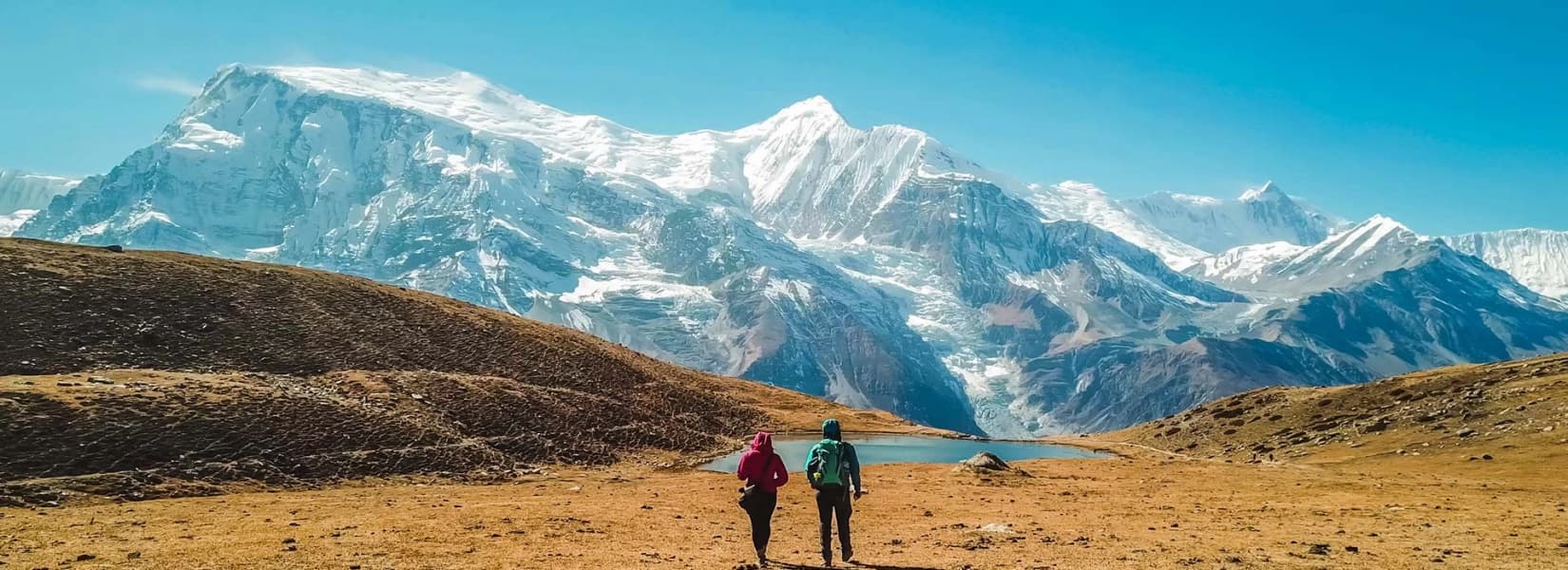
For many travelers, the word “Himalayas” evokes images of towering snow-capped peaks, rugged trails, and remote Sherpa villages nestled high above the clouds. But what often keeps dreamers from making the journey is a single misconception — that trekking in Nepal is an expensive pursuit.
In truth, Nepal is one of the most budget-friendly trekking destinations in the world. Here, for the price of a weekend getaway elsewhere, you can spend weeks walking through some of the planet’s most spectacular landscapes, guided by the warm hospitality of local villagers and surrounded by the grandeur of the world’s highest mountains.
At Everest Sherpa Expedition, our philosophy is simple — the Himalayas belong to everyone. Whether you’re a student traveler, a solo adventurer, or a couple seeking a meaningful mountain experience, our treks are designed to make adventure accessible, affordable, and unforgettable.
Why Nepal is the Ultimate Destination for Budget Trekkers
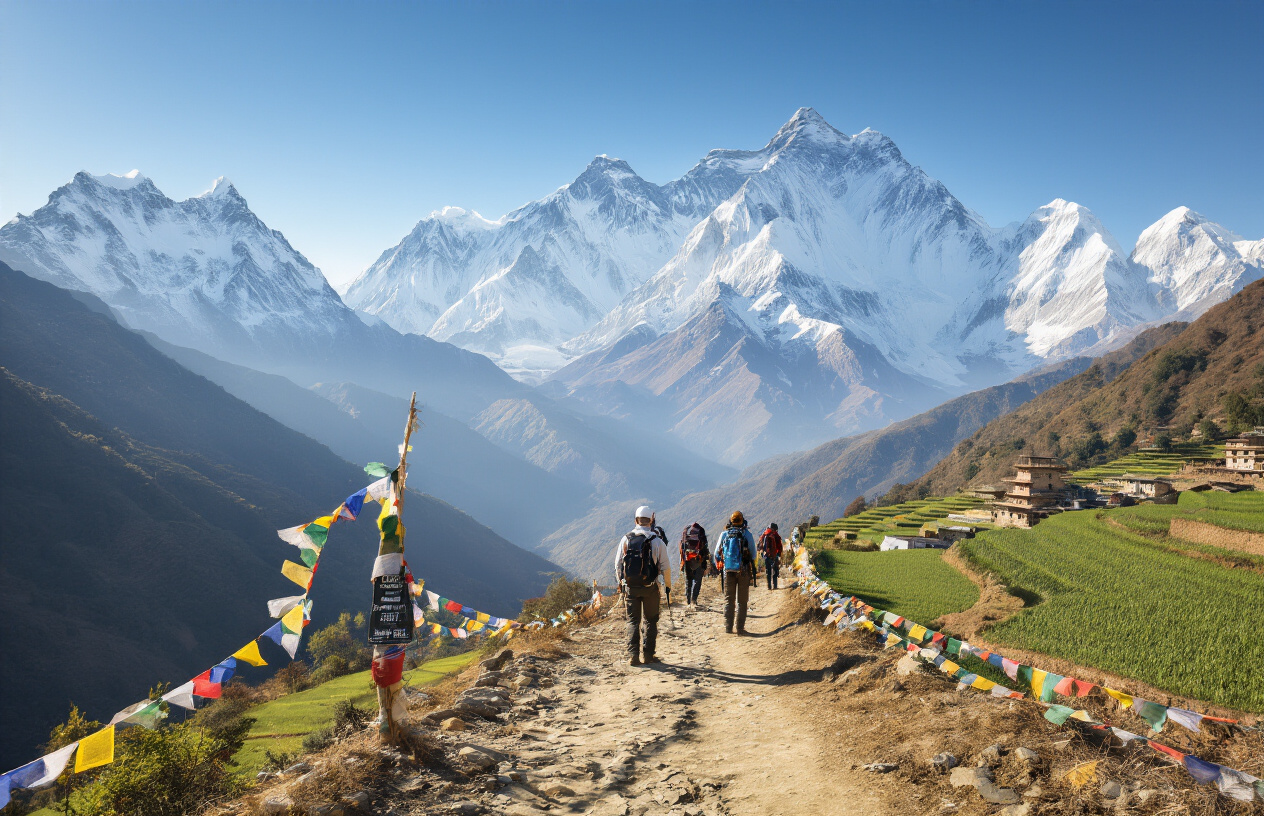
Nepal’s magic lies not only in its mountains but also in its simplicity. Trekking here doesn’t require luxury hotels or expensive guides — it’s a journey where authenticity, not extravagance, defines the experience. Let’s explore what makes Nepal a global leader in budget trekking:
Affordable Accommodation – The Teahouse Culture
Unlike many trekking destinations that require costly camping logistics, Nepal offers a vast network of family-run teahouses and lodges scattered along nearly every major trail.
For just USD 5–10 per night, trekkers can rest in cozy wooden rooms, share home-cooked meals with locals, and enjoy an authentic cultural exchange. These teahouses are more than accommodations — they are the lifeline of Nepal’s mountain economy and the beating heart of the trekking experience.
Delicious Meals at Modest Prices
The iconic Nepali dish dal bhat — rice, lentils, and vegetables — fuels trekkers across the Himalayas. It’s filling, nutritious, and affordable (around USD 4–6 per plate). Most teahouses offer similar pricing for hearty meals, so even multi-week treks can be completed on a modest food budget of USD 20–25 per day.
Diverse Trekking Routes for Every Budget
Nepal offers a range of trekking routes, from short and scenic journeys to extended high-altitude adventures. Some trails, like Ghorepani Poon Hill or Langtang Valley, can be completed within a week — saving money on permits, food, and accommodation.
For those with more time, budget-friendly long routes such as the Annapurna Circuit still offer world-class scenery without the high costs associated with guided expeditions in other countries.
Low-Cost Permits and Easy Accessibility
Most trekking areas require inexpensive permits:
- TIMS Card (Trekkers’ Information Management System): USD 20
- Annapurna Conservation Area Permit (ACAP): USD 30
- Langtang National Park Permit: USD 30
Compared to the thousands of dollars required for expedition permits in other Himalayan nations, these fees are remarkably affordable.
Economical Transportation Options
Many treks begin from road-accessible towns. For example:
- Kathmandu to Syabrubesi (Langtang): USD 10–15 by bus
- Pokhara to Nayapul (Annapurna): USD 3–5 by local jeep
Avoiding domestic flights (like those to Lukla) can significantly reduce costs while offering scenic road adventures through Nepal’s countryside.
Reliable Local Guides and Porters
Hiring local guides and porters not only enriches your journey but also supports the mountain communities that make Nepal special. A guide typically costs USD 25–35 per day, and a porter USD 20–25 per day, often shared among trekkers in a group — making professional support affordable and culturally immersive.
Nepal remains the gold standard for budget adventurers because:
|
Advantage |
Why It Saves You Money |
|
Extensive teahouse network |
No need for camping or expensive equipment |
|
Inexpensive local meals |
Nutritious food at budget rates |
|
Flexible trek lengths |
Half-week to multi-week options |
|
Local transport options |
Buses and shared jeeps cut transport costs |
|
Affordable guide & porter services |
Better support without luxury pricing |
Let’s be direct: trekking cheap does NOT mean trekking poorly. It means trekking intelligently.
Best Time to Trek Nepal on a Budget
Your choice of season dramatically influences costs.
|
Season |
Conditions |
Budget Advantage |
|
Autumn (Sep–Nov) |
Best weather, high demand |
Peak season, but competitive lodge prices |
|
Spring (Mar–May) |
Clear skies, flowers |
Busy but affordable |
|
Winter (Dec–Feb) |
Cold, quiet trails |
Lowest prices, extreme value |
|
Monsoon (Jun–Aug) |
Rain, leeches, clouds |
Cheapest time, but select rain-shadow areas only (Mustang, Dolpo) |
If you want a budget and excellent weather, choose early December or late February.
Top Budget-Friendly Treks in Nepal
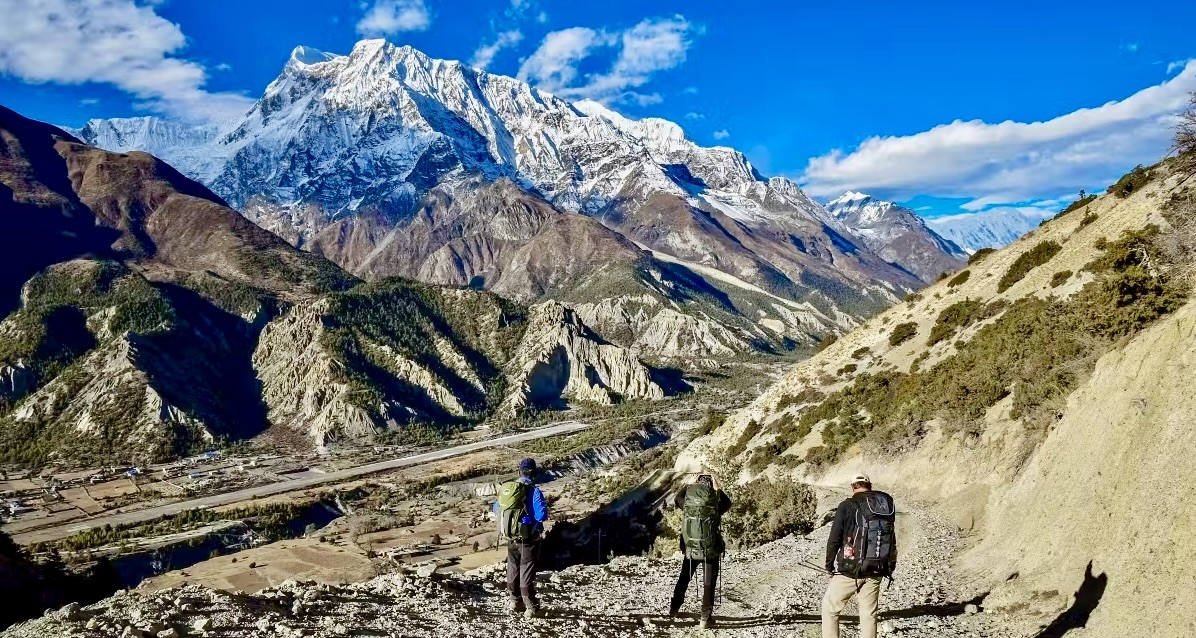
Let’s look deeper into Nepal’s most rewarding treks that deliver Himalayan grandeur without demanding a luxury budget:
1. Ghorepani Poon Hill Trek (3,210m)
Known as the “Mini Annapurna Circuit,” this trek is short, scenic, and incredibly affordable. From stone staircases winding through rhododendron forests to the breathtaking sunrise at Poon Hill, this route offers the full Himalayan experience in under a week.
- Region: Annapurna
- Duration: 4–6 days
- Trek Cost (approx.): USD 400–700
- Difficulty: Easy to moderate
- Highlights:
- Panoramic sunrise over Dhaulagiri and Annapurna
- Charming villages like Ghorepani and Ghandruk
- Perfect for beginners and budget trekkers
2. Langtang Valley Trek (3,870m)
Just a seven-hour drive from Kathmandu, the Langtang Valley Trek combines affordability, accessibility, and cultural depth. The trail offers a blend of Tamang culture, Buddhist monasteries, and snow-capped peaks — without expensive flights or crowded lodges.
- Region: Langtang
- Duration: 7–10 days
- Trek Cost (approx.): USD 600–900
- Difficulty: Moderate
- Highlights:
- Close proximity to Kathmandu
- Panoramic views of Langtang Lirung and Dorje Lakpa
- Less commercialized and more peaceful
3. Mardi Himal Trek (4,500m)
Tucked quietly between Annapurna and Machhapuchhre, Mardi Himal is a short, budget-friendly alternative to busier trails. With panoramic ridgeline paths and minimal crowds, it’s ideal for trekkers seeking serenity and value.
- Region: Annapurna
- Duration: 5–7 days
- Trek Cost (approx.): USD 500–800
- Difficulty: Moderate
- Highlights:
- Close-up views of Machhapuchhre (Fishtail)
- Affordable lodges
- Perfect mix of adventure and solitude
4. Helambu Trek (3,600m)
This underappreciated gem lies just north of Kathmandu, requiring no flights and minimal logistics. The Helambu Trek offers cultural richness, gentle terrain, and affordability — a great choice for short-term visitors.
- Region: Langtang
- Duration: 5–8 days
- Trek Cost (approx.): USD 400–700
- Difficulty: Easy
- Highlights:
- Tibetan-influenced Sherpa culture
- Close to Kathmandu
- Mild altitude, suitable for families
5. Annapurna Base Camp (ABC) Trek (4,130m)
One of the most iconic treks in the world, the Annapurna Base Camp Trek remains surprisingly affordable. The route passes through terraced farmlands, bamboo forests, and alpine terrain, culminating in the breathtaking amphitheater of the Annapurna Sanctuary.
- Region: Annapurna
- Duration: 8–12 days
- Trek Cost (approx.): USD 800–1,200
- Difficulty: Moderate
- Highlights:
- Stunning views of Annapurna I and Machhapuchhre
- Accessible teahouse accommodation
- Combination of culture and high-altitude beauty
Permit & Documentation Costs
|
Permit |
Price |
Notes |
|
TIMS Card |
NPR 1,000 – 2,000 |
Required for most trekking regions |
|
National Park Entry |
NPR 3,000 |
For Langtang, Mardi, Helambu |
|
Annapurna ACAP |
NPR 3,000 |
If trekking Annapurna region |
Always carry:
- Passport copy
- Passport-size photos
- Travel insurance covering rescue
Permit fees are fixed — don’t bargain here. Budget trekking still requires compliance & safety.
Accommodation & Dining on a Budget Trek
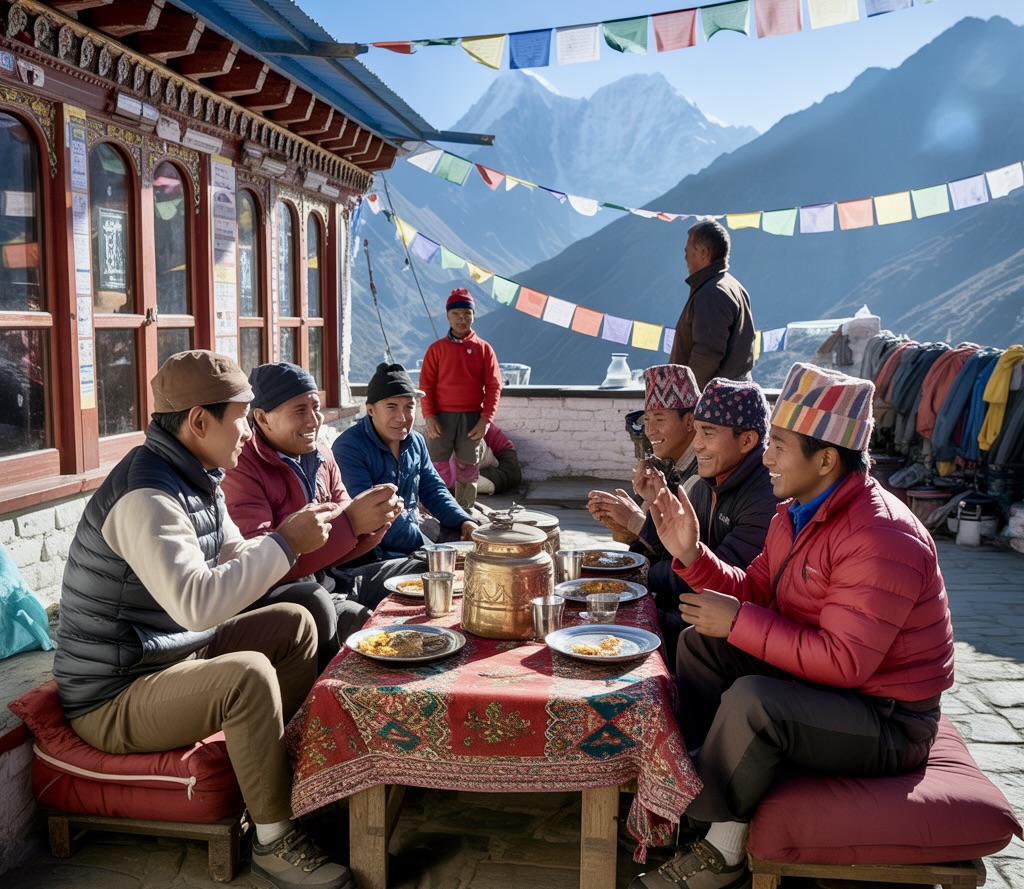
What to Expect
Nepal’s teahouse system is a budget traveler’s dream. Lodges provide:
- Shared or twin rooms
- Sleeping platforms with mattresses
- Blanket (bring your own liner)
- Communal dining hall with stove heat
- Food available on site
Average Costs
|
Item |
Price |
|
Room |
$3–$8 per night |
|
Dal bhat |
$3–$6 |
|
Breakfast |
$2–$4 |
|
Hot shower |
$2–$4 |
|
Wi-Fi / charging |
$2–$3 |
Insider Tip: Lodges often give cheaper rooms if you commit to eating dinner and breakfast there.
Smart Budget Gear Strategy
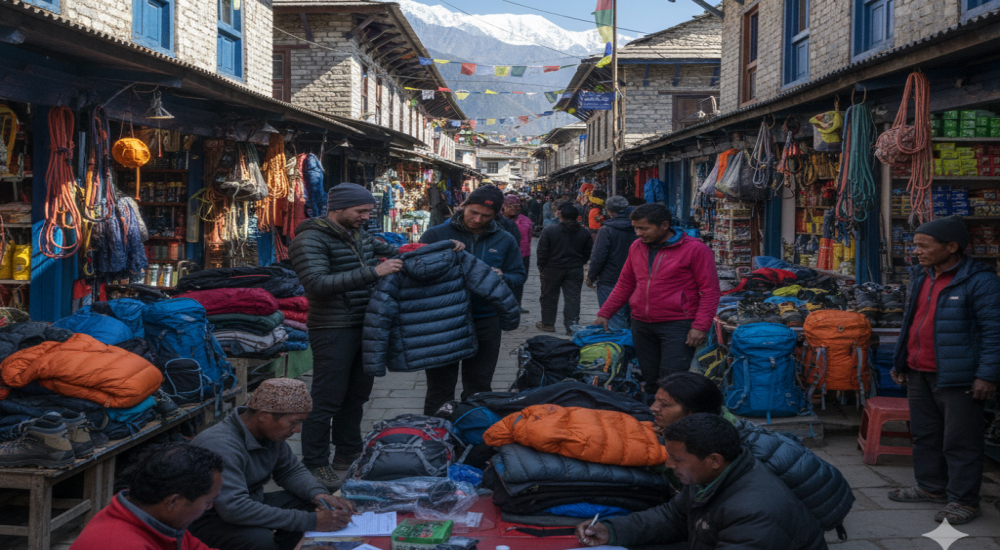
You don’t need to buy new gear. Kathmandu has everything — rent or buy secondhand.
|
Item |
Suggestion |
|
Trekking poles |
Rent |
|
Down jacket |
Rent |
|
Sleeping bag |
Rent |
|
Rain shell |
Buy mid-range |
|
Shoes |
Bring your own (non-negotiable) |
|
Water purifier tabs |
Essential & cheap |
Pro Rule: Don’t gamble on footwear to save money. Everything else? Negotiate or rent.
Sample Cost Breakdown (Per Person)
|
Category |
Budget Traveler |
Smart Value |
|
Accommodation + Meals |
$20–$30/day |
$30–$40/day |
|
Permits |
$25–$35 |
$25–$35 |
|
Transport (round trip) |
$10–$25 bus |
$50–$100 shared jeep |
|
Guide (optional) |
$20/day |
$25/day |
|
Porter (optional) |
$20/day |
$22/day |
Total Cost for 7-Day Trek
- Pure budget: $225 – $350
- Sensible comfort: $350 – $550
Compare that to European treks costing $1,200–$2,500 — Nepal remains unmatched.
Pro Tips for Trekking Nepal on a Budget
- Join Group Treks: Share guide and porter expenses with others — it’s cost-effective and social.
- Rent, Don’t Buy Gear: Kathmandu and Pokhara rental shops provide everything from jackets to crampons.
- Eat Local: Stick to dal bhat and local curries for nutritious, affordable meals.
- Carry a Water Purifier: Avoid buying bottled water; use refillable bottles with purification tablets.
- Trek Off-Season: Save money by trekking in winter (Dec–Feb) or monsoon (Jun–Aug) when lodges offer discounts.
- Use Local Companies: Partner with experienced local outfitters like Everest Sherpa Expedition to ensure fair pricing and community benefit.
Conclusion: Embark on Your Himalayan Adventure
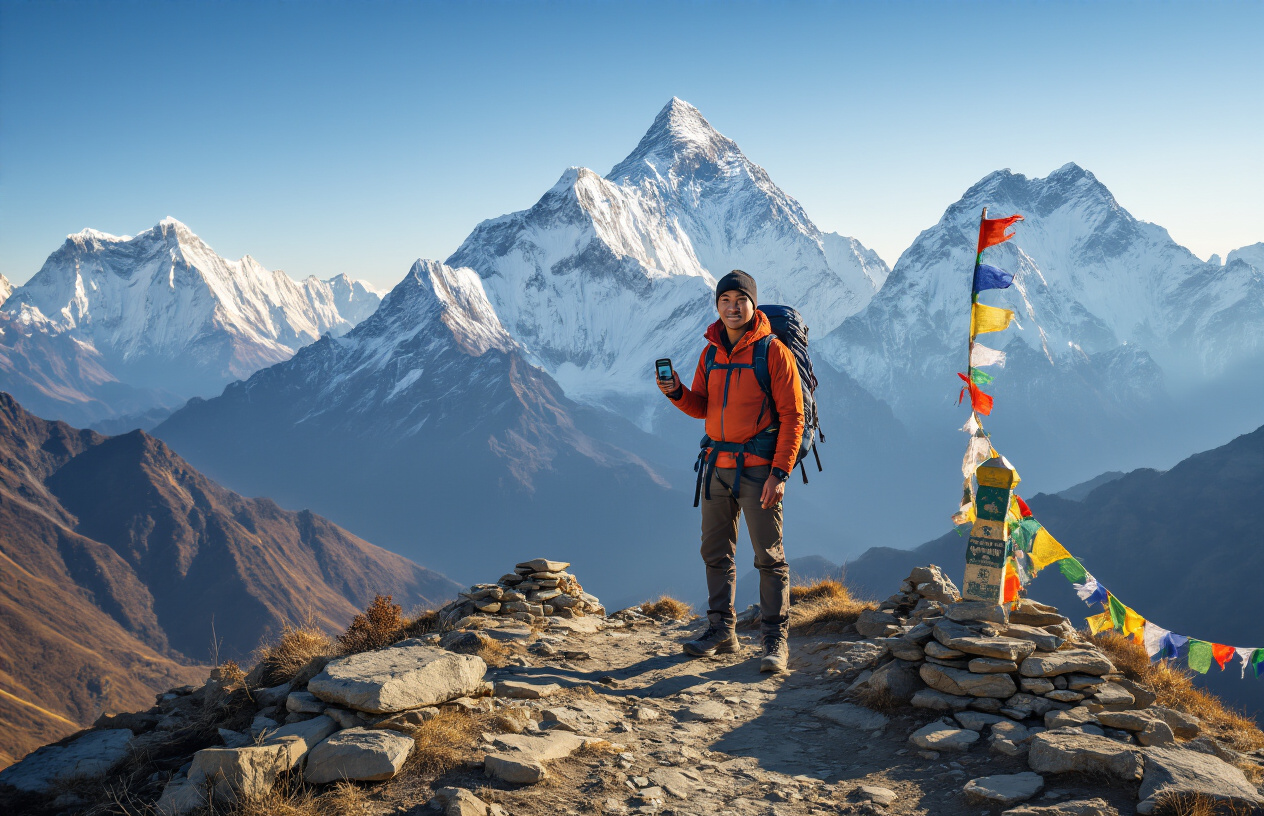
Budget-friendly trekking in Nepal isn't just about saving money—it's about forging connections with the mountains and its people. Whether you're conquering Annapurna or wandering Langtang, the memories will last a lifetime.
From sunrise over Poon Hill to the quiet majesty of the Langtang Valley, Nepal’s trails offer experiences that are rich in soul, not in cost. With Everest Sherpa Expedition, every trek becomes an investment — not in luxury, but in memories, culture, and personal growth.