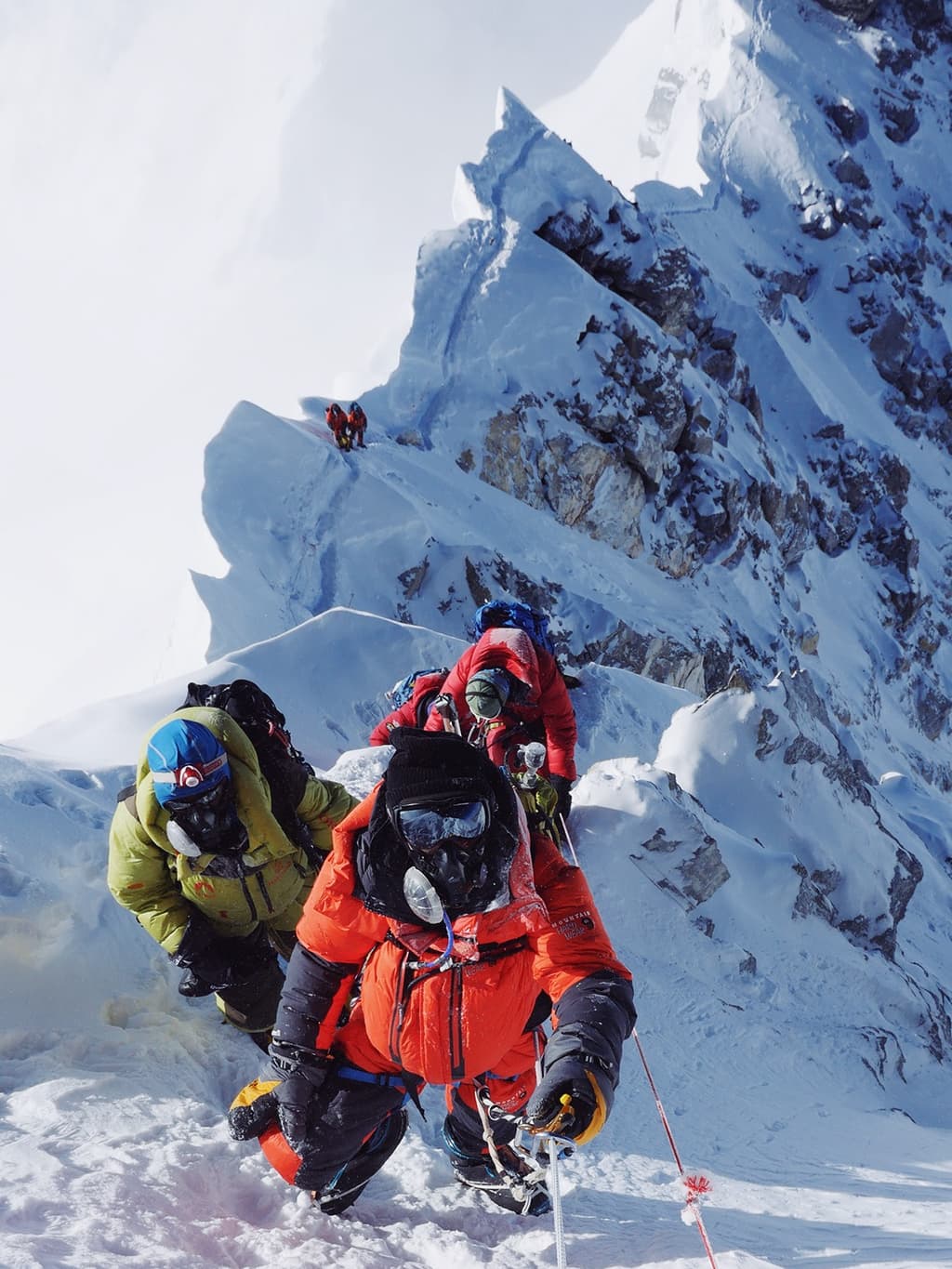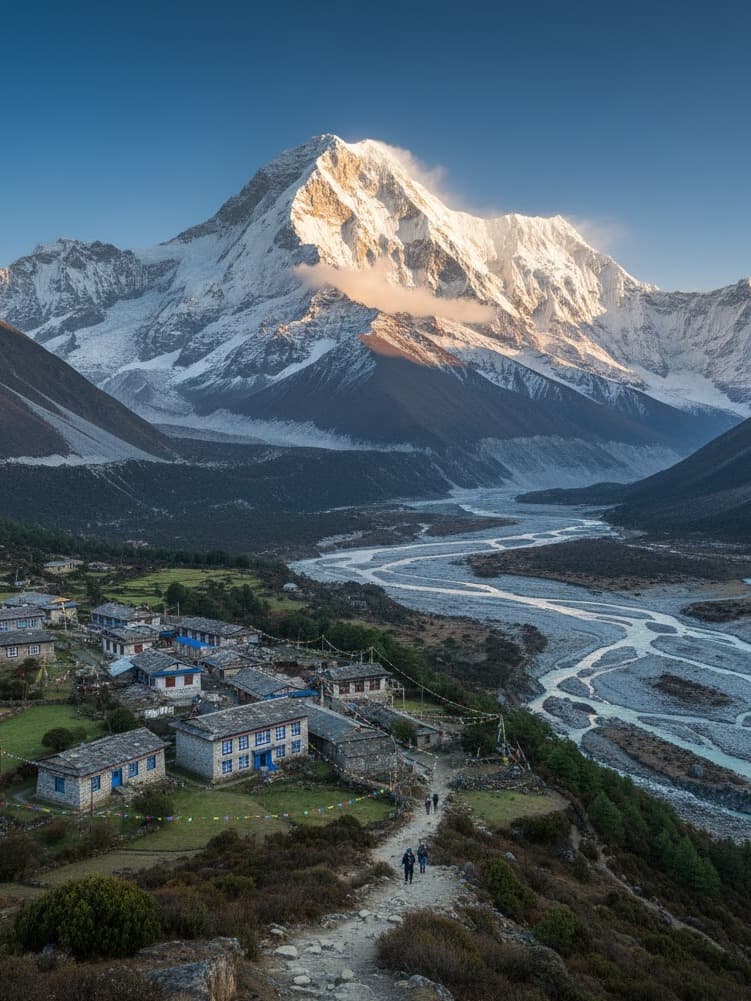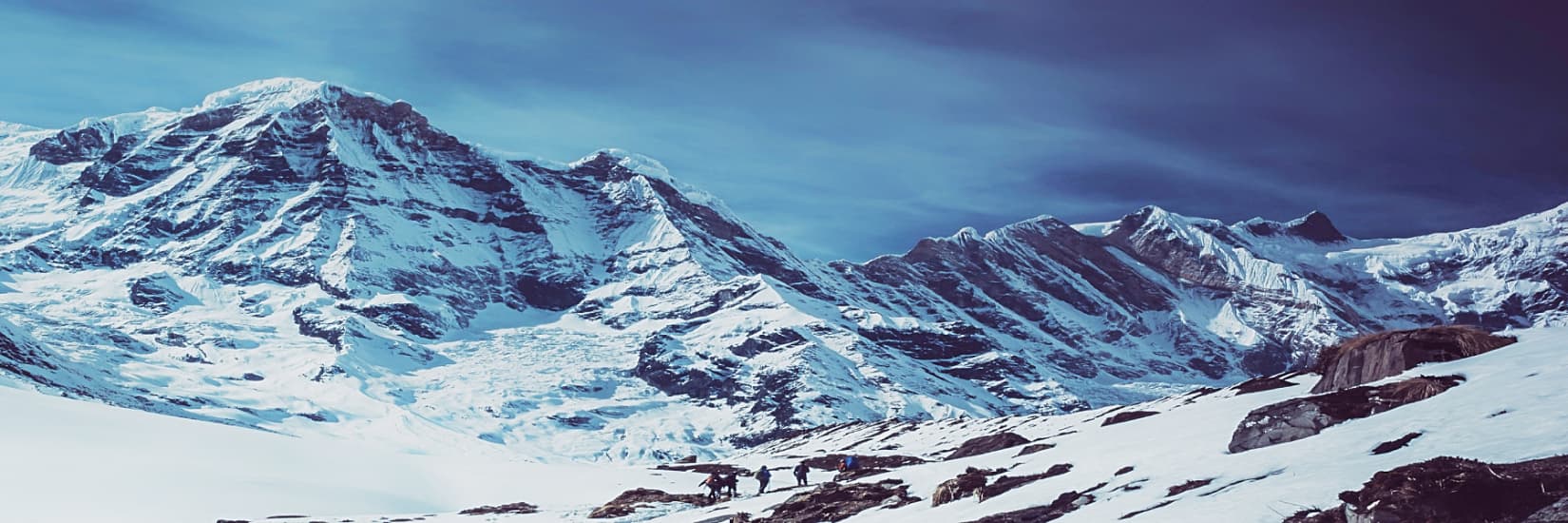
The Annapurna region stands as one of Nepal’s most diverse and accessible trekking destinations, attracting adventurers from across the globe. Defined by soaring Himalayan peaks, terraced farmlands, charming Gurung and Magar villages, and lush subtropical forests, the region offers a wide spectrum of trekking experiences—from gentle cultural walks to demanding high-altitude expeditions.
Home to Annapurna I (8,091 m), the world’s 10th-highest mountain, this region delivers a unique balance of natural beauty, cultural richness, and logistical convenience. Whether you’re seeking panoramic viewpoints, alpine sanctuaries, off-the-beaten-path routes, or a short scenic escape, the Annapurna region has a trek suited to every traveler.
Below is a complete guide to the most popular trekking routes in the Annapurna region, enriched with detailed insights, route highlights, and practical considerations.
Why Treks in the Annapurna Region
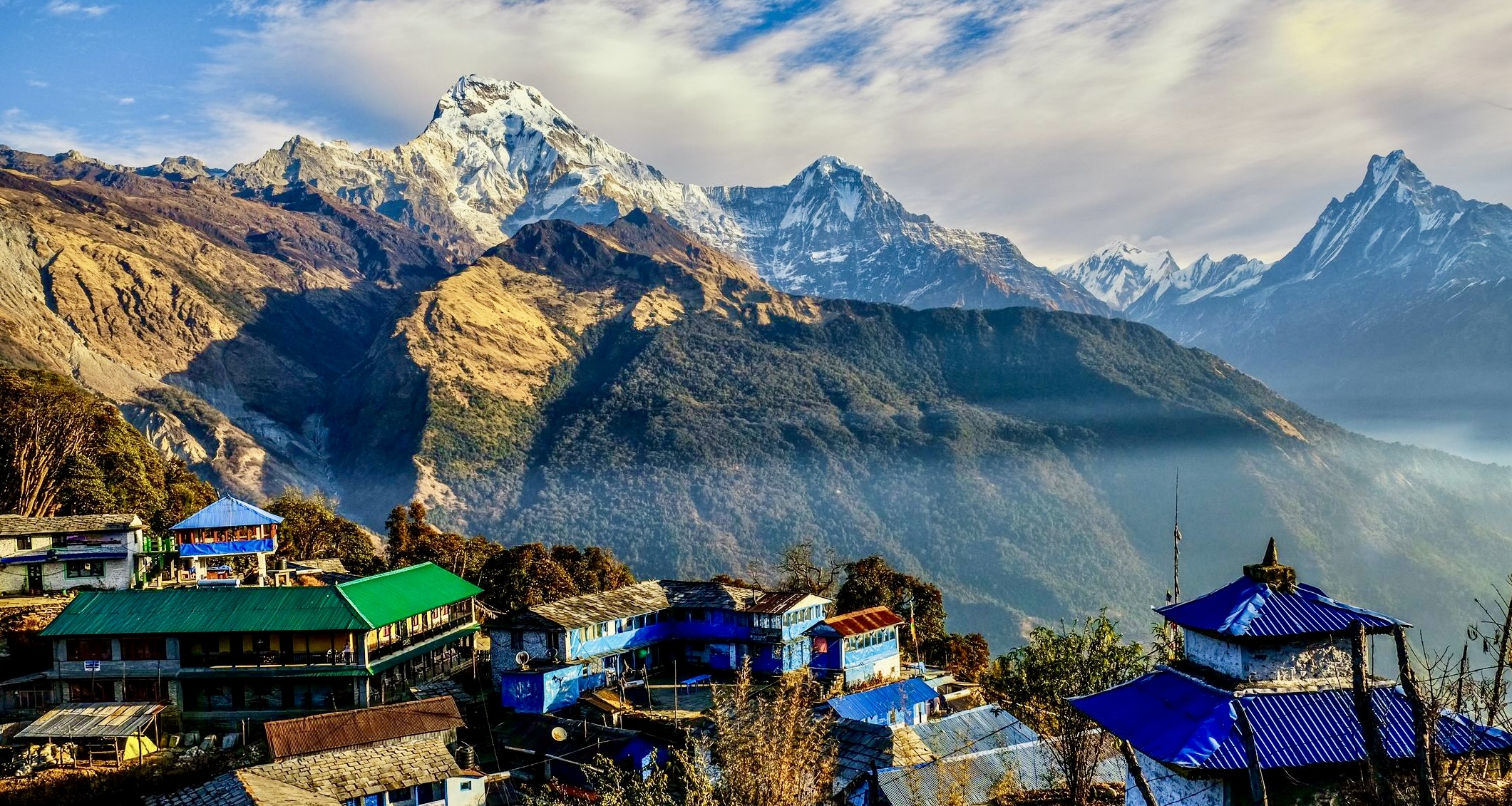
The Annapurna region offers extraordinary diversity: from rainforest-like foothills to barren Tibetan plateaus, from bustling tourist hubs like Pokhara to remote high-altitude deserts steeped in ancient culture. The trails are well-equipped with lodges, food options, and logistics, making it one of the most comfortable and rewarding trekking regions in the Himalayas.
Every trek, whether short or long, reveals the warmth of the local communities and the grandeur of the Annapurna massif—creating an immersive blend of adventure, culture, and connection.
-
Spectacular geographic diversity, from 800 meters to over 5,400 meters
-
A ring of iconic mountains such as Annapurna I, Annapurna South, Machhapuchhre (Fishtail), Dhaulagiri, and Hiunchuli
-
Deep cultural immersion with Gurung, Magar, and Thakali communities
-
Excellent trail infrastructure, featuring comfortable teahouses, clear signage, and reliable access
-
Accessibility from Pokhara, Nepal’s premier lakeside tourist hub
Annapurna Circuit Trek
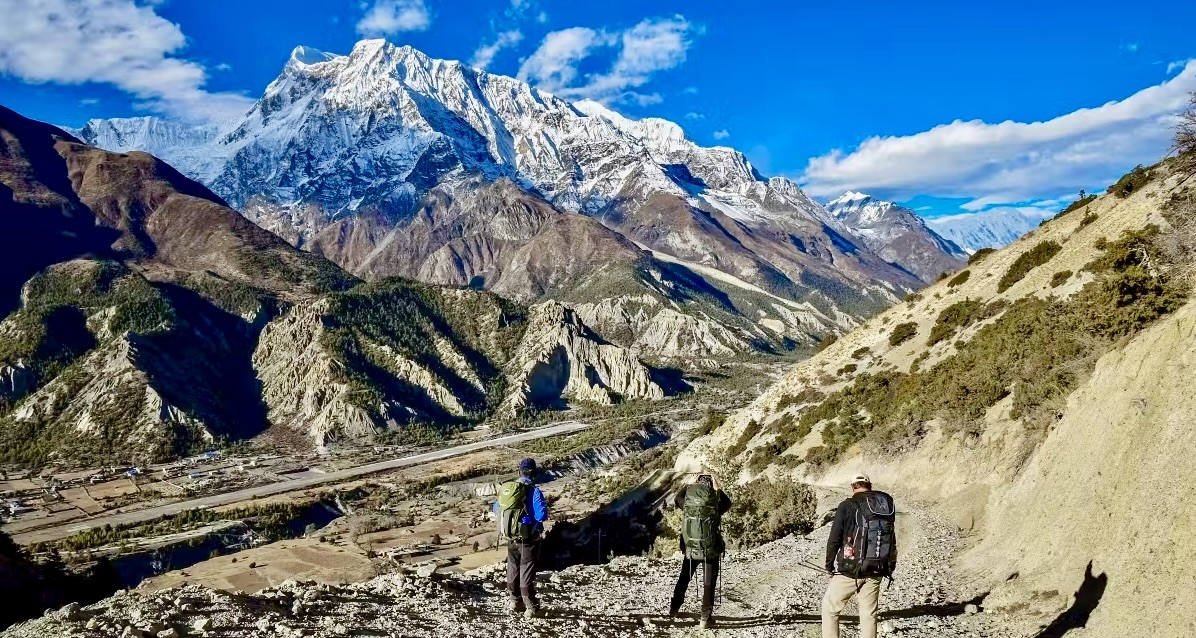
Duration: 12–18 days
Difficulty: Moderate to challenging
Highest Point: Thorong La Pass – 5,416 m
Often hailed as one of the greatest trekking trails in the world, the Annapurna Circuit circumnavigates the Annapurna massif, transitioning through vastly changing landscapes—from lush rice fields and subtropical forests to dry, windswept deserts reminiscent of Tibet.
Key Highlights
- Crossing the iconic Thorong La Pass, a high-altitude milestone
- Exploring the sacred pilgrimage site Muktinath Temple
- Encountering Tibetan-influenced cultures in Manang and Mustang
- Trekking through the Kali Gandaki Gorge, one of the world’s deepest
- Snow-capped panoramas of Annapurna, Dhaulagiri, Tilicho Peak, and Gangapurna
Why It’s Popular
No other trek in Nepal offers such dramatic environmental and cultural diversity in a single circuit.
Detailed Itinerary
16 days, starting from Besisahar:
- Days 1-2: Drive to Besisahar (760m), trek to Chamje (1,410m) and Dharapani (1,860m). Cross the Marsyangdi River.
- Days 3-4: To Chame (2,670m) and Pisang (3,200m). Acclimatize and explore Pisang village.
- Days 5-6: To Manang (3,540m), visit monasteries and acclimatize for altitude.
- Days 7-8: To Yak Kharka (4,020m) and Thorong Phedi (4,420m). Rest before the pass.
- Days 9-10: Cross Thorong La Pass (5,416m) to Muktinath (3,800m), a sacred Hindu-Buddhist site.
- Days 11-12: To Kagbeni (2,810m) and Jomsom (2,720m). Explore the Mustang-like landscape.
- Days 13-14: To Marpha (2,670m) and Tukuche (2,590m). Descend through apple orchards.
- Days 15-16: To Beni (830m) and drive back to Pokhara.
Annapurna Base Camp Trek (ABC Trek)
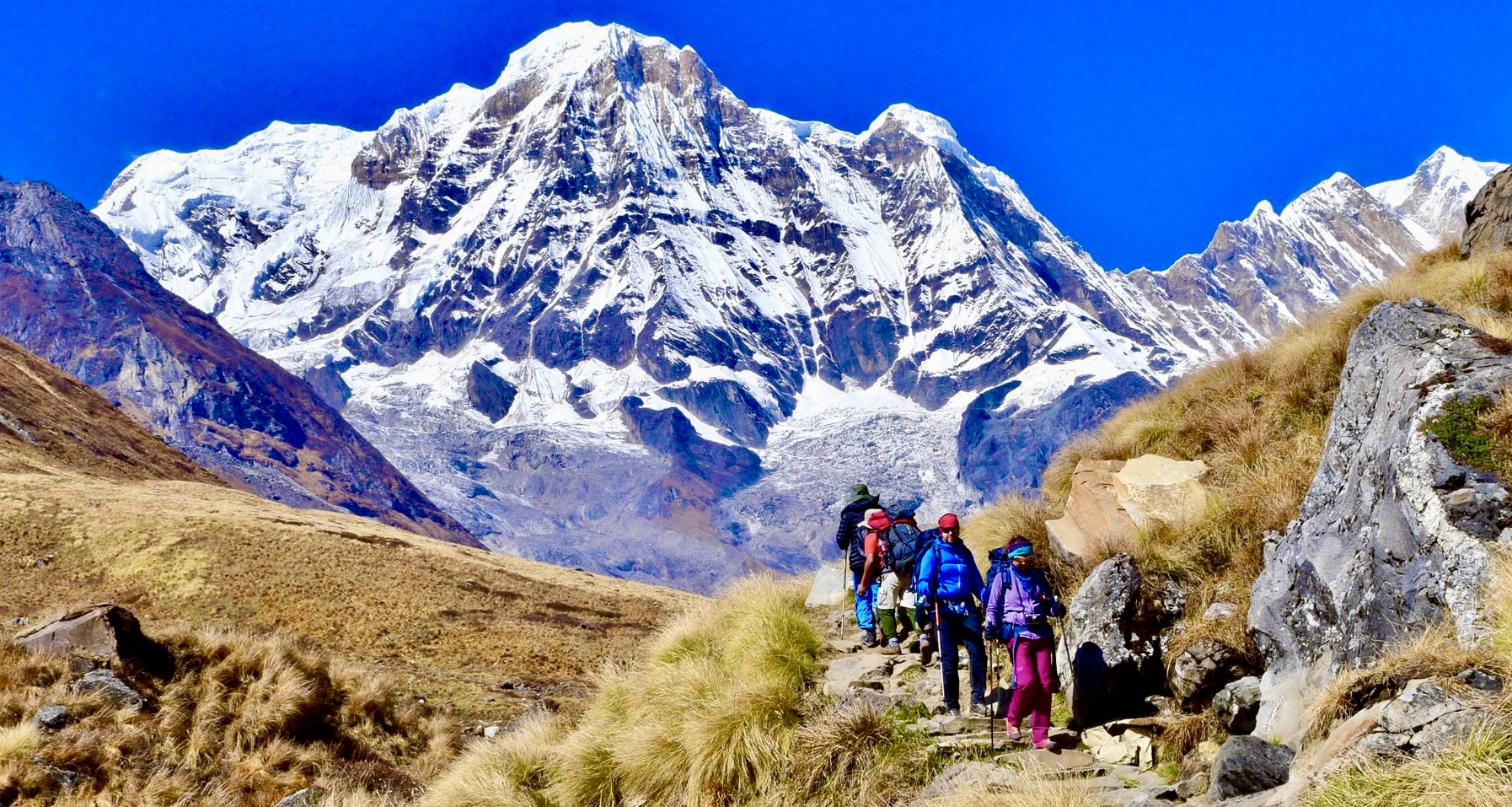
Duration: 7–12 days
Difficulty: Moderate
Highest Point: Annapurna Base Camp – 4,130 m
The ABC Trek leads to the heart of the Annapurna Sanctuary, a natural amphitheater surrounded by towering 7,000–8,000 m peaks. The trail is rich in flora, waterfalls, bamboo forests, and warm Gurung hospitality.
Key Highlights
- Reaching Annapurna Base Camp, surrounded by panoramic Himalayan giants
- Magical sunrise views from Poon Hill (if included)
- Rhododendron forests, terraced farmlands, and scenic river valleys
- Charming stays in Chhomrong, Bamboo, and Deurali
Why It’s Popular
It’s one of Nepal’s most scenic and achievable high-altitude treks—perfect for trekkers seeking dramatic mountain settings without extreme altitude risk.
Detailed Itinerary
- Days 1-2: Drive to Nayapul (1,070m), trek to Ghandruk (1,940m) and Chhomrong (2,170m). Stay in Gurung villages.
- Days 3-4: To Dovan (2,600m) and Deurali (3,230m). Acclimatize with views of Machhapuchhre.
- Days 5-6: To Annapurna Base Camp (4,130m) via Machhapuchhre Base Camp (3,700m). Enjoy sunrise over the peaks.
- Days 7-10: Descend to Poon Hill (3,210m) for panoramic views, then to Nayapul and back to Pokhara.
Ghorepani–Poon Hill Trek (Short Annapurna Trek)
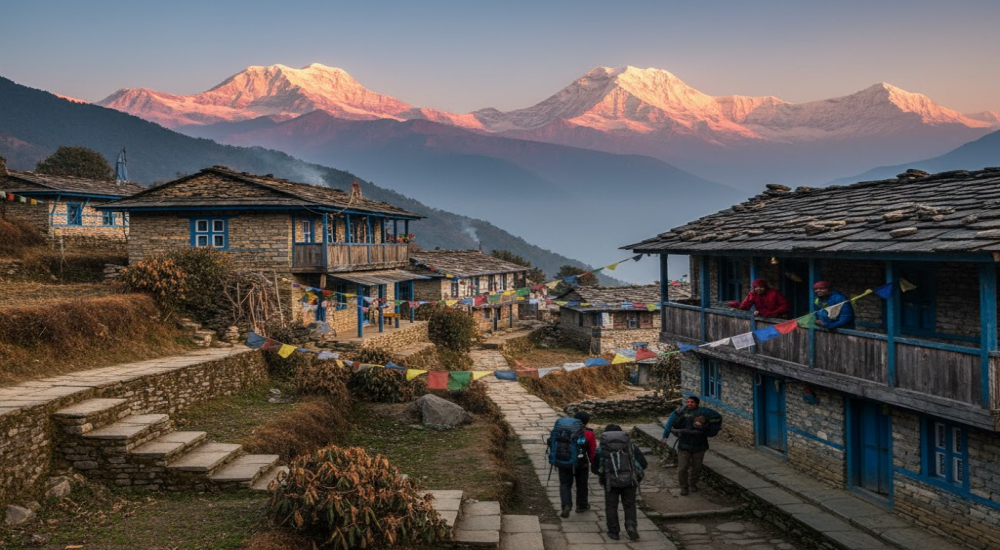
Duration: 3–5 days
Difficulty: Easy to moderate
Highest Point: Poon Hill – 3,210 m
The Ghorepani–Poon Hill Trek is ideal for beginners, families, and travelers short on time. It is renowned for offering one of the most spectacular sunrise viewpoints in Nepal.
Key Highlights
- Panoramic sunrise over Annapurna and Dhaulagiri ranges
- Lush rhododendron forests (in full bloom during spring)
- Traditional villages of Ghorepani, Tadapani, and Ghandruk
- Moderately paced trekking suitable for all ages
Detailed Itinerary
- Day 1: Drive to Nayapul, trek to Ghandruk (1,940m).
- Day 2: To Chhomrong (2,170m) and Ghara (2,010m). Explore the valley.
- Day 3: To Shikha (1,930m) and back to Nayapul.
- Day 4: Hike to Poon Hill (3,210m) for dawn views of Annapurna and Dhaulagiri.
- Day 5: Return to Pokhara.
Why It’s Popular
Its accessibility, short duration, and unforgettable sunrise views make it one of the most frequently chosen treks.
Mardi Himal Trek
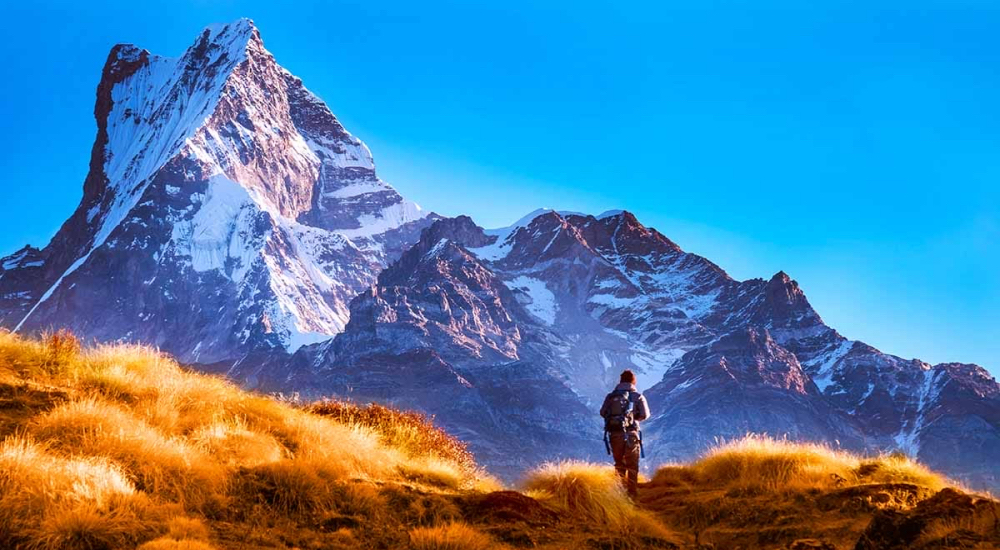
Duration: 5–7 days
Difficulty: Moderate
Highest Point: Mardi High Camp – 4,500 m
The Mardi Himal Trek is one of the most rapidly rising stars of the Annapurna region. Quiet trails, pristine forests, and close-up views of Machhapuchhre (Fishtail) define this scenic journey.
Key Highlights
- Striking views of Mardi Himal, Machhapuchhre, and Annapurna South
- Peaceful trails far less crowded than ABC or the Circuit
- A dramatic ridge-line trek to High Camp
- Excellent opportunities for photography
Why It’s Popular
It’s a short, scenic, and less commercialized alternative to ABC, attracting trekkers seeking solitude without compromising on mountain beauty.
Khopra Danda Trek (Khopra Ridge Trek)
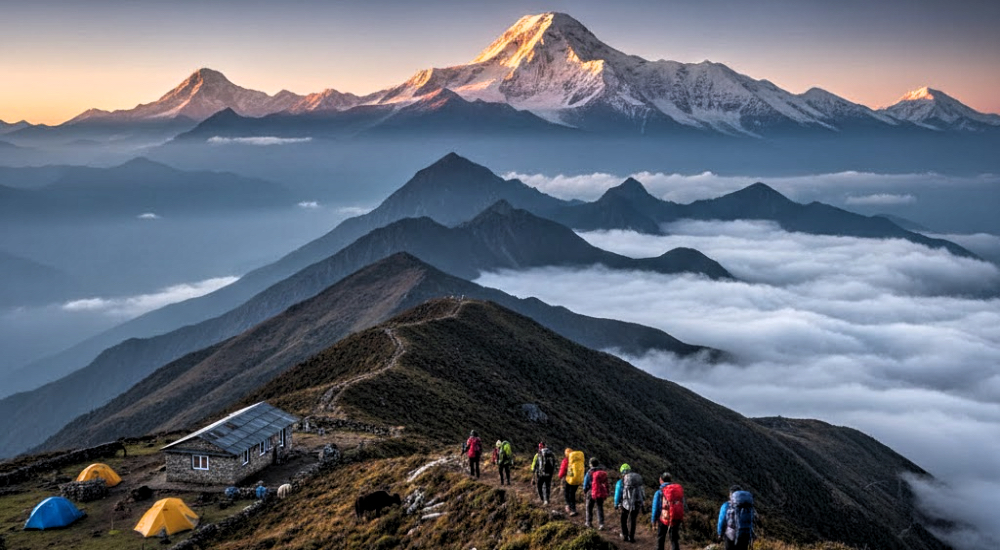
Duration: 7–9 days
Difficulty: Moderate
Highest Point: Khopra Ridge – 3,660 m
A hidden gem, the Khopra Danda Trek offers superb views of Dhaulagiri, Nilgiri, and Annapurna South while keeping you away from more crowded trails.
Key Highlights
- Stunning ridge-line views from Khopra Danda
- Optional day hike to the sacred Kaire Lake
- Authentic village experiences in Swanta and Dobato
- Ideal blend of culture, nature, and quiet trails
Why It’s Popular
Trekkers praise its offbeat charm and excellent scenery—without the crowds of Poon Hill or ABC.
Upper Mustang Trek
Duration: 14–18 days
Difficulty: Moderate
Highest Point: Lo La Pass – 3,950 m
Permit required: Special Restricted Area Permit
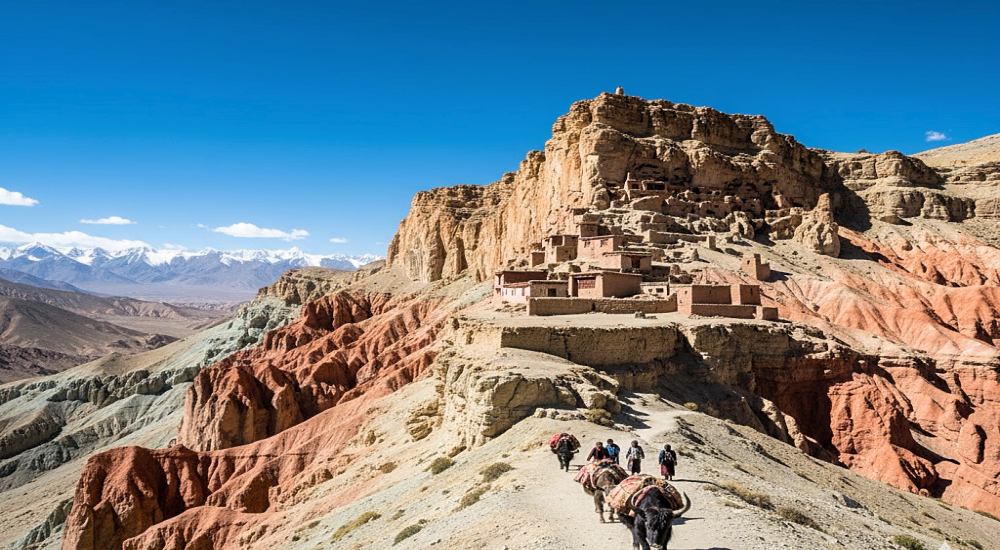
Technically part of the broader Annapurna Conservation Area, Upper Mustang presents a strikingly different landscape—arid cliffs, ancient caves, and royal walled cities.
Key Highlights
- Exploring the historic capital Lo Manthang
- Tibetan-style monasteries, cave complexes, and unique desert landscapes
- Rich cultural immersion in a region once closed to outsiders
- Iconic red-walled monasteries and traditional Mustang houses
Why It’s Popular
It’s one of Nepal’s most culturally unique and geographically exotic trekking destinations.
Tilicho Lake Trek
Duration: 12–15 days (often combined with Annapurna Circuit)
Difficulty: Moderate to strenuous
Highest Point: Tilicho Lake – 4,919 m
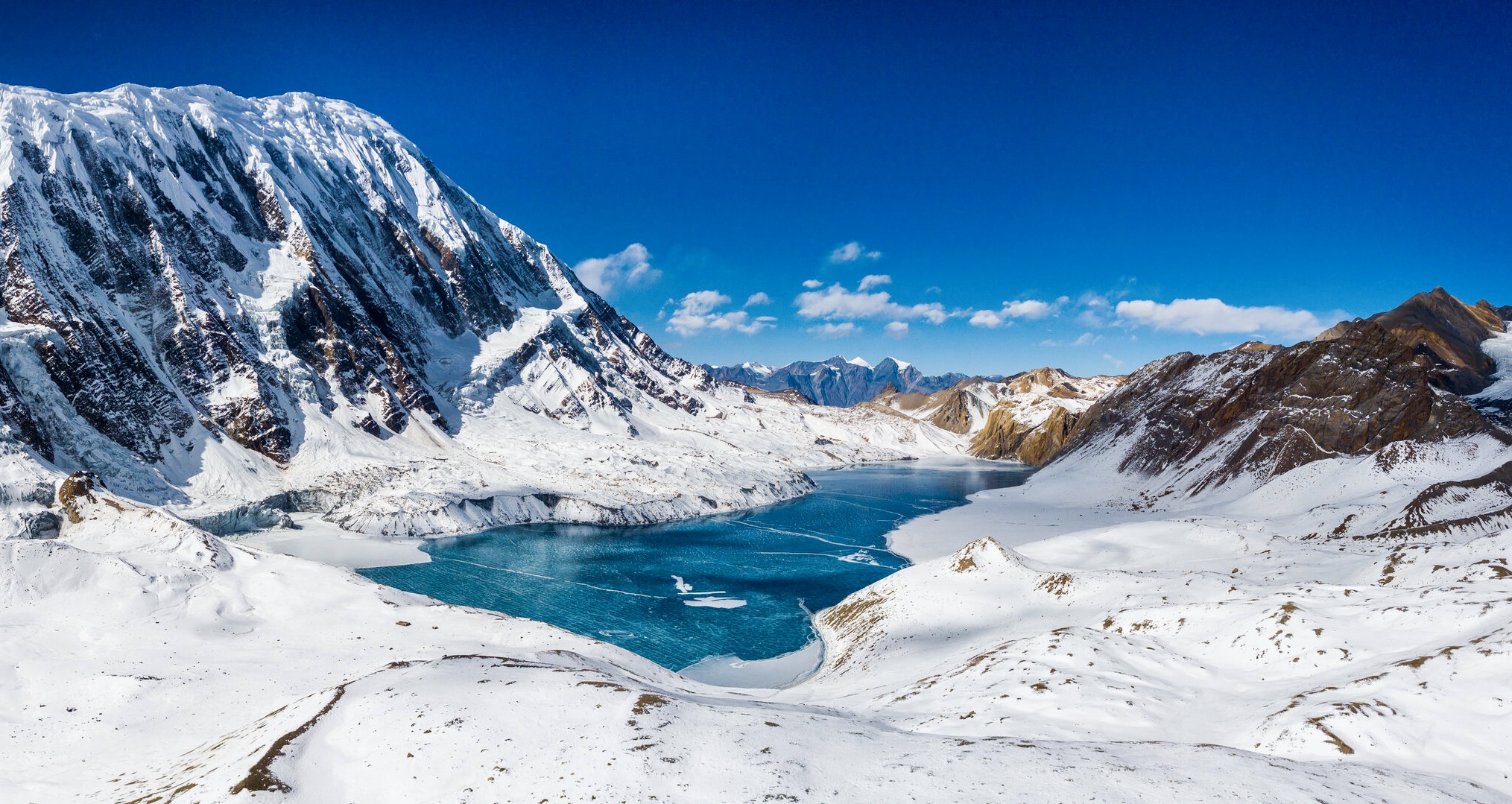
Often integrated into the Annapurna Circuit, this side trek leads to the mesmerizing Tilicho Lake, one of the world’s highest lakes.
Key Highlights
- Majestic views of Tilicho Peak and surrounding glaciers
- A dramatic, high-altitude journey to an iconic turquoise lake
- Rugged, adventurous trails
- Opportunity to continue to Thorong La Pass
Why It’s Popular
Tilicho’s surreal setting and high-altitude appeal make it a rewarding add-on for experienced trekkers.
Practical Logistics: What You Need to Know
Permits & Rules
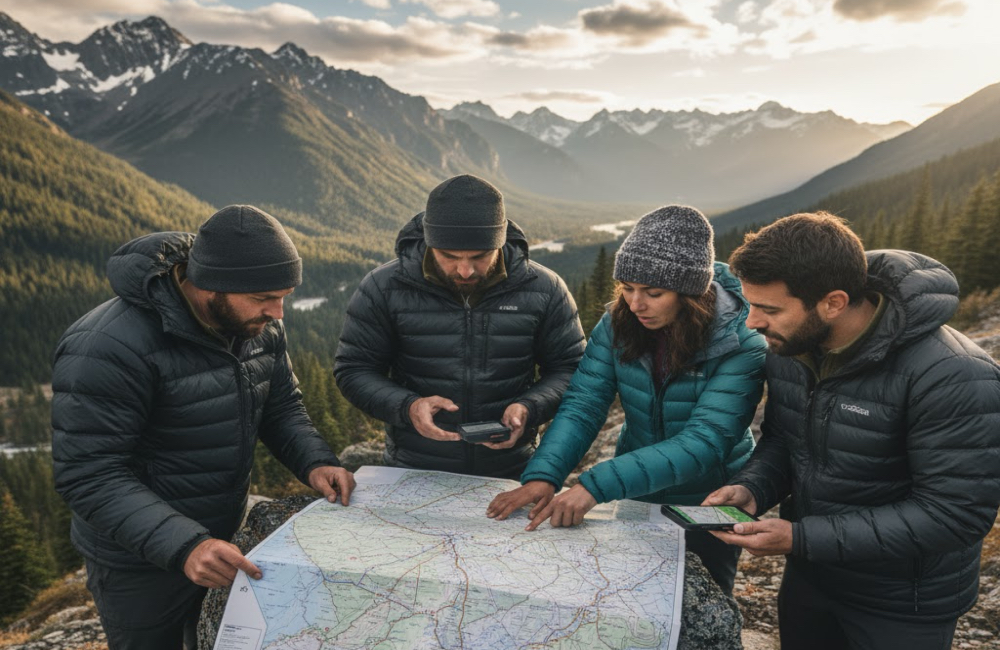
As of late 2024/early 2025, the rules have tightened regarding independent trekking.
- ACAP (Annapurna Conservation Area Permit): Approx. NPR 3,000 (~$25 USD).
- TIMS (Trekkers' Information Management System) Card: Approx. NPR 2,000 (~$17 USD).
- Mandatory Guides: The "No Solo Trekking" rule is in effect for foreign nationals in the Annapurna region. You generally must hire a guide through a registered agency to obtain your TIMS card.
Accessibility
The gateway to the Annapurna region is Pokhara, Nepal’s tourism capital.
-
Flight: 25 minutes from Kathmandu (highly recommended to save time).
-
Bus: 7–9 hours from Kathmandu (scenic but tiring).
Accommodation & Connectivity
-
Teahouses: Accommodations are well-developed. You will find extensive menus (pizza, pasta, dal bhat, apple pie) and Wi-Fi in almost every village (though speed drops as altitude rises).
-
Charging: Most rooms have outlets in the lower areas. Higher up, you may pay a small fee to charge devices in the common dining hall.
Best Time to Trek
-
Spring (March–May): Best for flowers (rhododendrons) and warmer weather. Haze can build up in the afternoons.
-
Autumn (Sept–Nov): Best for visibility. The air is crisp, and the mountain views are crystal clear.
-
Winter (Dec–Feb): Great for low-altitude treks like Poon Hill or Mardi Himal (fewer crowds!), but the Circuit's Thorong La Pass may be closed due to snow.
Essential Tips for Annapurna Trekkers
-
Train adequately for steep ascents and long walking days
-
Acclimatize gradually, especially on high-altitude routes like the Circuit
-
Carry travel insurance covering emergency rescue
-
Keep extra days for unforeseen delays
-
Respect local culture and mountain environment
-
Pack layers suitable for varied climates
Conclusion
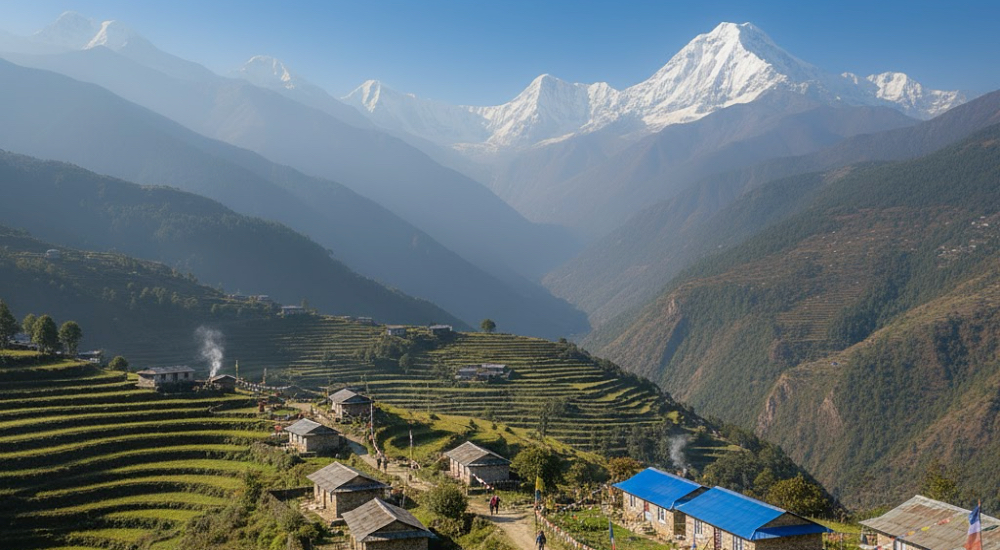
The Annapurna region is a treasure trove of world-class trekking routes, each offering unique charm and adventure. Whether you dream of crossing high-altitude passes, reaching glacial sanctuaries, exploring hidden Himalayan kingdoms, or simply enjoying a short cultural trek, the region has something for every traveler. Its landscapes, people, and traditions leave an indelible mark on all who walk its trails.
For travelers seeking a perfect mix of accessibility, diversity, and breathtaking Himalayan scenery, the Annapurna region remains an unmatched trekking destination.
If you need any further information, please contact us by email: [email protected], Phone: +977- 980 195 6248 (WhatsApp).