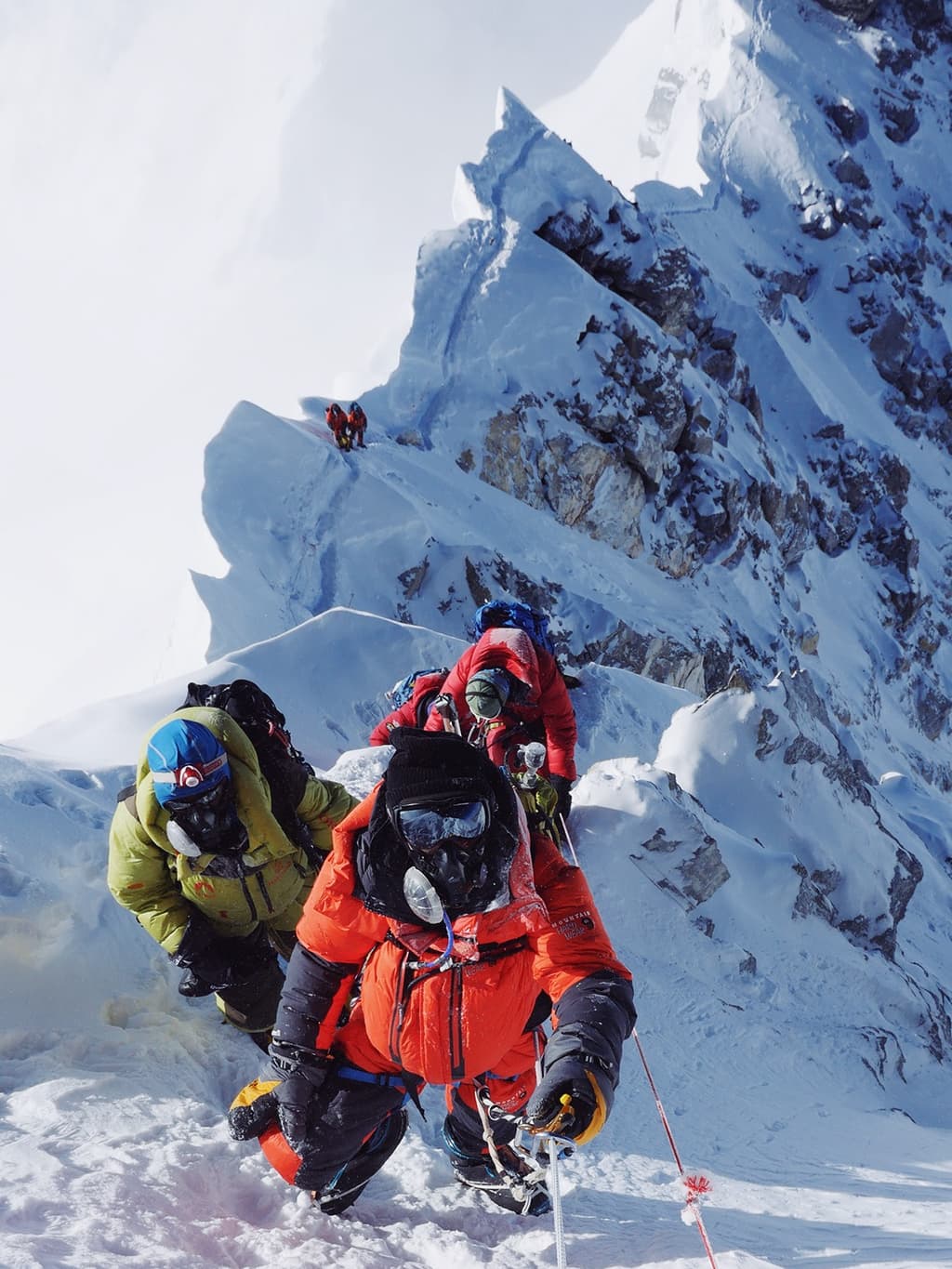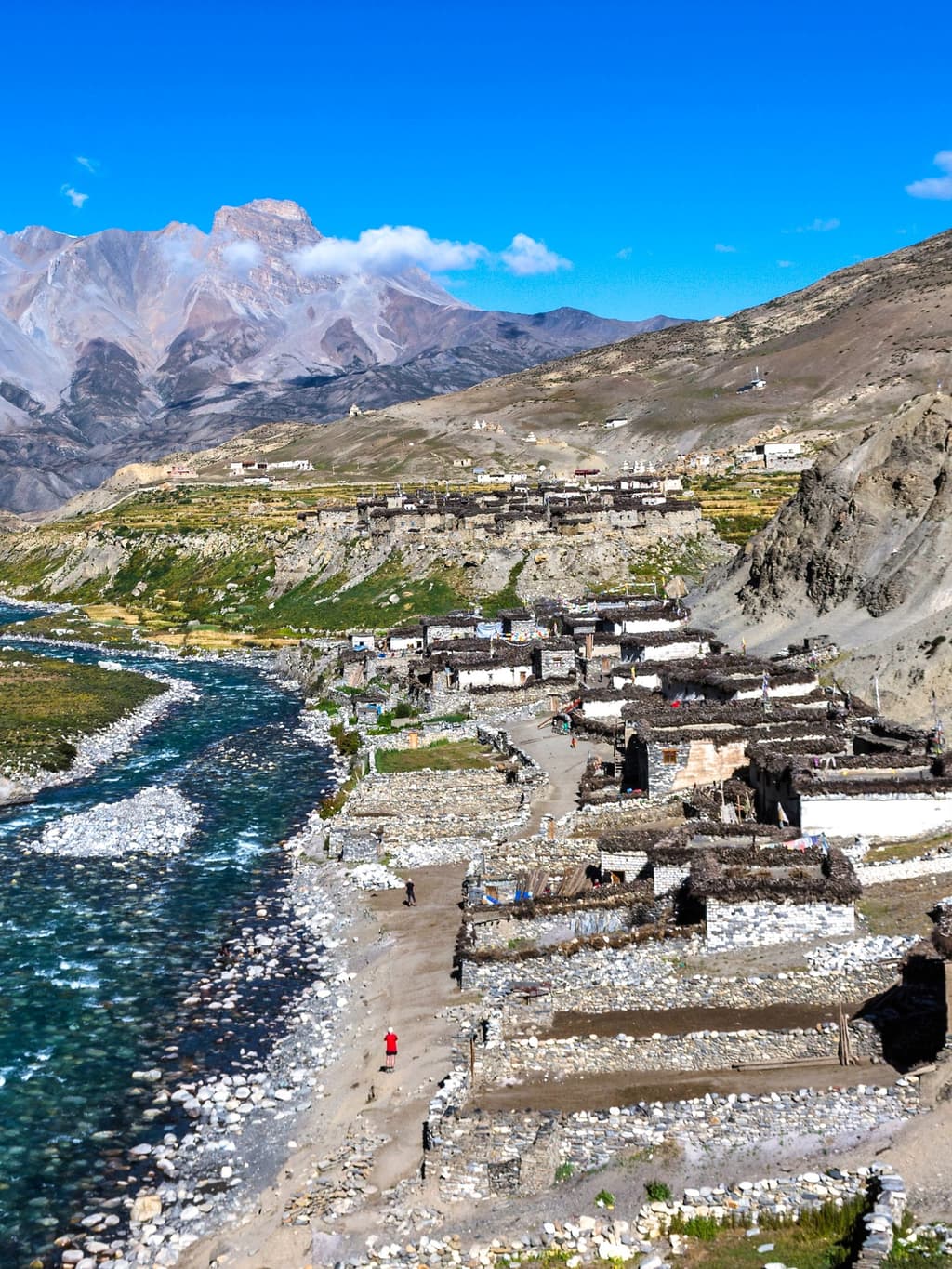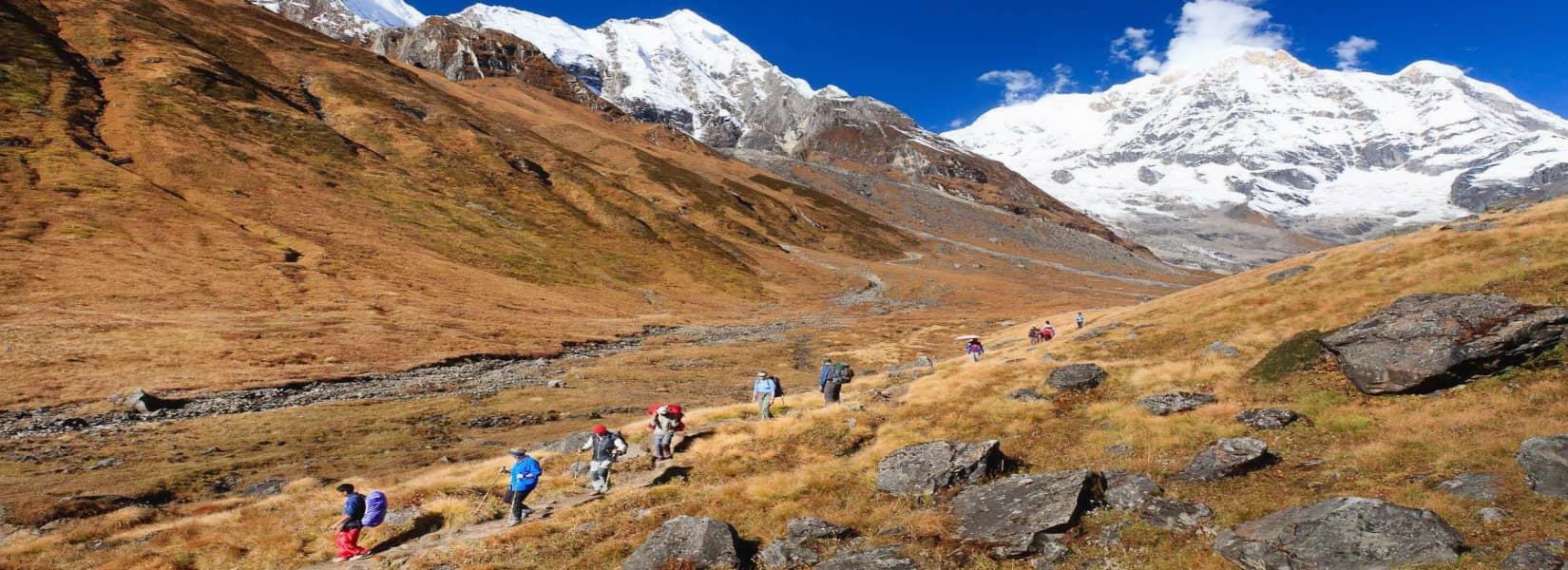
Trekking in Nepal is not just an outdoor pursuit—it’s a spiritual and physical journey through some of the world’s most breathtaking landscapes. From the shadow of Everest to the serene trails of the Annapurna, every trek begins with one crucial decision: should you venture solo or join a group expedition? Each offers unique rewards, challenges, and perspectives. Let’s explore their differences, along with the best trekking seasons and essential preparation tips to help you make the right choice.
Whether you're dreaming of conquering peaks or exploring serene valleys, choosing between solo trekking and group expeditions is a pivotal decision. Each approach offers unique experiences, challenges, and rewards.
At Everest Sherpa Expeditions, we’ve guided countless adventurers through Nepal’s most iconic trails and remote Himalayan valleys. Over the years, we’ve witnessed both triumphant solo journeys and unforgettable group expeditions. This guide explores the strengths, challenges, and key considerations behind each option—empowering you to choose wisely based on your trekking style, safety needs, budget, and personal goals.
In this blog, we'll break down the pros, cons, and key differences to help you decide which path aligns with your trekking goals. Drawing from our years of expertise, we'll provide insights tailored to real-world scenarios.
Understanding Solo Trekking
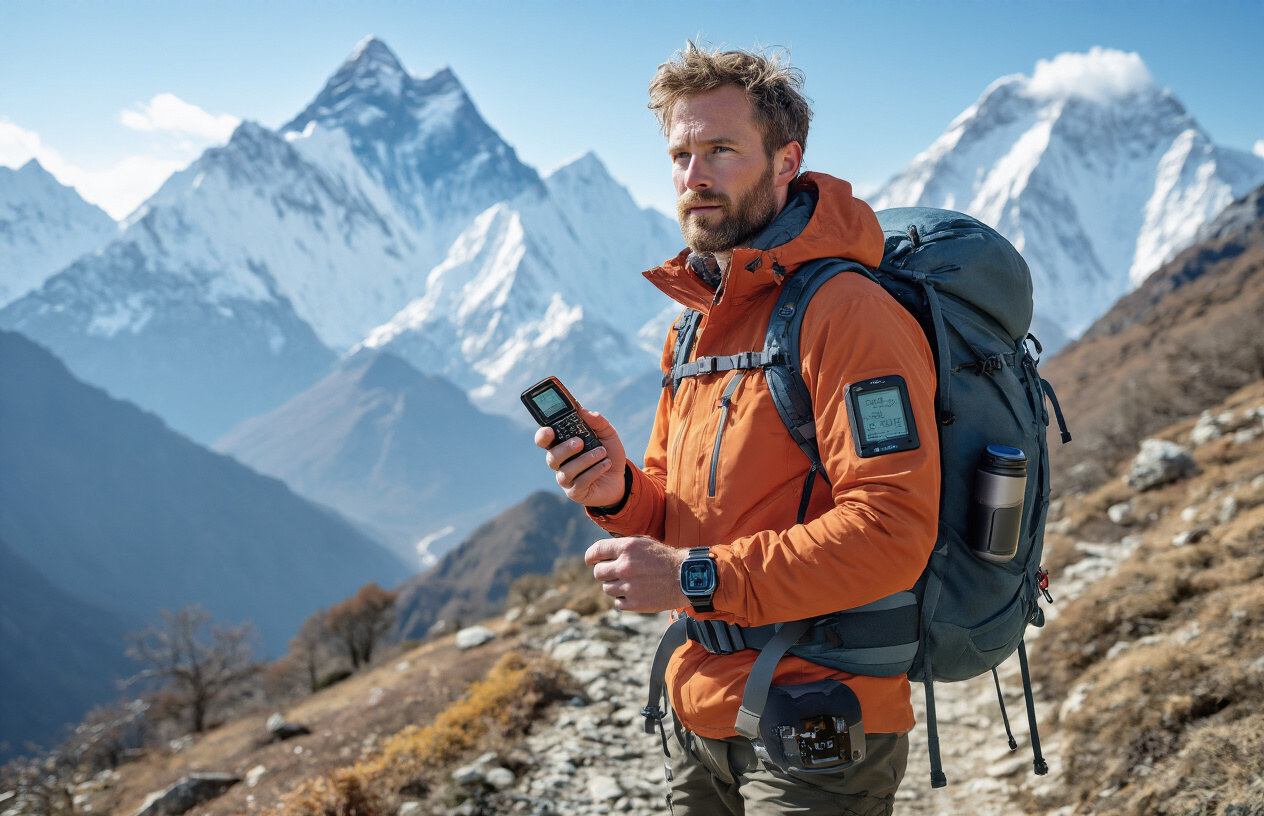
Solo trekking involves venturing into the wilderness alone, relying on your own skills, preparation, and decision-making. It's a deeply personal journey that appeals to those seeking self-reliance and introspection.
Pros of Solo Trekking
- Unparalleled Freedom and Flexibility: You set your own pace, itinerary, and stops. Want to linger at a scenic viewpoint or push through an extra mile? It's entirely up to you. This autonomy allows for spontaneous detours, like exploring off-the-beaten-path villages.
- Introspective Experience: Trekking solo fosters self-discovery. Without group dynamics, you can fully immerse in nature's solitude, leading to profound personal growth and mindfulness.
- Cost-Effectiveness: Fewer expenses on group logistics mean lower costs. You only pay for your permits, gear, and personal guides if needed—potentially saving 30-50% compared to organized groups.
- Skill-Building: It hones survival skills, navigation, and problem-solving. Our Sherpa guides often recommend solo treks for experienced trekkers looking to test their limits.
Cons of Solo Trekking
- Safety Risks: Isolation increases vulnerability to emergencies like injuries, wildlife encounters, or sudden weather changes. Without companions, rescue can be delayed, and we've seen cases where solo trekkers underestimate the Himalayas' unpredictability.
- Loneliness and Motivation: The lack of camaraderie can lead to isolation, especially on long treks. Motivation dips are common without a group to share highs and lows.
- Logistical Challenges: Handling permits, accommodations, and gear alone can be overwhelming. In remote areas, language barriers or cultural misunderstandings might arise without support.
Understanding Group Expeditions
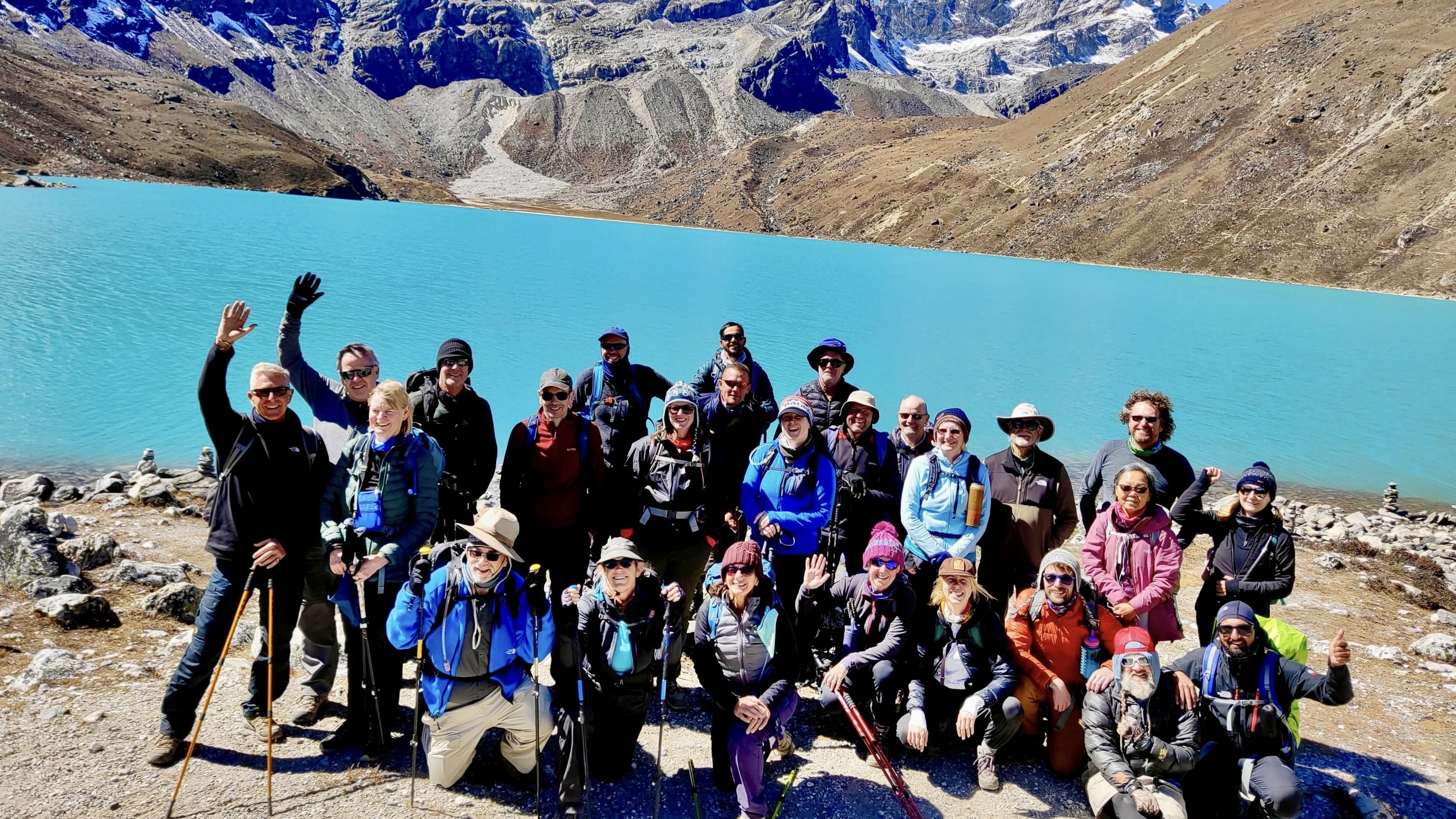
Group expeditions, organized by outfits like Everest Sherpa Expeditions, involve trekking with a team—often including guides, porters, and fellow adventurers. These are structured for safety and shared experiences.
Pros of Group Expeditions
- Enhanced Safety and Support: With experienced Sherpa guides and a team, you're backed by expertise. Our expeditions include emergency protocols, medical kits, and quick responses to issues, reducing risks significantly.
- Social Bonds and Shared Memories: Trekking with others builds camaraderie. Sharing stories around campfires or overcoming challenges together creates lasting friendships and a sense of community.
- Convenience and Accessibility: Everything is handled for you—meals, accommodations, and transportation. Beginners benefit from guided learning, while experts enjoy the structured pace.
- Resource Sharing: Costs are distributed, and group dynamics can make tough sections easier. For instance, our Everest Base Camp treks leverage team efforts for efficient ascents.
Cons of Group Expeditions
- Less Flexibility: Schedules are fixed to accommodate the group, limiting spontaneity. If you're a fast trekker, you might wait for slower members.
- Higher Costs: Group fees cover guides, permits, and logistics, often ranging from 5,000 per person, depending on the trek. This can be 2-3 times more than solo options.
- Potential Conflicts: Group dynamics can lead to disagreements over pace or decisions. Introverts might feel overwhelmed by constant interaction.
- Crowded Trails: Popular routes like Annapurna Circuit can feel touristy, diluting the wilderness experience.
Key Comparisons: Solo vs. Group
|
Aspect |
Solo Trekking |
Group Expeditions |
|
Safety |
Higher risk; self-reliance required |
Lower risk; professional support |
|
Cost |
Lower (e.g., $500-$1,500 for basic treks) |
Higher (e.g., $2,000-$6,000) |
|
Experience |
Introspective, flexible |
Social, structured |
|
Skill Level |
Best for experienced trekkers |
Suitable for all levels |
|
Duration |
Variable; can extend indefinitely |
Fixed itineraries (7-21 days typical) |
|
Cultural Immersion |
Deep, personal interactions |
Guided, group-oriented |
Ultimately, the choice depends on your experience level, budget, and personality. Solo trekking suits independent adventurers who thrive on solitude, while group expeditions are ideal for those prioritizing safety and social aspects. At Everest Sherpa Expeditions, we offer both options—our solo packages include optional guide support, and group treks are led by certified Sherpas with a focus on sustainability and local culture.
Best Season for Trekking in Nepal
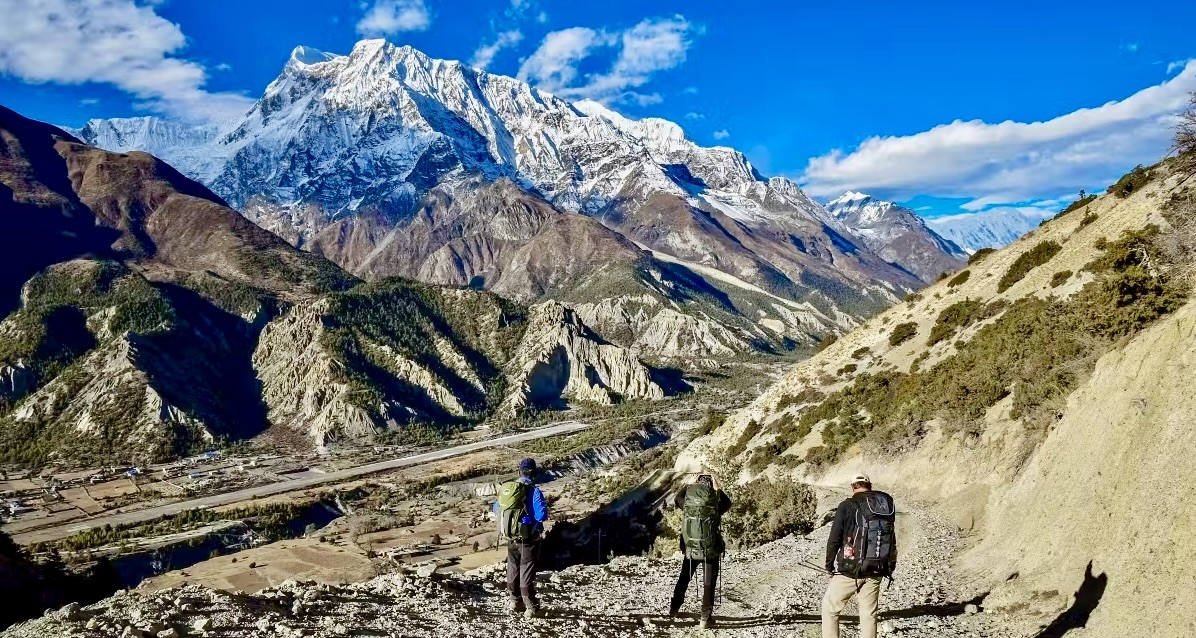
Choosing the right season is vital for both solo trekkers and group expeditions. Nepal’s diverse geography offers trekking opportunities year-round, but certain months provide the most favorable weather and visibility.
| Season | Months | Highlights | Ideal For |
|---|---|---|---|
| Spring | March – May | Rhododendron blooms, clear skies, moderate temperatures | Both solo and group trekkers |
| Autumn | September – November | Best weather, crisp views, stable conditions | Most popular for all treks |
| Winter | December – February | Quiet trails, snow-covered passes, cold but scenic | Solo adventurers seeking solitude |
| Monsoon | June – August | Lush greenery, fewer crowds, occasional rain | Group treks in rain-shadow regions (Upper Mustang, Dolpo) |
Expert Recommendation:
For first-time trekkers, autumn (Sept–Nov) offers the most stable conditions and vibrant mountain views. For seasoned solo trekkers who prefer quiet trails, winter or early spring provides solitude and serene landscapes.
Preparation Tips for Trekking in Nepal
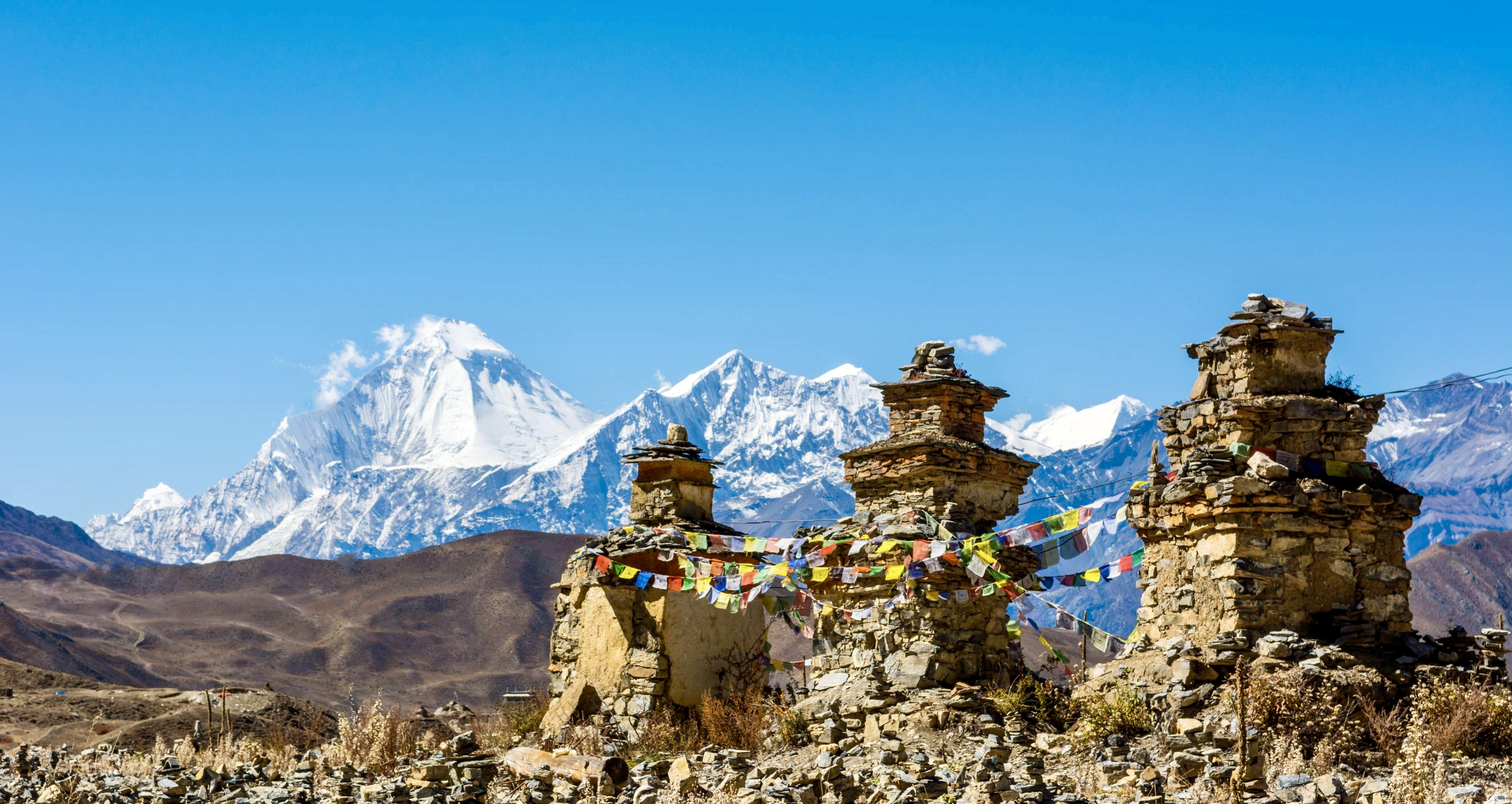
Whether you choose to trek solo or with a group, preparation determines the quality and safety of your experience.
Physical Conditioning
- Begin training at least 6–8 weeks before your trek.
- Focus on cardio exercises (hiking, running, cycling) and leg strength training (squats, lunges, stair climbing).
- Practice trekking with a loaded backpack to simulate real conditions.
Acclimatization Awareness
- Ascend gradually—avoid gaining more than 500m per day above 3,000m.
- Stay hydrated and avoid alcohol.
- Schedule rest days at key elevations.
Gear Preparation
- Invest in quality trekking boots, layered clothing, and waterproof gear.
- Essential items: down jacket, sleeping bag, trekking poles, water purification tablets, and headlamp.
- Solo trekkers should carry a detailed map, GPS, and first-aid kit.
Permits and Documentation
- Obtain the necessary permits (TIMS, conservation area, or national park).
- Always carry copies of your ID and insurance that covers high-altitude trekking.
Mental Readiness
- Solo trekkers should prepare for isolation and decision-making challenges.
- Group trekkers should embrace patience and teamwork.
Everest Sherpa Expeditions Perspective
At Everest Sherpa Expeditions, we wholeheartedly respect the spirit of solo adventure. Yet, we advocate strongly for guided and group experiences for those new to high-altitude trekking—or venturing into technical or remote Himalayan terrain.
The mountains are magnificent, but they demand humility. Our Sherpa guides bring more than expertise—they carry generations of mountain wisdom, cultural heritage, and an unwavering commitment to your safety and success.
In our view, the companionship, knowledge exchange, and professionalism found in guided expeditions elevate the Himalayan journey from memorable to transformative.
Final Thoughts
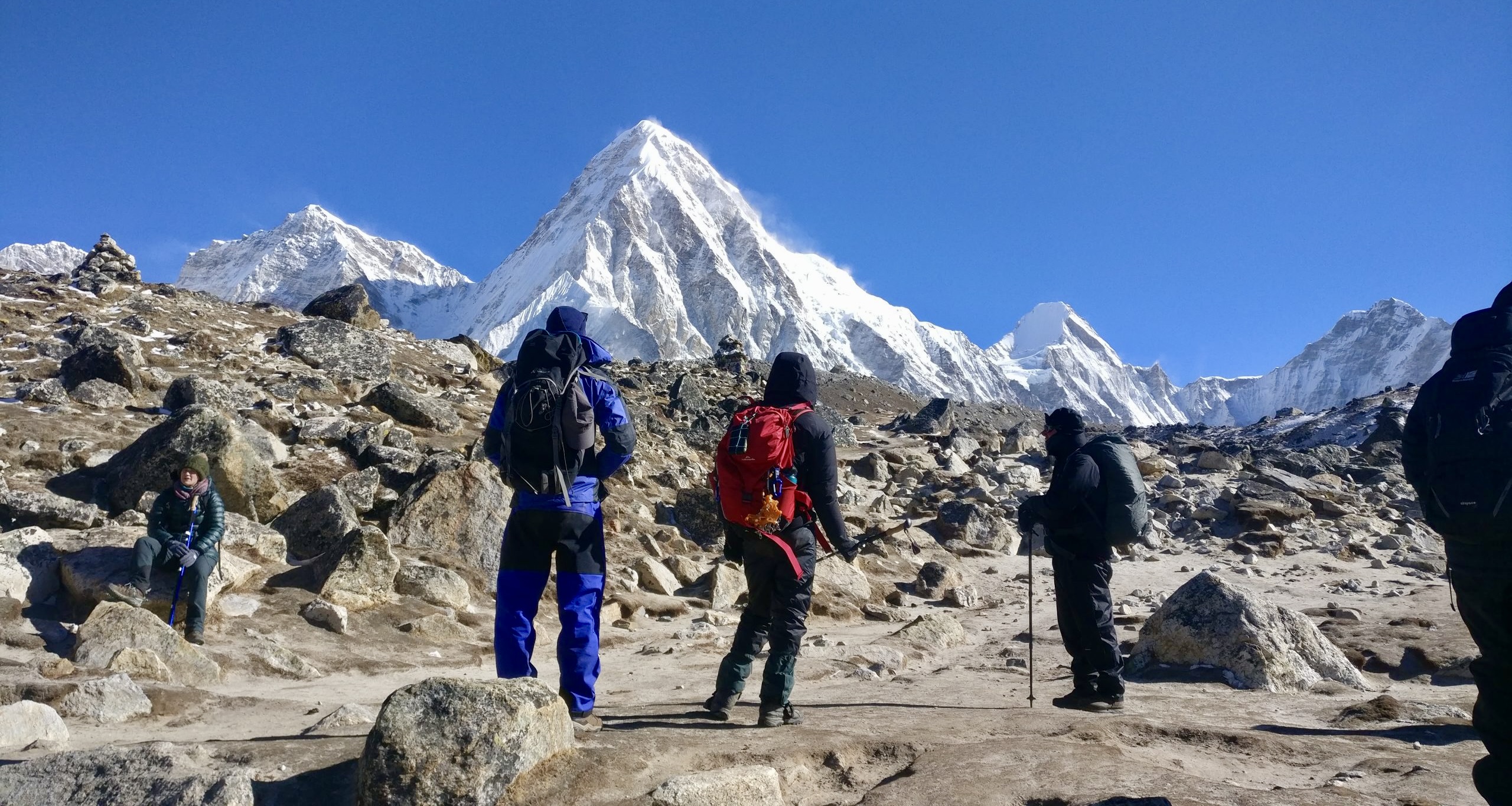
Both solo trekking and group expeditions are powerful ways to experience Nepal’s majestic Himalayas. Your choice ultimately hinges on experience level, comfort with risk, and personal trekking philosophy.
Whether you wander alone through the silent valleys or share laughter with fellow trekkers beneath the Milky Way, the Himalayas transform everyone they touch. Solo trekking reveals your strength and inner peace, while group expeditions celebrate unity and shared triumph. Both are valid, both are beautiful—and both lead to the same breathtaking truth: the mountains are where you truly find yourself.
If you need any further information, please contact us by email: [email protected], Phone: +977- 980 195 6248 (WhatsApp).