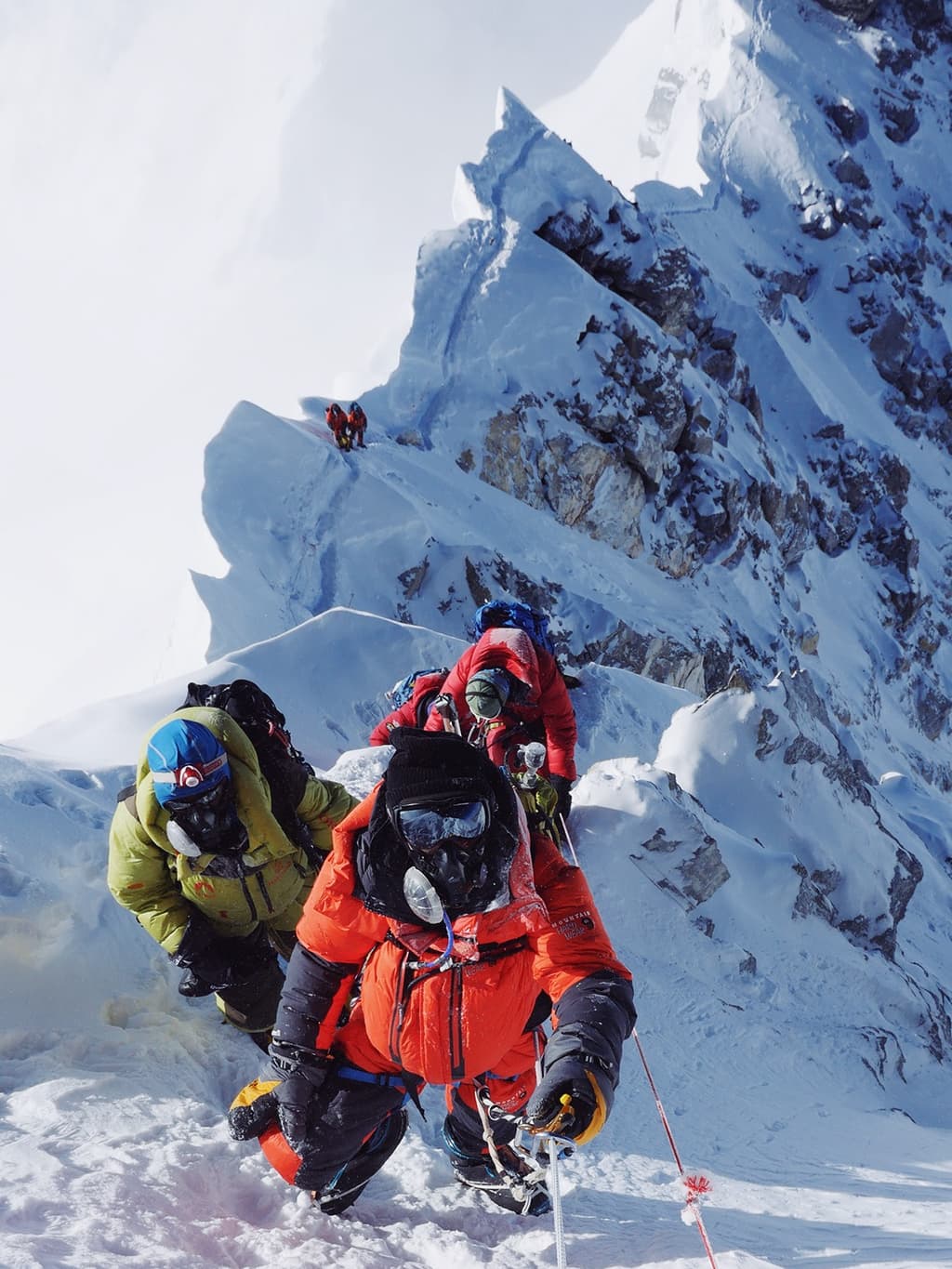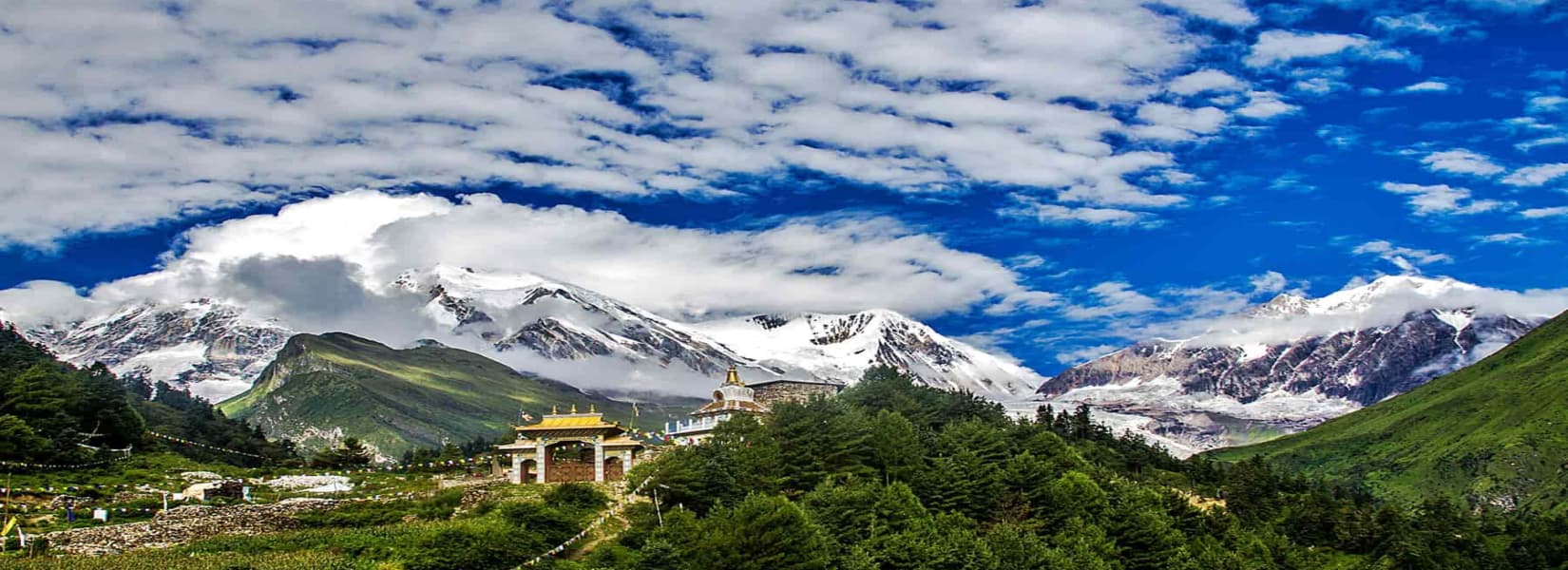
When most travelers think of trekking in Nepal, they imagine crystal-clear skies and snow-clad peaks during autumn or spring. Yet, few realize that monsoon season — from June to August — unveils a completely different face of the Himalayas. It’s a time of lush valleys, blooming wildflowers, and serene trails far removed from the usual crowds.
While heavy rainfall affects many popular routes, several rain-shadow regions lie tucked behind the Himalayan barrier, shielded from monsoon downpours. These areas—rich in Tibetan culture, ancient trade routes, and stark desert beauty—offer some of the most rewarding treks in Nepal.
Here’s a detailed look at the Top Monsoon Treks in Nepal, ideal for those who prefer peace, cultural immersion, and off-beat exploration.
Why is Trekking Best During the Monsoon in Nepal?
Fewer Crowds, More Serenity
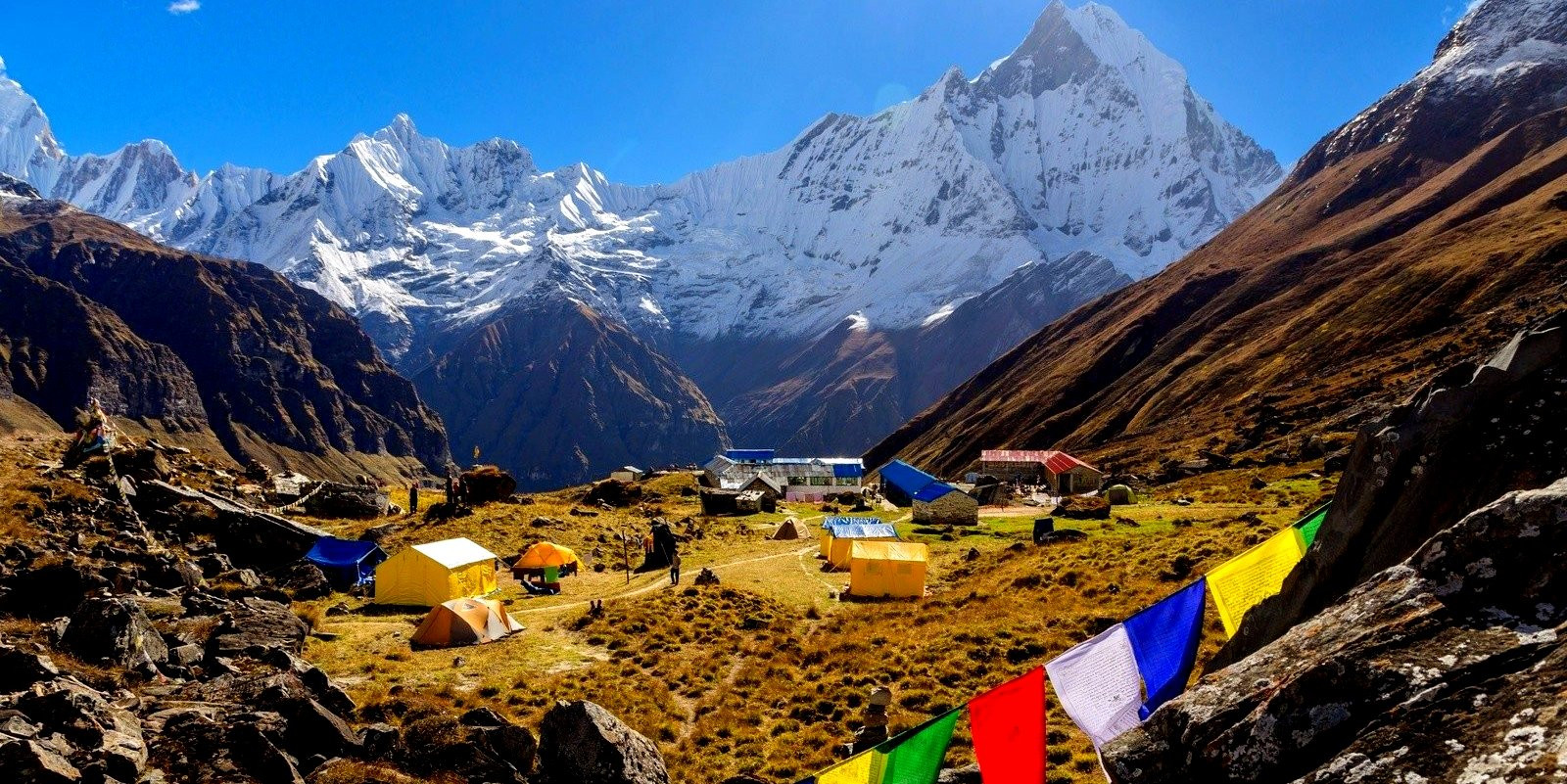
During peak spring and autumn seasons, Nepal’s popular trails can become crowded with trekkers. In contrast, monsoon treks offer quiet trails, peaceful teahouses, and uninterrupted mountain serenity. It’s the perfect time for solitude seekers and photographers to enjoy the raw Himalayan charm without the bustle.
Lush Landscapes and Rich Scenery
The monsoon rain breathes life into the hills, transforming the entire country into a vivid green paradise. Waterfalls surge, forests glisten, and the terraced fields shimmer with young rice plants. Every valley feels alive, and every trail leads through fresh, rain-washed beauty that can’t be found in drier months.
Crystal-Clear Views After Rain
Although rain showers occur frequently, they often happen in short bursts. Once the clouds clear, trekkers are rewarded with crystal-clear mountain views, dramatic skies, and stunning post-rain sunsets. The air is crisp and dust-free, perfect for photographers chasing dramatic Himalayan backdrops.
Ideal for Rain-Shadow Treks
Regions like Upper Mustang, Dolpo, and Nar Phu Valley lie in the rain-shadow zones of the Himalayas, receiving little to no rainfall even during peak monsoon months. This makes them perfect trekking destinations with clear skies, dry trails, and captivating landscapes, far from the reach of monsoon rains.
Authentic Cultural Encounters
Because the number of trekkers drops drastically during monsoon, you’re more likely to connect deeply with local communities. Teahouse owners, farmers, and villagers often have more time to share stories, traditions, and local hospitality. Trekking feels more intimate and personal — an insight into the rhythm of rural Himalayan life.
Budget-Friendly Season
With fewer tourists, accommodation and flight costs often decrease during monsoon months. Trekkers can enjoy discounted rates, quieter lodges, and more flexible itineraries — a major advantage for travelers looking for adventure on a reasonable budget.
Blooming Flora and Fauna
The monsoon awakens Nepal’s biodiversity. Wildflowers bloom along trails, rhododendron forests shimmer with rain, and birds migrate in abundance. For nature enthusiasts, it’s a season of discovery and vivid color — a photographer’s dream.
Monsoon trekking in Nepal isn’t about braving the rain — it’s about embracing renewal, solitude, and authenticity. With the right preparation and destination choice, the monsoon becomes one of Nepal’s most underrated and beautiful trekking seasons.
Best Monsoon Trekking Regions at a Glance
| Region | Rainfall | Difficulty | Highlight |
|---|---|---|---|
| Upper Mustang | Minimal | Moderate | Tibetan desert culture, Lo Manthang |
| Nar Phu Valley | Low | Challenging | Remote villages and high passes |
| Upper Dolpo | Very Low | Strenuous | Shey Gompa, Phoksundo Lake |
| Jomsom–Muktinath | Low | Moderate | Pilgrimage and panoramic views |
| Lower Dolpo | Moderate | Moderate | Cultural immersion and wilderness |
| Annapurna Circuit (Partial) | Moderate | Moderate–Hard | Tilicho Lake, Thorong La Pass |
1. Upper Mustang Trek: Journey to the Hidden Kingdom
Region: Mustang District, north of Annapurna
Duration: 12–16 days
Maximum Altitude: 3,840m (Lo Manthang)
Difficulty: Moderate
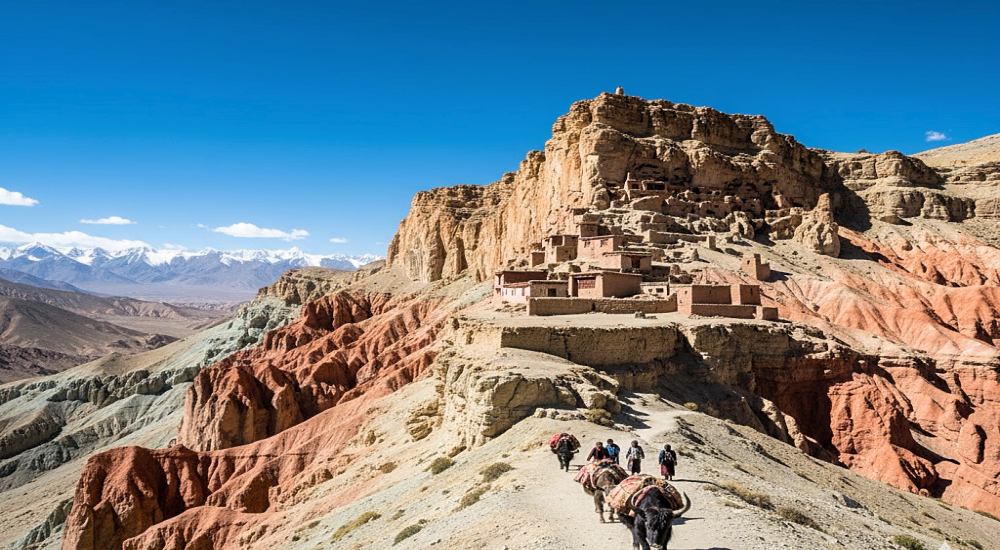
The Upper Mustang Trek is undoubtedly Nepal’s crown jewel for monsoon trekking. Located in the rain-shadow zone north of the Annapurna and Dhaulagiri ranges, this region receives very little rainfall, even during the wettest months.
Why Trek in Monsoon:
-
Crystal-clear skies and dramatic light over barren cliffs.
-
Fewer tourists, allowing a quieter exploration of Lo Manthang, the “Forbidden Kingdom.”
-
Local Tiji and Yartung festivals often coincide with the monsoon months, offering deep cultural immersion.
Highlights:
-
Ancient Tibetan-style villages and monasteries.
-
Cave dwellings carved into sandstone cliffs.
-
Scenic views of Nilgiri, Dhaulagiri, and Annapurna.
-
Cultural encounters with Thakali and Loba communities.
Insider Tip:
A special permit is required to enter Upper Mustang, so booking with a registered operator like Everest Sherpa Expedition ensures all logistics are handled professionally.
2. Nar Phu Valley Trek: The Hidden Himalayan Sanctuary
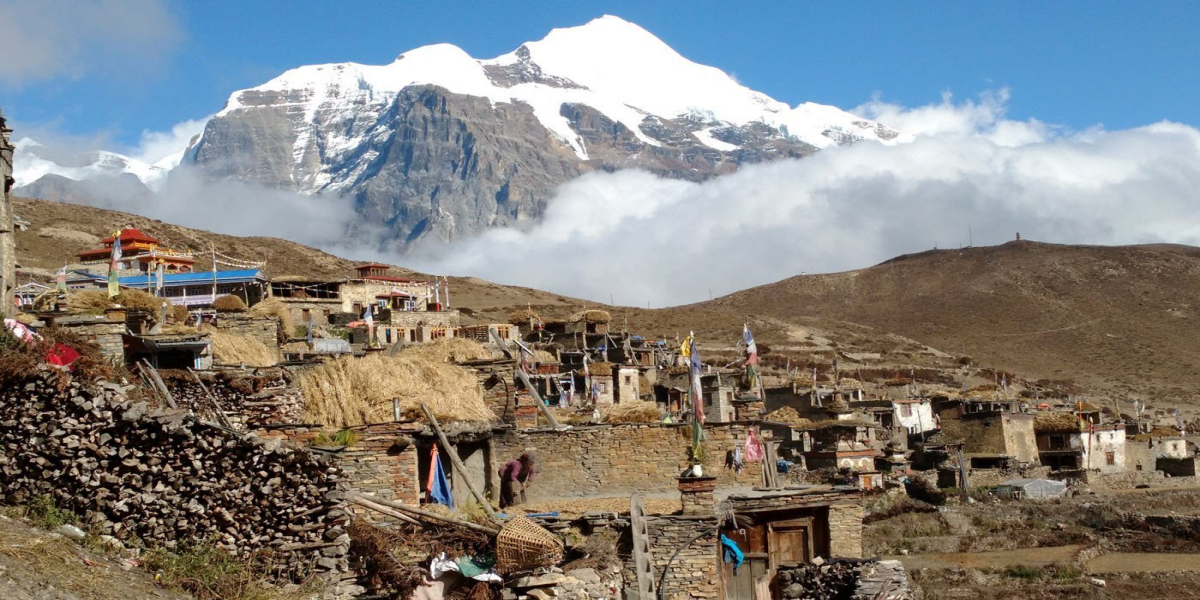
Region: North of Annapurna
Duration: 10–15 days
Maximum Altitude: 5,240m (Kang La Pass)
Difficulty: Challenging
Nestled between Annapurna and Manaslu, the Nar Phu Valley remains one of Nepal’s most remote trekking routes. Protected from monsoon rains by high mountain walls, it’s an ideal choice for experienced trekkers seeking raw adventure.
Why Trek in Monsoon:
-
Clear visibility due to the region’s semi-arid landscape.
-
Vibrant alpine meadows and wildflowers in full bloom.
-
Limited trekkers—perfect for solitude seekers.
Highlights:
-
The ancient walled villages of Nar and Phu.
-
Spectacular Himalayan desert scenery reminiscent of Tibet.
-
Crossing the thrilling Kang La Pass (5,240m).
-
Encounters with yak caravans and remote Buddhist monasteries.
Insider Tip:
Due to restricted area permits, solo trekking is not allowed—opt for a guided expedition with professional support.
3. Upper Dolpo Trek: Into Nepal’s Mystical West
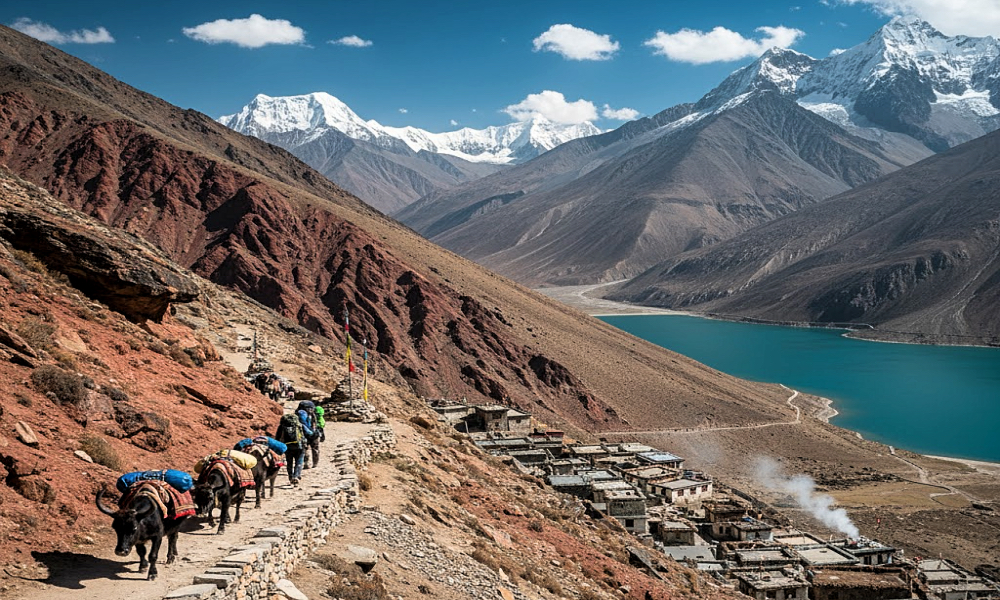
Region: Dolpo District, Karnali Province
Duration: 20–26 days
Maximum Altitude: 5,190m (Kang La Pass)
Difficulty: Strenuous
The Upper Dolpo Trek is one of Nepal’s most spiritual and isolated journeys, made famous by Peter Matthiessen’s The Snow Leopard. Shielded from rain by the Dhaulagiri range, this high-altitude desert remains almost untouched by time.
Why Trek in Monsoon:
-
The region’s dry terrain makes it ideal during monsoon months.
-
Rivers and waterfalls are at their most dramatic.
-
Traditional Bon and Buddhist villages in full summer bloom.
Highlights:
-
Shey Gompa, the “Crystal Monastery.”
-
Deep blue Phoksundo Lake, one of Nepal’s most stunning alpine lakes.
-
Authentic Tibetan culture and trans-Himalayan trade routes.
-
Wildlife sightings, including blue sheep and Himalayan griffons.
Insider Tip:
This is an expedition-style trek requiring camping and full logistics support. Choose a seasoned outfitter for safe, well-managed travel.
4. Jomsom to Muktinath Trek: Short Yet Spectacular

Region: Mustang District
Duration: 6–8 days
Maximum Altitude: 3,800m (Muktinath)
Difficulty: Easy to Moderate
The Jomsom–Muktinath Trek is a shorter alternative to Upper Mustang, ideal for trekkers who want a mix of culture, landscape, and spirituality without lengthy commitments. Being within the same rain-shadow region, it remains largely unaffected by the monsoon.
Why Trek in Monsoon:
-
Excellent weather and clear mountain views.
-
Vibrant Thakali villages and apple orchards in full bloom.
-
Easy accessibility via daily flights from Pokhara to Jomsom.
Highlights:
-
Sacred pilgrimage site of Muktinath Temple.
-
Panoramic views of Dhaulagiri and Nilgiri.
-
Traditional Thakali cuisine and warm local hospitality.
Insider Tip:
Combine this route with a visit to Kagbeni—the gateway to Upper Mustang—for added cultural depth.
5. Lower Dolpo Trek: Rugged Beauty and Cultural Richness
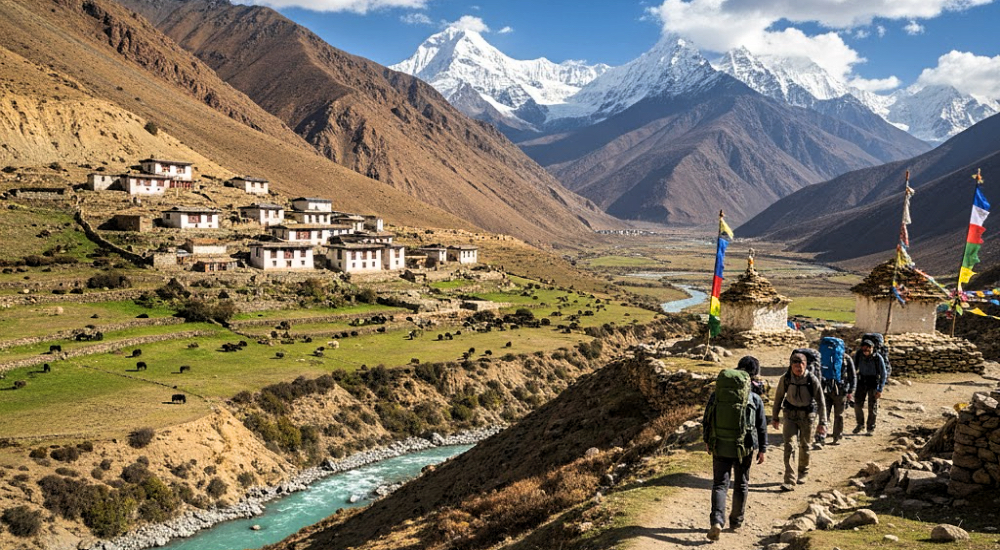
Region: Dolpo District
Duration: 14–18 days
Maximum Altitude: 5,190m (Numala Pass)
Difficulty: Moderate to Challenging
For trekkers seeking remoteness without the high-altitude challenge of Upper Dolpo, the Lower Dolpo Trek is ideal. The trails are drier than eastern Nepal, with monsoon clouds rarely crossing the Dhaulagiri range.
Why Trek in Monsoon:
-
Dry and scenic trails with colorful summer meadows.
-
Rich Bon and Buddhist traditions in remote hamlets.
-
Opportunities to explore Phoksundo Lake and Tarap Valley.
Highlights:
-
Visits to ancient monasteries like Shey Gompa.
-
Exceptional Himalayan wilderness and wildlife.
-
The mesmerizing turquoise waters of Phoksundo.
Insider Tip:
This trek involves several high passes—prepare for altitude changes and carry reliable camping gear.
6. Annapurna Circuit (Partial) During Monsoon

Region: Central Nepal
Duration: 10–18 days (customizable)
Maximum Altitude: 5,416m (Thorong La Pass)
Difficulty: Moderate to Challenging
Although sections of the Annapurna Circuit face heavy rains, the Manang and Mustang sides remain relatively dry. Trekking in monsoon offers fewer crowds, vibrant greenery, and a raw connection to nature.
Why Trek in Monsoon:
-
Lush lower trails and crisp air in higher altitudes.
-
Peaceful teahouses and quiet trails.
-
Waterfalls and rivers at their most powerful.
Highlights:
-
Crossing the world-famous Thorong La Pass.
-
Visiting Muktinath Temple and Manang village.
-
Panoramic views of Annapurna II, Dhaulagiri, and Tilicho Peak.
Insider Tip:
Avoid the eastern section near Lamjung during peak monsoon; start the trek from Manang or fly directly to Jomsom for the drier part.
Preparation Tips for Monsoon Trekking in Nepal
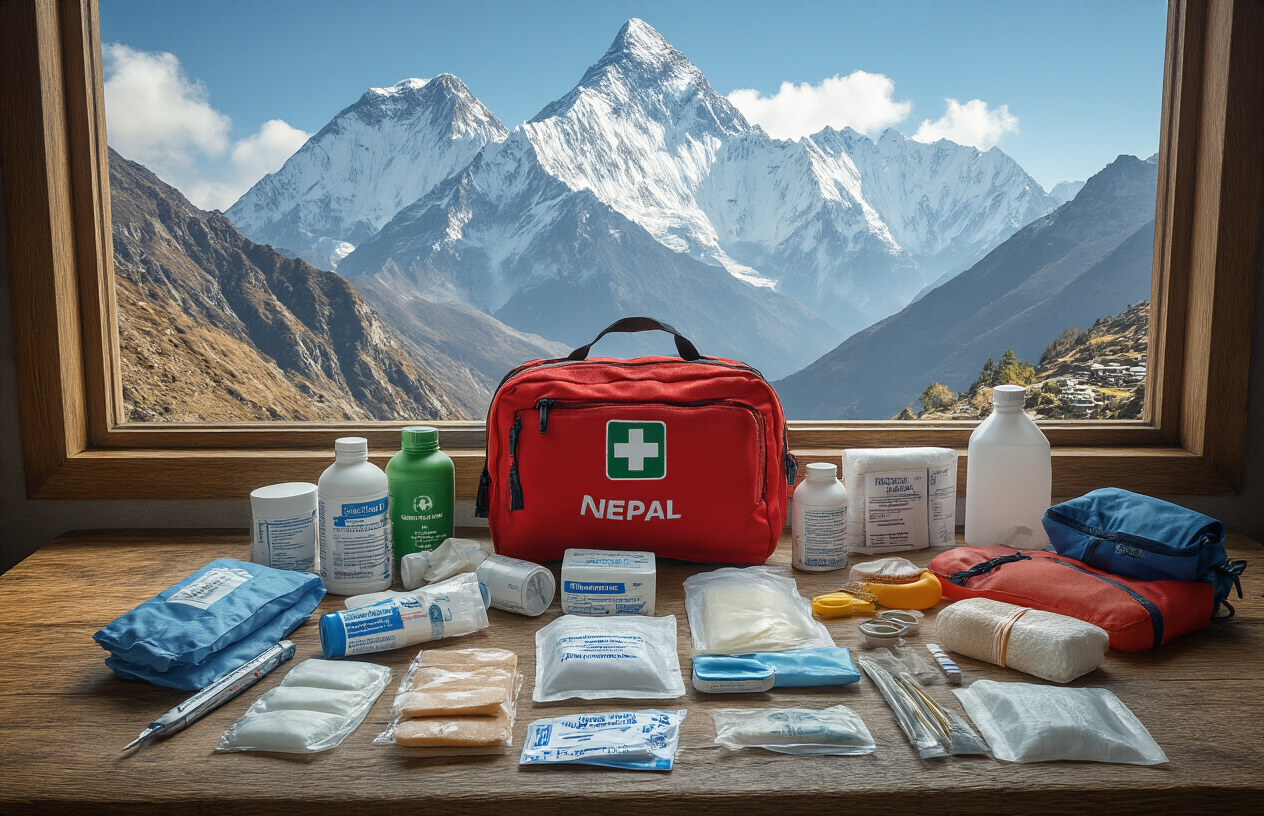
Physical Preparation
- Build Fitness: Train with hikes, cardio, and strength exercises 3-6 months in advance. Aim for endurance—practice with a loaded backpack to simulate trail conditions. Include hill climbs to mimic elevation gains.
- Health Check: Consult a doctor for vaccinations, altitude sickness prevention (e.g., Diamox), and any pre-existing conditions. Stay hydrated and maintain a balanced diet.
Gear Essentials
-
Waterproof boots, rain jackets, and quick-dry clothing.
-
Trekking poles for slippery trails.
-
Pack covers and dry bags for electronics and documents.
Travel Logistics
-
Be flexible with flight schedules (especially for Jomsom or Dolpo).
-
Carry extra buffer days for weather delays.
Health & Safety
-
Trek with a registered guide familiar with monsoon conditions.
-
Drink purified or boiled water to avoid contamination.
-
Carry insect repellent and light layers for leech-prone areas.
Mindset & Expectation
-
Embrace the misty, moody atmosphere—it’s part of the charm.
-
Expect fewer trekkers and richer cultural encounters.
Start with shorter treks to test your prep, and always prioritize Leave No Trace principles for environmental respect.
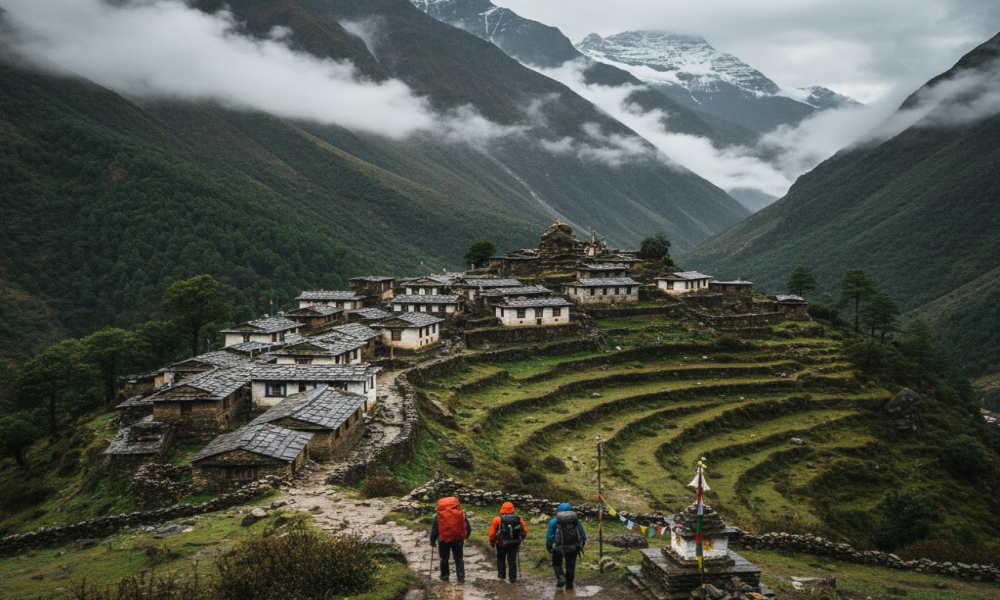
Conclusion: A Different Kind of Himalayan Magic
Monsoon trekking in Nepal is not about chasing perfect skies—it’s about discovering the soul of the Himalayas when they’re most alive. The rivers roar, the meadows bloom, and the trails are quiet enough to hear your own thoughts. In the rain-shadow regions of Mustang, Dolpo, and Nar Phu, every step feels like a journey through a living museum of nature and culture.
For trekkers who dare to go beyond the ordinary, the monsoon months offer an unforgettable, introspective adventure—one that few experience but all remember.
At Everest Sherpa Expeditions, we specialize in guiding travelers safely through these unique routes, ensuring that every monsoon trek is both adventurous and deeply fulfilling.
If you need any further information, please contact us by email: [email protected], Phone: +977- 980 195 6248 (WhatsApp).