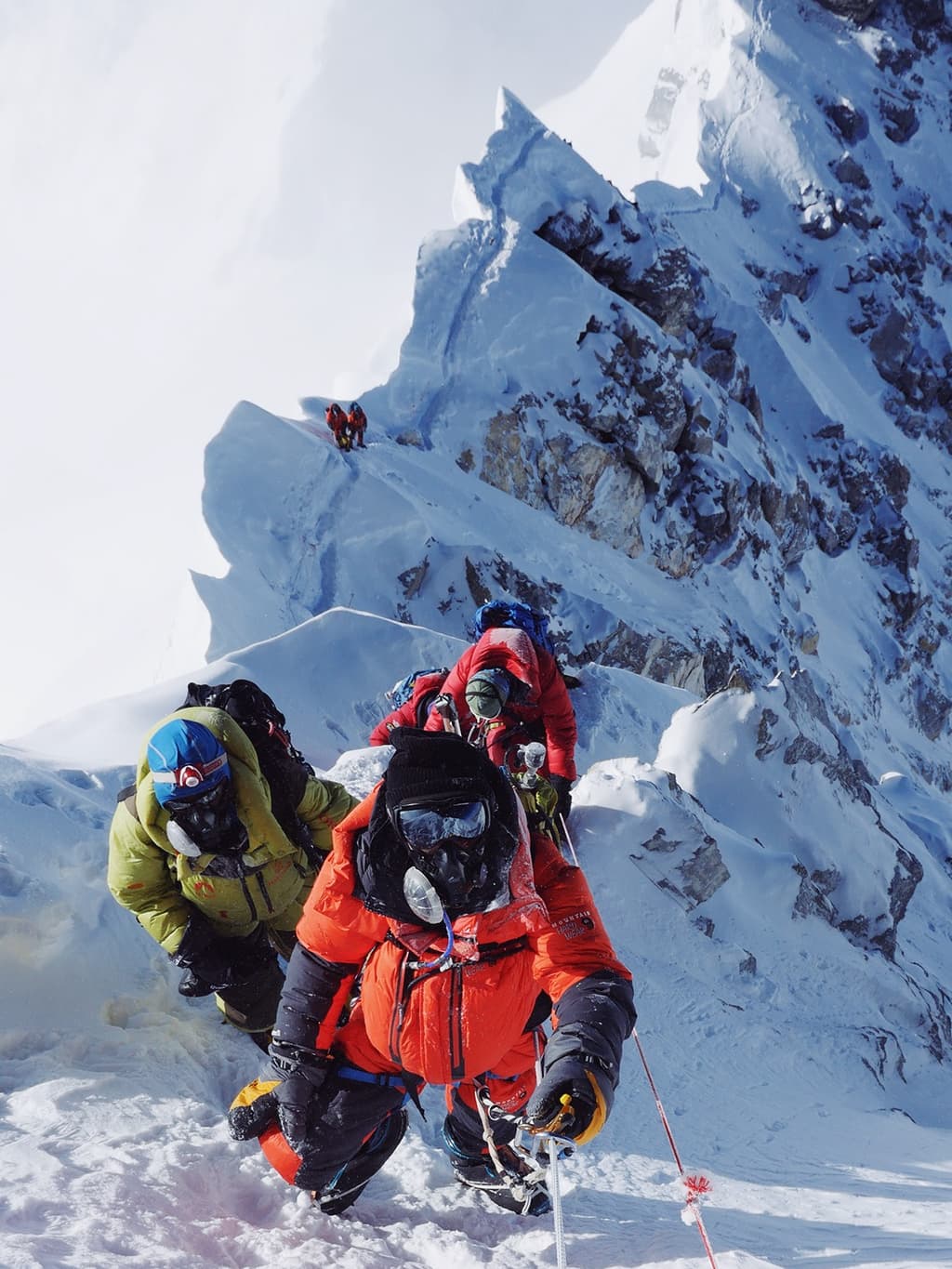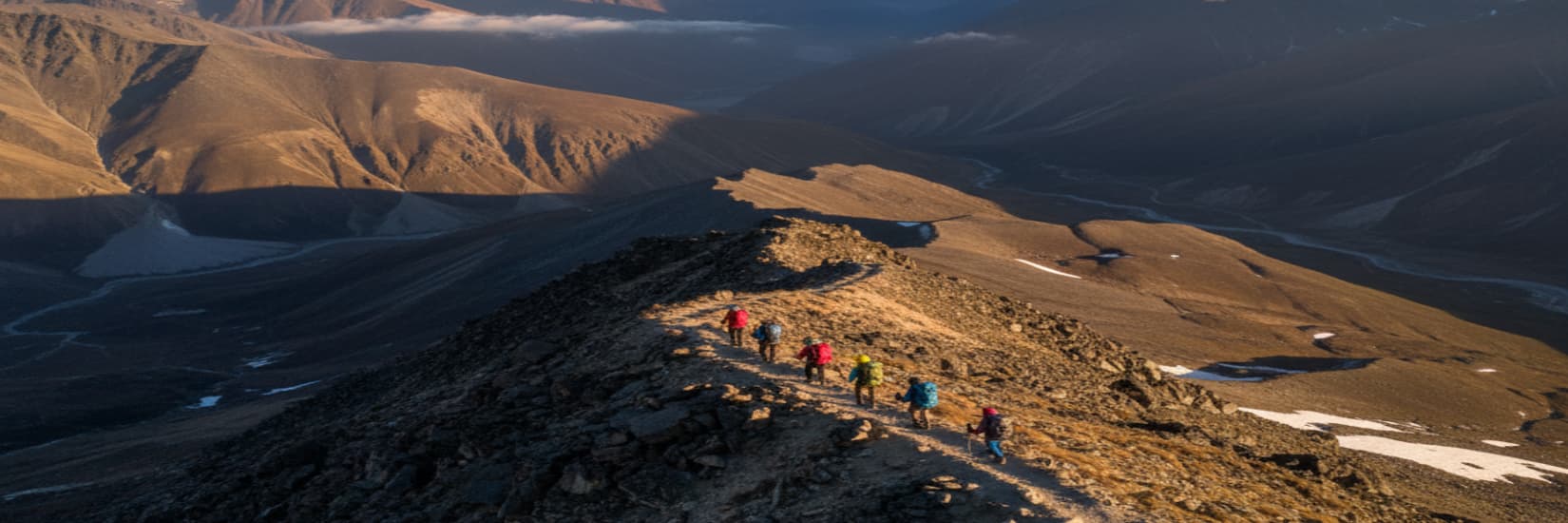
Nepal's Himalayan trails offer unparalleled beauty, from the snow-capped peaks of Everest to the lush valleys of the Annapurna Circuit, drawing millions of trekkers each year. Yet, this influx of visitors poses a growing threat to the fragile ecosystems, with issues like litter accumulation, deforestation, and wildlife disturbance exacerbating climate change impacts.
At Everest Sherpa Expeditions, we've witnessed firsthand how unsustainable practices can degrade these sacred landscapes, but we've also seen the transformative power of responsible trekking. In this guide, we'll explore practical strategies to minimize your environmental footprint—covering waste reduction, energy conservation, wildlife protection, and community support—rooted in our years of guiding eco-conscious adventures.
By adopting these habits, you not only preserve Nepal's natural heritage for future generations but also enrich your own journey with mindful awareness. Let's commit to trekking sustainably, ensuring the mountains remain as majestic as ever.
Understand the Environmental Impact of Trekking
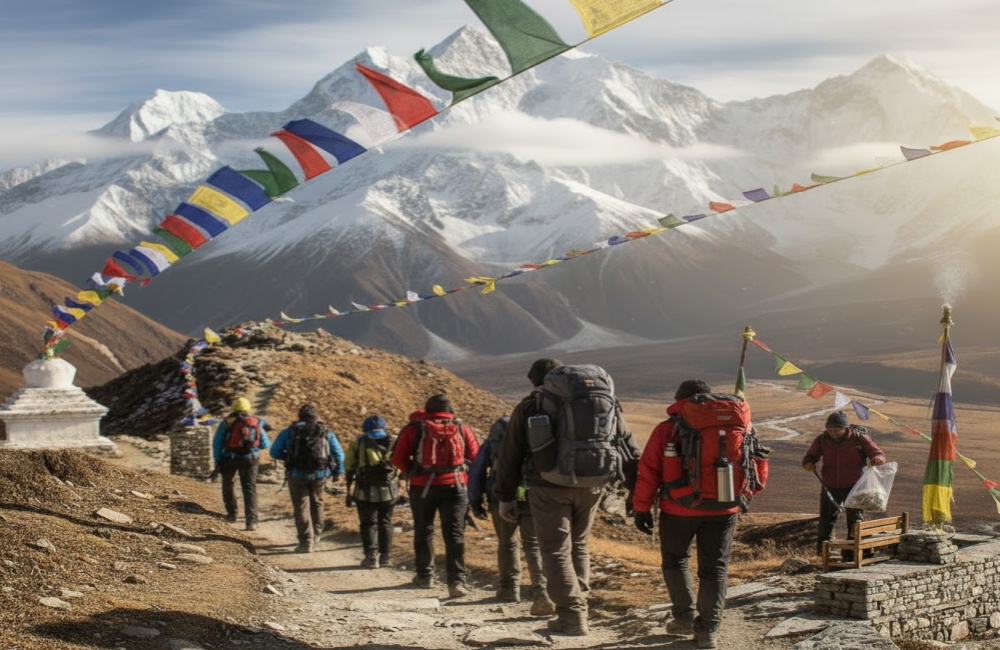
Trekking impacts the environment in multiple ways:
- Waste accumulation: Plastic bottles, food wrappers, and non-biodegradable materials left behind along trails.
- Deforestation: Excessive firewood use for heating and cooking in remote lodges.
- Water contamination: Untreated sewage and washing near rivers.
- Wildlife disturbance: Noise, litter, and off-trail travel disrupt fragile alpine habitats.
- Cultural erosion: Commercialization and insensitive behavior can dilute traditional mountain customs.
Recognizing these impacts is the first step toward reducing them.
Choose an Eco-Conscious Trekking Company
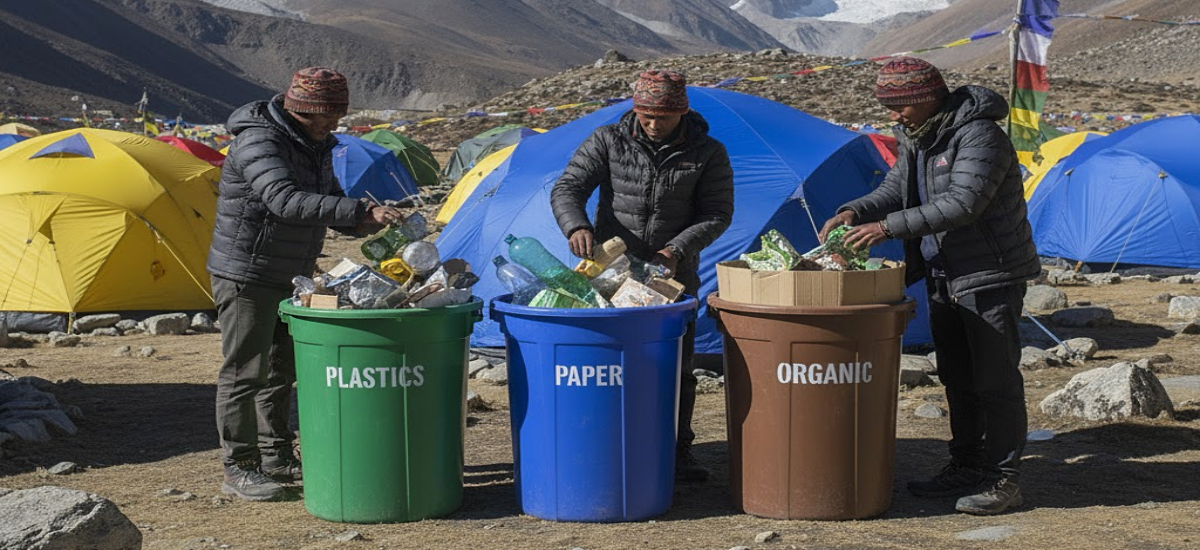
The operator you choose directly affects your environmental footprint.
Look for these traits in a responsible trekking agency:
- Waste management policy: They pack out all non-biodegradable waste.
- Use of renewable energy: Preference for solar heating and cooking in lodges.
- Ethical porter and guide practices: Fair wages, proper gear, and insurance for staff.
- Small group sizes: Smaller teams reduce pressure on trails and teahouses.
- Community reinvestment: Profits support local schools, health posts, or reforestation projects.
Everest Sherpa Expeditions, for example, follows strict waste policies and supports local conservation initiatives in the Everest and Manaslu regions.
Pack Sustainably: Gear and Supplies
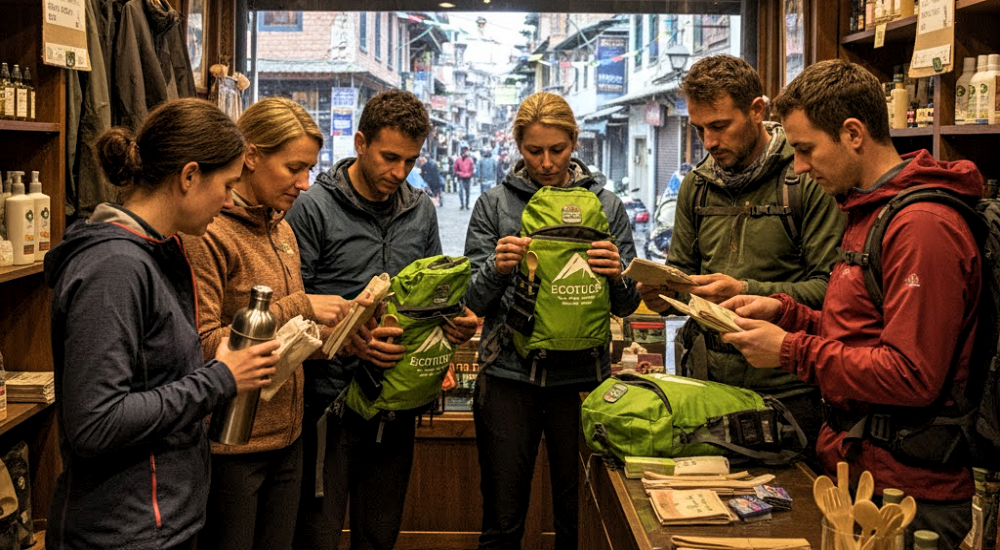
Avoid single-use plastics
- Carry a reusable water bottle and water purification system (filter, UV pen, or tablets).
- Bring reusable food containers or dry bags instead of disposable zip-locks.
- Use fabric shopping bags for snacks and purchases.
Choose eco-friendly gear
- Buy durable gear made from recycled or natural materials.
- Repair instead of replace — prolong your equipment’s lifespan.
- Refillable gas canisters or biogas stoves (if supported) reduce waste.
Pack light but smart
Lighter loads mean less fuel used for transportation (especially by porters and yaks). Carry only what you need.
Responsible Waste Management on the Trail
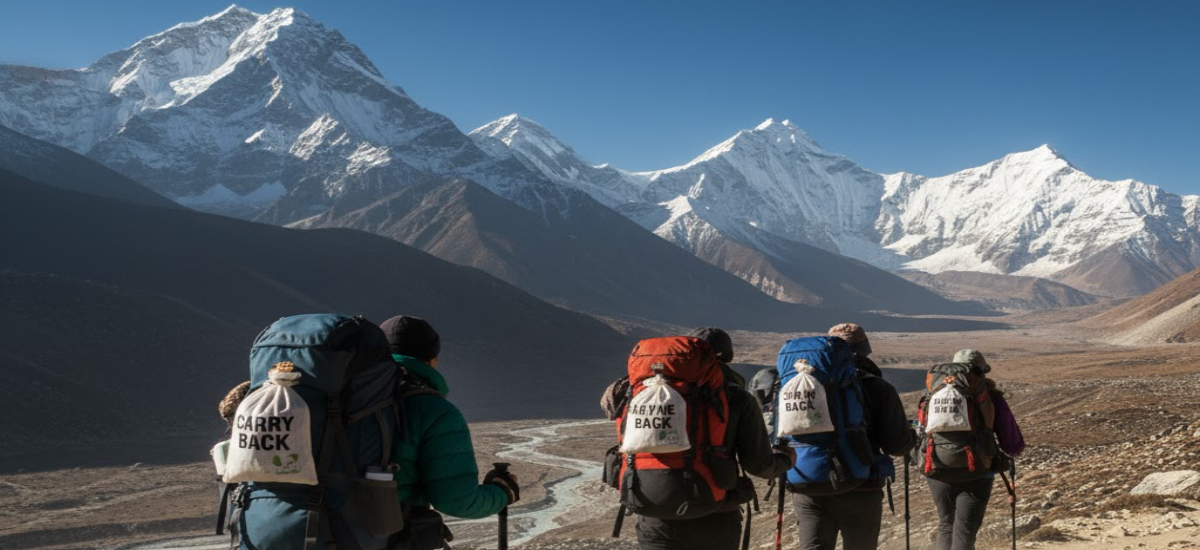
Follow the “Leave No Trace” principles:
- Plan ahead and prepare. Know where disposal facilities exist.
- Pack it in, pack it out. Everything you bring should leave with you.
- Dispose of waste properly. Never bury or burn plastics.
- Minimize campfire impact. Use gas or solar cookers.
- Respect wildlife and locals. Keep noise low and follow marked paths.
- Leave what you find. Don’t collect rocks, plants, or artifacts.
- Be considerate of other visitors. Maintain trail courtesy and respect local norms.
Practical tips
- Separate biodegradable and non-biodegradable waste.
- Avoid plastic bottled water — purify local water instead.
- Use biodegradable soap and toothpaste far from rivers.
- Carry small reusable garbage bags for wrappers and tissue.
Conserve Energy and Water in Teahouses
Mountain lodges often rely on limited resources. Overconsumption adds pressure on forests and water sources.
Sustainable behavior in lodges:
- Use solar showers if available instead of gas-heated ones.
- Share teapots instead of ordering individual cups repeatedly.
- Switch off lights and electronics when not in use.
- Limit water use — short showers, avoid washing clothes daily.
- Avoid firewood heating; use warm clothing and sleeping bags instead.
Respect Local Communities and Cultures
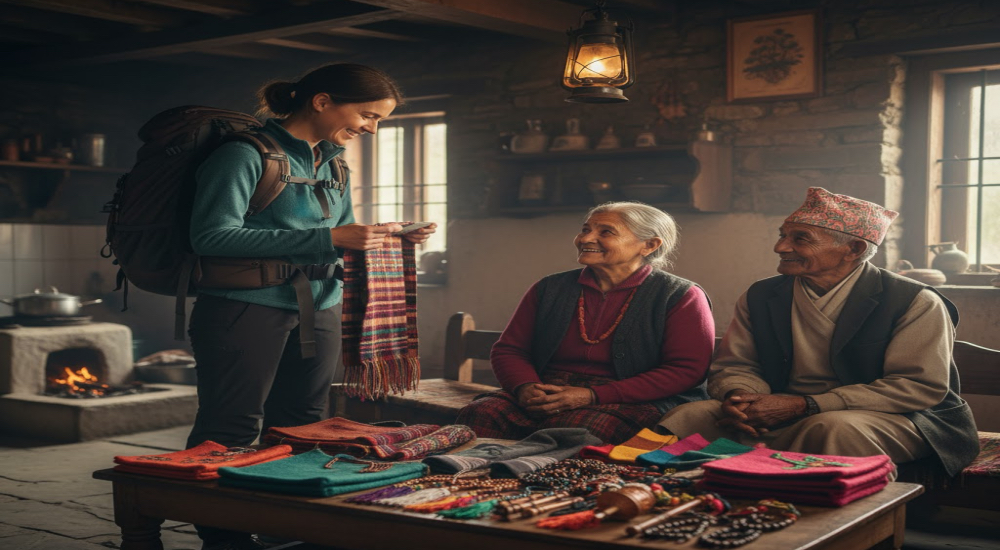
Responsible trekking goes beyond the environment — it’s also about honoring the people who call these mountains home.
Ways to support communities respectfully:
- Hire local guides and porters. This ensures economic benefits stay within the region.
- Buy local products. Support teahouses, handicrafts, and produce grown nearby.
- Learn basic Nepali phrases. Greetings like Namaste foster connection.
- Respect religious and cultural sites. Walk clockwise around stupas and mani walls.
- Dress modestly in villages and monasteries.
Sustainable trekking strengthens cultural pride while improving livelihoods.
Support Conservation Initiatives
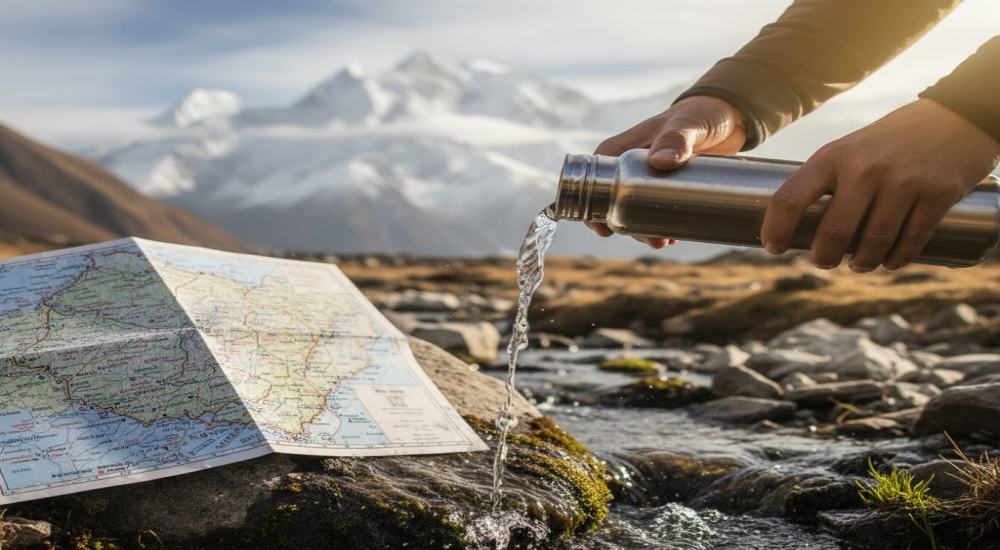
Nepal hosts several conservation projects protecting endangered species and fragile ecosystems.
You can help by:
- Donating to or volunteering with Sagarmatha Pollution Control Committee (SPCC), Annapurna Conservation Area Project (ACAP), or Manaslu Conservation Area Project (MCAP).
- Participating in clean-up treks organized by local NGOs.
- Planting trees or contributing to reforestation programs.
- Promoting educational awareness about sustainable trekking in your travel groups.
Even small acts — such as collecting stray litter — make a measurable difference.
Travel During the Right Season
Seasonal awareness helps reduce environmental stress.
- Avoid monsoon season (June–August) on popular routes where landslides and erosion are common.
- Travel in shoulder seasons (March–May, September–November) for stable weather and less crowding.
- Respect trail closures due to wildlife breeding or restoration projects.
Offset Your Carbon Footprint
Air travel and transport generate carbon emissions. Minimize and offset where possible:
- Combine multiple treks in one trip to reduce flights.
- Use local transport or shared jeeps instead of private vehicles.
- Support verified carbon offset projects in Nepal — tree planting, clean cooking stoves, and renewable energy.
- Consider eco-trekking packages that include offset contributions.
Sustainability is contagious. When fellow trekkers see your habits — refilling bottles, collecting litter, respecting customs — they follow.
Be an ambassador for responsible tourism by sharing your experience and encouraging eco-awareness among peers.

Conclusion
Sustainable trekking in Nepal is about balance — experiencing the grandeur of the Himalayas while safeguarding their delicate ecosystems and cultures. Every decision you make, from what you pack to how you behave, shapes the mountains’ future.
By traveling responsibly — respecting the land, empowering local communities, and reducing waste — you ensure that Nepal’s trekking trails remain as pristine and awe-inspiring for the next generation of adventurers.
If you need any further information, please contact us by email: [email protected], Phone: +977- 980 195 6248 (WhatsApp).