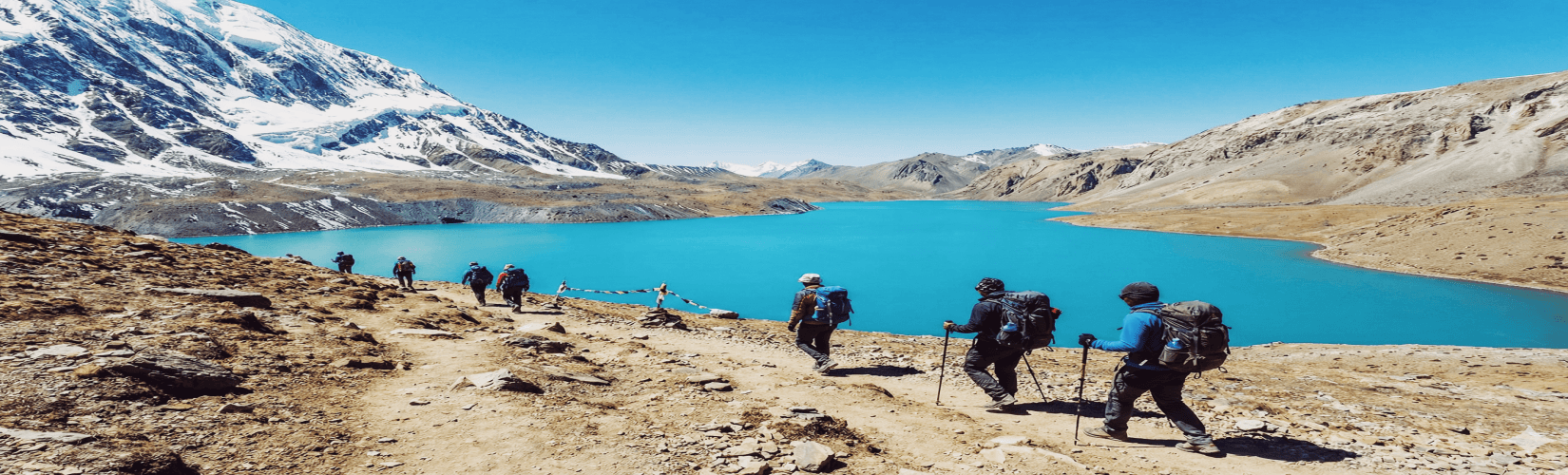
Tilicho Lake Trek is one of the most breathtaking and spiritually significant journeys in the Himalayas, leading trekkers to Tilicho Lake (4,919 m)—one of the world’s highest and most sacred alpine lakes. Located deep within the heart of the Annapurna region, Tilicho Lake is surrounded by dramatic mountain walls, wild landscapes, and the raw majesty of the Nepalese Himalayas.
At Everest Sherpa Expeditions, we recognize that the Tilicho Lake Trek offers a unique blend of challenging alpine landscape, rich Tibetan-influenced culture, and unparalleled natural beauty. While often undertaken as a challenging detour from the classic Annapurna Circuit, it stands powerfully as a destination in its own right.
This comprehensive guide covers everything you need to know: the route, highlights, difficulty level, best seasons, cost, permits, and preparation.
Why Trek to Tilicho Lake?
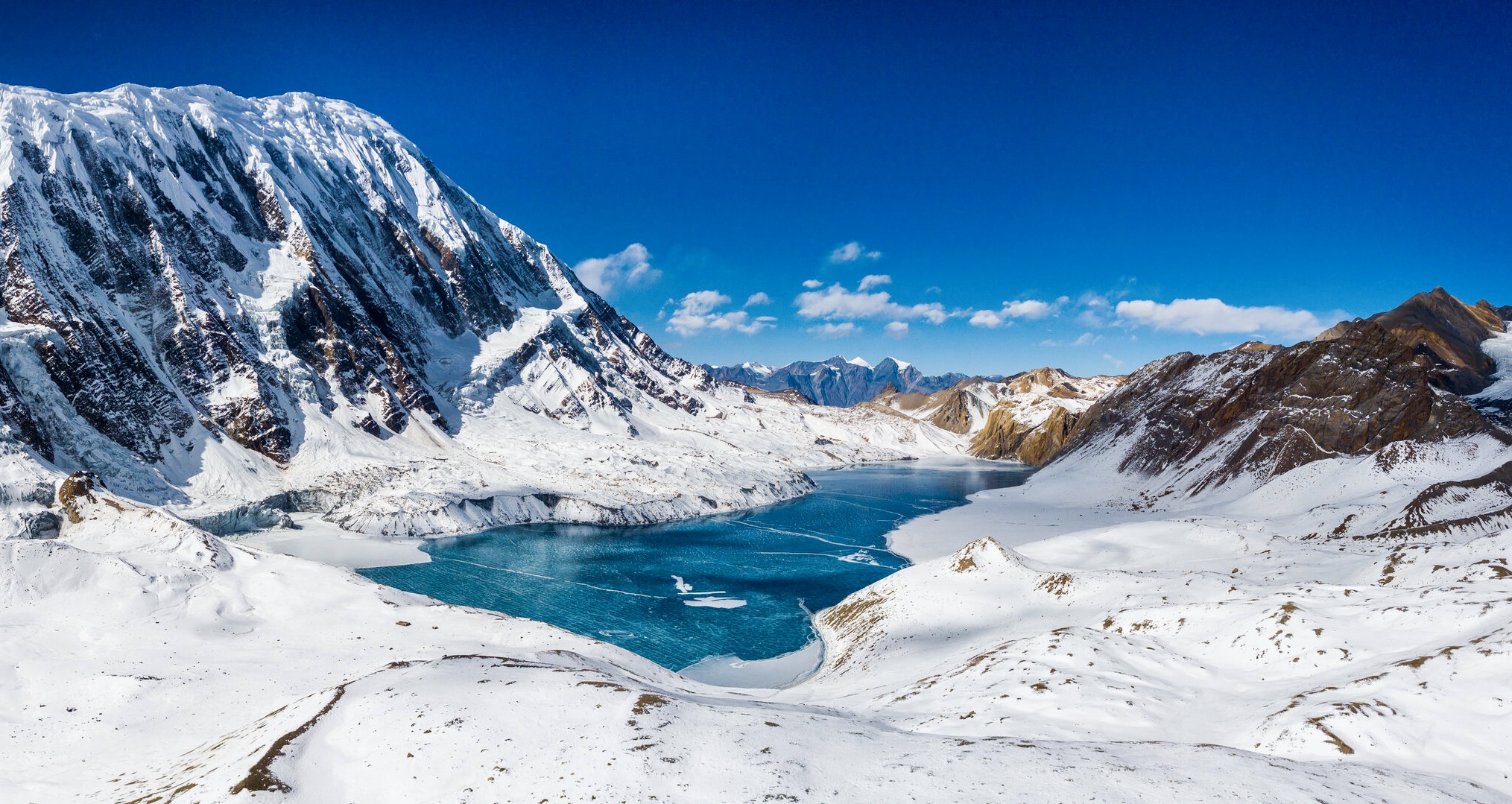
Tilicho Lake isn't just a destination; it's a testament to nature's raw beauty. Formed by glacial meltwater, the lake's crystal-clear waters reflect the snow-capped Annapurna range, creating postcard-perfect vistas. The trek offers:
- Serenity and Solitude: Fewer crowds than Everest Base Camp, allowing for peaceful contemplation.
- Diverse Landscapes: From lush valleys to arid highlands, showcasing Nepal's ecological variety.
- Cultural Depth: Encounters with Gurung and Thakali communities, monasteries, and ancient traditions.
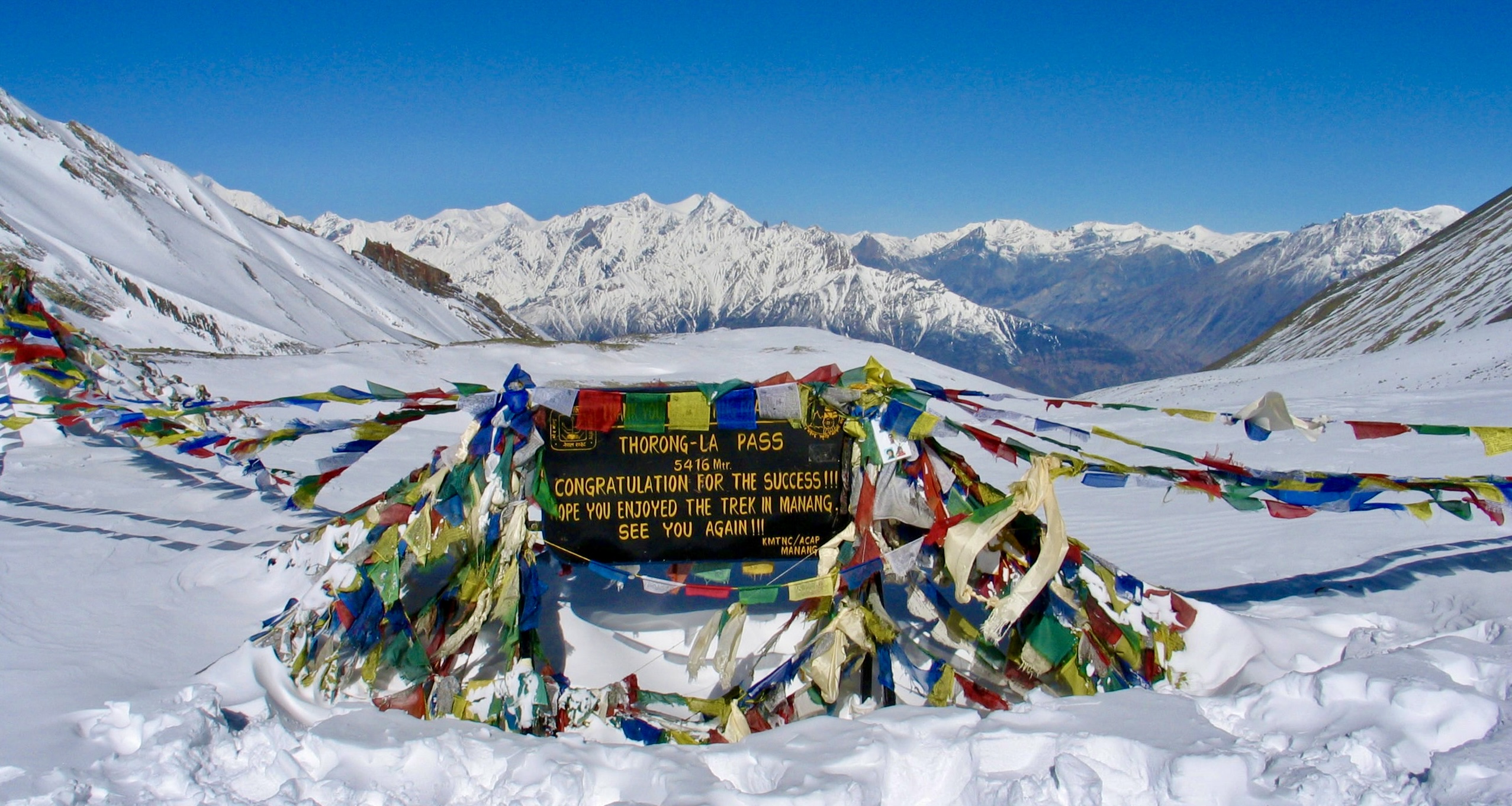
- Adventure Quotient: High-altitude challenges, including crossing Thorong La Pass (optional extension).
- Best Time to Visit: March to May (spring blooms) or September to November (clear skies). Avoid monsoon for safety.
This trek is moderate to challenging, spanning 10-14 days, and appeals to trekkers seeking both physical exertion and spiritual renewal.
Highlights and Unique Experiences
- Tilicho Lake Itself: The trek's crown jewel—its serene, otherworldly beauty at dawn is magical. Ice formations and reflections make it unforgettable.
- Cultural Encounters: Pray at Muktinath, interact with locals in Manang, and witness yak caravans.
- Wildlife and Flora: Spot blue sheep, Himalayan tahr, and spring rhododendrons.
- Scenic Variety: From river valleys to glacial basins, each day brings new wonders.
- Adventure Elements: Narrow trails, river crossings, and high-altitude ascents add thrill.
Tilicho Lake Trek: Detailed 12-Day Itinerary
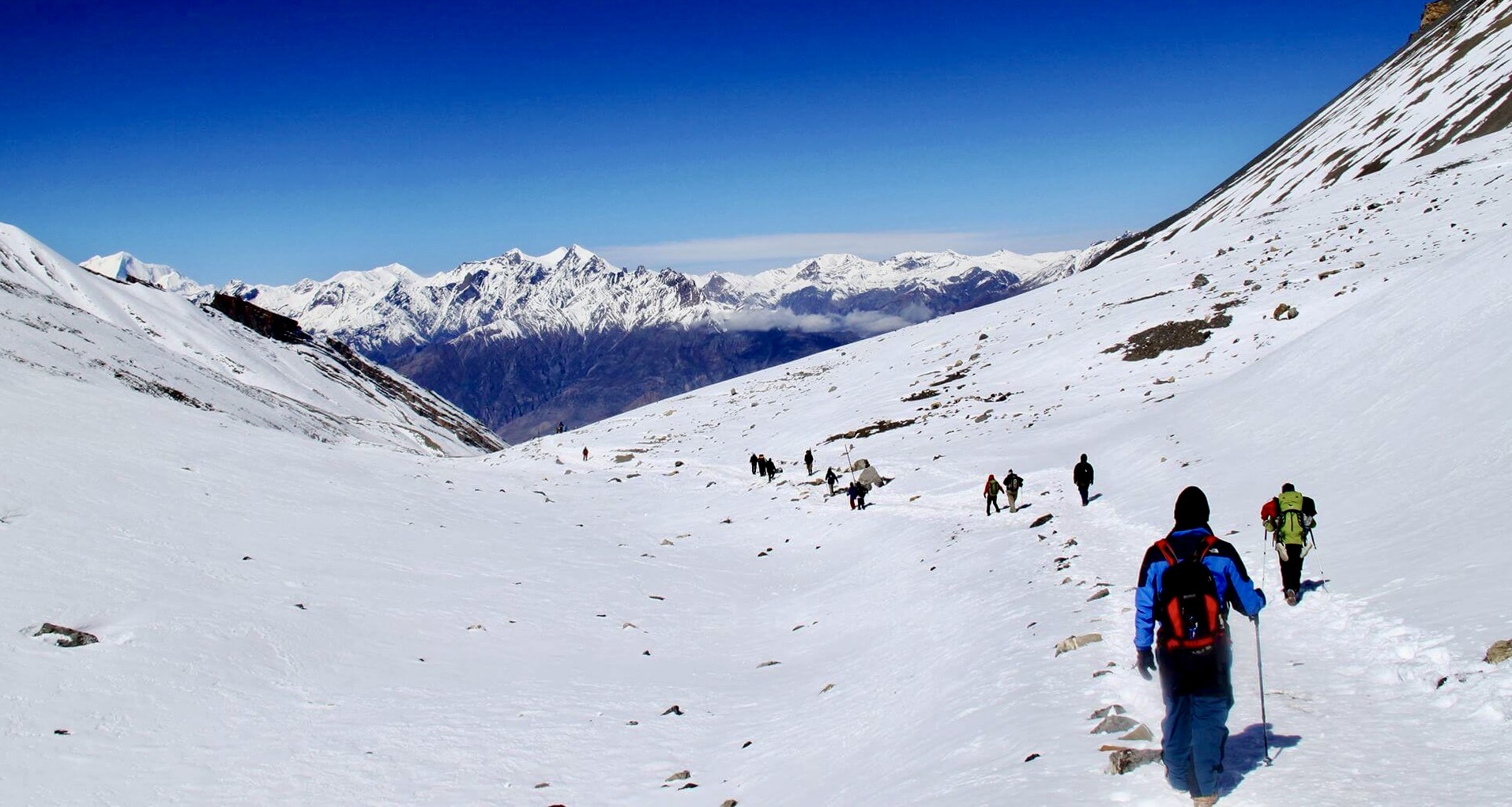
Below is the most popular itinerary for trekkers who want a dedicated Tilicho Lake experience without crossing Thorong La.
Day 1: Drive from Kathmandu to Dharapani (1,860 m)
A scenic jeep ride through the Marshyangdi River valley brings you to the traditional stone village of Dharapani, marking the entrance to the Annapurna region.
Day 2: Dharapani to Chame (2,670 m)
The trail climbs through forests and waterfalls, with views of Annapurna II and Lamjung Himal. Chame is the district headquarters of Manang, offering hot springs and comfortable teahouses.
Day 3: Chame to Pisang (3,300 m)
Trek beneath towering cliffs, cross suspension bridges, and witness the stunning Paungda Danda rock face before reaching Upper or Lower Pisang.
Day 4: Pisang to Manang (3,540 m)
Follow the scenic Upper Pisang route for panoramic views of Annapurna II, IV, and Gangapurna. Arrive in Manang—a vibrant high-altitude town surrounded by glaciers and Himalayan peaks.
Day 5: Acclimatization Day in Manang
Enjoy short hikes to:
- Gangapurna Lake
- Praken Gompa
- Bhojo Gompa viewpoint
This rest day is crucial for altitude adaptation.
Day 6: Manang to Khangsar Village (3,745 m)
A short hike to the ancient village of Khangsar, adorned with monasteries, prayer walls, and traditional Manangi houses.
Day 7: Khangsar to Tilicho Base Camp (4,150 m)
The trail becomes rugged, passing landslide-prone slopes and narrow cliffside paths. Tilicho Base Camp sits in a remote valley surrounded by towering cliffs.
Day 8: Visit Tilicho Lake (4,919 m) and Return to Base Camp / Khangsar
Start early before the winds pick up. Reach Tilicho Lake after a 3–4 hour ascent.
Spend time absorbing its tranquil, otherworldly beauty before descending to Base Camp or Khangsar.
Day 9: Trek Back to Manang
Return along the same route, enjoying easier downhill terrain and spectacular mountain views.
Day 10: Manang to Chame
Retrace your steps through forests and suspension bridges.
Day 11: Chame to Dharapani
A comfortable trekking day with gradual descents.
Day 12: Drive from Dharapani to Kathmandu
A scenic drive marks the end of the adventure.
Variations & Extensions
Tilicho Lake + Thorong La Pass
For adventure trekkers, continue from Tilicho to Yak Kharka and cross Thorong La Pass (5,416 m)—the classic Annapurna Circuit route.
Tilicho Lake Short Trek
For those with limited time, focus only on Khangsar–Tilicho Base Camp–Tilicho Lake.
Tilicho Lake + Ice Lake (4,600 m)
Add an acclimatization hike to Ice Lake for incredible views of the Annapurna range.
Note: For a shorter trek, you can omit the Thorong La Pass and return from Tilicho Base Camp back the same way to Manang, saving 3-4 days.
Tilicho Lake Trek Cost
The typical cost ranges from USD 900–1,300 per person, depending on:
- Group size
- Guide/porter services
- Accommodation quality
- Transportation
- Season
The cost usually covers:
- Permits
- Guide and porter
- Meals and lodges
- Transportation
- First-aid equipment
- Agency handling fees
Conquering the Altitude: Safety First
Tilicho Lake Trek is rated moderate to challenging. The Tilicho Lake Trek involves rapid altitude gain, making proper acclimatization non-negotiable.
-
Acclimatization Day in Manang: Manang (3,540m) is the crucial hub for altitude adjustment. Your day here is essential for your body to adapt before ascending further.
-
Go Slow: The biggest danger is moving too fast. Maintain a "trekker's pace"—slow and steady.
-
Stay Hydrated: Drink 4-5 liters of water daily, along with warm fluids like ginger tea or garlic soup (great for altitude).
-
Know the Symptoms: Be aware of Acute Mountain Sickness (AMS) symptoms (headache, nausea, dizziness, fatigue). Never ascend with symptoms.
-
Consult a Guide: Traveling with an experienced local guide is strongly recommended, especially for the high-risk landslide section and the Thorong La Pass crossing.
Most trekkers with good fitness can complete the trek with proper preparation and acclimatization.
Practical Essentials for the Tilicho Lake Trek
Permits and Regulations
-
ACAP (Annapurna Conservation Area Permit): Required for entry into the Annapurna region.
-
TIMS (Trekkers' Information Management System) Card: Mandatory for all trekkers.
(Everest Sherpa Expeditions handles all permits on your behalf when you book a package.)
Best Time to Trek
-
Autumn (September to November): The most popular season. Stable weather, dry trails, and crystal-clear skies offer the best mountain views.
-
Spring (March to May): A beautiful season with mild temperatures and blooming rhododendron forests at lower altitudes. Clear skies are common, especially in the mornings.
-
Winter (Dec-Feb): Possible but challenging. Tilicho Base Camp and Thorong La Pass are often snow-covered or closed due to extreme cold and ice.
-
Monsoon (June-Aug): Though the Manang valley and Tilicho region lie in the rain shadow, the lower sections are wet, muddy, and prone to landslides.
Gear Essentials
-
Down Jacket & Sleeping Bag: A high-quality down jacket and a -10°C to -20°C rated sleeping bag are crucial for cold nights above 4,000m.
-
Sturdy Boots: High-ankle, waterproof trekking boots with excellent ankle support.
-
Layers: Thermal base layers, fleece, and waterproof outer layers.
-
Sun Protection: High-SPF sunscreen, sunglasses (essential for snow glare), and a wide-brimmed hat.
-
Hiking Poles: Invaluable for the steep descents and maintaining balance on the challenging landslide section.
Accommodation and Food
-
Teahouse Trekking: Accommodation is primarily in local teahouses. Expect simple, clean rooms, usually with shared bathroom facilities.
-
Menu: Food includes local Nepali Dal Bhat (rice, lentil soup, and curry), noodles, fried rice, and Tibetan bread. Stick to boiled or filtered water. Avoid meat at high altitudes for safety and freshness reasons.
-
Base Camp: Lodges at Tilicho Base Camp (TBC) are basic due to their extreme location but provide necessary shelter.
Fitness & Preparation
Recommended Preparation:
- Cardio training (running, cycling, hiking) – 4–6 weeks
- Strength training for legs and core
- Hikes carrying a small backpack
- Familiarity with walking on uneven terrain
Conclusion
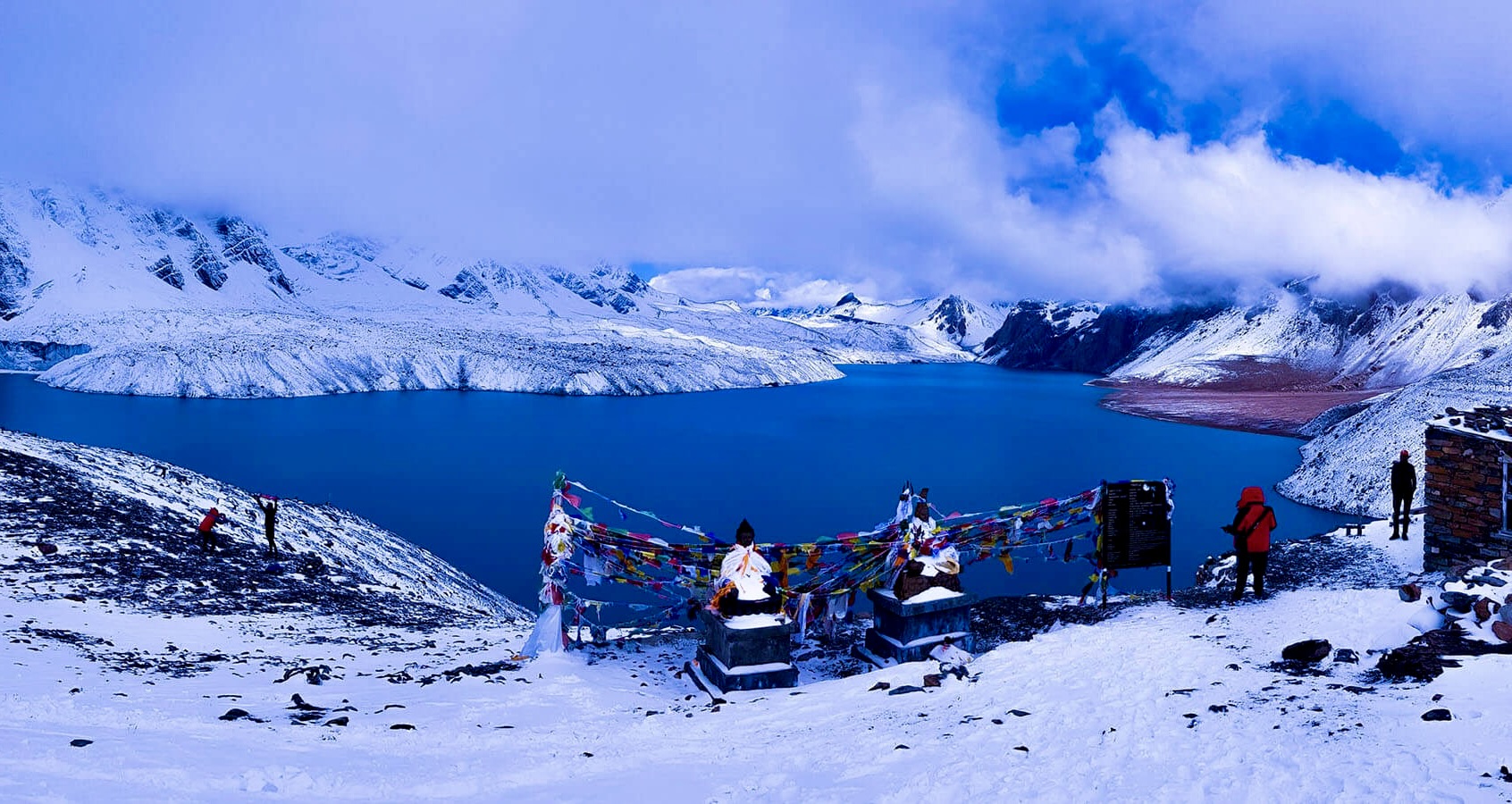
The Tilicho Lake Trek stands among Nepal’s most awe-inspiring high-altitude journeys. Its dramatic landscapes, cultural richness, challenging Himalayan terrain, and the sheer majesty of Tilicho Lake make it an unforgettable adventure.
Whether trekkers seek spiritual significance, remote wilderness, or the pure beauty of snow-capped peaks, the Tilicho Lake Trek offers a deeply rewarding experience. It is perfect for those wanting an adventurous extension beyond the classic Annapurna trails, without the technical demands of extreme climbing.
If you need any further information, please contact us by email: [email protected], Phone: +977- 980 195 6248 (WhatsApp).