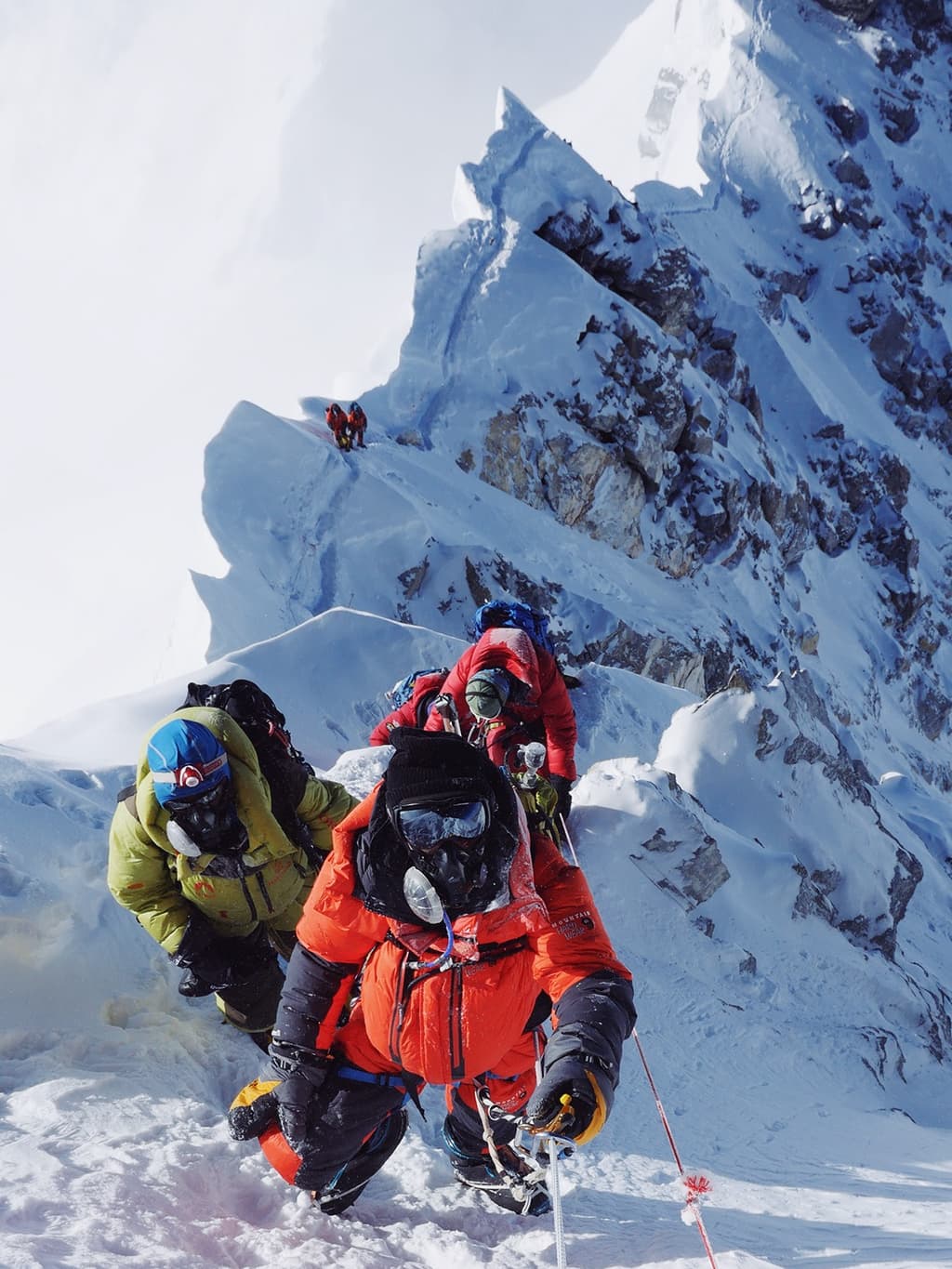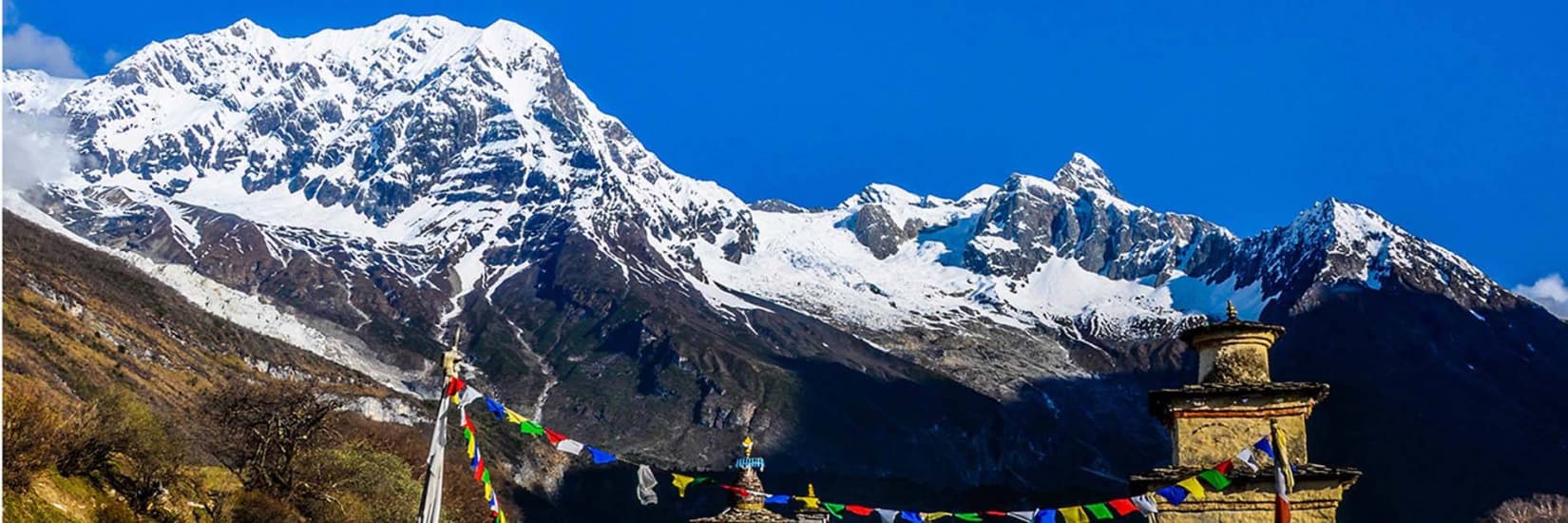
Nestled in the remote folds of the Nepalese Himalayas, the Tsum Valley Trek stands as one of the country’s most culturally rich and spiritually profound journeys. Often described as a “Beyul”—a sacred hidden valley—Tsum is a place where ancient Tibetan Buddhist traditions remain untouched, towering peaks guard centuries-old monasteries, and travelers encounter a way of life preserved far from the modern world.
For explorers seeking cultural depth, solitude, and spiritual richness rather than commercial trekking crowds, Tsum Valley offers a remarkably rewarding experience. At Everest Sherpa Expeditions, we consider it one of Nepal’s most culturally valuable trekking routes, perfect for trekkers who desire authenticity above all.
Why Trek to Tsum Valley?
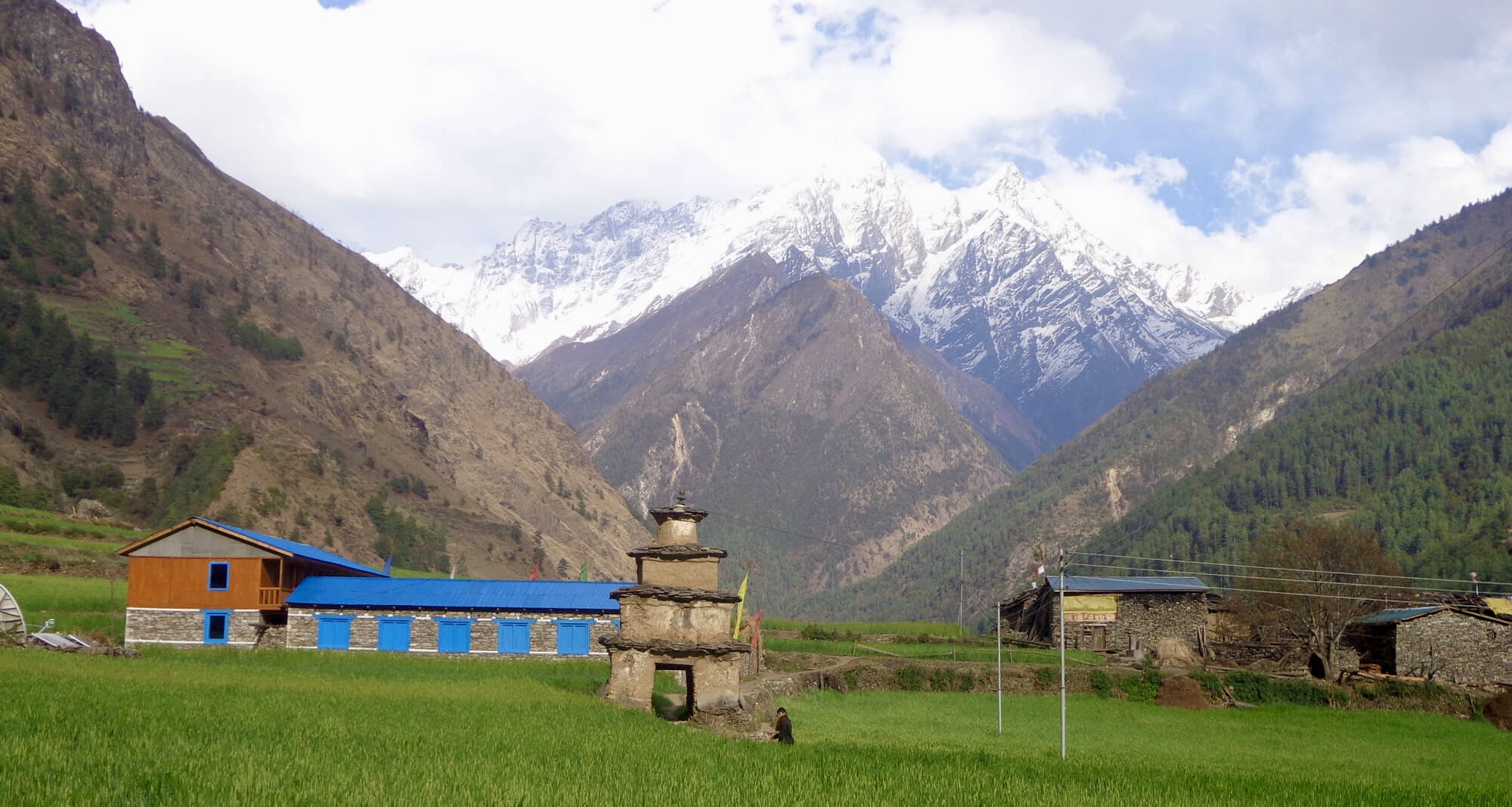
The Tsum Valley is not just a trail; it is a living museum of Tibetan culture wrapped in majestic landscapes. Restricted to outsiders until 2008, the valley has preserved its traditions with remarkable purity. Stone-built villages, mani walls stretching for kilometers, and monks chanting in ancient monasteries offer an unparalleled cultural immersion.
The scenery is equally spectacular—wild cliffs, cascading waterfalls, dense pine forests, high pastures, and dramatic views of Ganesh Himal, Shingri Himal, and Buddha Himal accompany trekkers throughout the route.
Overview: Tsum Valley Trek
|
Feature |
Details |
|
Duration |
18–24 Days (often combined with Manaslu Circuit) or 12-16 Days (Tsum Valley only) |
|
Difficulty |
Moderate to Strenuous. Requires good physical fitness and prior trekking experience. |
|
Maximum Altitude |
Mu Gompa at 3,700 meters (12,139 ft) within Tsum Valley, or Larkya La Pass at 5,106 meters (16,752 ft) if combined with Manaslu. |
|
Region |
Manaslu Conservation Area, Gorkha District |
|
Highlight |
Untouched Tibetan Buddhist culture, ancient monasteries, stunning valley views, challenging but rewarding trails. |
|
Accommodation |
Basic Tea Houses/Lodges and occasional Homestays |
|
Permits Required |
Manaslu Restricted Area Permit (MRAP), Manaslu Conservation Area Permit (MCAP), Annapurna Conservation Area Permit (ACAP) (if exiting via Annapurna). |
Highlights of the Tsum Valley Trek
- Explore the sacred valley once accessible only to monks and pilgrims
- Visit ancient monasteries including Mu Gompa, Rachen Nunnery, and Gumba Lungdang
- Experience authentic Tibetan Buddhist culture practiced in its purest form
- Enjoy panoramic mountain views of Ganesh Himal, Manaslu, and Shringi Himal
- Walk through deep gorges, cascading rivers, and terraced farmlands
- Stay in traditional stone houses within remote Himalayan villages
- Encounter a warm, humble community with unique dialect, dress, and customs
Best Time to Trek: When to Explore the Sacred Valley
Similar to most Himalayan treks, the shoulder seasons offer the best conditions for the Tsum Valley.
|
Season |
Why Go? |
What to Expect |
|
Autumn(Sept - Nov) |
Clear & Stable. The post-monsoon period offers dry trails, clear skies, and spectacular mountain views. Perfect for photography and comfortable trekking. |
Busy, especially if combined with Manaslu Circuit. Teahouses can be full. Day temp:10° C-20°C |
|
Spring(Mar - May) |
Blooming Rhododendrons & Mild Weather. Beautiful flora in the lower sections. Good views, but some haze can occur at lower altitudes. |
Generally less crowded than autumn. Day temp: 5°C–15°C |
|
Winter(Dec - Feb) |
Solitude & Snow. Very clear skies. Cold, especially at higher elevations, and snow can block trails to Mu Gompa and above. |
Less common for Tsum Valley due to cold and potential for heavy snow. Requires serious cold-weather gear. |
|
Monsoon(Jun - Aug) |
Lush & Quiet. Very few trekkers. Valleys are incredibly green, but expect consistent rain, leeches, muddy trails, and obscured views. |
Not recommended due to challenging conditions and high risk of landslides. |
Detailed Itinerary of Tsum Valley Trek(12-14 Days)
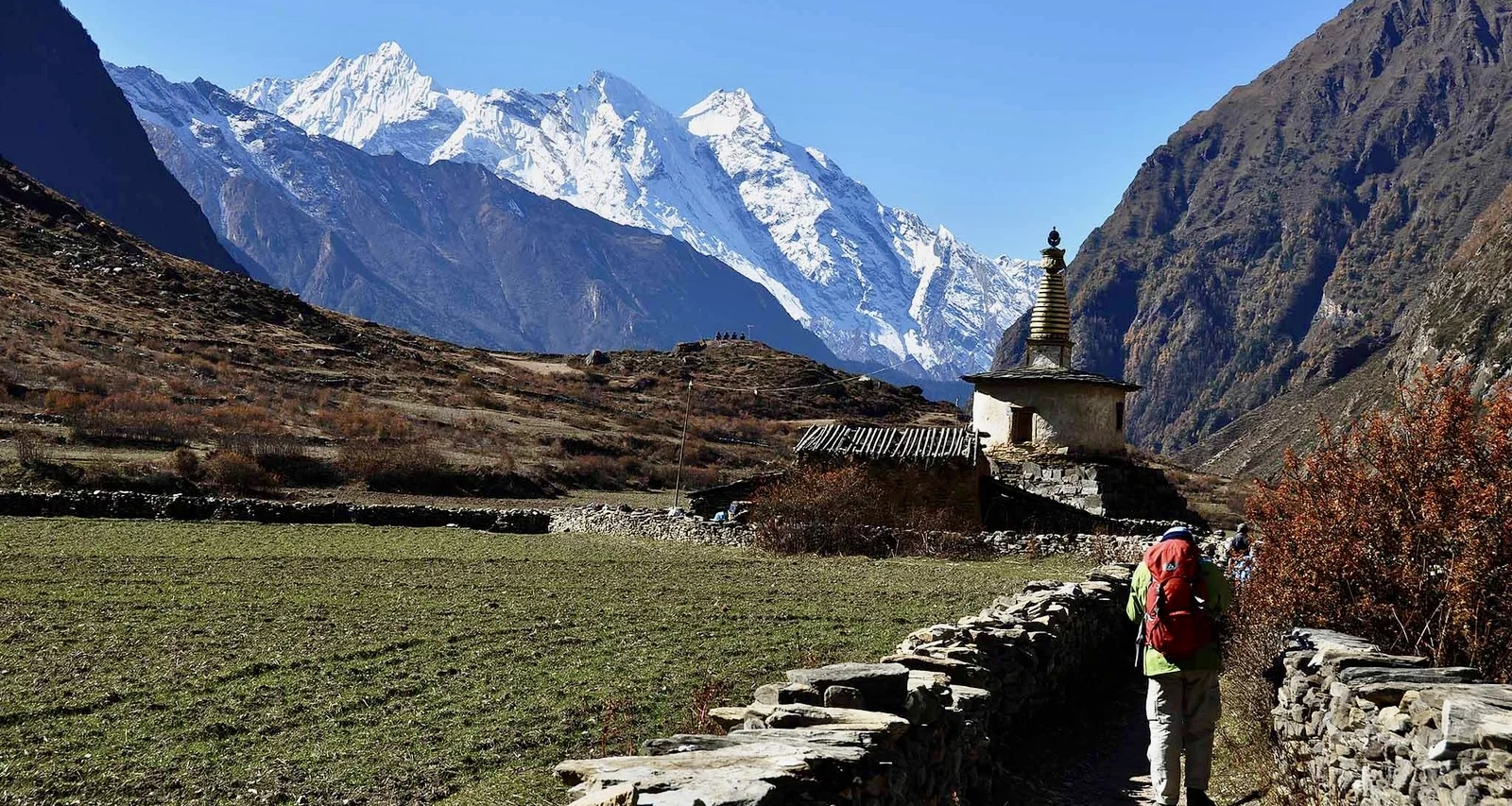
This itinerary focuses purely on the Tsum Valley, typically starting from Machha Khola or Soti Khola after a drive from Kathmandu. It can easily be extended to include the Manaslu Circuit for a longer, more challenging adventure.
|
Day |
Route |
Highlights & Notes |
Approx. Time |
Altitude (m) |
|
Day 1 |
Drive Kathmandu to Soti Khola / Machha Khola |
Long scenic drive along the Trishuli River to the trekking starting point. |
7–9 hrs (drive) |
710 / 860 m |
|
Day 2 |
Trek to Jagat |
Follow the Budi Gandaki River, passing through small villages, terraced fields, and suspension bridges. |
6–7 hrs |
1,410 m |
|
Day 3 |
Trek to Lokpa |
Continue along the river, entering the restricted Manaslu area. The trail gets narrower and steeper. |
6–7 hrs |
2,240 m |
|
Day 4 |
Trek to Chumling |
Cross a long suspension bridge and climb towards Chumling, the first village in the Tsum Valley, offering views of Ganesh Himal. |
5–6 hrs |
2,386 m |
|
Day 5 |
Trek to Chokhangparo |
Traverse through traditional Tsum villages and fields, with stunning views of Ganesh Himal and Sringi Himal. Visit a local monastery. |
4–5 hrs |
3,010 m |
|
Day 6 |
Trek to Nile (via Rachen Gompa) |
Continue upwards, passing through hamlets like Lamagaon. Visit Rachen Gompa, an important nunnery in the valley. |
5–6 hrs |
3,361 m |
|
Day 7 |
Excursion to Mu Gompa (3,700m) & Dhephu Doma Gompa |
Day trip to the highest point in Tsum Valley. Explore Mu Gompa, the largest monastery, rich with ancient artifacts and panoramic views. Return to Nile or stay at Mu Gompa if conditions allow. |
4–6 hrs |
3,700 m |
|
Day 8 |
Trek back to Chumling (or Ripchet) |
Begin descent, retracing steps to Chumling or taking an alternative scenic route via Ripchet village. |
6–7 hrs |
2,386 m |
|
Day 9 |
Trek to Philim |
Exit Tsum Valley and descend back towards the main Manaslu trail. |
6–7 hrs |
1,570 m |
|
Day 10 |
Trek to Deng |
Continue along the Budi Gandaki, entering more Tibetan-influenced villages as you head north. |
5–6 hrs |
1,860 m |
|
Day 11 |
Trek to Namrung |
The trail gains significant altitude, offering stunning views and traditional Tibetan chortens. |
6–7 hrs |
2,630 m |
|
Day 12 |
Trek to Lho |
Short day, but scenic. Lho offers spectacular close-up views of Manaslu. |
4–5 hrs |
3,180 m |
|
Day 13 |
Drive Namrung/Philim to Kathmandu |
Depending on the road accessibility and time, you might trek further down before taking a jeep back to Kathmandu. |
8–10 hrs (drive) |
1,300 m |
Note: This itinerary is an example. The trek can be customized. Many trekkers opt to combine it with the Manaslu Circuit, turning it into an 18-24 day epic adventure that circles Manaslu and crosses the challenging Larkya La Pass.
Preparation & Packing Essentials
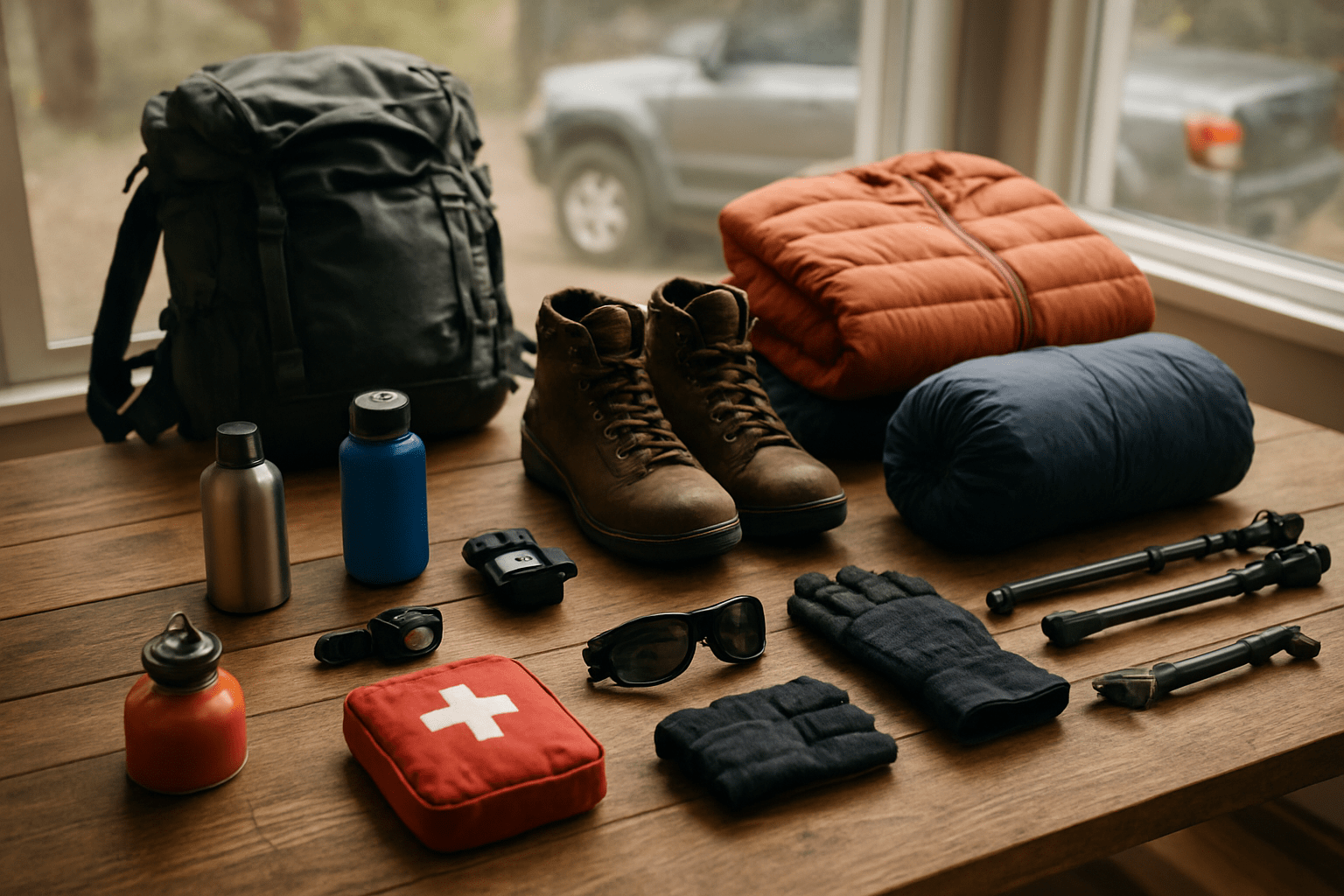
The Tsum Valley trek is more remote than other popular routes, requiring careful preparation. Packing for a varied climate (from subtropical lowlands to cold alpine passes) is crucial.
Clothing (Layering System)
- Base Layer (3-4 sets): Moisture-wicking synthetic or Merino wool tops and bottoms.
- Mid-Layer (2): Fleece jacket, lightweight down/synthetic puffy jacket for warmth.
- Outer Layer (1): Waterproof and windproof shell jacket and pants/poncho for rain, wind, and potential snow.
- Footwear: Sturdy, waterproof, broken-in trekking boots with good ankle support. Bring sandals/flip-flops for teahouse comfort.
- Socks (4-5 pairs): Wool or synthetic trekking socks (including a pair of warmer socks for sleeping).
- Accessories: Warm hat/beanie, sun hat, gloves (liner + warmer outer gloves), and a neck gaiter/buff.
Gear & Personal Items
- Backpack: 50–65L with a rain cover.
- Sleeping Bag: Essential. Rated to at least 10°C–15°C Temperatures, especially if staying in homestays or higher altitudes.
- Trekking Poles: Highly recommended for stability on uneven terrain and steep ascents/descents.
- Headlamp: Essential, as electricity can be unreliable in remote villages.
- Water Bottles/Hydration Bladder: Reusable bottles are a must.
- Water Purification: Tablets (e.g., Aquatabs), or a filter bottle/Steripen, as you must purify tap water.
- Toiletries: Travel-sized soap/shampoo, toothbrush, toilet paper (crucial for remote areas), small quick-dry towel, and hand sanitizer.
- Health: Comprehensive first-aid kit (blister plasters, antiseptic wipes, pain relievers, antibiotics for traveler's diarrhea, altitude sickness medication like Diamox (consult your doctor)), and any personal medications.
- Snacks: Energy bars, dried fruits, nuts, and chocolates for personal energy boosts.
- Power Bank: Charging facilities are sparse and expensive.
Logistics & Costs
Permits
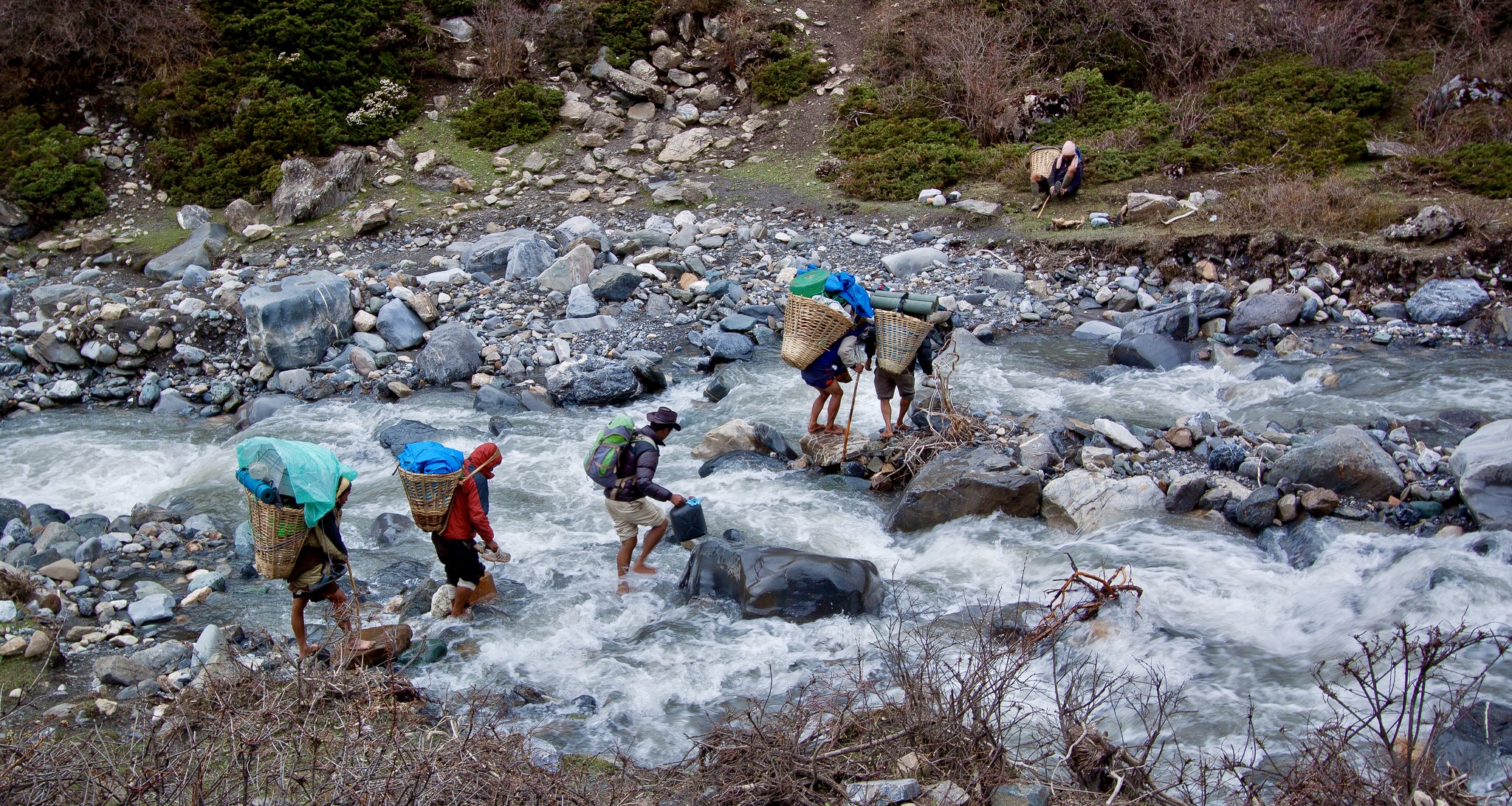
The Tsum Valley is a restricted area, requiring special permits. You must trek with a registered Nepali guide/agency and be in a group of at least two trekkers.
- Manaslu Restricted Area Permit (MRAP): Varies by month (more expensive in peak season: Sept-Nov, March-May). Roughly $70-$100 USD per week.
- Manaslu Conservation Area Permit (MCAP): NPR 3,000 (approx. $23 - $27 USD).
- Annapurna Conservation Area Permit (ACAP): (Only if your trek exits through the Annapurna region, e.g., after Larkya La). NPR 3,000 (approx. $23 - $27 USD).
Cash
There are no ATMs on the entire trek. Carry enough Nepali Rupees to cover all your expenses (food, accommodation, water refills, hot showers, charging fees, tips for guide/porter) before leaving Kathmandu.
Food & Accommodation
- Tea Houses/Homestays: Offer basic but clean rooms, usually with shared facilities. The standard is simpler than on more popular routes. Expect limited electricity and no heating in rooms.
- Meals: Menus are less extensive than on Annapurna or Everest treks. Dal Bhat is the most reliable and nutritious option. Tibetan bread, noodle soups, and simple rice dishes are common. Ingredients are locally sourced, so food is fresh but simple.
- Amenities: Hot showers are often available (sometimes bucket showers, usually charged). WiFi is rare and unreliable. Charging devices is almost always for a fee.
Cost of Tsum Valley Trek
Prices vary based on duration and services, but an average package includes:
|
Category |
Cost (Approx.) |
|
Restricted Permits |
USD 40–70 per week per person (seasonal) |
|
Guide |
USD 30–35/day |
|
Porter |
USD 25–30/day |
|
Accommodation & Meals |
USD 25–35/day |
|
Transportation |
USD 30–40 each way |
|
Total Trek Cost |
USD 1,200 – 1,800 per person |
This cost typically includes permits, guide/porter services, meals, accommodations, transportation, and agency logistics.
Cultural Immersion: The Heart of Tsum
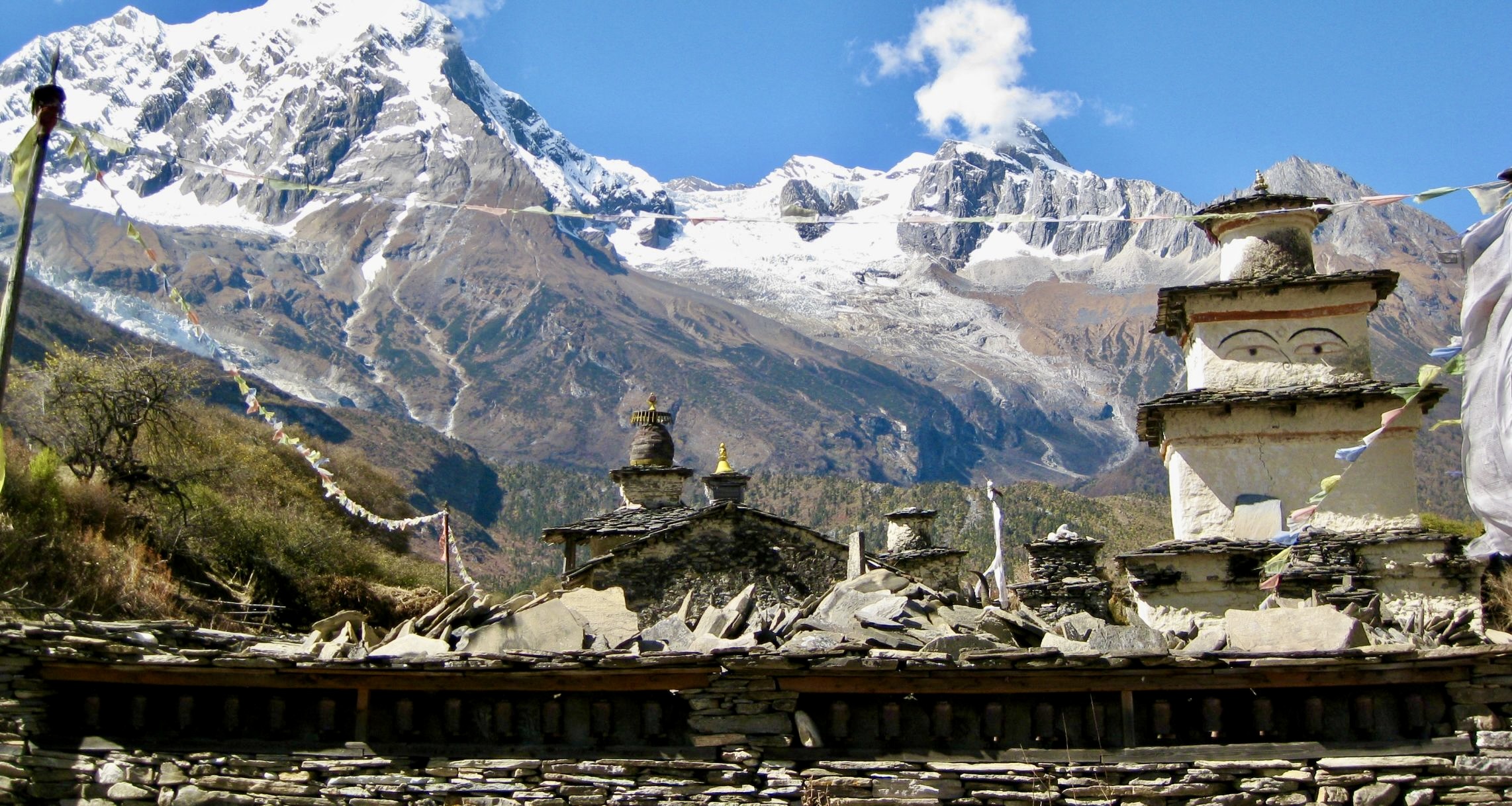
The Tsum Valley is known as a "Beyul" (sacred hidden valley) by local Buddhists.
- Culture: The Tsumbas (people of Tsum) are descendants of Tibetan migrants, speaking a unique dialect of Tibetan. Their traditions, festivals, and spiritual practices are deeply rooted in Tibetan Buddhism.
- Monasteries & Chortens: The valley is dotted with ancient monasteries (Gompas), chortens, mani walls, and prayer flags. Mu Gompa and Rachen Gompa are particularly significant.
- Hospitality: Locals are incredibly welcoming and warm. Homestays offer a unique opportunity to experience their daily life and traditions.
- Vegetarianism: The Tsum Valley is a declared "Non-violence zone" (Ahinsa Zone) where killing animals is forbidden. Expect vegetarian meals throughout the valley.
The Tsum Valley Trek is more than just a walk; it's a pilgrimage, a cultural odyssey, and an escape to a pristine Himalayan wilderness. It's a journey for those seeking solitude, profound cultural interaction, and the raw, untamed beauty of Nepal's hidden gems.
Conclusion
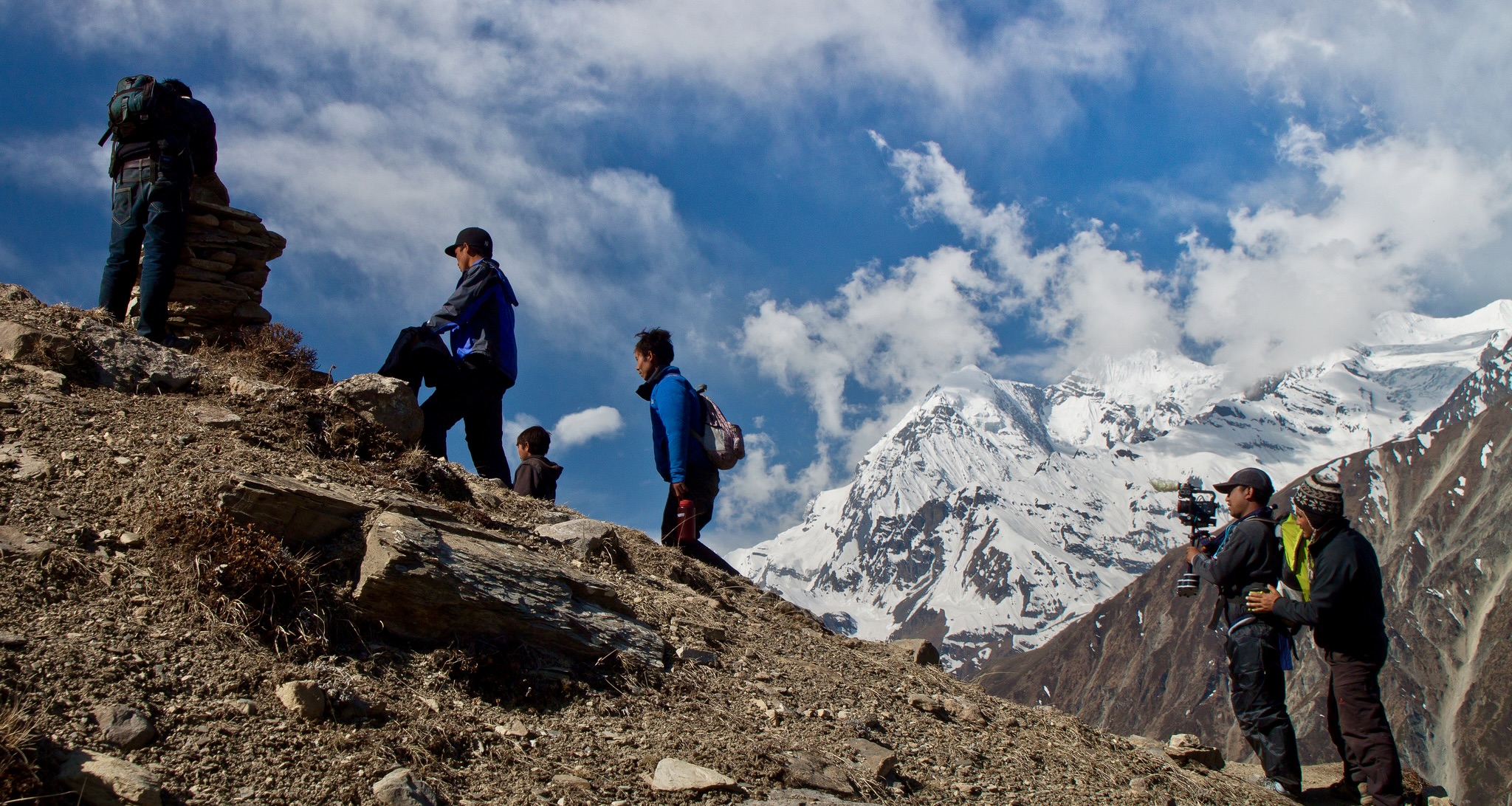
The Tsum Valley Trek is more than a physical journey—it is a profound immersion into sacred landscapes, ancient spirituality, and Himalayan culture untouched by time. Every trail, monastery, and mountain vista carries a story, inviting trekkers to slow down, breathe deeply, and embrace the beauty of simplicity.
For those craving a trek that goes beyond scenery and enters the realm of meaning and discovery, Tsum Valley stands unmatched. It is a hidden treasure waiting to be explored—one step, one prayer flag, and one Himalayan sunrise at a time.
If you need any further information, please contact us by email: [email protected], Phone: +977- 980 195 6248 (WhatsApp).